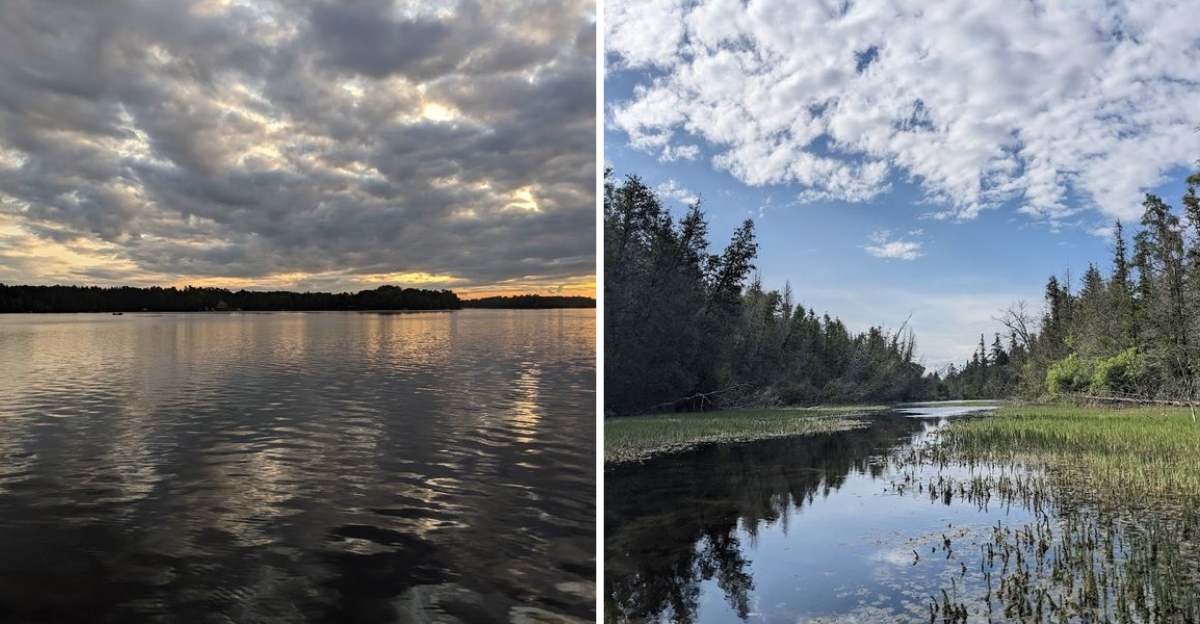
Three hours of pulling an empty line from a Wisconsin lake hits different. Growing up, you heard stories.
Legendary walleye catches. Bluegill so thick you could practically scoop them with your hands.
Those days are fading faster than most people realize. Across the state, small lakes that once teemed with life grow quieter every season.
This shift runs deeper than bad luck. Climate change warms the water.
Invasive species muscle out native fish. Shoreline development swallows spawning grounds.
Overfishing takes more than nature can replace. None of these problems live somewhere far away.
They are happening right now, in lakes you may have fished last summer. Understanding what went wrong is the first step toward turning things around.
A quiet lake does not have to stay quiet forever.
1. Nelson Lake, Sawyer County
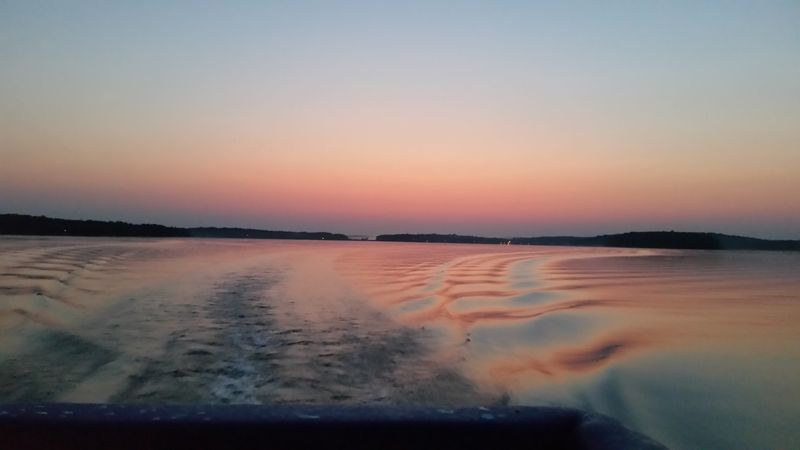
Nelson Lake used to be one of the crown jewels of walleye fishing in Sawyer County, and the silence that has replaced that legacy is genuinely unsettling. Since the mid-1990s, walleye density has dropped dramatically, and natural reproduction has nearly stalled.
Warming water temperatures have quietly reshaped what species can survive here.
Largemouth bass and panfish have moved in to fill the void, thriving in conditions that were once too cool for them. Their dominance has made it harder for walleye to find suitable spawning habitat, and the cycle keeps compounding.
Shoreline development has also stripped away much of the shallow, weedy structure that walleye fry depend on in early life.
USGS researchers have been studying Nelson Lake closely, trying to understand whether stocked walleye can eventually become self-sustaining again. The results so far are cautiously hopeful but far from certain.
If you visit, the scenery is still stunning, the water still clear, but the underwater world here is a shadow of what it once was. Anglers who knew this lake in its prime describe the change with a kind of quiet grief that says more than any data point ever could.
2. Clark Lake, Door County
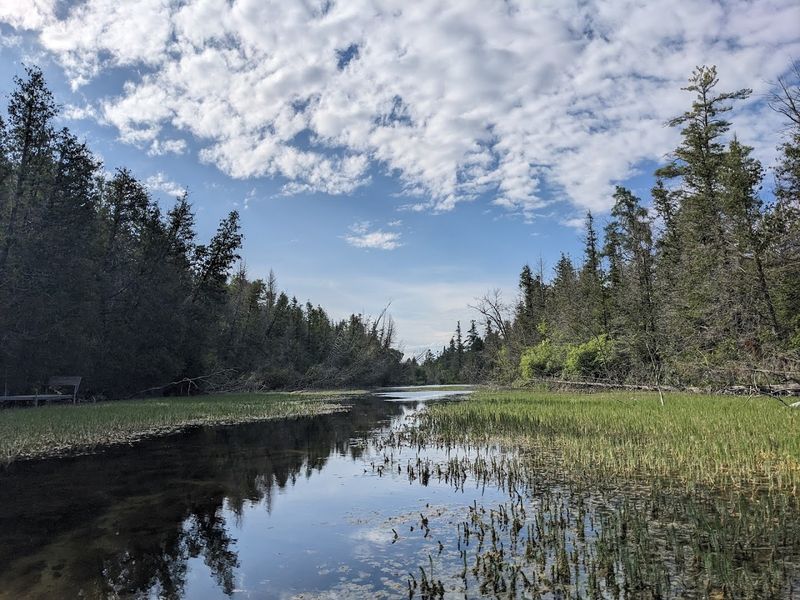
Clark Lake sits as the second-largest lake in Door County, but its size has not protected it from the slow unraveling happening beneath the surface. Since around 2013, anglers have noticed fishing getting progressively harder, with fewer catches of the species that once made this lake worth the drive.
Bluegill, northern pike, walleye, and smallmouth bass all call this water home, but their numbers have thinned.
The reasons are layered. Habitat degradation along the shoreline, changes in water clarity, and shifts in the food web have all contributed to a less stable environment for fish reproduction.
What looks peaceful from the dock does not always reflect what is happening a few feet below.
Door County draws visitors for its beauty, and Clark Lake absolutely delivers on that front. The surrounding landscape is gorgeous, especially in fall when the trees turn and the light sits low over the water.
But if you come here expecting the kind of fishing your grandparents talked about, you might leave feeling puzzled. The lake is not dead, not even close, but it is struggling in ways that deserve more attention than they currently receive from the broader public.
3. Ghost Lake, Sawyer County
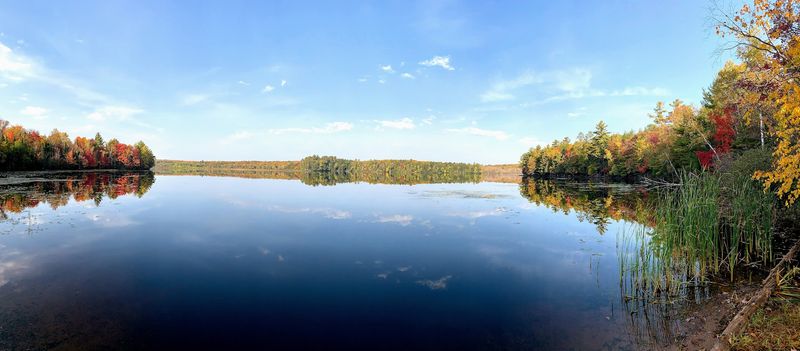
The name alone gives you a sense of what this lake has become. Ghost Lake in Sawyer County is managed by the Quiet Lakes Improvement Association, and while it retains a haunting, remote beauty, its aquatic health has been under serious pressure.
Eurasian Water Milfoil, an invasive aquatic plant, has spread aggressively through the lake, choking out native vegetation that fish depend on for cover and spawning.
When native plants disappear, the whole food chain shifts. Insects that live in healthy plant beds decline, small fish lose shelter, and predator fish have fewer places to hunt effectively.
The association has worked hard to manage the milfoil, but controlling an invasive species in a lake is an ongoing battle, not a one-time fix.
Ghost Lake still holds fish, and on a quiet morning the place feels almost magical in its stillness. The surrounding forest is thick, the shoreline largely undeveloped, and the water reflects the sky like a mirror.
But the underlying ecosystem is fragile right now. Visiting here is a reminder that even remote, seemingly untouched lakes are not immune to the forces reshaping Wisconsin’s freshwater environments.
The quiet here is beautiful and a little heartbreaking at the same time.
4. Lost Land Lake, Sawyer County
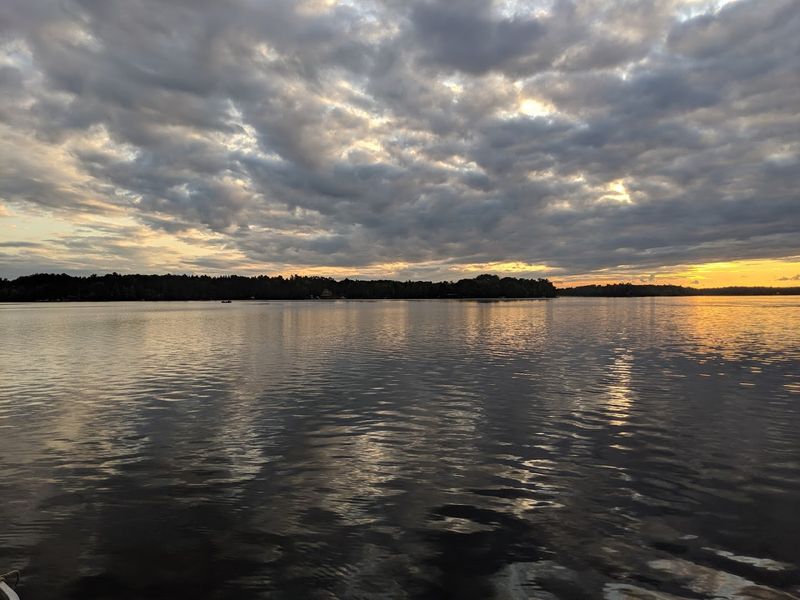
Lost Land Lake is one of three connected lakes managed by the Quiet Lakes Improvement Association, and its challenges mirror those of its neighbors. Eurasian Water Milfoil has taken hold here too, and the disruption to native plant communities has had a ripple effect on fish habitat quality.
What was once a reliable spot for panfish and bass has become noticeably less productive over the past decade.
Water temperature trends have not helped. Warmer summers mean less dissolved oxygen in deeper zones, which pushes cold-water species into smaller and smaller pockets of suitable habitat.
Fish that cannot find cool, oxygen-rich water during summer stress periods become more vulnerable to disease and predation.
There is still real charm to Lost Land Lake. The shoreline retains a natural feel in many areas, and early morning out here, with the mist sitting low over the water, is the kind of scene that makes you understand why people fall in love with Wisconsin lakes.
The association’s management efforts are genuine and ongoing, which gives some reason for optimism. But the fish populations here are under pressure, and recovery will require sustained effort, better land-use practices around the watershed, and a lot of patience from everyone who cares about this water.
5. Teal Lake, Sawyer County
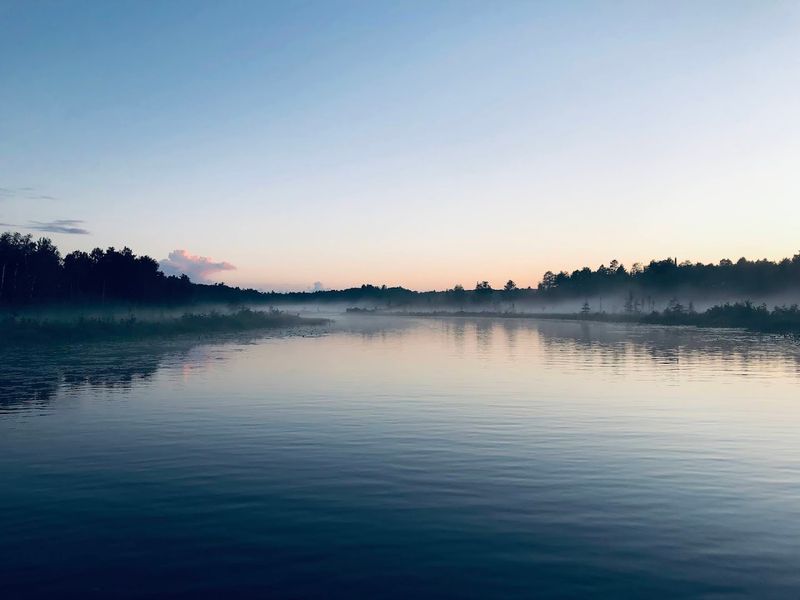
Teal Lake rounds out the trio of Quiet Lakes in Sawyer County, and its story adds another chapter to the same troubling narrative. Invasive plants have altered the structure of the lake bottom, making it harder for native species to thrive.
Fish surveys in recent years have reflected fewer large individuals and reduced diversity compared to historical records.
One thing that stands out about Teal Lake is how deceptively healthy it can look on the surface. The water is clear, the shoreline is green, and on a summer afternoon it is easy to assume everything is fine.
That surface impression is part of what makes these kinds of collapses so difficult to communicate to the public.
People see a pretty lake and assume it is healthy. But ecological health is measured below the surface, in spawning success rates, age class distributions, and food web stability, none of which are visible from a pontoon boat.
The Quiet Lakes Association deserves credit for taking these issues seriously and implementing management plans before the situation became irreversible. Still, Teal Lake serves as a clear example of how even actively managed small lakes in Wisconsin can struggle when broader environmental pressures keep building year after year.
6. Big Muskellunge Lake, Vilas County
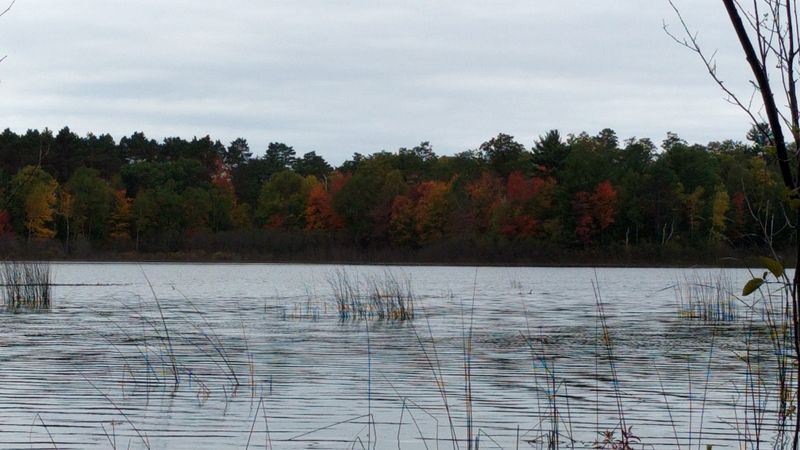
Big Muskellunge Lake sits in Vilas County and has long been part of the North Temperate Lakes Long-Term Ecological Research program, which means scientists have been watching it closely for decades. That long record of data tells a story that should make any Wisconsin angler pay attention.
Walleye recruitment has declined significantly, and the warming of surface waters is a central factor in that trend.
Walleye prefer cooler, clearer water for spawning and early development. As average summer temperatures rise, the window of suitable conditions shrinks, and fewer young walleye survive to adulthood.
Meanwhile, species that tolerate warmer water have expanded their presence, intensifying competition for food and space.
The research coming out of this lake is some of the most detailed available for any small Wisconsin water body, and it paints a sobering picture of where things are heading. Big Muskellunge Lake is not a forgotten backwater.
It is actively studied, carefully monitored, and still struggling. That combination of scientific attention and ongoing decline makes it one of the most important case studies for understanding what is happening to Wisconsin’s small lakes more broadly.
If you fish here, you are fishing in one of the most closely watched lakes in the entire Midwest.
7. Sparkling Lake, Vilas County
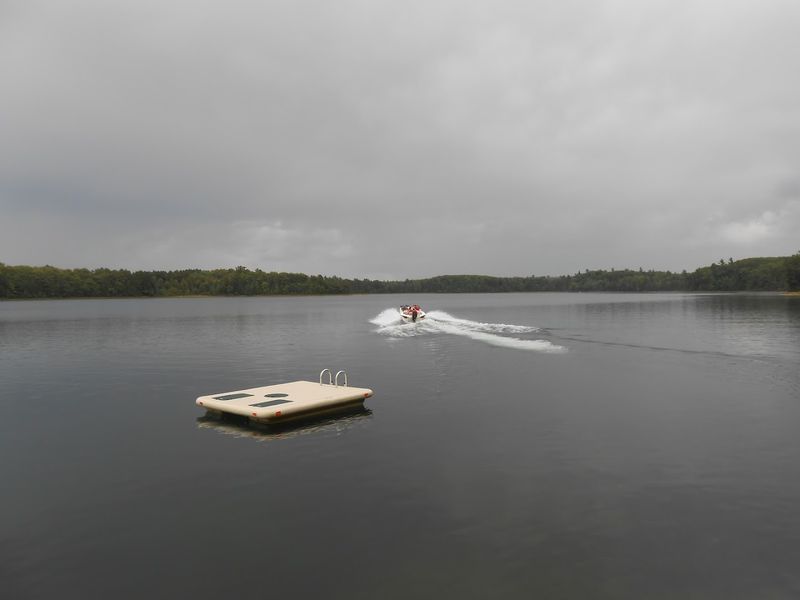
Sparkling Lake in Vilas County earned its name honestly. The water clarity here is remarkable, the kind that lets you see the bottom in depths where most lakes go dark.
But that clarity has not shielded it from the same forces reshaping fish communities across northern Wisconsin. Long-term monitoring through the North Temperate Lakes program has documented shifts in species composition and reduced abundance of key predator fish.
Rainbow smelt, an invasive species introduced decades ago, disrupted the food web here by preying heavily on young cisco and other native forage fish. That disruption cascaded upward, affecting the larger fish that depended on those forage species.
Management efforts including smelt removal campaigns have helped, but the ecosystem has not fully bounced back.
