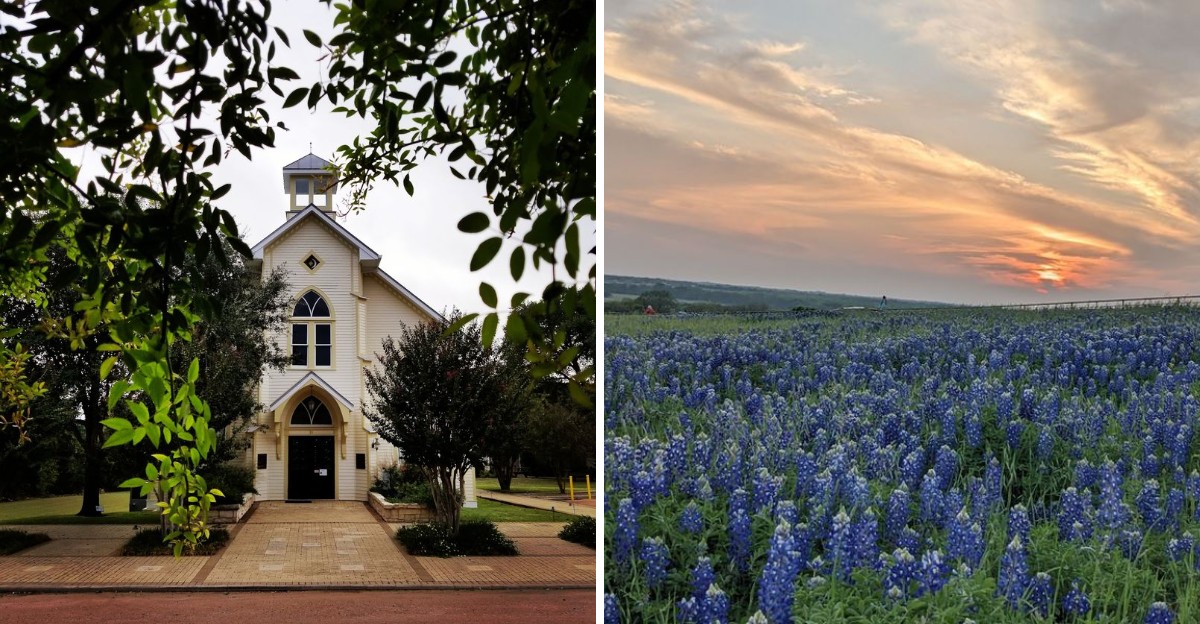
Texas has a way of pulling people in. The Hill Country rolls out in waves of wildflowers, the Gulf Coast shimmers under wide-open skies, and small towns hidden between rivers and pine trees hold the kind of charm that makes visitors want to stay forever.
That charm, though, comes with a catch. Some of Texas’s most beloved towns have become so popular that the locals who call them home quietly step aside during peak season, letting the crowds have the streets while they retreat to quieter corners.
From the river-soaked energy of New Braunfels to the bluebonnet-lined roads of Ennis, these eight towns tell a story that is equal parts beautiful and overwhelming. Knowing what to expect before arriving makes all the difference between a frustrating visit and a genuinely memorable one.
These places deserve to be seen, just maybe not on the busiest weekend of the summer.
1. New Braunfels
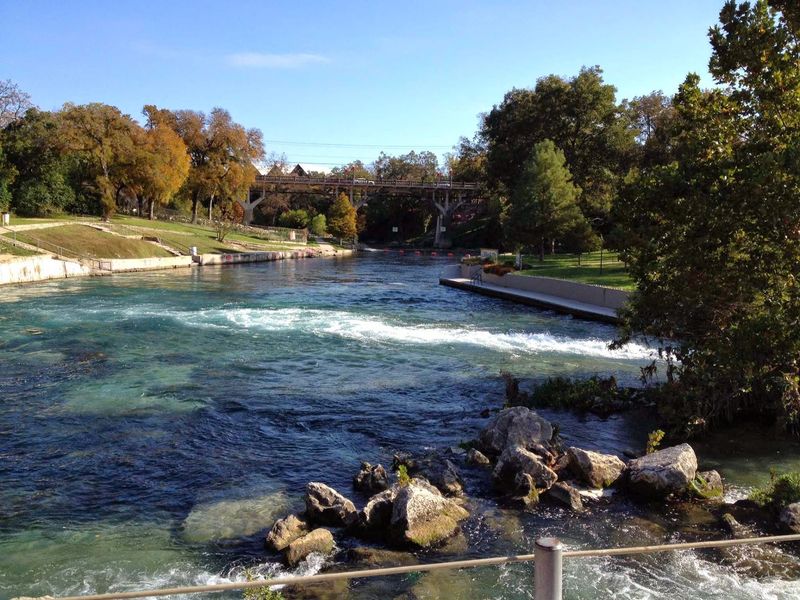
There is something almost surreal about the Comal River on a summer Saturday in New Braunfels. Tubes packed so tightly together that the river practically disappears beneath them, laughter echoing off limestone banks, and the smell of sunscreen hanging in the humid air.
It is festive, chaotic, and genuinely hard to navigate if you just want a peaceful float.
New Braunfels sits between Austin and San Antonio, which means it catches traffic from both directions every single weekend from late May through August.
The Schlitterbahn Waterpark draws massive crowds on its own, and when you layer in the Comal and Guadalupe River tubing scene, the whole town shifts into a different gear entirely.
Memorial Day and the Fourth of July are legendary for the wrong reasons around here.
Locals tend to plan their river days around early spring or September, when the water is still refreshing but the crowds have thinned considerably. The Gruene Historic District offers cobblestone charm and live music year-round, though even that pocket of the city fills up fast on weekends.
Wurstfest, a beloved celebration of the city’s German roots, draws its own enthusiastic wave of visitors each fall.
Natural Bridge Caverns and Landa Park offer a slightly calmer experience, especially on weekday mornings when families are still sleeping off the previous day’s adventures.
The town itself is genuinely lovely, rooted in centuries-old German traditions that give it a distinct personality unlike anywhere else in Texas.
The polka rhythms drifting from a dance hall, the smell of smoked sausage, the way the evening light hits the river bends all remind visitors why this place became a destination in the first place. Timing, more than anything, determines the kind of trip New Braunfels delivers.
2. Port Aransas
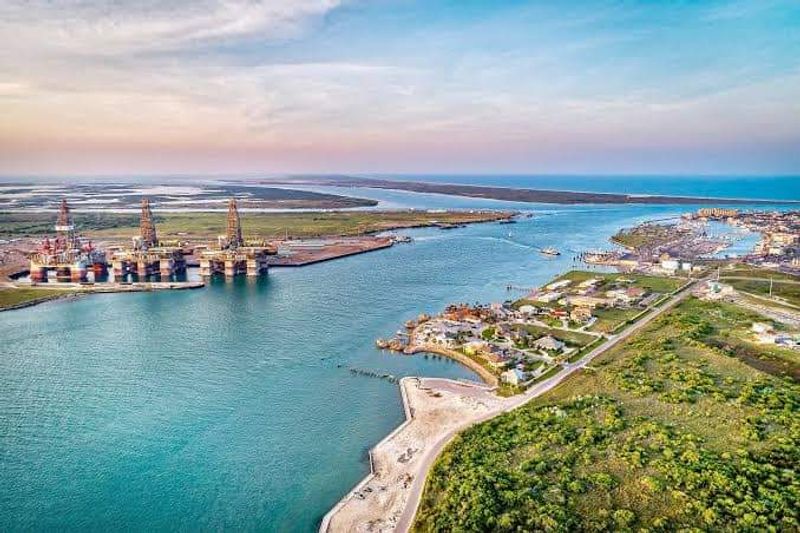
Port Aransas earns its nickname as the Fishing Capital of Texas with genuine authority.
Eighteen miles of Gulf coastline, dolphins cutting through harbor water, and pelicans gliding low over charter boats give this Mustang Island village a personality that feels untouched right up until spring break hits.
Then the population multiplies overnight and the roads become a slow crawl of trucks pulling boat trailers.
Summer is when Port Aransas truly strains under its own popularity. Beach access points fill up by mid-morning, parking near the jetties disappears fast, and restaurants develop waits that stretch well past what most visitors expect from a small coastal town.
The short-term rental explosion has reshaped entire neighborhoods, making affordable housing harder to find for the people who actually keep the town running year-round.
The Leonabelle Turnbull Birding Center offers a quieter counterpoint to the beach chaos, especially during migration season when the birdwatching community arrives with binoculars and patience in equal measure.
Mustang Island State Park holds its own appeal for those willing to walk a little further from the parking lot.
The local art scene, smaller galleries tucked between seafood shacks, rewards anyone curious enough to wander off the main drag.
Annual events like Texas SandFest bring sculptors and spectators together in a way that feels genuinely community-rooted rather than purely commercial.
The town’s laid-back coastal personality still shines through when the peak crowds thin out, particularly in the shoulder months of October and November.
The fresh seafood, the Tex-Mex flavors, and the unhurried pace of Gulf Coast life make Port Aransas worth the visit. Coming outside of peak season simply means more room to actually enjoy it.
3. Fredericksburg
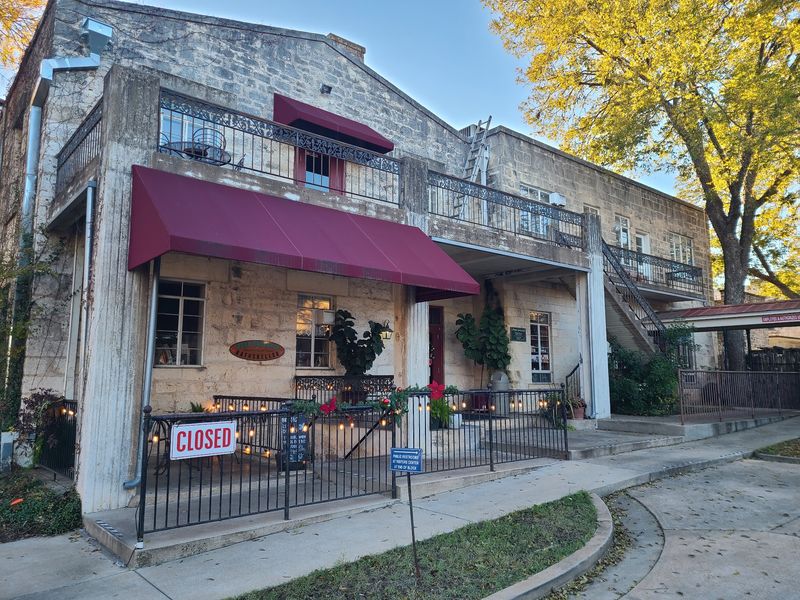
Fredericksburg has perfected the art of being irresistible.
German-influenced storefronts line Main Street in a way that feels genuinely historic rather than staged, and the surrounding Hill Country rolls out in all directions with wineries, wildflower fields, and limestone ridges that glow amber in the late afternoon.
The problem is that everyone knows it.
Spring brings the bluebonnet crowds. Fall brings the harvest festival visitors and Oktoberfest energy.
Holiday weekends fill every bed-and-breakfast months in advance. The proliferation of short-term rentals has reshaped the residential fabric of the town, with roughly a quarter of all homes converted to visitor accommodations by 2022.
That shift has pushed many local workers to commute from farther away, a quiet consequence of the town’s enormous popularity.
Wine Road 290 stretches through the surrounding countryside with more than 75 wineries competing for weekend visitors, which means the tasting rooms can feel less like a relaxed afternoon and more like a ticketed event during busy periods.
Enchanted Rock State Natural Area, just north of town, requires timed entry reservations during peak season because the crowds would otherwise overwhelm the trails.
Planning ahead is not optional here, it is essential.
Weekday visits, particularly on Tuesdays and Wednesdays, reveal a version of Fredericksburg that feels closer to what made it special in the first place. The shops on Main Street, many housed in century-old buildings, have a genuine story to tell when there is room to stop and listen.
The National Museum of the Pacific War, one of the finest of its kind in the country, draws its own visitors but tends to feel less chaotic than the outdoor attractions. Fredericksburg rewards patience and planning more than almost any other town on this list.
4. Wimberley
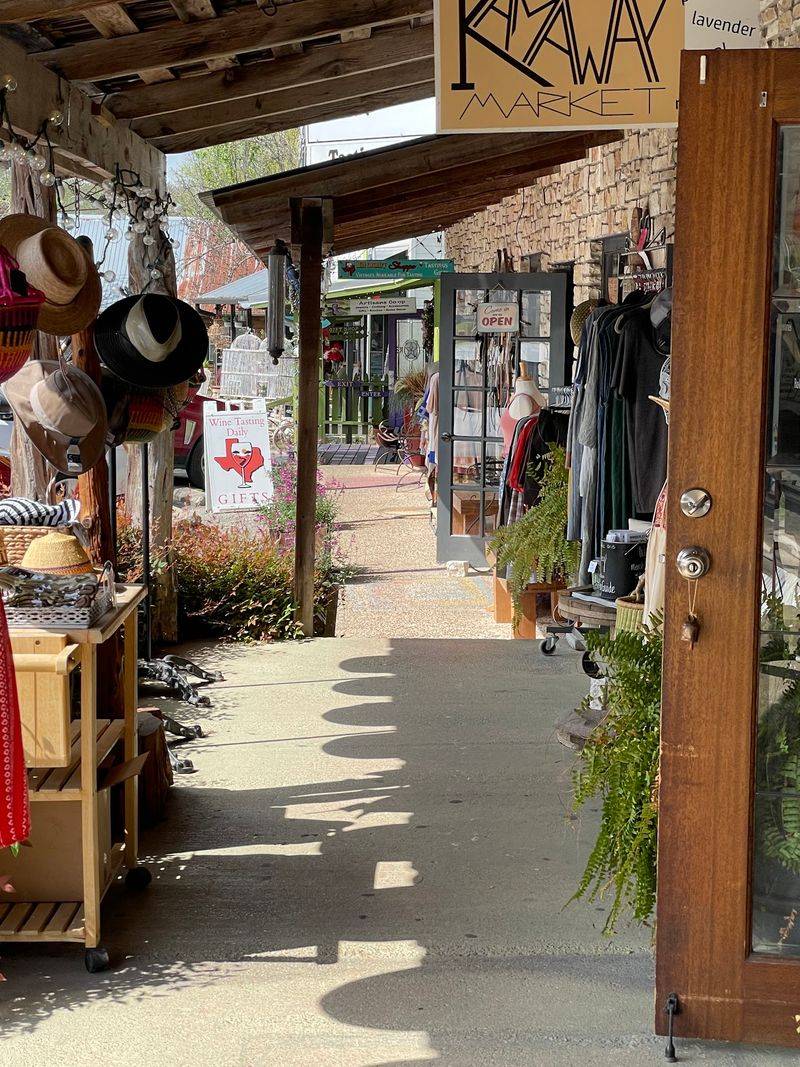
Wimberley has a magnetic quality that is hard to explain until you arrive and immediately understand why everyone else showed up too.
The spring-fed swimming holes are the main draw, and Blue Hole Regional Park delivers exactly what its name promises: cold, clear water filtered through limestone, shaded by towering cypress trees, and surrounded by the kind of natural quiet that feels increasingly rare in central Texas.
Reservations are required because capacity limits exist for a reason.
Jacob’s Well, an artesian spring that drops into a submerged cave system, carries an almost mythological reputation among Texas swimmers. The waiting lists for entry slots fill quickly, and the surrounding natural area requires careful management to stay healthy under the pressure of so many visitors.
Summer weekends push both sites to their limits, and the roads leading into town reflect that pressure in the form of slow-moving traffic and frustrated drivers.
The town square holds its own appeal, with boutique shops and art galleries that lean into Wimberley’s reputation as an arts community.
Market Days, running monthly from March through December, transforms the square into a lively outdoor market that locals and visitors share in equal, sometimes uncomfortable, measure.
Parking becomes a creative exercise during these events, and the narrow roads leading to popular spots were not designed for the current volume of use.
Wimberley’s designation as a Dark Sky Community is one of its most underappreciated features. On a clear night away from the town center, the stars come out in a way that city dwellers rarely experience.
Hiking Old Baldy for a panoramic Hill Country view, watching glassblowing at Wimberley Glassworks, or simply sitting by the Blanco River as it moves quietly through town all offer a softer side of this beloved destination.
Address: Blue Hole Regional Park: 333 Blue Hole Lane, Wimberley, TX 78676 | Jacob’s Well Natural Area: 1699 Mt. Sharp Road, Wimberley, TX 78676
5. Surfside Beach
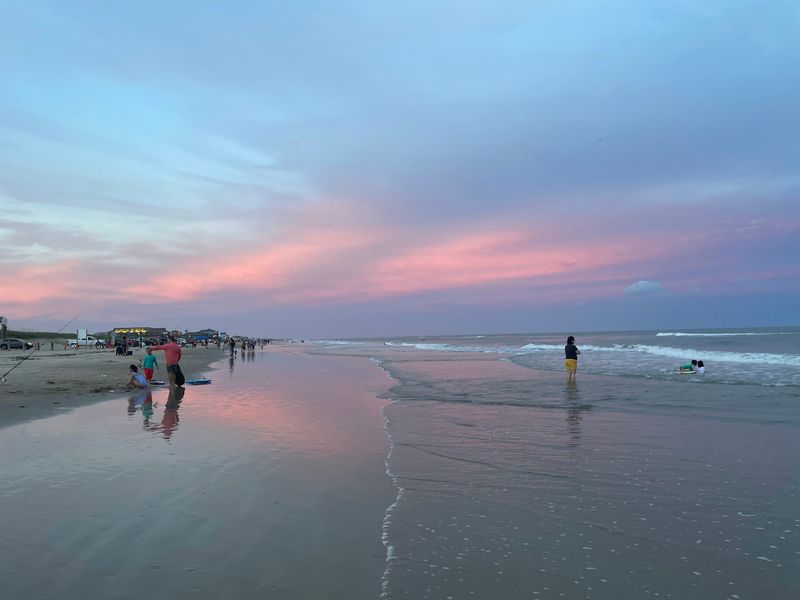
Surfside Beach does not try to be anything other than what it is: a low-key Gulf Coast village with four miles of shoreline, consistent waves that have kept a small but devoted surfing community alive for decades, and a pace that usually feels a few steps slower than the rest of the world.
That slowness is exactly what draws people in, and on holiday weekends, it vanishes almost completely.
The single bridge connecting the island to the mainland becomes a bottleneck when summer crowds peak.
Parking near the jetty fills before most visitors have finished their morning coffee, and the beach transforms from a wide, quiet stretch of Gulf sand into a patchwork of canopies, coolers, and competing speakers.
Locals have voiced frustration over littering and damage to the dunes, which take years to recover from careless foot traffic.
The Bird and Butterfly Trail draws a quieter crowd, birdwatchers and nature enthusiasts who arrive with field guides and tend to leave the place better than they found it. Surfside has been designated a Bird City, and the coastal habitat genuinely earns that recognition during migration season.
Fort Velasco and the Surfside Historical Museum offer a glimpse into the area’s layered past, from early settlement through the storms that have repeatedly reshaped the coastline.
Stahlman Park provides beachside facilities and event space that the community uses for gatherings throughout the year. The surfing culture here is genuine and unpretentious, built by people who discovered the waves long before the town showed up on travel lists.
Visiting in the fall or early spring means the Gulf is still warm enough for swimming, the jetty is accessible without a long walk from distant parking, and the village returns to the relaxed rhythm that made it worth finding.
Address: Surfside Jetty County Park: 101 Parkview Road, Surfside, TX 77541
6. Round Top
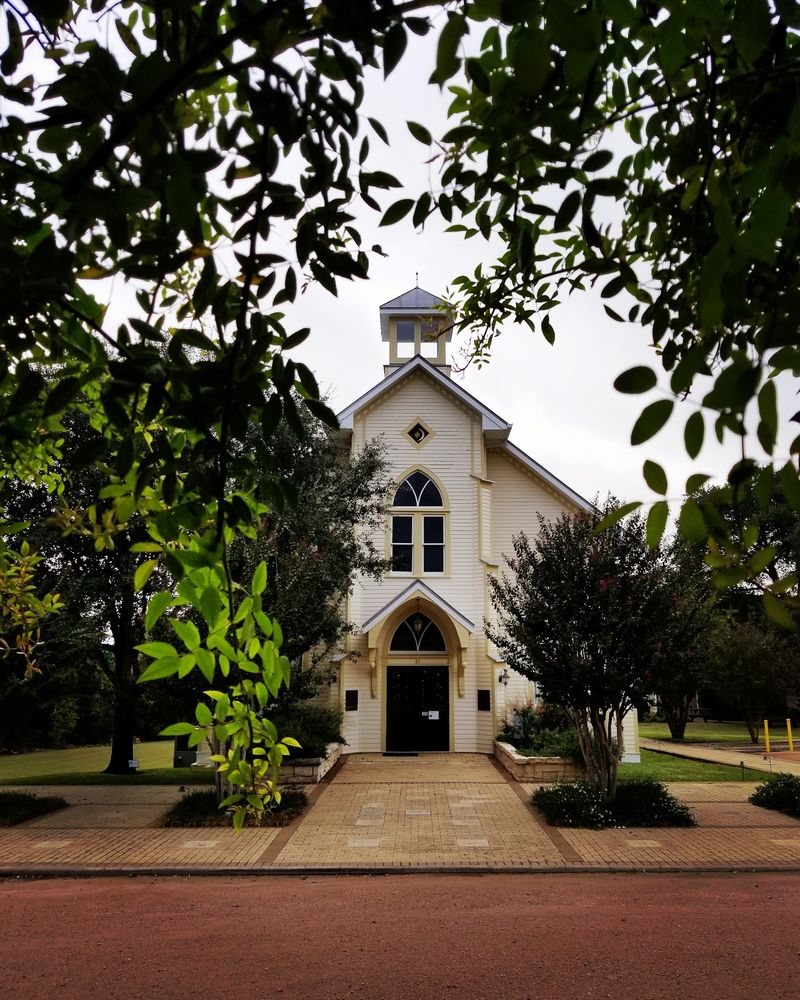
Round Top has roughly 90 permanent residents and, twice a year, it hosts one of the largest antique events on the planet. The math alone tells the story.
During the spring and fall antique shows, hundreds of thousands of visitors descend on a stretch of Highway 237 that spans more than eleven miles, lined with over 1,500 vendors selling everything from hand-carved European furniture to Depression-era glassware and mid-century curiosities.
Booking accommodation requires planning that borders on military precision. Serious collectors often reserve lodging six months to a year in advance, and even then the options fill fast.
Highway 237 slows to a crawl as trucks, trailers, and rental cars all compete for space on roads that were never designed for this volume. Popular restaurants require reservations made well before the show begins, and even then, waits are common.
What makes Round Top genuinely fascinating is the contrast. Outside of show season, this is one of the quietest, most unhurried corners of Fayette County.
The narrow roads and unreliable cell service that frustrate visitors during peak season become selling points in the off-months. Festival Hill, an internationally respected music institute and concert hall, operates year-round and offers a cultural experience that has nothing to do with antiques and everything to do with serious artistic dedication.
Royer’s Round Top Cafe has built a reputation that extends well beyond the antique crowd, and Henkel Square anchors the town’s year-round shopping and gallery scene with a sense of permanence that the show’s temporary tents cannot replicate.
Visiting in November or February, when the vendors are gone and the fields are quiet, reveals the German immigrant heritage and deep artistic roots that give Round Top its actual character.
The show is extraordinary. The town without it is something else entirely.
7. Canton
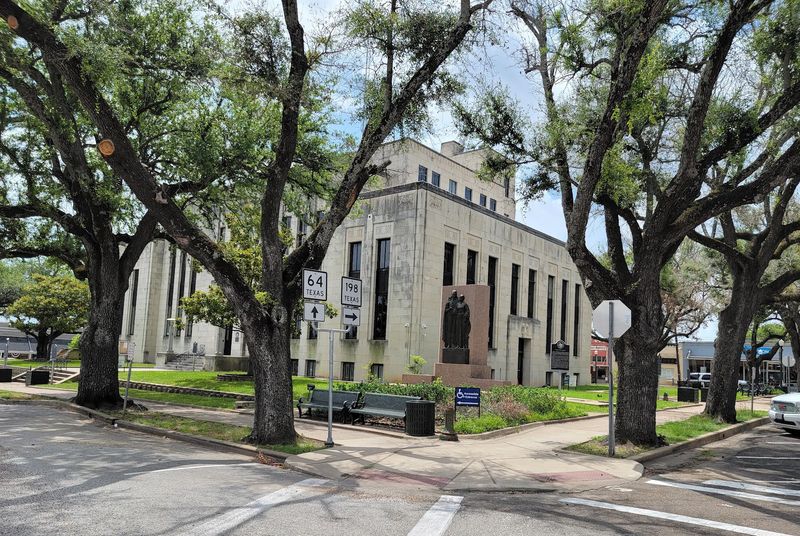
Canton’s First Monday Trade Days is the kind of place that makes you recalibrate your sense of scale.
Hundreds of acres of vendors, somewhere between 5,000 and 7,000 on a busy weekend, selling antiques, handmade crafts, vintage clothing, live plants, and food that smells exactly as good as it looks.
The market has been running since the 1850s, which gives it a historical weight that most shopping destinations cannot claim.
The event runs from Thursday through Sunday before the first Monday of each month, every month, without exception. Saturdays draw the heaviest traffic, and the parking situation during peak weekends requires patience and a willingness to walk considerably farther than expected.
Cell service can degrade noticeably when tens of thousands of phones compete for the same towers, which adds a slightly analog quality to the experience that some visitors find charming and others find genuinely inconvenient.
October is particularly popular, combining pleasant fall weather with the market’s usual energy in a way that attracts visitors from across the region. Lodging in Canton books out far in advance during these months, sometimes a full year ahead for the most sought-after weekends.
The sheer size of the market means that even on the most crowded days, it is possible to find a quieter corner if the main aisles feel overwhelming.
Beyond the market, Canton’s Historic Downtown Square holds local shops and eateries that maintain a small-town character even as the Trade Days transform the surrounding area.
Lake Tawakoni, a short drive away, offers fishing, boating, and camping for those who want to balance a morning of bargain hunting with an afternoon on the water.
Canton has built its identity around this market, and the community’s pride in that legacy is visible in the way the town carries itself even when the vendors pack up and go home.
Address: First Monday Trade Days: 800 First Monday Lane, Canton, TX 75103
8. Ennis
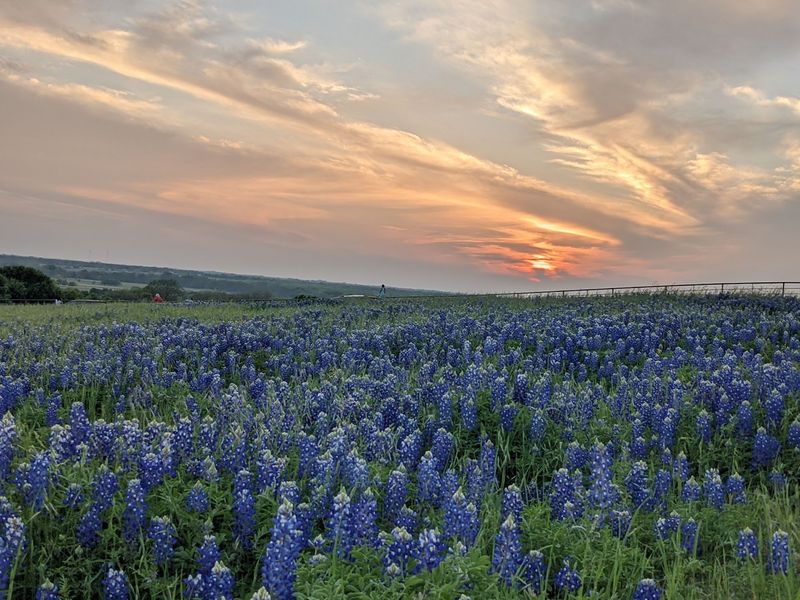
Every April, Ennis earns its title as the Official Bluebonnet City of Texas with forty miles of mapped driving trails that turn the surrounding countryside into something that looks more like a painting than a place.
The state flower blooms in dense, saturated carpets along the roadsides, and tens of thousands of visitors arrive specifically to see it.
The trails are the oldest known bluebonnet routes in Texas, which adds a layer of history to what might otherwise feel like a seasonal novelty.
The Ennis Bluebonnet Trails Festival transforms downtown during the peak bloom, filling the streets with arts and crafts vendors, live music, and families who drove hours for the chance to stand in a field of blue. It is genuinely beautiful and genuinely crowded.
Roads that are quiet eleven months of the year suddenly carry more traffic than the infrastructure was built to handle, and finding parking near the best bloom spots requires either early arrival or considerable flexibility.
Memorial Day weekend brings a different kind of crowd for the National Polka Festival, a celebration of the town’s significant Czech heritage that includes parades, traditional costumes, and polka bands playing to audiences who know every step.
The Czech influence on Ennis runs deep, visible in the downtown architecture and the community’s strong sense of cultural identity.
The Ennis Railroad and Cultural Heritage Museum anchors that history in a tangible way.
Lake Bardwell offers outdoor recreation throughout the year, and the Texas Motorplex draws racing fans in large numbers for events that have nothing to do with wildflowers or polkas.
Ennis sits close enough to the Dallas-Fort Worth Metroplex to feel the pull of that urban gravity, yet it maintains a distinct local character that resists being absorbed by the sprawl.
The downtown historic district, listed on the National Register of Historic Places, gives the town a backbone worth exploring at any time of year.
Address: Ennis Bluebonnet Trails: 201 NW Main, Ennis, TX 75119
