Finding furniture with actual history is getting harder. Most big box stuff comes from a factory overseas and falls apart when you move it.
This place does things differently.
Patty grew up surrounded by Amish country in Pennsylvania and could not let go of that connection.
She travels back once a month to crawl through old barns, searching for wood weathered by a century of seasons.
That reclaimed barnwood becomes farm tables, cupboards, chairs, and mantles.
She even designed her own furniture line from it.
You walk into a 200 year old farmhouse in New Jersey with a bright yellow exterior and suddenly you are standing inside something that feels like it has always been there.
That is the magic of giving old wood a second life.
A 200-Year-Old Farmhouse With a Story Built Into Every Wall
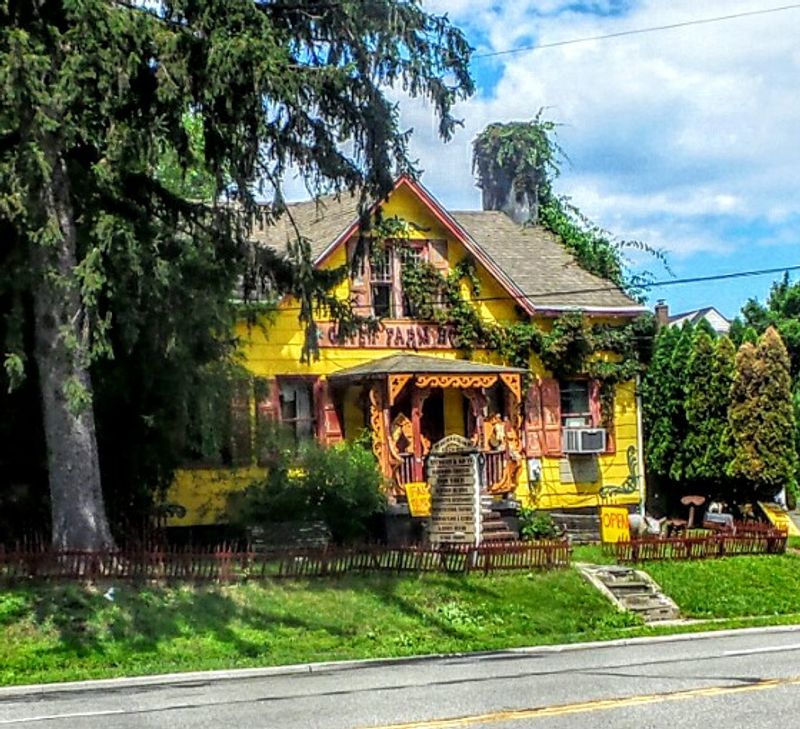
Some buildings feel lived-in, and then there are buildings that feel alive. The yellow farmhouse at 106 Pompton Avenue in Cedar Grove, New Jersey, is the second kind.
Dating back to the late 1700s, this structure has stood through centuries of change while somehow holding onto its warmth and character.
The cheerful yellow exterior with orange and pink trim makes it impossible to miss. It doesn’t look like a furniture store.
It looks like the kind of place where someone is always baking something and the back porch has the best view in town.
Opened in 1999, the property had been vacant for two years before its current chapter began. Neighbors shared that the farmhouse had previously been owned by gypsies, a detail that felt like destiny rather than coincidence.
With 12 rooms, two barns, and a yard full of character, the space itself is part of the experience. You’re not just browsing furniture here.
You’re walking through living history.
Reclaimed Barnwood From Lancaster County
Long before a table takes shape, the wood itself has already lived a full life.
The barnwood used at Gypsy Farmhouse comes from 1800s barns in Lancaster County, Pennsylvania, and each plank carries the kind of texture that simply cannot be replicated in a factory.
Primarily white pine, this reclaimed wood arrives with knots, grooves, and grain patterns that tell decades of stories. No two boards are identical, which means no two pieces of furniture ever turn out exactly the same.
That unpredictability is the whole point.
Lancaster County is one of the most storied agricultural regions in America, and the barns there have sheltered generations of Amish families. When those structures are carefully dismantled, the wood doesn’t go to waste.
It travels to Cedar Grove, where it gets a second life as something beautiful, functional, and genuinely one of a kind. The sourcing process happens monthly, keeping the supply fresh and the quality consistently high.
Amish Craftsmen Turning Old Wood Into New Heirlooms
There is something deeply satisfying about furniture made by hands that genuinely care about the result.
The Amish furniture makers behind Gypsy Farmhouse’s pieces bring generations of woodworking tradition to every table, chair, and cabinet they build.
Their skill shows in the details. Farm tables feature nine coats of hand-rubbed and hand-waxed finish, a process that takes time and patience but produces a surface that ages gracefully rather than just wearing out.
Some cupboards include hand-painted grain doors, a technique passed down through Amish communities that adds warmth and artistic depth to each piece.
The range of woods these craftsmen work with is impressive. Black walnut, spalted maple, wormy maple, quarter-sawn oak, elm, ash, cherry, and even rare 1800s chestnut when available round out the selection.
Each species brings its own personality to the finished piece. Getting furniture made this way means owning something that connects you to a living craft tradition rather than a production line.
The Farm Tables That Made Gypsy Farmhouse Famous
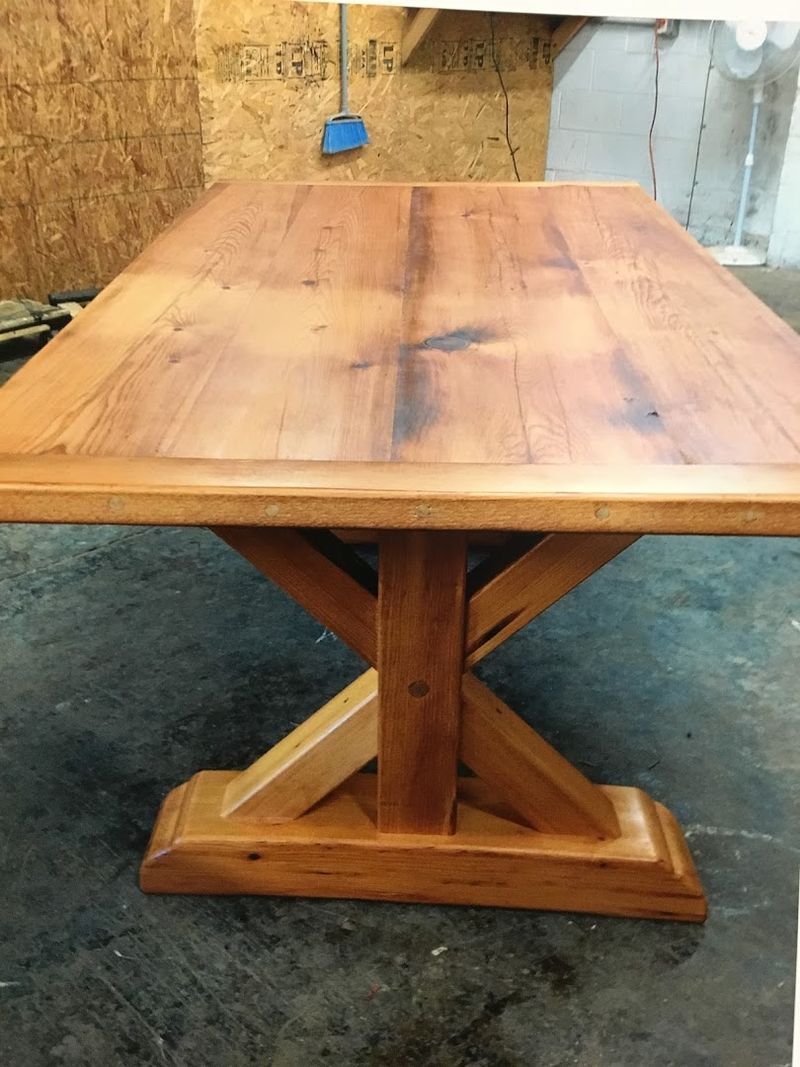
Ask anyone who has visited Gypsy Farmhouse what they remember most, and the farm tables come up almost immediately. These are the signature pieces, the ones that anchor a dining room and make every meal feel a little more meaningful.
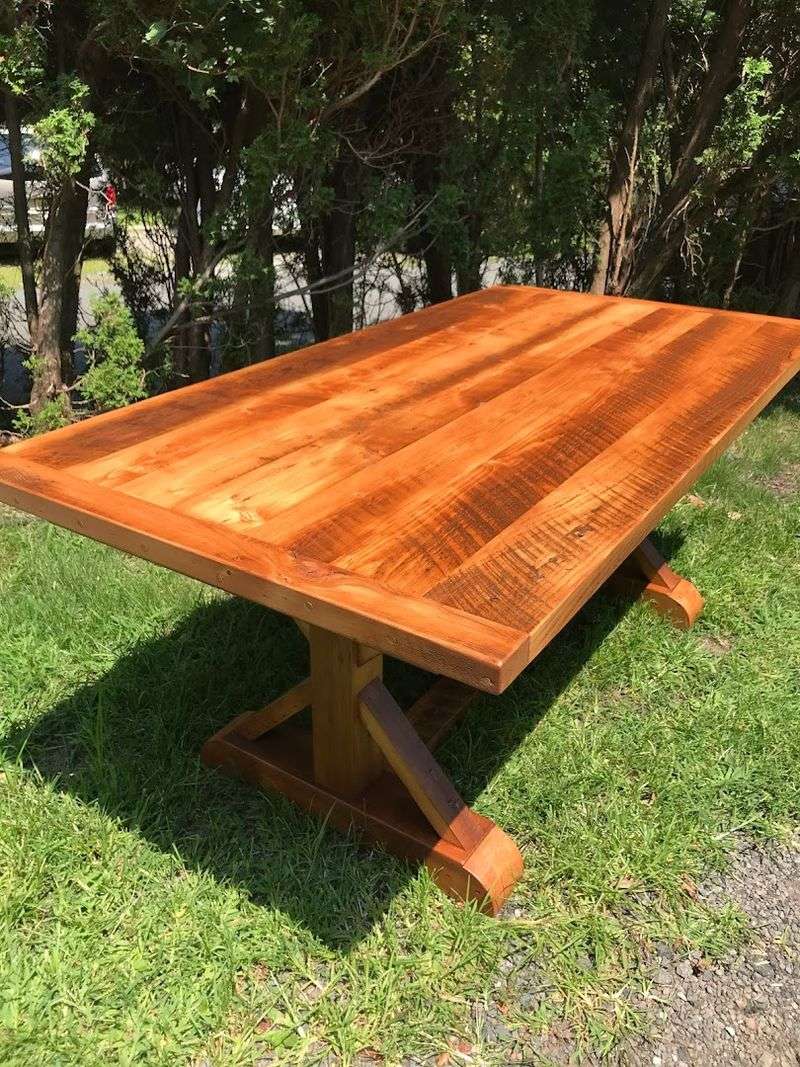
Built from reclaimed barnwood and finished with nine hand-applied coats of oil and wax, the tables develop a patina over time that only gets better with age. The surface feels alive under your hands, slightly textured, warm, and full of personality.
Wide planks, natural knots, and visible grain give each table a presence that mass-produced furniture simply cannot match.
Customers can customize their table by choosing the exact wood species, stain, board width, and design details. That level of personalization means the table you bring home was made specifically for your space.
Whether it seats a family of four or a dinner party of twelve, a Gypsy Farmhouse farm table becomes the kind of piece people gather around for decades. It is furniture with intention.
12 Rooms, Two Barns, and a Yard Full of Surprises
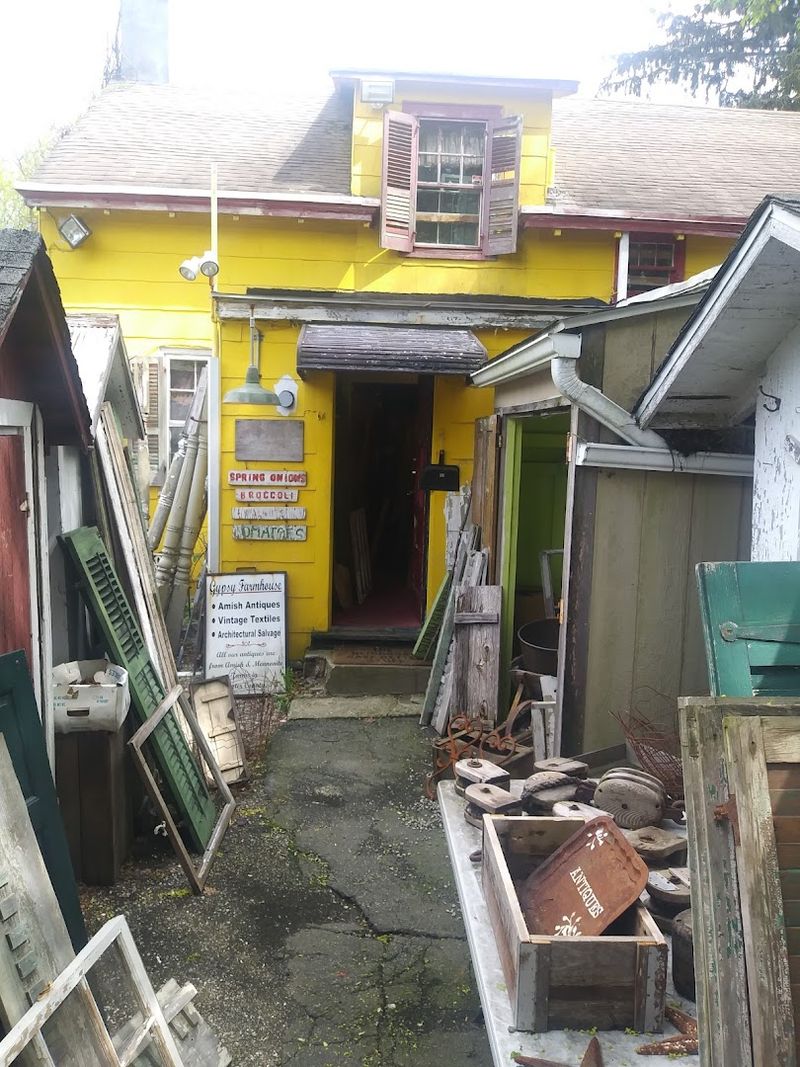
Most furniture stores feel like warehouses with price tags. Gypsy Farmhouse feels like an adventure.
With 12 rooms spread across a 200-year-old structure, plus two barns and an outdoor yard, every corner holds something unexpected.
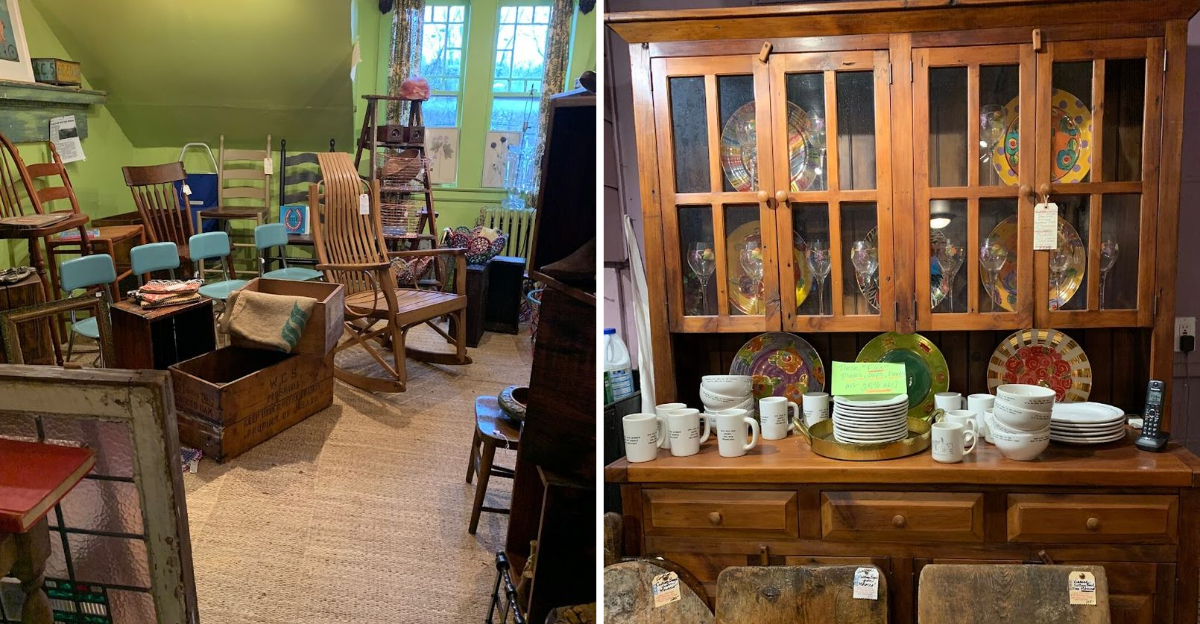
One room might be filled with handcrafted dining tables and benches. The next could hold vintage textiles draped over old wooden chairs, or antique hardware sorted into bins that make you want to rifle through every single one.
The barns add a whole other layer of discovery, often stocked with architectural salvage from torn-down structures across the region.
The yard brings in garden and exterior decor that fits perfectly with the farmhouse aesthetic. Stepping outside after moving through the interior rooms feels like a natural extension of the same story.
There is no clear path through the space, and that is exactly the appeal. You wander, you discover, and you inevitably find something you didn’t know you needed.
The layout rewards curiosity in a way that planned retail spaces rarely do.
Architectural Salvage and Vintage Hardware Worth Hunting For
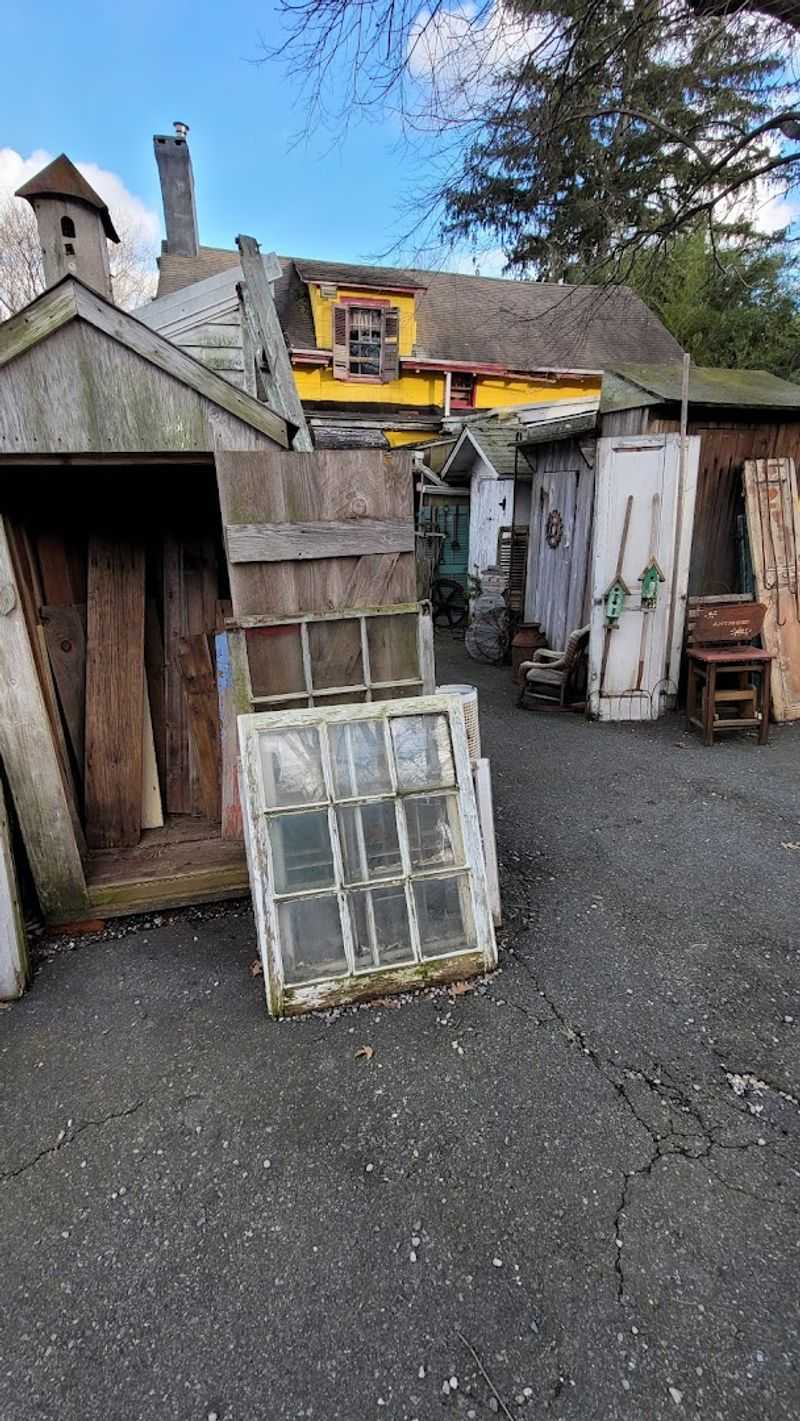
Beyond the furniture, Gypsy Farmhouse carries a curated collection of architectural salvage that draws in builders, designers, and curious visitors alike.
Old barn doors, window frames, and structural pieces from demolished homes and barns line the walls and fill the outer buildings.
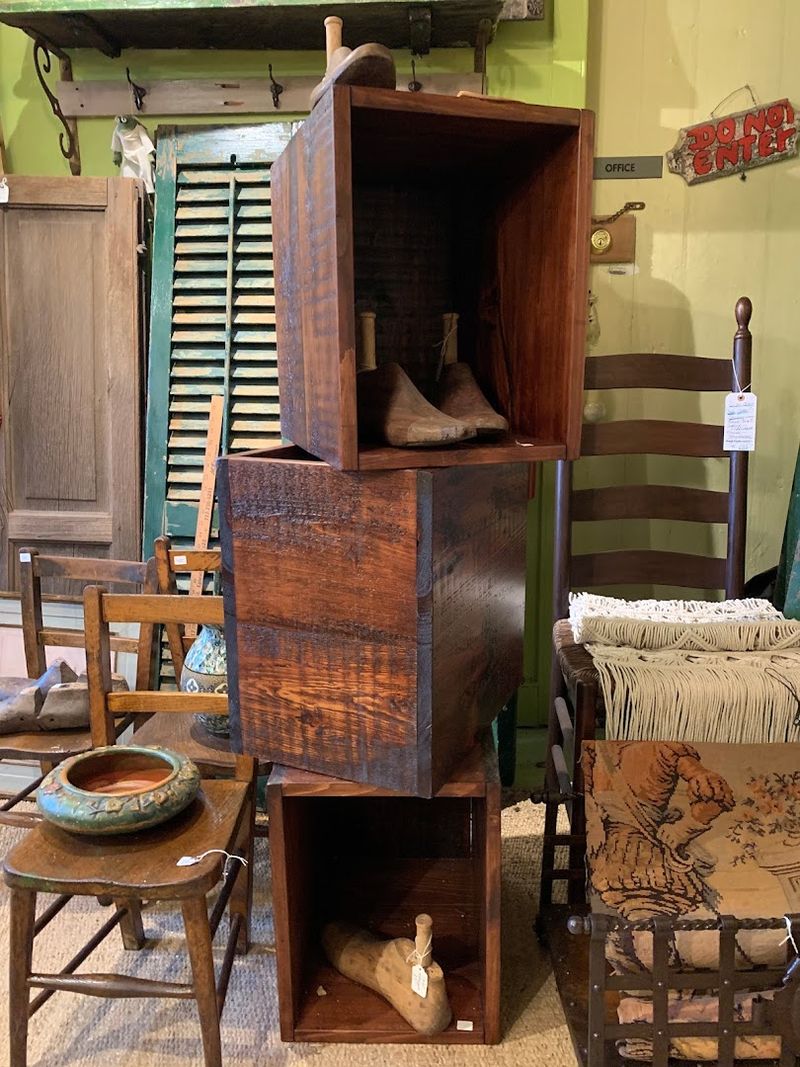
The vintage hardware selection deserves its own slow browsing session. Hand-forged hinges, old drawer pulls, cast iron hooks, and decorative ironwork show up in styles that simply aren’t made anymore.
Finding the right piece for a restoration project here feels like a small triumph.
Salvage shopping at its best is part archaeology and part puzzle-solving. You’re working with materials that already have a history, figuring out where they fit into something new.
Gypsy Farmhouse makes that process genuinely enjoyable rather than exhausting. The inventory shifts regularly since salvage by definition doesn’t repeat itself, so each visit turns up something different.
For anyone restoring an older home or building something with real character, this is the kind of resource that’s hard to find anywhere else.
Global Antiques From Morocco, Europe, and India Under One Roof
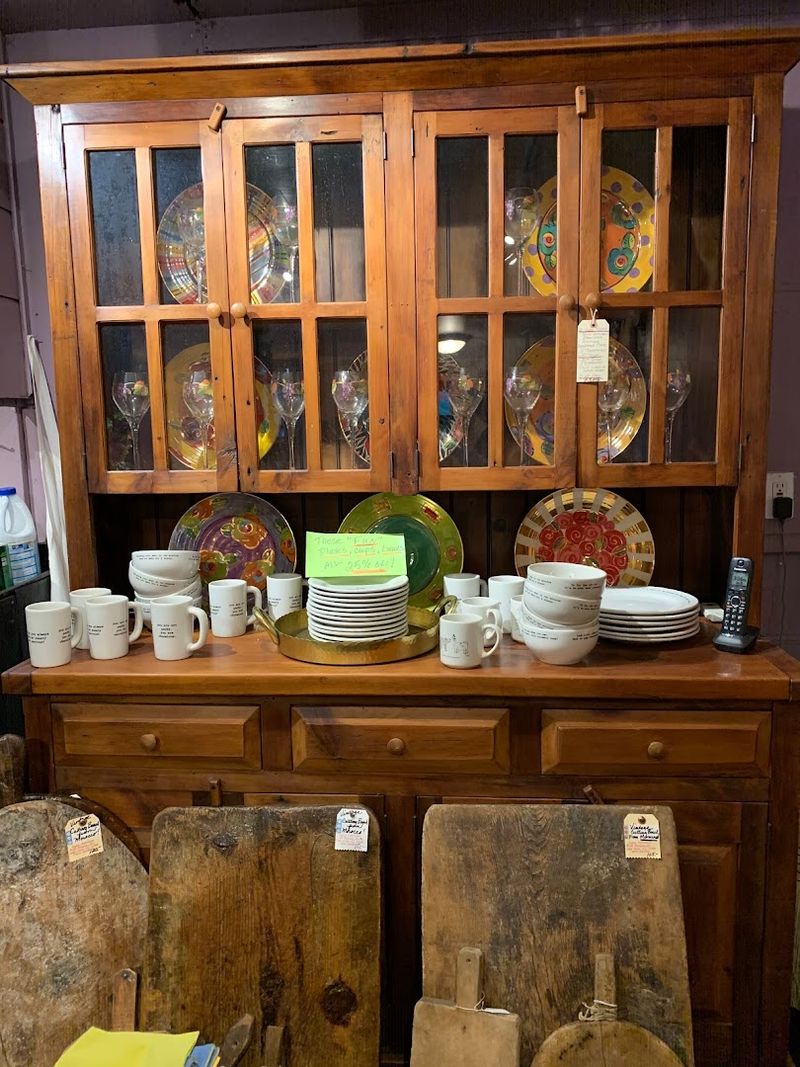
The inventory at Gypsy Farmhouse doesn’t stay within any single region or era. Antiques sourced from Morocco, Europe, and India appear throughout the rooms, adding layers of global character to a space already rich with American farmhouse history.
Moroccan lanterns might sit beside a Pennsylvania Dutch cabinet. An Indian textile could be draped over a Lancaster County barnwood bench.
The combinations shouldn’t work on paper, but inside the farmhouse they feel completely natural, even inevitable.
This kind of eclectic curation takes a sharp eye and genuine curiosity about the world. Each piece was selected because it has something worth noticing, a texture, a form, a color, or a history that earns its place in the collection.
For shoppers who love the unexpected, this global dimension of Gypsy Farmhouse is one of its most exciting qualities. You might arrive looking for a dining table and leave with a Moroccan lantern you can’t stop thinking about.
That’s the magic of a place with no single formula.
Custom Furniture Design
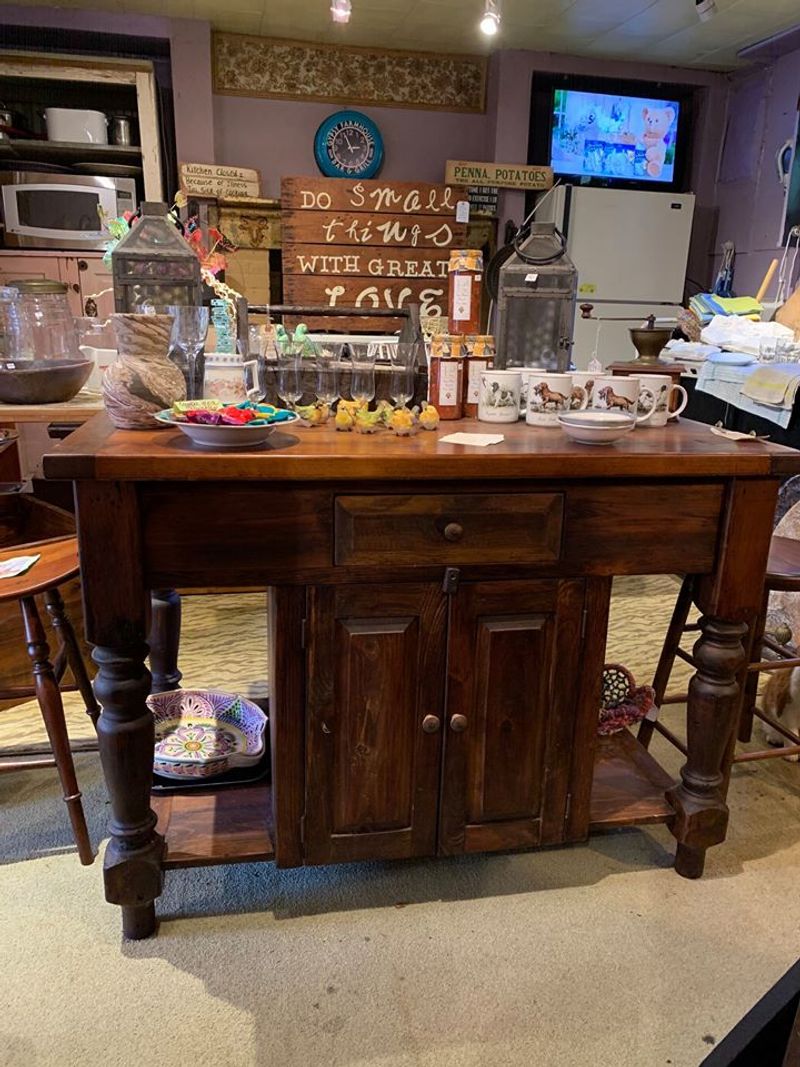
One of the most compelling things about Gypsy Farmhouse is the ability to build something entirely your own.
Custom orders allow customers to select the exact wood species, stain color, board width, finish type, and design details that match their space and personal style.
Want a kitchen island in spalted maple with a hand-waxed finish and wide planks? That’s a conversation worth having.
Prefer a coffee table in black walnut with a lighter stain that lets the grain breathe? That’s possible too.
The process feels collaborative rather than transactional.
For anyone who has spent hours scrolling through furniture websites only to find nothing that quite fits, this custom approach is a genuine relief. The result is a piece made specifically for your home, your family, and your daily life.
Gypsy Farmhouse also helps clients re-design and re-purpose existing furniture pieces, which adds another layer of creative possibility.
Bringing old things back to life is very much part of the philosophy here, not just a side service.
Serving Homes, Restaurants, and Corporate Spaces Alike
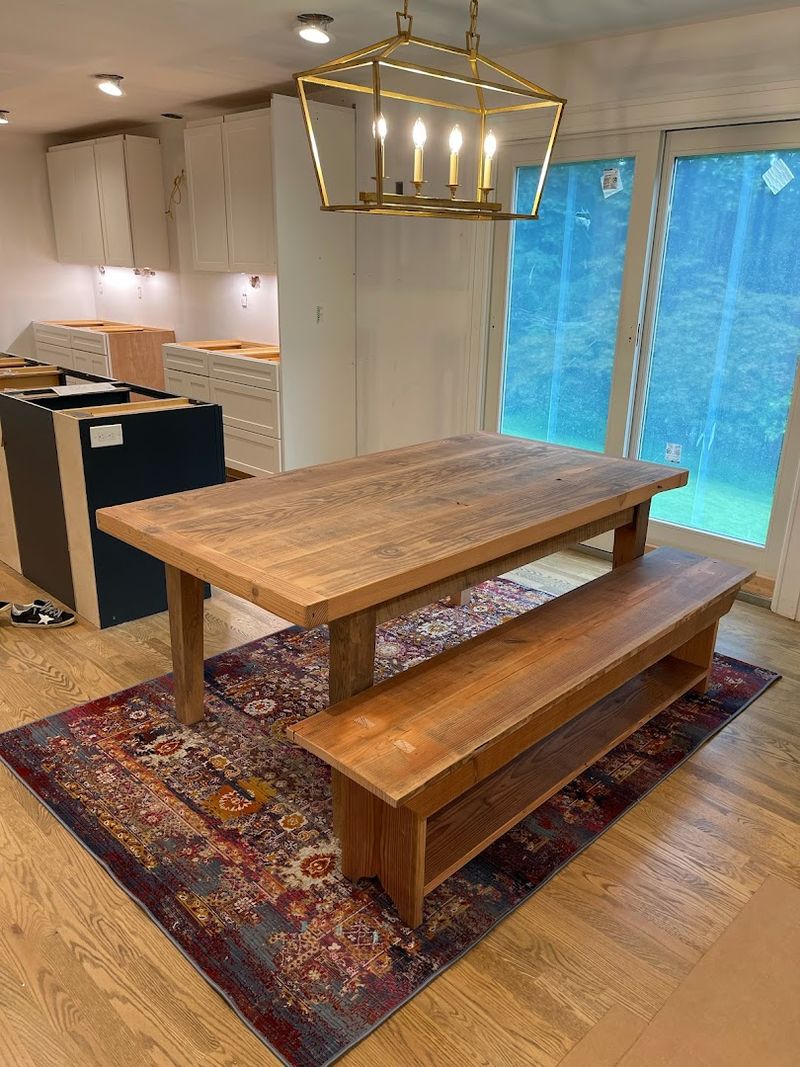
Gypsy Farmhouse furniture doesn’t only end up in living rooms and dining rooms. Restaurants, corporate offices, and retail spaces have all brought these handcrafted pieces into their environments, and the results tend to be striking.
A reclaimed barnwood table in a restaurant setting carries an authenticity that guests immediately feel, even if they can’t name exactly why. There’s a warmth to aged wood and hand-applied finishes that manufactured furniture simply doesn’t produce.
Corporate spaces that incorporate these pieces often find they shift the entire atmosphere of a room.
Working with commercial clients requires understanding scale, durability, and the specific demands of high-traffic environments. The craftsmanship behind Gypsy Farmhouse pieces is built for exactly that kind of longevity.
These aren’t showpieces meant to be admired from a distance. They’re working surfaces designed to be used, touched, and appreciated every day for years.
Whether the setting is a farmhouse kitchen in Cedar Grove or a restaurant in Manhattan, the quality holds up and the character only deepens over time.
Why Gypsy Farmhouse Remains a One-of-a-Kind New Jersey Destination
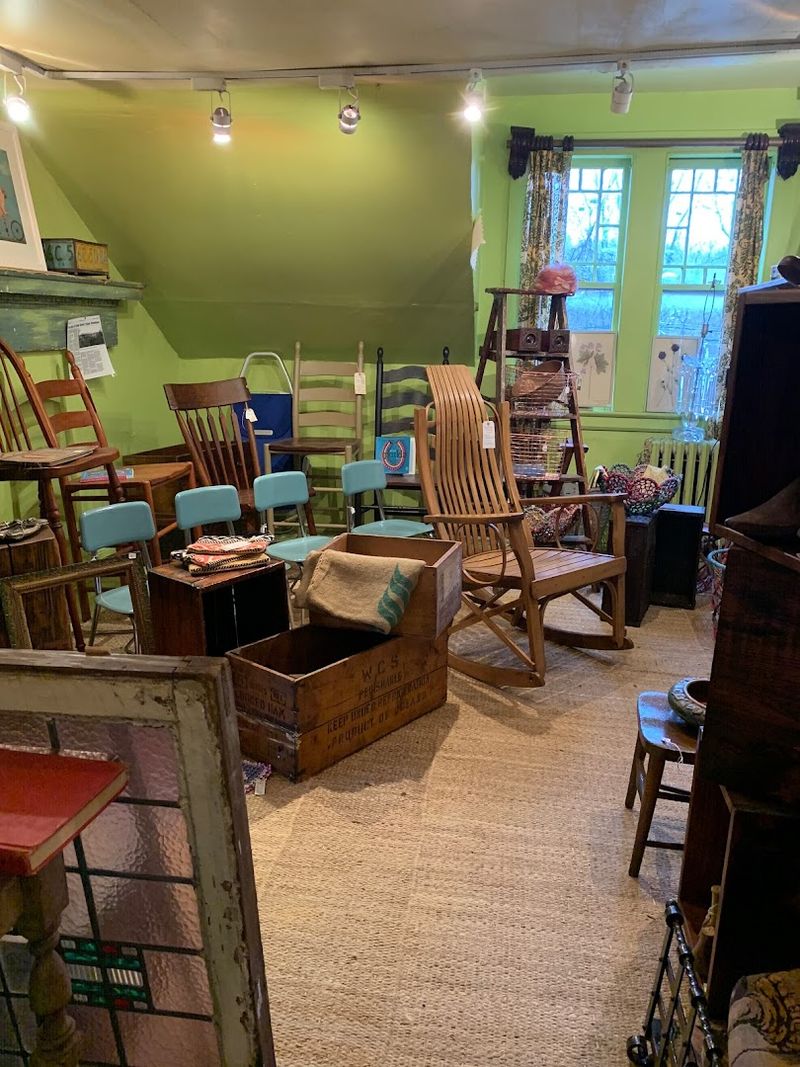
Places like Gypsy Farmhouse don’t come around often.
The combination of a genuinely historic building, handcrafted Amish furniture, global antiques, architectural salvage, and a deeply personal curatorial vision creates something that can’t be replicated with a bigger budget or a better location.
Cedar Grove might not be the first destination that comes to mind for a furniture pilgrimage, but after one visit it becomes hard to imagine going anywhere else first.
The farmhouse rewards repeat visits because the inventory changes, the seasons shift the yard’s offerings, and there’s always something new tucked into a corner you somehow missed last time.
For anyone who values craft over convenience and history over trend, this is the kind of place that resets your standards entirely.
Furniture stops being something you buy and starts being something you invest in, something that grows with your family and outlasts passing styles.
That’s the real product being sold here: the idea that what you bring into your home should mean something.
Address: 106 Pompton Ave, Cedar Grove, NJ
