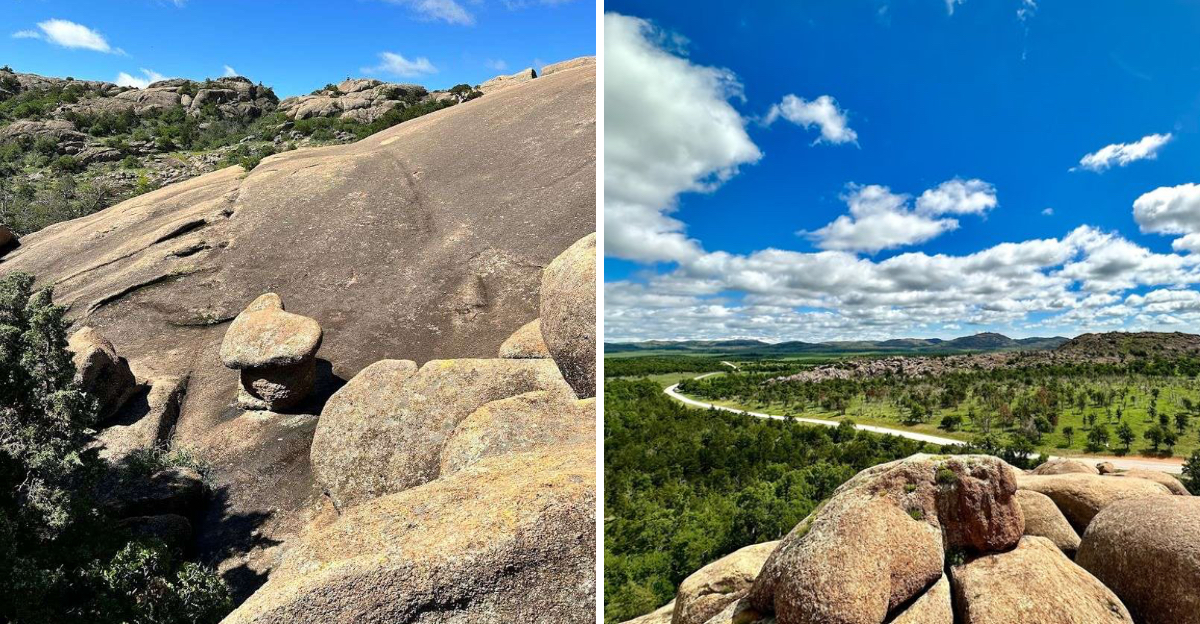
Some places feel like a reward for those willing to wander a little further into the wild, and this breathtaking Oklahoma destination is exactly that.
High among the peaks, the journey leads you through rugged terrain and sweeping views that make every step of the five-mile trek feel like a dream.
The air is different up there, quiet and untouched, leading you toward a natural masterpiece that feels like a hidden gift from the earth itself.
It is the kind of Oklahoma experience that stays with you long after you’ve hiked back down, reminding you that the most beautiful secrets are often the ones you have to work a little harder to find.
Where Heart Rock Actually Is
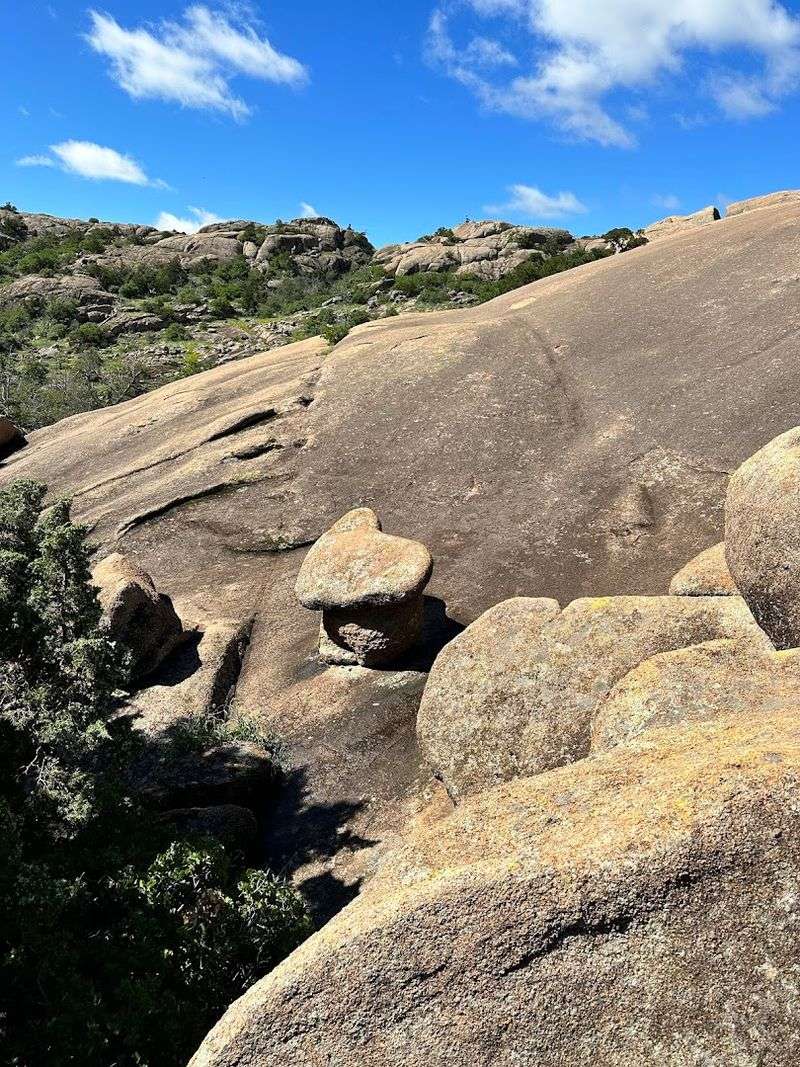
Heart Rock sits in the Wichita Mountains near Lawton, Oklahoma, and finding it feels like uncovering a well-kept local secret. The address associated with the trailhead area is NW Indiahoma Rd, Indiahoma, OK 73552, which puts you in the right general zone.
The Wichita Mountains Wildlife Refuge surrounds this area, managed by the U.S. Fish and Wildlife Service.
The refuge covers over 59,000 acres of ancient granite hills, mixed-grass prairie, and scattered boulders that look like they were dropped from the sky.
Lawton is the nearest city, sitting just a short drive to the east. The drive itself is scenic, cutting through open land dotted with bison and longhorn cattle that roam freely across the refuge.
Oklahoma does not always get credit for dramatic landscapes, but this corner of the state changes minds fast. The Wichita Mountains are among the oldest exposed rock formations in North America, some dating back over 500 million years.
Knowing that makes standing near Heart Rock feel even more meaningful, like you are touching something ancient and unhurried.
The Trail That Gets You There
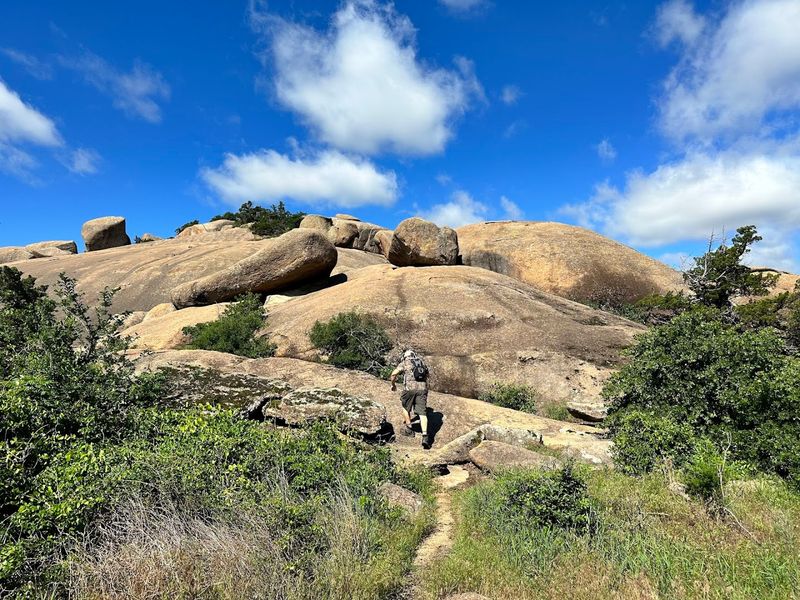
Getting to Heart Rock is not a casual stroll, and that is part of what makes reaching it feel so rewarding. The hike runs approximately five miles round trip, depending on your exact starting point and the route you choose through the rocky terrain.
The path takes you across open granite slabs, through patches of cedar and scrub oak, and up and over ridgelines that offer sweeping views of the surrounding Oklahoma wilderness. There are no paved paths or groomed trails here, so navigation requires some attention and a good sense of direction.
Elevation changes are moderate but consistent, meaning your legs will definitely feel the effort by the time you return to the trailhead. Wearing proper footwear is not optional on this hike since the granite surfaces can be slick, especially after rain.
A trail map or downloaded GPS route is a smart addition to your pack before you set off. The unmarked nature of the route adds a sense of adventure, but it also means getting turned around is a real possibility if you head out unprepared.
Plan ahead and the trail rewards you generously.
What Heart Rock Actually Looks Like
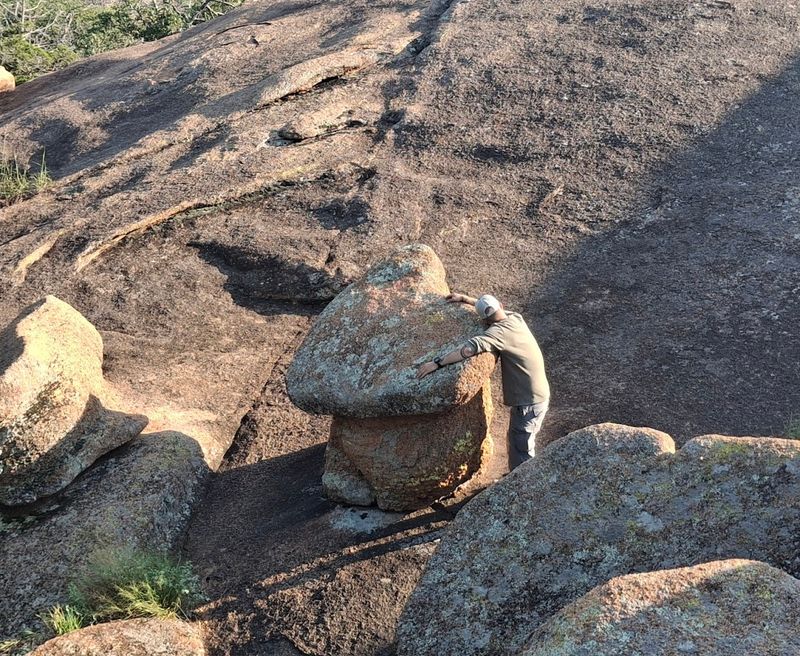
Heart Rock is exactly what the name promises, a large granite boulder that nature has shaped into a recognizable heart form. Seeing it for the first time after miles of hiking produces a genuine moment of disbelief that something so perfectly shaped could exist without any human involvement.
The rock is large enough to climb on and photograph from multiple angles. Depending on where you stand and the light conditions, the heart shape becomes more or less defined, so take your time finding the best vantage point.
Granite in the Wichita Mountains ranges from pale pink to deep reddish-brown, and Heart Rock carries that same warm coloring. It sits naturally among surrounding boulders, which makes it blend in until you are close enough to recognize the shape clearly.
Oklahoma geology created this formation through millions of years of erosion, weathering, and the slow work of water cutting through solid rock. The result is something that feels almost intentional, like the mountain decided to leave a little gift for anyone patient enough to come looking.
It is genuinely one of the more photogenic natural features in the entire state.
The Best Time of Year to Make the Trip
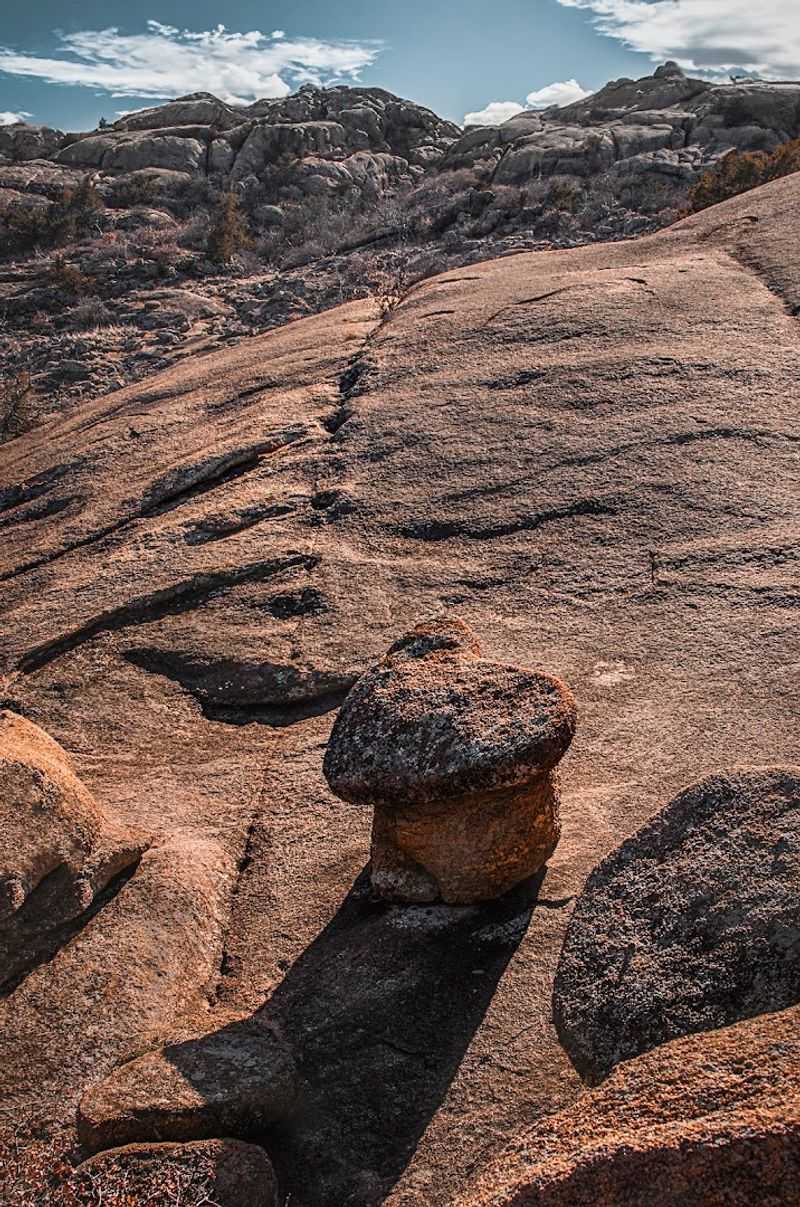
Timing a visit to Heart Rock matters more than most people expect, and choosing the right season can completely change the experience. Spring and fall are generally the most comfortable times to hike in this part of Oklahoma, when temperatures stay reasonable and the landscape looks its most alive.
Spring brings wildflowers across the refuge and mild temperatures that make a five-mile hike feel manageable rather than punishing. The grass turns green, the granite glows in soft light, and wildlife is active and visible throughout the morning hours.
Fall offers crisp air and golden tones across the scrubby trees that dot the hillsides. Cooler mornings make the uphill sections far more enjoyable, and the lower humidity is a welcome change from Oklahoma summers.
Summer hiking here is possible but demands early starts, plenty of water, and a genuine respect for the heat. Midday temperatures in Oklahoma can climb well past 100 degrees Fahrenheit in July and August, turning an enjoyable outing into a grueling one.
Winter visits are quiet and peaceful, with fewer people on the trail, but some sections become slippery after ice or frost. Each season brings its own version of the hike, and all of them have something worth seeing.
Wildlife You Might Cross Paths With
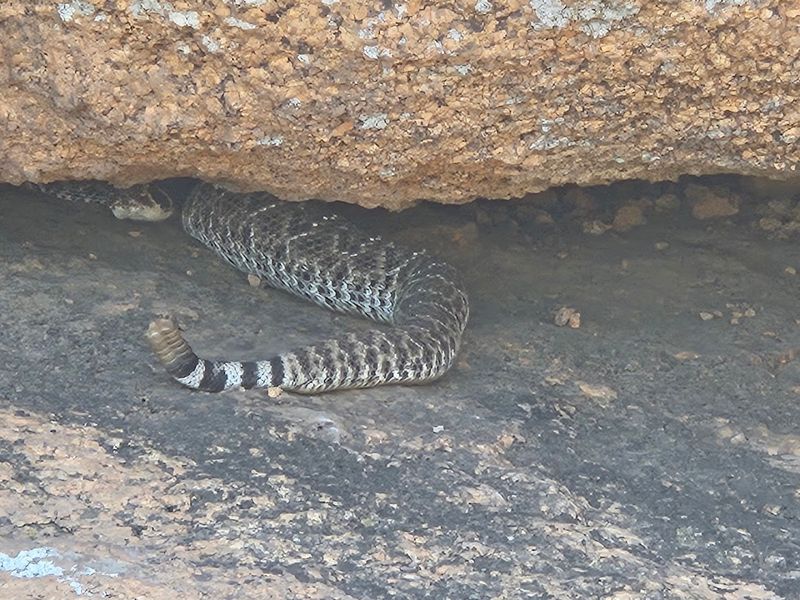
The Wichita Mountains Wildlife Refuge is home to an impressive collection of animals, and hiking to Heart Rock means passing through their territory the entire way. Bison are the most iconic residents, and spotting one of these massive animals grazing near the trail is a moment that stays with you.
Longhorn cattle also roam the refuge freely, along with white-tailed deer, wild turkey, and prairie dogs that pop in and out of their burrows near the lower sections of the trail. Elk have also been reintroduced to the area and can sometimes be spotted in the early morning hours.
One animal that deserves special mention is the western diamondback rattlesnake. The rocky terrain near Heart Rock and throughout the Wichita Mountains is prime habitat for rattlesnakes, particularly in warmer months.
Watching where you step and where you place your hands while climbing boulders is genuinely important safety practice here.
Oklahoma wildlife rules in this refuge are clear: observe animals from a safe distance and never feed or approach them. The bison in particular look calm but can move with surprising speed.
Sharing the trail with wild animals is one of the great pleasures of this hike, as long as everyone keeps a respectful distance.
Gear and Supplies Worth Packing
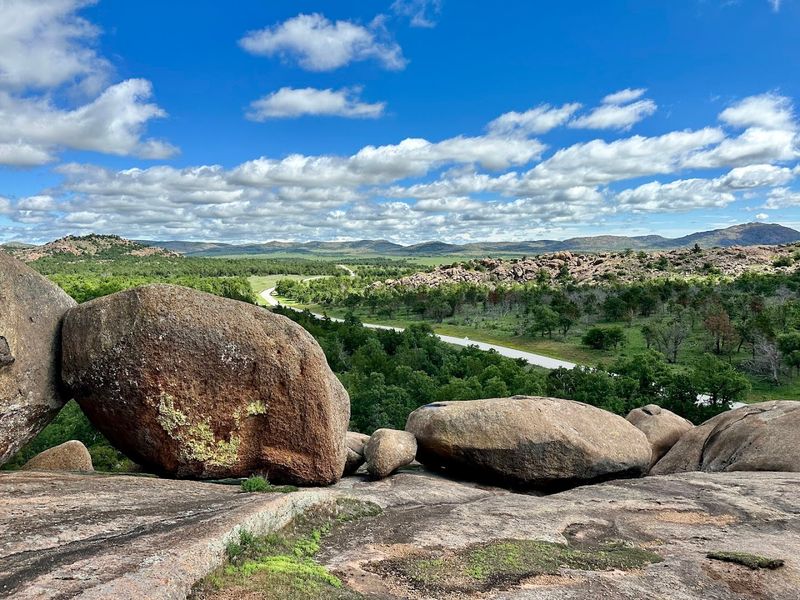
Heading out to Heart Rock with the right gear makes a noticeable difference between a great adventure and a miserable one. The five-mile round trip across rocky terrain is not technically demanding, but it does require preparation that a casual park walk would not.
Water is the most important thing to bring, and more than you think you will need. Oklahoma heat and dry air consume hydration faster than expected, especially during summer months.
A general rule for rocky hikes in warm climates is at least half a liter of water per mile, and more if the temperature is high.
Sturdy hiking boots or trail shoes with good grip are essential since the granite slabs can be uneven and slick in spots. Sandals and flat sneakers are a poor match for this kind of terrain and increase the chance of a twisted ankle significantly.
A basic first aid kit, sunscreen, and a hat round out the essentials for this hike. Bringing a downloaded offline map or a GPS device is strongly recommended since cell service in this part of Oklahoma can be unreliable.
Snacks with good energy density, like nuts or trail mix, help keep your energy steady across the full distance.
The History Behind the Wichita Mountains
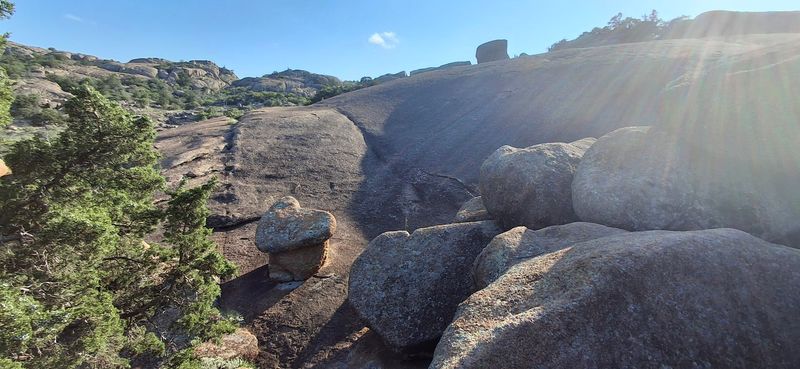
The Wichita Mountains are not just scenic, they are ancient in a way that puts most natural landmarks to shame. The granite here is estimated to be around 525 to 550 million years old, making it some of the oldest exposed rock in North America.
These mountains were once far taller, formed during a period of intense geological activity long before any human presence in Oklahoma. Hundreds of millions of years of erosion have worn them down to the rounded, boulder-strewn ridges visible today.
The Wichita people, for whom the mountains are named, lived in this region for centuries and considered the land sacred. Later, the area became part of the Comanche, Kiowa, and Apache territories before being designated as a federal reserve in the early 1900s.
The Wichita Mountains Wildlife Refuge was established in 1901, making it one of the oldest managed wildlife refuges in the United States. Oklahoma has preserved this landscape with remarkable care, and the result is a place where ancient geology and rich cultural history exist side by side.
Standing near Heart Rock with that context in mind adds a quiet weight to the experience. The rock beneath your boots has been here far longer than any map, trail, or name ever has.
The Views Along the Way
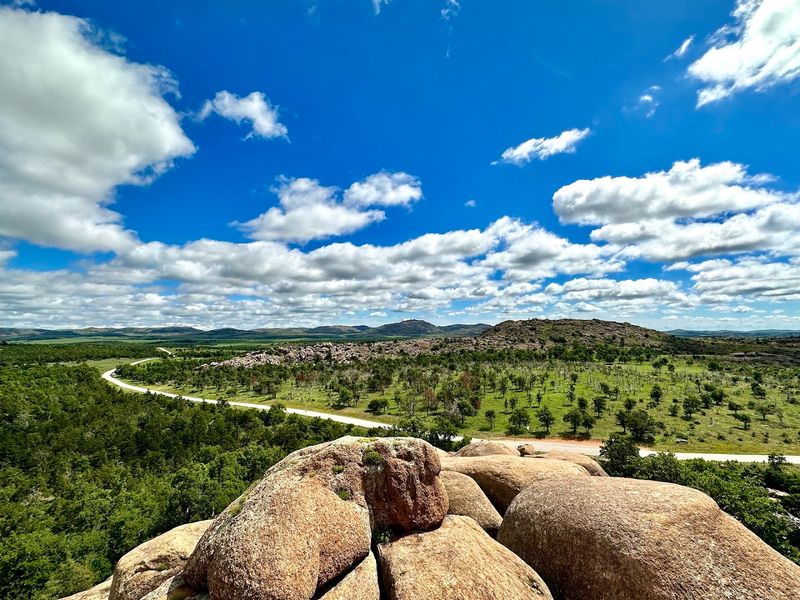
Heart Rock gets most of the attention, but the views you collect along the trail are just as compelling. The Wichita Mountains rise unexpectedly from the surrounding Oklahoma plains, and hiking up into them feels like entering a completely different world within the same state.
From various points along the route, you can look out over miles of mixed-grass prairie stretching toward the horizon. The scale of the Oklahoma landscape becomes clear from these elevated positions in a way that flat roadside views never quite capture.
Granite ridgelines catch the light differently depending on the time of day. Morning hikes reward you with soft golden tones across the rock faces, while late afternoon light turns everything warmer and more dramatic just before sunset.
Looking south from the higher sections of the trail, you can often spot the glint of water from nearby lakes within the refuge. Mount Scott, one of the most prominent peaks in the area, is sometimes visible in the distance and adds another layer of depth to the scenery.
Every bend in the trail reveals a slightly different composition of rock, sky, and open land. The journey to Heart Rock is genuinely beautiful in its own right, making the destination feel like a bonus rather than the only reason to be out there.
Tips for Finding Heart Rock Without Getting Lost
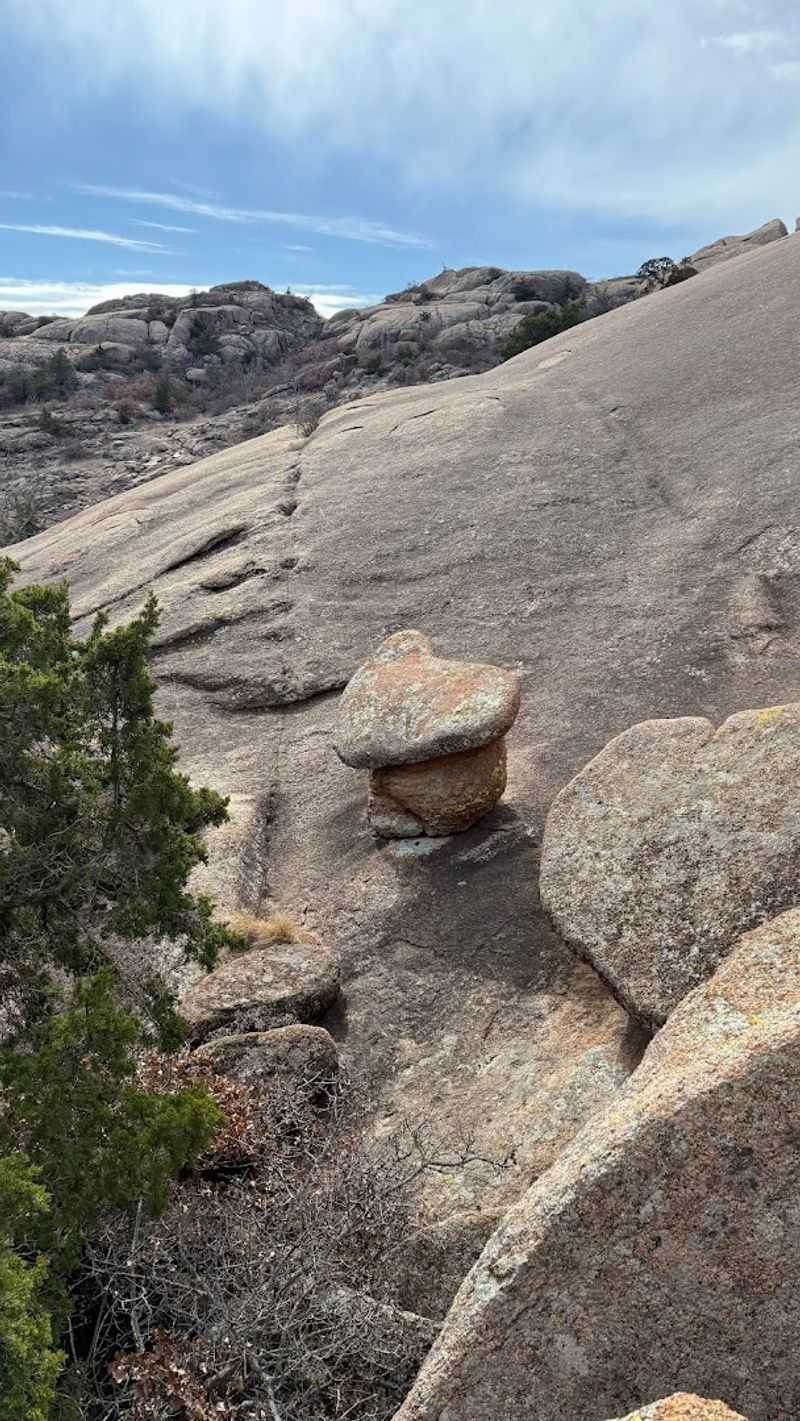
Heart Rock does not sit along a clearly marked, well-signed trail, and that is both its charm and its challenge. Finding it requires some advance preparation and a willingness to navigate through terrain that does not always offer obvious landmarks.
Downloading a GPS track or offline map before leaving cell service range is one of the most practical steps you can take. Several outdoor hiking platforms, including SummitPost, have route information for this area that can be saved and accessed without a data connection.
Starting early in the day gives you more time to explore without feeling rushed, and it also means cooler temperatures for the uphill sections. Late afternoon starts in Oklahoma summers can turn the return trip into an uncomfortably warm experience.
Telling someone your planned route and expected return time is a simple safety habit that applies to any unmarked wilderness hike. The Wichita Mountains are not remote wilderness in the extreme sense, but they are rugged enough that a twisted ankle or wrong turn deserves a backup plan.
Once you come through the brush and reach the main rock ledge, looking down toward the south is reportedly the best angle for seeing the full heart shape clearly. Patience and a good eye make all the difference when you are finally standing in the right spot.
