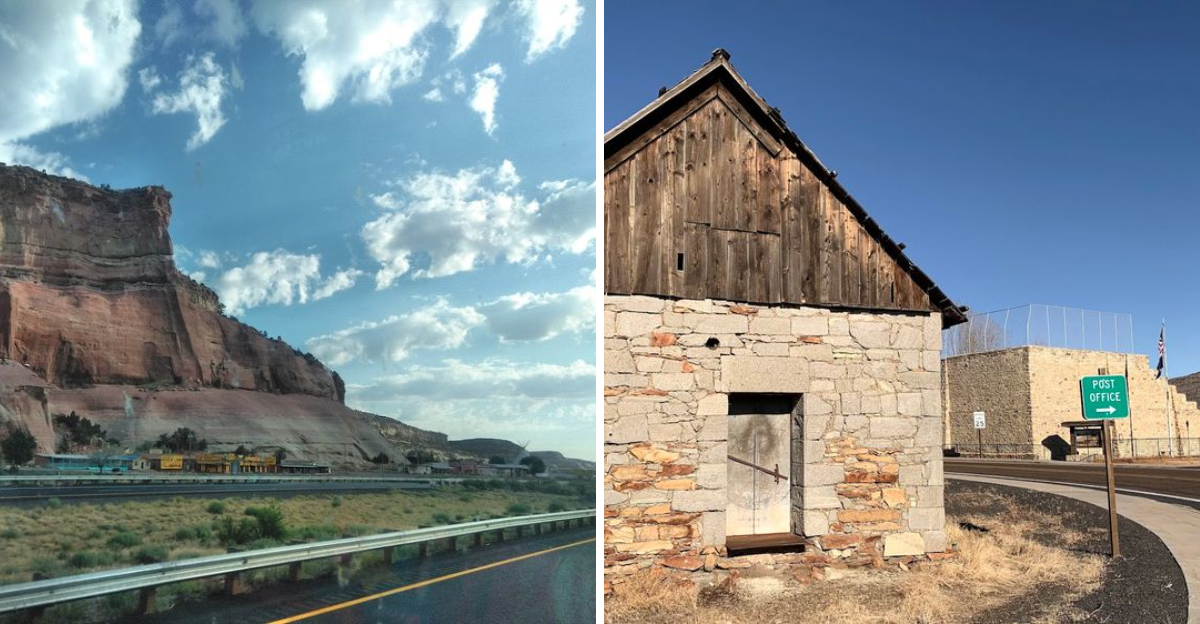
Out in Oregon’s high desert, the landscape stretches wide and quiet. This remote outpost holds marks that most people would walk right past.
Carved into rocks and hidden in plain sight, Spanish sheepherders left behind a trail of history that still lingers today. It’s subtle at first, then suddenly you start noticing the details – etchings, symbols, small traces of lives once lived far from everything.
The setting does half the storytelling, with wind, silence, and open space adding to the atmosphere. You move slower here, scanning the land like there’s something waiting to be found.
It’s the kind of place where history doesn’t sit in a museum – it stays exactly where it happened.
A Town Shaped by the High Desert Landscape
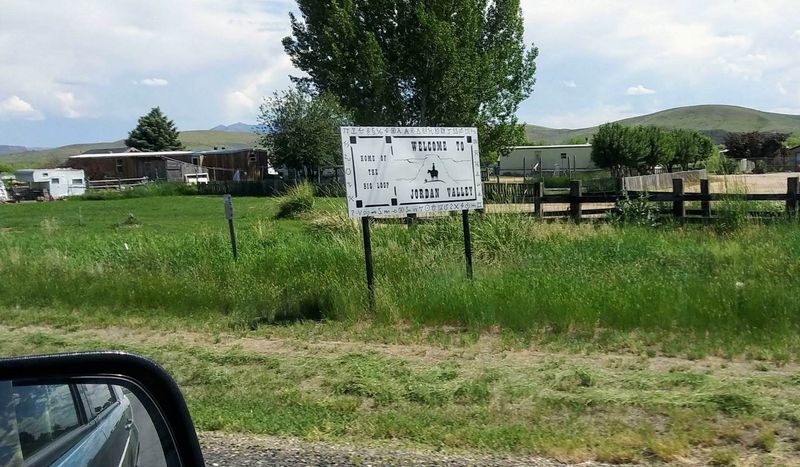
The land around Jordan Valley does not ease you in gently. It hits you all at once with open sky, dry air, and rolling sagebrush as far as the eye can see.
The terrain is raw and honest.
Jordan Creek cuts through the valley floor, a quiet tributary that eventually meets the Owyhee River. That creek gave life to this community long before roads or electricity arrived.
The elevation sits at about 4,400 feet, which means summers are warm but not brutal, and winters arrive with real teeth.
Malheur County is one of Oregon’s largest counties by area, yet one of its least populated. That emptiness is not a flaw.
It is the whole point. Driving through this region, you get a strong sense that the desert is in charge here, not people.
The landscape has a way of making everything feel both small and significant at the same time. It is humbling in the best possible way.
The Basque Shepherds Who Changed Everything
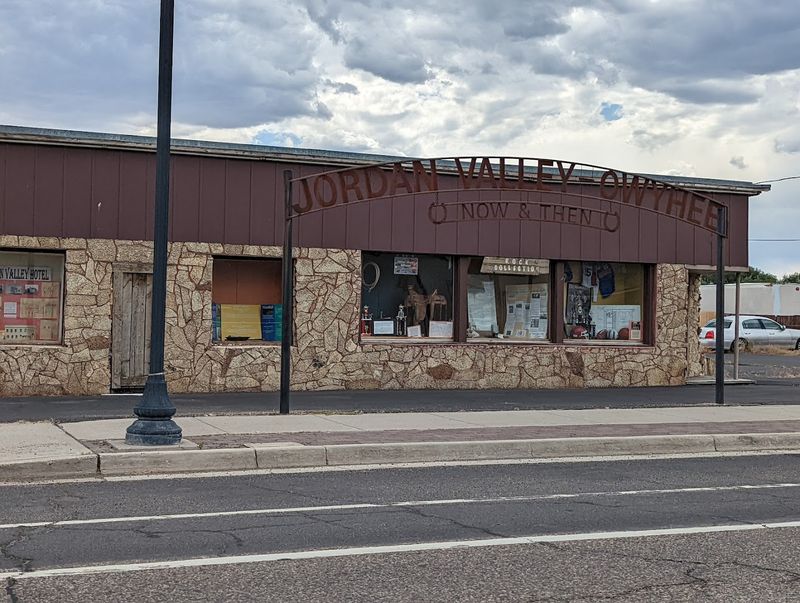
Few communities in the American West carry Basque heritage as proudly as Jordan Valley does. Basque immigrants from northern Spain and southern France began arriving in the region during the late 1800s.
They came looking for work and found an open range that suited their traditional skills perfectly.
Sheep herding was already in their blood. These men knew how to move large flocks across rough terrain, endure isolation, and read the land like a map.
They were tough, resourceful, and fiercely loyal to their culture. Many settled permanently after years of working the range.
Their influence spread far beyond the sheep camps. Basque families built homes, started businesses, and raised children who carried on the traditions.
Today, that heritage is woven into the identity of Jordan Valley in ways both visible and invisible. You can feel it in the town’s character.
The Basque presence here is not a footnote in local history. It is the whole story.
Pelota Courts and the Game That Traveled Across Oceans
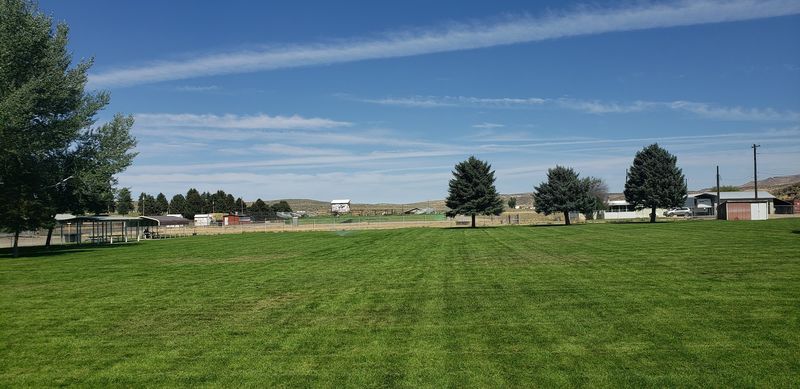
One of the most unexpected sights in Jordan Valley is the pelota court sitting right in the middle of town. Pelota is a traditional Basque handball game, and this court is one of the few remaining outdoor courts in the entire United States.
Seeing it here feels genuinely remarkable.
The game involves players hurling a hard ball against a large concrete wall with tremendous force. It looks simple from a distance.
Up close, the speed and skill involved are jaw-dropping. Basque communities across the American West once maintained these courts, but most have disappeared over the decades.
Jordan Valley held on. The court is a living monument to the community’s determination to preserve what makes it unique.
Local celebrations sometimes bring the game back to life, with players competing the same way their great-grandparents once did. Watching a pelota match here connects you to something ancient and deeply human.
It is sport, culture, and memory all rolled into one concrete wall.
Jordan Creek and the Prospector Who Named It
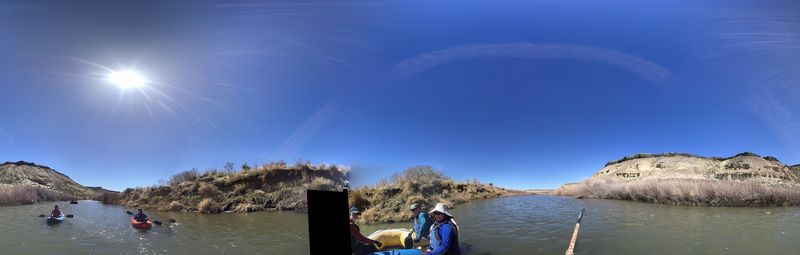
Jordan Creek has a name with a story attached. The creek is named after Michael M.
Jordan, a 19th-century prospector who explored this part of Oregon during the mining era. He was one of many adventurous souls drawn west by the promise of gold and silver.
The creek itself is modest in size but meaningful in impact. It provided fresh water in a landscape where water is precious and never taken for granted.
Early settlers built their lives close to its banks for exactly that reason. Without Jordan Creek, there would likely be no town here at all.
Today, the creek still flows quietly through the valley, a reminder of how geography shapes human history. Standing beside it, you can almost imagine the prospectors and shepherds who relied on it for survival.
The water is clear and cold, fed by snowmelt from surrounding hills. It is one of those small but essential details that make Jordan Valley feel grounded in something real and enduring.
The Owyhee River Country Just Beyond Town
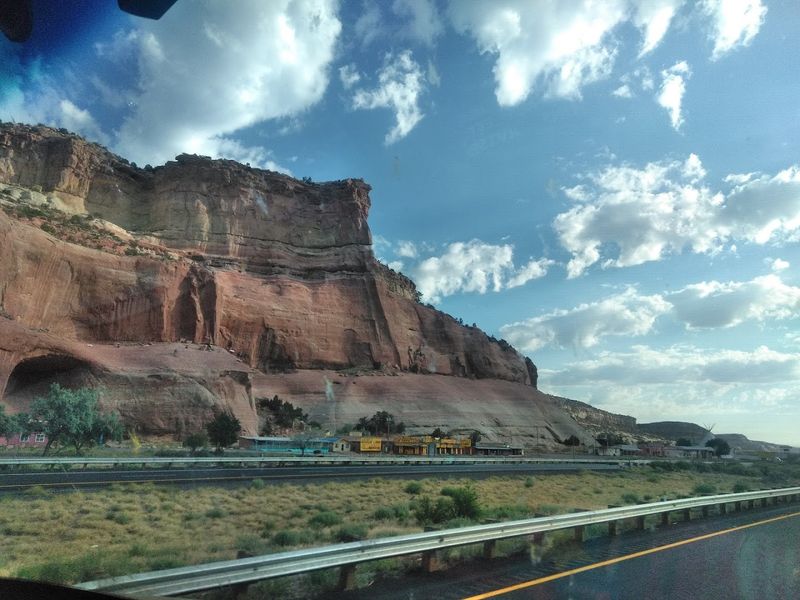
A short drive from Jordan Valley opens up one of Oregon’s most dramatic and least-visited natural wonders. The Owyhee River cuts through a canyon of layered volcanic rock, creating walls that glow red and orange in the afternoon sun.
It is genuinely breathtaking.
The Owyhee Canyonlands cover a massive stretch of southeastern Oregon and are considered one of the largest remaining wilderness areas in the lower 48 states. Raptors circle overhead.
Pronghorn antelope move across the rimrock. The silence out there has a physical weight to it.
Kayakers and rafters occasionally tackle the Owyhee’s wilder sections, but most visitors simply stand at the canyon rim and stare. That is more than enough.
The river’s name itself comes from a misspelling of Hawaii, honoring three Hawaiian fur trappers who died exploring the region in the early 1800s. Every corner of this landscape seems to carry a story worth knowing.
The Owyhee country rewards the patient and the curious.
The Basque Station and Living History in a Small Building
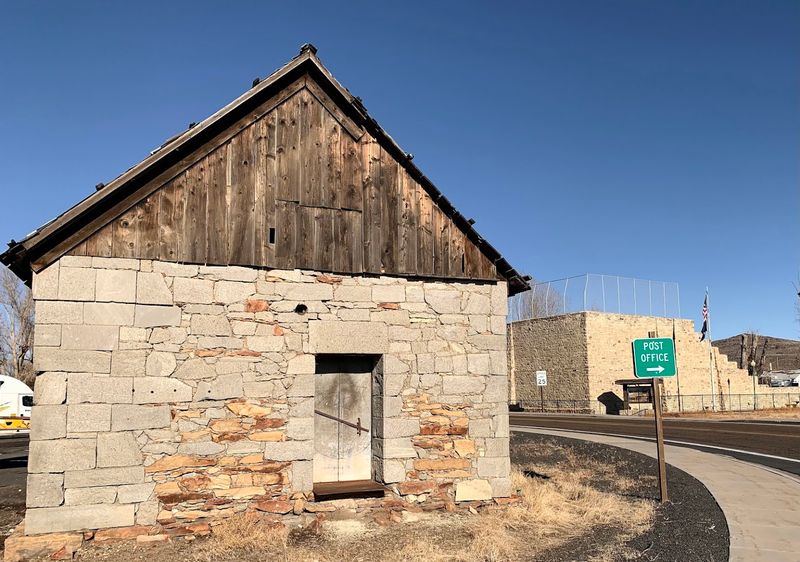
Scattered across the American West, Basque boarding houses once served as gathering places for shepherds returning from months on the range. Jordan Valley had its own version of this tradition.
These stations were more than just places to sleep.
They were community hubs. Shepherds ate together, spoke their native language, played cards, and reconnected with their culture after long lonely stretches in the hills.
The boarding house tradition helped maintain Basque identity in a place far from the homeland. Without these gathering spots, the culture might have dissolved into the wider American melting pot.
Some of the old structures in Jordan Valley still stand, quietly holding that history within their walls. Walking past them, you get a sense of the social fabric that kept this small community tight-knit across generations.
These buildings are not glamorous or grand. But they carry a warmth that fancy architecture rarely achieves.
They are proof that culture survives not in monuments but in the everyday habits of ordinary people doing life together.
Malheur County’s Quiet Isolation and Why It Matters
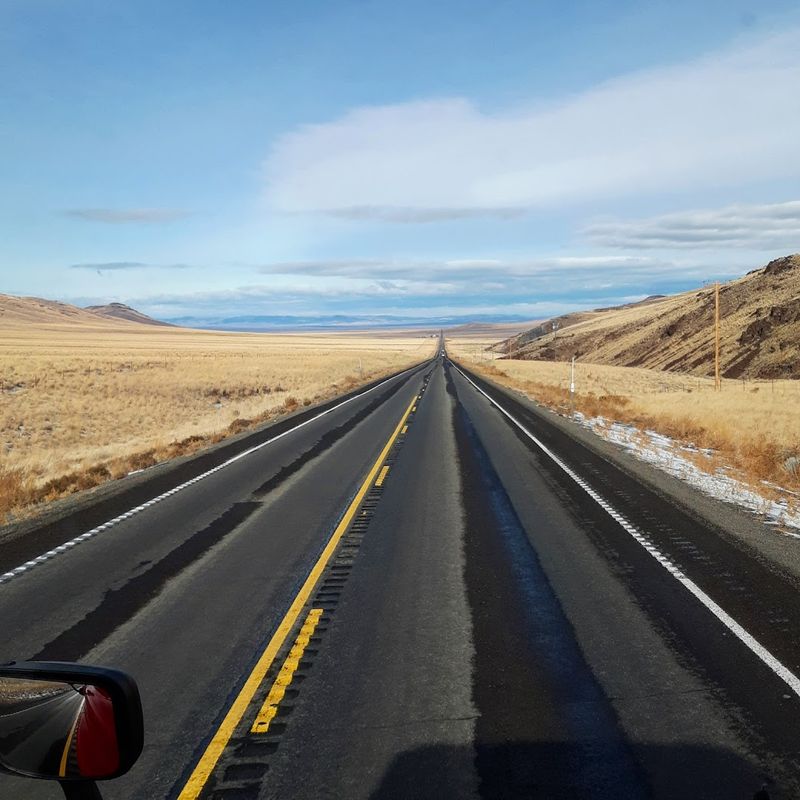
Malheur County covers more than 9,900 square miles. The entire county holds fewer people than many single city blocks in Portland.
That ratio of space to people creates something unusual and increasingly rare: genuine solitude.
Jordan Valley sits near the Nevada border, closer to Boise, Idaho than to most Oregon cities. That geographic quirk shapes daily life here in practical ways.
Residents drive long distances for groceries, medical care, and school supplies. The nearest large town is Ontario, about 65 miles away.
Life here requires self-reliance.
That isolation is not something residents apologize for. Many chose to stay precisely because of it.
There is a particular kind of clarity that comes from living where the nearest traffic jam is hours away. The pace of life slows to something manageable.
Priorities rearrange themselves naturally. For a traveler passing through, even a few hours in this quiet corner of Oregon can reset something inside you that city life tends to scramble.
The emptiness here is genuinely restorative.
The Annual Basque Festival That Draws Crowds to the Desert
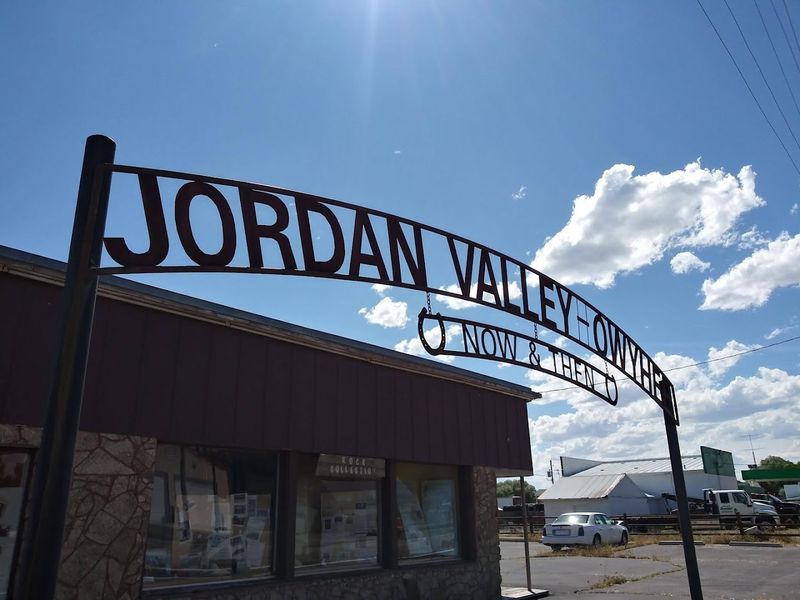
Every year, Jordan Valley hosts a Basque festival that pulls people from across the Pacific Northwest and beyond. For a town of 130 people, the event is enormous in spirit if not always in attendance numbers.
The festival brings Basque culture to life in vivid, energetic ways.
Traditional dancing, music, and food take center stage. Dancers perform in colorful costumes with precise, athletic footwork that reflects centuries of tradition.
The food is hearty and generous, rooted in the kind of cooking that fueled shepherds through long mountain seasons.
The festival also includes competitions that honor the physical strength and endurance that defined Basque shepherd life. Weight carrying, wood chopping, and other traditional contests give visitors a taste of how demanding that lifestyle truly was.
Locals and visitors mingle easily at these events. The shared enthusiasm for culture and celebration breaks down any awkwardness quickly.
Attending the Jordan Valley Basque Festival is one of those experiences that leaves you genuinely glad you made the drive out to the middle of nowhere.
Wildlife of the High Desert: What Shares the Land
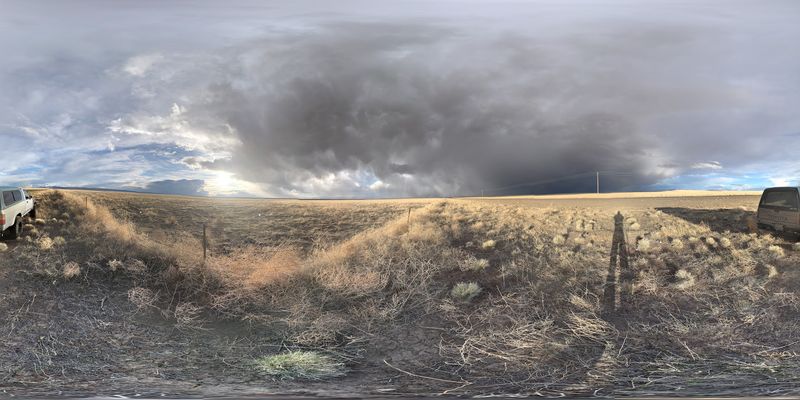
The land around Jordan Valley is alive in ways that are easy to miss at highway speed. Pull over and stand still for a few minutes.
The desert reveals itself slowly but generously. Pronghorn antelope are the most visible large mammals in the area.
They move across the open range with an effortless speed that seems almost impossible for an animal their size. Pronghorn are the fastest land animal in North America, capable of sustaining speeds that most predators cannot match.
Watching a small herd cross the sagebrush flats is one of the region’s simple but unforgettable pleasures.
Birds of prey are equally impressive here. Golden eagles, red-tailed hawks, and prairie falcons ride the thermals above the canyon rims.
Sage grouse strut through the brush during mating season with theatrical intensity. Coyotes are heard more often than seen, their calls echoing across the valley at dusk.
The high desert ecosystem is complex and resilient. Every creature here has adapted in remarkable ways to survive in a landscape that demands everything from its inhabitants.
Visiting Jordan Valley: What to Know Before You Go
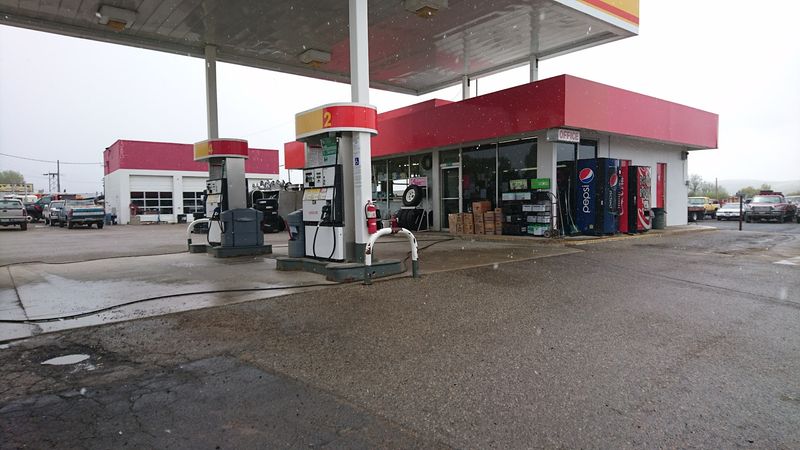
Jordan Valley is located along US Highway 95, which connects Ontario, Oregon to Nevada. The drive itself is part of the experience.
Miles of open desert, rimrock formations, and big sky scenery make the journey feel like its own reward before you even arrive.
The town has limited services, so planning ahead matters. Fill your gas tank before leaving Ontario or McDermitt.
Pack food and water for any hiking or exploring beyond town. Cell service is unreliable in many parts of the surrounding area.
A paper map is not a bad idea out here.
The best times to visit are late spring and early fall, when temperatures are comfortable and the light is extraordinary. Summer afternoons can get hot.
Winter brings cold, wind, and occasional road closures. Small towns like this thrive when visitors spend a little money locally and treat the community with respect.
Come curious. Leave grateful.
