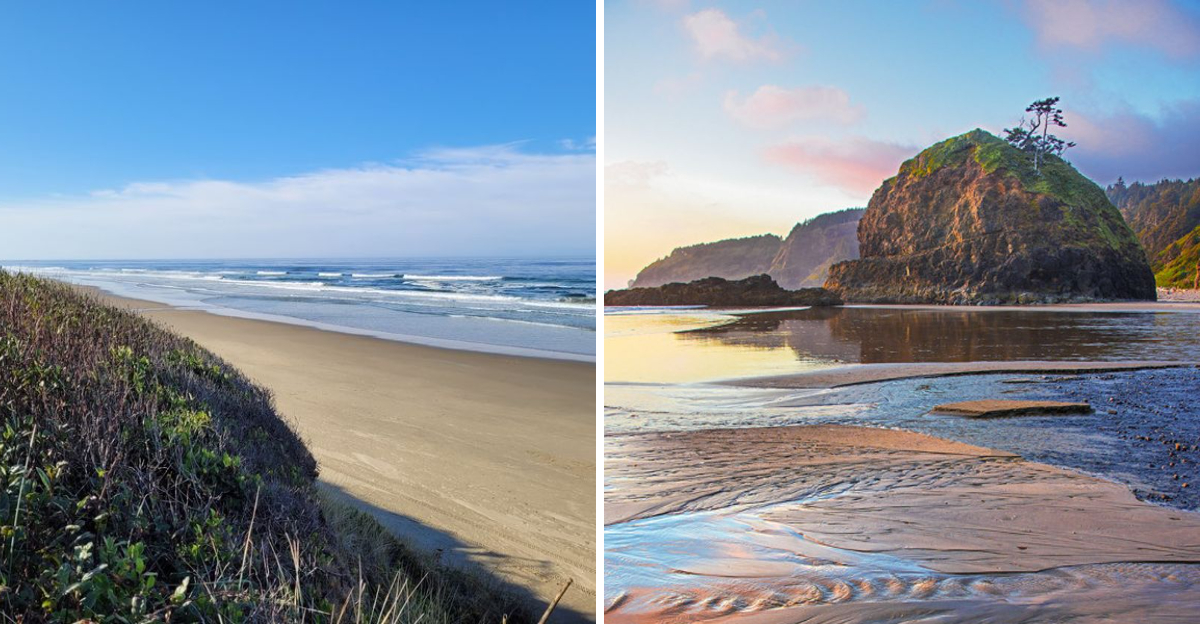
The ground beneath your feet in Oregon is a literal treasure chest, and you don’t need a permit or a fat wallet to open it. For rockhounds, this state is a paradise of free, public sites where you can dig, sift, and comb your way to a personal collection of gems and minerals.
You can hunt for the state’s official gemstone, a rare feldspar crystal that shimmers with copper inclusions. It is the only place in the world where you can collect these beauties for free. But the variety is staggering.
You can also find naturally polished agates, jasper, and petrified wood, often just lying on the surface. Coastal beaches are prime spots for agates and sea glass after winter storms churn up the gravel.
Inland, the forests and river areas are famous for thunder eggs, limb casts, and a whole rainbow of ancient volcanic rocks. If you have ever dreamed of finding gold, you can try recreational gold panning in certain rivers and streams.
It is a reminder that in Oregon, the earth shares its riches with anyone willing to get their hands a little dirty.
1. Oregon Sunstone Public Collection Area, Lake County
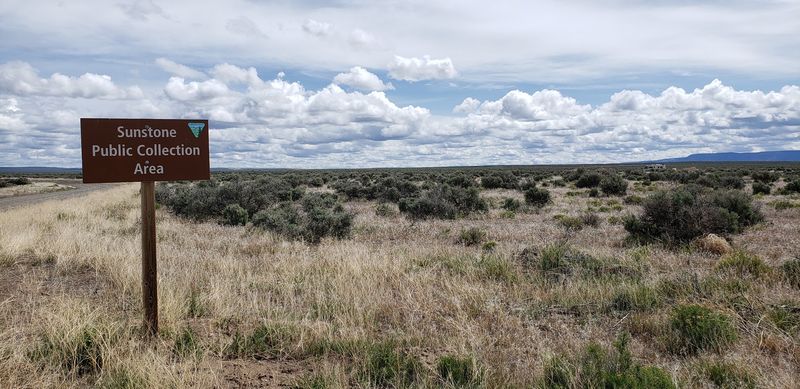
Oregon’s official state gemstone can be yours for free. Just show up and start digging. The Oregon Sunstone Public Collection Area sits about 23 miles north of the small town of Plush in Lake County. That is deep in the remote Rabbit Basin.
This BLM-managed site is the only place on Earth where you can freely collect sunstones without a permit or fee. These gems are feldspar crystals with copper inclusions that give them colors ranging from pale yellow to deep red and even green.
Many stones appear right on the surface, so even beginners can walk away with a handful of finds. Simple hand tools like a trowel or small pick work well here, and shallow digging often reveals fresh, unweathered pieces with excellent clarity.
One important note: private mining claims surround the public collection area on multiple sides.
Always study the BLM boundary map before you dig to avoid accidentally crossing onto private land. The area is extremely remote with no water, fuel, or cell service nearby, so bring more supplies than you think you need.
A high-clearance vehicle is strongly recommended for the dirt roads leading into the basin. Summer temperatures in the high desert can be brutal, so early morning collecting is your best strategy.
Finding your first glowing sunstone straight out of the ground is an experience that stays with you for a long time.
2. Glass Buttes, Lake County
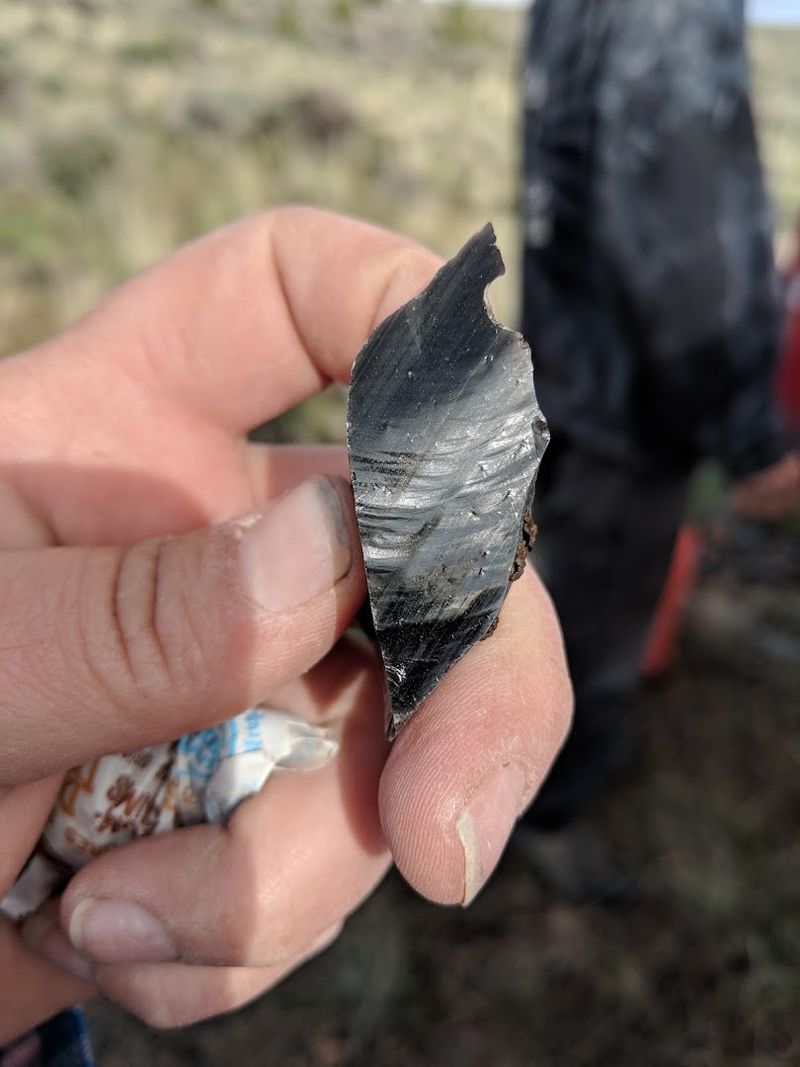
There are not many places on Earth where you can pick up rainbow-colored volcanic glass right off the ground, but Glass Buttes in Lake County is one of them.
This BLM-managed site is famous among rockhounders for its incredible variety of obsidian, including rainbow, mahogany, and the highly prized midnight lace obsidian. The site sits in the high desert of Lake County and requires no permits or fees to visit and collect.
Most collecting here is surface-level, meaning you can spot quality pieces just by walking slowly and scanning the ground. Shallow digging with a hand trowel can reveal fresher material with sharper edges and richer color patterns.
Free dispersed camping is allowed in the area, which makes Glass Buttes a great overnight destination for serious collectors. The volcanic origin of this site goes back millions of years, when lava flows cooled rapidly and formed the glass we see today.
Rainbow obsidian is especially dramatic when held up to sunlight, revealing shifting bands of green, gold, and purple. Come prepared with sturdy gloves because obsidian edges are extremely sharp, even on rounded surface pieces.
The roads into the area can be rough, and a high-clearance vehicle is a smart choice for the final approach. Glass Buttes rewards patience, and collectors who slow down and look carefully tend to find the most striking pieces.
3. Bailey Beach, Gold Beach
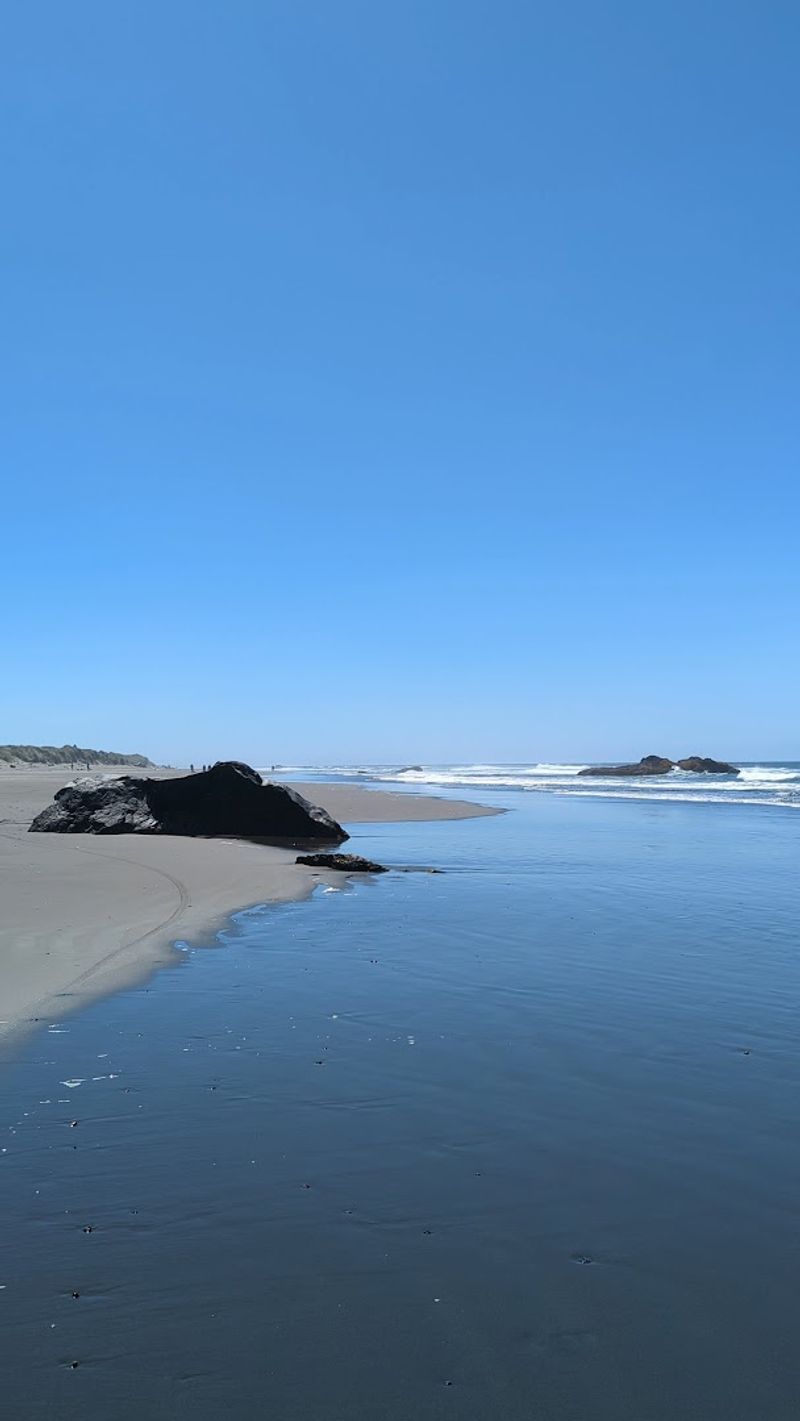
Black sand beaches are rare, and Bailey Beach near Gold Beach is one of the most rewarding stretches of dark shoreline you will ever walk on.
Stretching three miles north of the town of Gold Beach on the southern Oregon Coast, this beach is known for its gold-bearing black sand and an impressive variety of collectible stones.
Rockhounders here find quartz, agate, jasper, petrified wood, and garnet. That makes it one of the most diverse beach collecting sites in the state. The black sand itself is rich in heavy minerals. Coastal wave action deposited them over thousands of years.
The best collecting spots are at the northern end of the beach. The small coves there concentrate heavier material through wave energy. The area near the Rogue River North Jetty is also highly productive. Strong winter storms push new stones onto the beach, especially there.
Garnet is one of the more exciting finds here because the deep red crystals stand out sharply against the dark sand. Low tide is essential for accessing the best material, so check a tide chart before your visit and plan accordingly.
The drive to Gold Beach along US-101 is one of the most scenic coastal routes, so the journey itself is worth the trip.
4. Ochoco National Forest, Crook County
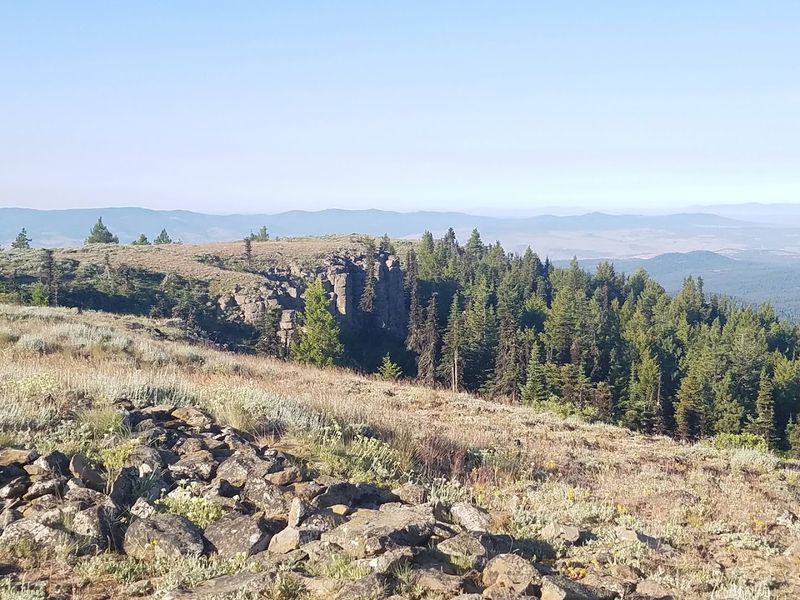
Crook County carries the unofficial title of rockhound capital of the world, and a visit to Ochoco National Forest will quickly show you why that reputation is well earned.
Located in Central Oregon, the Ochoco National Forest and surrounding BLM land offer free public collecting of agate, jasper, limb casts, petrified wood, moss agate, dendrite agate, and angel wing material.
The sheer variety of collectible material here is almost unmatched anywhere else in the Pacific Northwest. Both the US Forest Service and the BLM manage collecting sites in this region, and personal-use collecting is allowed at no cost.
Petrified wood is one of the most popular finds. Some pieces retain incredible detail from the ancient trees they once were. Limb casts are particularly fascinating to hold and study up close. These form when lava surrounds a branch and preserves its shape.
The landscape shifts between ponderosa pine forest and open high desert. That gives the area a dramatic and varied character throughout the year. Spring and fall are the most comfortable seasons to collect here. Mild temperatures and dry ground make spotting surface material much easier.
A good field guide specific to Oregon minerals and rocks is a worthwhile investment before heading into the Ochoco.
5. Lost Creek State Recreation Site, Newport
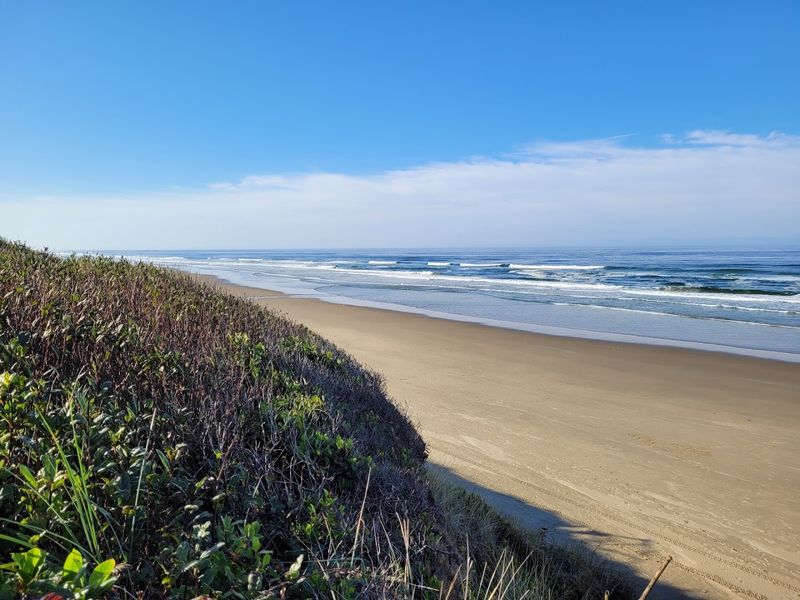
Low tide on the Oregon Coast can turn an ordinary beach walk into a treasure hunt. Lost Creek State Recreation Site near Newport is one of the finest examples.
This relaxed beach sits about 7 miles south of Newport along the Central Oregon Coast. It is one of the most accessible rockhounding spots in the entire state.
The shoreline here is a mix of sand and cobbles. That creates ideal conditions for finding Oregon Coast agates, jasper, petrified wood, shells, and sea glass. Agates are the star attraction. Their translucent glow makes them relatively easy to spot when wet with seawater.
The best strategy is to arrive just before low tide. Work the waterline as the ocean retreats and freshly tumbled stones appear. Winter and early spring visits often yield the most impressive hauls. Storms churn up new material from the seafloor and deposit it on the beach.
Unlike many rockhounding sites that require remote desert driving, Lost Creek is easy to reach and suitable for all skill levels. Families with kids tend to love this spot because the beach is gentle and the finds come quickly.
Bring a small mesh bag or bucket to carry your stones. Keep a damp cloth handy to spot translucent agates more easily. Every visit to Lost Creek feels a little different. That unpredictability is exactly what keeps collectors coming back.
6. Burnt Ranch, John Day River
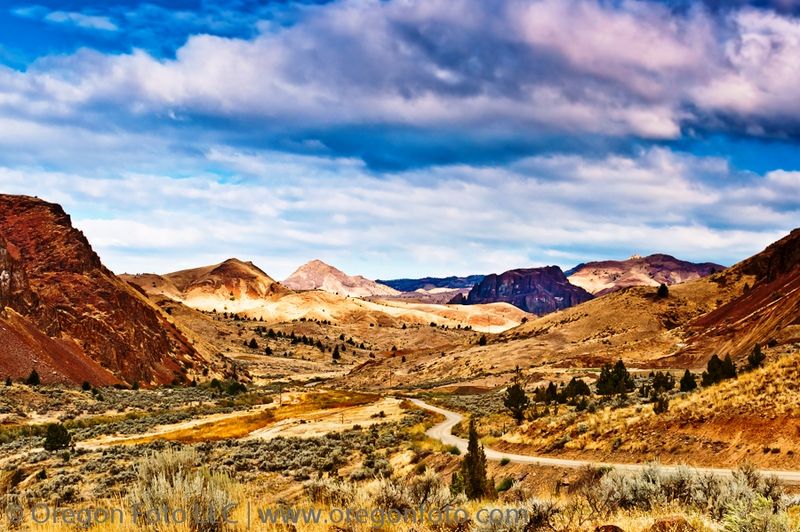
Bright teal rocks on a steep desert hillside are not something you expect to find in Oregon. Burnt Ranch along the John Day River delivers exactly that kind of surprise. This site sits near the Painted Hills in north-central Oregon. It lies along the dramatic slopes above the John Day River canyon.
The colorful rocks found here originated from ancient lava flows of the Clarno volcano. That volcano erupted millions of years ago and left behind chemically altered volcanic material. The teal coloration comes from mineral alteration processes.
These happened as the original volcanic rock reacted with heat and hydrothermal fluids.
Getting to the best collecting spots requires a steep hike down into the canyon. Sturdy footwear and plenty of water are non-negotiable. The physical effort is real. The reward is finding specimens with vivid, unusual colors that look almost too striking to be natural.
The John Day River canyon is one of the most geologically rich corridors in the entire United States. Burnt Ranch sits right at the heart of it.
The surrounding landscape of layered volcanic and sedimentary rock tells a story of repeated eruptions, floods, and ancient forests that once covered this region. Spring and fall are ideal for visiting. Summer heat in the canyon can be intense and the trails exposed.
7. Meyer’s Creek Beach, Gold Beach
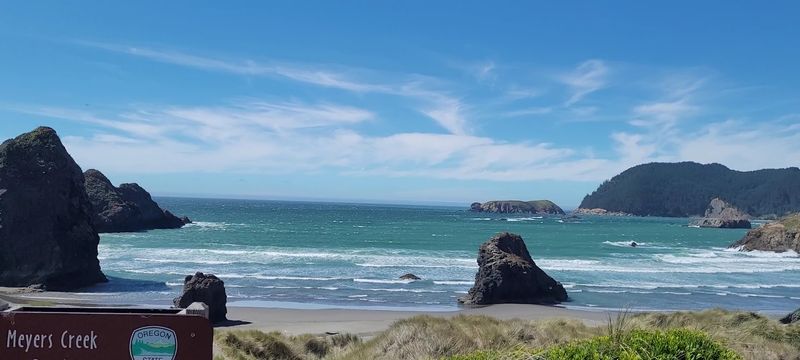
Not every great rockhounding beach announces itself with a dramatic name. Meyer’s Creek Beach south of Gold Beach is quietly one of the most distinctive spots on the entire Coast.
A small creek crosses the sandy beach here before emptying into the Pacific. At low tide the creek mouth area reveals cobbles of striking bright red rock veined with white calcite and quartz.
These rocks are believed to originate from the ancient Yolla Bolly terrane. A block of oceanic crust that was scraped onto the North American continent through tectonic plate movement millions of years ago.
The red coloration comes from iron-rich minerals within the original seafloor material, giving each piece a bold, almost painted appearance. The contrast between the red matrix and the white calcite veining makes these specimens especially photogenic and visually distinctive among any collection.
Low tide is the critical timing factor here, as the best cobbles are buried under shallow water or sand at higher water levels. Meyer’s Creek is a relatively quiet beach compared to more popular coastal stops, which means you often have the best cobble areas to yourself.
The drive south from Gold Beach along US-101 to reach the site passes through some genuinely beautiful coastal scenery.
8. Quarry above Eagle Rock, Ochoco Range
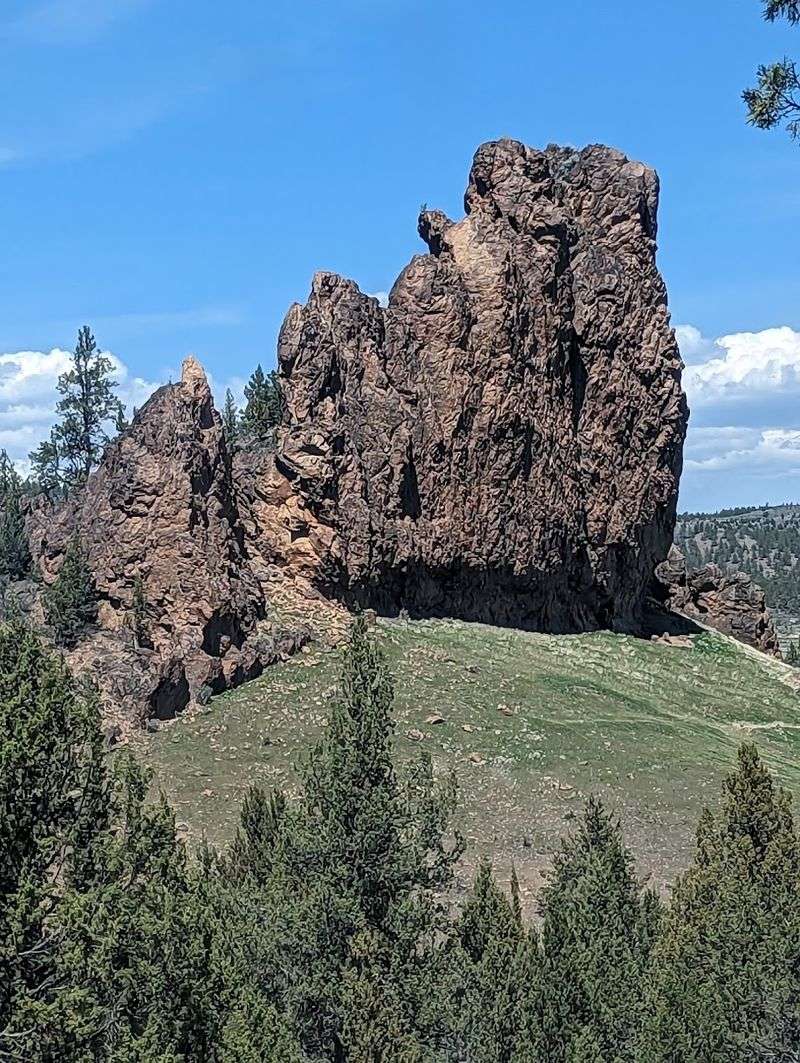
Few rockhounding sites in Oregon combine breathtaking scenery with genuinely rare geological material. Just the way the quarry above Eagle Rock in the Ochoco Mountains does.
Reaching the quarry requires a steep hike up into the Ochoco Range. The views from the top are wide, dramatic, and absolutely worth the climb. The rocks found here are commonly called rainbow rocks, and they formed from ancient volcanic ash that erupted from the Crooked River Caldera.
The Crooked River Caldera is considered one of the largest volcanic eruptions in Earth’s geological history. The ash layers were buried, compressed, and altered over millions of years, producing the banded, multicolored patterns that collectors prize so highly.
Colors can include soft pinks, creamy whites, pale greens, and warm yellows, often layered together in swirling patterns within a single specimen. The hike to the quarry is not marked on most maps, so research the route carefully before you go and bring a printed map as backup.
The Ochoco Mountains sit at elevation, meaning temperatures can shift quickly and afternoon thunderstorms are possible during summer months. Start your hike early in the morning to reach the quarry with enough time to collect before the midday heat or afternoon weather sets in.
9. Oregon Coast Beaches, Newport, Oceanside, and Short Beach
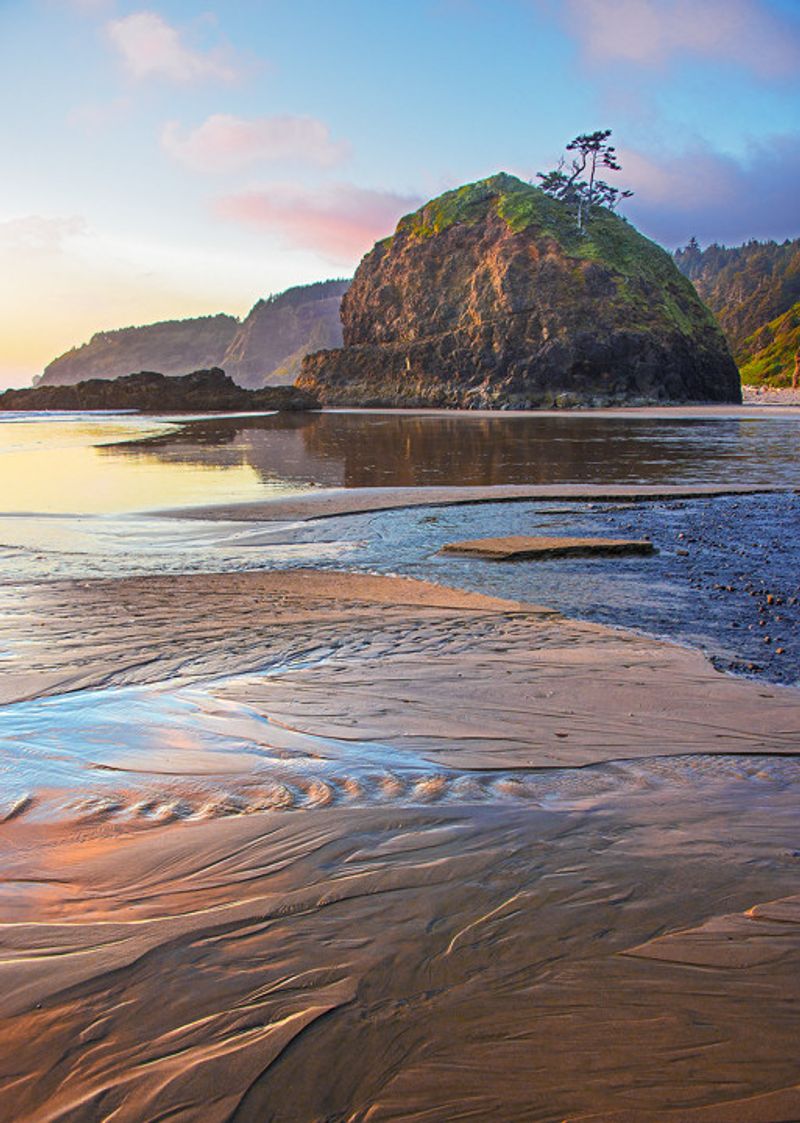
Oregon has one of the most generous coastline policies in the country. Every single mile of the Coast is legally public land open to anyone who wants to explore it.
That means hundreds of miles of free rockhounding territory stretching from the California border all the way to Washington, with no access fees or permits required.
Beaches near Newport, Oceanside, and Short Beach are among the most consistently productive spots for finding agates, jasper, and sea glass. Oceanside and Short Beach are especially well regarded among collectors for their agate-rich cobble zones.
Short Beach in particular sits at the base of a headland and collects material from multiple directions, making it unusually rich in variety compared to more open stretches of coast.
Sea glass hunters also love these beaches because historic coastal communities left behind glass debris that the ocean has been smoothing and frosting for decades.
The single most important timing rule for coastal rockhounding in Oregon is to search during or just after low tide. Winter storms are your best friend here because heavy wave action dredges up new material from offshore and deposits it in fresh layers along the waterline.
10. Wheeler High School Fossil Beds, Fossil
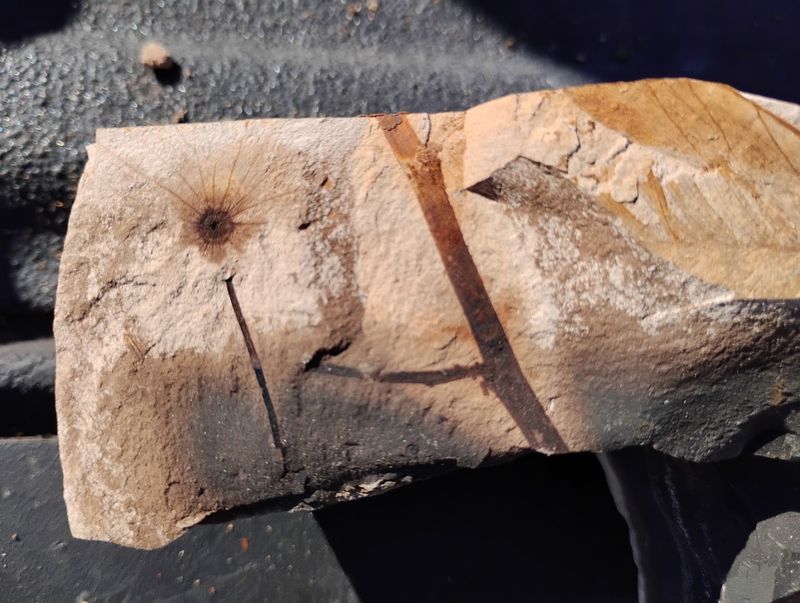
Splitting open a piece of ancient shale and finding a perfectly preserved leaf from 30 million years ago is one of the most quietly thrilling experiences. The Wheeler High School Fossil Beds in the small town of Fossil offer exactly that opportunity.
Unlike the nearby John Day Fossil Beds National Monument, this site welcomes visitors to collect for a small voluntary donation. The fossil beds sit on a hillside directly behind the Wheeler High School. It makes it one of the most unusually situated geological sites in the entire country.
Visitors are given simple tools to split the soft shale layers, and the fossils inside are surprisingly well preserved given their age.
Leaf impressions are the most common find, and they often show fine detail including vein patterns, leaf margins, and stem attachments that reveal the ancient plant’s structure.
The plants preserved here lived during the Eocene epoch, a warm period when forests covered much of what is now the high desert. Fossil is a tiny town with a big geological identity, and the locals are genuinely proud of what lies beneath their hillsides.
