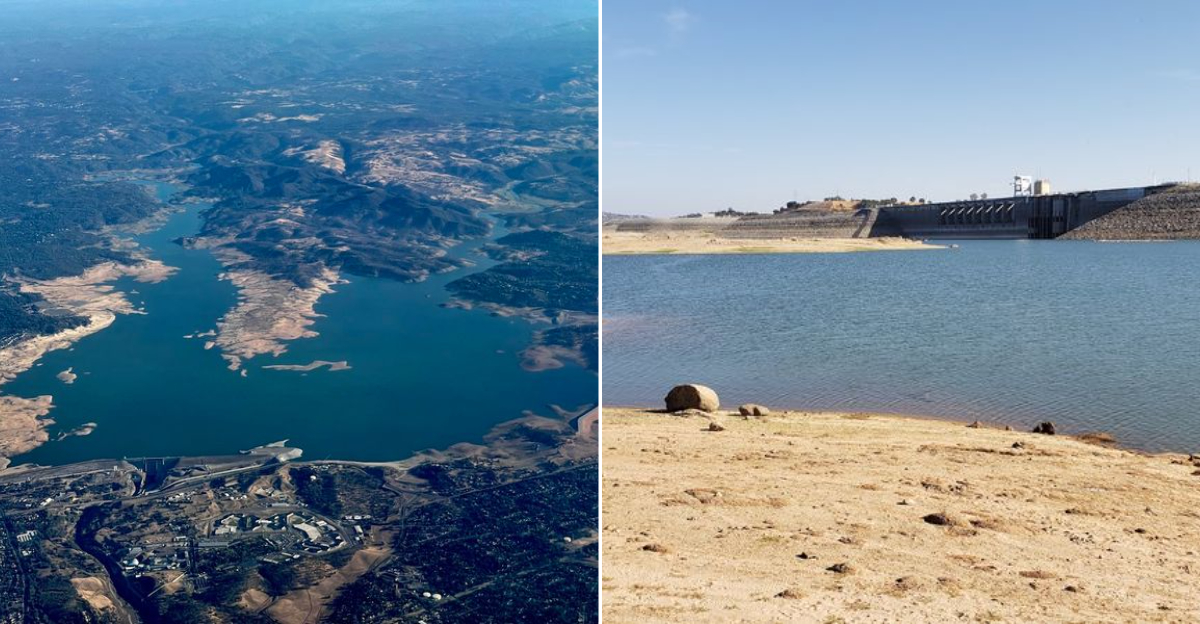
Have you ever walked along a shoreline knowing that just beneath the water lies a main street, four hotels, and the remains of a Gold Rush town? That is the haunting reality at this California recreation area, where a dam completed in 1955 flooded the historic community of Mormon Island, once home to over 2,500 residents and some of the region’s richest mines.
During severe droughts, the ghost town resurfaces. Visitors have seen building foundations, bricks, pottery, and even old doorknobs emerging from the depths.
The park is one of the most visited in the entire state system, offering 75 miles of shoreline for hiking, swimming, and fishing. A popular trail connects the lake to a famous prison where a legendary musician once recorded a live album.
So which California gem hides a drowned Gold Rush secret beneath its blue waters? Pack a camera and a sense of wonder. You never know what the drought might uncover next.
The Folsom Dam That Buried A Gold Rush Town
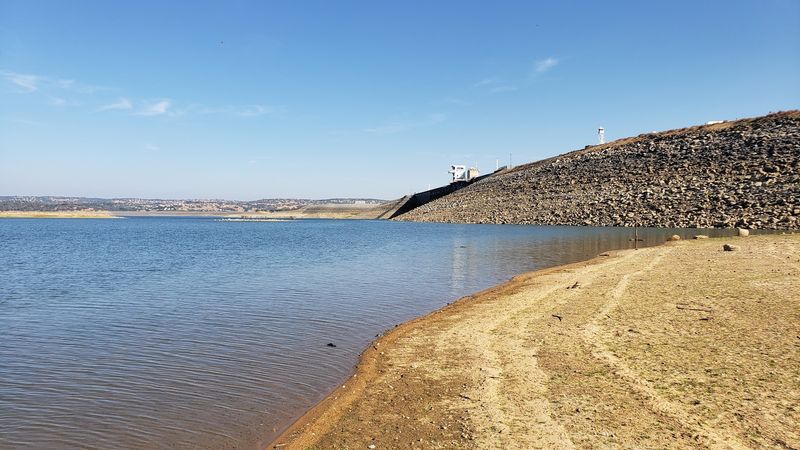
Stand here with me a moment, because the dam looks ordinary until someone explains what sits beyond that wall of concrete. You picture gates, turbines, and the steady rhythm of water management, but below the calm, a different map sleeps.
I like to face the wind and imagine street corners that once rang with hammers, church bells, and tired boots heading home.
It is a California scene that refuses to be only one thing, since recreation meets remembrance in the same frame. Families set up shade near the pebbled shore, and boats push a white crease across the water, while the past waits quietly beneath.
When the air is still, I swear the lake feels like a lid, lowering the volume on voices we can almost hear.
You do not have to be a historian to feel the gravity here, because the landscape does the storytelling. Look at the oak hills, the granite fingers, and the way the shoreline steps down like an unfinished staircase.
If you tilt your head just right, you can sketch a town between the ripples. Let the sun warm your shoulders, breathe in the resin from the pines, and admit you want to know what the water keeps.
Beneath The Surface Lies A Town Called Mormon Island
Say the name out loud with me, because it feels strange to call a place a secret when it used to be a destination. Mormon Island lives under the water now, but the layout remains in imagination, right where the coves fold into one another.
You can stand on shore and draw alleys with your finger while the lake pretends not to notice.
I like to think about the sounds that would have carried across this valley: wagon wheels grinding, saws singing, and someone laughing too loudly after a long day. It makes the present feel paper thin, like you could peel it back and step straight into another afternoon.
California has a way of stacking eras, and this one happens to be stacked under a blue sheet.
If the lake ever drops, you catch glimpses that prove the story is not just campsite folklore. Stones line up where streets might have crossed, and stubby walls shoulder out of the mud with stubborn confidence.
You crouch to look closer, and suddenly the ripples look like fingerprints. That is when the quiet hits different, and you realize the town never really left.
It just learned to hold its breath.
A 1955 Reservoir Flooding A Century Of History
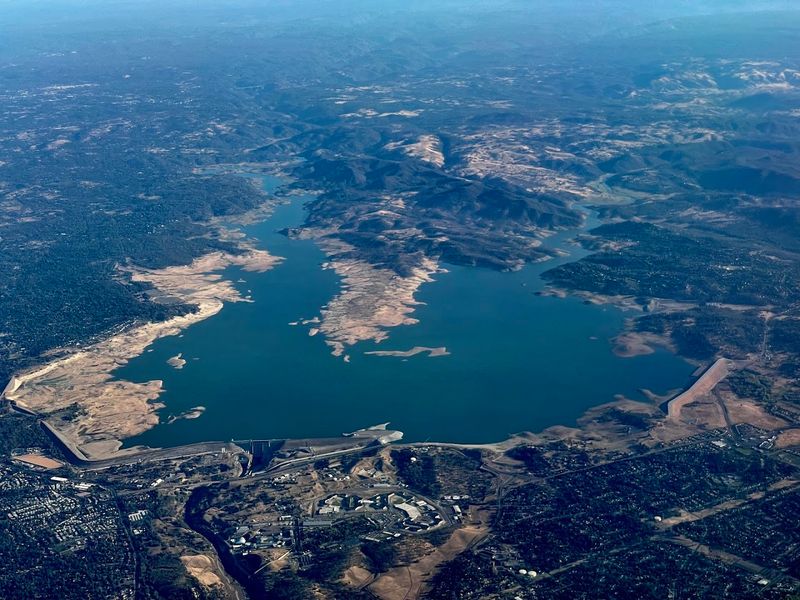
People toss around timelines, but out here the years feel less like numbers and more like layers of silt under your shoes. A whole chapter of life slipped under the surface, and the new lake kept moving like nothing had happened.
I try not to get too heavy, yet it is hard not to imagine the last door closing, then the water rising.
California does this thing where progress and memory share the same real estate, and this basin might be the clearest example. You can point to the shoreline and tell the story with simple gestures: here stood walls, there ran a street, and over that ridge lived ordinary chaos.
The place earned quiet the hard way, by burying the noise and leaving the sky.
What gets me is how the reservoir looks friendly from the boat launch, even while it holds a library of human moments. You float, you laugh, and the surface sparkles, yet the past keeps patience below.
Maybe that is why the wind sometimes sounds like a sigh across the coves. We toss a pebble, watch rings widen, and think about all the rings that never reached the bank.
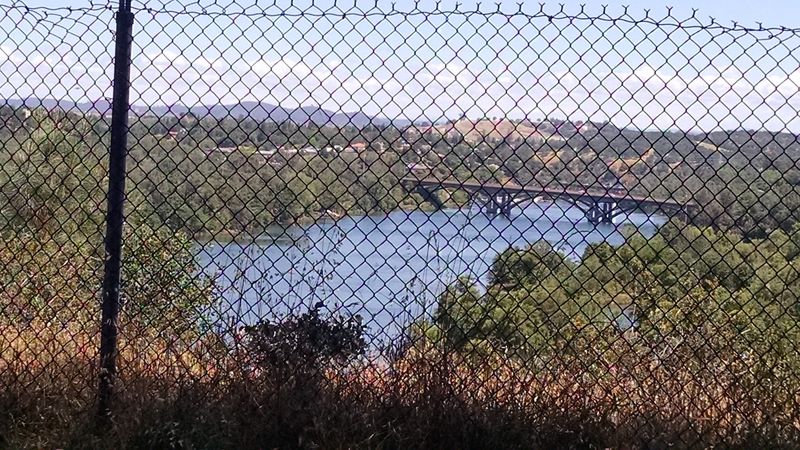
The Hidden Bridge Of Salmon Falls Still Standing Underwater
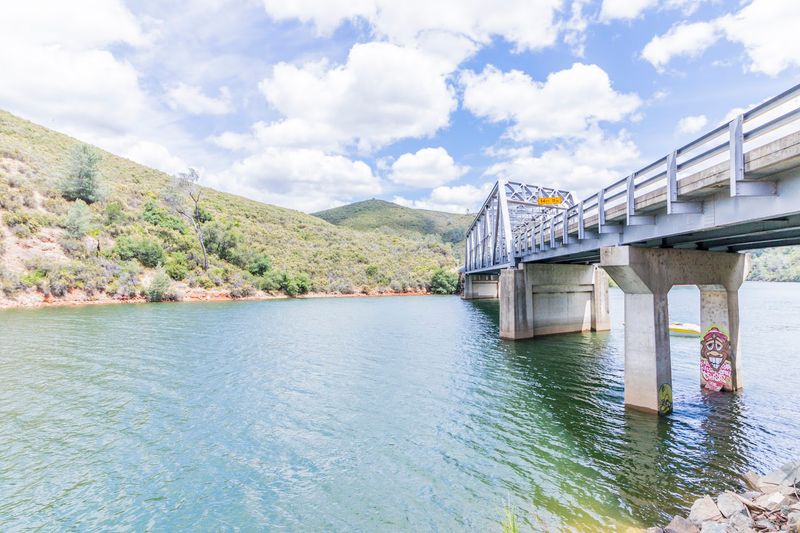
You want proof something massive is down there? Point your eyes toward Salmon Falls, where a bridge waits under the surface like a patient animal.
On rare low days, parts of it show themselves, and everyone on the bank suddenly whispers without knowing why.
Bridges carry more than bodies and wagons, and this one carried routines, gossip, and half-planned futures across the riverbed. California history does not always sit in museums, because sometimes it naps under a lake and wakes when the drought alarms go off.
I stand on the bluff and feel my knees argue with my curiosity as the shapes sharpen below.
Even when hidden, the bridge messes with your sense of distance, because the span imagines a road that is no longer there. You look at the alignment, trace your way to a vanished corner, and realize you are holding your breath too.
Maybe that is the bridge’s last trick, teaching strangers to pause and see what time can hide. When the sun slips behind the hills, the water turns to smoked glass, and the old stones fade back into their quiet post.
Why Low Water Years Reveal Old Foundations And Walls
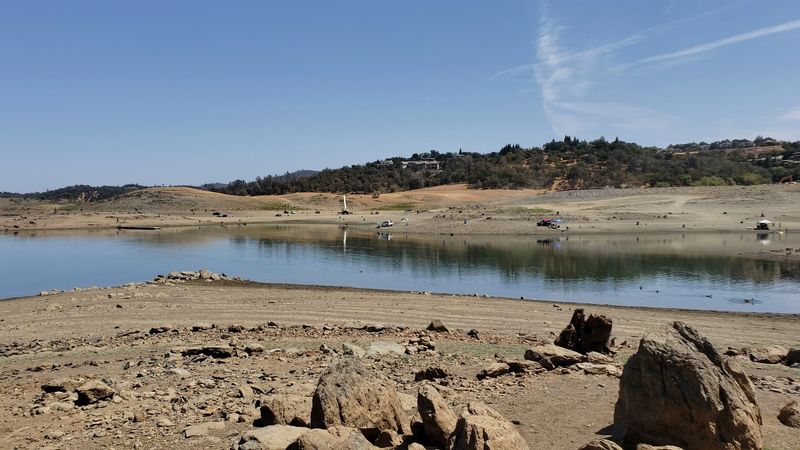
Drop the waterline, and the lake turns into a memory museum you can walk across without much imagination required. Foundations step out like they have been waiting for their cue, and square outlines sketch rooms, storefronts, and stoops.
It is eerie, but it is also weirdly welcoming, like the place wants witnesses again.
The science is not spooky at all, because lower levels simply pull back the curtain and reveal what was left sturdy. Stones settle, timbers sulk, and metal pieces hold their shape when everything else melts into mud.
California sun bakes the ground just enough to make wandering possible without sinking to your ankles.
I carry a quiet respect in these moments, since every outline belonged to someone’s day-to-day life. You see a threshold and picture a broom parked just inside, or a chair angled toward the cooler breeze.
The trick is to keep your hands to yourself and let your eyes do the touching. Keep your voice low, step carefully, and let the site teach you patience.
When the lake rises again, the walls return to silence, but the map they draw stays sharp in your mind.
Hiking Across The Dry Lake Bed When The Levels Drop
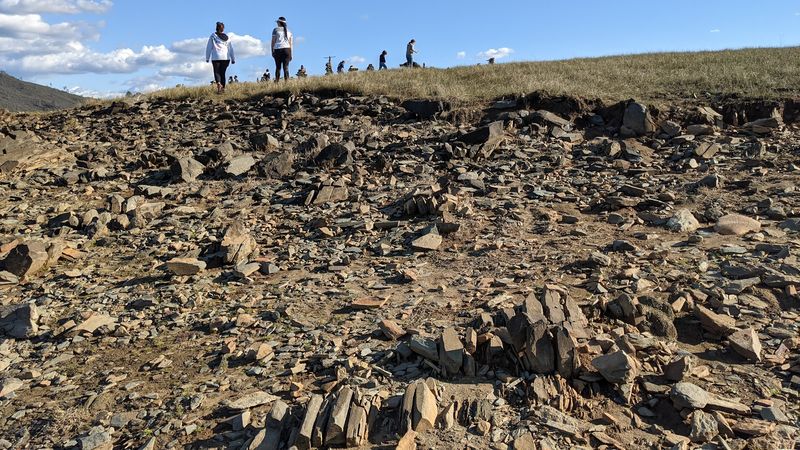
Want to feel the story under your boots? Wait for a big drawdown and walk the flats where fish usually swim, and let the ground surprise you.
The surface shifts from sandy to crunchy, and then to cracked plates that sound like old pottery when you step.
Trail etiquette turns into common sense here, since you are walking through a place that once held front doors and routines. Stick to firm ground, give any exposed structure room to breathe, and take photos instead of souvenirs.
California park rules keep things civilized, and honestly, the restraint makes the experience richer.
There is a hush across the lakebed that regular trails rarely serve, and the wind carries grit that smells like sunbaked river. You find yourself narrating discoveries to whoever is with you, even if it is just a line of stones pretending to be a fence.
The sky stays huge, the hills hold steady, and your footsteps sound like pencils on rough paper. When you finally climb back to the regular shoreline, your eyes need a second to adjust, because the living lake looks different after you have walked its memory.
Boats And Jet Skis Above A Sunken Main Street
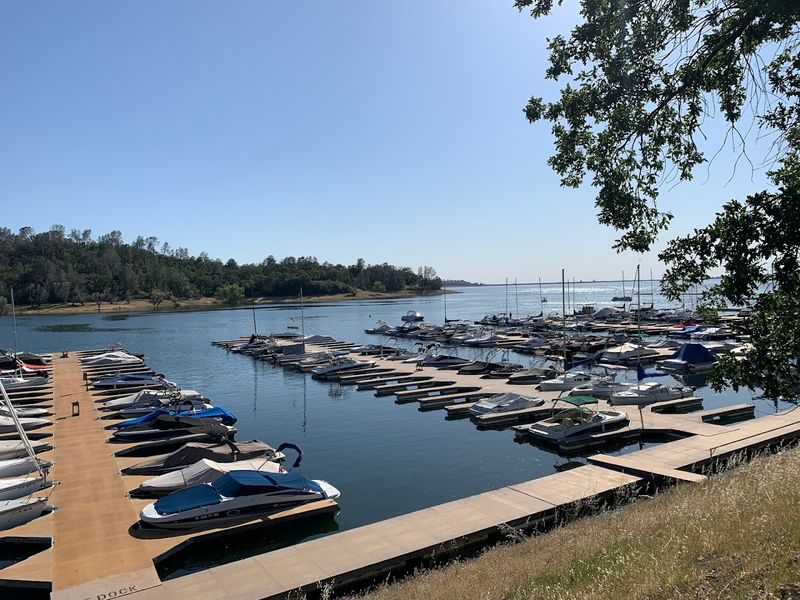
It is a trip to watch wake lines trace over a route that used to be a town’s backbone, like traffic on a road you cannot see. Everyone up top is laughing and pointing at coves, while down below the straight line of a main street stays quiet.
You feel the overlap most where the water stays glassy and the motor hum turns meditative.
California recreation lives large here, and that energy is part of the story, not a distraction from it. People make fresh memories on the same grid that once decided where barrels stacked and horses tied.
I like that mix, because it proves places are more flexible than we give them credit for.
If you are renting or launching, just pause before you throttle up and take one respectful breath for the old blocks underneath. Then have your fun, keep your distance, and ride the chop like you belong on this lake today.
Later, when the engine cools and your ears stop ringing, the thought sneaks back in. Somewhere under that shimmer, a sidewalk still runs straight and true, waiting out the season with patient stones.
The Only Remnant Is A Relocated Cemetery On Green Valley Road
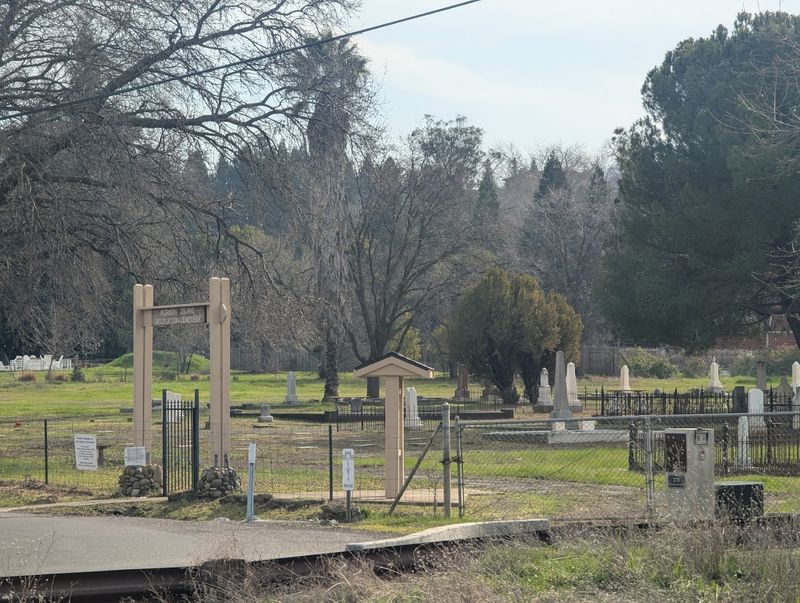
When the lake took the town, families made sure memory had a permanent address, and that address sits up the road on higher ground. The cemetery feels humble and steady, like a hand on your shoulder reminding you who lived the story first.
I walk the edge and read names the way you read street signs, letting the neighborhood take shape in my head.
There is something grounding about a place where history stands in the open, away from the water that erased so much. California sun filters through the oaks, and the shade lifts the heat just enough to slow your pace.
You hear insects, distant tires, and no hurry at all.
I never rush here, because the quiet does more talking than I ever could. If you visit, keep it gentle, stay on paths, and let the wind turn the pages for you.
Those stones hold a town together in a way that blueprints cannot. When you leave, you carry a map that points back toward the lake, and the story feels whole again.
Drought Exposes A Doorknob And Rusty Nails From The 1850S
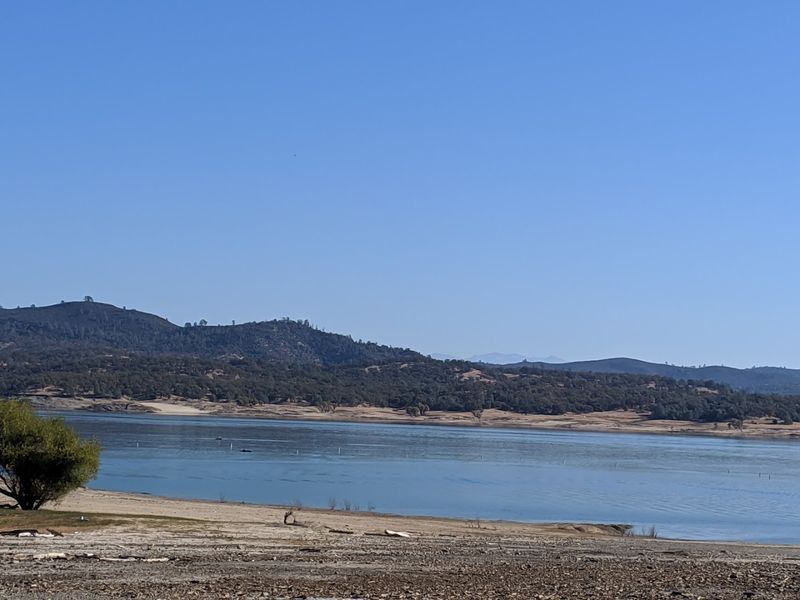
The wildest part is how small things tell the biggest truths, like a doorknob catching light where a wave just pulled back. You freeze, lean closer, and the world narrows to metal and shadow, while the lake breathes behind you.
It feels like the past slipped a note under the door saying, I am still here, do you see me?
The right move is to take a photo, not a souvenir, because these pieces belong to the whole story, not a shelf. California rangers work to protect what the water sometimes reveals, and the rest is up to our patience.
There is pride in leaving things undisturbed so the next curious soul can feel that same tug.
Once you start noticing details, you see patterns everywhere: square nails near a threshold, a hinge hiding under gravel, a shard of glass blinking. Your steps slow, your questions multiply, and the hush deepens like the lake is listening with you.
Later, when the water climbs back and wipes the slate clean, the memory stays bright anyway. You keep that doorknob in your head, turning it gently, grateful the lake let you borrow the moment.
One Last Look Before The Water Covers The Ruins Again
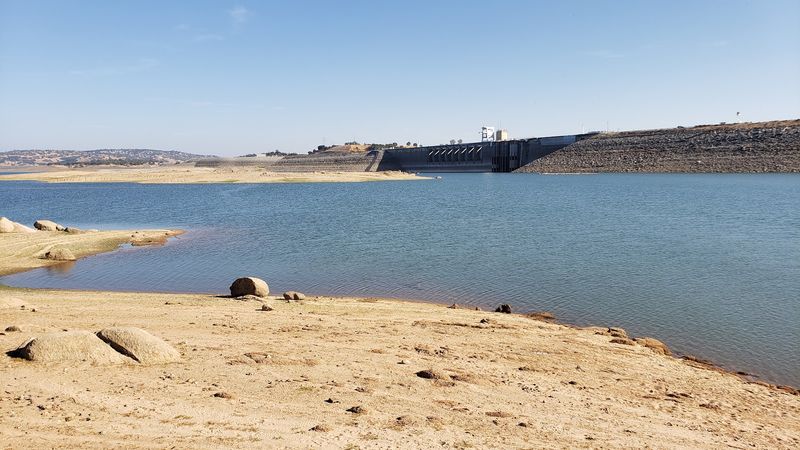
There is always a last lap, a slow walk back across the flats where your footprints started the day. You pause at the edge of a square foundation and memorize the angle, because the water is already inching forward in your imagination.
You promise yourself you will remember which rock marked the corner, even if you know the lake will shuffle the deck.
California evenings soften every hard shape, turning stones into muted islands and rust into dusk-colored freckles. The air cools, the boats thin, and voices settle into polite distance.
Somewhere out there the main street holds its line, waiting for the surface to roll back across like a curtain closing.
I like to take a mental photograph and tuck it behind the day’s easy snapshots of friends and shoreline. This place is not just a recreation area, and you can feel that without trying.
It is a conversation between present and past, spoken in ripples, granite, and patient light. When the first star shows, we head for the car with sand in our shoes, and the story hums quietly all the way home.
