Change is not always bad. New buildings, new businesses, new people can bring energy and opportunity.
But in this Virginia city, the change has come so fast that lifelong residents say they no longer feel welcome. The cost of living has climbed.
The old neighborhoods are being replaced. And the people who built their lives here feel like outsiders in their own hometown.
I have spoken with families who have lived here for generations, and the sadness in their voices is hard to hear. They love this place, but they are not sure this place loves them back.
Virginia is growing, and growth has winners and losers. This city is a case study in both.
The question is whether there is room for everyone.
When Home Becomes Too Expensive to Keep
There is something quietly heartbreaking about watching a neighborhood you have lived in for decades slowly price you out of existence. Williamsburg, Virginia has become one of those places where the cost of simply staying put has become a genuine burden for many longtime residents.
Housing costs here now sit above both the national and Virginia state averages, squeezing budgets in ways that were unimaginable a generation ago. Families of four are spending well over five thousand dollars a month just to cover basic living expenses in the city.
The crunch hits hardest for seniors on fixed incomes. Many are unable to afford home maintenance, rising utility bills, and even basic groceries, all at the same time.
A significant portion of Williamsburg households are spending more than a third of their entire income just on housing alone. That is a warning sign that economists and housing advocates take very seriously.
For people who spent their lives building roots in this Virginia community, the financial reality today feels deeply unfair. The charm of the city has not faded, but the accessibility to it certainly has, and that gap is growing wider every single year.
Seniors Caught in the Cost of Living Squeeze
Ask any senior resident in Williamsburg what keeps them up at night, and the answer will likely have nothing to do with health. It will be about money, specifically the relentless climb of everyday expenses that their fixed incomes simply cannot keep pace with.
Groceries, utilities, prescription medicine, and housing costs have all risen sharply. For older adults who planned their retirement budgets around a more affordable version of this Virginia city, the math no longer adds up.
Many seniors find themselves trapped in a painful bind. Moving would require money they do not have, but staying means stretching every dollar to its absolute limit each month.
Home maintenance is another pressure point. Roofs age, appliances break, and plumbing fails, but the funds to fix these things are increasingly out of reach for residents living on Social Security or modest pensions.
There is a human cost to all of this that goes beyond spreadsheets and city planning documents. Isolation, stress, and a creeping sense of invisibility are real experiences for Williamsburg seniors who once felt deeply connected to their community but now wonder if anyone in power is actually listening to them.
Service Workers Who Serve the City But Cannot Afford to Live In It
Williamsburg runs on the labor of hospitality workers, restaurant staff, hotel employees, and retail clerks who keep its famous tourist economy humming every single day. Yet a growing number of these essential workers cannot afford to live anywhere near the jobs they show up to every morning.
Surging rent prices have pushed many service workers into neighboring counties, turning what should be a short commute into a daily hour-long grind each way. That is time and money spent on gas and transit rather than family or rest.
Childcare costs add another brutal layer to the equation. A service worker earning a modest hourly wage in Virginia quickly discovers that childcare expenses alone can consume a staggering portion of a monthly paycheck.
Local businesses are feeling the ripple effect too. When workers cannot afford to live nearby, turnover skyrockets and staffing becomes a persistent headache for employers trying to maintain quality service.
The irony is sharp and uncomfortable. The very people who dress up the colonial charm of Williamsburg, serve its tourists, and keep its economy alive are often the ones least able to enjoy or afford the city they work so hard to maintain each day.
The Development Debate Dividing the Community
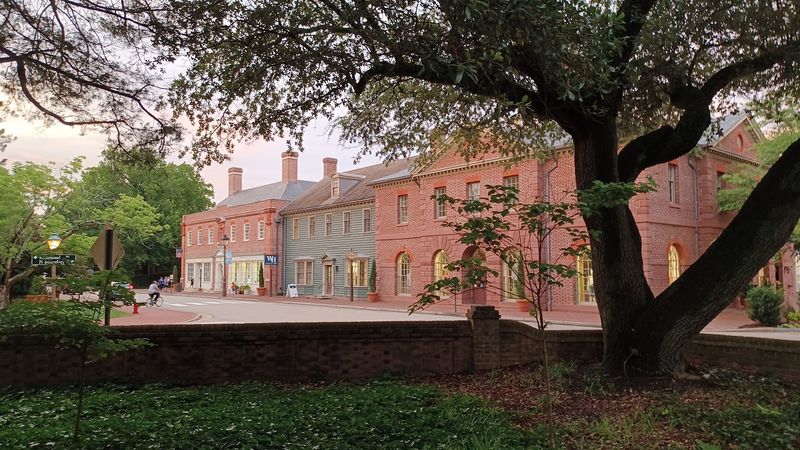
Few topics ignite a room full of Williamsburg residents faster than the word development. Proposed high-density housing and commercial projects have sparked fierce community debates that have spilled from city council chambers into neighborhood Facebook groups and front yard conversations.
At the center of the controversy are plans for denser construction near iconic areas including Merchant’s Square and the Historic Area. Critics argue that cramming more buildings into already beloved spaces threatens the very character that makes Williamsburg worth visiting in the first place.
Traffic is a recurring concern. More residents and more buildings mean more cars, and many locals feel the existing road infrastructure in this Virginia city simply cannot absorb that kind of pressure without serious consequences for daily life.
Longer-term environmental worries are also surfacing. Green spaces that residents have enjoyed for generations are slowly being eyed as potential development sites, and that prospect does not sit well with people who value the natural balance of their neighborhoods.
For many longtime residents, the frustration is less about change itself and more about feeling unheard. When city planning decisions seem to favor investor returns over community wellbeing, it sends a message that long-established voices no longer carry the weight they once did in shaping Williamsburg’s future.
Green Space Under Pressure in a Historic City
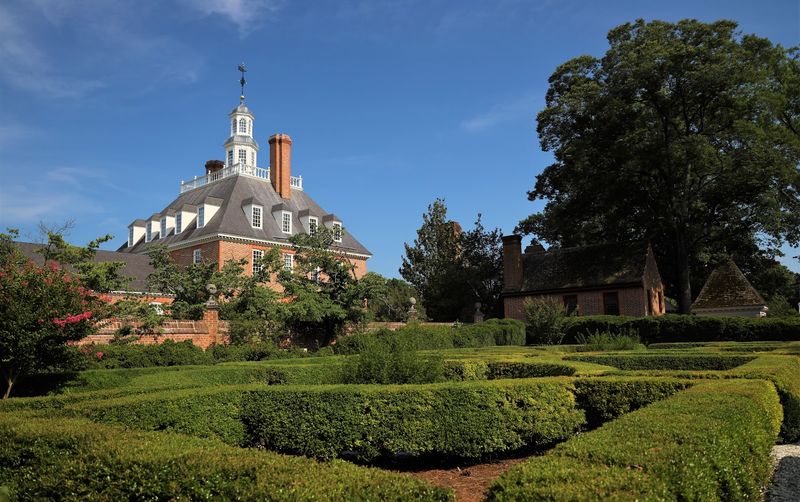
Walk through the College Woods near William and Mary on a quiet morning and you immediately understand why residents fight so hard to protect these spaces. The trees are tall, the air is clean, and the silence is the kind that a city full of tourists and traffic cannot manufacture.
These natural pockets scattered throughout Williamsburg are not just pretty scenery. They serve as stormwater buffers, wildlife corridors, and mental health refuges for residents who need a break from the noise and pace of daily life in a busy historic destination.
Proposed development projects have raised serious alarms among environmental advocates and ordinary residents alike. When green space disappears under concrete, it does not come back, and the ecological and psychological cost of that loss is real and lasting.
Virginia has a long tradition of balancing growth with conservation, and many Williamsburg residents feel that tradition is being tested right now. The pressure to build more and build faster does not always leave room for thoughtful environmental consideration.
Protecting the remaining green spaces in this city is not simply a sentimental request from nature lovers. It is a practical demand from people who understand that livability and natural beauty are deeply connected, and that losing one inevitably diminishes the other.
Teachers and Police Officers Priced Out of the City They Protect
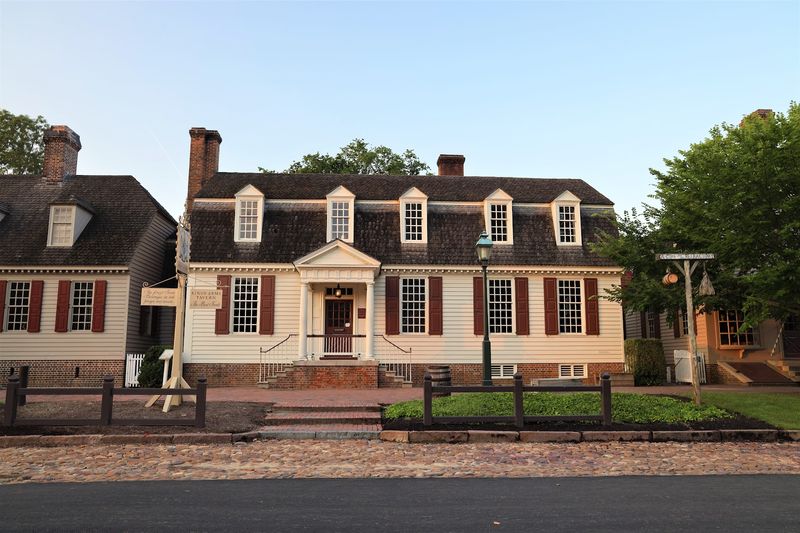
Williamsburg depends on teachers to educate its children and police officers to keep its streets safe, but both professions are increasingly finding it impossible to afford a home anywhere near the community they serve. That is a problem with consequences far beyond personal inconvenience.
When a teacher has to commute forty-five minutes each way because local rents are out of reach, their energy and availability outside classroom hours diminishes. After-school programs, parent meetings, and community involvement all suffer as a direct result of that daily exhaustion.
Police departments face a similar crisis. Officers who live outside the city they patrol have a different relationship with that community than those who shop at the same grocery stores and send their kids to the same schools as the residents they serve.
Recruitment and retention become serious institutional challenges when salaries in public service simply cannot compete with the cost of living in this part of Virginia. Cities end up in a cycle of constant hiring and training that drains resources and undermines stability.
The residents of Williamsburg deserve teachers and officers who are genuinely embedded in the community. Right now, housing economics are making that vision harder to achieve, and the long-term civic health of the city may pay a steep price for it.
Colonial Williamsburg and the Identity of a Changing City
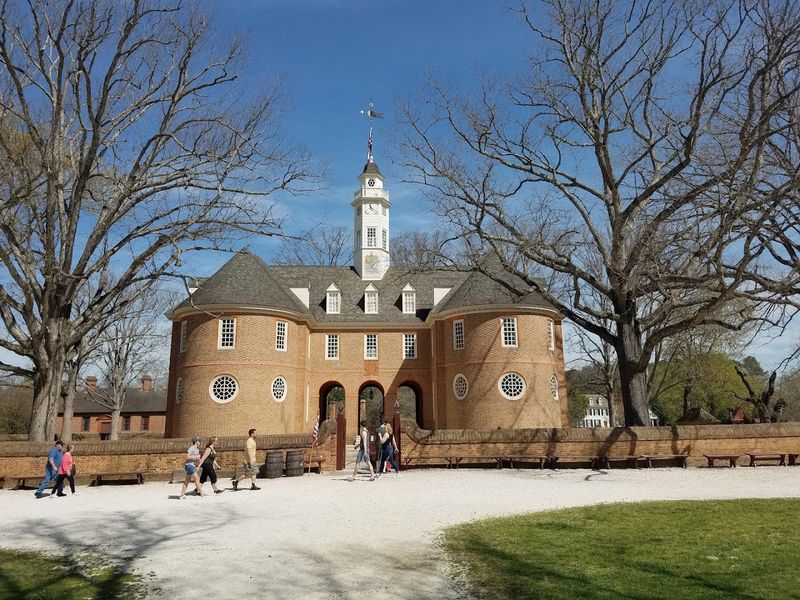
Colonial Williamsburg is one of the most visited living history destinations in the entire United States, and its presence shapes the identity of this Virginia city in ways both wonderful and complicated. For tourists, it is a bucket-list experience.
For some residents, it is a double-edged sword.
The historic district draws massive crowds, supports a sprawling hospitality economy, and keeps the city’s name on every American history curriculum in the country. That visibility has real economic value, but it also drives up the appeal and therefore the cost of living nearby.
Longtime locals sometimes describe a strange feeling of watching their hometown become a backdrop for other people’s vacations. The cobblestone streets and colonial architecture are undeniably beautiful, but beauty attracts investment, and investment does not always serve the people who already live there.
The tension between preservation and progress is not new in Williamsburg. What feels different now is the speed of change and the sense among residents that the balance is tipping away from community needs and toward commercial interests.
Keeping Colonial Williamsburg vibrant and keeping its surrounding neighborhoods genuinely livable for longtime residents are not mutually exclusive goals. Finding that balance, though, requires city leadership that listens to more than just developers and tourism boards.
The Zoning Fight That Has Residents Talking
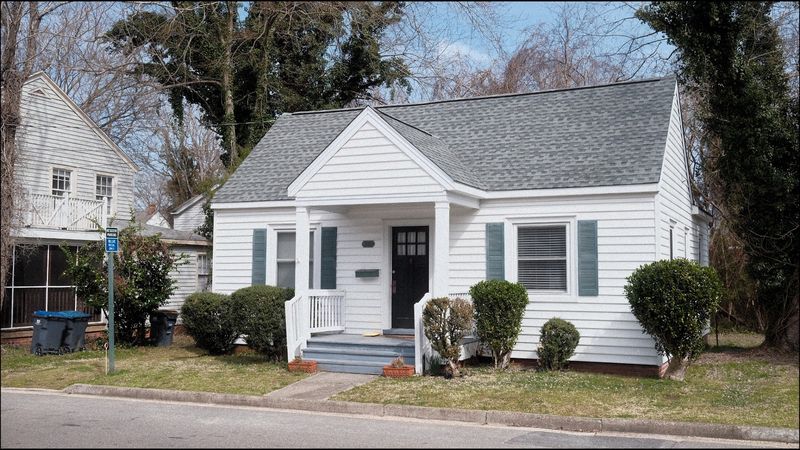
Zoning might sound like dry bureaucratic territory, but in Williamsburg right now it is anything but boring.
Proposed changes to the city’s zoning codes and the broader Comprehensive Plan update have turned local governance into a topic that residents are passionately engaged with in ways rarely seen before.
At stake are decisions about where high-density housing gets built, how tall new structures can be, and how much commercial development gets greenlit.
Critics of the proposed changes argue that the city’s planning process has not adequately centered the voices of existing residents. Public comment periods exist, but many locals feel their concerns are noted and then quietly sidelined when final decisions get made.
Supporters of denser development counter that more housing supply is the only realistic path toward making Williamsburg more affordable. That argument has merit, but it requires careful execution to avoid simply building luxury units that do nothing to help working-class families.
Virginia cities across the state are wrestling with the same tensions right now. What makes Williamsburg’s situation particularly charged is the weight of its history, and the strength of its community identity.
Let’s not forget the very real fear that getting zoning wrong could permanently alter the soul of this place.
The Long Commute That Replaced Neighborhood Life
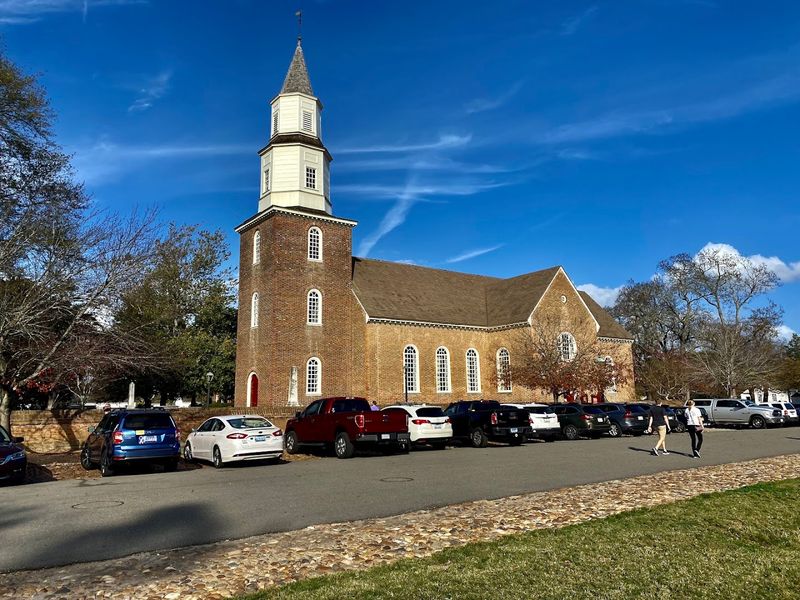
Not long ago, plenty of people who worked in Williamsburg also lived there. That was just a normal fact of life in a mid-sized Virginia city with a manageable cost of living.
Today, that reality has quietly unraveled for a growing number of working residents.
Rising rents have pushed workers into James City County, York County, and even further afield, turning daily commutes into significant time investments that chip away at quality of life in ways that are hard to quantify but easy to feel.
An hour in the car each way is an hour not spent with children, not spent exercising, not spent building friendships with neighbors, and not spent being the kind of engaged community member that makes a city vibrant and cohesive.
Local employers feel the strain too. When workers burn out faster because of long commutes, businesses face higher turnover, inconsistent staffing, and the ongoing expense of recruiting and onboarding new employees every few months.
The commute problem is a symptom of a deeper affordability failure, and solving it requires more than just building new roads. Williamsburg needs housing solutions that actually allow working people to live close to the jobs and communities that need them most.
What Williamsburg Could Be If It Listened to Its Own People
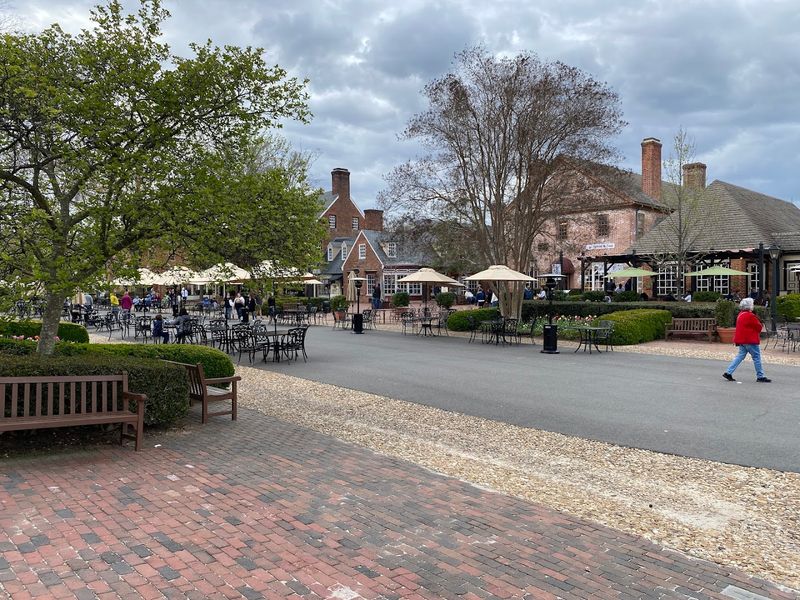
For all the tension and frustration swirling through Williamsburg right now, there is still something deeply worth fighting for here. This is a city with genuine soul, extraordinary history, and a community of people who care intensely about where they live and who they share it with.
The path forward does not require choosing between growth and community. Smart cities across Virginia and the country have found ways to expand housing supply without demolishing neighborhood character or pricing out the people who give a place its identity.
Affordable housing incentives, community land trusts, and thoughtful mixed-income development are tools that work when political will exists to use them. Williamsburg has the civic energy and the engaged resident base to push for exactly that kind of intentional planning.
Listening to seniors, service workers, teachers, and longtime homeowners is not just good politics. It is good city-building, because these are the people who understand what makes a place worth living in at a level that no developer’s pitch deck ever captures.
Williamsburg, Virginia, located in the heart of the Historic Triangle at Virginia, still has every ingredient needed to be a city that works for everyone. The only question is whether its leaders will choose that future before too many of its most loyal residents have already packed up and left.
