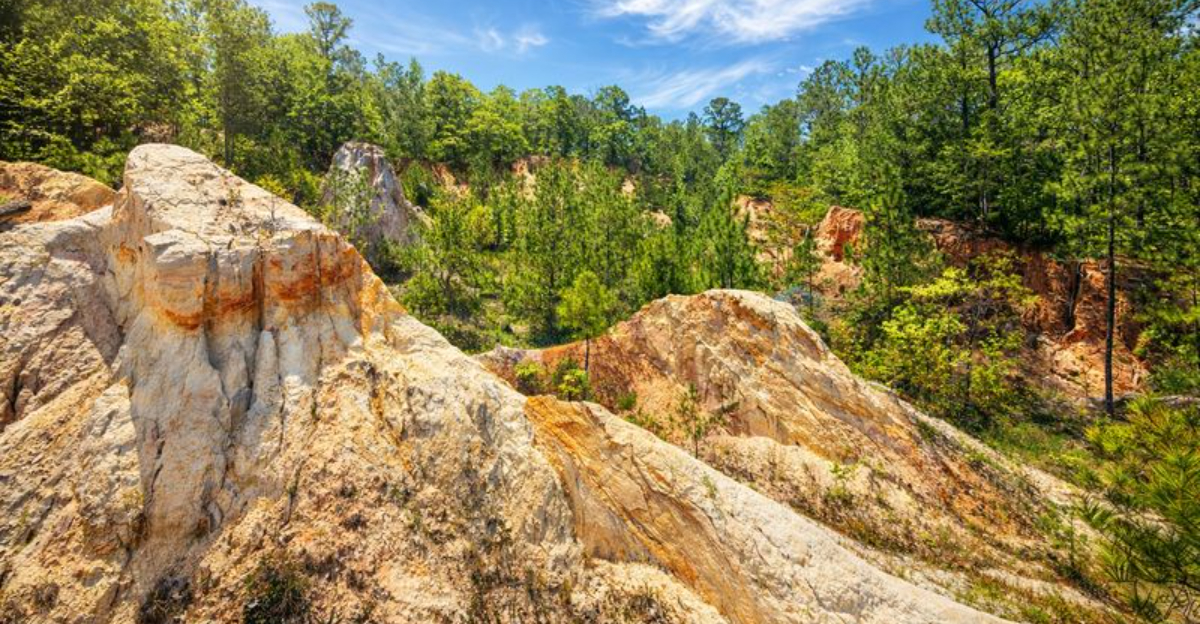
Most people drive through Wetumpka, Alabama without realizing they are literally inside one of the most remarkable geological events in North American history.
About 85 million years ago, a massive asteroid roughly 1,100 feet wide slammed into a shallow prehistoric sea right where this small city now sits.
The result was a crater nearly five miles wide, and today it stands as the only confirmed impact crater in Alabama and one of the best-preserved marine impact sites on the entire planet. If you have ever wanted to stand on ground shaped by a force from outer space, this is your chance to do exactly that.
Self-Guided Driving Tours Around the Crater Rim
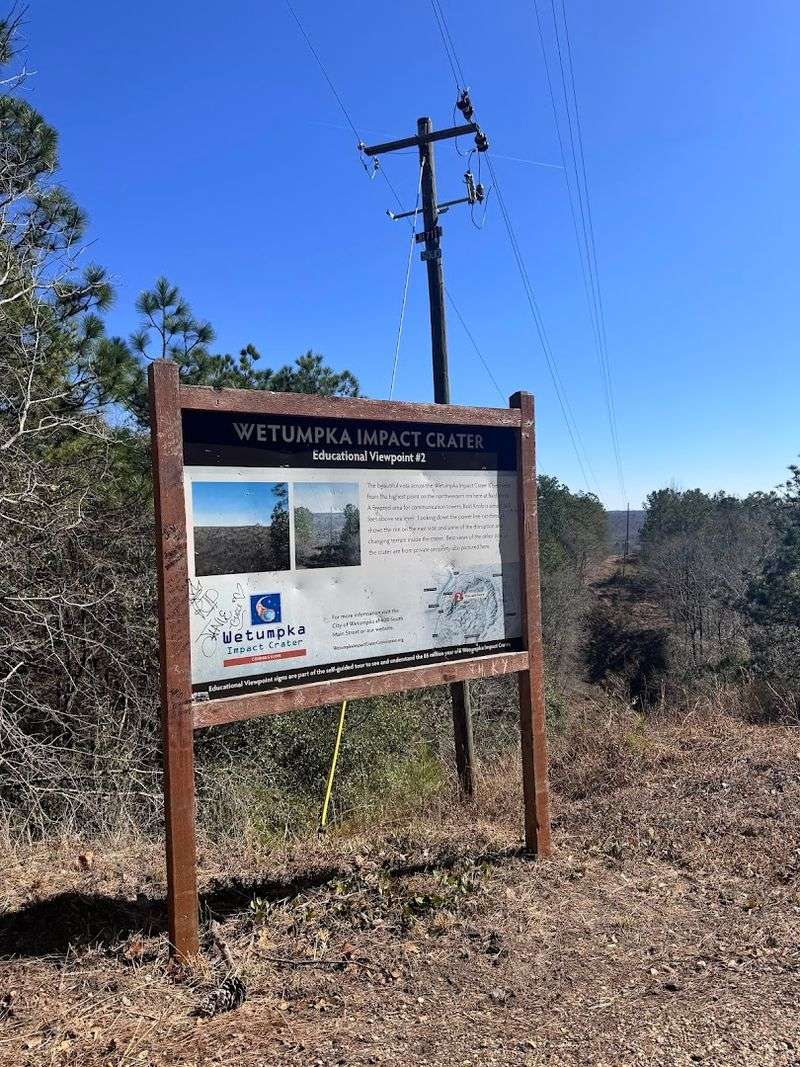
Not every geological landmark lets you drive through it, but the Wetumpka crater is different. A self-guided driving tour allows visitors to explore key viewpoints and geological features at their own pace, using maps and printed materials available at the Visitors Center.
Some of the stops are straightforward roadside pulloffs, while others require a little more effort to locate. Visitors have described the experience as something like a scavenger hunt, which honestly captures the spirit of it well.
The scenery along the route is genuinely striking, with the curved terrain of the crater rim creating views that feel subtly different from typical Alabama countryside.
US Highway 231 and the Coosa River both curve noticeably around the western rim of the crater, and once you know what you are looking at, that curve becomes impossible to unsee.
The Native American name Wetumpka, meaning rumbling waters, may even relate to the unusual sound of the river flowing over rock layers upturned by the original impact.
Driving the route on a clear morning when the light hits the hills just right gives you a sense of the scale of what happened here 85 million years ago. That feeling is worth the trip on its own.
The Visitors Center That Brings the Science to Life
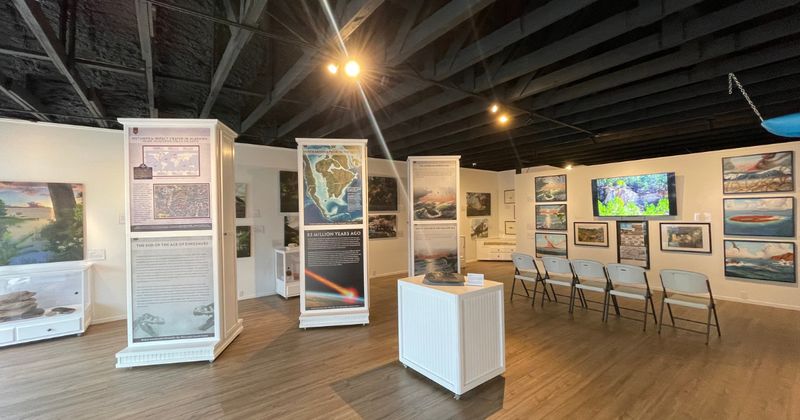
Understanding a 4.7-mile-wide crater is a lot easier when someone breaks it down for you visually.
The Wetumpka Impact Crater Commission operates a dedicated Visitors Center at 124 Company St, Wetumpka, AL 36092, where interactive exhibits, geological models, timelines, and video presentations walk visitors through the entire story of the impact.
It is the natural starting point for any serious exploration of the site.
The center is open Wednesday through Friday from 10:30 AM to 4:00 PM and Saturday from 10:30 AM to 2:00 PM, so planning your visit around those hours is important. Going in without context means missing a lot of what makes the crater so compelling.
Inside, you will find displays that explain how the asteroid’s impact generated pressures capable of altering the crystal structure of quartz, a process that only happens during cosmic-scale collisions.
The center connects local geography, like the curving path of the Coosa River, directly to the impact event in a way that makes everything click.
Even visitors with zero background in geology tend to leave genuinely impressed by how much happened right beneath their feet. It is educational without ever feeling like a classroom.
Annual Guided Tours During AL Crater Week
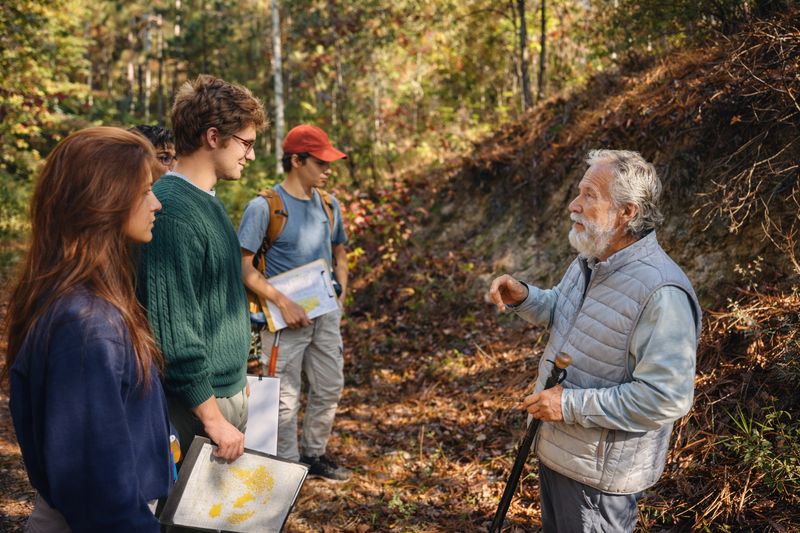
Once a year, the Wetumpka Impact Crater Commission organizes guided van tours that give visitors a deeper, more structured look at the crater than a solo drive can offer.
These tours are typically part of what is known as AL Crater Week, and they bring in expert interpreters who explain the crater’s formation, its scientific significance, and how it fits into the broader story of planetary science.
If you can time your visit to coincide with this event, it is worth the extra planning.
Past tours have included access to privately owned land around the crater, with generous landowners opening their properties to allow visitors a closer look at features not visible from public roads.
Auburn University geology students and graduates have served as guides, bringing firsthand academic knowledge to the experience.
The combination of expert commentary and rare access makes these annual tours genuinely special.
Because the tours are limited in availability and sometimes affected by weather or other factors, checking the commission’s website at wetumpkaimpactcratercommission.org well in advance is the best approach. Spots can fill quickly once registration opens.
The guided format also makes this an ideal option for families with kids who have questions, school groups looking for a field trip with real scientific depth, or anyone who simply learns better with a knowledgeable person walking them through the details rather than reading signs alone.
A Geological Wonder Unlike Anything Else in Alabama
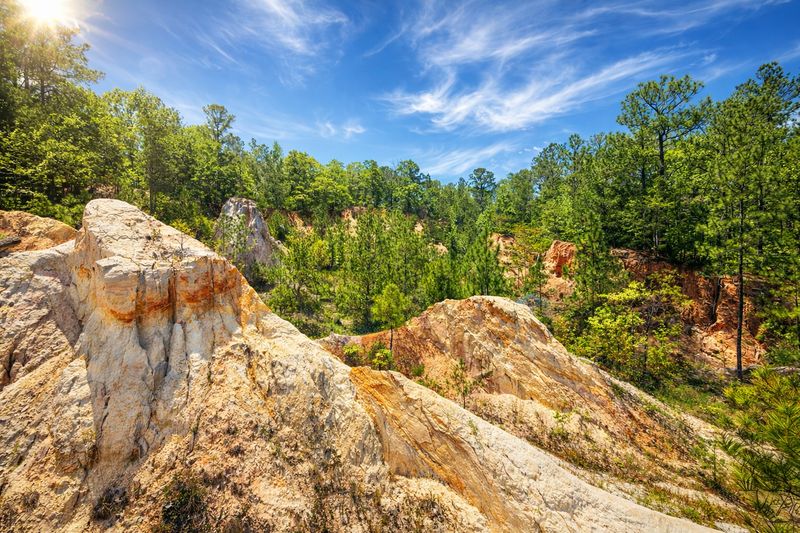
Eighty-five million years ago, a rock from space changed Alabama forever. That single collision created a crater nearly 4.7 miles wide, carving out a circular valley that still shapes the land around Wetumpka today.
No other confirmed impact crater exists anywhere in the state, making this site genuinely one of a kind.
What makes the Wetumpka crater especially fascinating is that the asteroid struck a shallow sea, not dry land. That marine impact created unique geological features including shocked quartz, impact breccia, a central uplift, and radial faulting that scientists can still study today.
The heat and pressure generated during that split-second event were beyond anything most people can imagine.
Geologists from Auburn University confirmed the crater’s impact origin in 2002 after researchers found conclusive evidence of shocked quartz in 1998. Before that, the structure had puzzled scientists since Thornton L.
Neathery first identified it back in 1969. The scientific community now recognizes it as an internationally significant site worth studying and protecting.
For anyone curious about how violent and dramatic Earth’s ancient history really was, Wetumpka offers a rare, grounded, and genuinely awe-inspiring window into deep time.
Real Educational Value for Students and Science Enthusiasts
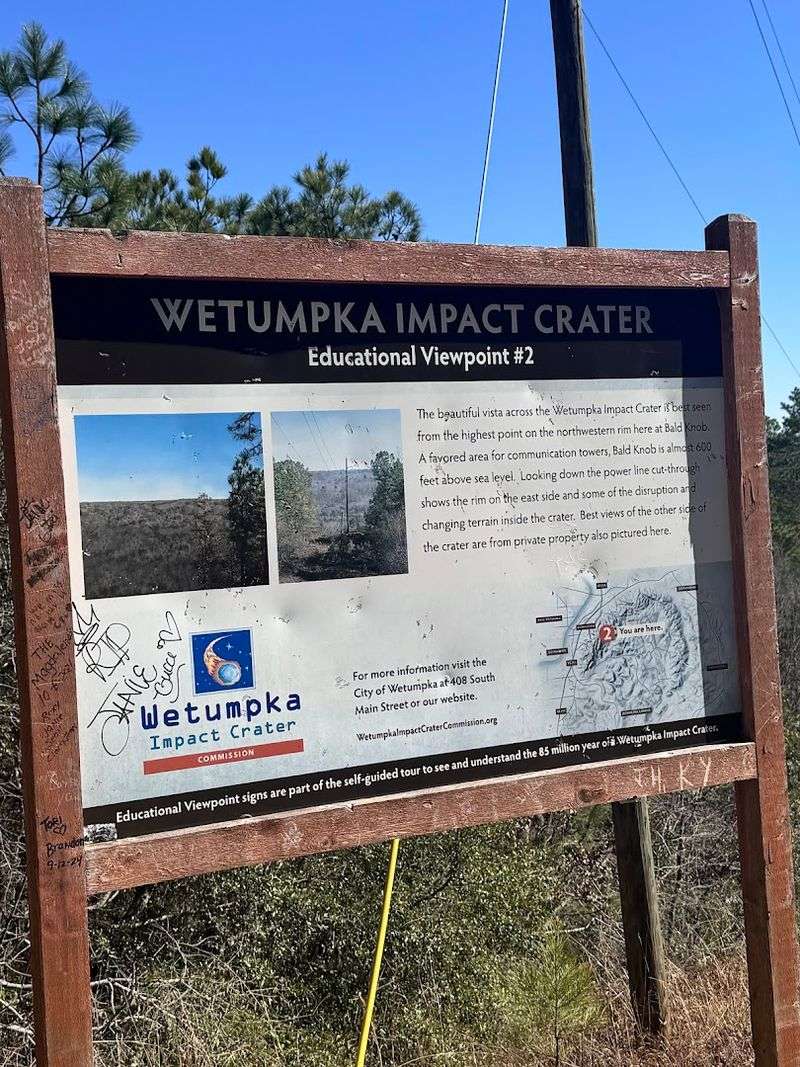
Few natural sites in the American Southeast offer the kind of hands-on scientific learning that the Wetumpka crater does.
The site functions as a real-world laboratory for understanding impact processes on Earth and beyond, with direct connections to how scientists study craters on the Moon, Mars, and other planetary bodies.
That is not a small thing for a place you can visit on a weekend road trip through central Alabama.
The presence of shocked quartz at the site is one of the most significant educational details. Shocked quartz only forms under the extreme pressures generated by meteorite impacts or nuclear explosions, so finding it here was the key piece of evidence that finally confirmed the crater’s cosmic origin.
Explaining that to a curious kid or a science-minded adult tends to spark immediate fascination.
Teachers and educators who bring groups to the site often pair the visit with materials from the Visitors Center and the commission’s educational resources. The crater’s connection to Late Cretaceous geology also ties naturally into lessons about dinosaurs, ancient seas, and mass extinction events.
For students studying Earth science, astronomy, or even Alabama state history, this site offers context that no textbook photo can fully replace.
Visiting in person, standing in a valley shaped by a rock from outer space, makes abstract science feel immediate and real in a way that genuinely sticks with people long after the trip is over.
The Stars Fell on Alabama Connection
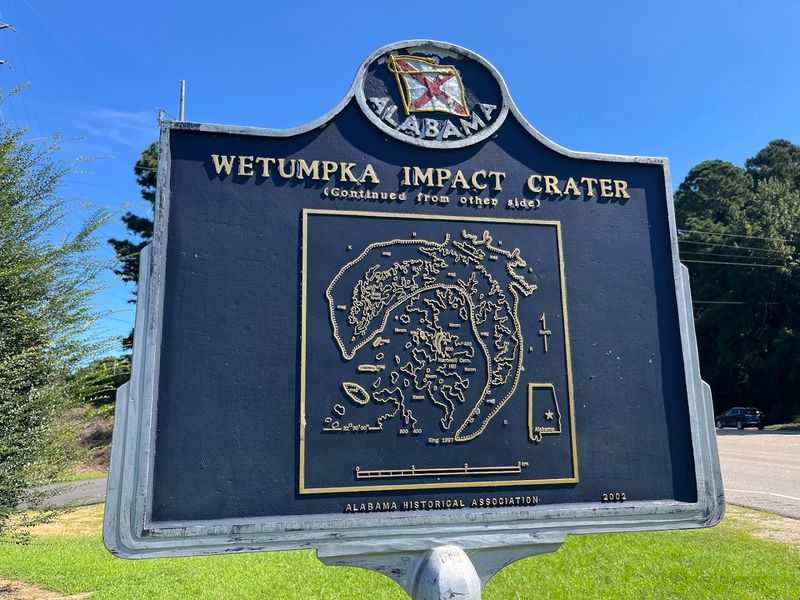
Alabama has a famous phrase: stars fell on Alabama. Most people know it from the song or the book, but in Wetumpka, that expression takes on a meaning that is completely literal.
An asteroid really did fall on Alabama, right here, 85 million years ago. The cultural and cosmic overlap is one of those rare moments where poetry and geology actually agree with each other.
The phrase originally referred to a spectacular meteor shower that crossed the southern sky in 1833, but the Wetumpka crater gives it a much older and more permanent resonance.
Connecting that familiar cultural touchstone to a measurable, scientifically confirmed cosmic event adds a layer of meaning to the site that goes beyond geology.
It makes the crater feel like part of Alabama’s identity in a way that is both surprising and deeply satisfying.
For visitors who grew up hearing that phrase without knowing its deeper implications, standing at the edge of the crater and thinking about what actually fell here can be a quietly moving experience.
Local residents often describe a genuine sense of pride in having something this extraordinary in their own backyard.
The crater is not just a scientific curiosity. It is a piece of Alabama’s story that connects the state to the wider universe in a way that very few places on Earth can honestly claim.
That connection alone makes the visit meaningful.
Wetumpka’s Charming Downtown Makes the Trip Even Better
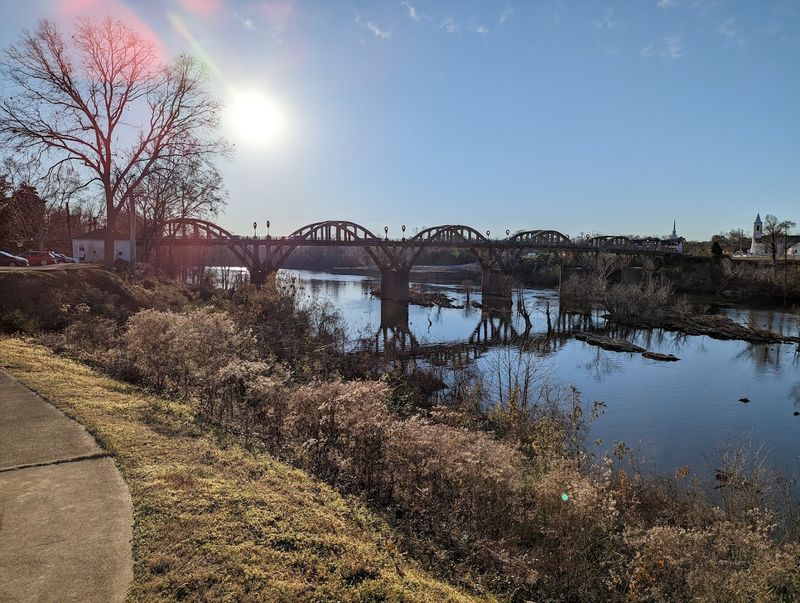
Combining a crater visit with time in downtown Wetumpka turns a geology trip into a genuinely full day out. The city’s historic downtown sits just minutes from the crater’s western rim, and it has developed a real identity as a destination for food, art, and local character.
HGTV’s Home Town Takeover featured Wetumpka, which brought national attention to the city’s charm and helped accelerate its downtown revitalization in a visible way.
Local eateries and shops line the streets near the Coosa River, giving visitors plenty of options after a morning spent exploring crater markers.
The Wetumpka Depot on Wetumpka’s main corridor serves as a community anchor, and the surrounding blocks offer a walkable mix of small businesses worth supporting.
Checking local event calendars before your visit often reveals festivals, art shows, or community markets happening on the same weekend.
The Elmore County Courthouse area and the streets surrounding it reflect the kind of authentic small-town Alabama atmosphere that is increasingly hard to find. For visitors coming from larger cities, the pace and personality of Wetumpka feel refreshingly genuine rather than manufactured for tourists.
Pairing the scientific wonder of the crater with the warmth of a real Alabama community creates the kind of travel experience that people remember and recommend to others. The crater is the reason to come, but downtown Wetumpka is the reason to stay a little longer than you planned.
