I ran my fingers along a card catalog from 1872 yesterday. That is older than my entire family tree going back generations honestly.
This building held the first public library west of the big river. Imagine traveling by wagon just to check out a single book back then.
The drawers still have handwritten cards with faded ink inside each one. I pulled one out and felt history crumble slightly in my hands.
No computers. No barcodes. Just paper and pencil keeping track of everything carefully. People returned books on time because they had no excuses whatsoever.
The building is now a store but the catalog remains perfectly intact. Holding that drawer open made me miss simpler times without Wi-Fi.
The Building That Started It All
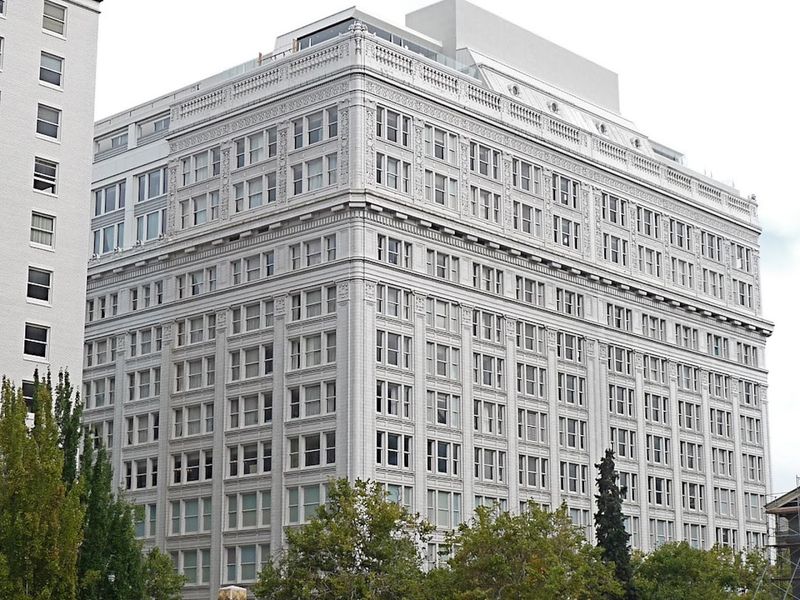
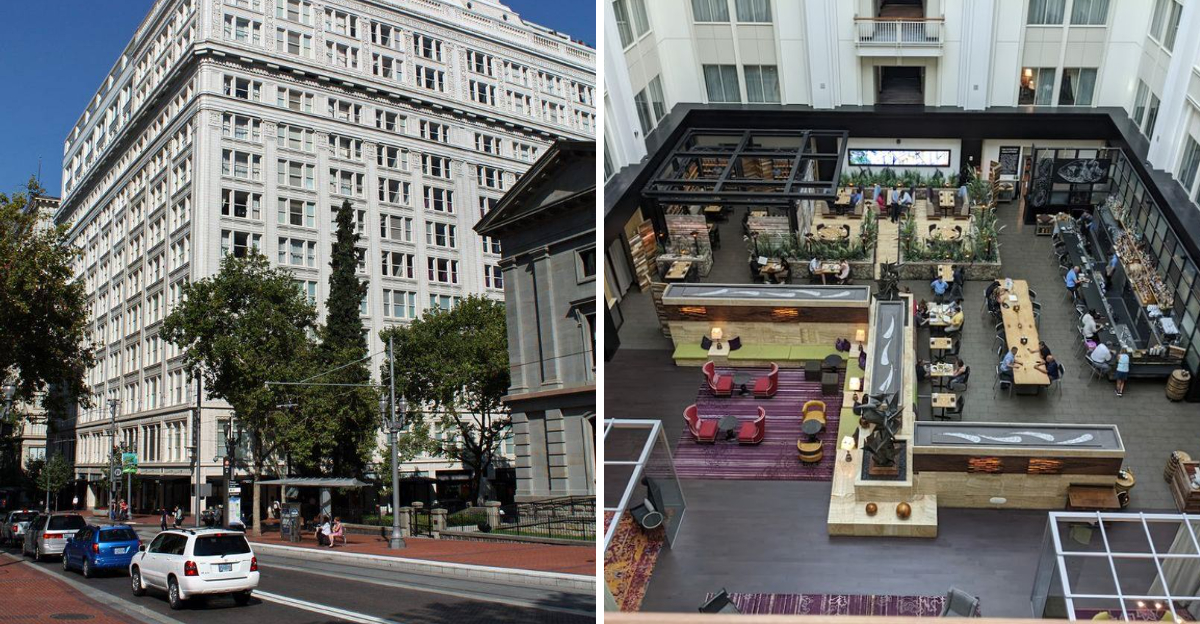
Most people walk past this building and think department store. Few realize they are standing in front of a site that shaped the entire Pacific Northwest’s relationship with public knowledge.
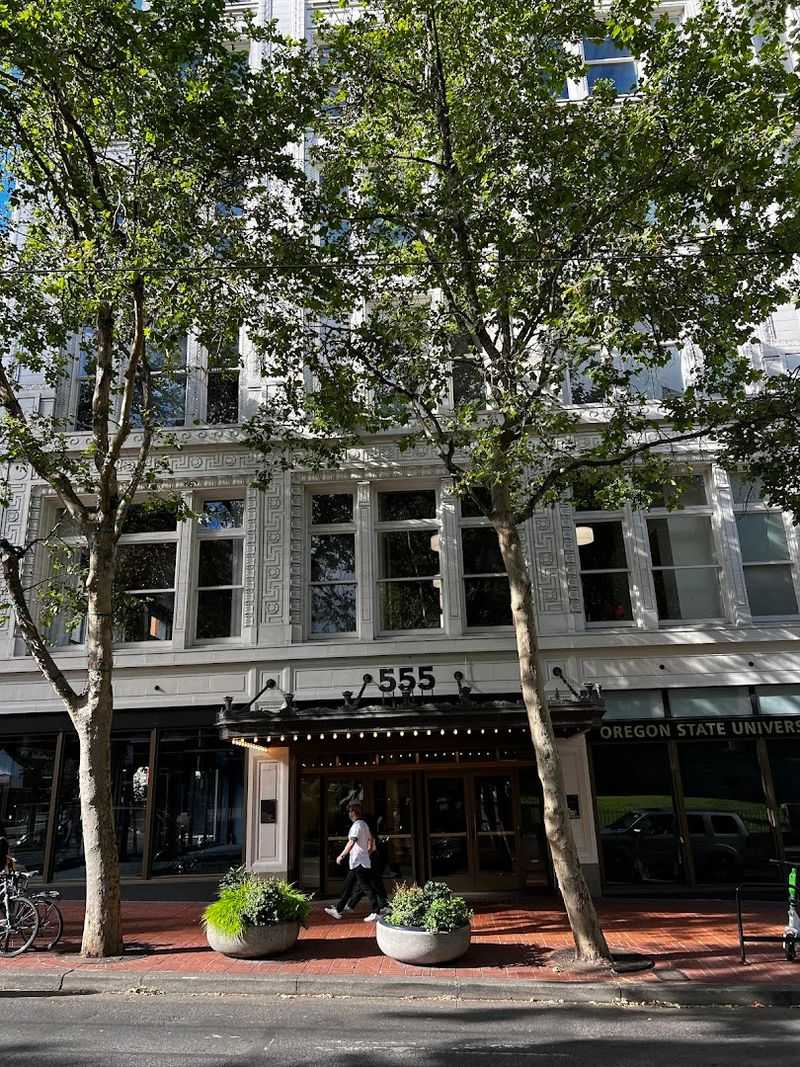
The Meier and Frank Building at 555 SW Morrison Street carries more history than its polished facade suggests.
Built in 1909, the structure replaced an earlier building on the same block. It was added to the National Register of Historic Places in 1982.
That recognition was not just for its architecture, but for its deep roots in Portland’s civic identity.
The building once housed Oregon’s first public library. That library opened in 1872.
It served readers across a region that had very few cultural institutions at the time.
Today the building holds a luxury hotel, retail spaces, and a university campus. It has been beautifully restored.
Visitors consistently note how well the original architectural details have been preserved throughout the interior and exterior.
Oregon’s First Public Library and What It Meant
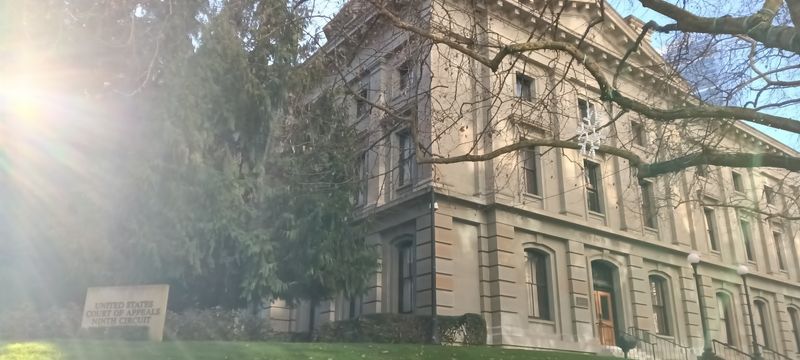
Before this library opened, settlers and residents in the Pacific Northwest had almost no organized access to books. The library that once stood on this block changed that completely.
It was a bold civic move for a young city still finding its identity.
Opening in 1872, it became the first public library west of the Mississippi River. That is not a small detail.
It placed Portland ahead of many older, larger American cities in terms of public access to literature and knowledge.
The library was a gathering place. People came not just to borrow books but to connect with ideas and with each other.
For a frontier community, that kind of space was genuinely transformative.
Its legacy lives on in how Portland still values public spaces and cultural institutions. The spirit of that original library can still be felt when you stand inside this remarkable building today.
History has a way of staying warm in certain rooms.
The Original Card Catalog From 1872
There is something deeply satisfying about seeing a card catalog in person. Each small wooden drawer holds the memory of a system that organized entire worlds of knowledge before computers existed.
The one connected to Portland’s original library dates back to 1872.
Card catalogs were the search engines of their era. Librarians carefully handwrote each entry.
Finding a book meant pulling open a drawer, flipping through cards, and following a trail of neat cursive handwriting.
The fact that this catalog survived is remarkable. Most artifacts from 19th-century American libraries did not make it through decades of moves, fires, and renovations.
This one did.
Seeing it today feels like holding a conversation with someone from 150 years ago. The catalog is a physical record of what people in Portland wanted to read, learn, and explore.
It is one of the most quietly powerful objects connected to this building’s long and layered history.
Clark Gable Worked Here in 1922
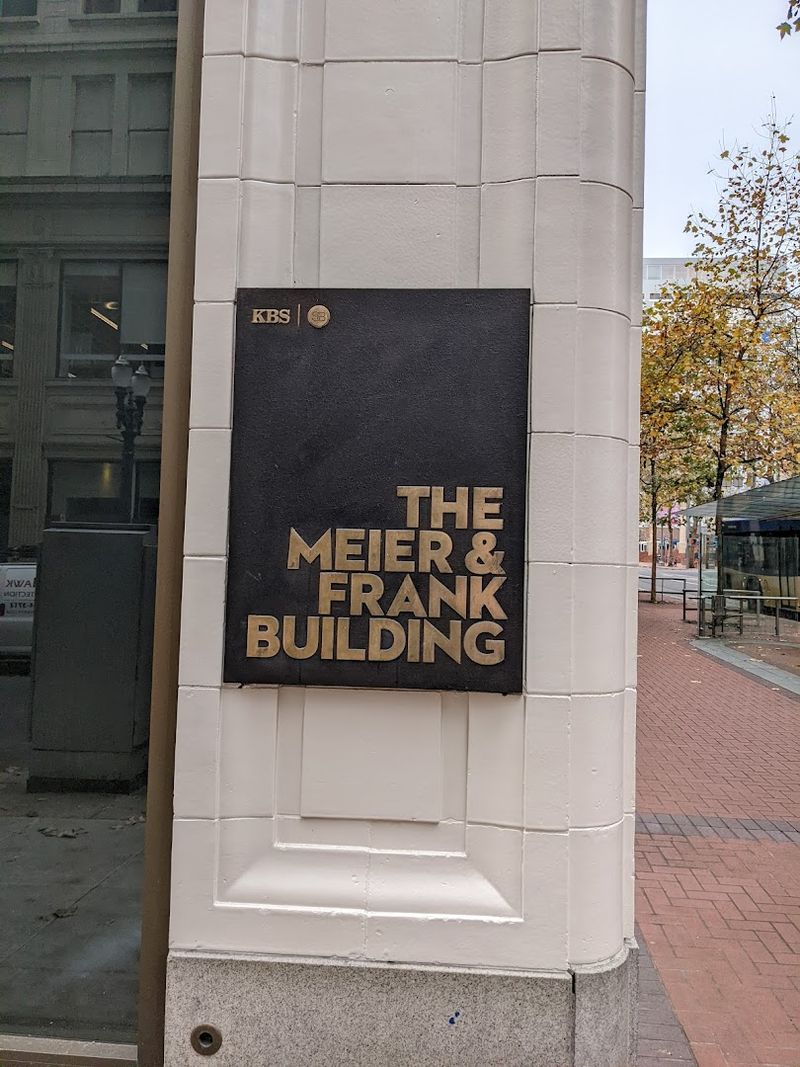
Not every building can claim a Hollywood legend among its former employees. This one can.
Clark Gable, who would later become one of the most famous actors in American cinema, worked in the tie department of the Meier and Frank store in 1922.
He was young then. Nobody knew his name yet.
He was just a guy selling neckties in a busy Portland department store, probably hoping for something more.
That small biographical footnote adds a surprisingly human layer to the building’s story. It is easy to imagine him straightening display cases, making small talk with customers, dreaming about something bigger.
Portland has a habit of quietly holding onto these kinds of stories. You do not always find them on plaques or in brochures.
Sometimes you stumble onto them while reading old building histories or chatting with a knowledgeable local. This building rewards that kind of curious digging with genuinely surprising rewards.
The 1909 Architecture and Its Lasting Beauty
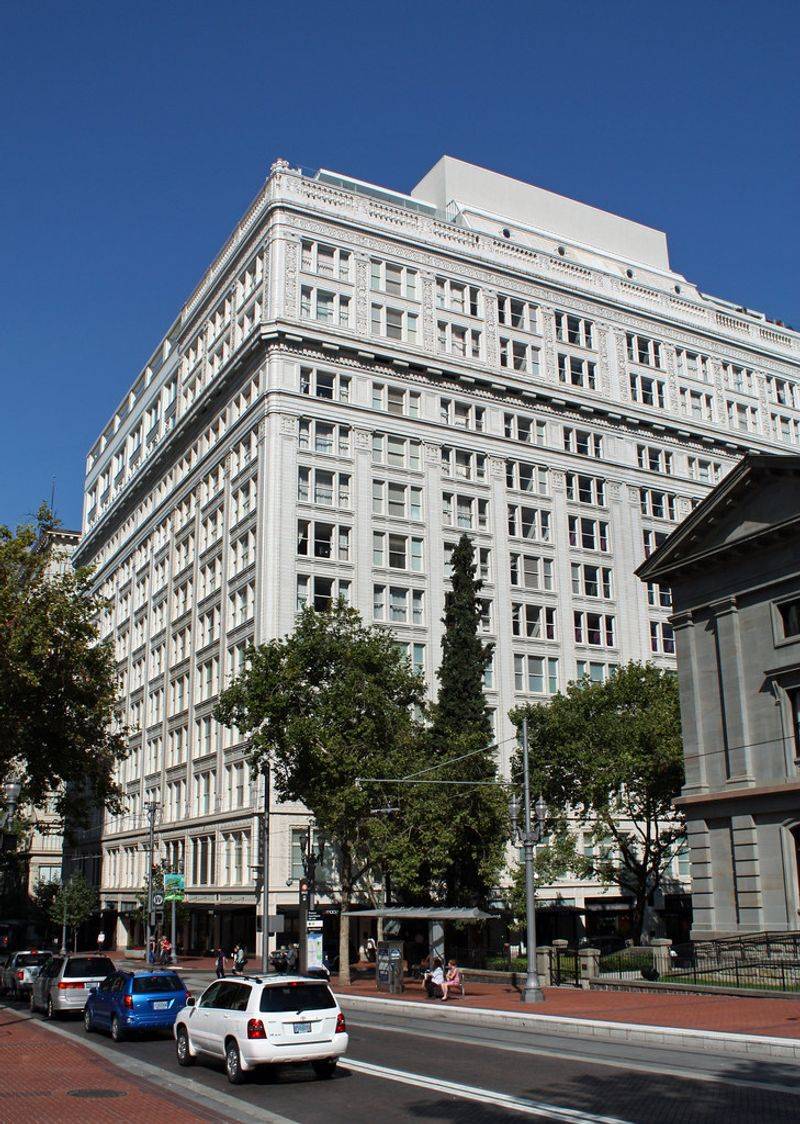
Walking into this building feels like stepping into a different era of craftsmanship. The 1909 construction brought a level of architectural ambition that was unusual for the Pacific Northwest at the time.
Every detail was considered with care.
High ceilings draw your eyes upward. Decorative elements along the upper floors speak to a time when buildings were designed to inspire as much as to function.
The scale is generous and unhurried.
The 2008 and 2009 restoration work respected the original design. Builders preserved key features while updating the building for modern use.
The result feels seamless, which is genuinely hard to pull off with a structure this old.
Visitors who appreciate architecture will find plenty to study here. The building sits directly across from Pioneer Courthouse Square, which gives it a prominent and well-framed position in the city’s downtown core.
It looks exactly like it belongs there, because it always has.
The Nines Hotel and Its Elegant Interiors
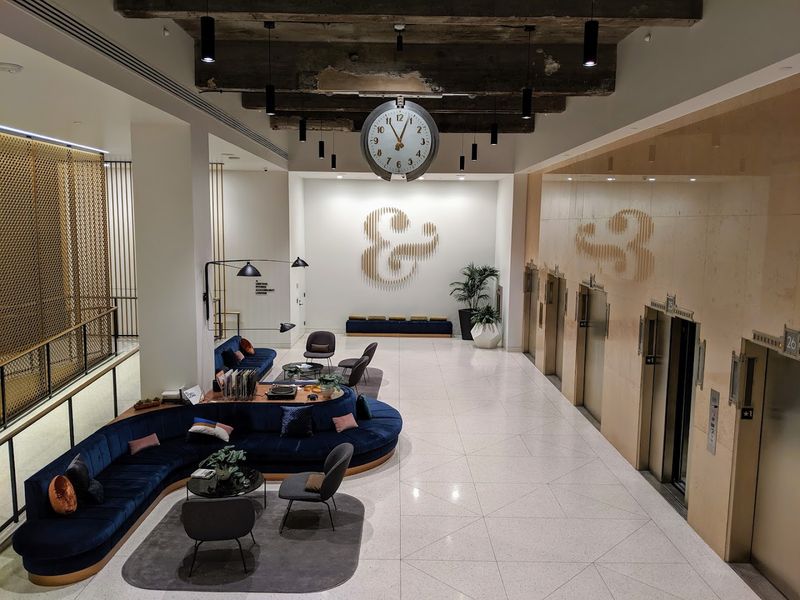
Stepping into The Nines Hotel feels like discovering a secret tucked inside a history book. The hotel occupies the upper floors of the Meier and Frank Building and carries a reputation for understated luxury that feels earned rather than marketed.
Guests have described the decor as whimsical and elegant at the same time. Modern art pieces share space with the building’s original architectural bones.
It is an unusual combination that somehow works beautifully.
The hotel has two restaurants on site. Both are known for quality food and genuinely warm service.
The Urban Farmer restaurant in particular has drawn consistent praise from visitors who enjoy a well-prepared meal in a memorable setting.
Staying here puts you right in the heart of downtown Portland. Pioneer Courthouse Square is visible from the street below.
For travelers who want history, comfort, and city access all in one place, The Nines delivers all three without feeling like it is trying too hard.
MUJI Store and the Mix of Old and New
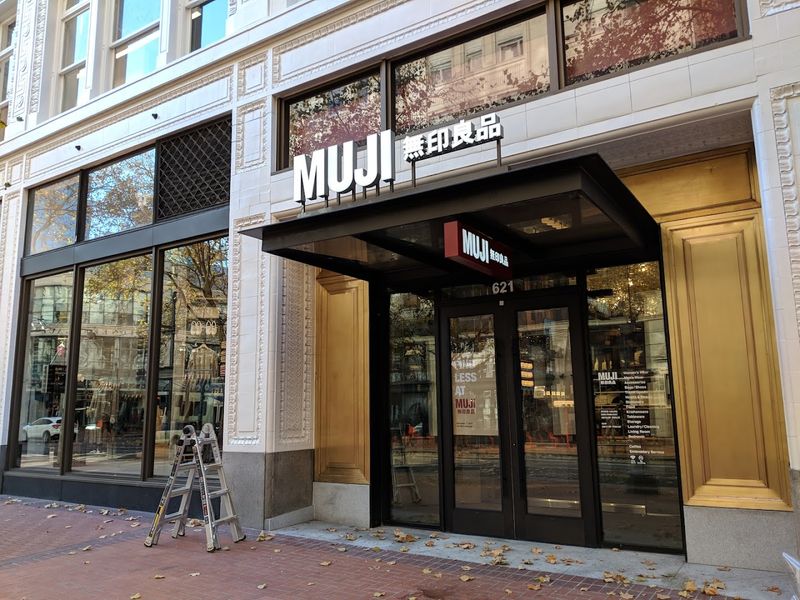
One of the most interesting things about this building is how effortlessly it holds very different worlds together. MUJI, the beloved Japanese minimalist brand, operates a store here that feels completely at home despite the building’s age and history.
The store is clean, calm, and carefully organized. It draws in shoppers who appreciate thoughtful design and functional products.
The contrast between MUJI’s modern minimalism and the building’s ornate 1909 bones is genuinely striking.
A robot barista named Jarvis reportedly serves drinks inside the MUJI space. That detail feels almost surreal given that this building once housed handwritten card catalogs and frontier-era book collections.
The timeline of innovation here is dizzying.
The mix of tenants throughout the building reflects Portland’s personality well. Old and new coexist here without friction.
That spirit of layered identity, historic but forward-looking, is part of what makes this address one of the most interesting spots in downtown Portland.
Oregon State University’s Portland Campus Here
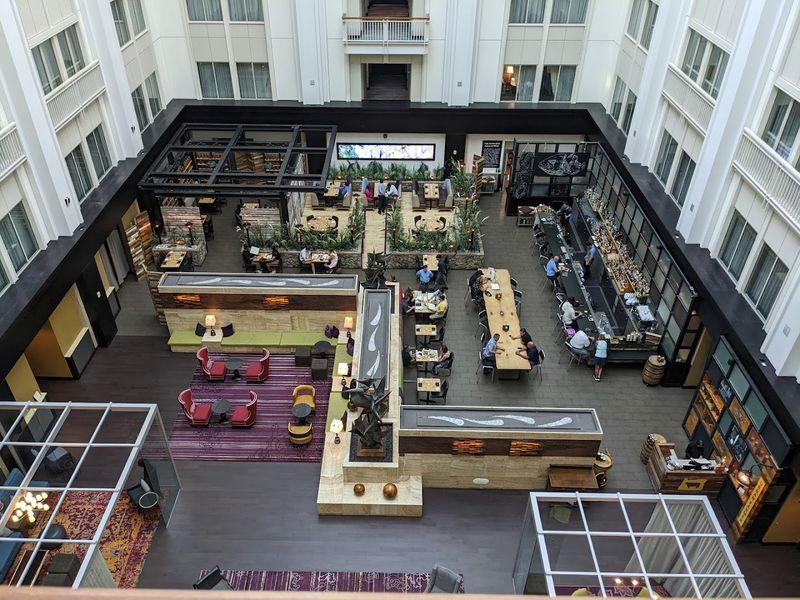
It is a little unexpected to find a university campus inside a downtown department store building. Oregon State University runs its Portland campus from within the Meier and Frank Building, and it gives the whole place an active, curious energy.
The campus offers classrooms and meeting spaces across multiple floors. Students move through the building alongside hotel guests, shoppers, and tourists.
The combination creates a lively, layered atmosphere that feels uniquely Portland.
Having a university presence here also connects the building back to its original educational purpose. The library that once stood on this site served public knowledge.
Now a university serves that same community in updated form. The thread of learning runs unbroken through this address.
OSU’s Portland location makes the building accessible to a new generation of Oregonians. It is not just a relic to be admired from a distance.
It is a working, breathing part of the city’s intellectual and cultural life, which feels exactly right.
Pioneer Courthouse Square and the Surrounding Area
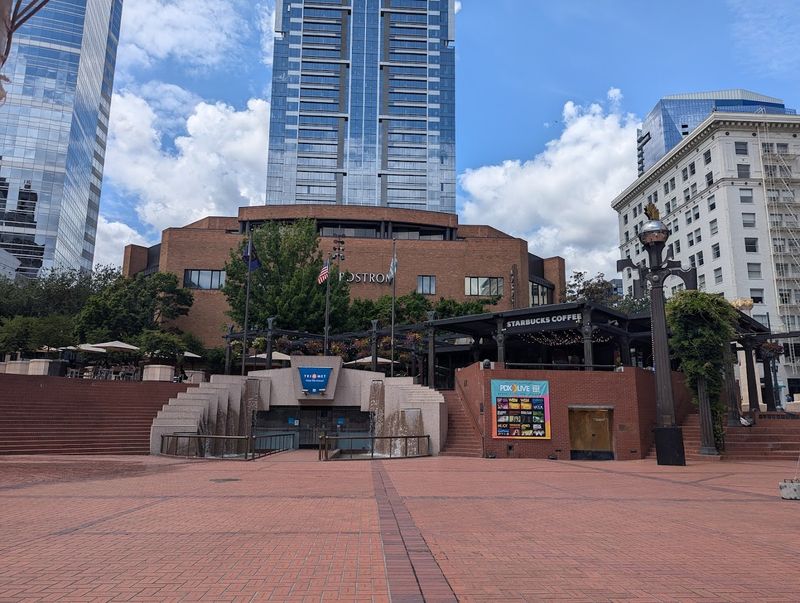
The Meier and Frank Building sits directly across from Pioneer Courthouse Square, which locals sometimes call Portland’s living room. That location is no accident.
This block has always been central to city life, commerce, and civic gathering.
The square is a natural extension of any visit to the building. Brick pathways, public art, and a steady flow of pedestrians make it one of the most animated public spaces in the Pacific Northwest.
It feels genuinely lived-in rather than staged.
From the sidewalk in front of the building, the view across the square is memorable. The historic architecture frames the scene in a way that reminds you how much thought went into Portland’s downtown layout.
It rewards a slow, unhurried look.
The surrounding blocks offer cafes, shops, and transit connections. Getting to and from this area is easy.
Spending an afternoon here, moving between the building’s interior and the square outside, is one of the more satisfying ways to experience central Portland.
Why This Building Still Matters Today
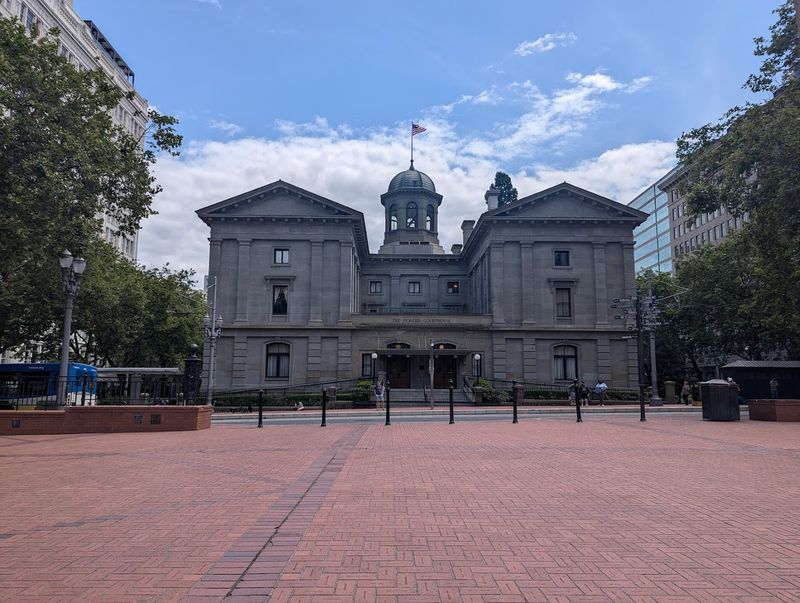
Buildings with this much history could easily become museum pieces, roped off and observed from a distance. The Meier and Frank Building refuses that fate.
It stays active, relevant, and genuinely useful to the people of Portland every single day.
People notice the architecture. They feel the history.
They enjoy the hotel, the store, the university, and the restaurants all layered into one remarkable address.
The original card catalog from 1872 connects the present to a moment when Portland was still a young city with enormous ambitions. That catalog is not just old wood and paper.
It is evidence that this community valued knowledge from its earliest days.
Visiting this building is an experience worth making time for. It rewards curiosity, patience, and a willingness to look closely.
Portland has many interesting corners, but few carry as much layered meaning as this one on SW Morrison Street.
Address: The Meier and Frank Building, 555 SW Morrison St, Portland, OR 97204
