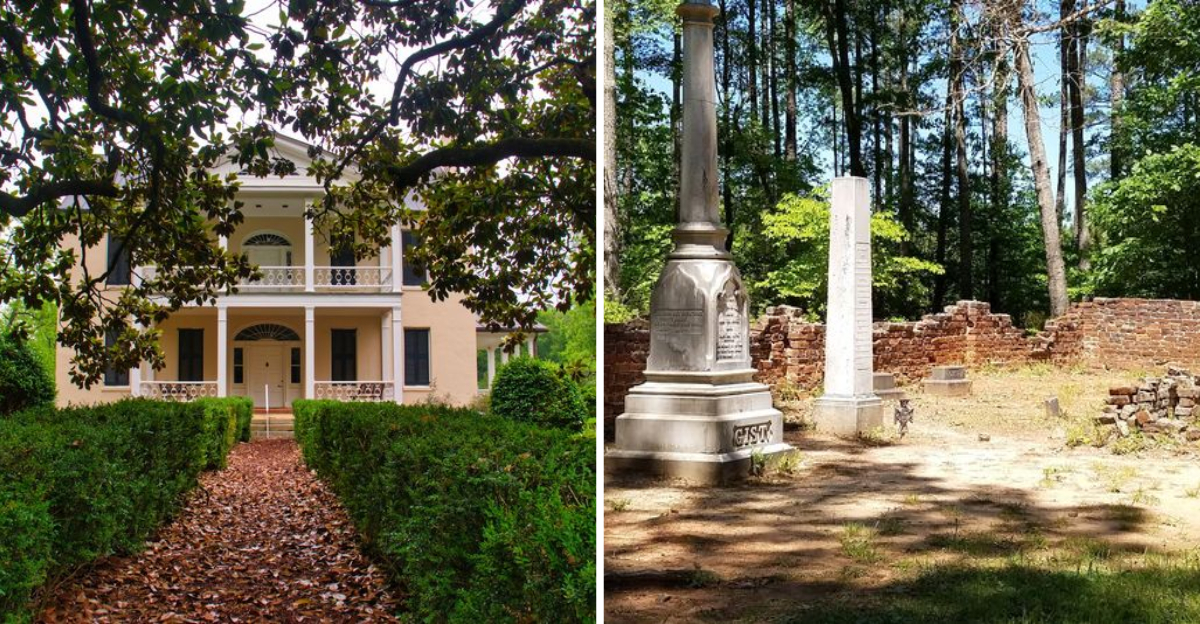
South Carolina has plenty of old buildings with history. But this one comes with a resident who refuses to leave.
A former governor who started a war, made plenty of enemies, and apparently decided that his passing was not a good enough reason to move out. Staff at this historic building have reported seeing him at night, walking the hallways like he still has somewhere to be. The floorboards creak under his boots.
Doors open and close on their own. A few people have even smelled the pipe tobacco he was known for in life. The governor does not bother anyone, at least not intentionally.
He just walks. Same route.
Same time. Same stern expression.
South Carolina has some famous ghosts, but this one held the highest office in the state and still thinks he runs the place.
The Man Who Lit the Fuse, William Henry Gist and His Legacy
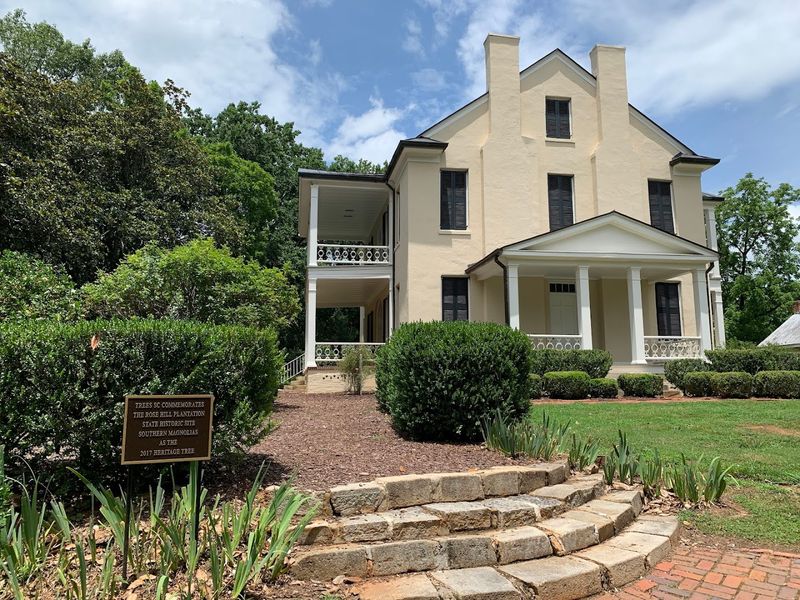
Before a single shot was fired in the Civil War, one man had already made up his mind. William Henry Gist, the 68th Governor of South Carolina, spent his years in office writing letters to fellow Southern governors, asking pointed questions about what they would do if Abraham Lincoln won the presidency.
He was not waiting for permission. He was building a coalition.
From Rose Hill Plantation, Gist orchestrated the political groundwork that led directly to the Ordinance of Secession, signed on December 20, 1860. South Carolina became the first state to formally break from the Union, and Gist’s signature was on that document.
History gave him the nickname the Secession Governor, and it stuck for good reason.
What makes Rose Hill so compelling is that this was not some grand capitol building. It was his home, a personal space where monumental decisions were made over correspondence and candlelight.
After his term ended, Gist returned here and lived at Rose Hill until his end in 1874. The plantation is not just a landmark.
It is a portrait of the man himself, complicated, ambitious, and permanently woven into one of America’s most turbulent chapters.
A House Built to Last, The Architecture of Rose Hill Mansion
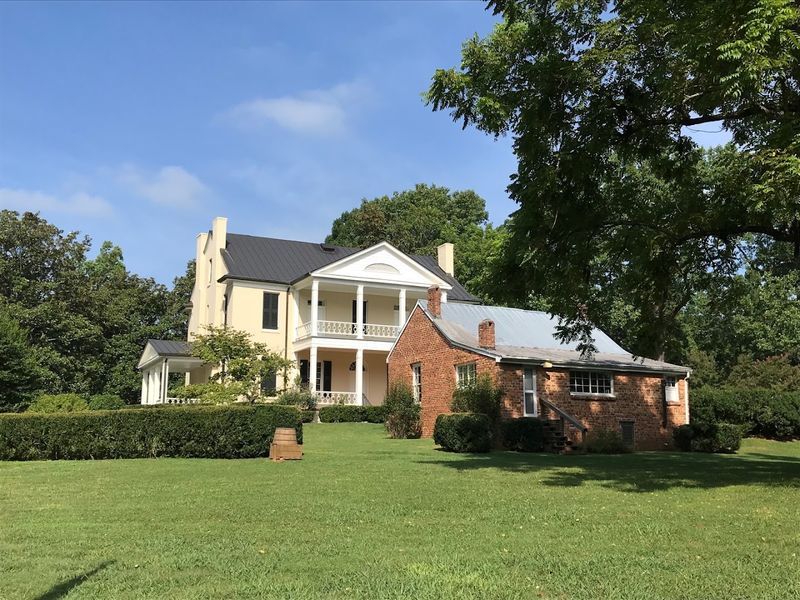
The first thing you notice about Rose Hill mansion is how quietly confident it looks. There is no excessive ornamentation, no desperate attempt to impress.
The house was originally built between 1828 and 1832, likely by Gist’s father, and William Henry later remodeled it in the late 1850s and early 1860s, adding wide piazzas and a stucco exterior that gave it a more polished, composed appearance.
Inside, the architecture tells a story of careful taste rather than reckless wealth. Visitors who take the guided tour often comment on how well-preserved the interior remains, with original details that feel almost untouched by the decades that followed.
The rooms are not enormous, but they have a quiet dignity that suits the man who once occupied them.
Out front, two magnolia trees estimated to be around 200 years old frame the entrance like living sentinels. They were likely planted around the time the house was built, and they have watched everything that happened here since.
Sitting on one of the garden benches beneath those trees, you get a real sense of how grounded this place is. It does not need to shout.
Its age and presence do all the talking.
Cotton, Labor, and the Ground Beneath Your Feet
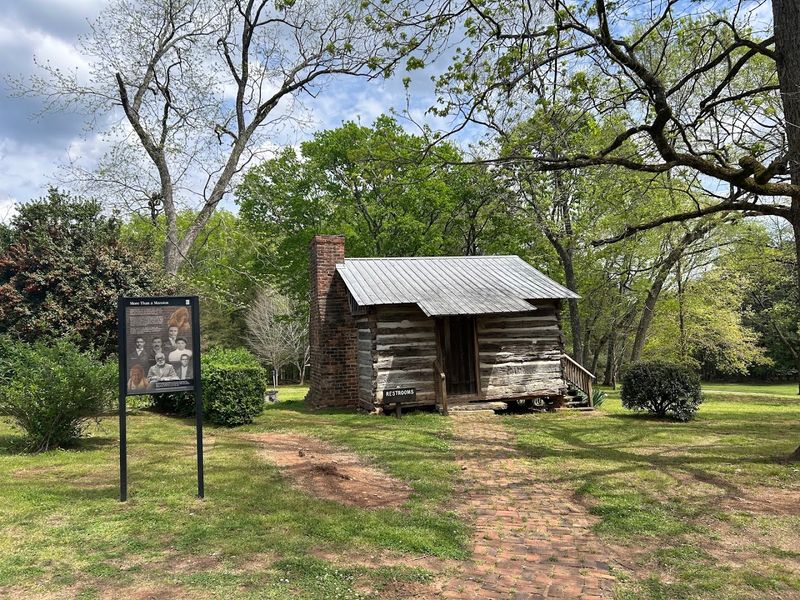
Rose Hill was not just a political headquarters. It was a working cotton plantation, and at its peak it stretched somewhere between 2,000 and 8,000 acres.
In 1860, records show that approximately 178 enslaved people lived and worked on this land. That number is not just a statistic.
It represents 178 individual lives, shaped entirely by the decisions of one man and a system built to serve him.
The site today does not shy away from that history. Informational signs throughout the grounds address the experiences of enslaved people and, after emancipation in 1865, the formerly enslaved individuals who remained at Rose Hill as tenant farmers.
Some of those families stayed on this land for generations. Their connection to this place is just as real as Gist’s, even if it looked nothing like his.
Walking the grounds with that awareness changes everything about how the landscape feels. The peaceful beauty is still there, but it carries weight now.
The park’s interpretation of this history is one of the most important things it offers, and the knowledgeable rangers help visitors understand that Rose Hill’s full story belongs to far more people than the governor whose name is most often attached to it.
The Guided Tour, Where History Stops Being Abstract
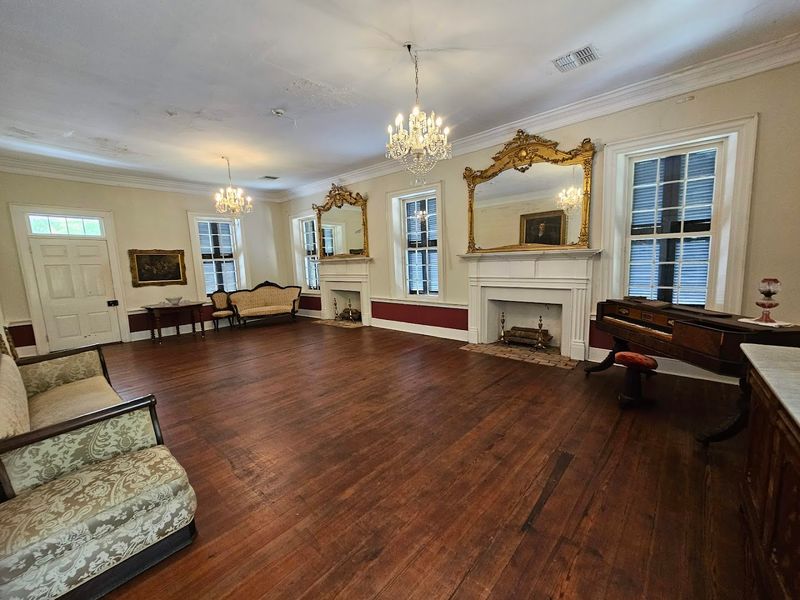
There is a real difference between reading about history and standing inside the room where it happened. The guided tour at Rose Hill Plantation is one of those experiences that makes the past feel surprisingly close.
Rangers here are genuinely passionate about what they do, and it shows in the way they walk you through each room with context, not just facts.
The tour covers the architecture, the Gist family’s life at the plantation, and the broader political events that unfolded from this address. Visitors are encouraged to ask questions, and the rangers consistently reward that curiosity with layers of detail that go well beyond the standard script.
Several visitors have noted that asking questions is where the tour really comes alive.
If you happen to visit on a Tuesday or Wednesday, guided tours inside the house may not always be available. But the site provides self-guided walking tour brochures at the parking lot, and the grounds are rich with informational signage that covers the history in impressive depth.
Either way, you leave knowing more than you arrived. The house is open most days from 9 AM to 6 PM, though arriving earlier in the day is a smart move to make sure you catch a full tour before the day winds down.
The Grounds, the Trail, and One Very Quiet River
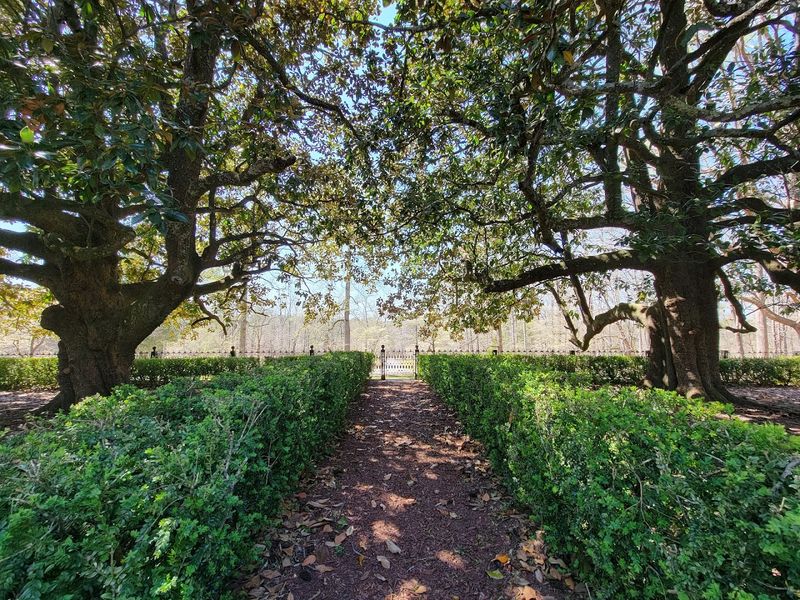
Beyond the mansion, Rose Hill opens up into something genuinely lovely. The grounds are well-kept and easy to explore at your own pace, with garden areas, old outbuildings, and a forested trail that leads toward the Tyger River.
The walk is short and not particularly strenuous, making it accessible even if you are not dressed for a serious hike.
October is a particularly good time to visit, when the trees shift color and the air cools enough to make the walk genuinely refreshing. Even in winter, a few visitors have made the trip specifically to see the plantation covered in snow, and by all accounts it is a striking sight.
The grounds have a stillness to them that feels intentional, like the land itself is asking you to slow down.
One practical note: the trail through the woods is still recovering from hurricane damage in places, so some sections can be a bit rough. Keep your eyes open while you walk.
At least one visitor has reported spotting a baby copperhead snake near the path, so staying alert is just good sense. The river path has also been closed at times for maintenance.
Check with the park staff before heading out, and enjoy the walk for what it is, a quiet, thoughtful piece of South Carolina wilderness.
December 20, 1860, The Day That Chose This Place Forever
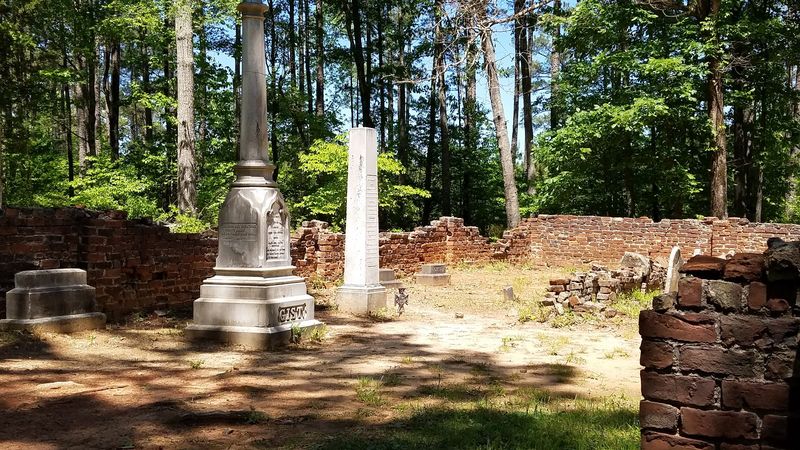
Rose Hill Plantation State Historic Site was officially dedicated as a state park on December 20, 1960, exactly one hundred years to the day after William Henry Gist signed the Ordinance of Secession. That date was not chosen by accident.
The symmetry is deliberate, a way of anchoring this place permanently to the moment that defined it.
Gist’s role in that moment was not passive. He had spent months corresponding with governors across the South, gauging their willingness to follow South Carolina’s lead.
When Lincoln won the election of 1860, Gist moved quickly to convene the Secession Convention, and the result was a document that pulled South Carolina out of the Federal Union and set the country on a course toward war.
It is worth noting that Gist himself was no longer governor when the actual military conflict began. Francis Wilkinson Pickens held that office when the first shots were fired.
But the machinery that made those shots possible was built largely at Rose Hill, in letters written at a desk that may still exist somewhere inside that stucco-covered house. History has a way of circling back to its origins, and this park makes sure visitors understand exactly where that origin point was.
The date carved into this place’s founding is a reminder that some anniversaries are too significant to ignore.
Planning Your Visit, What to Know Before You Go
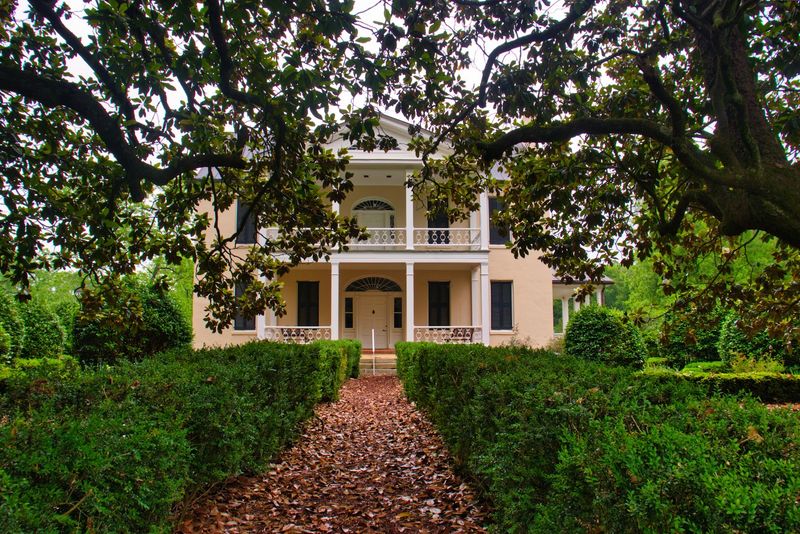
Rose Hill Plantation is genuinely off the beaten path, and that is a big part of its appeal. Located at 2677 Sardis Rd in Union, South Carolina, the site sits in a quiet stretch of Union County that does not see much passing traffic.
That means when you visit, there is a good chance you will have the grounds largely to yourself, which makes the whole experience feel more personal and unhurried.
The park is open daily from 9 AM to 6 PM. Arriving early gives you the best shot at catching a full guided house tour, since staff occasionally wrap up earlier than the posted closing time.
If you have a South Carolina State Park pass, it is accepted here. Some public libraries even lend park passes, which is worth checking before you head out.
Pack a picnic if you can. The grounds are beautiful and there are benches throughout the garden where you can sit and just take everything in.
There is no charge to explore the exterior, gardens, and outbuildings. The guided mansion tour has a small fee.
Children may find the grounds more engaging than the interior tour, but the history here is rich enough to spark curiosity in just about anyone willing to look closely. Phone: +1 864-427-5966.
