Have you ever ducked under a low branch to find a tiny wooden door built just for small hands? That quiet discovery awaits along a hidden trail north of St. Paul, where kids still believe in magic long after one visit.
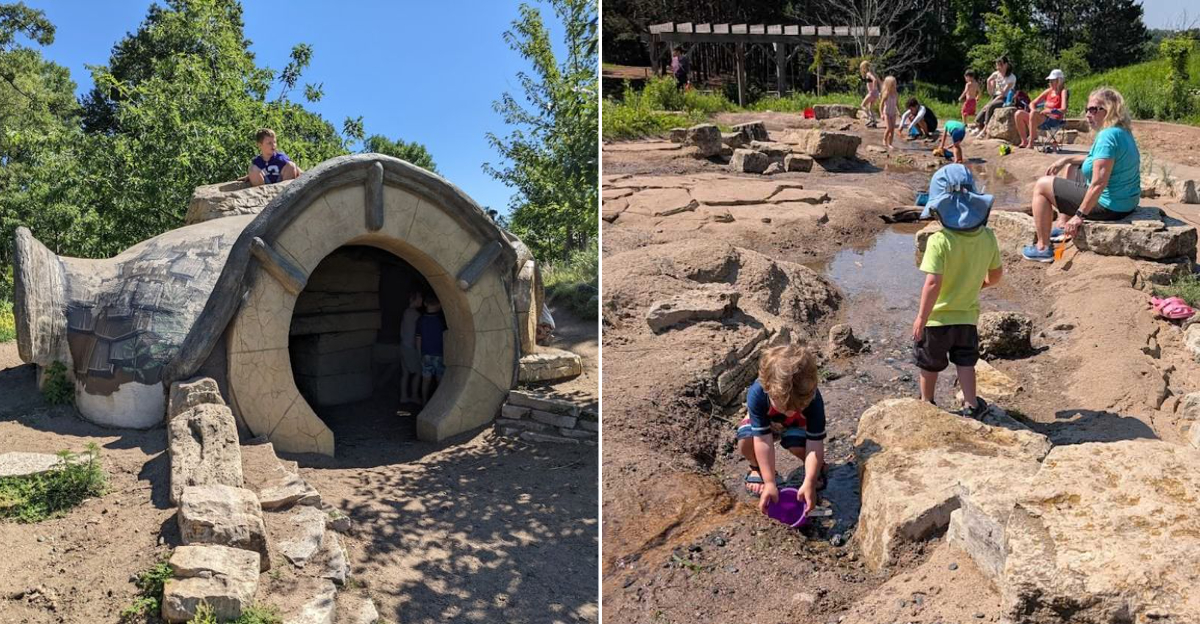
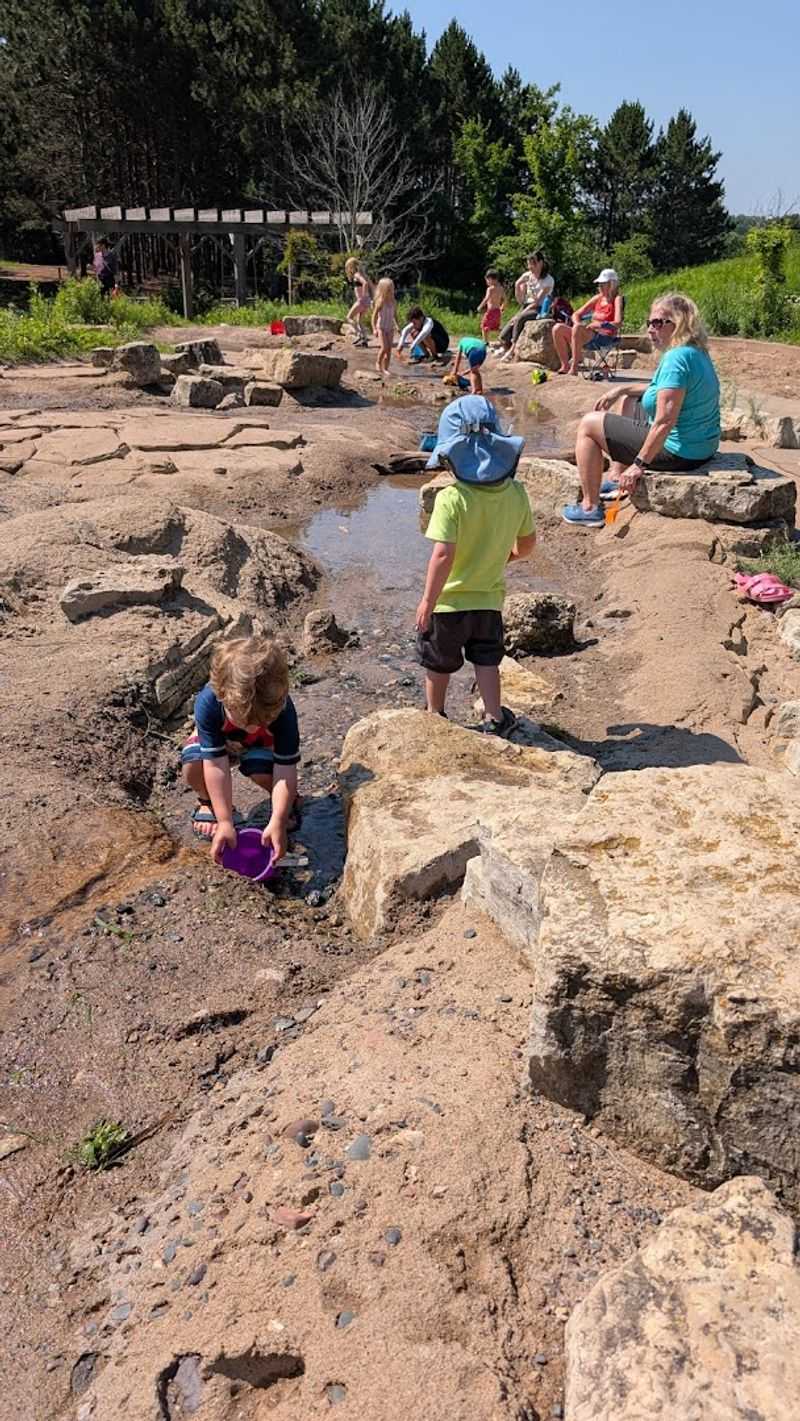
The path winds through 320 acres of woods and wetlands, leading to a place called Discovery Hollow, a natural playground with streams to dam, sandy banks to dig, and a hobbit-sized clubhouse tucked beneath the pines.
But the real treasure is a small fairy house nestled among the roots. Inside, a worn notebook collects handwritten wishes from children who are certain the invisible forest builders are listening. No screens, no tickets, just imagination and the soft rustle of leaves.
So which White Bear Township nature reserve offers a free, year-round adventure where the trail itself becomes a story?
Pack a picnic and a change of clothes. The magic is real, and it is waiting for your family to find it.
The First Few Steps Change Everything
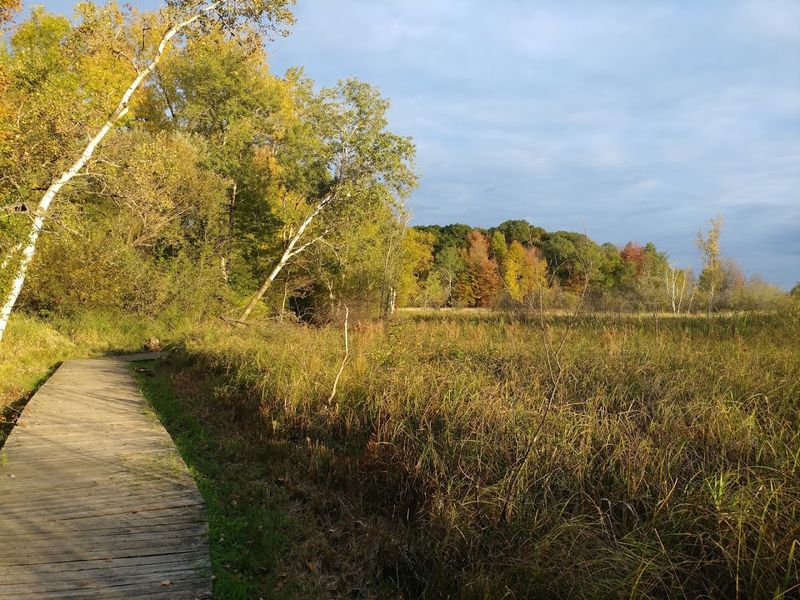
The funny thing about Tamarack is how fast the mood changes once you start walking. You can show up with all the usual kid energy, the snack wrappers, the questions, the slight chaos, and then the trees sort of take over the conversation.
Within a few minutes, everybody gets quieter without being told, which honestly feels like its own small miracle.
The entrance area eases you in gently, and that matters more than people think. Nothing about it feels overdone or pushy, so kids still get the thrill of discovering the place for themselves instead of feeling like they are being steered through an attraction.
That little shift is where the magic starts, because imagination works better when there is room for it.
I noticed how the woods here in Minnesota hold sound in a softer way than a city park does. You hear shoes on the path, a bird calling somewhere above you, and the rustle of leaves that makes every bend feel like a possible surprise.
It gives children exactly what they need to start believing a trail can lead somewhere special, even when the map looks simple.
Where The Visit Really Begins
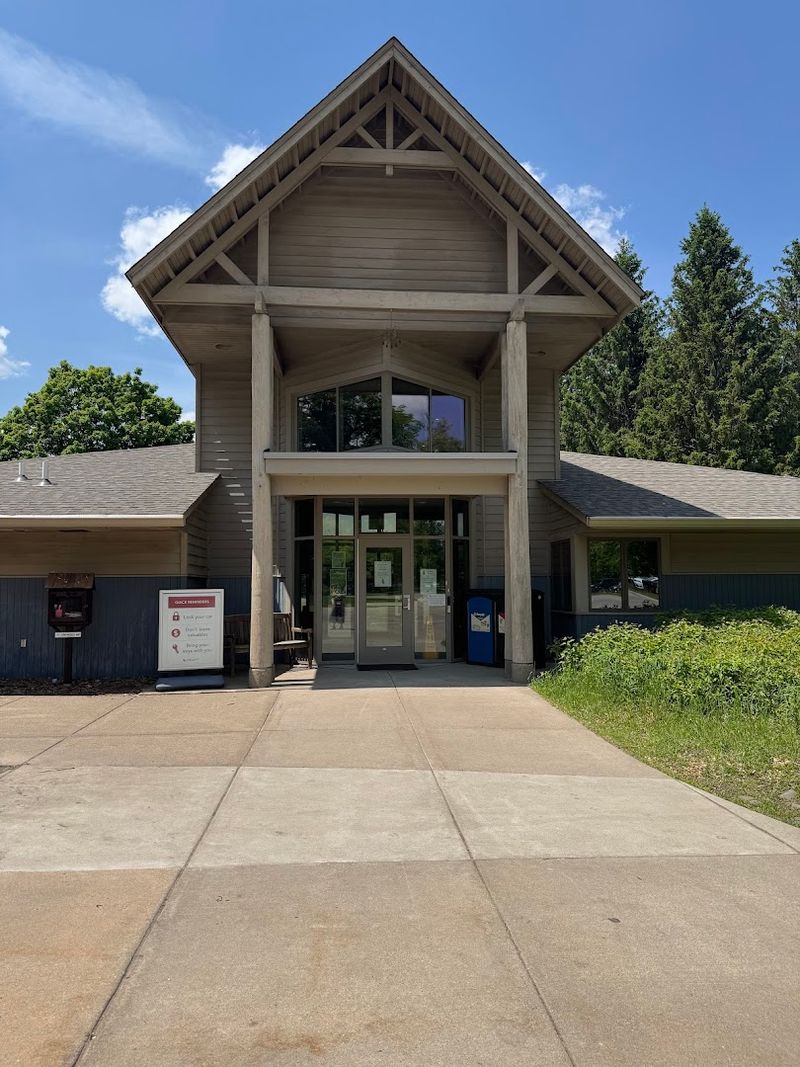
Here is what I would tell you before you even lace your shoes. Tamarack Nature Center is at 5287 Otter Lake Rd, White Bear Township, MN 55110, and getting there feels pleasantly tucked away without being hard to reach.
That balance is part of why families keep returning, because it feels like an escape while still being easy enough for a regular afternoon.
The arrival matters more than you might expect, since kids pick up on setting before they say a word about it. The building sits naturally in the landscape, and the whole place feels grounded in the woods instead of dropped on top of them.
You are not stepping into a flashy destination here, and that is exactly why children start filling in the wonder themselves.
White Bear Lake gives the whole outing an extra softness, almost like the town and the nature center are in on the same mood. You park, gather your things, hear someone ask if there are frogs or fairy houses or deer nearby, and suddenly the day has a story to it.
That is the kind of beginning that makes a simple walk in Minnesota feel bigger than it is.
The Boardwalk That Feels Like A Spell
If you want the moment that flips the switch for kids, it is probably the boardwalk. Something about stepping onto wood over wetland makes an ordinary walk feel like you are crossing into a place with its own rules.
Even adults start talking a little softer there, which tells you everything.
The boardwalk sections at Tamarack are simple, but that is exactly why they work so well. You can look down into the reeds, watch the light move on the water, and start spotting tiny details that would disappear on a wider paved trail.
Kids lean over the railing, ask what made that ripple, and suddenly they are fully inside the experience instead of dragging behind it.
I love how this part of the path turns curiosity into the main event without making a big show of it. One child notices a turtle shape that turns out to be a log, another hears a bird but cannot find it, and then everybody starts scanning the edges like explorers.
That feeling of maybe seeing something, maybe missing something, is what gives the trail its storybook mood and keeps the magic alive.
The Garden Corners Kids Turn Into Secret Worlds
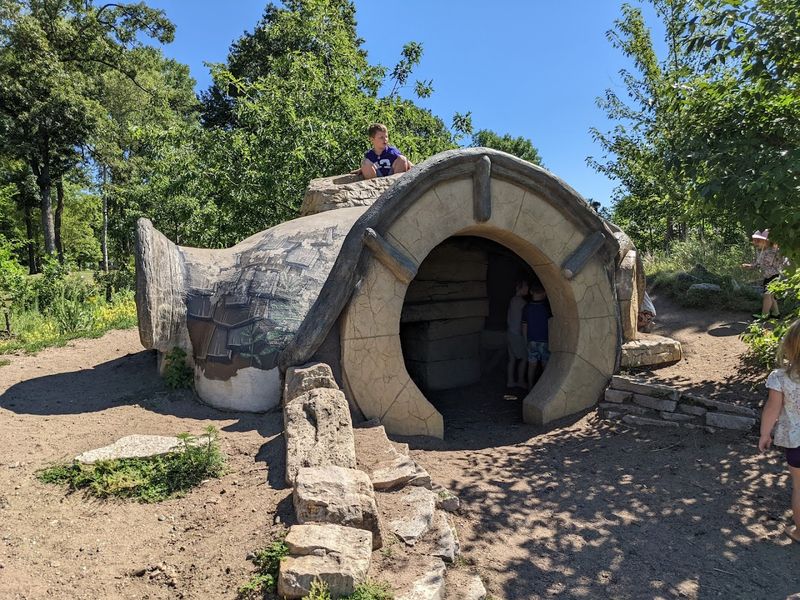
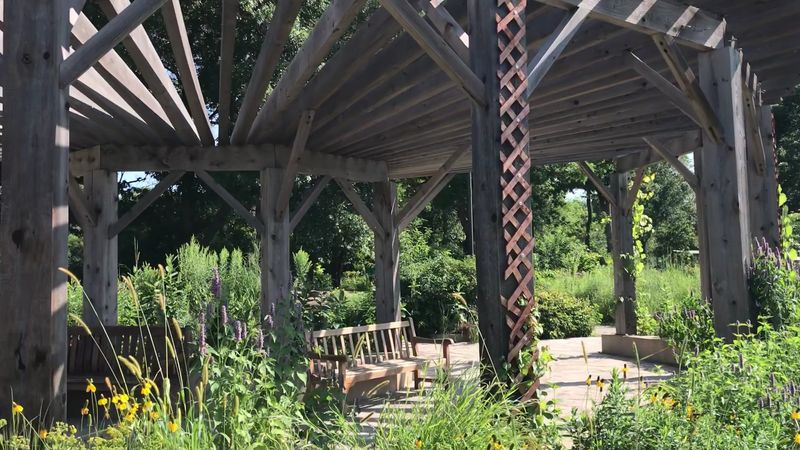
You know those little pockets of a place that children instantly claim as their own? Tamarack has several of them, especially around the native plant areas and quieter edges where the trail briefly feels tucked inside itself.
A grown-up sees landscaping and habitat, while a kid sees a fairy meeting spot, a rabbit doorway, or a place where tiny creatures clearly have business.
That difference in perspective is half the fun of being here. The plantings and natural textures give kids enough detail to build a whole imaginary world, but nothing is staged in a way that kills the feeling.
They can crouch down, peer into leaves, collect observations, and talk through their theories like they are solving something important.
I think that is why the place lingers after the visit ends. Children do not remember it as a neat educational stop in Minnesota, because that is not how it lands in their minds.
They remember a path with possible hideouts, unusual shapes, soft ground, and the sense that if they came back tomorrow, the same garden corner might show them something completely different from what it showed today.
The Trails That Let Imagination Lead
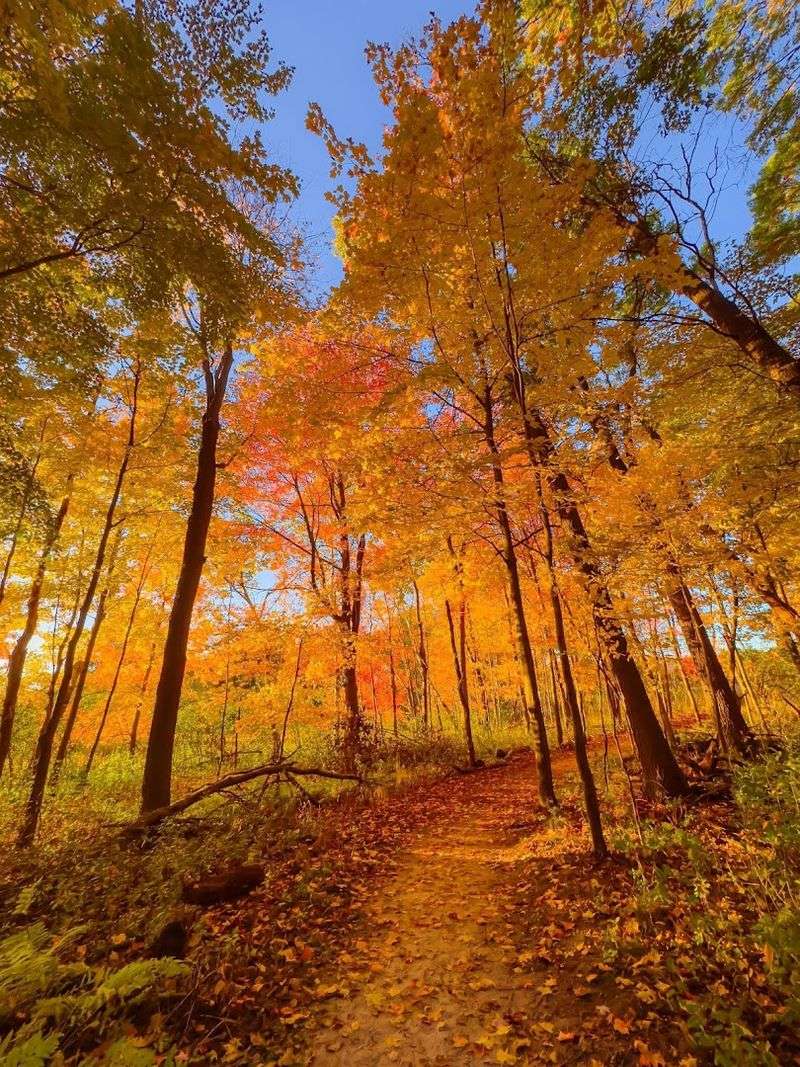
Some trails tell you exactly how to move through them, and Tamarack is not really like that. The paths feel guided enough to be easy, but open enough that kids can set their own mission, whether that means spotting birds, hunting for mushrooms, or deciding they are tracking woodland creatures.
That freedom is a big reason the place feels magical instead of managed.
The route through the woods keeps changing just enough to hold attention without becoming difficult. One stretch feels shaded and close, another opens a bit and lets the sky back in, and then a turn pulls your focus down to roots, leaves, and signs of movement in the undergrowth.
It creates a steady stream of tiny discoveries, which is all children need to turn a walk into an adventure.
I also like that nobody has to pretend here. If your kid wants to be a scientist for ten minutes and then a storybook explorer for the next half hour, the trail supports both moods without resistance.
In Minnesota, that kind of flexible outdoor space is gold, because it gives children the rare chance to feel both grounded in nature and completely free inside their own imagination.
The Sounds That Make Everyone Slow Down
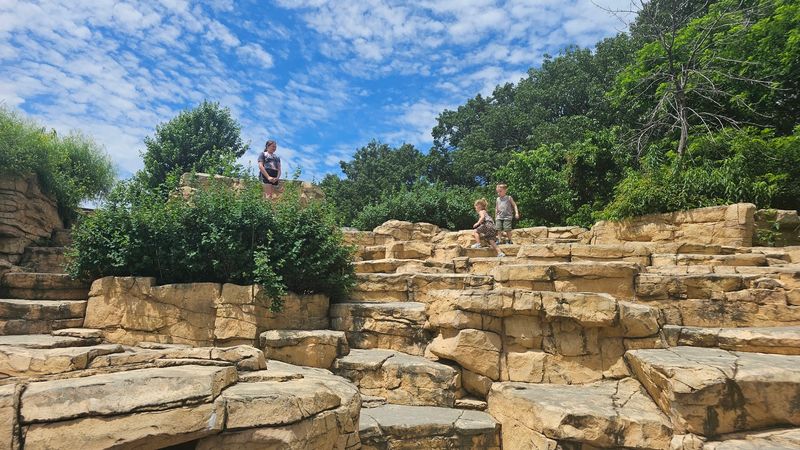
This is the part people forget to mention, and honestly it might be the best part. Tamarack sounds different from louder parks, because the woods and wetlands seem to soften everything just enough that kids start listening without even realizing it.
Once that happens, the whole visit changes from walking through a place to paying attention inside it.
You hear birds before you spot them, and that little delay is surprisingly powerful. A rustle in the leaves becomes a mystery for a second, the tapping of a woodpecker feels like a signal from farther in, and even your own footsteps seem to settle into the background.
Children become alert in a calm way, which is not always easy to achieve on a family outing.
I have watched kids go from talking nonstop to whispering theories about what they hear near the water or high in the branches. That is not because anyone told them to be reverent, but because the place quietly invites that response.
In White Bear Lake, where daily life can still feel full and busy like anywhere else, Tamarack offers something gentler, and the soundtrack of the trail is a huge part of why the magic feels believable.
Why The Seasons Keep Rewriting The Story
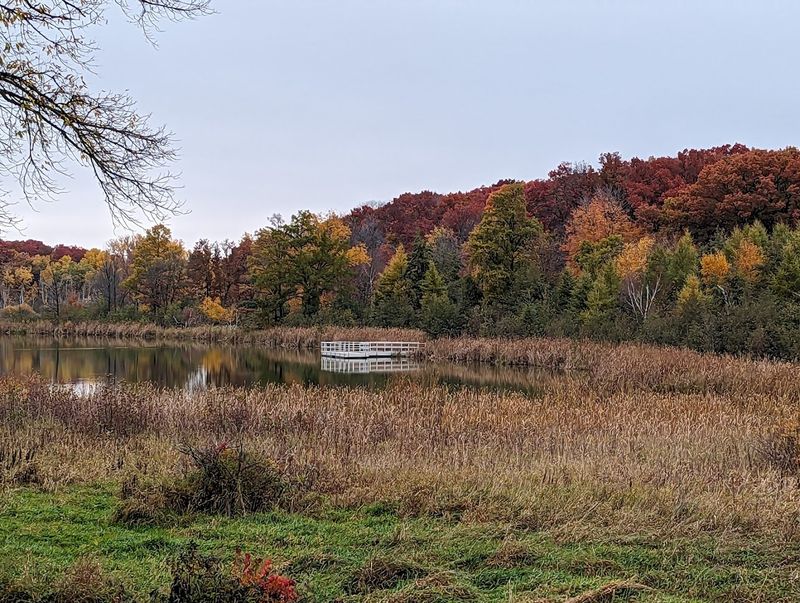
What keeps Tamarack from feeling like a one-time visit is how differently it reads from season to season. The same path can feel soft and green, then crisp and leaf-strewn, then quiet and open in a way that reveals shapes and movement you missed before.
Kids notice that faster than adults do, which makes return visits feel fresh instead of familiar.
In warmer months, the trail feels lush and busy, with insects humming, plants crowding the edges, and every puddle or patch of mud offering some clue about what passed through. When the air cools, the woods become easier to see through, and children start spotting nests, bark textures, and hidden corners that were covered before.
The place keeps changing the script without changing the setting.
That is one reason Tamarack stays in family rotation across Minnesota. You are not dragging everyone back to repeat the same afternoon, because the atmosphere keeps shifting and giving you something new to talk about on the walk.
A child who came once for frogs might return later obsessed with leaves, tracks, seeds, or birds, and that slow unfolding is exactly what makes the wonder feel real.
The Learning That Never Feels Like School
I think parents feel the difference here almost as much as kids do. You get all the good parts of a nature-based outing where children actually learn something, but it never slides into that stiff feeling where everyone is secretly waiting to be done.
Tamarack keeps knowledge in the background, like seasoning, so the day still feels loose and alive.
Children pick things up almost accidentally on this trail, and that is usually how the best learning works anyway. They start asking why the wetland looks different from the wooded sections, why some birds stay high while others stay low, or why the ground feels springy in one area and packed in another.
By the time you head back, they have learned plenty without ever feeling lectured.
That matters because wonder and information do not have to cancel each other out. At Tamarack, the facts simply give shape to the magic, so a curious child can feel both enchanted and capable at the same time.
It is a lovely balance, and one I wish more places in Minnesota understood, because when kids feel trusted to notice things on their own, they almost always notice more than we expect.
The Walk Back When Nobody Wants To Leave
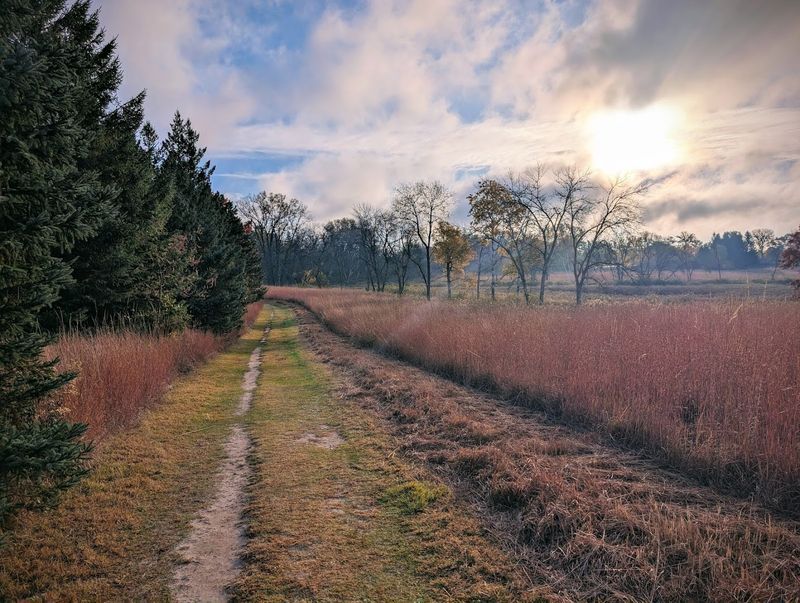
You can usually tell a place worked when the walk back to the car gets slower instead of faster. At Tamarack, kids start stretching out the goodbye by checking one more puddle, one more branch, one more patch of cattails that suddenly looks interesting again.
They are not stalling in a cranky way, either, because they are trying to hold onto the feeling a little longer.
That last part of the visit has its own sweetness. Everybody is a bit quieter, pockets may be carrying approved little nature treasures in memory if not in hand, and the conversation turns into a recap of what might have been seen just out of sight.
Was that a frog, a deer, a turtle, or something better because nobody can quite prove it?
I love places that leave children with a little uncertainty, because that is often what keeps imagination alive after you go home. Tamarack does that beautifully without trying too hard, and White Bear Lake feels luckier for having it.
By the time you pull away, the trail has already grown larger in the mind than it was on the map, which is usually the clearest sign that real magic showed up for a while.
