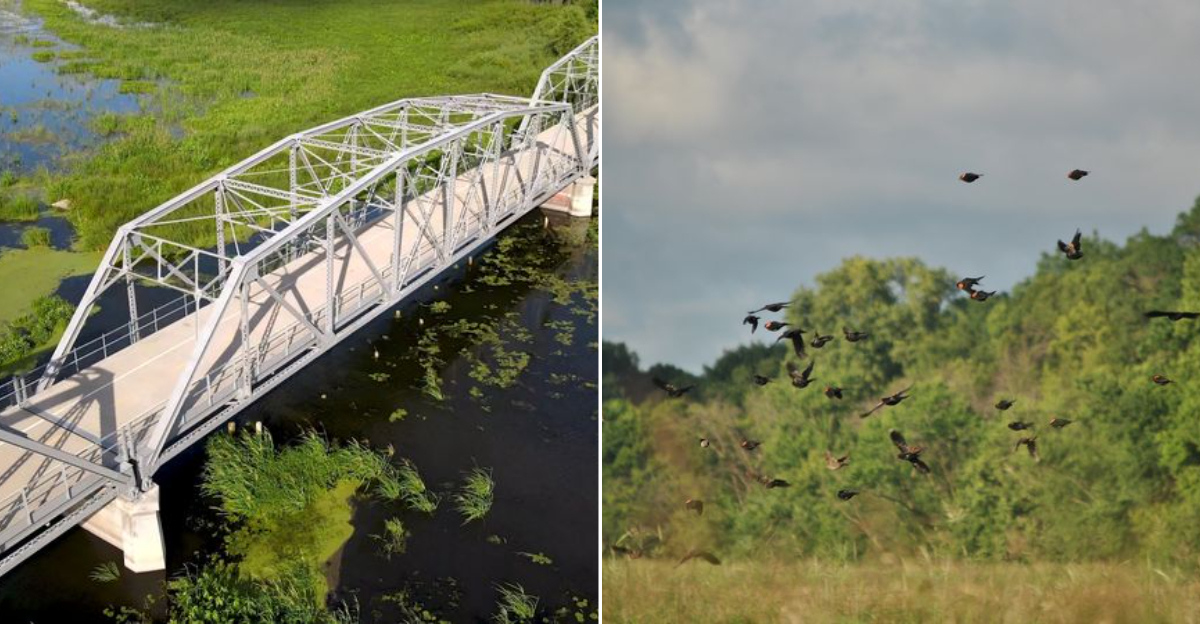
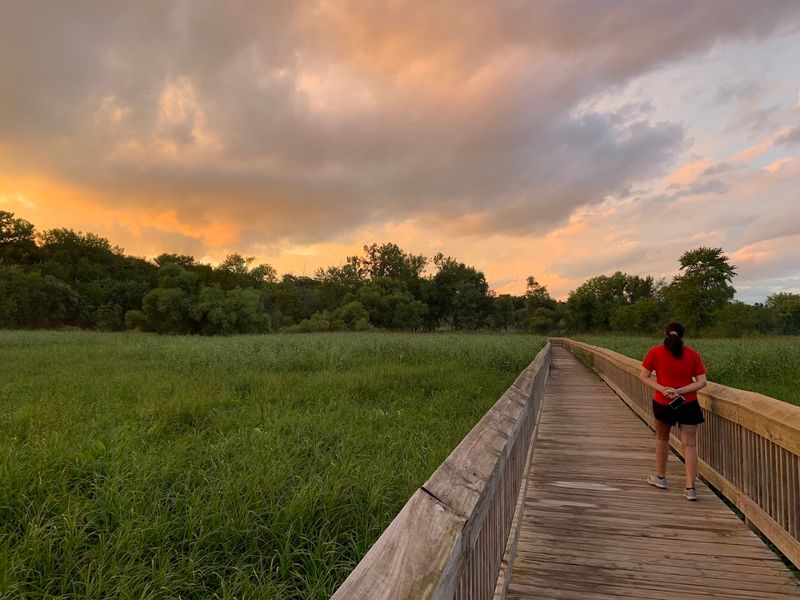
You walk onto a wooden boardwalk that stretches across a sea of cattails. A great blue heron stands motionless just a few yards away, paying you no attention. A muskrat swims past, unconcerned.
This is the stretch of a Minnesota wildlife refuge where the birds and animals behave as if humans are merely part of the scenery.
More than 260 bird species have been spotted here, from trumpeter swans to yellow warblers. The trail is easy, a mix of paved path and elevated boardwalk that glides over marsh and reeds.
The boardwalk places you at eye level with red-winged blackbirds and marsh wrens that chatter from their perches, completely unbothered by your presence.
So which lush wetland trail just south of the Twin Cities offers a front?row seat to a wild kingdom that treats you like an invisible guest?
Park near the old bridge, bring your binoculars, and prepare to fade into the background. The birds are waiting to put on a show.
That Strange Feeling Of Being Let In
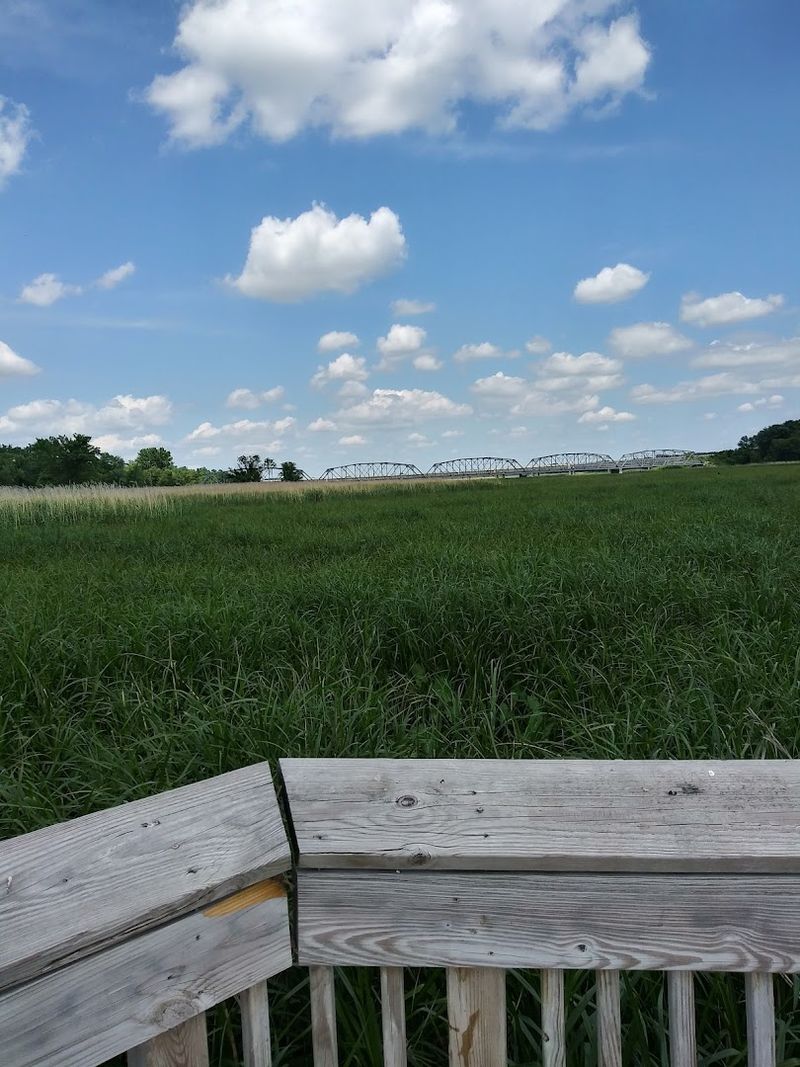
The first thing that got me out here was that odd, thrilling feeling that the wetland does not treat you like an intruder. You step onto the trail, and instead of everything scattering, the place just keeps going.
Ducks drift, blackbirds call from the reeds, and the whole marsh carries on like you are part of the furniture.
That is such a rare feeling, especially near a city, and it changes the way you walk almost immediately. You stop clomping around in your own head, and you start listening for the low, scratchy, hidden sounds coming from the grass.
Even if you do not know one bird from another, you can tell right away that this stretch of Minnesota wetland has its own calm rhythm.
I think that is why the trail sticks with people, because it does not demand that you perform as an outdoorsy person to enjoy it. You can show up curious, distracted, tired, or just needing air, and the place still works on you.
By the time you have taken in the water, the tall reeds, and the wide sky pressing gently over everything, you realize the trail has already done its little trick and pulled you completely in.
Where The Marsh Starts Talking Back
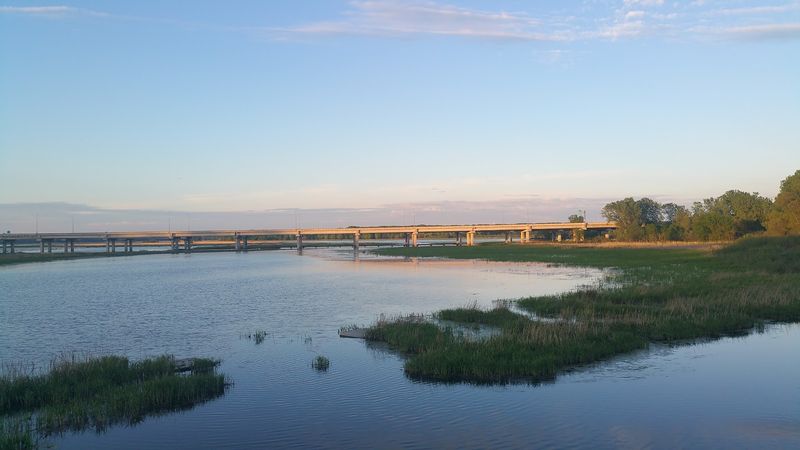
Let me just tell you where this whole thing happens, because the setting matters more than you might think. Old Cedar Avenue Bridge Trail sits at Old Cedar Ave S, Bloomington, MN 55425, United States, right in the Minnesota River Valley refuge area where open marsh, water, and thick vegetation all crowd together.
That mix is what gives the trail its easy, almost sneaky access to birds that usually keep their distance.
What I like is that it never feels overly staged or manicured, even though it is close to roads, the airport, and all the usual city motion. You are not driving deep into the wilderness to get this kind of habitat, which honestly makes the whole place feel even more surprising.
One minute you are in regular Bloomington mode, and the next minute you are standing over wetland water watching movement in the reeds.
That contrast is part of the charm, because the trail lets Minnesota show off one of its most important landscapes without making you work for it. Wetlands filter water, hold life, and give birds space to feed, nest, and hide.
Out here, you can actually feel all of that happening around you.
Why The Birds Seem So Unbothered
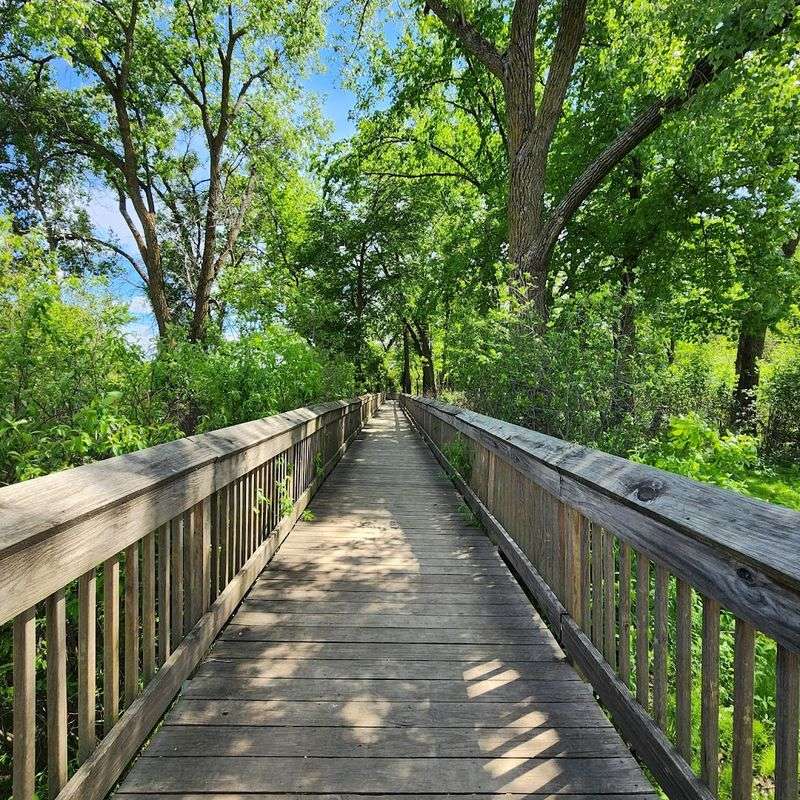
Here is the part that feels almost funny when you first notice it, because the birds really do act like you barely count. They are not tame, exactly, and they are definitely still wild, but many of them seem used to the steady, predictable presence of people moving along the trail.
When you stay on the path and keep your pace relaxed, the wetland does not explode into alarm the way some places do.
That means you get these unexpectedly close moments that feel personal without crossing any line. A heron can hold its pose near the water, red-winged blackbirds keep arguing over reed tops, and smaller songbirds continue flitting through nearby cover as if your role is simply to witness.
It reminds me of other Minnesota marsh trails where birds settle into the human routine enough to keep living their lives right in front of you.
Honestly, that is what makes this trail so addictive, because you are not chasing wildlife around and hoping for one lucky glimpse. The wildlife comes into focus because the place is built for patience, not pursuit.
If you can slow your breathing, lower your voice, and let the marsh set the tempo, you start disappearing into the scene in the best possible way.
The View From The Old Bridge Itself
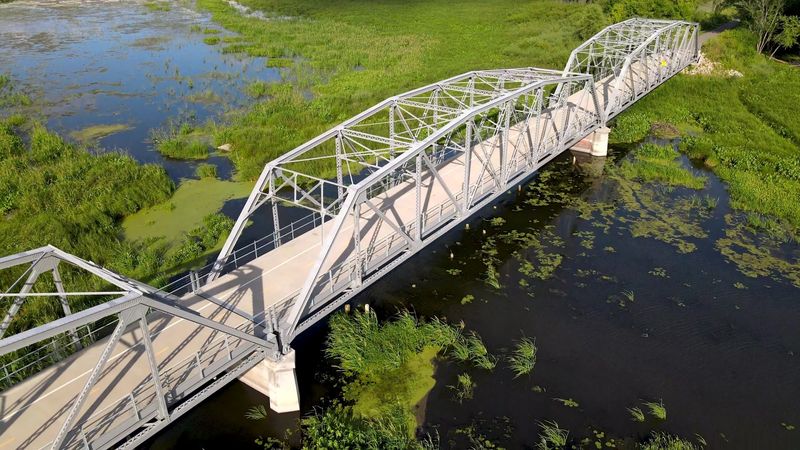
The old bridge is really the star of the whole experience, and you feel that the second you get out over the water. Instead of peeking at the marsh from a parking lot edge or a tiny overlook, you are right there above it, with long views in both directions and enough space to actually stop and look around.
That elevated perspective lets you notice things you would miss from ground level, especially movement through the cattails and patches of open water.
I love how the bridge gives the wetland room to spread out in front of you without cluttering the view. You can stand there and watch wind move across the reeds, swallows cutting low through the air, and waterbirds slipping between shadows at the surface.
It feels wide open, but not empty, which is a hard balance to explain until you are there.
Because the bridge is long and straight, it also gives you time to settle in instead of rushing from one scenic point to the next. The walk itself becomes the attraction, not just the destination.
That is a big reason this stretch in Minnesota sticks with people, because the view keeps changing quietly while you are busy thinking nothing is happening.
What You Might Spot In The Reeds
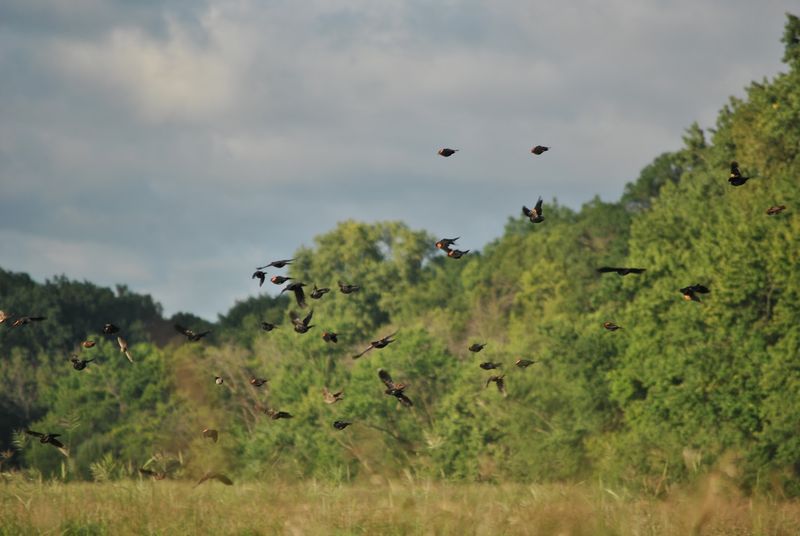
You never know exactly what is going to show up out here, and that uncertainty is part of the fun. The trail is known for waterbirds and warblers, and the surrounding refuge habitat supports marsh species like Virginia rail, sora, and marsh wren, all of which feel almost made for this kind of dense, watery cover.
Some days it is the obvious birds that catch your eye first, and other days it is a flicker of movement so subtle you nearly talk yourself out of what you saw.
I think that is why even casual walkers end up playing detective without meaning to. You find yourself scanning reed edges for a hidden shape, watching the shallows for ducks, or waiting for a songbird to stop bouncing through the brush long enough to show its face.
The place pulls you into that attention naturally, without turning the walk into a checklist.
And if all you see is one heron standing there like a statue while red-winged blackbirds carry on nearby, that is still a very good day. Wetlands are built around patience, camouflage, and little reveals.
This stretch of Minnesota lets you experience that without needing expert skills, expensive gear, or some impossible amount of luck.
How The City Somehow Falls Away
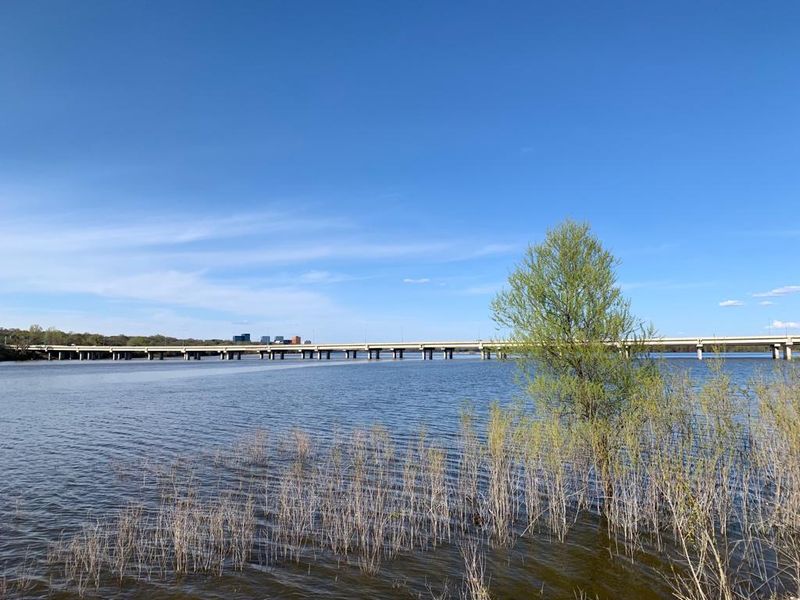
One of the weirdest and best things about this trail is how quickly the city drops out of your awareness. You know it is nearby, because Bloomington is still Bloomington and the airport is not far off, but the wetland has a way of absorbing that edge and replacing it with water, birds, and sky.
After a few minutes on the bridge, your brain stops tracking errands, traffic, and all the little rushed thoughts you arrived with.
I think that shift happens because the landscape is doing more than giving you something pretty to look at. Wetlands create space, and not just for birds, because the open water and reed beds stretch your attention outward until you stop circling the same thoughts.
It is one of the few places where being near a metro area in Minnesota somehow makes the experience more impressive instead of less.
You get this honest reminder that wildness does not always announce itself with mountains or dramatic remoteness. Sometimes it is a marsh quietly holding its ground next to everyday life.
That contrast gives the trail its odd emotional pull, because you leave feeling like you got much farther away than you actually did, and somehow that feels even better.
A Good Place To Learn Without Trying Too Hard
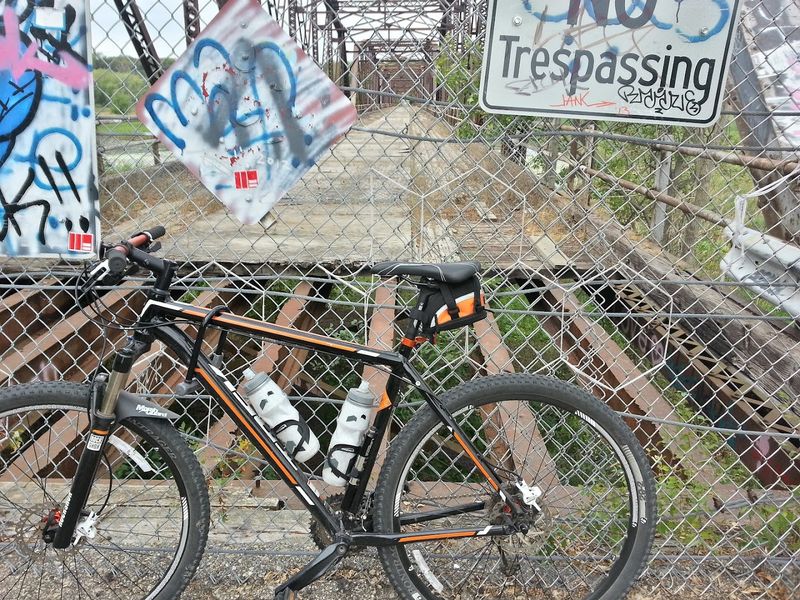
If you have ever felt a little intimidated by birding, this is the kind of place that takes the pressure off immediately. You do not need to arrive with field guide energy, a giant lens, or a full vocabulary for every chirp in the reeds.
The trail does a lot of the work for you by putting habitat, visibility, and movement right in front of your face.
That makes it easy to start noticing patterns instead of worrying about getting everything right. You begin to tell the difference between open water birds and birds hugging cover, or between a call coming from the cattails and one drifting from the trees along the edge.
Those are small observations, but they are exactly how people start feeling connected to a place rather than just passing through it.
I like recommending this spot because it lets curiosity stay casual and real. You can ask yourself simple questions like, what keeps moving over there, or why is that bird staying so low, and those questions are enough to make the walk feel richer.
In a state like Minnesota, where wetlands matter so much for migrating and nesting birds, that kind of easy attention actually means something.
Why This One Stays With You
What stays with me about this trail is not one dramatic sighting or one flashy, cinematic moment. It is the overall feeling of being allowed into a living place without disturbing the mood of it, which is rarer than people think.
The birds keep feeding, calling, gliding, and hiding, and you get to stand there inside that rhythm for a while.
There is also something deeply Minnesota about the whole experience, because it reminds you how important wetlands are beyond the nice walk and the pretty view. These habitats support migration, nesting, feeding, and all kinds of life that would simply have nowhere else to go without them.
When you spend time on the bridge, that truth stops being abstract and starts feeling immediate, local, and personal.
So if you are looking for a place that makes nature feel close without turning it into a production, this is the one I would mention first. Go when you can give it time, keep your voice easy, and let yourself get a little absorbed by the reeds and water.
Chances are, before long, the birds will carry on as if you are invisible, and that is exactly the magic of it.
