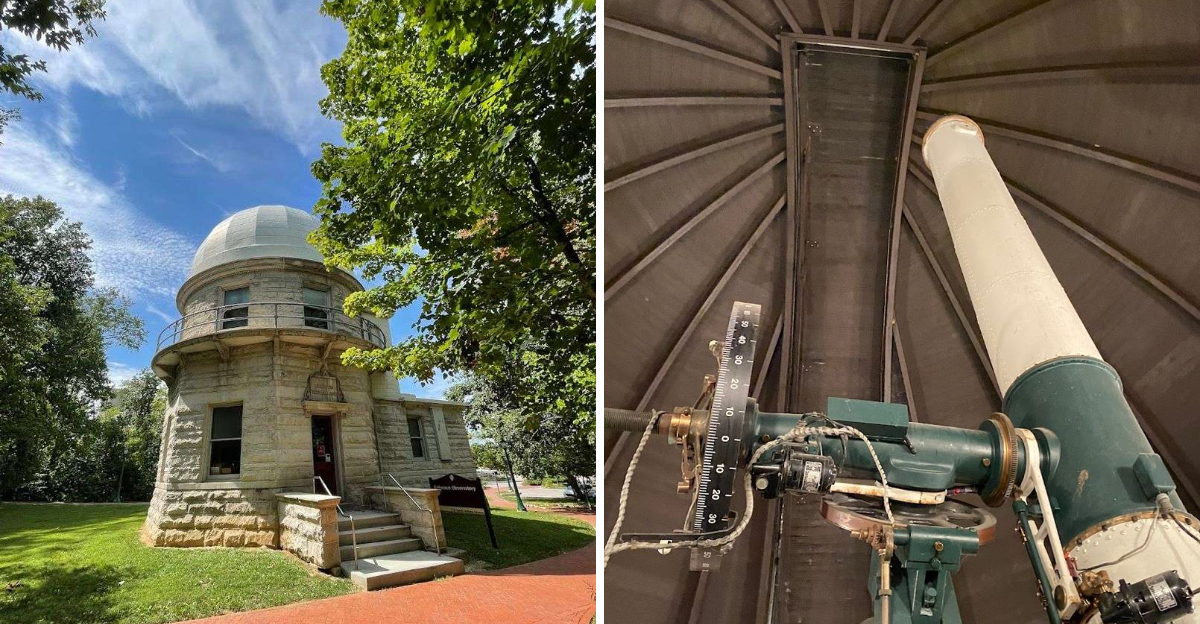
I still remember the first time I looked through the eyepiece and saw Saturn’s rings floating in the dark like something out of a dream. There is something genuinely magical about standing on a university campus on a quiet Wednesday night, surrounded by students and families, all craning their necks toward the sky together in shared silence and awe.
This historic observatory has been doing exactly this since 1901, opening its doors to the public and offering a chance to explore the night sky completely free of charge. Tucked inside a wooded corner of campus, it feels like a hidden pocket of calm where time slows down and curiosity takes over.
If you have never visited a place like this, it is the kind of experience that stays with you long after you leave.
A 12-Inch Refracting Telescope Built in the 1800s Still Works Perfectly
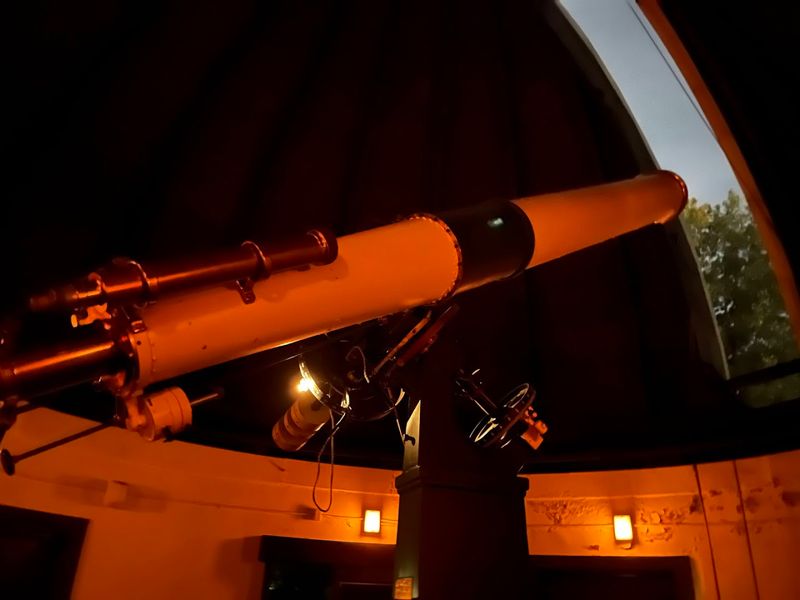
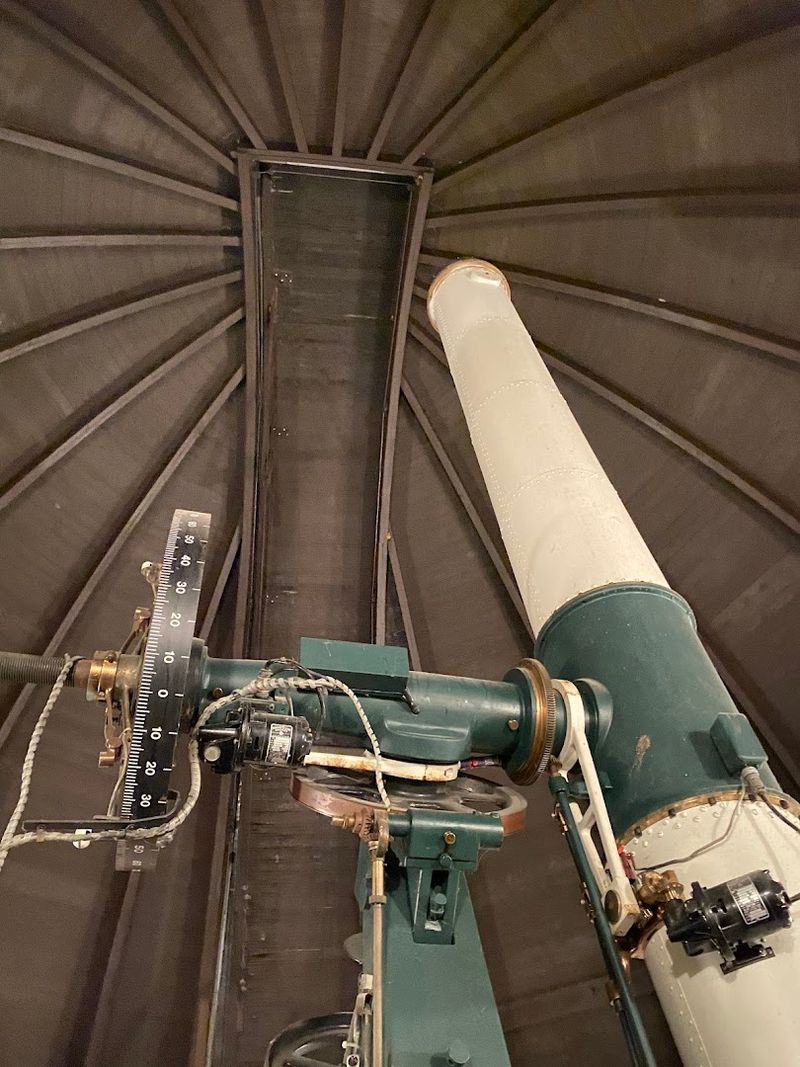
There is something almost unbelievable about peering through a piece of equipment that was crafted before automobiles were common on American roads. The 12-inch refracting telescope at Kirkwood Observatory was built by the Warner and Swasey Company, with optics ground by the legendary John A.
Brashear Company. It has been pointed at the sky since 1908, and it still performs beautifully.
Refracting telescopes use lenses rather than mirrors to gather and focus light. A 12-inch aperture means the lens is a full foot across, which is large enough to pull in serious amounts of light and reveal detail that smaller backyard telescopes simply cannot match.
On a clear night, Saturn’s rings snap into focus with a sharpness that genuinely stops people mid-sentence.
What makes this even more impressive is that the telescope requires no electronics, no computer alignment, and no app to operate. The astronomy students who guide each session move it by hand, adjusting with the kind of practiced confidence that only comes from real experience.
Watching them work is its own kind of education. You get a front-row seat to both historic engineering and living scientific practice, all in one small domed room on the IU campus.
Free Public Viewing Every Wednesday Night, No Ticket Required
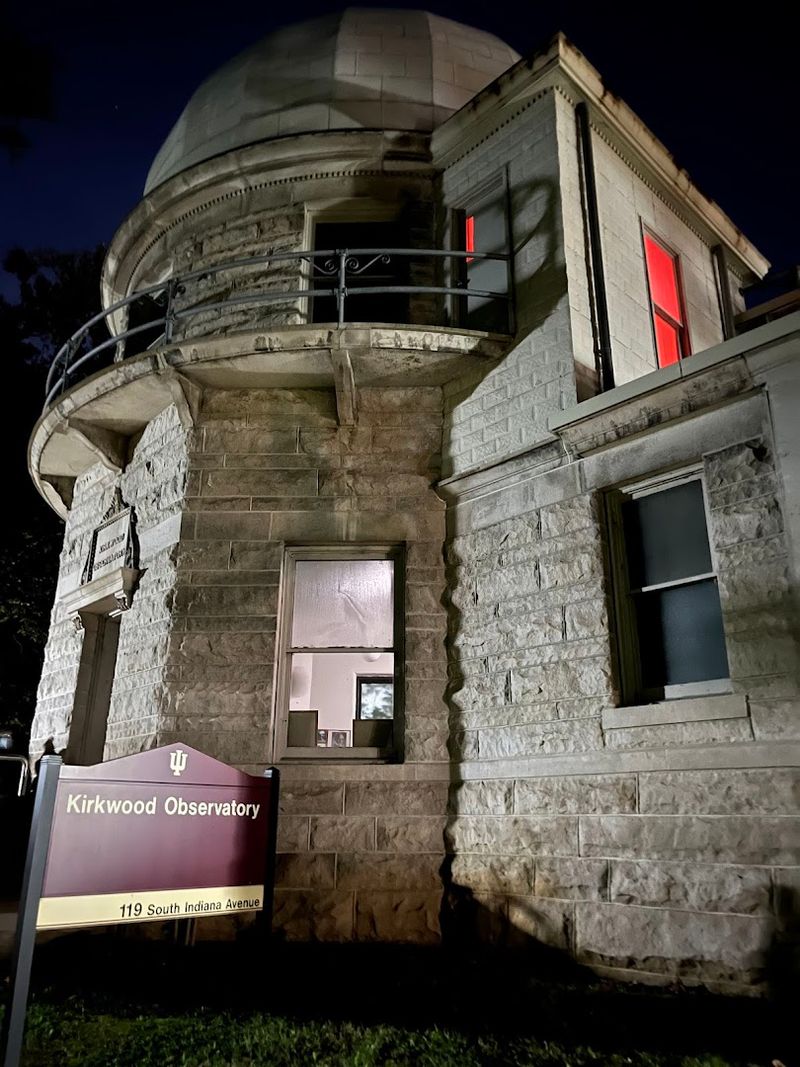
Free admission is not a gimmick here. Every Wednesday evening from March through November, Kirkwood Observatory opens its doors to anyone who wants to show up.
No ticket, no reservation, no fee of any kind. You simply arrive after sunset and join the line.
For Bloomington families, this is one of those rare activities that genuinely works for everyone. Kids who have never looked through a real telescope light up instantly.
Adults who took astronomy in college find themselves remembering things they had forgotten. First-time visitors to IU’s campus get an experience that feels more personal than any campus tour could offer.
The one thing worth knowing before you go is that Wednesday nights can get busy, especially when school is in full session. Getting there early gives you a better spot in line and more time with the telescope.
Weather matters too, since sessions are held only when skies are clear enough for good viewing. Checking the official schedule at astro.indiana.edu before heading out is a smart habit.
But when conditions line up and the dome is open, there are very few free experiences in all of Indiana that compare to this one. The price of admission is zero, and the reward is the entire night sky.
Solar Saturdays Let You Stare Directly at the Sun Safely
Nighttime gets most of the attention when people talk about observatories, but Kirkwood has a daytime program that honestly deserves its own spotlight. Solar Saturdays bring the public in on Saturday afternoons from 1 to 3 PM for a chance to view the sun through a dedicated solar telescope.
This is not the kind of thing you can replicate safely at home.
Through the solar telescope, you can see sunspots, which are cooler, darker regions on the sun’s surface that shift and change over days. Solar prominences, which are giant arcs of plasma erupting from the sun’s edge, are visible on active days.
Solar flares, though harder to catch in real time, are part of what makes each session feel genuinely unpredictable. You never know exactly what the sun is going to show you.
IU astronomy students run these sessions with the same enthusiasm they bring to the Wednesday night programs. They explain what you are seeing in plain language that makes the science feel accessible rather than intimidating.
For kids especially, seeing the actual surface of the sun in real time is the kind of moment that plants a lifelong interest in science. Solar Saturdays run from March through November as well, making spring and fall the ideal seasons to build a full Kirkwood experience into your weekend plans in Bloomington.
Over a Century of History That You Can Actually Touch
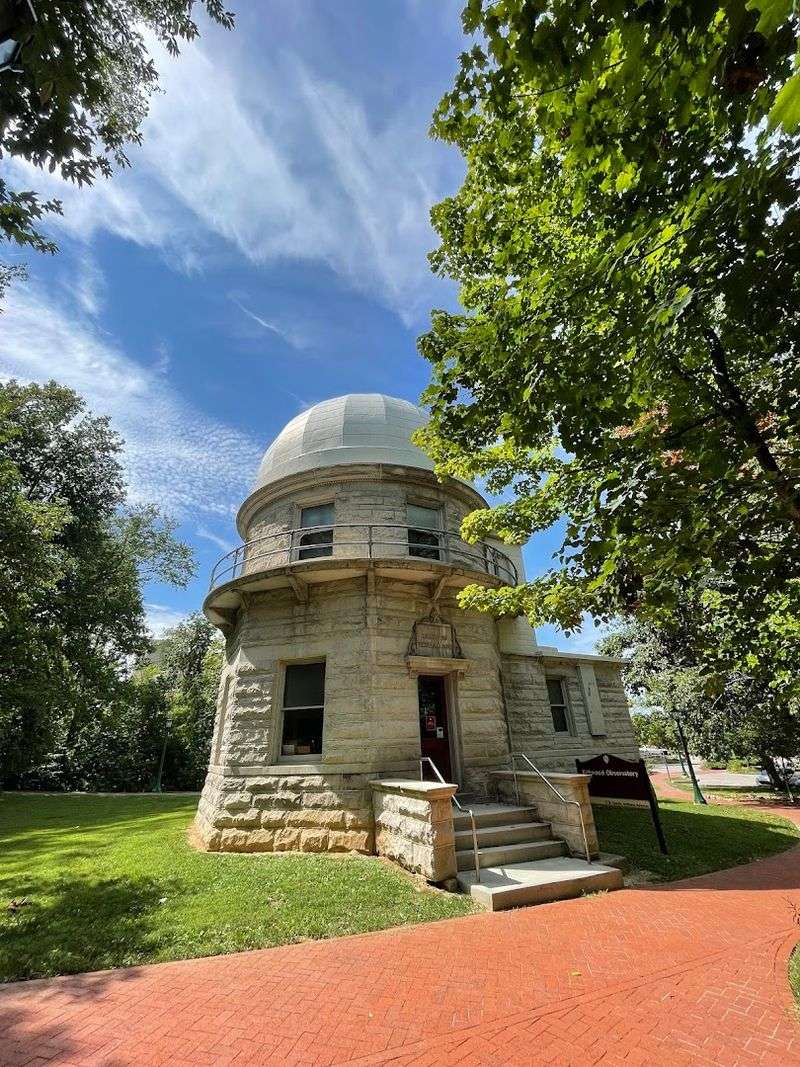
Most historic buildings keep their history behind velvet ropes. Kirkwood Observatory hands it to you and lets you look through it.
Built in 1901 and dedicated to astronomer Daniel Kirkwood, a former IU professor who studied asteroid gaps and comet orbits, this observatory has been welcoming curious visitors for well over a century.
The building itself carries that old-campus weight that Bloomington locals know well. Red brick, a classic dome, and the kind of quiet that makes you slow down without even realizing it.
Walking up to it on a cool fall evening, with Dunn’s Woods surrounding you on all sides, feels like stepping into a different version of time entirely.
Daniel Kirkwood was a genuine giant in 19th-century astronomy, and having a working observatory bear his name on the IU campus feels right. His legacy is not just a plaque on a wall here.
It lives in the telescope, in the dome that still rotates by hand, and in every visitor who walks out looking at the night sky differently than they did before they arrived.
Dunn’s Woods Gives the Whole Visit a Peaceful, Storybook Feel
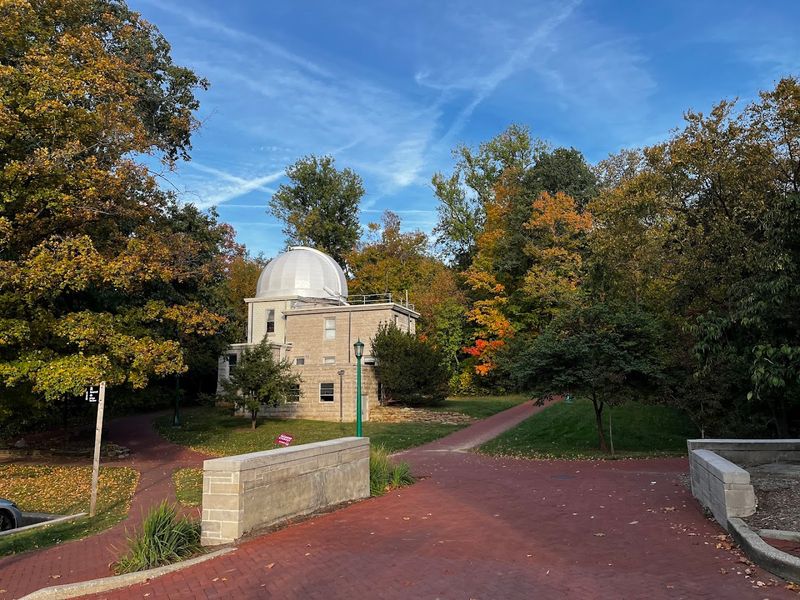
Kirkwood Observatory sits right at the edge of Dunn’s Woods, one of the most beloved green spaces on the IU Bloomington campus. The woods are old growth, which means the trees are massive and the canopy is thick.
Walking through them on the way to the observatory, especially in fall when the leaves are turning, is one of those simple Bloomington pleasures that locals know and visitors never forget.
The setting changes the whole mood of the visit. You are not walking through a parking lot or a commercial district to get to this telescope.
You are moving through a quiet, tree-lined path that has been part of campus life for generations of IU students. That context matters.
It makes the observatory feel like a discovery rather than a destination.
After your viewing session, taking a slow walk back through the woods is worth the extra few minutes. The contrast between the vast sky you just explored and the close, earthy smell of old trees is genuinely grounding.
For anyone who lives in or near Bloomington, pairing a Kirkwood visit with a longer walk through campus makes for one of the most satisfying low-key evenings the city offers. The address is 119 S Indiana Ave, Bloomington, IN 47405, and parking nearby is generally manageable on weekday evenings.
IU Astronomy Students Guide Every Session With Real Enthusiasm
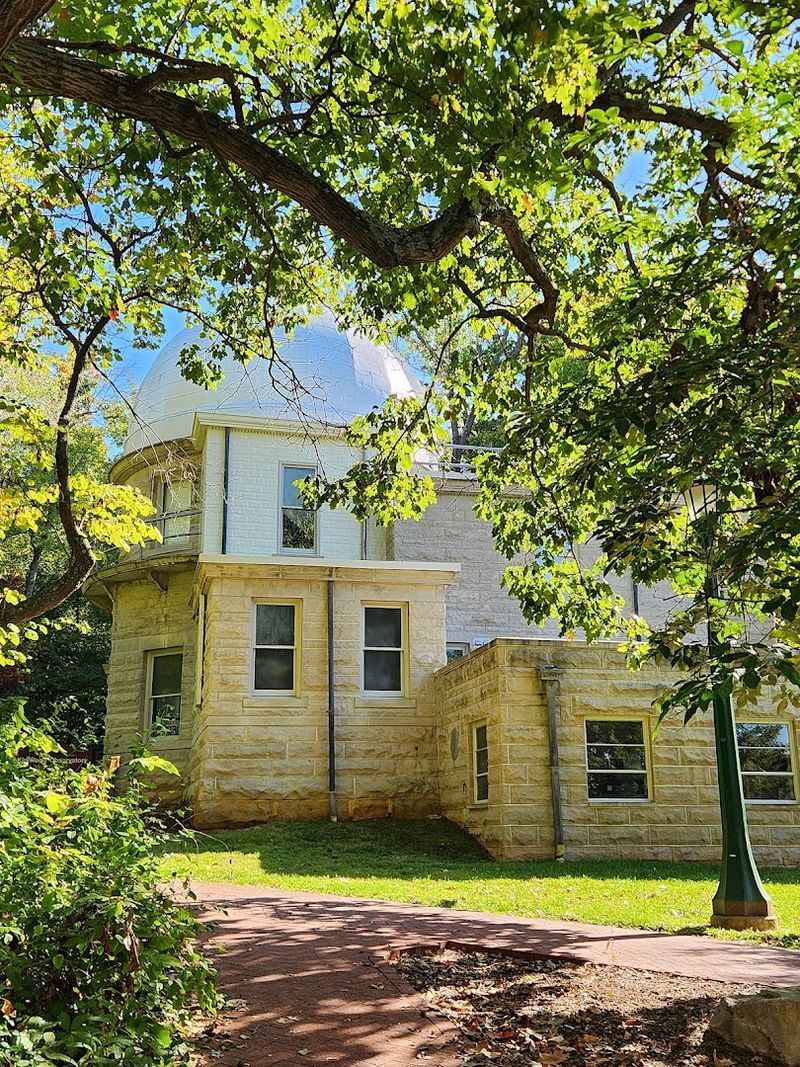
One of the quieter surprises of visiting Kirkwood Observatory is how good the student guides actually are. These are IU astronomy students who volunteer their time to run public sessions, and the difference between a knowledgeable, genuinely excited guide and a bored docent reading from a script is enormous.
At Kirkwood, you consistently get the former.
They adjust the telescope, explain what you are looking at before and after you look, and answer questions without making anyone feel like they asked something obvious. For kids who are nervous about asking, the relaxed atmosphere makes it easy to speak up.
For adults who want to go deeper on the science, the students are ready for that conversation too. The range of knowledge they carry is impressive for their age.
This kind of peer-led education is actually one of the things that makes university observatories so different from planetarium shows or science museum exhibits. The person explaining Saturn to you studied Saturn last semester.
That immediacy and authenticity comes through in every session. You are not watching a pre-recorded video or listening to a looped narration.
You are talking to someone who is actively learning about the same sky you are both looking at, and that shared curiosity makes the whole experience feel alive in a way that is hard to replicate anywhere else in Bloomington.
Bloomington Has Plenty to Explore Before or After Your Visit
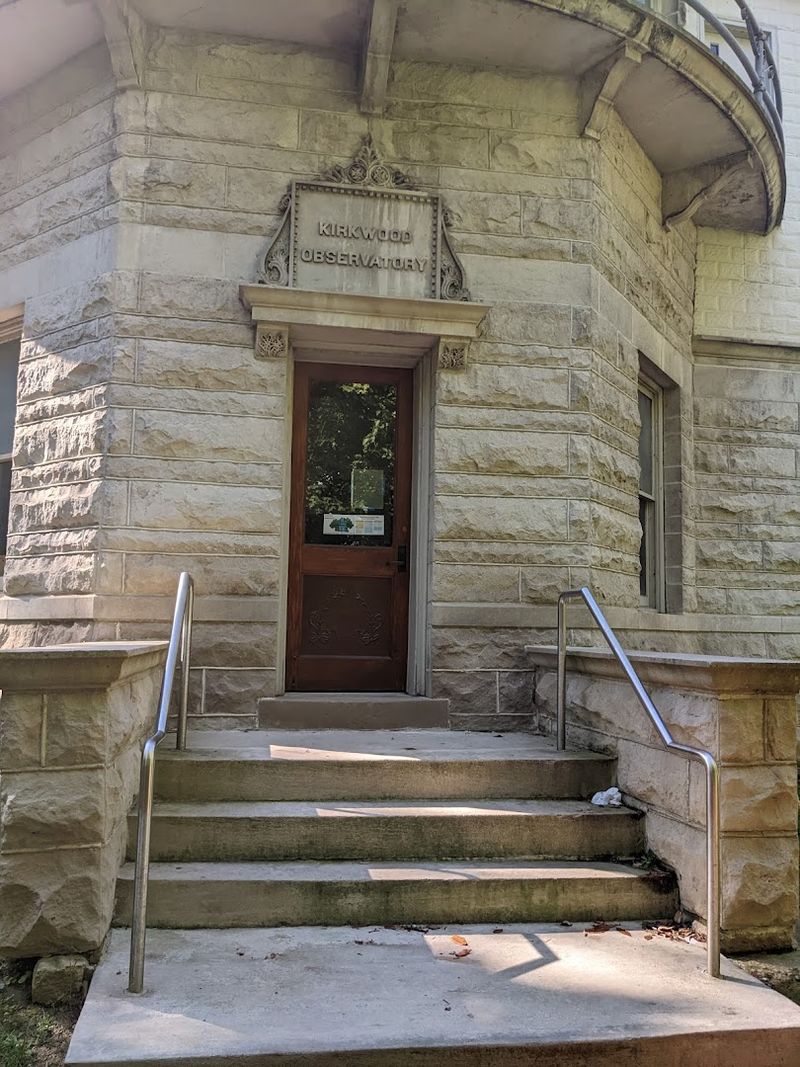
Building a full day around a Kirkwood Observatory visit is easy because Bloomington has so much going on within a short walk or drive of campus. The Indiana University Art Museum, located at 1133 E 7th St, Bloomington, IN 47405, houses a genuinely impressive collection that includes African, Asian, and ancient art alongside modern works.
It is a great way to spend an afternoon before an evening viewing session.
For food before or after, Lennie’s Restaurant at 1795 E 10th St, Bloomington, IN 47408 is a Bloomington institution with a long history and a menu that satisfies most cravings. The Owlery at 613 W 6th St, Bloomington, IN 47404 is a popular spot for casual meals with a friendly vibe.
Both are close enough to campus that timing your dinner around a Wednesday night session at Kirkwood is completely doable.
If you want to stay outdoors before the stars come out, Griffy Lake Nature Preserve at 4300 N Dunn St, Bloomington, IN 47408 offers hiking trails and a peaceful reservoir that feels far removed from campus bustle. Bryan Park at 1100 W Howe St, Bloomington, IN 47403 is another local favorite with green space and room to relax.
Bloomington rewards slow exploration, and a Kirkwood visit fits naturally into a day that starts outside and ends under the stars.
Dear Reader: This page may contain affiliate links which may earn a commission if you click through and make a purchase. Our independent journalism is not influenced by any advertiser or commercial initiative unless it is clearly marked as sponsored content. As travel products change, please be sure to reconfirm all details and stay up to date with current events to ensure a safe and successful trip.
