There is a moment every spring in this part of Iowa when the air itself seems to vibrate. The limestone bluffs rise up around you, the woods are still half bare from winter, and then it hits you, a wall of sound so intense you genuinely cannot hear the person standing next to you.
Tiny frogs no bigger than your thumb are responsible for all of it. I had heard people describe the chorus before, but nothing really prepares you for hearing it live. Each individual peeper makes a sharp, high pitched sound by pushing air across its vocal sac, which balloons out like a tiny bubble.
From a quarter mile away, the sound still carries clearly. On calm spring nights, the chorus can travel over two miles across the quiet landscape. If you have never stood at the edge of an Iowa wetland in April and felt the sound almost push against your chest, this is your sign to go.
The Frogs Behind the Noise: Meet the Spring Peeper
Most people picture frogs as big, bulky creatures that make a slow, deep croak. Spring peepers completely flip that expectation on its head.
These little guys are usually less than an inch and a half long, roughly the size of a large paperclip, yet they produce a call that can hit 90 decibels when you are standing close.
That is about as loud as a motorcycle engine. Each individual peeper makes a sharp, high-pitched “peep” sound by pushing air across its vocal sac, which balloons out from its throat like a tiny bubble.
The sound is surprisingly clean and piercing for something so small.
The species, known scientifically as Pseudacris crucifer, gets its name from the faint X-shaped marking on its back. They are brownish or tan, which makes them nearly invisible against dead leaves and bark.
You will almost certainly hear hundreds of them before you ever spot a single one.
Spring peepers are among the very first frogs to call in Iowa each year, often starting up in March when temperatures barely creep above freezing at night. Their early arrival makes them a genuine sign that winter is finally losing its grip on the landscape.
Clayton County’s Limestone Bluff Ponds: What Makes This Place Different
Clayton County sits in the far northeastern corner of Iowa, and it looks nothing like the flat farmland most people associate with the state. Rugged limestone bluffs cut through the terrain, carved out over thousands of years by rivers and glacial activity.
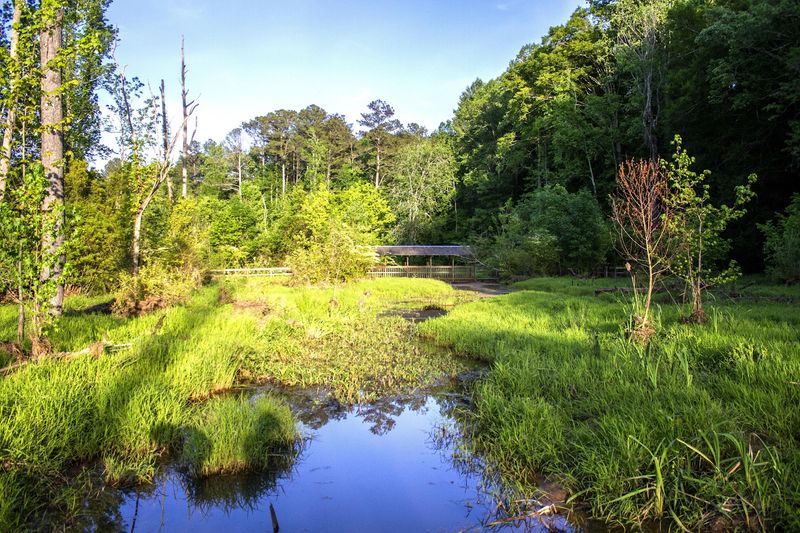
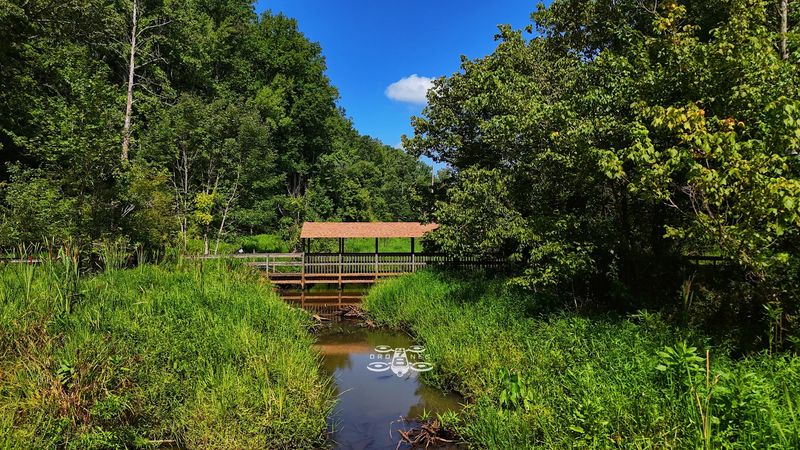
The result is a patchwork of wooded hillsides, hidden ravines, and small seasonal ponds that collect snowmelt and spring rain.
These limestone bluff ponds are exactly the kind of habitat spring peepers love. They prefer small, shallow wetlands, often ones that dry up completely by midsummer, because fish cannot survive in them long enough to eat the frog eggs.
No fish means safer breeding grounds, which is why peeper populations in these ponds can be genuinely enormous.
The bluffs also trap sound in interesting ways. Standing near one of these ponds during peak calling season, the noise bounces off the rock faces and echoes through the trees, making the chorus feel even larger and more immersive than it already is.
It is a geological accident that turned into a perfect amphitheater for one of nature’s loudest performances.
Eastern Iowa does not get nearly enough credit for its dramatic landscapes, and Clayton County is one of the best arguments for paying closer attention to this corner of the state.
How Loud Is It Really? The Science of the Chorus
People often use the word “loud” loosely, but with spring peeper choruses, the numbers are genuinely staggering. A single peeper calling from about 50 centimeters away registers at roughly 90 decibels.
Now multiply that by hundreds, sometimes thousands, of males all calling simultaneously from the same pond.
The combined chorus has been measured at levels that audiologists would classify as potentially harmful to human hearing over extended exposure. Visitors who stand at the pond’s edge for a long time sometimes notice a faint ringing in their ears afterward, the same effect you might get from standing too close to a speaker at a concert.
From a distance of a quarter mile or more, the sound still carries clearly at around 65 decibels, comparable to a busy restaurant. On calm spring nights in Clayton County, the peeper chorus can travel over two miles across the quiet landscape.
People living near these bluff ponds sometimes hear the frogs from inside their homes with the windows shut.
The sound has been compared to sleigh bells, a telephone switchboard, and a sustained whistle all at once. None of those comparisons fully capture it.
The only way to truly understand the scale of the noise is to stand there yourself and feel it.
When to Visit: Timing Your Trip for Peak Peeper Season
Timing is everything with spring peepers, and getting it wrong by even a couple of weeks can mean missing the main event entirely. In Clayton County, the calling season typically kicks off sometime in late March or early April, depending on how quickly the ice melts off the ponds and how warm the nights get.
The sweet spot for visiting is usually mid-April through early May, when male peepers are calling at full intensity to attract mates. Warm, humid evenings after a light rain are absolutely the best conditions.
The frogs seem to call even more frantically on those nights, and the air has that rich, earthy smell of wet soil and new leaves.
Visiting during the day is fine for exploring the trails and taking in the bluff scenery, but the real spectacle happens after sunset. Peepers call most actively in the evening and through the night, so plan to stay out past dark if you want the full experience.
Bring a flashlight, wear waterproof boots, and dress in layers because spring nights in northeastern Iowa can still get surprisingly cold.
By late May, the calling winds down significantly as breeding wraps up. The frogs do not disappear, they just go quiet and blend back into the forest, almost like they were never there at all.
Joy Springs County Park: The Gateway to the Bluff Pond Experience
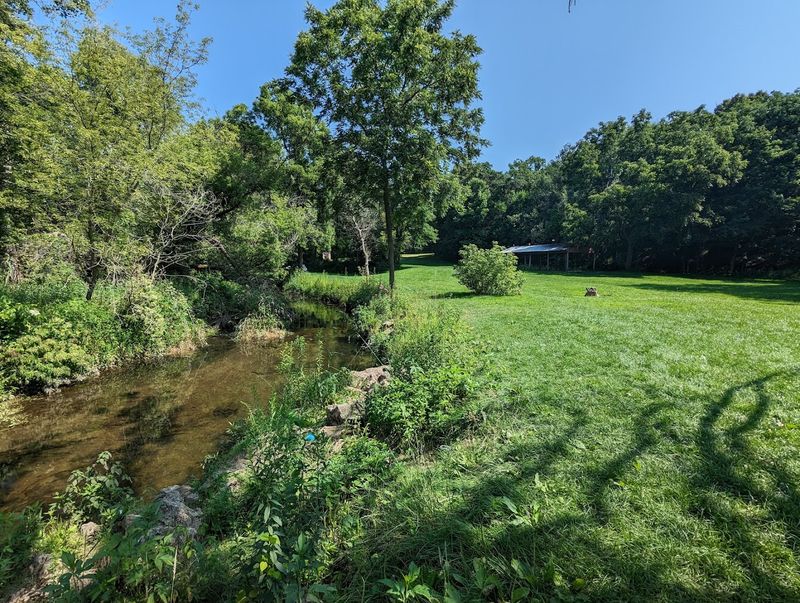
Joy Springs County Park is one of the best access points for exploring the limestone bluff terrain of Clayton County, and it happens to sit right in the middle of prime spring peeper country. The park is tucked into a wooded valley where the headwaters of the Maquoketa River begin, fed by cold, clear springs that keep the stream running even in dry summers.
The trails here are short but genuinely rewarding. You move through a mix of open meadow, dense woodland, and rocky bluff terrain, all within a compact area that does not require a full day to explore.
The stream itself is stocked with trout, so anglers often share the trails with hikers and wildlife watchers in spring.
What makes Joy Springs particularly good for peeper hunting is its combination of woodland and small wetland areas nearby. The park sits in a valley that collects moisture from the surrounding bluffs, creating the kind of damp, sheltered habitat these frogs thrive in.
On a warm April evening, the calling can be heard clearly from the campground and picnic areas.
The park is well-maintained by Clayton County Conservation and offers primitive camping for those who want to spend a full night listening to the chorus under the stars. Address: 37771 Alpha Ave, Strawberry Point, IA 52076.
Wildlife Beyond the Frogs: What Else Lives in the Bluff Pond Ecosystem
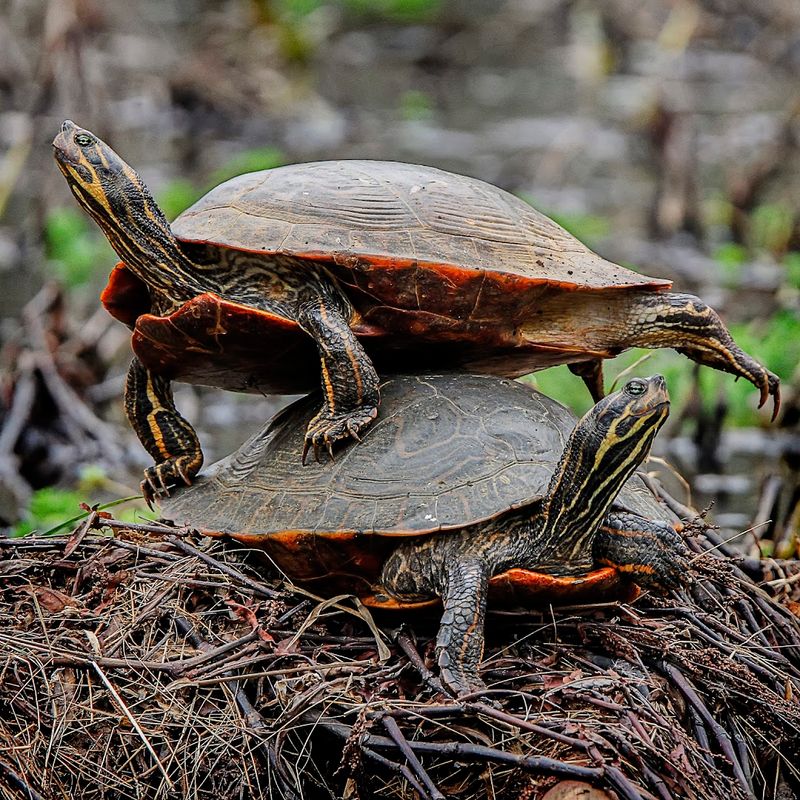
Spring peepers get all the attention in April, and honestly they deserve it, but the limestone bluff pond ecosystem supports a surprising range of wildlife beyond just the loudest frogs in the Midwest. Wood ducks are a common sight on these small ponds during spring migration, their iridescent plumage almost looking out of place against the muddy early-season water.
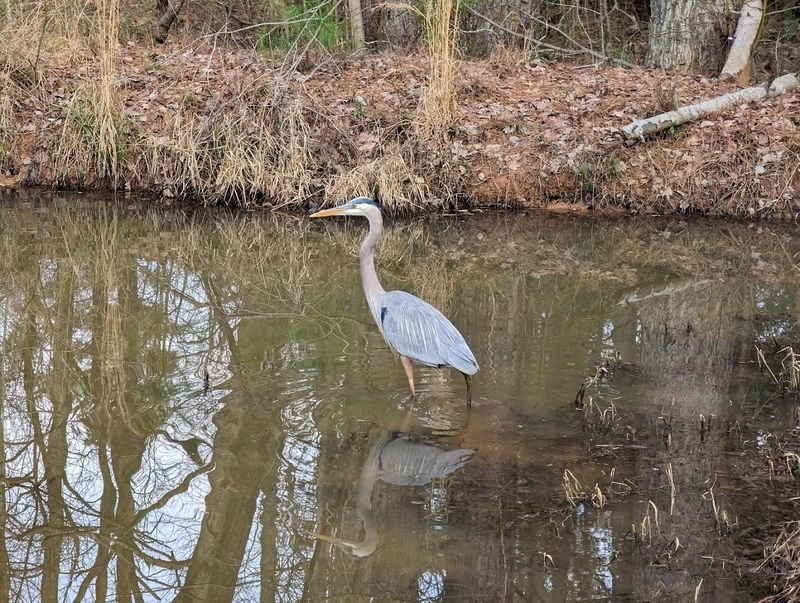
Great blue herons frequently patrol the shallower edges, moving with that slow, deliberate patience that makes them look like they have all the time in the world. Red-winged blackbirds set up territories in the cattails and shrubby edges of wetlands, adding their raspy calls to the general spring noise.
The bluff areas also support nesting raptors, including red-tailed hawks and occasionally barred owls.
Wildflowers start appearing along the woodland floor in April, with trout lilies, bloodroot, and Dutchman’s breeches pushing up through the leaf litter before the tree canopy closes in. These early bloomers are a big reason why a spring visit to Clayton County feels like a full sensory experience, not just an auditory one.
Deer are almost guaranteed sightings in the early morning and evening hours. Bring binoculars and take your time moving through the landscape slowly.
The bluff ponds reward patience in ways that a quick walk-through simply cannot.
How to Make the Most of Your Visit to the Limestone Bluff Ponds
A little preparation goes a long way when you are visiting the bluff ponds of Clayton County in spring. The terrain around these ponds is often soft and muddy, so waterproof boots or rubber boots are genuinely necessary rather than just a suggestion.
Wet feet get cold fast on April nights in northeastern Iowa.
A headlamp is more useful than a handheld flashlight because it keeps both hands free while you navigate uneven ground in the dark. Red-light mode, if your headlamp has it, is ideal for nighttime wildlife watching since it is less disruptive to the animals around you.
Layers are smart because temperatures can swing dramatically between sunset and midnight in spring.
Insect repellent becomes important as the season progresses into May, when mosquitoes start sharing the wetland habitat with the frogs. Earlier in April, bugs are usually not a major issue.
A simple field guide to Iowa amphibians adds a lot of value to the experience, helping you identify other frog species that call alongside the peepers.
Most importantly, resist the urge to walk right up to the pond’s edge and shine your light directly into the water. The frogs go silent immediately when they sense a threat.
Hang back, stay still, and let the chorus build around you. That patience is what turns a good visit into an unforgettable one.
