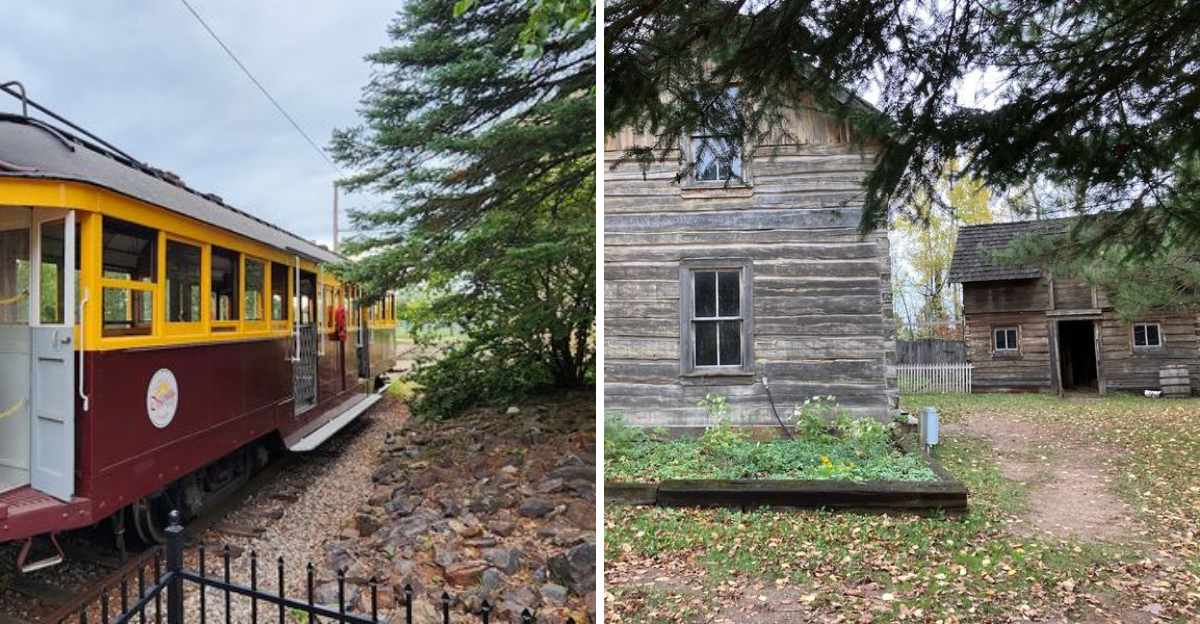
A vintage trolley from the 1920s rattles along tracks that lead straight into a different century. I climbed aboard and the wooden seats creaked like they remembered every passenger from the last hundred years.
Minnesota knows how to bring history to life without making it feel like a dusty textbook lesson. The trolley stops at a recreated mining town where buildings look frozen in time but completely real.
I walked into a general store and half expected to see a shopkeeper in an old apron behind the counter. The sound of pickaxes and mining equipment echoes through the displays like ghosts of hardworking miners still present.
Kids ran toward the trolley with excited screams because trains from the past feel like pure magic to little eyes. Minnesota’s Iron Range has stories to tell and this museum tells them with authentic charm and no boring moments.
I spent hours wandering through buildings and reading signs and imagining what life felt like back then. A ride on that old trolley is worth the trip all by itself honestly.
The Vintage 1920s Trolley Ride
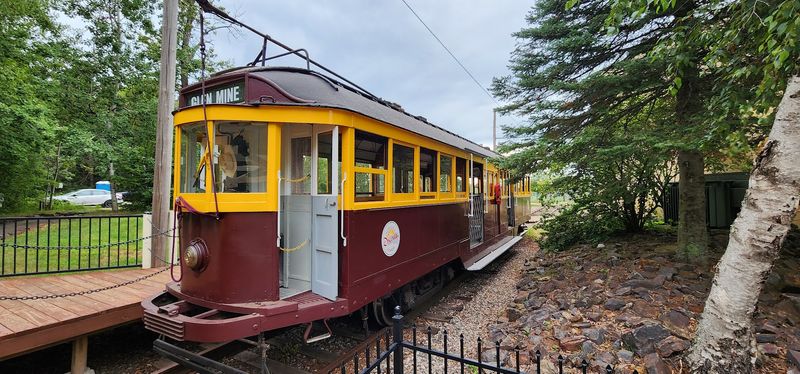
Climbing aboard the vintage 1920s trolley is the kind of moment you remember for years. The old wooden seats creak just enough to remind you how far back in time this vehicle reaches.
It feels less like a museum activity and more like a genuine step into another era.
The trolley moves at a relaxed pace through the beautiful Iron Range scenery. Your guide narrates the journey with real knowledge and enthusiasm, sharing stories about the land, the mines, and the people who shaped this region.
The combination of motion, fresh air, and storytelling makes it surprisingly absorbing.
Visitors consistently call this the highlight of their trip. Kids love the novelty of riding something so old and different.
Adults find themselves leaning in to catch every detail the guide shares. The ride lasts long enough to feel satisfying but short enough to leave you wanting more.
It is simply one of the coolest things you can do in northern Minnesota.
The Recreated Mining Ghost Town at Glen Location
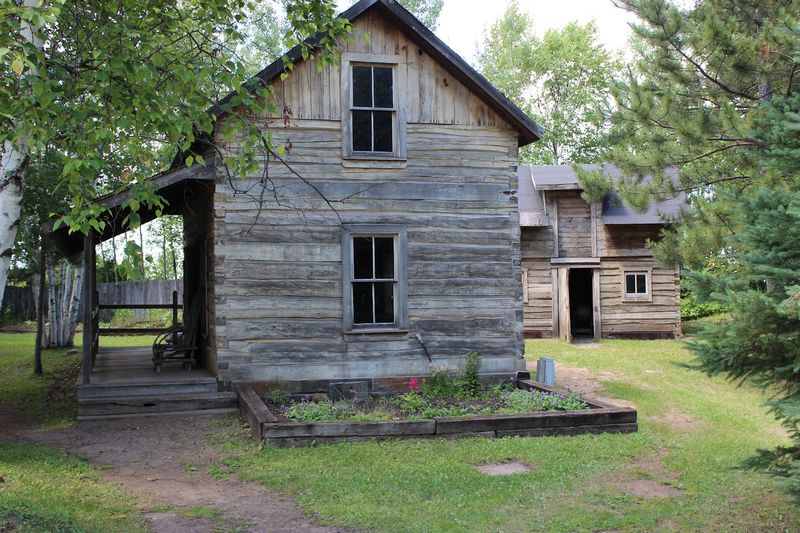
At the end of the trolley line sits something truly unexpected. Glen Location is a recreated mining town that pulls you back to the early 1900s, when immigrant workers built rough lives in rough conditions.
Walking its dirt paths feels oddly quiet and personal.
The buildings are carefully reconstructed to reflect what life actually looked like for miners and their families. You get a real sense of how tight and demanding daily existence was.
Small details, like worn wooden doorframes and period tools, make everything feel grounded rather than theatrical.
Spending time here adds serious depth to the whole visit. It is not just about looking at old structures.
It is about understanding what drove people to leave their home countries, endure brutal winters, and carve out a future in a strange land. The emotional weight of that story lingers long after you leave.
Pair this stop with the trolley ride and you have a complete, memorable experience that younger visitors and history lovers will both appreciate fully.
The Iron Range History Museum Exhibits
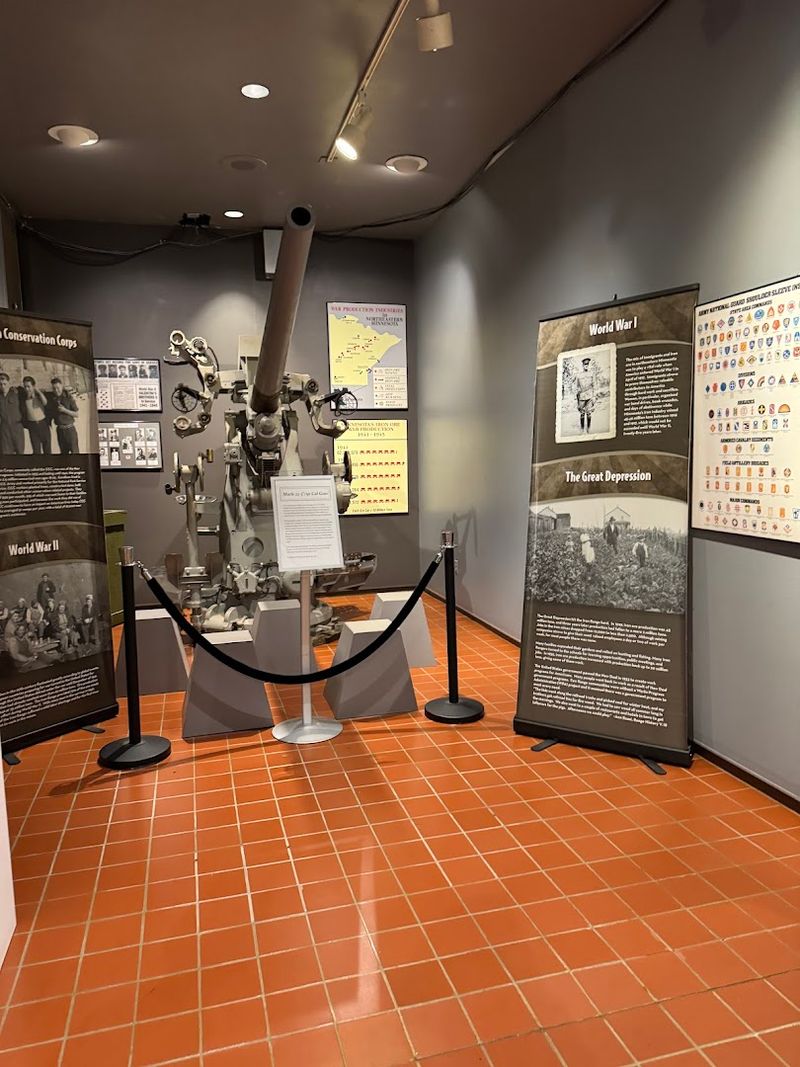
Walking through the main museum building feels like peeling back layers of a story most people outside Minnesota have never heard. The exhibits cover iron mining, immigrant communities, native peoples, and the labor movement with genuine care and detail.
Nothing feels rushed or surface-level here.
One thing that surprised me was how interactive and layered the displays are. There are file cabinets and binders tucked into exhibits that contain far more information than what hangs on the walls.
Curious visitors who dig a little deeper will find themselves absorbed for hours without noticing the time passing.
The first floor holds most of the major exhibits, making the space accessible and easy to navigate. Everything is clean, well-maintained, and thoughtfully organized.
A standout feature is the genealogy department, which has helped local families trace their roots back to the old country. If your family has Iron Range connections, that room alone could keep you busy for an entire afternoon.
The museum is genuinely bigger and richer than it first appears from outside.
The Immersive Iron Range Documentary Theater
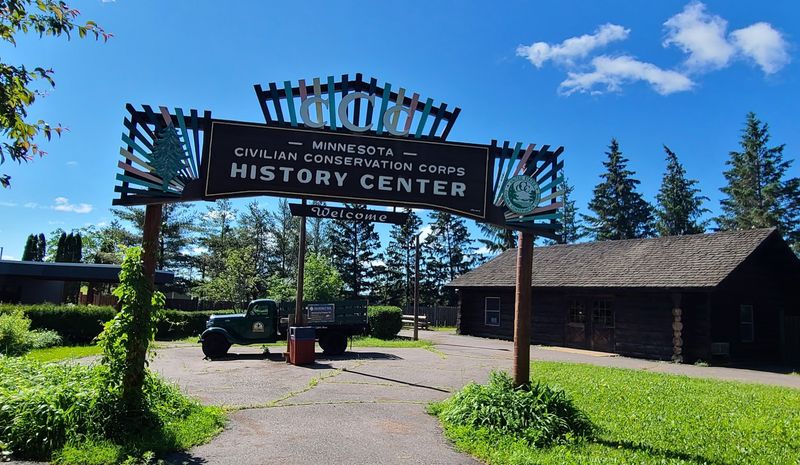
Tucked inside the museum is a comfortable theater that runs a documentary film on a continuous loop. The movie covers the immigrant experience on the Iron Range, and it does so with real emotional honesty.
Sitting down to watch it felt like a natural pause in the middle of a busy visit.
The film runs about 45 minutes and manages to cover a remarkable amount of ground. It touches on the CCC, the importance of labor unions, and what daily life looked like for the thousands of workers who poured into this region from across Europe.
The storytelling is clear and engaging without being overly academic.
Even visitors who are not big history fans tend to find themselves drawn in. The theater itself is comfortable, which helps.
After walking through exhibits, having a proper seat and a well-produced film to anchor everything together is a smart design choice. It gives context to everything else you see in the museum.
The Genealogy Research Center
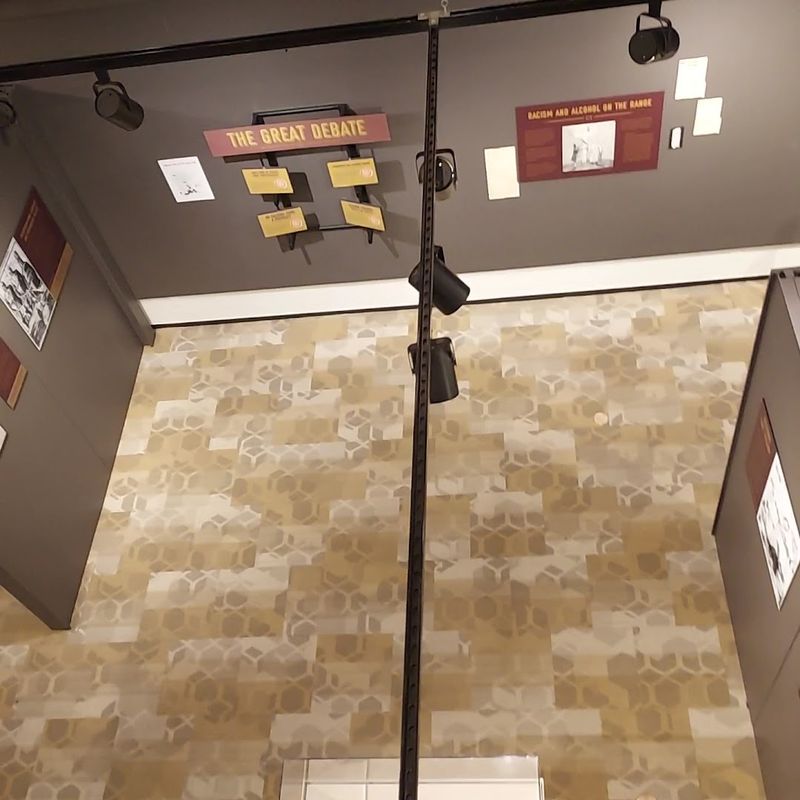
Not many museums have a dedicated genealogy department, but this one does, and it is genuinely impressive. The research center holds records, documents, and family histories connected to the Iron Range’s immigrant communities.
For anyone with roots in this region, it is an unexpectedly personal experience.
I heard from one long-time visitor who spent a full hour in that department without realizing how quickly time had passed. That kind of absorption does not happen at every museum.
The staff and resources make it possible to trace family lines back to the old countries that sent workers here generations ago.
Even visitors without personal family ties to the area find it fascinating. Browsing through records and understanding how communities formed around the mines adds a human layer to everything else in the building.
History stops being abstract when you see actual names and actual families. The genealogy center is open to the public and does not require an appointment for general browsing.
The Pumpkin Festival and Seasonal Trolley Events
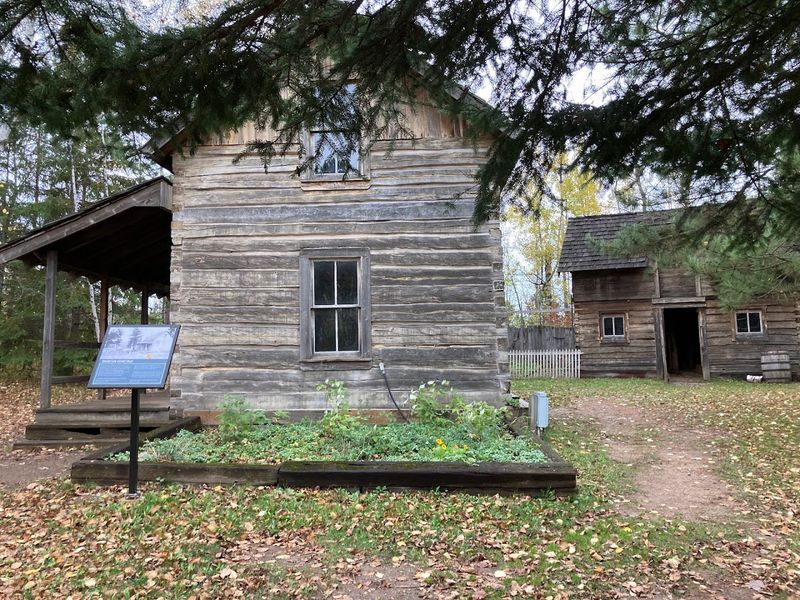
The Minnesota Discovery Center does not slow down when summer ends. The fall season brings the Trolley Ride Pumpkin Festival, and it is exactly as charming as it sounds.
Families load up on the vintage trolley, roll out to the historic site, and let the kids pick pumpkins in the open air.
There is also a small petting farm that shows up during these seasonal events, which younger visitors absolutely love. The combination of a trolley ride, a historic site walk, pumpkin picking, and animal encounters packs a serious amount of fun into a manageable afternoon.
It is the kind of outing that creates lasting memories without requiring a complicated plan.
The food court on-site means you can grab lunch before your scheduled trolley time, which makes the whole day feel smooth and easy. Seasonal events like this show how thoughtfully the center is run.
They take an already strong core experience and layer on extras that make repeat visits feel fresh and worthwhile.
The Mini Golf Course on the Grounds
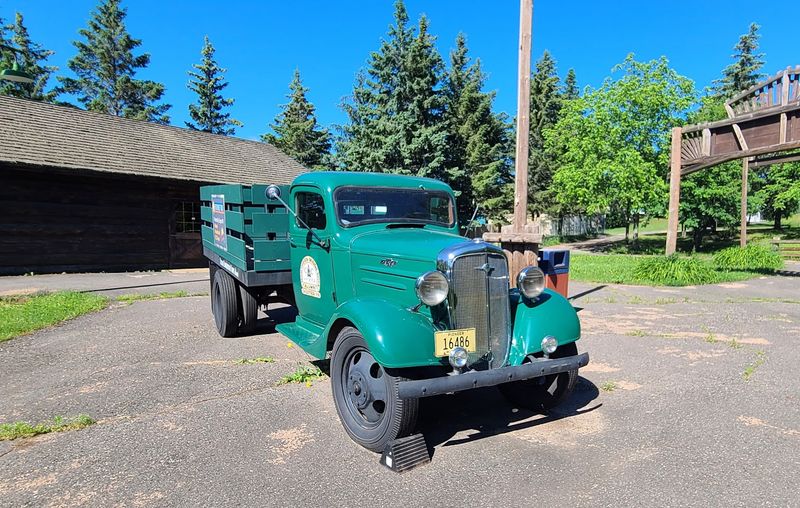
After spending hours inside the museum and riding the trolley, the mini golf course feels like a perfect way to decompress. It sits on the grounds and offers a fun, low-key challenge that works for all ages.
The course is described by visitors as both fun and genuinely tricky in spots.
Mini golf might seem like an odd addition to a history museum, but it fits the overall vibe of this place perfectly. The center wants to be a full-day destination, not just a two-hour stop.
Having an outdoor activity to round out the experience keeps energy up, especially for younger visitors who may need a break from exhibits.
The scenery around the course is beautiful, particularly in fall when the trees turn. Even if golf is not your thing, walking the grounds and taking in the natural landscape is worthwhile on its own.
The outdoor space at the Minnesota Discovery Center is expansive and well-kept.
The Children’s Play Area and Family-Friendly Design
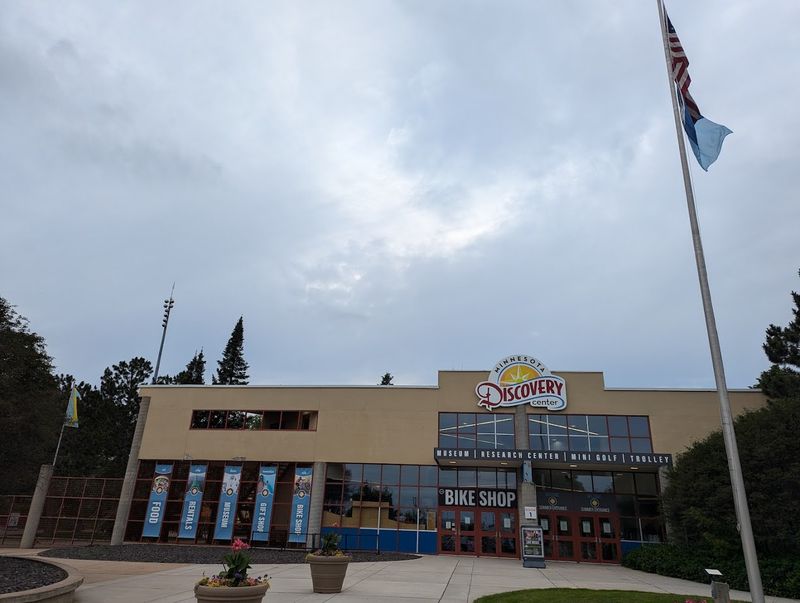
Families traveling with young children will notice right away that this place was designed with them in mind. There is a dedicated play area tucked into the museum that has a single entrance point, keeping kids contained and parents relaxed.
That kind of thoughtful design detail makes a real difference on a busy visit.
The play space gives younger kids a place to burn energy while older family members explore nearby exhibits. It keeps the pacing of a family visit from falling apart, which is a common problem at museums that do not account for different age groups.
Here, everyone seems to find their lane naturally.
Beyond the play area, the exhibits themselves are accessible and engaging for kids at various ages. Hands-on elements, clear visuals, and the sheer drama of the trolley ride all hold younger attention well.
The center is also fully handicap accessible, which makes it welcoming to visitors of all abilities. Clean bathrooms, wide corridors, and thoughtful layout choices show that accessibility was not an afterthought.
The Redhead Mountain Bike Park and Outdoor Trails
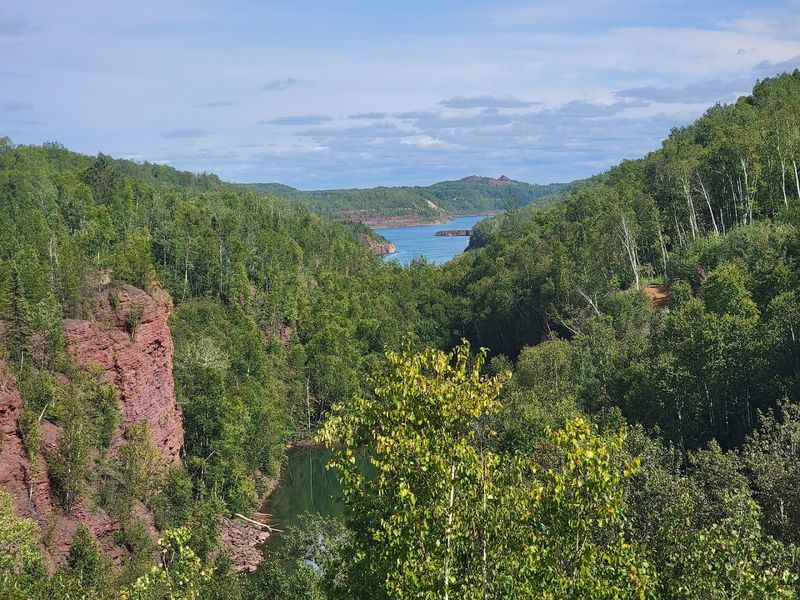
Right next to the Minnesota Discovery Center sits the Redhead Mountain Bike Park, and it is a serious bonus for anyone who loves outdoor adventure. The trails wind through stunning Iron Range terrain and cater to a range of skill levels.
Even casual walkers enjoy the paths for a peaceful stroll through the trees.
The combination of a world-class museum and quality trail access in the same location is genuinely rare. You can spend the morning learning about mining history and the afternoon exploring the forest on two wheels or on foot.
The natural beauty of the area amplifies everything about the visit.
The trails are well-maintained and easy to access from the main Discovery Center grounds. Fresh air, quiet paths, and colorful trees in fall make this outdoor component feel essential rather than optional.
If you are the type who needs to move between sitting and exploring, the trail system here gives you exactly that balance.
Planning Your Visit to Minnesota Discovery Center
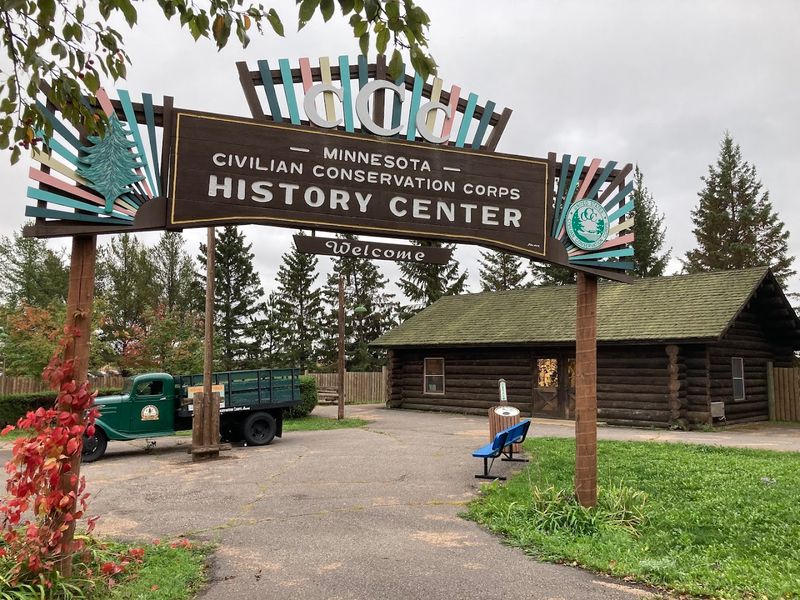
Getting the most out of a trip here starts with a little planning. The center is open Tuesday through Saturday, with extended hours on Thursdays until 8 PM.
It is closed on Sundays and Mondays, so checking the schedule before you go saves a lot of disappointment. The website at mndiscoverycenter.org has current event listings and seasonal programming details.
Arriving with enough time to do both the museum and the trolley ride is important. Many visitors underestimate how much there is to see and end up wishing they had more time.
A half-day at minimum is recommended, and a full day is even better if you plan to explore the trails or play mini golf.
Groups and families of four or more should look into the pass options, as the savings can be significant. The center also hosts events throughout the year, from butterfly releases to presentations on mining history and labor unions.
Every visit seems to offer something a little different.
Address: Minnesota Discovery Center, 1005 Discovery Dr, Chisholm, MN 55719
