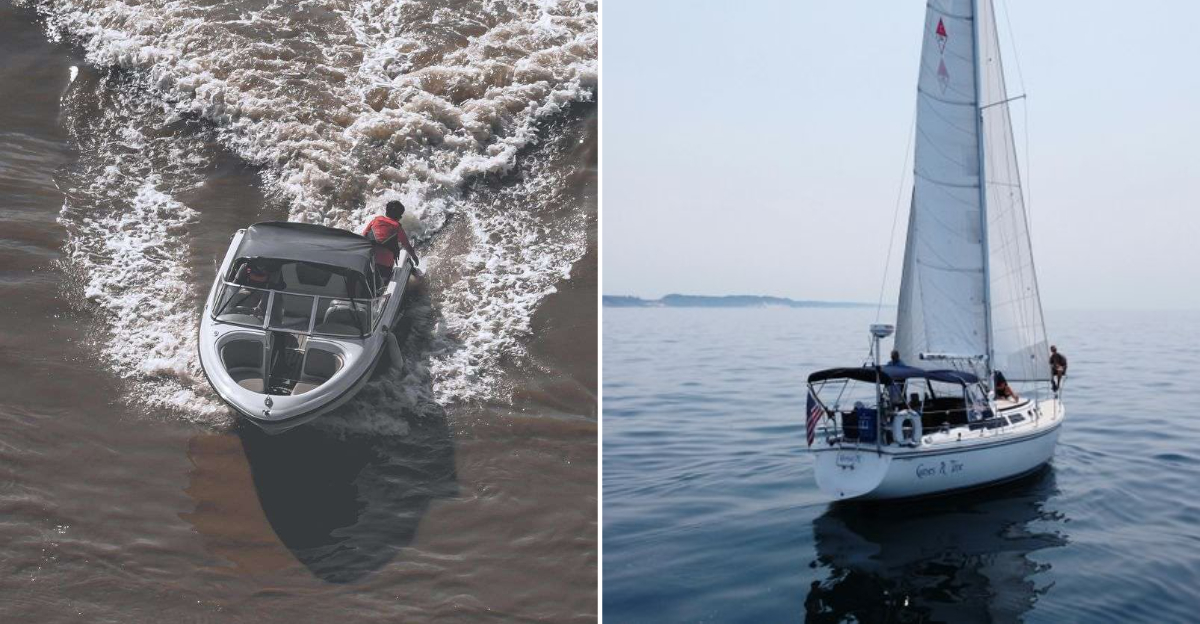
Have you ever noticed how boating feels different when tourists hit the lakes? In Michigan, that’s been a growing conversation.
The state’s waterways are a big draw, but not everyone who visits takes the time to learn the rules.
Locals are used to things like slowing down in no-wake zones, keeping life jackets handy, and respecting speed limits near shore.
Tourists, on the other hand, sometimes jump straight into the fun without realizing those guidelines exist.
The result? Crowded weekends where experienced boaters find themselves dodging newcomers who don’t always know the boundaries.
It’s not always intentional. Many visitors simply aren’t familiar with the regulations or assume boating is as simple as driving a car.
Still, the mix of seasoned boaters and first-timers can create tension and safety concerns. Michigan’s lakes are meant to be enjoyed, but they also depend on everyone playing by the same rules.
The challenge now is clear: how do you keep the fun alive while making sure the water stays safe for everyone?
1. Forgetting The Basics, Life Jacket Rules Ignored
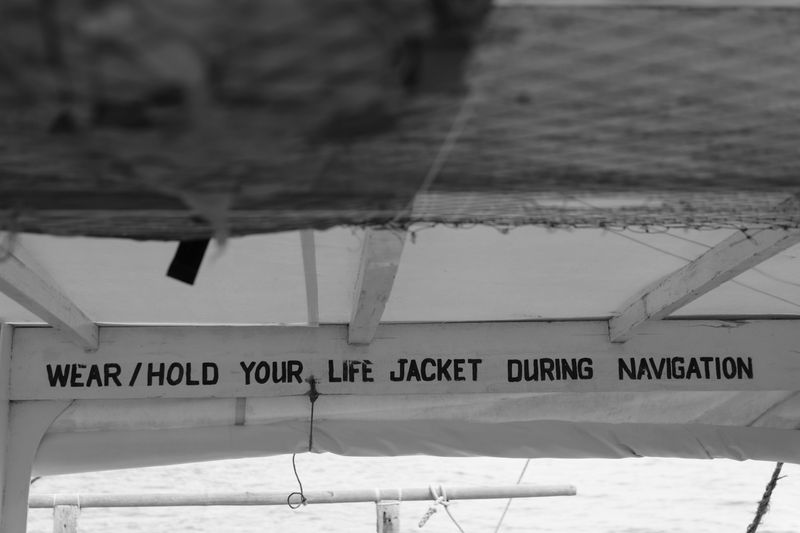
It always starts with a sunny launch and a pile of gear, but the life jackets get ignored.
Michigan law is clear about having a U.S. Coast Guard approved jacket for everyone on board, and kids in open areas need to wear one.
You would not skip seat belts on a road trip, so do not skip this. When the breeze picks up and the chop turns messy, that jacket goes from accessory to lifeline.
I have seen people fumble for one after a surprise swell, and that panic is a tough teacher. Bring the right sizes and check the buckles.
Here is the thing most folks forget. Drowning leads to many boating accidents, and most victims were not wearing proper jackets.
A jacket thrown into the boat floor does nothing when you slip. You need it on, snug, and the straps secure.
Tourists sometimes assume calm water means an easy day, but Michigan lakes change fast. One minute is glass, the next is whitecaps.
Keep jackets within reach for adults and on kids from the start of the ride.
If you rent, ask the dock crew to do a fit check. They have seen every scenario and know how to spot gear that is worn out.
Swap anything that feels loose or frayed. Keep spares because someone always forgets.
If you plan to hit open water, wear the jacket without debate. Just know it is about getting back to shore without a scare.
2. Skipping Safety Courses Before Taking The Helm
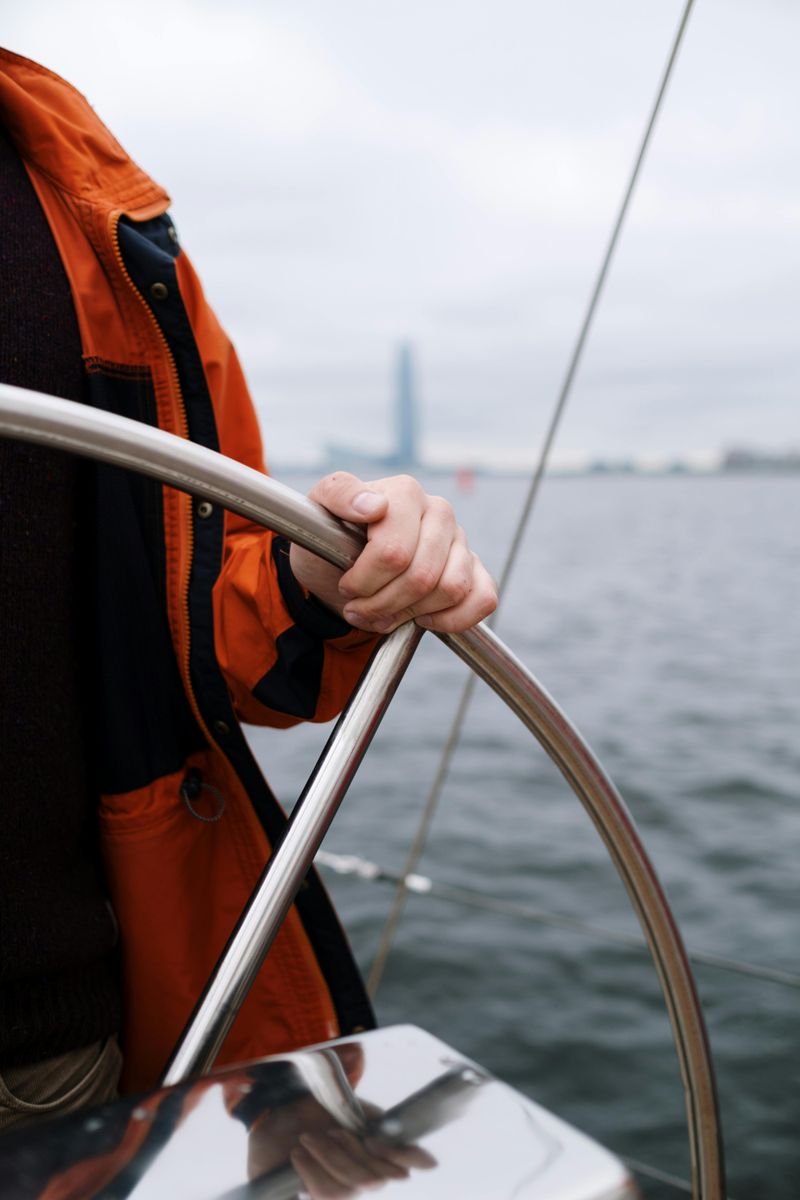
A lot of visitors grab the keys and figure they will wing it. That works with a rental car, not with a boat.
The state expects operators born after a certain date to carry a boating safety certificate, and the point is not red tape, it is skill.
You learn right of way, how to read markers, and what to do when things go sideways. I have sat in those classes, and the real value is hearing stories from instructors who have seen it all.
Their tips stick when the water gets crowded.
If you are planning a lake day, book the course ahead of time. There are online options and in person sessions near busy harbors.
You will learn practical moves like controlled turns, docking without drama, and how to keep a lookout. Sounds basic, but in summer chaos those moves keep you calm.
Without training, people freeze at the worst moment. They misread a buoy or assume another skipper will dodge first, and that is how bumps happen.
Rentals will often ask for proof, and Michigan rangers do spot checks. Carry the certificate and know what it means.
You are not just avoiding a citation.
You are protecting your friends and your boat. The certificate also makes you a better guest on the water.
Locals notice careful steering and steady speeds. It is the difference between a relaxed cruise and a stressful lap around the lake.
3. No Wake Zones Turned Into Go Fast Zones
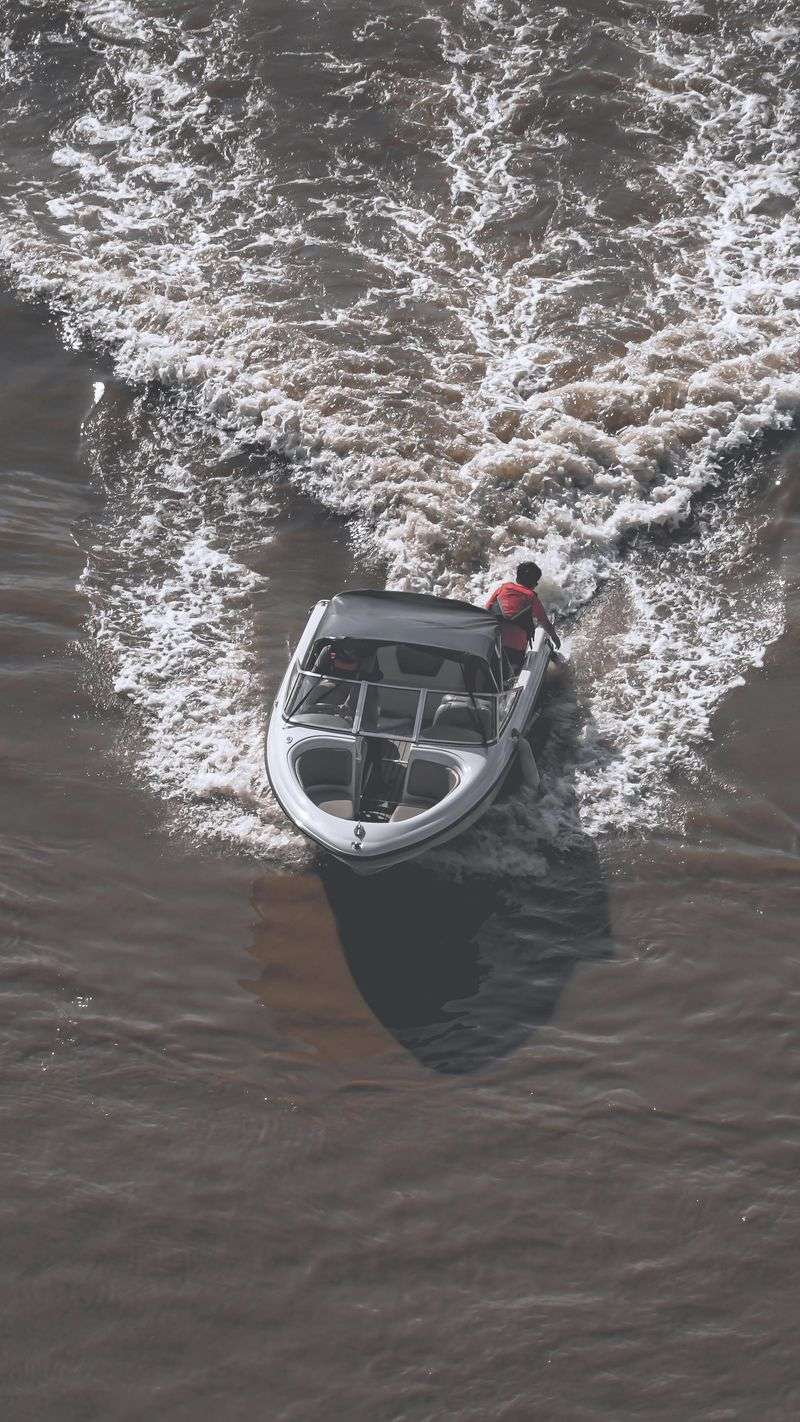
You know those signs that say “No Wake”, right? They are not suggestions.
In this state, those zones protect shorelines, swimmers, paddlers, and docked boats. When tourists blast through at speed, the waves slam seawalls and rock moorings.
I have watched dock lines creak and kayaks wobble from one careless pass. The ripple might look small, but at the shore it multiplies.
Slow really means idle speed, with minimal wake trailing behind you.
Think about fishermen, swimmers, and kids near ladders. A big wake can toss someone off balance in a second.
It also erodes beaches and stirs up sediment, which trashes water clarity. Enforcement is active around marinas, channels, and beach zones.
If you are not sure, slow down, scan for markers, and watch your wake trail. If it is fanning out, you are still too fast.
When in doubt, give docks a wide hug at low speed.
The local etiquette matters. Skippers will wave thanks when you glide by clean.
Push past the zone too quickly and you might see a patrol boat flip around. I have seen first timers claim they did not notice the sign, and that does not help.
Set your trim down, pull the throttle back, and keep the bow steady. It costs you a minute and earns you good will all day.
4. Too Many Boats, Too Little Lookout
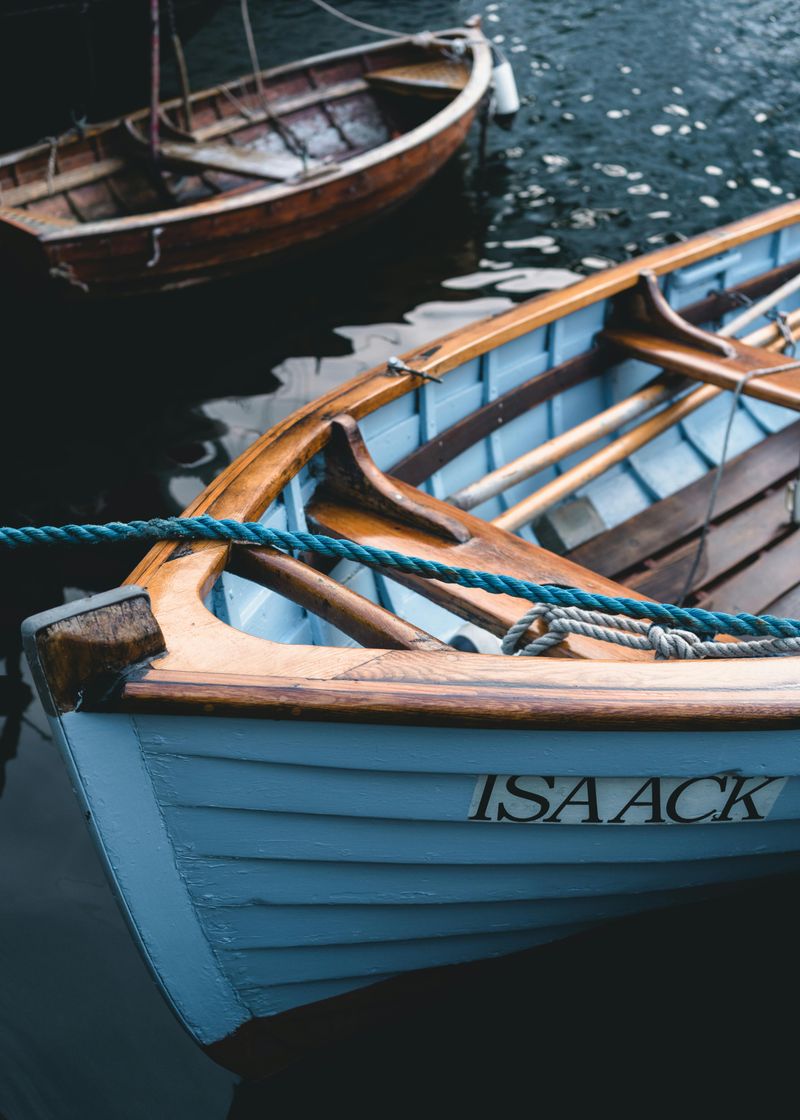
It is easy to zone out on a glassy lake, but that is exactly when mistakes creep in. Operator inattention sits high on Michigan incident lists, and summer traffic only amplifies it.
The fix sounds simple: keep a proper lookout. Scan ahead, scan near your bow, and scan your wake.
I talk to myself out loud when it gets busy. That little habit keeps the brain tracking who is where and what is next.
Assign a buddy to watch while you steer. Pontoons, jet skis, ski boats, paddlers, and anglers all behave differently.
You need to predict moves and leave space. If you are towing, your job doubles.
Make sure to watch your rider and watch the boat lane. Do not let music or chatter drown out situational awareness.
Cut distractions and your stress drops right away.
Use landmarks and buoys as mental checkpoints. If you cannot see around a point, slow down before the blind spot.
Near marinas and launch ramps, assume traffic pops up without warning. I like to keep one hand ready on throttle for quick trims and smooth decel.
That light touch saves you when another boat cuts across. On Michigan lakes, the kindest thing you can do is simply pay attention, steady and calm.
5. Excessive Speed, Thrills Meet Trouble
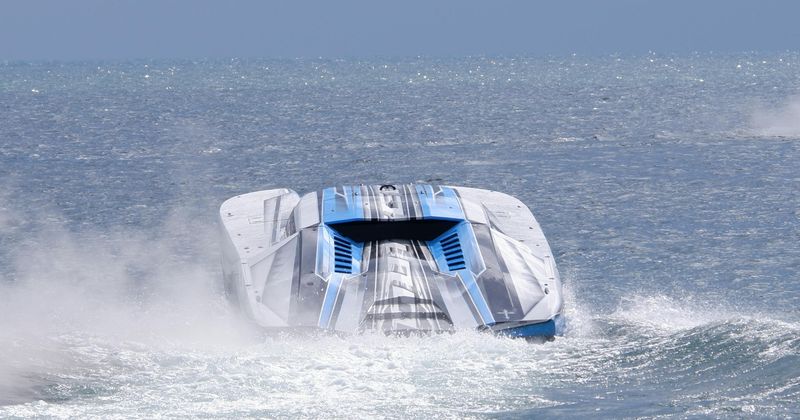
Speed feels fun until the horizon tightens. Michigan expects prudent speed, especially near beaches, channels, and marinas.
Tourists often mistake open water for a free lane, but traffic can pop up from any angle. The faster you go, the less time you have to react to a drifting pontoon or a sudden wake.
I get the thrill. I also like getting back to shore with everyone smiling.
Here is a smooth approach: push the throttle only when sightlines are long and traffic thins. Learn your boat’s handling at moderate speeds first.
Practice controlled turns while trimmed correctly, then add a little more power. If the hull starts bouncing or carving too wide, ease back.
You want stable and predictable, not dramatic spray. Remember, a bouncing bow means you are flirting with trouble.
Enforcement watches for reckless speed, especially near markers. A steady hand stands out to patrols.
They see you are thinking ahead and respecting the flow. That keeps everyone relaxed and the lake vibe friendly.
When you pass slower craft, give them space and keep your wake small. On Michigan water, smooth always beats fast.
6. Reckless PWC Use Steals The Spotlight
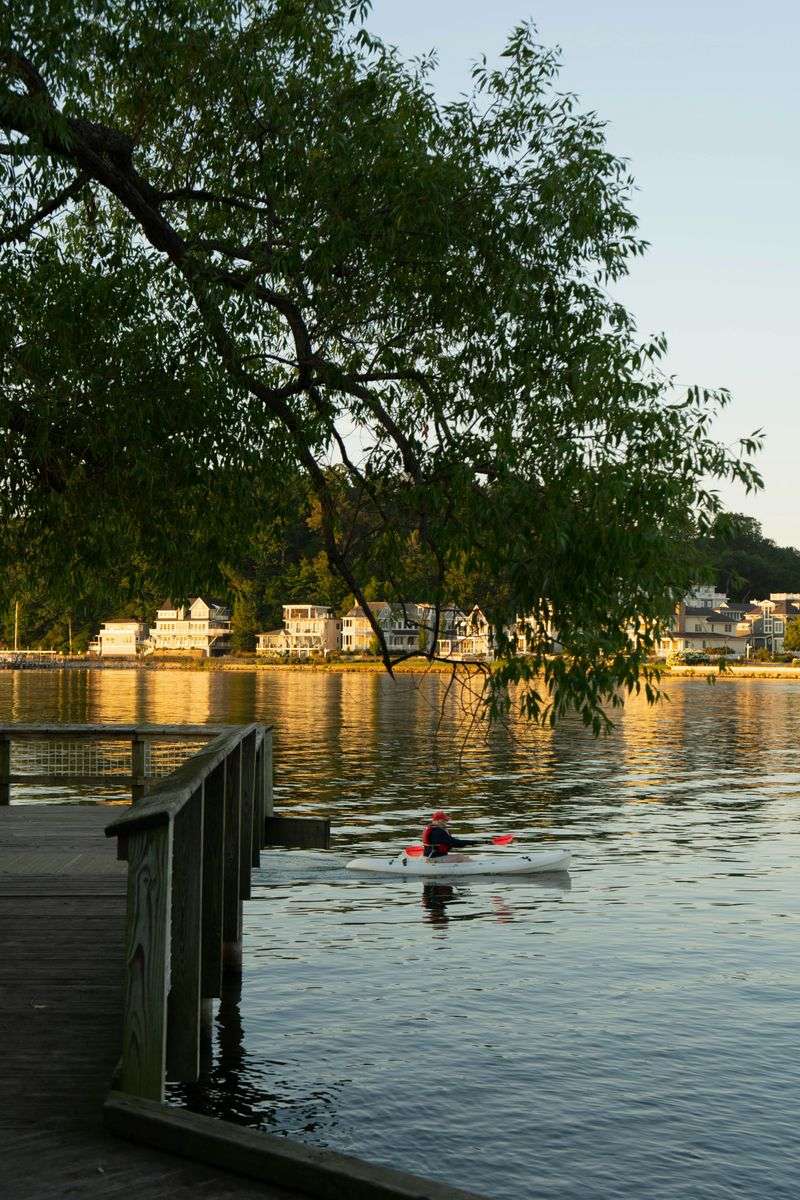
Jet skis draw eyes and phones, which is part of the problem. Riders weave through traffic or jump wakes, and suddenly the whole lake tenses up.
Michigan has clear rules for personal watercraft, including distance from vessels and shore. Many visitors just do not know them, and I get it.
The throttle response is addictive. But quick bursts near a docked boat or a swimmer zone are dangerous and illegal.
If you are renting, ask for a real briefing, not a hurried handoff. Learn starting procedures, cutoff switches, and emergency stops.
Make sure to keep a wide buffer from other boats and never cross their wake close behind. Your goal is smooth arcs, controlled speed, and zero surprises.
If you ride with friends, set a pattern and spacing before you leave the no wake area. Stay visible and predictable, and everyone relaxes.
Patrols here take reckless PWC moves seriously. Citations aside, the bigger risk is a sudden collision or a fall that sends you drifting into traffic.
Wear a snug life jacket and attach the lanyard. Keep your head on a swivel in busy channels.
I like early morning sessions when the water is calmer and traffic light. You get the play time without the chaos, and the day starts on a high note.
7. Unregistered And Unnumbered Boats Slip Through
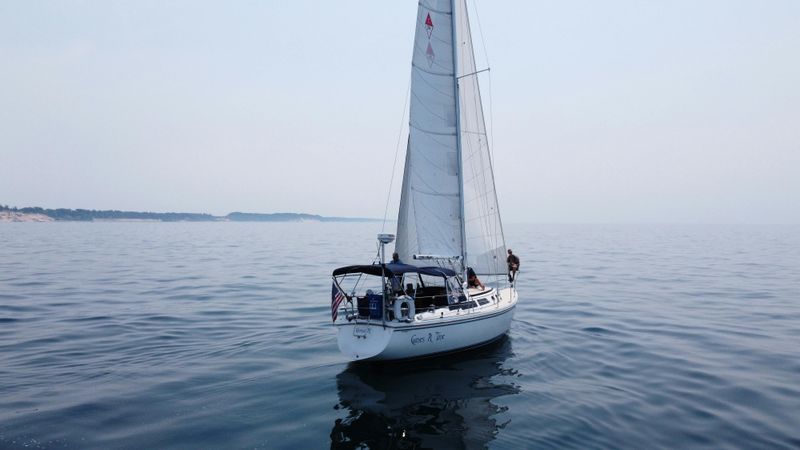
Tourists sometimes roll up with a borrowed boat or a new toy and forget the numbers. The state expects motorized boats to be registered and properly marked.
Those letters and stickers help with safety checks, incident reports, and returning lost vessels. If the bow looks bare, you might be setting yourself up for a stop before you leave the dock.
You can see patrols flag boats within minutes for missing or unreadable numbers.
Make sure the characters are the right size and placed correctly on both sides of the bow. Keep the paperwork on board in a dry spot.
If you just bought or rented, double check the decals are current and visible. Faded paint or a poor placement can get you questioned.
It is not just about fines. In a pinch, clear identification helps everyone communicate fast.
This is an easy win. Do a quick walkaround before launch and treat it like a preflight: numbers, lights, horn, and jackets, the basics.
It takes a minute and saves you hassle later. Michigan waterways run smoother when boats can be identified quickly.
If anything looks off, fix it at the ramp and then go enjoy the day. You will cruise out confident and uninterrupted.
8. Collisions With Other Boats Spike In Summer
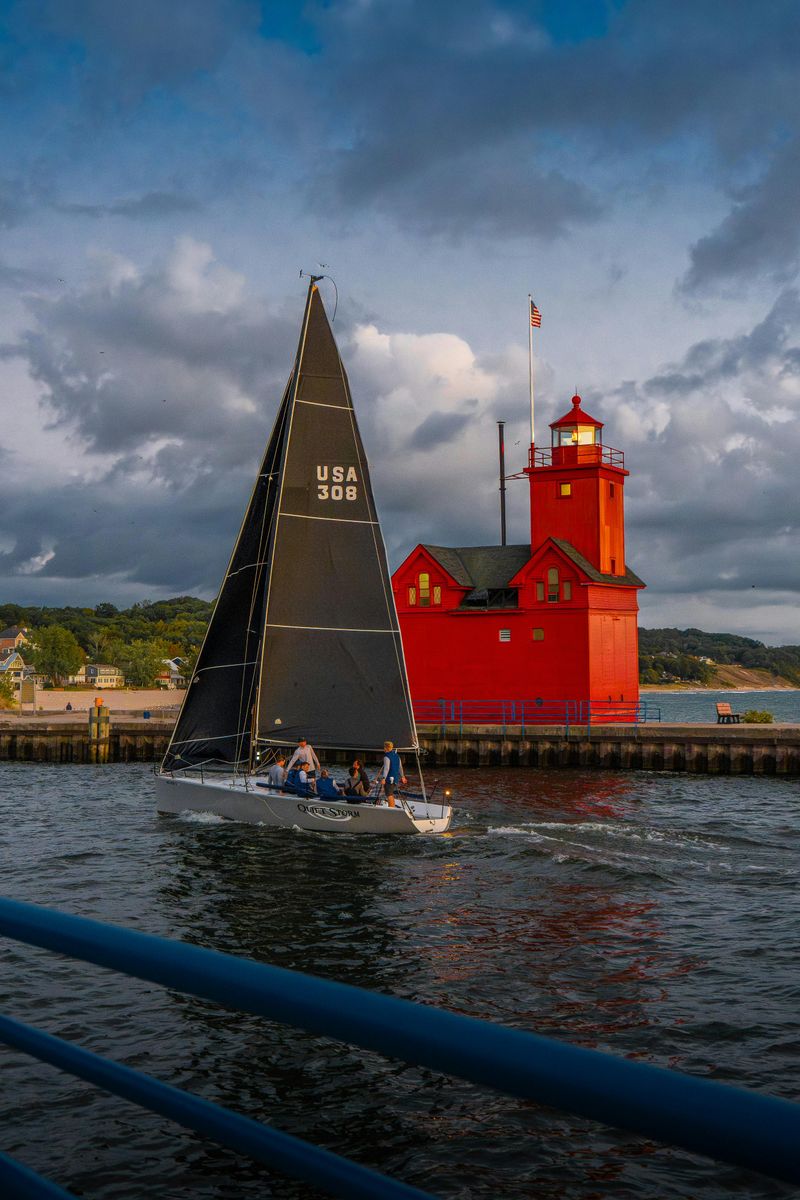
Summer brings the boom. Rentals, visiting families, and big group outings all share the same water.
Collisions rise when people do not understand the right of way or forget to slow in tight lanes. Michigan lakes can feel like roundabouts without signs.
You need to think ahead and make moves smooth and obvious. I like to point my bow where I plan to go and hold a steady course so others can read me.
Learn the basic crossing and overtaking rules before you leave the dock. When two boats converge, predictable speed and clear angles help everyone sort it out.
If you must yield, do it early and obviously. Avoid last second zigs that confuse the other skipper.
In narrow channels, line up like traffic, keep spacing, and pass only when it is clearly safe. A small pause beats a messy tangle every time.
Expect tight conditions near rental hubs and swim buoys. Slow sooner than you think and watch wakes stacking across paths.
If someone seems unsure, give them extra room and a friendly wave. Summers here are lively, and that is the fun of it.
Good manners on the water keep the mood bright. End the day with a clean hull and zero close calls, and you will feel like a pro.
9. Night Boating Without Proper Lights
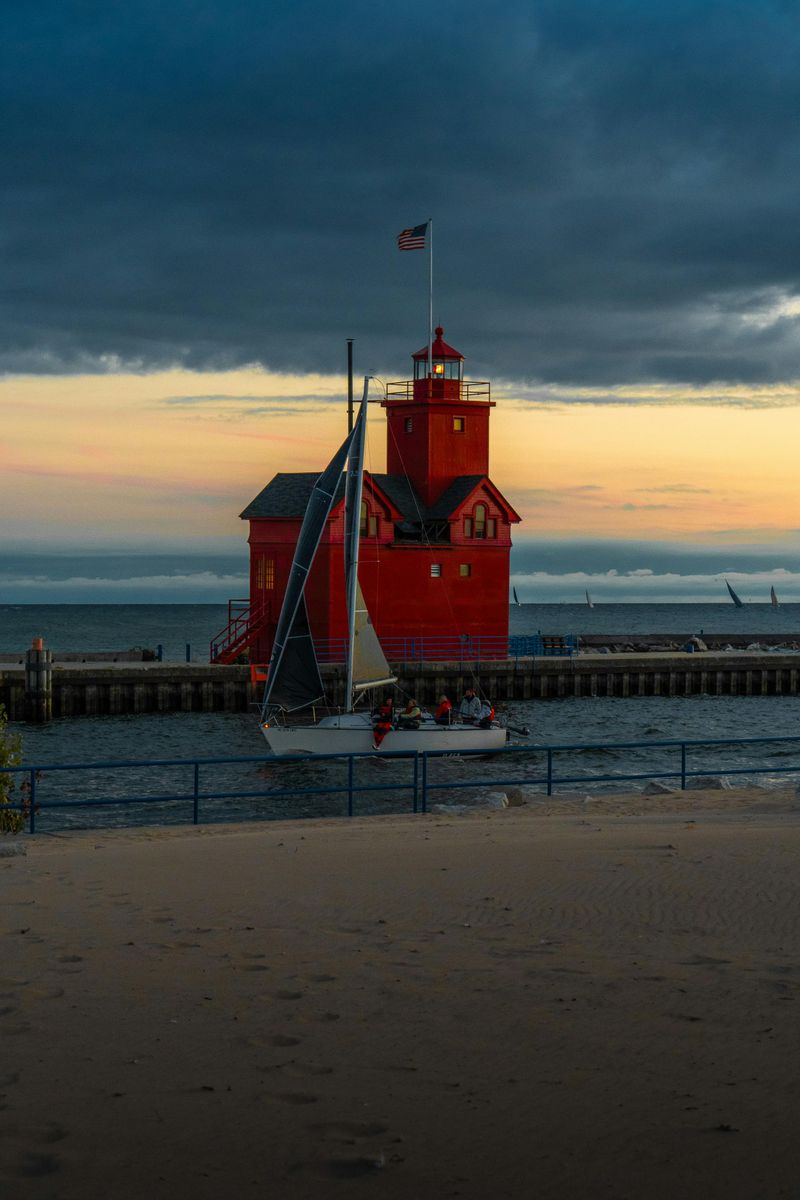
Twilight on a Michigan lake is magic, but it changes the rules fast. The moment the sun dips, you need proper navigation lights.
Boats that skip lights become shadows, and that is how near misses happen. I remember easing through a channel and spotting only a silhouette at the last second, it wasn’t fun.
Know that lights are not decoration. They are language on the water.
Check your bow and stern lights before leaving the dock, even if you think you will return early. Plans stretch when the breeze turns perfect.
Carry spare bulbs or a backup light if your setup allows it, keep the lenses clean and the wiring solid. If your lights flicker, head back while there is still glow on the horizon.
Other skippers read those colors to understand your direction and position.
Slow your speed at dusk and give wide room to unlit shapes until you are sure what they are. Watch for paddlers hugging the shoreline.
Your own night vision works better when cabin lights are dim. Keep chatter low so you can hear engines and waves.
Nights here can be calm and glassy, and with proper lights, they feel safe and serene. You will glide home with zero surprises.
10. Ignoring Weather And Water Risks
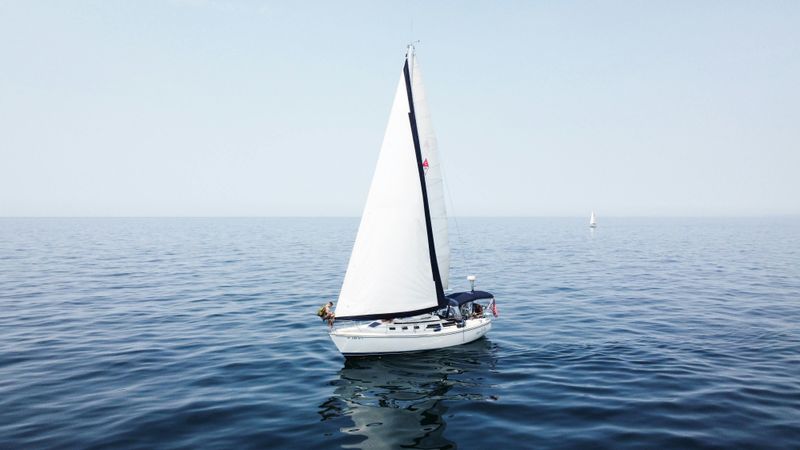
The weather flips moods quickly. I have watched blue skies turn gray in the time it takes to cross a bay.
Tourists often check the forecast once and call it good, but that is not enough. Lakes create their own patterns.
Wind stacks waves, and shallow areas can get rough fast. Before you leave, look at radar, wind direction, and any advisories.
On the water, keep scanning the horizon. Dark lines on the lake mean gusts are arriving.
If the bow starts slapping hard, trim down and ease back. Head for protected water or a marina sooner rather than later.
Do not aim for the far shore if the sky looks angry. Short, safe hops beat long dashes in rising chop.
Your crew will feel calmer when you move early and speak clearly about the plan.
Make sure to watch for floating logs after windy nights and shallow bars near river mouths. Use updated charts and keep an eye on markers.
If visibility drops, slow down and turn on lights. Boaters here respect skippers who make conservative calls.
You might miss a little ride time, but you gain confidence and a smooth return. That is a trade you will never regret, trust me.
