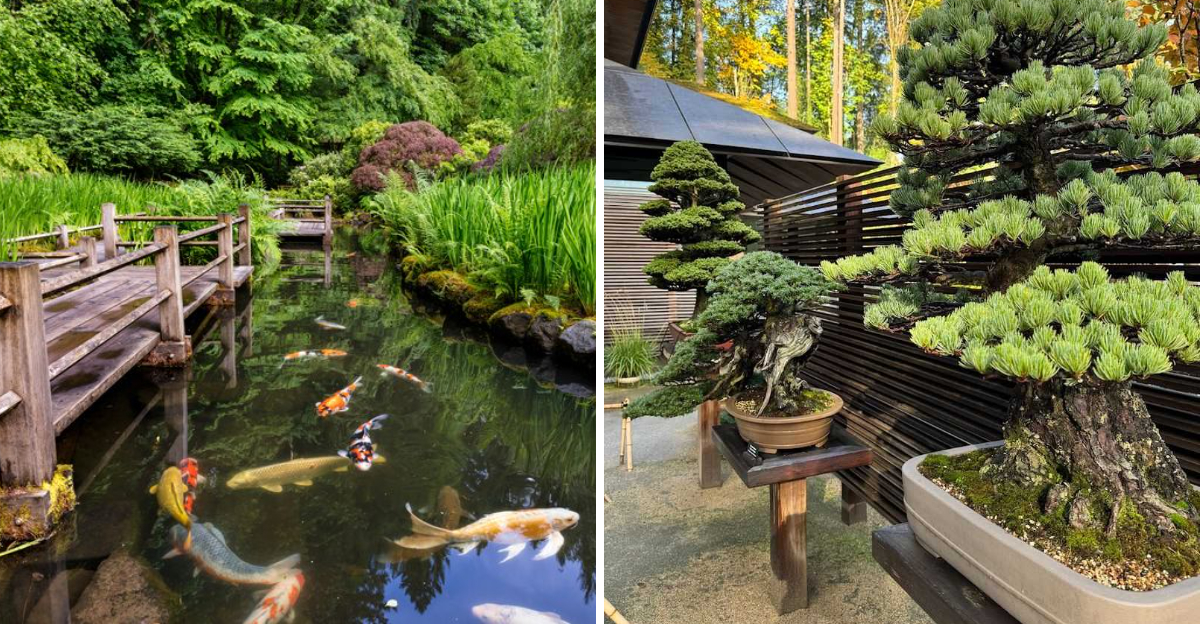
A quiet corner of Oregon hides something that feels like it shouldn’t be there in the best possible way – a Japanese garden so authentic it almost tricks your sense of place. Stone paths, perfectly placed trees, and flowing water come together in a way that instantly slows your pace without asking permission.
I didn’t expect to step into something that feels this carefully balanced, but every detail seems to carry intention. There’s a calm rhythm to the space, like the entire garden is quietly guiding you through it.
One moment you’re in the Pacific Northwest, the next it feels like you’ve been gently transported somewhere far more distant and serene. I kept finding myself pausing just to take in how effortlessly everything fits together.
It’s the kind of place that doesn’t try to impress – it just quietly proves itself with every step.
Five Distinct Garden Styles in One Place
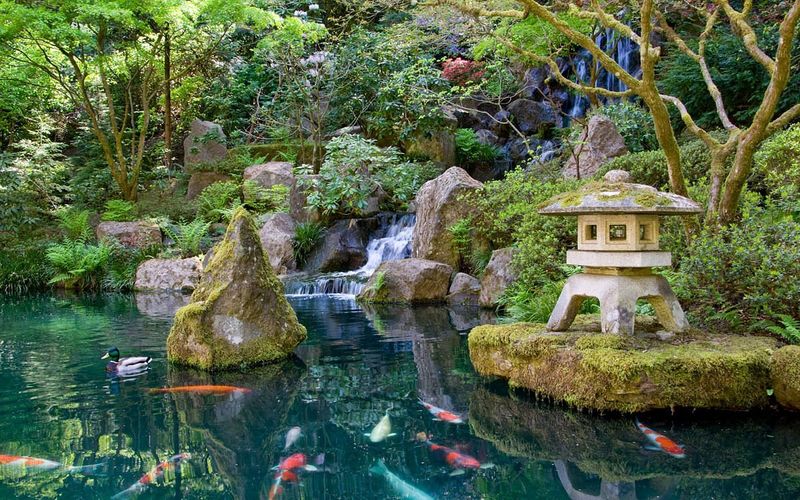
Most gardens have one style and stick to it. Portland Japanese Garden offers five distinct experiences within a single 5.5-acre space. That variety is part of what makes it so special.
The Strolling Pond Garden is the largest section. It wraps around two koi-filled ponds and a winding path. Each bend reveals a new frame of scenery.
The Flat Garden creates a completely different mood. Raked gravel and carefully placed stones form a meditative, open landscape. It feels like visual silence.
The Tea Garden feels intimate and shaded. It leads to a traditional teahouse tucked beneath the tree canopy.
The Natural Garden feels almost wild compared to the others.
The Sand and Stone Garden focuses on clean geometry. Smooth stones and textured sand form carefully arranged patterns.
Visiting all five in one trip never feels rushed or repetitive. Each section carries its own rhythm and mood. You move through them naturally, almost without noticing the transitions.
That seamless flow reflects a quiet design achievement.
The Koi Ponds That Stop Everyone in Their Tracks
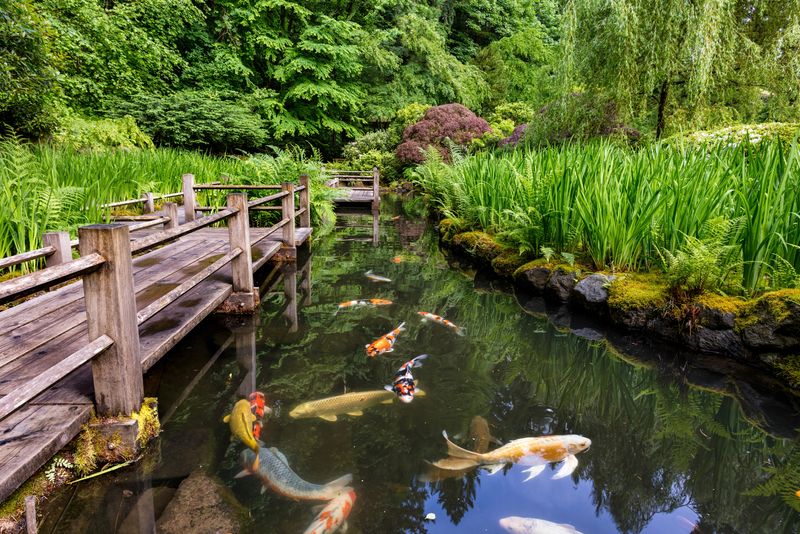
There is something almost hypnotic about watching koi fish glide through still water. At Portland Japanese Garden, visitors watch large, vibrantly colored koi move through the ponds. The fish seem completely unbothered by people standing above them.
The koi come in deep orange, white, black, and speckled patterns. Some grow surprisingly large. Watching them drift slowly beneath the water’s surface feels genuinely calming.
Japanese maples, mossy rocks, and arching wooden bridges surround the ponds. Every angle creates a scene that feels like a painting.
This spot ranks among the most photographed areas in the garden.
Kids and adults often linger here longer than they expect. The koi move slowly and gracefully. There is no rush, and the ponds encourage that feeling.
Early morning visits give the clearest reflections in the water. The light feels different before crowds arrive.
Members can enter the garden at 8 a.m., before general opening hours.
A Waterfall Hidden Inside the Garden
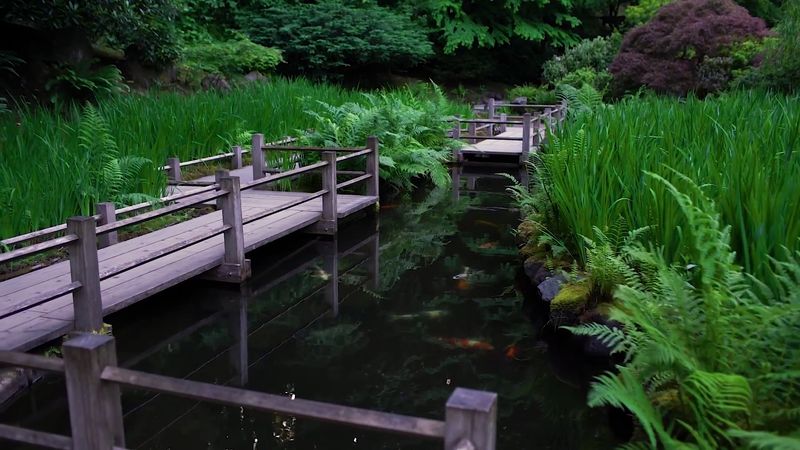
Hearing water before you see it is one of the small pleasures of this garden. The waterfall inside Portland Japanese Garden is tucked into a rocky hillside, framed by ferns and overhanging branches.
It is not a dramatic, thundering waterfall. It is gentle and steady.
The sound it makes fills the surrounding area with a soft, constant rhythm that feels deeply relaxing.
The stones around the base are dark and mossy. Water pools at the bottom before flowing quietly into the pond system.
The whole scene looks like it grew there naturally over centuries.
Getting close to it requires some careful footing on the path. The trail curves slightly downhill in that section.
It is worth slowing down to take it all in.
After a rain, the waterfall runs fuller and louder. The surrounding greenery looks intensely saturated.
Several visitors mentioned that rainy-day visits made this particular spot feel even more alive and atmospheric.
The Teahouse and the Art of Slowing Down
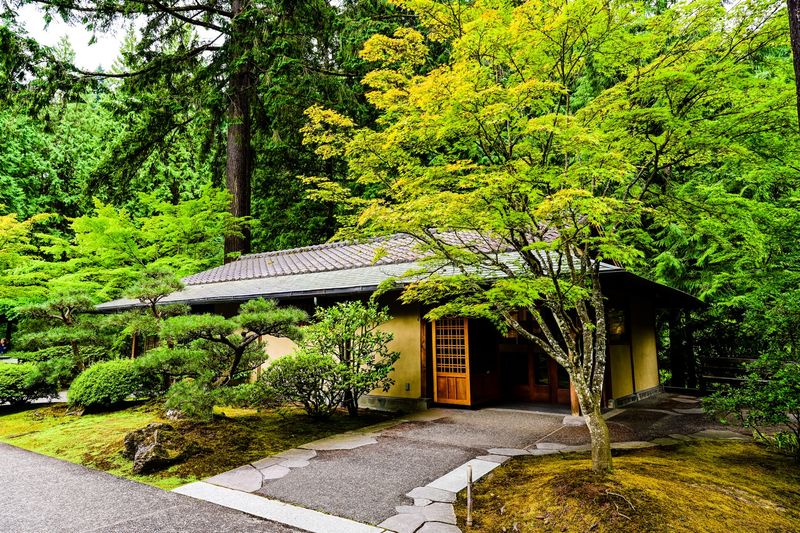
The teahouse at Portland Japanese Garden is not just a building. It represents an entire philosophy about how to move through space and time.
Approaching it feels intentional, almost ceremonial.
A narrow stepping-stone path leads to the entrance. Each stone is placed at a deliberate distance.
The design forces you to look down, slow your pace, and be present.
The teahouse itself is a traditional structure built with wood, paper screens, and an overhanging roof. It sits at the edge of the Tea Garden section.
From certain angles, it almost disappears into the surrounding trees.
Cultural demonstrations are held here periodically. Traditional tea ceremonies and other events are included with admission.
Checking the garden’s schedule before your visit helps you catch these moments.
Even without a scheduled event, sitting near the teahouse is worth the time. The surrounding garden is quiet.
The architectural details reward close attention, from the worn wood grain to the precise placement of every stone.
Views of Mount Hood From Inside the Garden
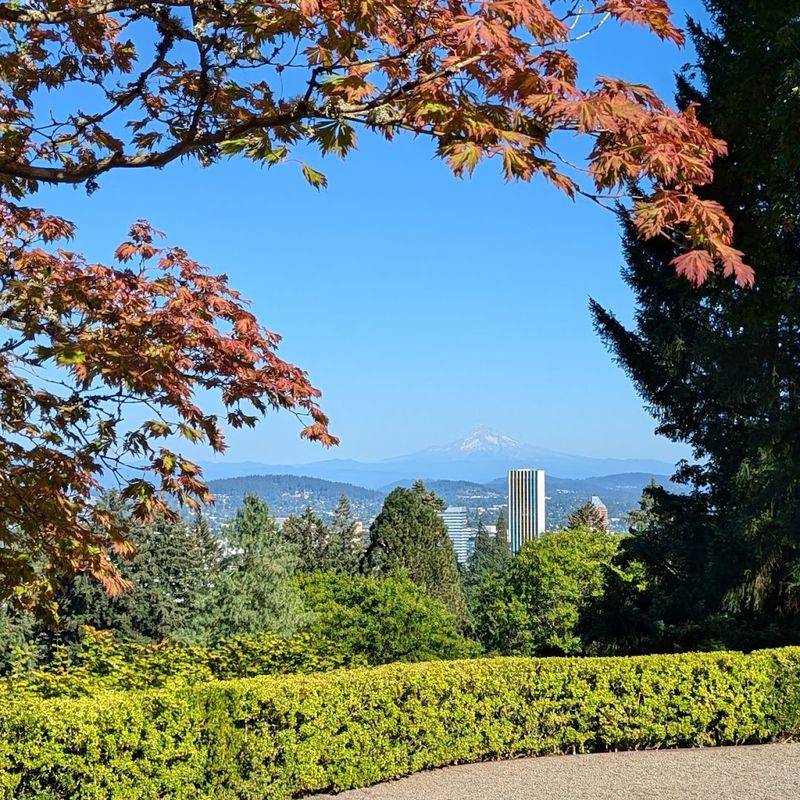
Not many gardens offer a mountain view. Portland Japanese Garden does, and it appears almost unexpectedly as you move through the upper sections of the grounds.
On a clear day, Mount Hood rises above the Portland skyline in the distance. The snow-capped peak frames itself naturally between the garden’s trees.
It is the kind of view that makes you stop mid-step.
The overlook spot gives you the city below and the mountain behind it. You are standing inside a carefully designed Japanese landscape.
The contrast between urban Portland and ancient volcanic geography is striking.
Late afternoon light makes the mountain glow. The garden’s foliage shifts color depending on the season.
Fall visits add layers of orange and red to an already stunning backdrop.
Photographers tend to gather at this spot during golden hour. Tripods are allowed for an additional fee at the ticket booth.
Planning around the light makes a real difference in what you capture here.
Fall Foliage That Transforms the Entire Garden
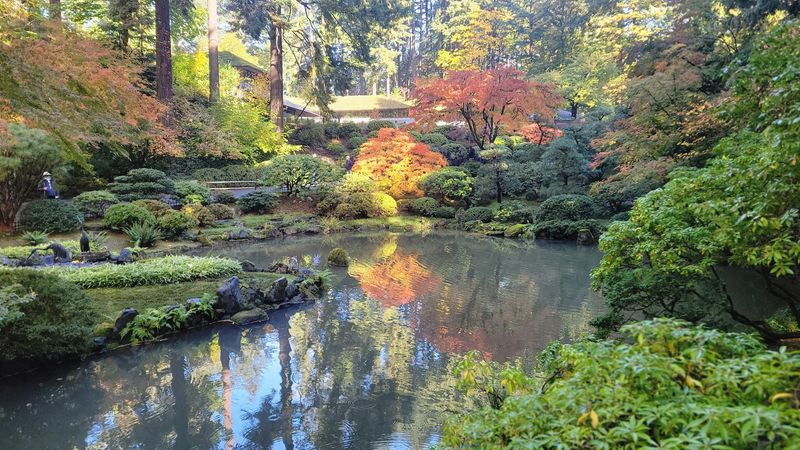
Late October at Portland Japanese Garden is something else entirely. The Japanese maples turn deep red, burnt orange, and bright gold all at once.
It looks almost unreal.
The color change happens gradually through October and into early November. Peak color usually hits in late October.
Arriving on a weekday gives you a slightly quieter experience during this busy season.
The reflection of fall leaves in the koi ponds doubles the visual impact. Looking down at the water and up at the trees creates a kind of surround-sound of color.
It is one of the most photographed times of year here.
The garden team maintains the grounds carefully through the season. Fallen leaves are managed without stripping the natural look.
Everything still feels organic and lived-in.
Timed entry tickets are required and fill up fast during peak fall. Booking in advance is strongly recommended.
Arriving right at opening time means fewer people and softer morning light filtering through the canopy.
The Gift Shop and Cafe Worth Lingering In
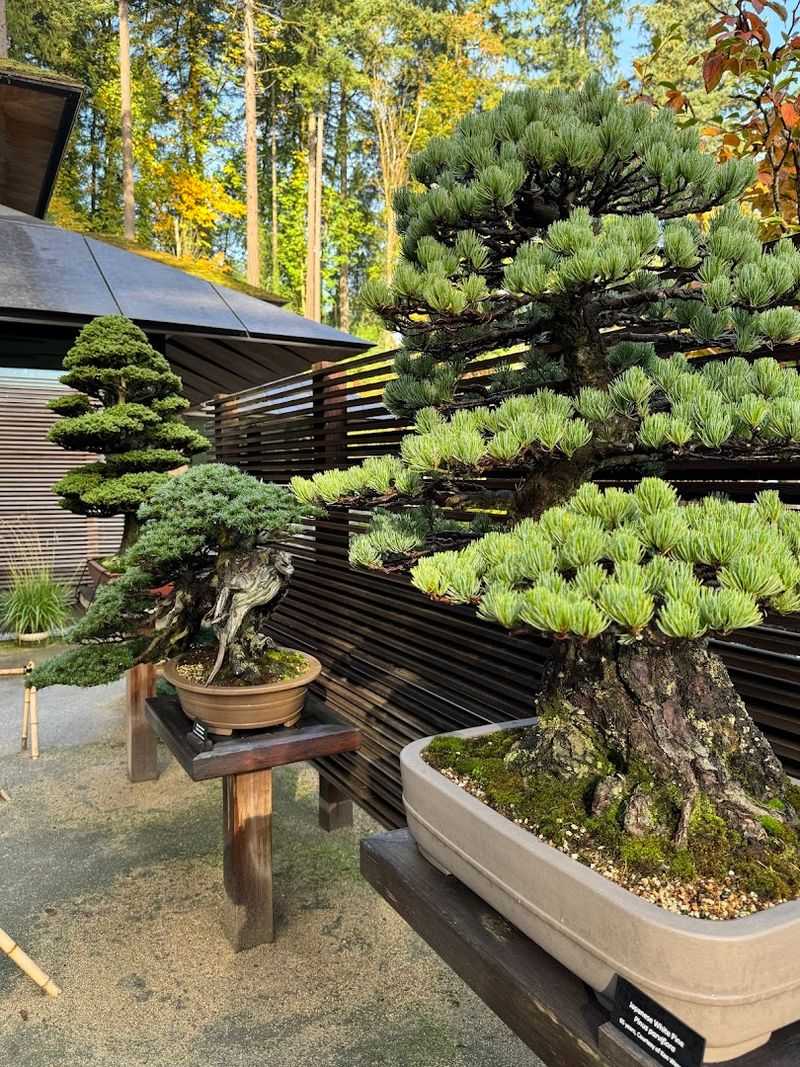
Walking out of the garden and into the gift shop feels like a natural extension of the experience. The items inside are carefully chosen and reflect genuine Japanese craft traditions.
It is not your average tourist shop.
Ceramics, textiles, small bonsai tools, and decorative objects fill the shelves. Many items are imported directly from Japan.
The quality is noticeably higher than most museum gift shops.
The cafe nearby offers tea, light snacks, and seasonal treats. It is a good place to sit after walking the paths.
The menu leans toward simple, thoughtful options that match the garden’s overall tone.
Purchasing a membership at the gift shop refunds your entry fee and gives you year-round access. That detail alone makes the shop worth a stop before you leave.
The 20% member discount on shop items adds up quickly.
Staff throughout the garden and shop are consistently described as friendly and helpful. The whole operation feels cohesive.
Every part of the visit, from entry to exit, is handled with care.
The Architecture Woven Into the Landscape
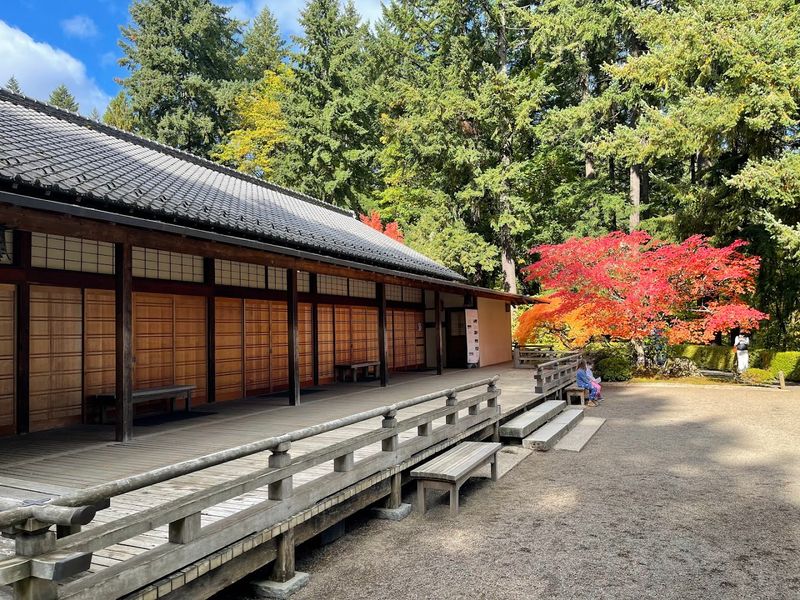
The buildings inside Portland Japanese Garden do not compete with the landscape. They belong to it.
That relationship between structure and nature is central to Japanese garden design philosophy.
Wooden pavilions, covered walkways, and small bridges appear throughout the grounds. Each one uses natural materials that age and weather intentionally.
The patina on older wood and roofing tiles is part of the aesthetic, not a sign of neglect.
This concept is called wabi-sabi in Japanese design. It celebrates imperfection, age, and the beauty of things that change over time.
Understanding that shifts how you see every surface in the garden.
The architecture frames views deliberately. Standing inside a pavilion, you look out at a specific composition of trees, water, and stone.
Nothing is accidental. Every opening acts like a living picture frame.
Details reward close attention. Joinery, roof curves, and stone placement all reflect traditional craftsmanship.
Spending time near the structures, rather than just passing through, reveals layers that a quick walk would miss entirely.
Art Exhibitions and Cultural Experiences Included With Entry
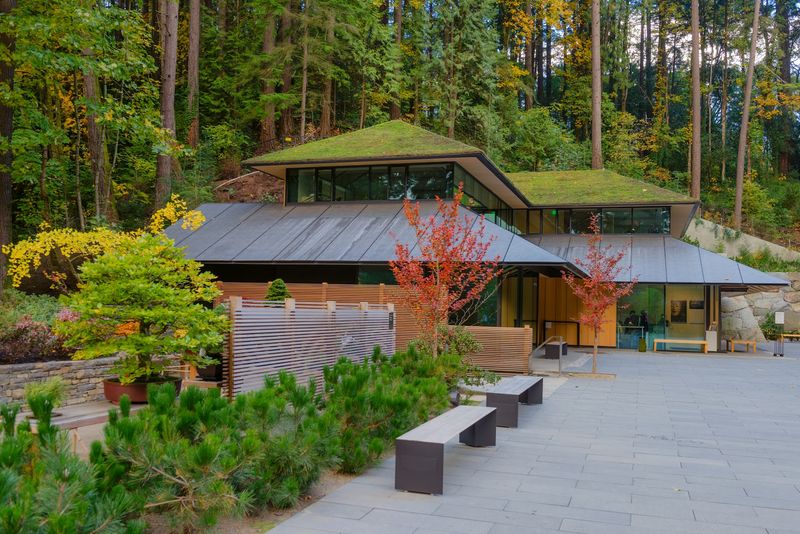
Portland Japanese Garden is not just a place to walk around outside. The Cultural Village building adds an indoor dimension that many visitors do not expect.
It houses rotating art exhibitions connected to Japanese culture and aesthetics.
Current and past exhibitions have featured traditional bamboo artistry, Bizen pottery, katazome textiles, and large-scale nihonga painting. These are serious art forms with deep historical roots.
The presentations are accessible without being oversimplified.
Cultural demonstrations happen throughout the year. Bonsai demonstrations, traditional music performances, and public tours are all included with standard admission.
Checking the schedule online before visiting helps you plan around these additions.
The family room inside the Cultural Village includes hands-on activities for younger visitors. A scavenger hunt runs through the garden grounds.
These touches make the experience genuinely engaging for kids who might otherwise lose interest quickly.
The exhibition spaces are clean, well-lit, and thoughtfully curated. Moving between outdoor garden spaces and indoor gallery rooms creates a varied visit.
It adds depth to what might otherwise feel like a simple walk through greenery.
Planning Your Visit the Smart Way
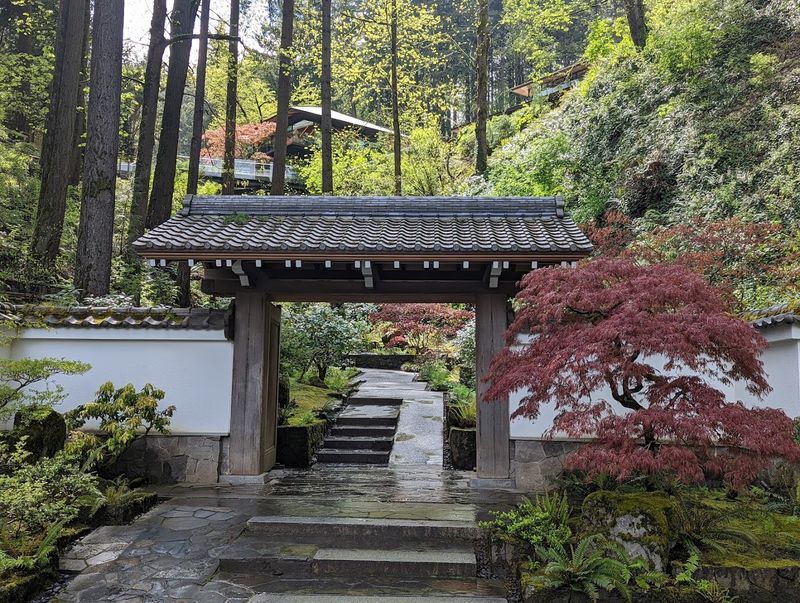
Getting the most out of Portland Japanese Garden takes a little planning. Timed entry tickets are required and sell out fast, especially on weekends and during fall.
Booking online before you arrive is the smartest move.
The garden opens at 10 a.m. most days, except Tuesday when it opens at noon. Arriving right at opening means smaller crowds and better light.
Members can enter at 8 a.m., which is ideal for photographers or anyone wanting a quieter experience.
Parking can be limited during peak times. A free shuttle runs between the lower parking area and the garden entrance.
Using it saves stress and avoids the uphill walk on Kingston Avenue.
Wear comfortable shoes. Some paths include gentle inclines and uneven stepping stones.
The terrain is manageable, but supportive footwear makes the difference between a relaxed stroll and tired feet.
The garden is open year-round. Winter visits are quieter and surprisingly beautiful.
Even with bare trees, the structural design of the landscape holds its character through every season.
Address: 611 SW Kingston Ave, Portland, OR 97205
