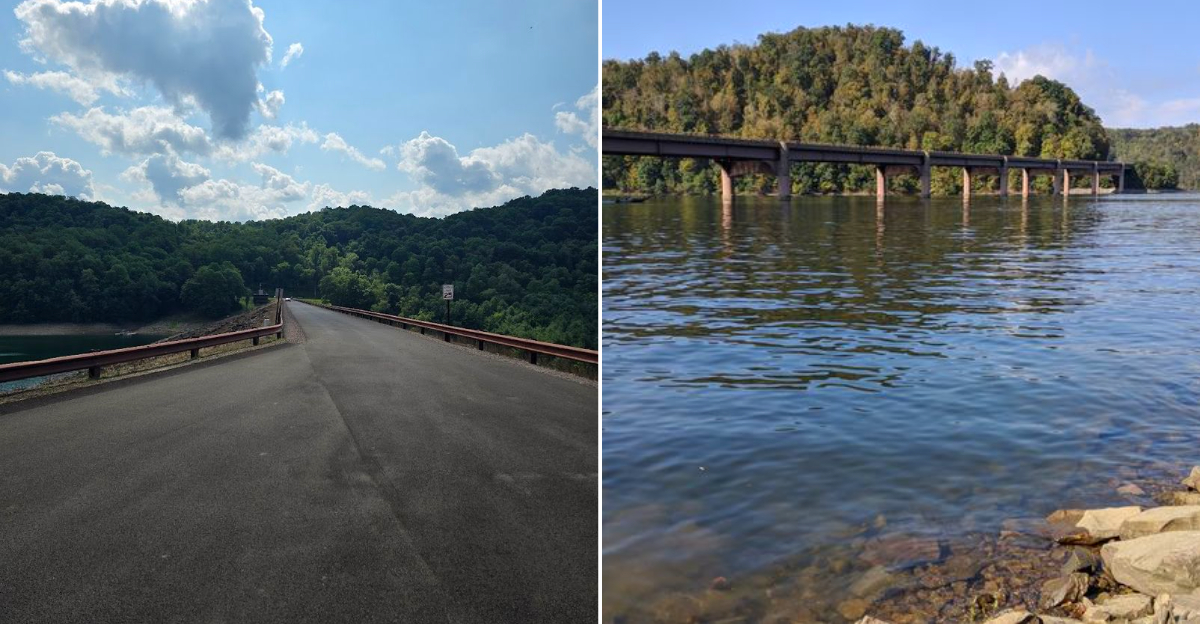
What if I told you there is a lake in Pennsylvania where you can kayak over a 200 year old bridge that normally sits fifty feet beneath the surface? That is exactly what you will find at this hauntingly beautiful recreation area, a place named for a submerged ghost town and a crossing lost to the deep.
The reservoir stretches sixteen miles and straddles two states, with the historic Mason Dixon line running right through it. Back in the 1940s, the government flooded several small communities to build a dam, including the town of Somerfield.
Today, that town sleeps under cold, clear water. The lake is classified as oligotrophic, which is a fancy way of saying it holds very few nutrients.
That keeps the water remarkably clear and deep, up to 120 feet in some spots. But during severe droughts, something magical happens.
The 1818 Great Crossings Bridge, a triple arched sandstone beauty, rises from the depths like a ghost. You can walk where wagons once crossed.
The dam also powers about 8,000 homes, so your next lightbulb moment might owe a debt to a drowned town. Ready to go searching for buried history?
Pack a paddle and a sense of wonder.
The Deepest Secret Hidden Beneath Pennsylvania Water
You stand at the overlook, and the water looks steady, like it has always been here. Then someone points toward the far cove and says the word Somerfield, and suddenly the surface feels thinner, as if the lake is a careful lid on a restless box.
The Appalachian hills hang close, soft and green, and the breeze carries that cool lakeside smell that makes conversations slow down without anyone trying.
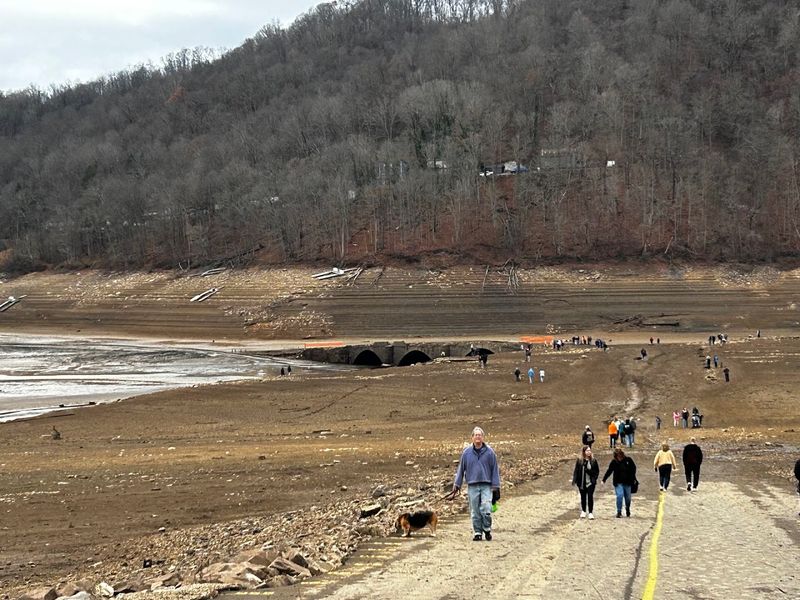
When the level drops, the floor of the past steps right up to your feet. Stones show their angles, rebar flashes in the sun, and the shape of blocks turns into a street you can follow with your eyes.
You remember you are in Pennsylvania, where roads have memories and the National Road still sets the rhythm, even when it is sleeping under water. It is not spooky out here, just strangely open, like a page waiting for you to read it.
Look long enough and you start connecting pieces. A curve in the shoreline feels like a lane turning.
A line of rubble becomes a row of porches, and a flat pad makes you wonder about front steps and muddy boots. The secret is not really hidden.
It is patient, and it trusts that curious feet will find it when the season pulls the curtains back. You lean on the railing, breathe, and think about how this quiet corner of Pennsylvania holds more story than it lets on.
The 1944 Flood That Erased A Town Forever
You hear people whisper about a flood, and you can feel the weight in the way they pause before finishing the sentence. The talk gets quieter, and the lake seems to listen too, because that is the hinge moment that turned streets into a bottom and a bridge into a rumor.
Standing on the bank, the air feels heavy with the kind of decision that changes maps and family stories in a single sweep.
What matters now is how the land learned a new job. The hills cradle this bowl, the river slows down, and the reservoir takes the push from storms so towns downstream can breathe easier.
You do not see the calculations, only the calm, but the calm itself is the proof. On a gray day it feels like the lake is still catching its breath after everything it had to take in, and somehow it keeps making room.
When the water drops, grief and curiosity walk side by side. You can trace old foundations with your shoes and wonder about who laughed on those porches and who watched the weather roll in with a knot in their stomach.
Pennsylvania carries flood stories like family albums, and this one sits right on the coffee table. If you want the truth, the place is not tragic anymore.
It is honest, which can feel heavier and kinder at the same time, and the shoreline nods as if to say, go on, take a look.
A Three Arch Sandstone Bridge Built By President Monroe
You would not expect to meet a bridge like a person, but that is how the old arches feel when the water slips back. The sandstone breathes when it dries, soft gold against the sky, and the curve of each span looks stubborn in the best way.
Folks tell the story fast, linking it to the early road and the energy of an era, and you nod because the stones absolutely carry that energy.
Even quiet, the bridge has presence. Stand near the abutment and listen, and you can almost hear wagons, iron rims complaining as they hit a seam.
The National Road needed a crossing here, and the builders answered with muscle and geometry, then let the arches do the talking. When the lake is high, the bridge waits.
When the level drops, it steps out in the light like an old friend who never stopped keeping time with the river.
Look at the joints, the way each block shoulders the next. You can feel why stories stuck to this place, why photographs line mantelpieces across Pennsylvania, and why people drive out just to see whether the arches have made their annual appearance.
No plaque is necessary when a design still works on your senses. I always find myself tracing the curve in the air, imagining a horse pausing at the crown, and a driver looking downriver to guess the weather.
Then I remember to breathe again, because beauty sneaks up on you here.
The Ghost Town Of Somerfield That Dried Out In 2024
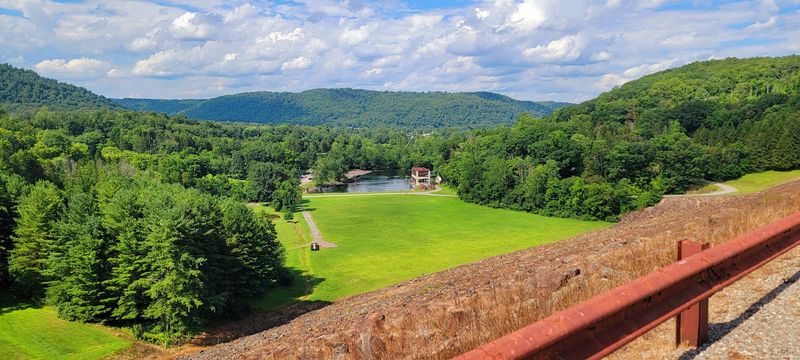
When people say ghost town, you probably picture creaking doors and tumbleweed, but Somerfield is quieter than that. It is outlines and edges, pads and corners, shapes that your brain finishes without anyone telling it what used to be here.
Walk a little, and the earth starts showing you the floor plan room by room, while the lake sits back like a polite host who knows when to give you space.
The wild part is how ordinary it feels. You catch yourself stepping around a slab as if someone might swing a door into you, or pausing at a gap that reads as a walkway, because it used to be one.
The wind lifts grit, your shoes scuff, and a thrush flicks through the brush at the edge. Nothing dramatic happens, yet you are in a conversation with a town, and the pauses are the best parts.
I am not here to chase headlines. I am here to nod at what remains and to let the pieces be enough.
Pennsylvania does this everywhere, hiding whole stories in tree lines and terrace cuts and stones sunk into corners. Somerfield keeps that habit going with a calm confidence.
Visit when the water is kind, move slowly, and speak softly. You are walking through living memory that chose a quieter form, and it will meet you where you are if you let it set the pace.
Walkable Foundations And Old Sidewalks From The National Road
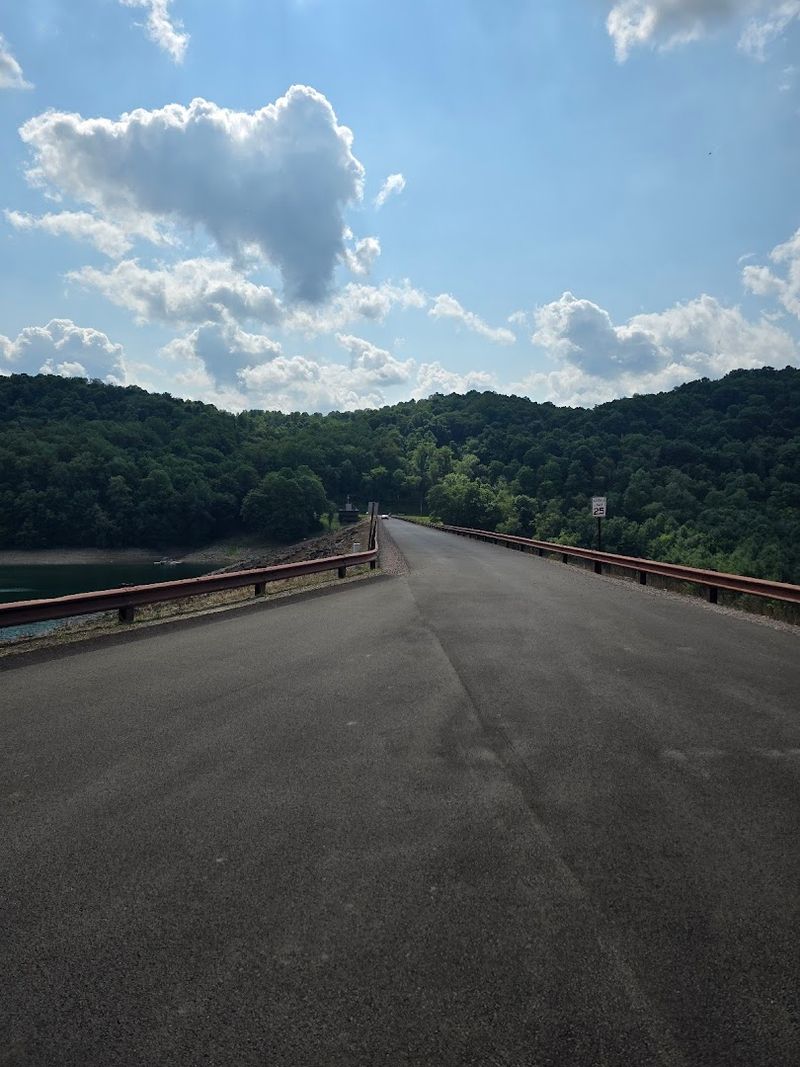
You know that satisfying click when a puzzle piece lands exactly where it belongs? That is the feeling when your shoes find an old sidewalk here, solid underfoot and lined with gravel that once pretended to be tidy.
The path goes a few steps, turns a little, and then it simply stops at water, as if waiting for the rest of the town to return from a long errand.
These foundations are not dramatic, and that is their magic. They are waist high here, flat there, and sometimes only a lip of concrete hugging the dirt.
You can stand on a pad and feel the room take shape around you. Maybe there was a stove in that corner, or a shelf for muddy boots by the door.
The National Road hums invisibly nearby, the way a highway does even when you cannot hear it, and somehow the grid still holds.
Take the time to follow one edge, then another. Kneel and look for tool marks, or a nail half swallowed by silt.
The sun brings texture out of hiding, and your shadow gets busy measuring space like a curious surveyor who forgot the clipboard. Pennsylvania keeps giving you these small archaeological surprises without making a fuss.
Walk with respect, keep your steps light, and let the map build itself under your feet. You will leave with dust on your laces and a better picture in your head.
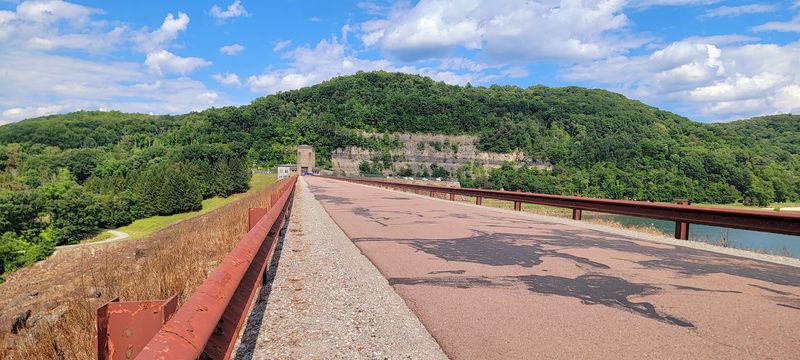
The Earthen Dam That Saves Pittsburgh From Flooding
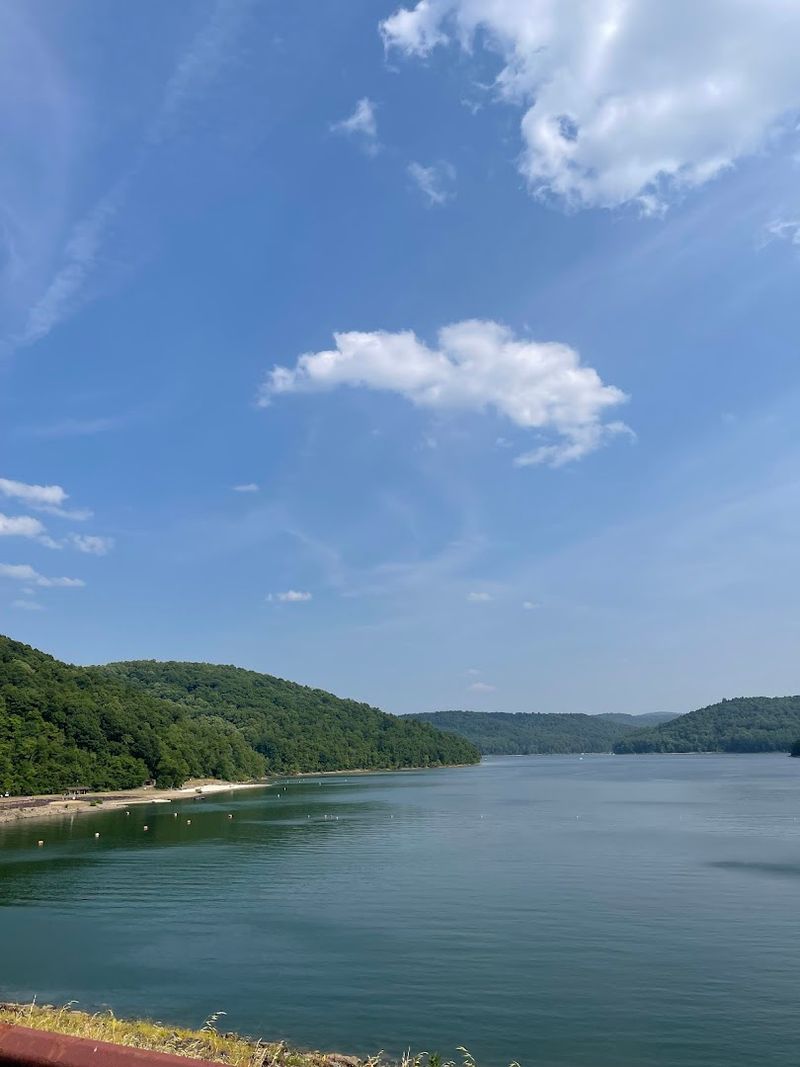
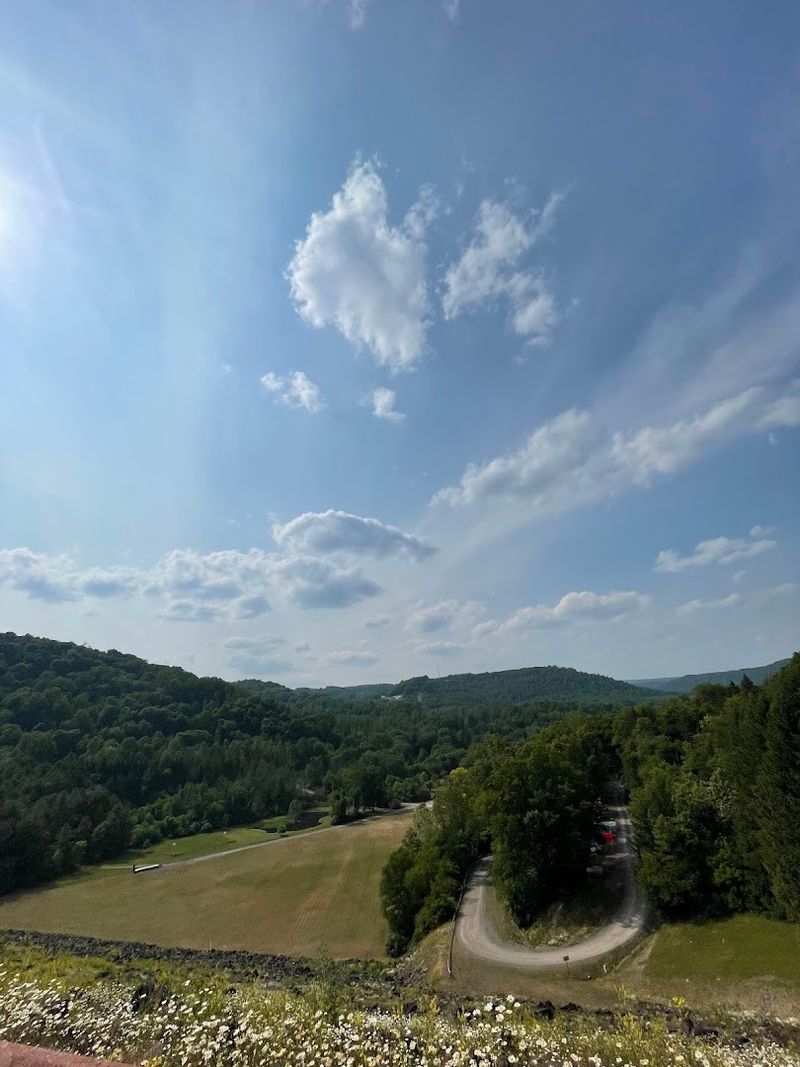
If you have ever stood on an earthen dam, you know that quiet, steady confidence it carries. This one stretches along the hillside like a careful hand, holding while everything behind it breathes and changes.
You feel the slope under you, the packed earth, the clipped grass, and you understand that this is engineering that prefers to whisper rather than shout.
From up here the lake makes sense. Wind plays the surface into little fleets of scales, inlets braid into one body, and boats stitch loose lines that disappear as fast as they form.
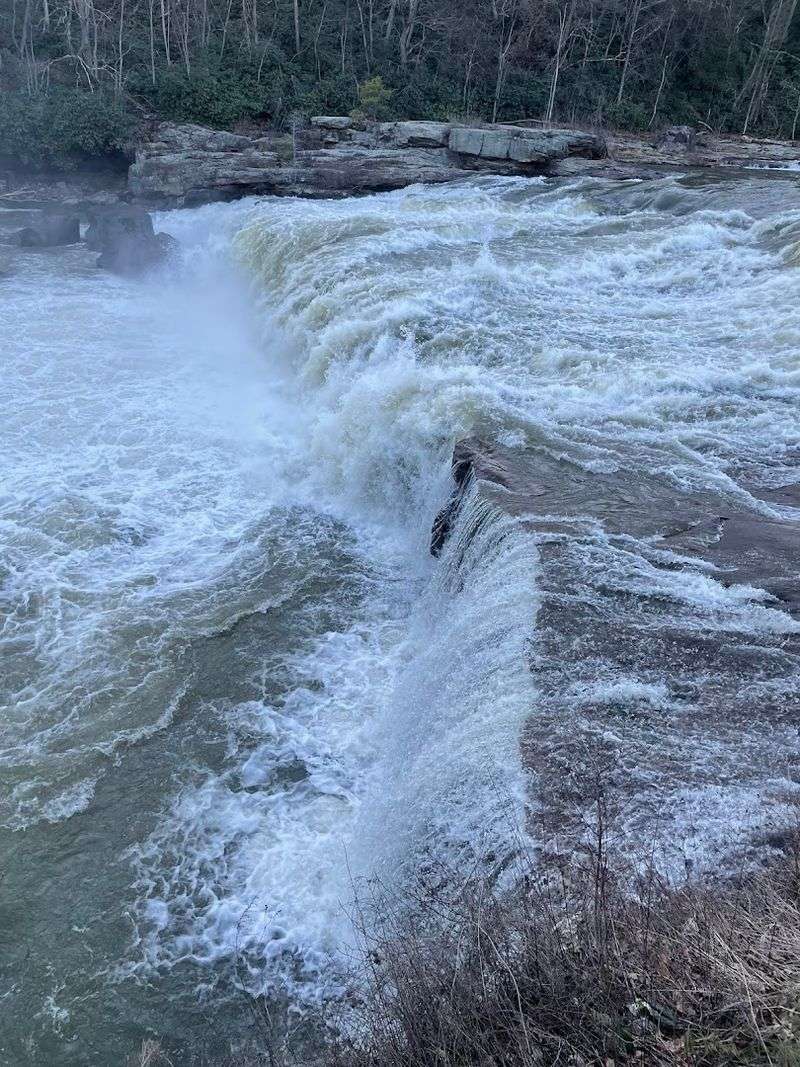
The spillway looks plain until you really look, and then you see angles tuned by patient minds who planned for seasons and mess. If you listen hard, you can almost hear a low hum, the sound of water learning discipline so towns downstream can sleep a little easier.
There is pride in this place, and it is not loud. People stop, lean on the rail, and check the horizon like that is part of the job.
Pennsylvania wears infrastructure well, maybe because the hills demand it, and because communities remember when rivers had tempers. I like that the dam is not dramatic in photos.
It is better in person, when your legs register the grade and your lungs taste the air off the water. That is when the purpose lands, steady and sure, right where you are standing.
A Sixteen Mile Lake Stretching Into Maryland
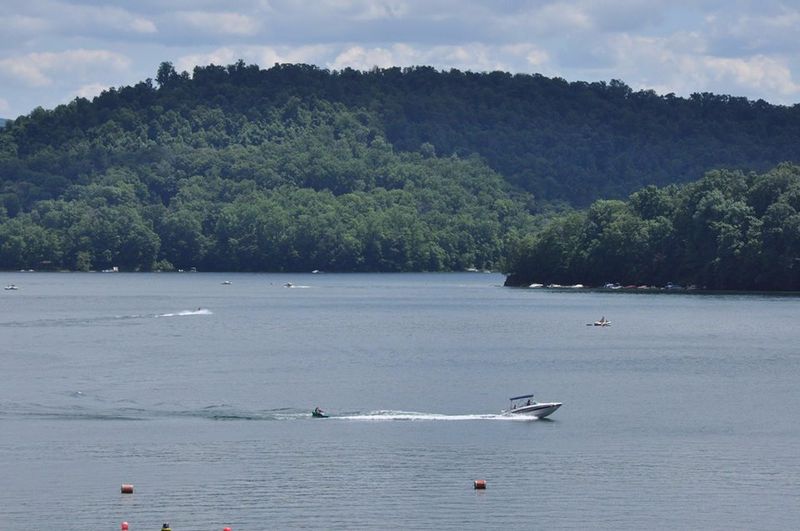
Put a finger on the map at Confluence and trace the blue ribbon south, and you can feel how this lake keeps going. It leans into coves, slides between ridges, and then crosses the border without asking permission.
On the water, that length turns into time, which turns into quiet, which turns into the kind of conversation you only have when the shore stops rushing you along.
Coves are where the secrets live. You round a point and the wind changes, or the smell shifts, and suddenly there is a pocket of calm that feels like a room with the windows open.
Loons call, a heron lifts, and sunlight pours across a slope that no one has trimmed in years. This is Appalachia letting its shoulders drop for a while, and the lake is happy to carry the mood.
The border is just a line on a sign, but it still feels like a tiny adventure when you cross it. I always think about how one watershed can sit in two states and still feel like one neighborhood.
Pennsylvania keeps waving from one shore while Maryland waves back from the other. That friendliness settles into your chest and slows everything down.
Keep an eye on the sky, pick a cove, and drift a little longer than you planned. The lake will forgive you for not keeping track of where you started.
Boaters And Anglers Above A Lost Village
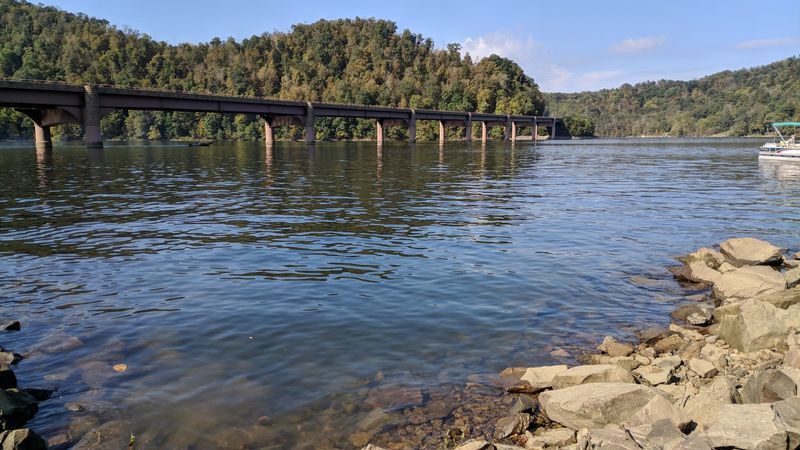
It is wild to think about it, but a lot of days you are gliding right over the old grid. The sonar lights up with neat lines, a shape that could be a basement, or something that used to be a culvert, and then a fish arcs across the screen and brings you back to the present.
You look up, nod at another boat across the cove, and let the bow ease around a point.
This is mellow water with stories in it. Cast along a drop, or tuck into a shaded pocket while the afternoon settles down.
The lake has that patient rhythm where a few words feel like plenty, and the silence reads as friendly, not empty. Birds keep their patrols, a line sings through the guides, and a ripple turns into a small, satisfying tug that has nothing to prove to anyone.
I like watching paddlers here too. They keep a soft pace, swinging through the same space where wagons once lined up for a crossing.
That overlap puts a grin on your face before you know it. Pennsylvania loves this kind of layered afternoon, where today has room for yesterday without crowding the boat.
Bring curiosity and manners, wave when you pass someone, and mind the shallows where the bottom stands up to say hello. You head back to the ramp with easy shoulders and a story that fits in your pocket.
Why Low Water Pulls Back The Curtain Each Winter
You notice it first in the angle of the docks and the way the shoreline gets wider each week. The lake settles down for the cold season, making space for storms and saving room like a careful host who knows more guests are coming.
That is when the old bones begin to show, not as a spectacle, but as a slow reveal that rewards anyone willing to wander at a thoughtful pace.
Drawdown is a practical word for a poetic thing. Water steps back with purpose, and memory steps forward without hurry.
You can trace seams in the mud, find brick corners, and watch how ice sketches thin silver across puddles that used to be rooms. The air bites a little, and sound carries better, so every footstep lands with an honest crunch that feels right for the season.
I always tell friends to time a visit on a clear, still day. The light helps, but so does the quiet, because the details hide in plain sight until your breathing matches the rhythm.
Pennsylvania winters can feel long, yet this ritual makes them generous. Respect closures, mind the soft spots, and let the lake set the terms.
You will come away with photographs that feel like clues, and a steadier sense of how the water and the valley negotiate with each other year after year.
One Last Look At The Ruins Before The Lake Returns
There is a moment when the season tips and the water slides back over everything like a blanket you pull up in the dark. The outlines blur, puddles join hands, and the window closes with the same patience it opened.
You stand there a little longer than you need to, because endings feel better when you let them take their time.
I always take one slow walk, eyes scanning for the last sharp corner of stone or a single nail glinting in the sand. This place likes to hand you a final detail right at the edge, a small gift for paying attention.
Birds change their routes, the wind softens, and the lake remembers its summer voice. You can sense the bridge settling back into its quiet, like someone easing into a familiar chair after company leaves.
When you turn to go, the hills look exactly the same, which is comforting. The stories did not leave.
They just went back to their rooms, ready to wait for the next clear day when the curtain lifts. Pennsylvania teaches patience in spots like this, and the lesson sticks.
Drive out slow, roll the window down, and let the last cool breath of the lake ride along for a while. You will know when to come back.
