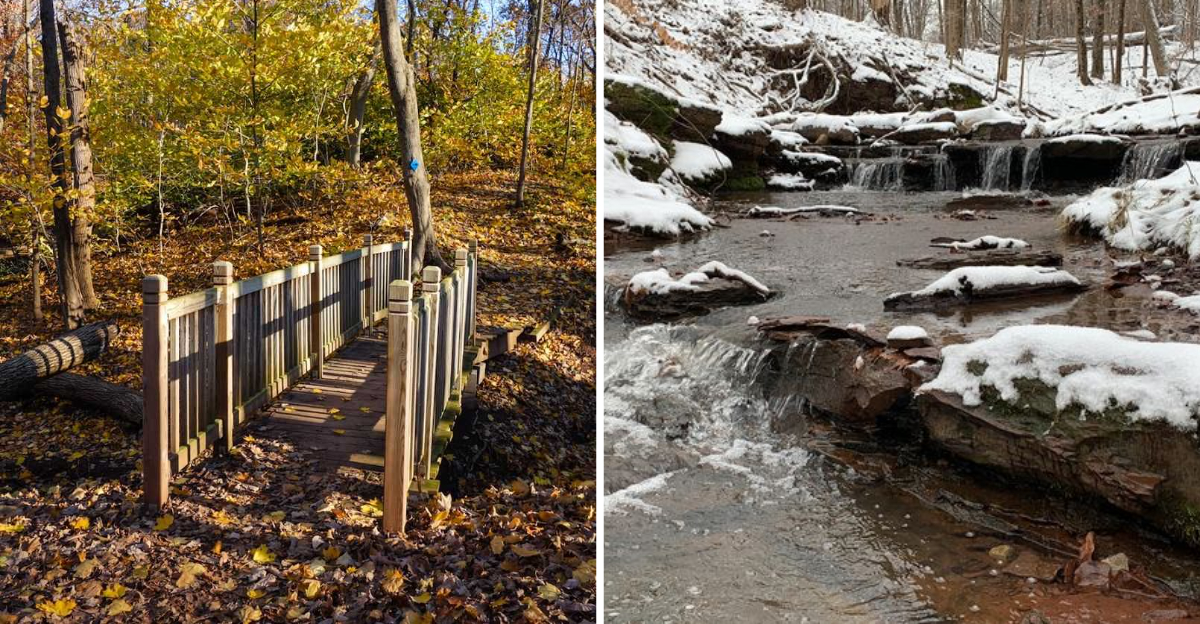
WWII bunkers and a babbling brook on the same hike? Only in New Jersey.
This 316 acre preserve was once part of Camp Kilmer, one of the largest military staging areas built during the war, and the crumbling ammunition bunkers still stand along the White Trail today.
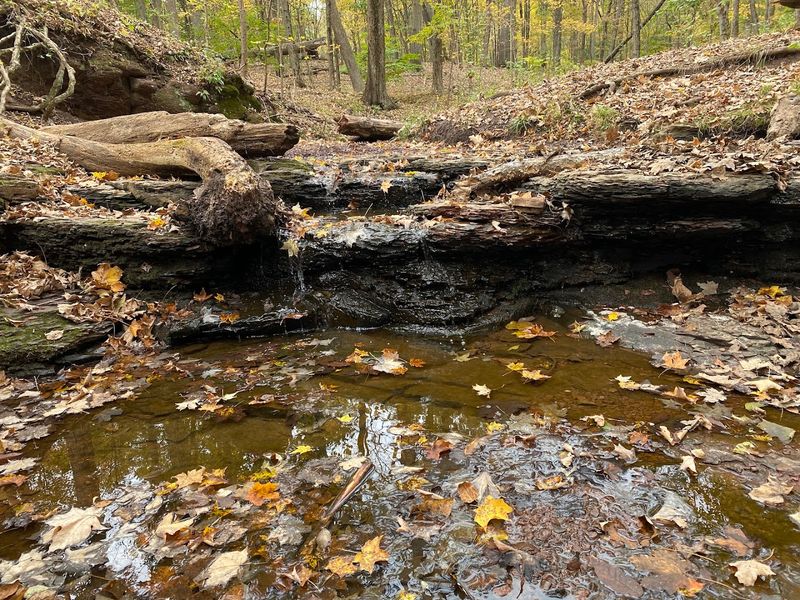
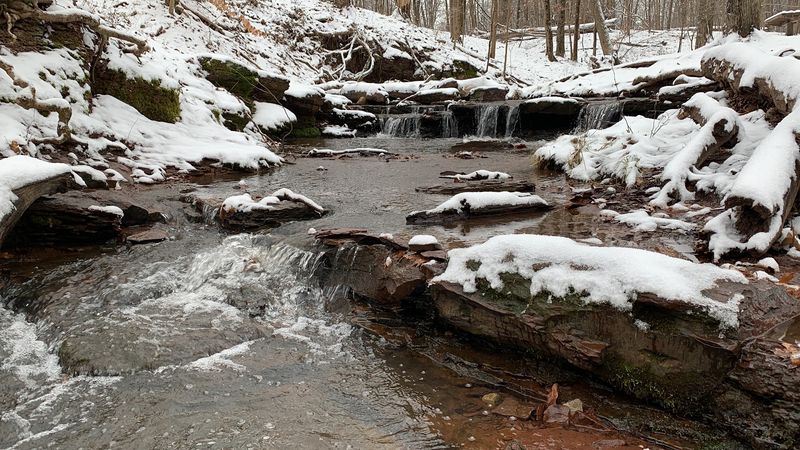
The real highlight is Buell Brook, a scenic stream you will cross multiple times using wooden bridges and good old fashioned rock hopping.
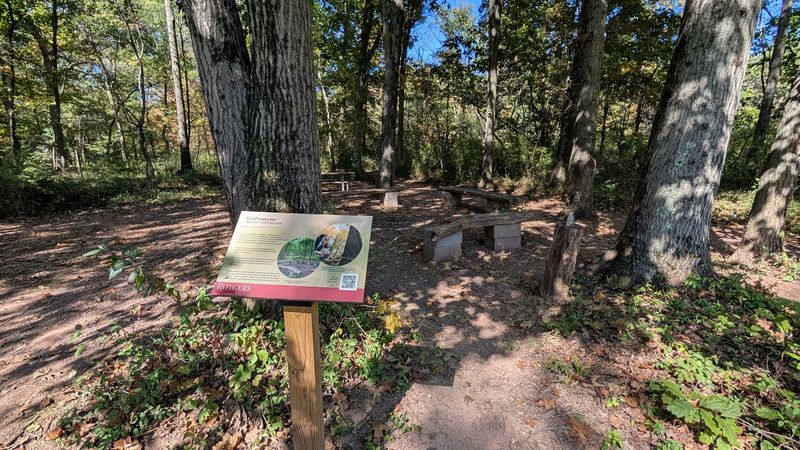
A section of the preserve features mature oak forest that has been growing wild since the mid 1800s.
Download a trail map before you go, because the blazes can be tricky, and keep an eye out for deer and bluebirds along the way.
The Trails That Never Get Old: Exploring 7.5 Miles of Marked Paths
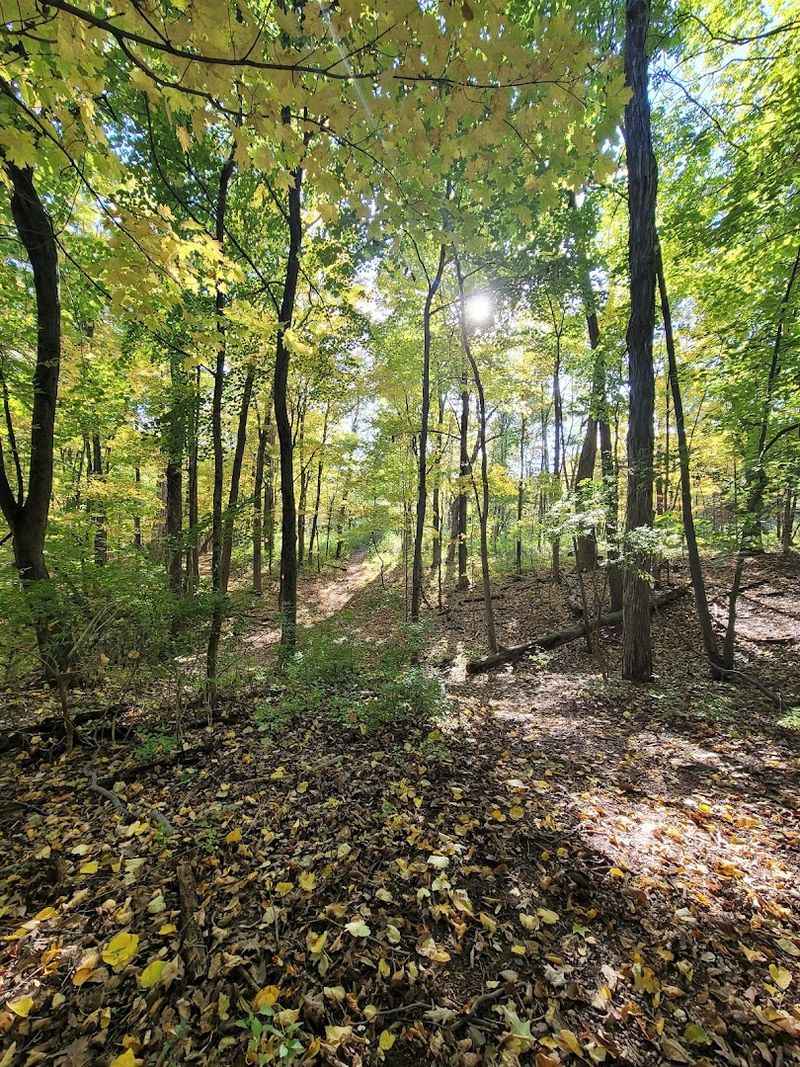
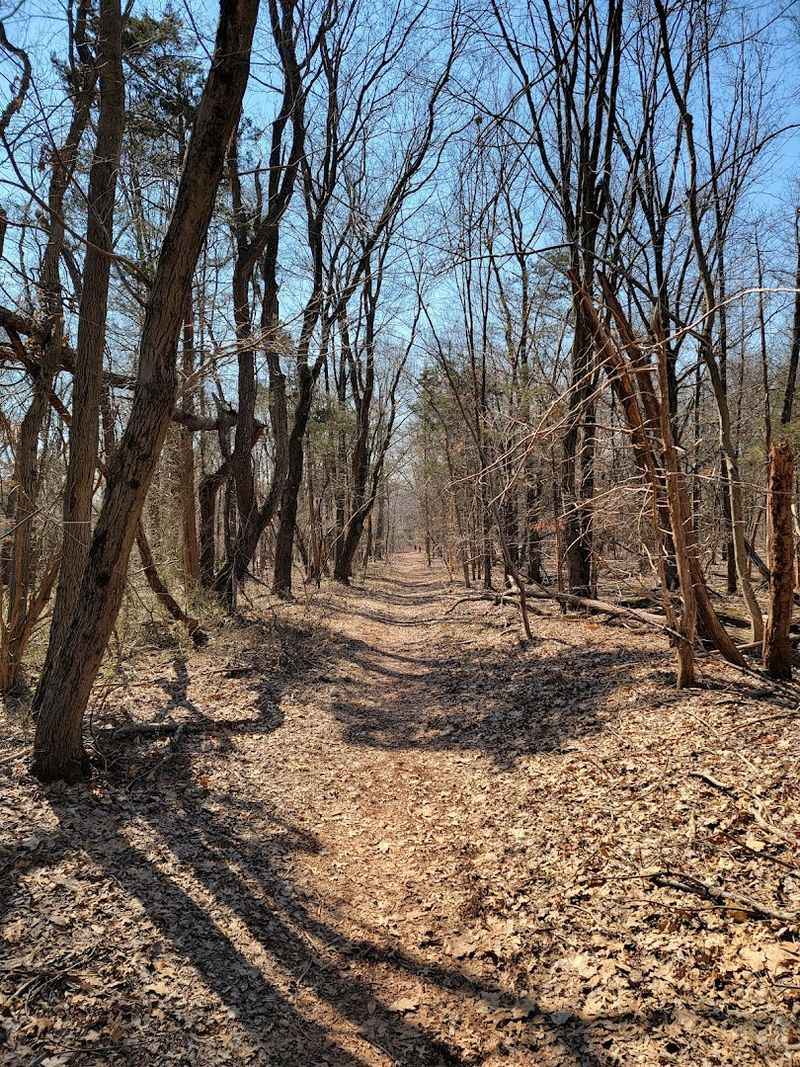
Walking into the preserve for the first time, the sheer variety of trails hits you before you even reach the first bend. There are roughly 7.5 miles of well-marked paths color-coded in red, green, yellow, and orange, so getting completely lost is surprisingly hard.
Each trail offers something a little different, from open meadow stretches to dense canopy sections where the light barely reaches the ground.
The Red Trail and Green Loop are great starting points for casual hikers. The Yellow Trail adds a gentle cardio challenge with soft inclines that feel rewarding without being brutal.
Trail maps are posted at several points throughout the preserve, which makes planning a spontaneous route change mid-hike genuinely easy.
What keeps people coming back is how different each trail feels depending on the season. Spring brings wildflowers pushing through the leaf litter.
Summer turns the canopy into a thick green roof. Fall transforms everything into a warm blaze of color.
Winter strips it bare and reveals the bones of the landscape in a way that is quietly stunning.
Buell Brook and the Yellow Trail: Where Water Meets Wilderness
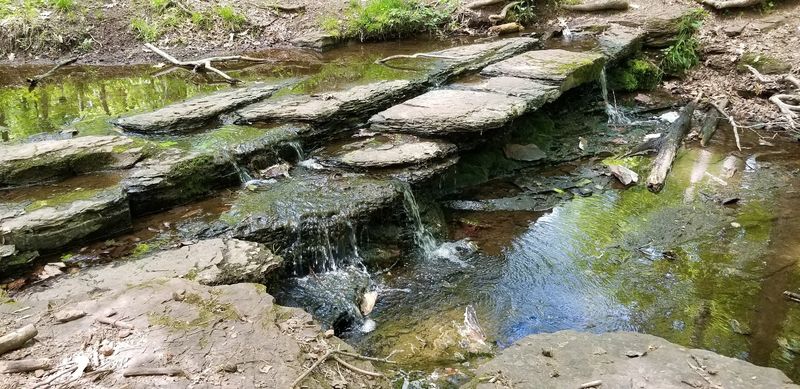
There is something almost meditative about walking alongside Buell Brook on the Yellow Trail. The sound of the water moving over rocks creates a steady background rhythm that makes the whole hike feel calmer and more grounded.
It is the kind of spot where you slow down without even deciding to.
The brook itself is not dramatic or thundering. It is a gentle, winding stream with clear water and mossy banks that look like something out of a storybook illustration.
Several scenic pull-off spots along the trail let you just stand and take it in without needing to keep moving.
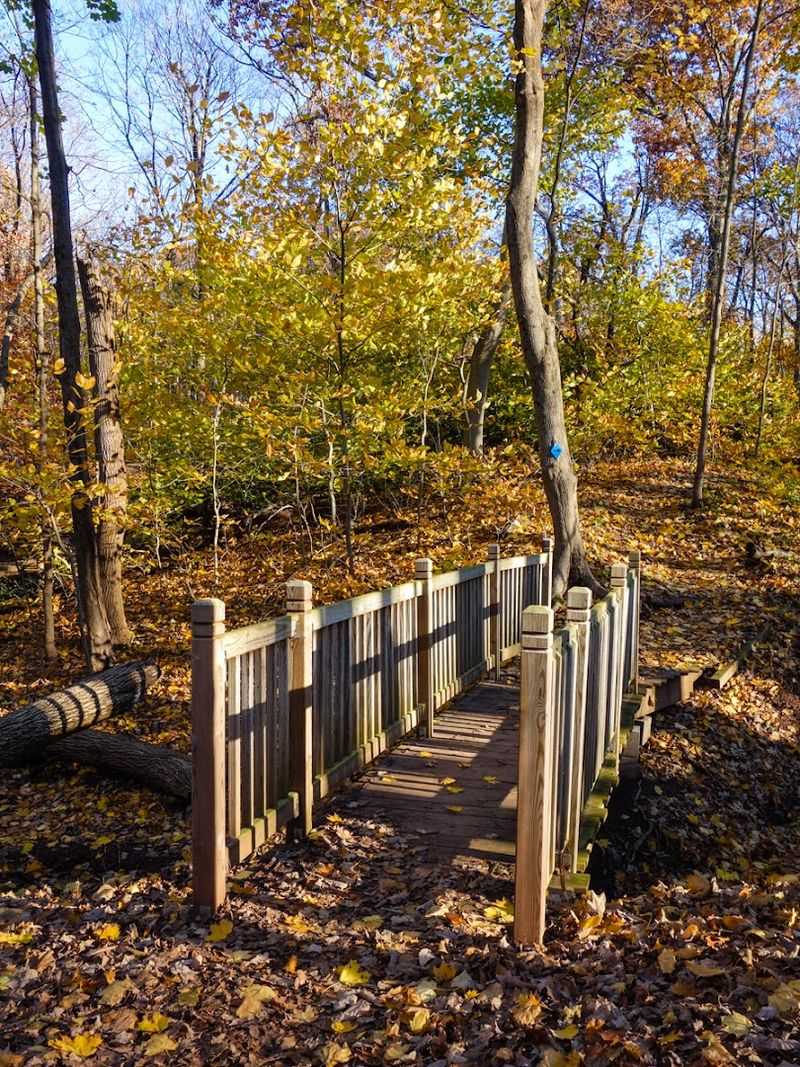
Wooden plank bridges and carefully placed cement blocks let you cross the water in a few spots, which adds a fun, slightly adventurous element even on an easy hike. Kids absolutely love hopping across those stepping stones.
The whole corridor along the brook has this tucked-away, secret-garden quality that makes it one of the most memorable sections of the entire preserve. It rewards slow walkers more than fast ones.
WWII Bunkers Hidden in the Woods: History You Can Actually Touch
Finding a concrete bunker in the middle of a quiet forest walk is not something you expect, and that surprise is half the thrill.
The preserve sits on land that was once part of Camp Kilmer, a major WWII military staging area, and the remnants of that history are still out there waiting to be found.
These munitions bunkers have been slowly reclaimed by vines, moss, and decades of forest growth.
Standing next to one of them gives you a strange, layered feeling. You are surrounded by birdsong and rustling leaves, but right in front of you is a heavy slab of military-era concrete that has been sitting there since the 1940s.
The contrast between the natural setting and the man-made structure is genuinely striking.
History buffs will find this aspect of the preserve especially rewarding. It adds a depth to the hike that most nature walks simply do not have.
You are not just moving through a landscape, you are moving through time. That combination of ecology and history makes this place genuinely one-of-a-kind in New Jersey.
Woodlands, Wetlands, and Meadows: Three Ecosystems in One Walk
Most hikes take you through one kind of landscape. This preserve gives you three completely different ecosystems within a single outing, which makes the whole experience feel unexpectedly rich.
Dense woodland sections give way to open meadows, and those meadows edge up against wetland areas that hum with insect life and bird activity.
Each zone has its own mood. The woodlands feel sheltered and cool, the meadows feel open and breezy, and the wetlands carry that earthy, alive smell that is hard to describe but instantly recognizable.
Moving between them over the course of a few miles makes the hike feel much longer and more varied than the distance suggests.
For anyone interested in ecology or just curious about how landscapes work, this preserve is a genuinely fascinating place to spend a few hours. The diversity of plant life alone is impressive, from tall canopy trees to low wetland grasses and everything in between.
It is the kind of place that makes you want to bring a field guide and spend the whole afternoon identifying things you have never paid attention to before.
Birdwatching at the Preserve: A Habitat That Attracts Real Variety
Bring binoculars. Seriously, just throw a pair in your bag before heading out, because the birdwatching here is genuinely worth the extra effort.
The mix of woodland, wetland, and meadow habitats creates ideal conditions for a wide range of bird species, and the preserve is quiet enough that you can actually hear them without straining.
The New Jersey Audubon Society organizes birding walks in this area, which says a lot about the quality of what you can find here. Even without a guided tour, a slow walk along the brook in the early morning will reward you with more sightings than you might expect from a suburban New Jersey preserve.
Songbirds, woodpeckers, and waterfowl are all regulars depending on the season. Spring migration turns the preserve into something almost electric with movement and sound.
Going with someone who can name the birds adds a whole extra layer of fun to the experience. Even if you are a complete beginner, the sheer activity in the treetops is enough to make you stop and stare more than once.
Wildlife Encounters: Deer, Coyotes, and the Unexpected
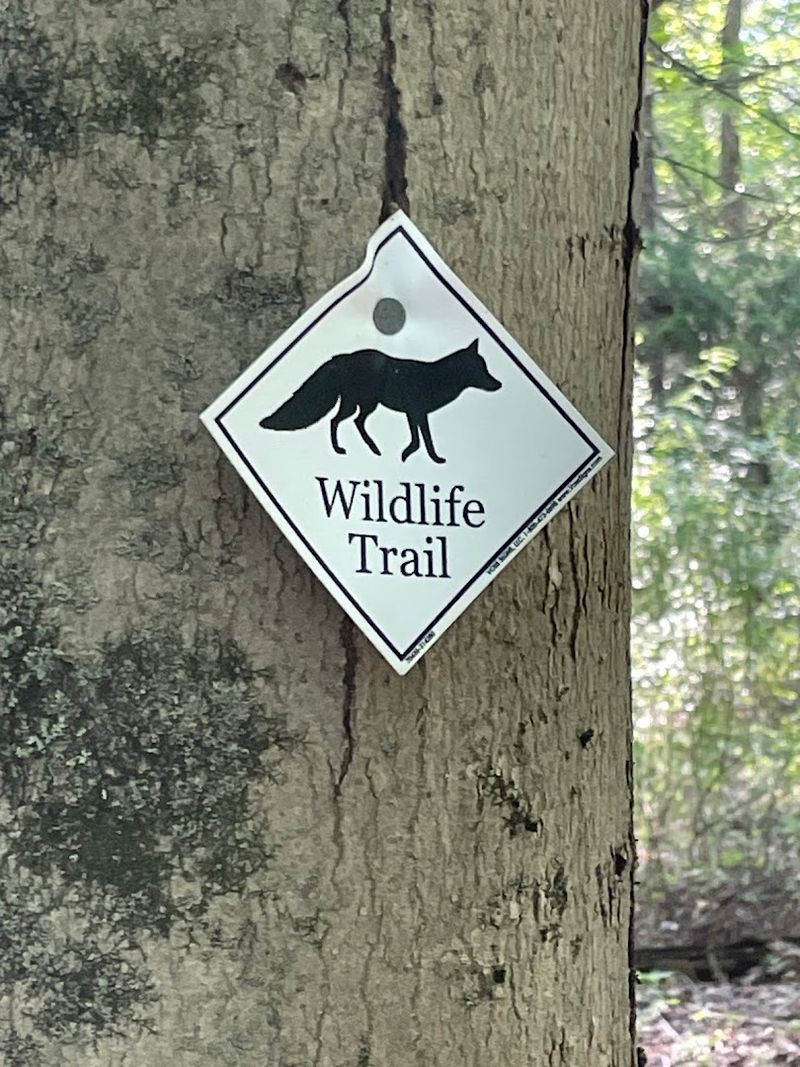
The wildlife at this preserve has a way of appearing exactly when you least expect it. Deer are probably the most common sighting, and they tend to stand their ground just long enough for you to appreciate how close you actually are before bounding off into the undergrowth.
Families with kids especially love these moments.
Coyotes have also been spotted in the preserve, occasionally even during daylight hours. That adds an interesting edge to the experience without being genuinely alarming.
Keeping aware of your surroundings and staying on marked trails is always a smart approach, and the preserve’s natural habitat makes it a real corridor for local wildlife movement.
Smaller creatures are everywhere too, from chipmunks darting across the path to frogs near the wetland edges and insects that hover in the meadow light. The preserve does not feel like a manicured park where wildlife is incidental.
It feels like their home, and you are the visitor. That shift in perspective makes every sighting feel earned rather than arranged, which is exactly what makes it memorable.
The History of Camp Kilmer: From Military Staging Ground to Living Ecosystem
Camp Kilmer has a significant place in American military history. During World War II, it served as one of the largest military staging areas on the East Coast, processing hundreds of thousands of soldiers heading overseas.
After the war, large sections of the land were gradually handed over and repurposed, eventually becoming the ecological preserve that exists today.
That transition from military installation to living woodland is remarkable when you think about it. The bunkers that remain are not ruins in a neglected sense.
They are artifacts that the forest has slowly absorbed, turning concrete and steel into something that belongs to the landscape now. It is a quiet kind of reclamation.
Rutgers University established the preserve in 1976 with a mission to protect the land’s natural characteristics and use it as an outdoor classroom. That educational purpose has shaped how the preserve is managed and maintained.
Walking through it with that backstory in mind changes how you see everything, from the overgrown bunkers to the restored woodland areas that are returning to something closer to their pre-development state.
Planning Your Visit: What to Know Before You Go
Getting here is straightforward, and the preserve is open to the public without any entry fee, which is a genuinely rare and wonderful thing. Hours run from 8 AM to 5 PM on most days, with slightly extended hours on Sundays until 6 PM.
Arriving early on weekend mornings gives you the best chance of having the trails mostly to yourself.
Parking can require a bit of planning. Johnson Park nearby is a reliable option, and you can enter the preserve from River Road via the Orange Trail.
On weekends, certain Rutgers University lots may be available, but checking in advance is always the smarter move. Bringing water, wearing sturdy shoes, and applying tick repellent are all practical essentials for any visit.
Restroom facilities are not available inside the preserve, so planning accordingly before you arrive makes the experience much smoother. Dogs are welcome but should be kept on leash, and ticks are a real consideration in warmer months.
Going with a friend or two makes the whole outing more enjoyable and safer.
Address: 83 Rockafeller Rd, Piscataway, NJ
