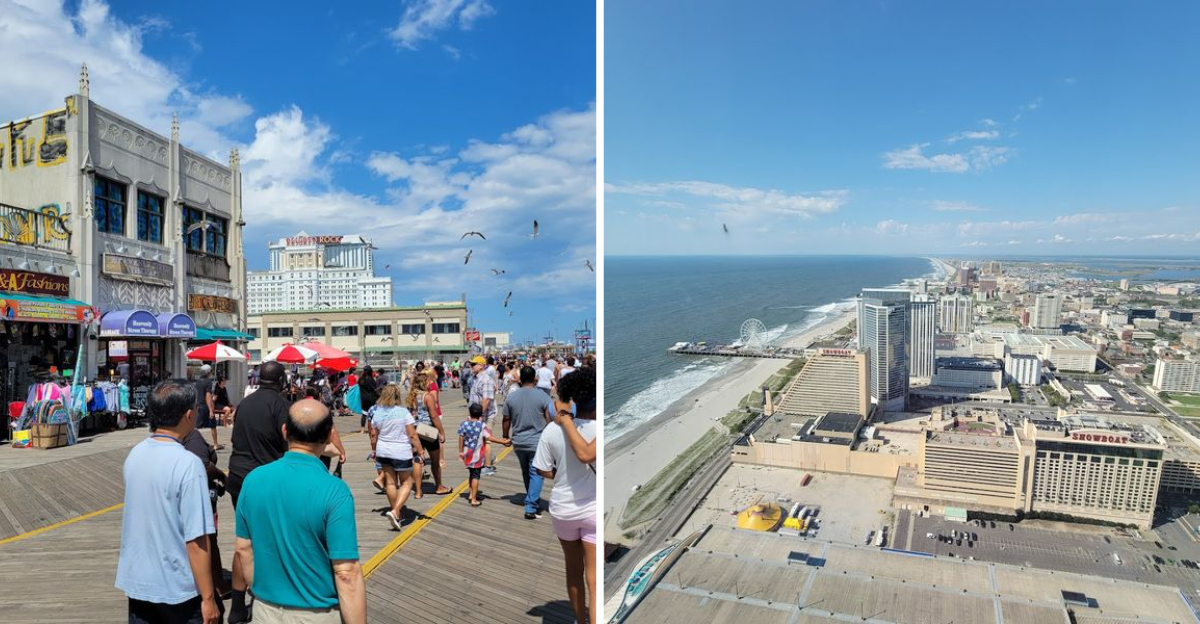
Let’s take a stroll, shall we? This legendary New Jersey wooden walkway has been feeling salt spray under its planks since 1870.
That makes it the oldest boardwalk in America. Five and a half miles of seaside wonder.
Generations of families have clicked their heels on these same slats, chasing candy apples, ocean breezes, and that perfect summer feeling.
It has weathered storms, welcomed presidents, and seen a million sunsets.
Salt air, squeaky steps, and endless views. Some things just get better with age.
This icon proves it.
A Boardwalk Born From Sand and Ambition
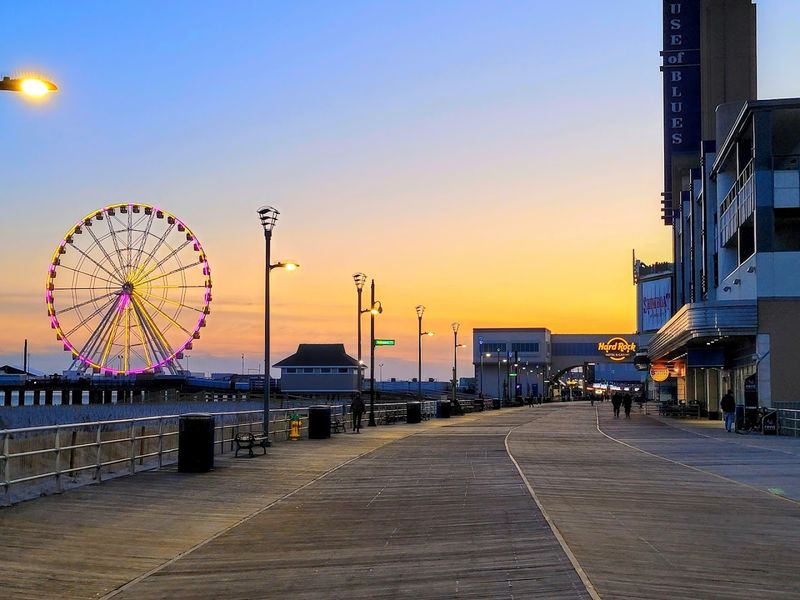
Back in 1870, the Atlantic City Boardwalk was not built to be famous. It was built to keep sand out of hotel lobbies and railroad cars, which is honestly one of the most practical origin stories in American history.
The original structure was just eight feet wide and one mile long. It was meant to be taken apart every winter and stored until the warm months returned.
Nobody back then imagined it would one day stretch 5.5 miles along the New Jersey shore and outlast generations of beachgoers, storms, and shifting trends.
By 1896, the last major construction was complete, and the boardwalk had transformed from a seasonal convenience into a permanent landmark. That shift from temporary to timeless says a lot about what this place became.
It grew not because someone planned a monument, but because people kept coming back. The Atlantic City Boardwalk is the oldest in America and the first of its kind in the entire world, and that title still holds today.
The Layout That Makes It Feel Endless
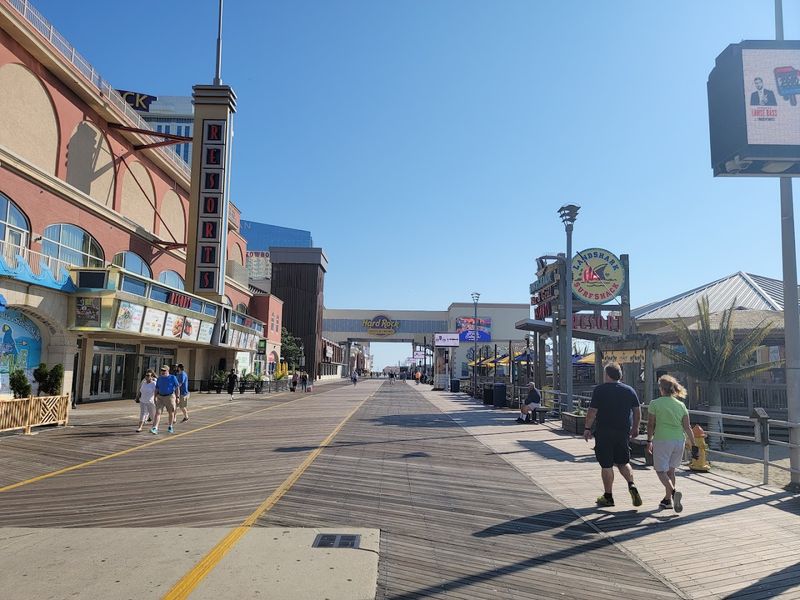
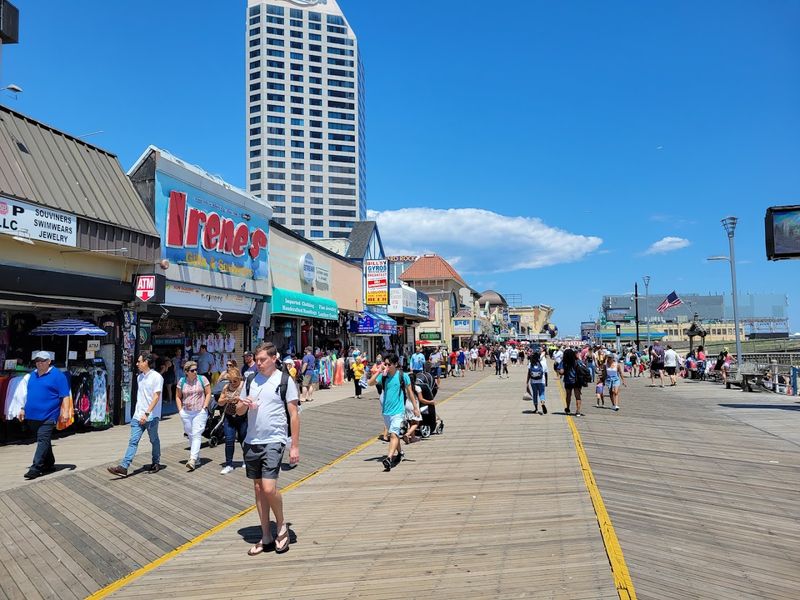
Walking the full length of the Atlantic City Boardwalk feels like a small adventure all on its own. At 5.5 miles long, and up to 60 feet wide in certain sections, this is not a quick stroll.
It is a full-on experience that rewards anyone willing to go the distance.
The boardwalk sits 12 feet above sea level, which gives every stretch of it a slightly elevated, breezy feel. The ocean is always visible to one side, and on the other, a rotating cast of shops, restaurants, and entertainment venues keeps things interesting.
No two blocks feel exactly the same.
Part of the boardwalk extends into Ventnor City, pushing the total length closer to 5.75 miles depending on where you start counting. The wooden planks are often laid in a classic herringbone pattern, and some newer sections use South American hardwood called ipe, chosen for its strength and durability.
Every plank underfoot carries a little bit of history and a whole lot of footsteps from the past 150 years.
Salt Air and the First Bite of Boardwalk Food
The moment the boardwalk food smell hits you, something shifts. It is hard to explain, but there is a combination of sugar, sea salt, and fried dough in the air that just makes every decision feel easier.
Suddenly, a funnel cake at 11 in the morning seems completely reasonable.
Saltwater taffy is the undeniable icon here. This chewy, colorful candy has been made and sold on this boardwalk for well over a century, and the shops that sell it have that wonderful old-fashioned charm that makes you want to buy a bag just to hold it.
The flavors range from classic vanilla to wild combinations that nobody asked for but everyone ends up loving.
Beyond the taffy, the boardwalk delivers a full lineup of seaside snacks. Hot dogs, caramel corn, soft pretzels, and fresh lemonade all show up in their best form here.
Everything tastes slightly better when you are eating it with your shoes on wooden planks and the Atlantic Ocean is just a few feet away making its presence known.
Steel Pier and the Spirit of Amusement
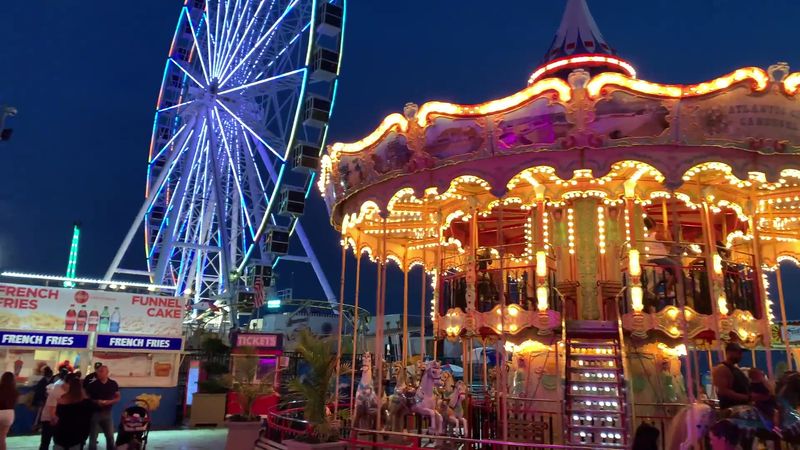
Steel Pier has been part of the Atlantic City Boardwalk story for a long time, and stepping onto it still feels like entering a world designed entirely around fun.
Rides extend out over the actual ocean, which is a detail that never stops being impressive no matter how many times you think about it.
The pier has gone through many chapters over the decades, but its current version delivers a solid mix of classic carnival rides and newer attractions.
Families spread out across it, kids pull toward every ride at once, and the whole thing hums with that unmistakable energy that only amusement piers can produce.
From the end of the pier, the view back toward the boardwalk is genuinely stunning. The skyline of Atlantic City frames the shoreline, and the water stretches out in every other direction.
It is one of those spots where you stop mid-step just to take it in. Steel Pier is not just a ride destination.
It is a full sensory moment that belongs to the larger boardwalk experience in a way that feels essential.
Restaurants That Respect the Ocean View
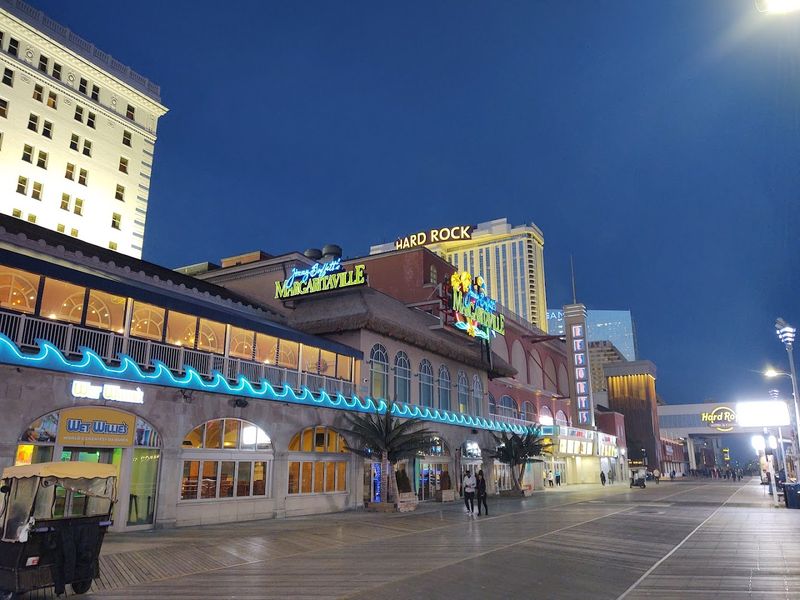
Eating well on the Atlantic City Boardwalk is not hard to do. The range of restaurants along this stretch is genuinely impressive, going from casual grab-and-go spots to five-star dining rooms with ocean views that make every meal feel like an occasion.
Seafood is the obvious star here. Fresh catches prepared with care show up on menus throughout the boardwalk, and sitting down with a plate of something from the ocean while the actual ocean is visible through the window is a combination that just works.
The connection between the food and the place feels real rather than forced.
What makes the restaurant scene feel special is the variety. Whether the mood calls for something quick and satisfying between activities or a longer, more relaxed sit-down meal, options exist at every point along the walk.
Some spots have been here for decades, carrying a sense of local identity that newer places are still building toward. The boardwalk dining experience is not just about what is on the plate.
It is about where you are sitting when you eat it.
Shops, Souvenirs, and the Art of the Impulse Buy
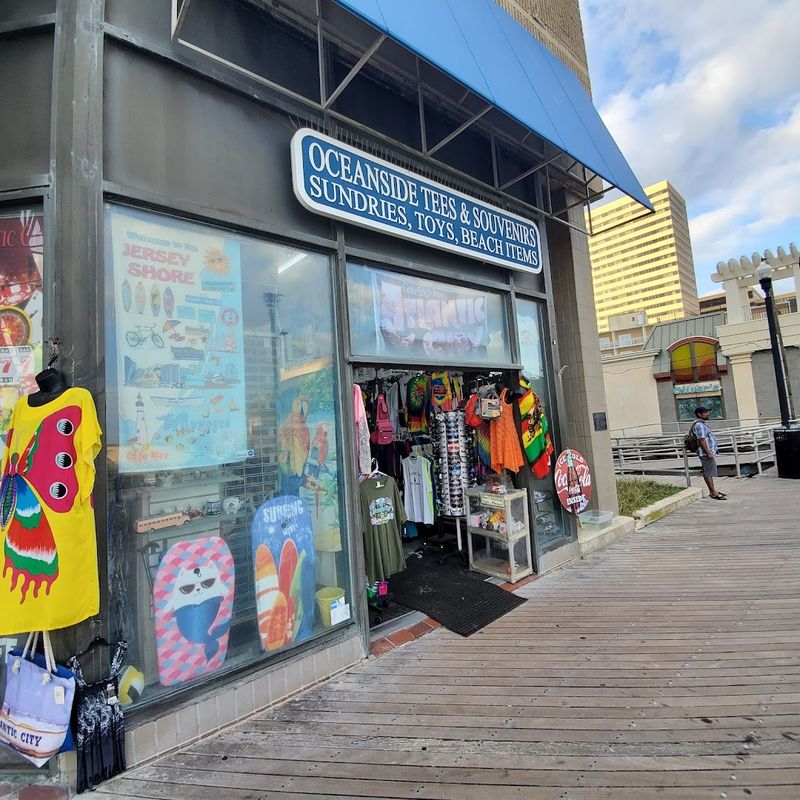
There is a certain joy in boardwalk shopping that has nothing to do with needing anything.
The Atlantic City Boardwalk delivers this feeling in full, with shop after shop stocked with everything from practical beach gear to completely unnecessary souvenirs that somehow feel mandatory.
T-shirts, magnets, hats, and snow globes sit alongside sunscreen, sandals, and beach towels. The mix is deliberately chaotic and somehow totally satisfying.
Browsing through these shops while the ocean breeze drifts in through open doors is one of those small pleasures that adds up to a genuinely good afternoon.
Some of the longer-standing shops carry items with real local character, things that feel specific to this boardwalk and this city rather than generic seaside merchandise. Finding one of those pieces is a small treasure hunt worth taking seriously.
The shopping scene here is not about luxury or careful curation. It is about the experience of wandering, picking things up, putting them down, and eventually walking away with something that will make you smile every time you find it in a drawer six months later.
The Herringbone Planks Beneath Your Feet
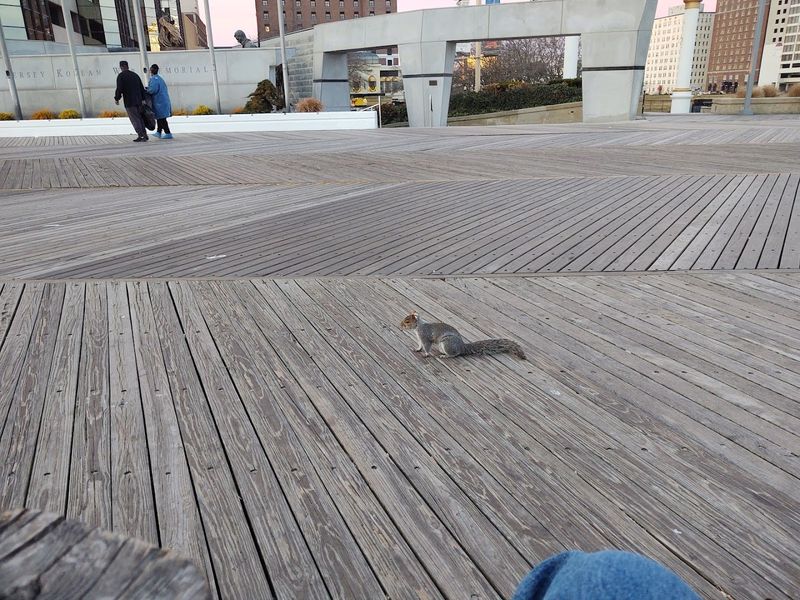
Most people walk the boardwalk without looking down, which means most people miss one of its quieter details.
The wooden planks are often laid in a herringbone pattern, a design choice that gives the surface a distinctive visual rhythm that separates it from any ordinary wooden path.
The craftsmanship involved in maintaining a structure this old and this long is no small thing. Modern sections use ipe, a dense South American hardwood known for resisting moisture, wear, and the kind of punishment that comes from millions of footsteps and decades of coastal weather.
It is a practical material that also happens to look beautiful underfoot.
Thinking about the layers of history compressed into those planks adds something to every step. The same stretch of boardwalk that once carried visitors in Victorian-era clothing now carries families in flip-flops and sneakers.
The surface has changed and been replaced over time, but the structure itself has held.
That kind of continuity is rare, and the herringbone pattern is a quiet reminder that someone always cared about getting the details right on this very old, very beloved walkway.
Casinos and the Boardwalk’s Second Act
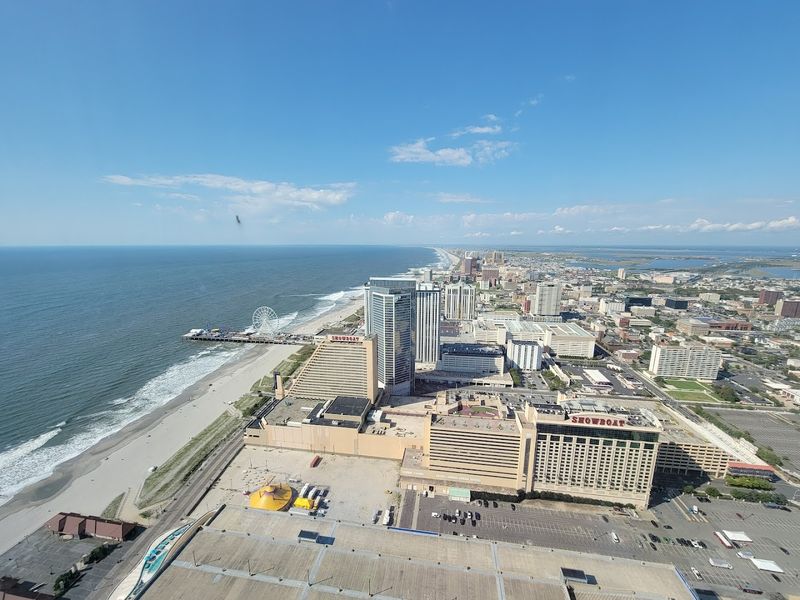
In the late 1970s, the Atlantic City Boardwalk entered a whole new chapter. Casino gambling arrived, and with it came a wave of large-scale resort development that reshaped the skyline and brought a new kind of energy to the entire stretch of waterfront.
The casinos that line the boardwalk today are hard to miss. Their scale is remarkable, rising up behind the wooden promenade like a second city built on top of the first.
For visitors, this means that a single afternoon on the boardwalk can include everything from a quiet walk by the water to an evening inside one of the most elaborate entertainment complexes on the East Coast.
What is interesting about this era of the boardwalk is how the casinos coexist with the older, simpler pleasures that have been here since the beginning.
The taffy shops and the amusement piers and the ocean views are all still present, holding their own alongside the neon and the grandeur.
The boardwalk absorbed this transformation without losing its identity, which says something meaningful about how deeply rooted this place really is.
Why People Keep Coming Back After 150 Years
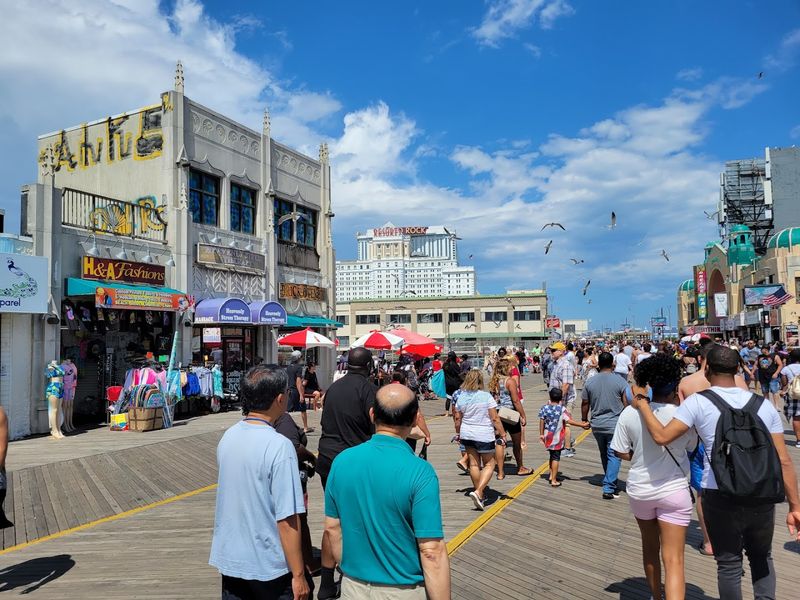
Something about the Atlantic City Boardwalk creates loyalty that is hard to explain purely through logic. People who came here as kids bring their own kids back.
Families return year after year to the same stretch of planks, the same taffy shop, the same view of the ocean from the same bench.
Part of the appeal is that the boardwalk rewards both first-timers and regulars equally. There is always something new tucked between the familiar, a new restaurant, a refreshed section of planks, a different event happening on the pier.
The place evolves without ever fully changing.
The deeper pull is probably simpler than any of that. This is a place where the ocean is always visible, the food is always present, and the energy of a crowd enjoying itself is always within earshot.
Since 1870, through storms and rebuilds and cultural shifts and casino booms, the Atlantic City Boardwalk has remained exactly what it was always meant to be: a place where people come to feel good about being somewhere.
Address: New Jersey
