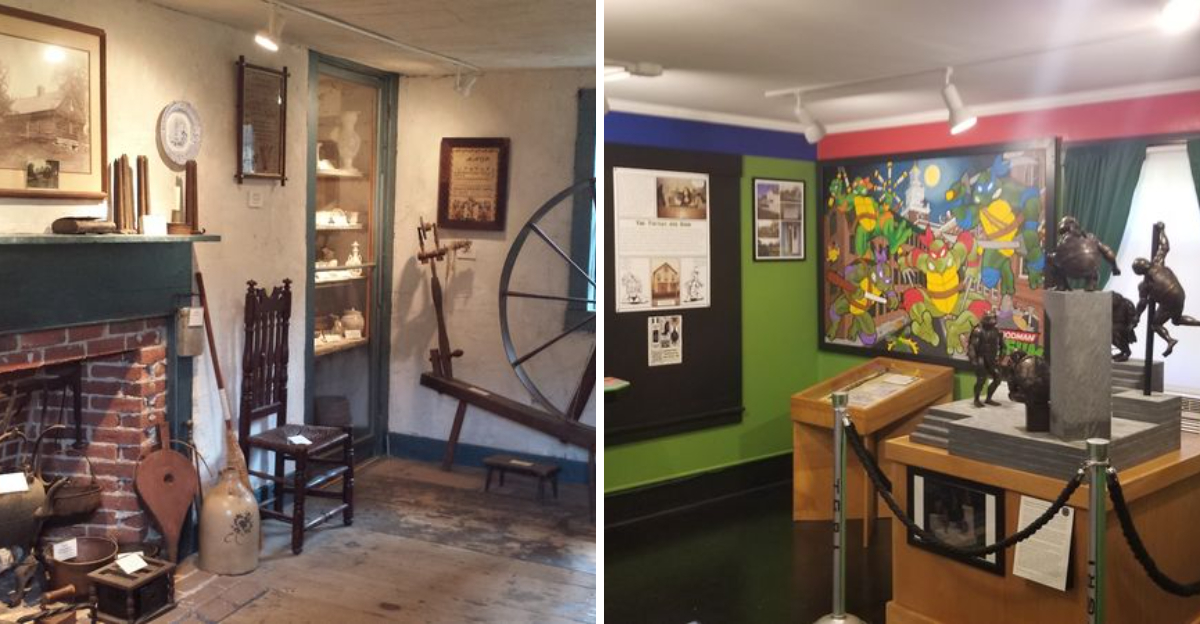
I have been to museums that tell one story very well, and I have been to museums that try to tell too many stories and end up feeling confused. This one in New Hampshire is something else entirely, because it feels like an old fashioned cabinet of curiosities where someone has been collecting interesting things for nearly four hundred years and just kept going.
Natural history, local artifacts, oddities, art, taxidermy, old tools, things I could not identify even after reading the label. I wandered from room to room with no real plan, just letting myself be surprised by whatever came next.
New Hampshire does not have many places like this, and I am already planning to go back and see what I missed the first time.
The Damm Garrison House: A Living Relic from the 1600s
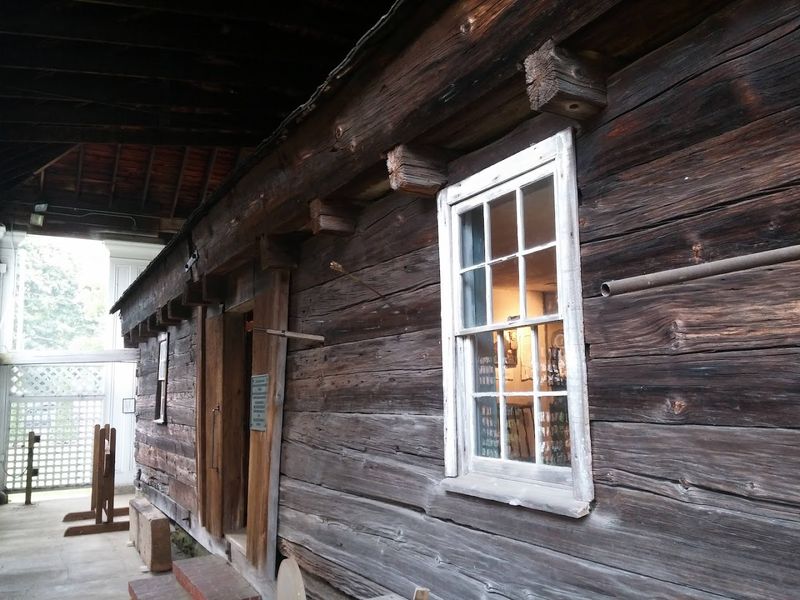
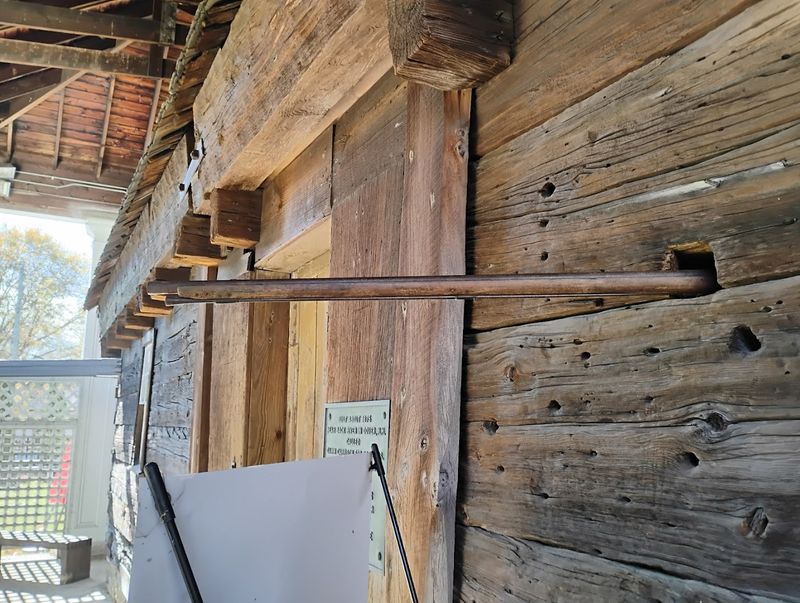
Standing quietly on the museum grounds is a structure that predates the American Revolution by a full century. The Damm Garrison House, built around 1675, is one of the last surviving garrison houses in all of New Hampshire, and stepping inside feels like cracking open a time capsule sealed for over three hundred years.
The thick wooden walls were built to withstand attack, and the craftsmanship reflects the very real dangers of colonial frontier life. Inside, more than eight hundred artifacts from the colonial era fill the space, from spinning wheels to cobbler tools and early domestic objects that paint an incredibly vivid picture of daily survival.
What makes this building so special is its remarkable state of preservation. Most structures from this era simply did not survive.
Yet here it stands, fully intact and open to explore, making it the oldest house in Dover and a genuine architectural treasure.
For anyone fascinated by early American life, this is the crown jewel of the entire campus. The Woodman Museum deserves serious credit for maintaining this irreplaceable piece of New Hampshire history in such an accessible and engaging way.
The Woodman House and Its Cabinet of Curiosities Origins
George H. Woodman was not your average collector.
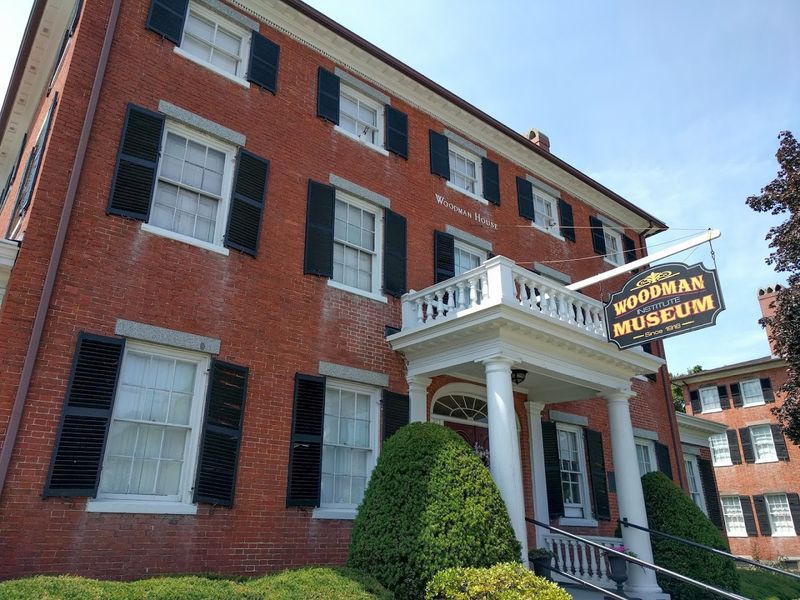
His personal residence, now the main building of the Woodman Museum campus, was famously described as a cabinet of curiosities, a sprawling personal universe of objects gathered from intellectual passion, travel, and an insatiable appetite for the fascinating and the strange.
Daniel P. Woodman, a Harvard-educated lawyer connected to the museum’s founding, amassed an astonishing personal collection of natural history specimens, historical artifacts, and curiosities from both his travels and local finds.
That spirit of wonder and eclecticism is baked into every room of this building.
The Woodman House itself dates to 1818, giving it a dignified Federal-era elegance that contrasts beautifully with the wild variety of objects displayed within its walls. Minerals, fossils, fine art, antique furniture, and military artifacts all coexist here in a way that feels organic rather than curated.
New Hampshire history runs deep through every floorboard. Annie E.
Woodman established the institution through a trust in 1916, and her vision of promoting education through preservation has never felt more alive than it does walking through these rooms today.
Nanuk the Polar Bear and the Wild Taxidermy Collection
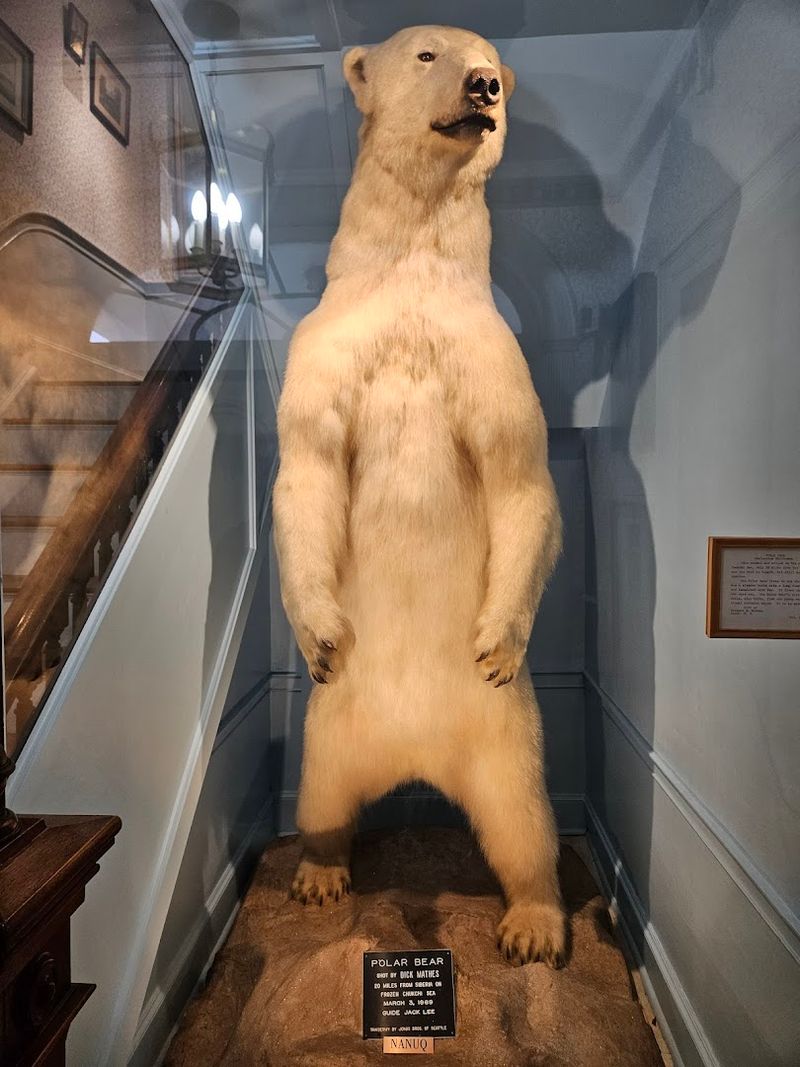
Few things stop visitors in their tracks quite like a ten-foot polar bear looming in the corner of a room. Nanuk, as the polar bear is affectionately known, has been greeting wide-eyed museum-goers for decades and remains one of the most talked-about exhibits on the entire campus.
The natural science collection at the Woodman Museum is genuinely extraordinary. A manatee, a full-sized moose, a thirty-seven-pound lobster, a four-legged chicken, and a two-headed snake round out a collection that feels equal parts natural history museum and carnival of wonders.
The sheer variety is staggering.
There is also a so-called man-killing bi-valve clam from Australia, which sounds like something out of a tall tale but is displayed with complete seriousness alongside rocks, minerals, fossils, and taxidermied birds including owls, bison, and butterflies.
This collection captures the original cabinet of curiosities spirit perfectly. New Hampshire might not be the first place you think of for exotic wildlife displays, but the Woodman Museum makes a compelling case for itself with every single specimen lining these fascinating, slightly wonderstruck rooms.
The Hale House and Its Jaw-Dropping Lincoln Connection
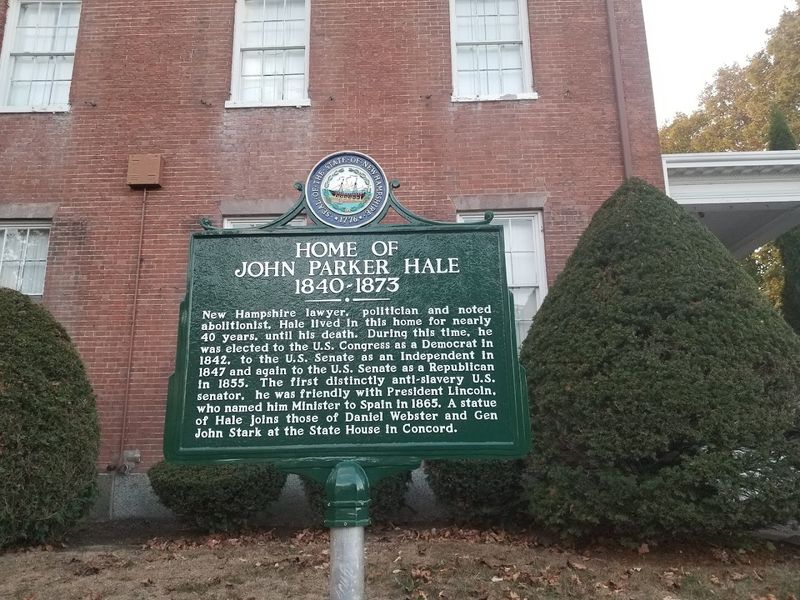
The Hale House, built in 1813, carries a story so dramatic it almost sounds fictional. Senator John P.
Hale was a fierce abolitionist who worked closely with President Abraham Lincoln during one of the most turbulent chapters in American history. His daughter, Lucy Lambert Hale, adds an even more extraordinary twist to the tale.
Lucy Lambert Hale was romantically linked to John Wilkes Booth, the man who assassinated Lincoln. That connection transforms this elegant building into something far more than a Civil War exhibit.
It becomes a front-row seat to one of the most haunting intersections of love, politics, and tragedy in American history.
The Hale House Civil War Museum holds a comprehensive collection of artifacts from the era, including a Civil War cannon and a saddle reportedly used by President Lincoln shortly before his assassination. Spread across two floors, the exhibits cover everything from the textile industry in Dover to the broader sweep of the Lincoln years.
Serious history enthusiasts will want to linger here. The Woodman Museum presents this material with an intimacy and directness that larger institutions rarely achieve, making the past feel startlingly close.
The Keefe House and the Art Collection Worth Slowing Down For
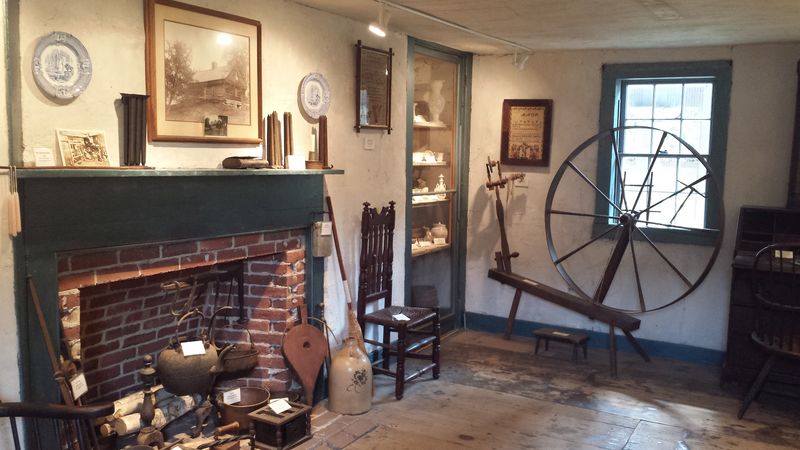
Art lovers, pull up a chair. The Keefe House, dating to 1825, adds a refined and contemplative energy to the Woodman Museum campus that balances out the more chaotic thrill of the natural science and curiosity exhibits elsewhere.
Fine art, antique furniture, and decorative objects fill its rooms with a sense of quiet elegance.
Portsmouth furniture, considered some of the finest craftsmanship produced in early New England, appears throughout the collection. These pieces are not just decorative objects but records of the skilled artisans who shaped the cultural identity of New Hampshire’s Seacoast region during the eighteenth and nineteenth centuries.
A Victorian funeral exhibit adds an unexpectedly fascinating layer to the house, complete with an 1890s horse-drawn hearse that commands attention the moment you lay eyes on it. It is the kind of exhibit that prompts genuine conversation and reflection about how attitudes toward death and mourning have shifted over generations.
A set of Samurai armor also appears among the collection, a reminder that the Woodman family’s curiosity knew no geographic limits. Every room in this house rewards slow, attentive exploration rather than a quick walk-through.
Abenaki History and Native American Artifacts on Display
Long before European settlers arrived in what is now New Hampshire, the Abenaki people called this land home. The Woodman Museum takes this history seriously, dedicating meaningful exhibit space to Native American artifacts that ground the broader story of the region in its deepest and most essential roots.
The collection includes objects that speak to the daily life, craftsmanship, and cultural traditions of the Abenaki community. Displayed alongside colonial-era artifacts, these pieces create a powerful dialogue between the world that existed here before European contact and the one that came after, often violently displacing it.
For younger visitors especially, this exhibit offers an important and often underrepresented perspective on local history. Understanding the Abenaki presence in the Dover area adds critical context to everything else displayed across the campus, from the garrison house to the colonial farm tools and furniture.
The Woodman Museum earns real respect for including this material thoughtfully rather than treating it as a footnote. New Hampshire’s pre-colonial past is rich and complex, and exhibits like this one make a meaningful effort to honor that depth with care and educational intention.
The Teenage Mutant Ninja Turtles Exhibit: Dover’s Unexpected Pop Culture Claim to Fame
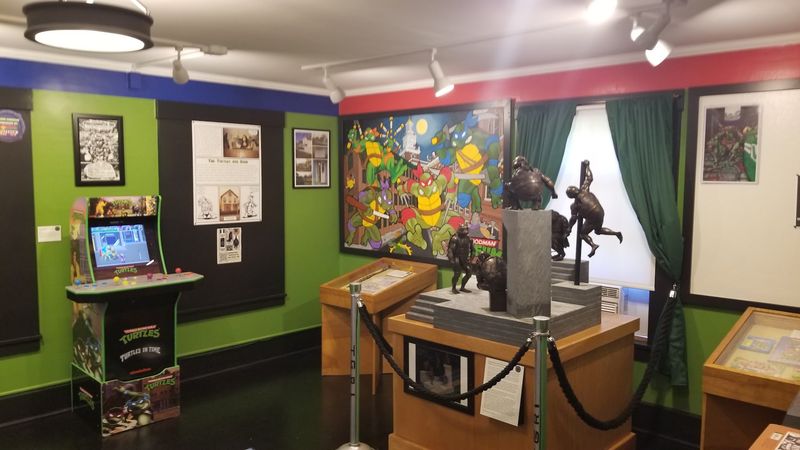
Nobody expects to walk through centuries of colonial history and then suddenly land in the world of Leonardo, Donatello, Raphael, and Michelangelo. But that is exactly what happens at the Woodman Museum, and honestly, it is one of the most delightful surprises the campus has to offer.
The Teenage Mutant Ninja Turtles were created by Kevin Eastman and Peter Laird right here in the Dover area. That local origin story gives the museum the perfect reason to celebrate the franchise with a dedicated exhibit featuring original artwork, memorabilia, vintage comic books, and a working arcade machine.
Television episodes play on a screen, and actual books from the franchise sit available to pick up and flip through. It is an interactive, hands-on corner of the museum that children absolutely love, though adults who grew up with the Turtles tend to linger just as long.
The exhibit transforms what might seem like a quirky footnote into a genuine point of civic pride. New Hampshire produced one of the most beloved pop culture franchises in history, and the Woodman Museum makes sure that story gets told with the energy and enthusiasm it deserves.
Military History Spanning from the Civil War to Vietnam
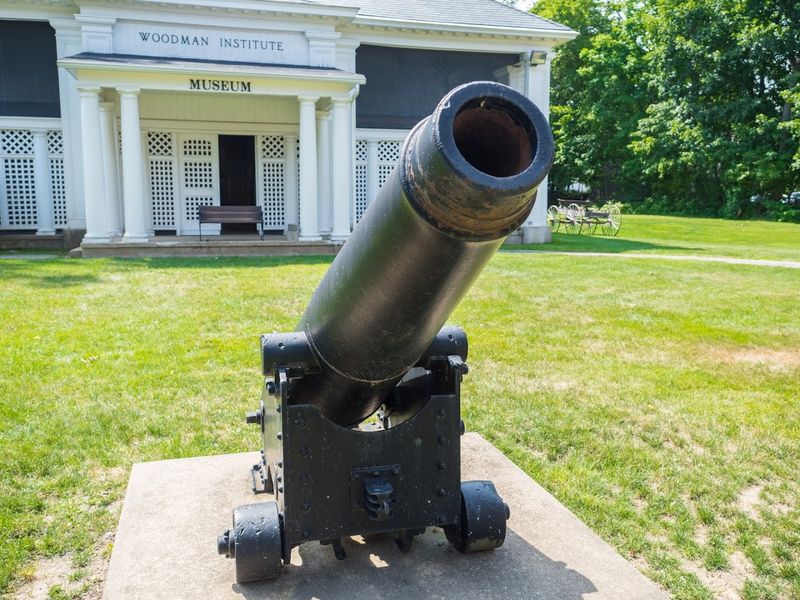
The military history collection at the Woodman Museum is one of its most emotionally resonant sections, covering conflicts from the Civil War all the way through the Vietnam War with depth and respect. The range of artifacts is remarkable, pulling visitors through more than a century of American military experience in a single campus visit.
A Civil War cannon anchors the collection with undeniable physical presence. Nearby, the saddle reportedly used by President Abraham Lincoln shortly before his assassination adds a genuinely chilling personal dimension to what might otherwise feel like a purely academic display of weapons and uniforms.
The Hale House Civil War Museum provides the primary home for much of this material, with two floors dedicated to the era’s artifacts, stories, and broader historical context. The connection to Senator Hale’s abolitionist work with Lincoln gives the entire collection a compelling narrative spine.
Military history can sometimes feel distant and abstract when presented through glass cases alone. Here, the personal objects, the individual stories woven into the exhibit descriptions, and the intimate scale of the historic buildings combine to make these chapters of American history feel immediate, human, and genuinely moving.
The Campus Layout: Four Historic Houses and One Extraordinary Walk Through Time
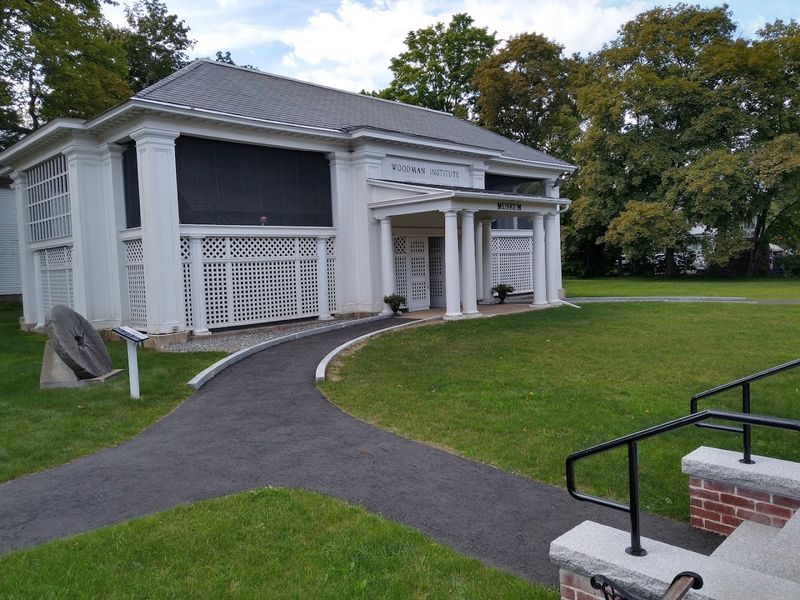
Most museums live in a single building. The Woodman Museum spreads itself across four distinct historic structures, each with its own personality, era, and story to tell.
That multi-building layout transforms a simple museum visit into something more like a neighborhood stroll through living history.
The Woodman House from 1818, the Hale House from 1813, the Keefe House from 1825, and the extraordinary Damm Garrison House from around 1675 all sit together on the same campus. Walking from one to the next, you feel the centuries shifting around you in a way that no single building could ever replicate.
A garden sits between the buildings, offering a peaceful spot to pause and absorb everything before moving on to the next exhibit space. The overall atmosphere is intimate and unhurried, which makes a real difference when you are processing this much history in one go.
Plan to spend at least an hour and a half, ideally two full hours, to give each building the attention it deserves. The Woodman Museum operates seasonally from April through November, Wednesday through Sunday, so timing your visit to New Hampshire accordingly is well worth the effort.
Planning Your Visit to 182 Central Ave, Dover, New Hampshire
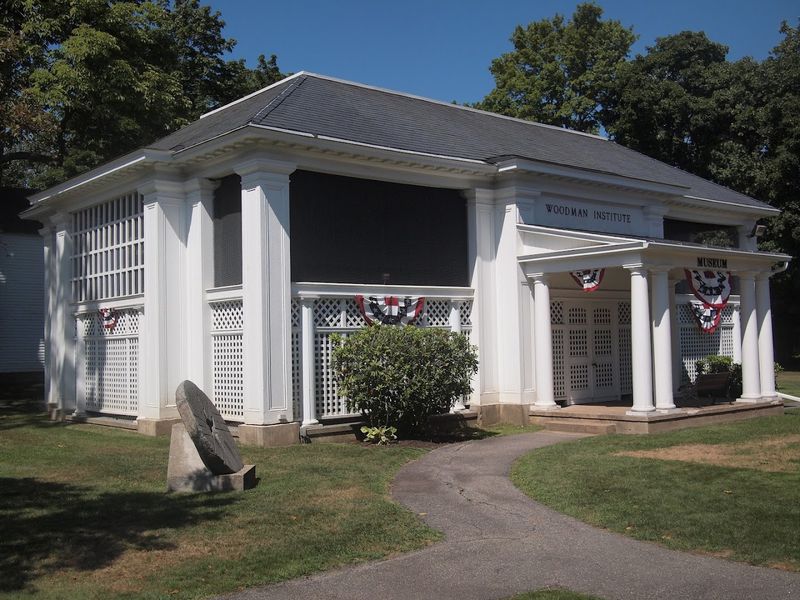
Getting to the Woodman Museum is straightforward, and the payoff is enormous. Located at 182 Central Ave in Dover, New Hampshire, the museum sits in a charming part of the city that rewards a leisurely explore before or after your visit.
Guided tours are available for an additional fee and come highly recommended, especially for first-timers who want the full story behind the collections.
The museum opens Wednesday through Sunday from ten in the morning until five in the afternoon, operating seasonally from April through November. Arriving early gives you the best chance to move through all four buildings without feeling rushed, which matters more here than at most museums given the sheer volume of things to see.
Family visits work particularly well here. Kids gravitate toward the taxidermy, the Ninja Turtles exhibit, and the garrison house with equal enthusiasm, while adults tend to disappear into the Civil War rooms or the fine art collections for extended stretches.
Memberships are available for those who fall in love with the place and want to return multiple times throughout the season. New Hampshire has plenty of excellent museums, but few offer this kind of layered, surprising, and deeply personal experience at a single address.
