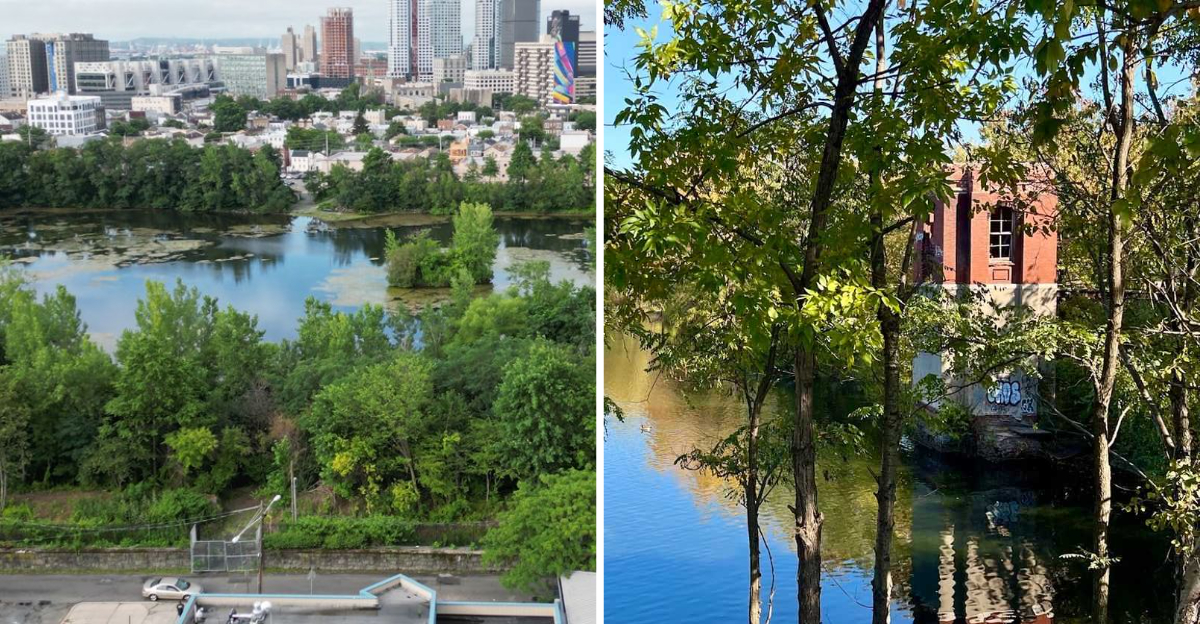
Once upon a time, this New Jersey landmark quenched the thirst of a growing city. Pipes and pumps did their duty for decades.
But times changed. The water stopped flowing to faucets and started welcoming feathers instead.
Today, this peaceful preserve has traded its industrial past for a quieter mission. Herons stalk the shallow edges.
Turtles sunbathe on forgotten concrete. Trails wind through gentle woods where birdwatchers whisper with excitement.
No rushing water. No factory noise.
Just a lovely old reservoir turned accidental paradise for winged visitors and wandering humans alike. Bring binoculars.
A Victorian-Era Engineering Marvel Built to Quench a City
Few places carry history as visibly as this one does. Constructed between 1871 and 1874, the reservoir was an engineering achievement of its era, built to deliver clean drinking water to Jersey City residents and even to Ellis Island.
The 20-foot perimeter walls were designed in the Egyptian Revival style, giving the site a grand, almost ceremonial presence that feels out of place in the best possible way.
Walking alongside those walls, you get a real sense of the ambition it took to build something like this in the 1870s.
What makes it even more remarkable is that this system was among the earliest public water supplies in all of New Jersey. It pioneered chlorination of drinking water in the United States, sending disinfected water directly into homes at a time when that was genuinely revolutionary.
The structure itself is a monument to public health history, and standing inside it feels like reading a textbook that somehow became a park.
Romanesque Pump Stations That Still Stand Proud
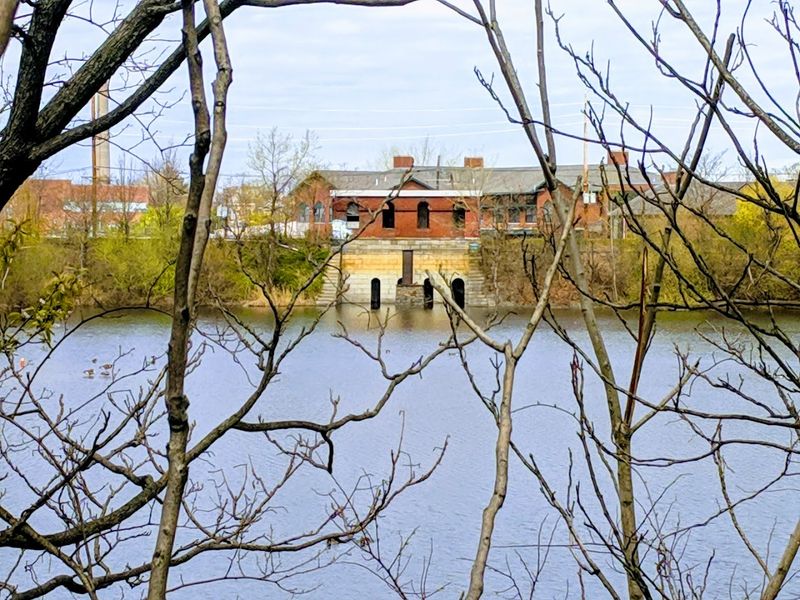
Most people walk right past the pump stations and gate houses without realizing how architecturally significant they are.
These structures were built in the Romanesque Revival style, with rounded arches and sturdy stonework that feels more European cathedral than New Jersey utility building.
The contrast between the Egyptian Revival walls and the Romanesque pump stations creates this layered visual experience that architecture lovers will genuinely appreciate. It is not something you expect when you show up for a morning walk, and that surprise makes it all the more satisfying.
Both styles were popular choices for civic infrastructure during the late 19th century, when cities wanted their public works to project dignity and permanence.
The fact that these structures have survived so well is a credit to both the original craftsmanship and the preservation efforts that followed.
Running your hand along the stonework and realizing it has been there for over 150 years brings a quiet kind of awe that is hard to replicate anywhere else in the region.
From Waterworks to Wilderness: The Decommissioning Story
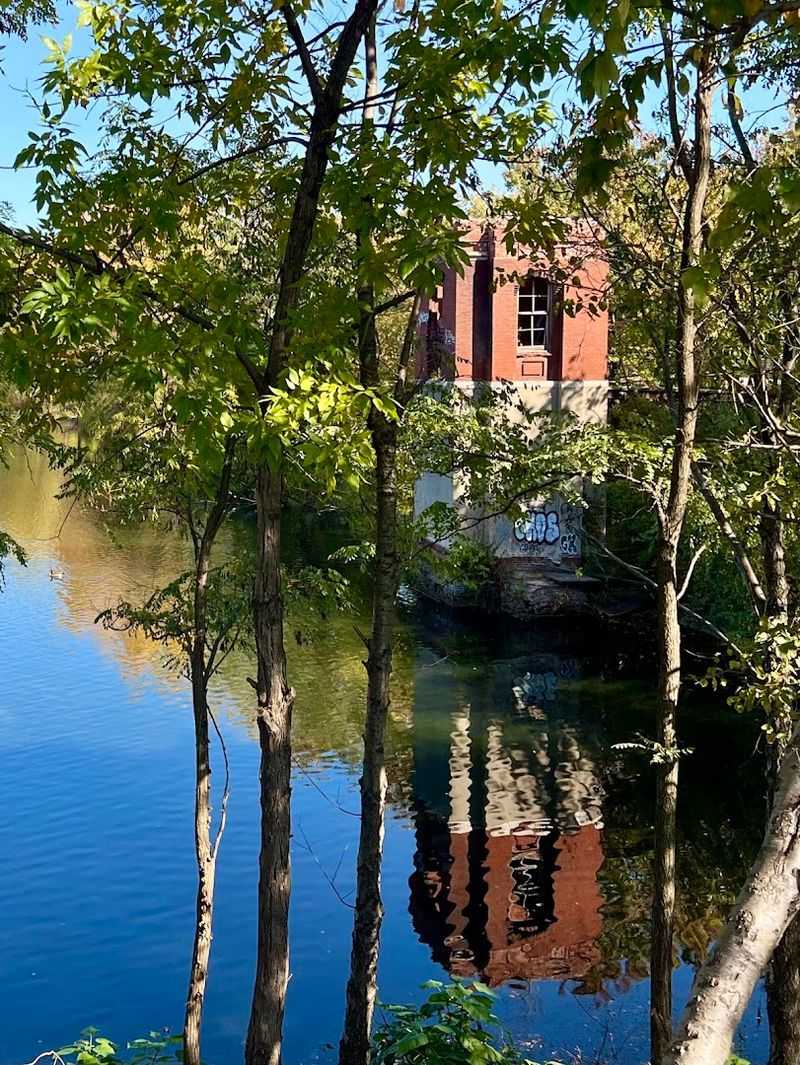
After nearly a century of service, the reservoir was decommissioned in the late 1980s and fully drained, left to its own devices as the city transitioned to a larger water source at the Boonton Gorge.
What happened next is the kind of thing nature documentaries are made of.
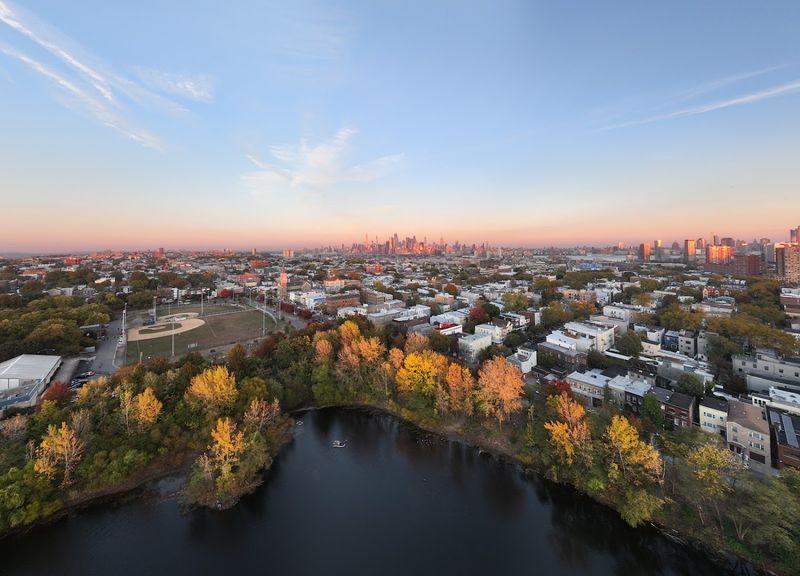
Without human management, the basin quietly transformed itself. A 6-acre lake formed, wildflowers spread across the floor, trees took root, and an entire mini-ecosystem established itself within those historic walls.
Birds arrived first, then other wildlife followed, drawn by the water and the shelter the high walls provided. The site became an accidental sanctuary, a rewilding experiment that nobody planned but everyone eventually came to treasure.
There is something deeply satisfying about watching a place meant to serve humans slowly become a refuge for everything else.
The transformation from industrial infrastructure to living wetland is a story about resilience, and it plays out visually every single time you step through the entrance on Howie Fink Way.
The Community Alliance That Refused to Let It Disappear
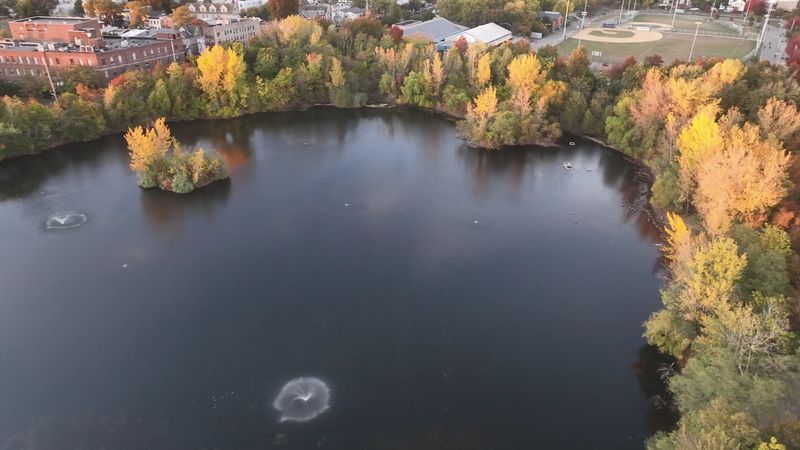
When a place this special sits abandoned, it tends to attract two kinds of attention: developers and devoted locals. Fortunately, the devoted locals got organized first.
The Jersey City Reservoir Preservation Alliance, known as the JCRPA, was formed by concerned citizens who saw the site’s potential and refused to let it become condominiums.
The group pushed for its designation as a public historic and nature park, a botanical sanctuary, and a wildlife habitat all at once. That kind of multi-pronged advocacy takes real persistence, and the JCRPA delivered it over many years of community organizing and public outreach.
Their work paid off in meaningful ways. The site was listed on both the New Jersey and National Registers of Historic Places in 2012, giving it legal protections that made future development far less likely.
The JCRPA continues to run maintenance programs and seasonal programming, keeping the space alive and accessible. Visiting feels like benefiting from years of someone else’s hard work, and it is worth pausing to appreciate that.
Birdwatching That Will Make You Cancel Your Other Plans
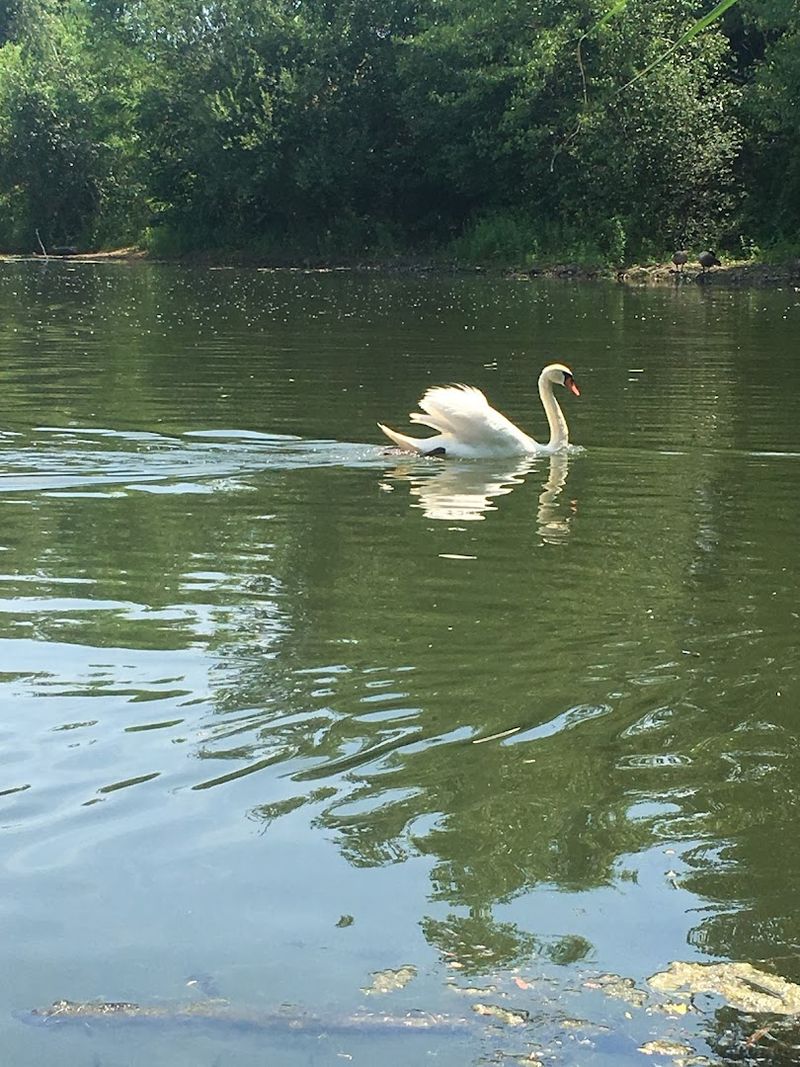
Swans gliding across the surface, great blue herons standing motionless at the water’s edge, peregrine falcons cutting across the sky above the walls.
The birdwatching at this preserve is genuinely exceptional for an urban setting, and it catches first-time visitors completely off guard.
The enclosed walls create a sheltered microhabitat that attracts species you would not normally expect to find in the middle of a densely populated city. Bring binoculars and give yourself more time than you think you need, because the variety of sightings can stretch a planned 30-minute walk into a full morning.
Spring and fall migration seasons bring even more variety, with species stopping over during their longer journeys. Hummingbirds have been spotted here, along with hawks riding thermals above the walls.
The lake and surrounding vegetation provide food, shelter, and nesting spots that support a surprisingly robust bird population year-round.
For anyone who enjoys birding, this place earns a permanent spot on the must-visit list for the entire New Jersey region without any exaggeration.
The Reopening That the Neighborhood Had Been Waiting For
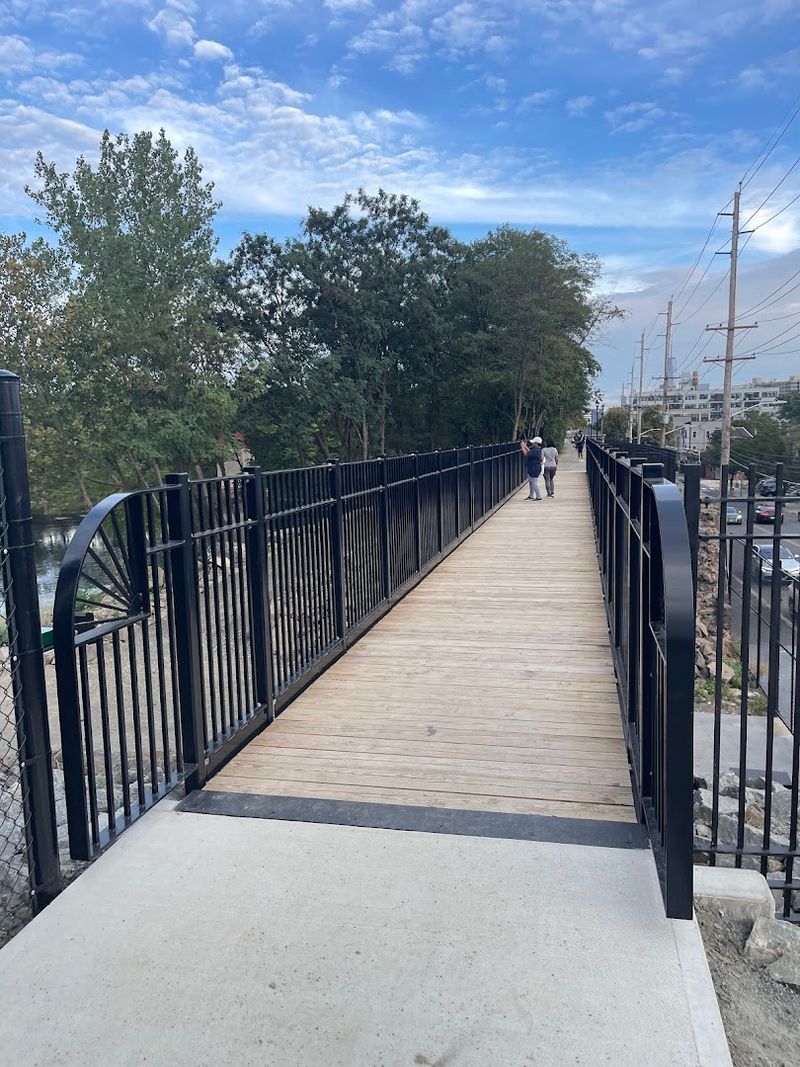
September 17, 2024 was a big day for Jersey City. After more than three years of renovations and closure, the preserve officially reopened to the public, and the neighborhood showed up ready to enjoy every inch of it.
The improvements were substantial. Path widening to meet ADA compliance standards, new fencing, updated lighting, and the addition of the Jefferson Avenue walkway bridge all made the space more welcoming and safer for a wider range of visitors.
The gravel perimeter path now loops the entire reservoir in a way that feels intentional and well-maintained.
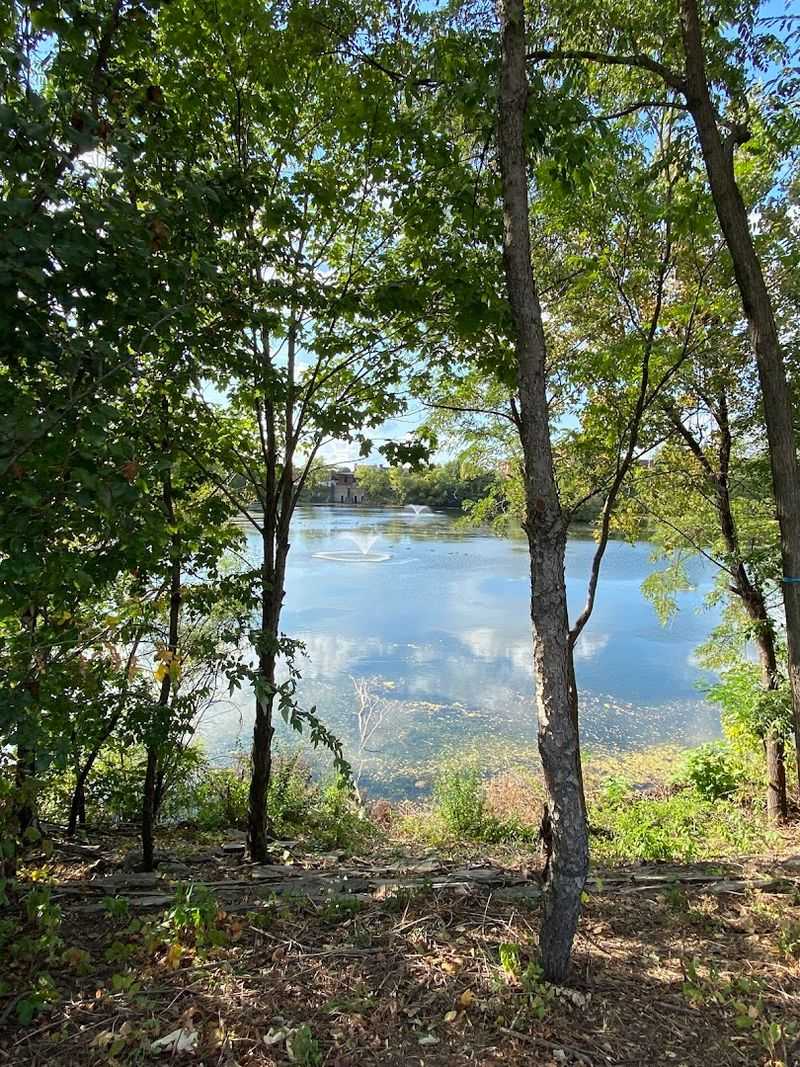
A picnic table at the southwest corner gives you a quiet spot to sit and take in the view of the lake, which shimmers through the trees depending on the time of day. The reopening represented years of planning, funding, and community patience finally paying off.
Walking the path now, it is easy to feel the care that went into every detail of the renovation, from the smooth gravel underfoot to the thoughtful placement of signage throughout the preserve.
A Nature Walk That Feels Nothing Like a City Stroll
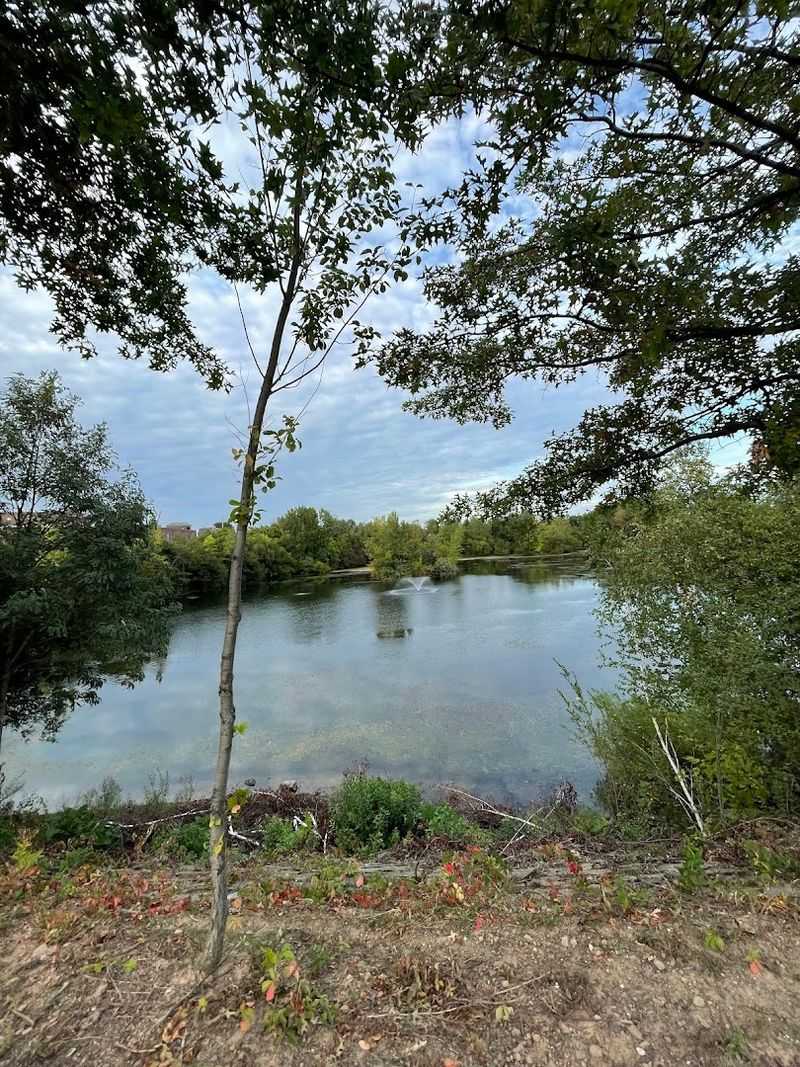
Something shifts the moment you step inside the walls. The city noise does not disappear entirely, but it drops to a low hum that you stop registering after about two minutes.
The trail runs along the perimeter of the reservoir, and the combination of trees overhead and water nearby creates a sensory experience that genuinely feels removed from urban life.
Wildflowers grow in patches along the path, and the vegetation changes noticeably with the seasons. Late spring brings a lushness that makes the whole interior feel almost tropical, while autumn strips things back to reveal the full geometry of the stone walls in a completely different kind of beauty.
Dogs are welcome on leash, which adds a lively energy to weekend visits without disrupting the overall calm. The trail is open daily from 8 AM to 8 PM, making it easy to slot into a morning routine or an evening wind-down.
For a city that can feel relentlessly loud, having a place like this within walking distance of a subway stop is a genuine quality-of-life gift.
National Register Status and What It Means for Visitors
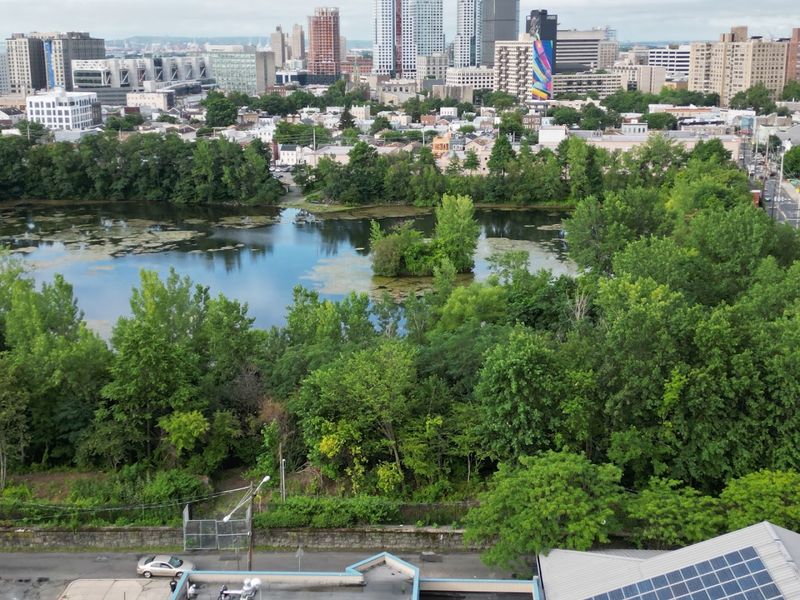
Getting listed on the National Register of Historic Places is not a casual achievement. It requires documentation, review, and a demonstrated significance to American history, architecture, or culture.
This preserve earned that designation in 2012 at both the state and federal levels, which says a great deal about what makes it special.
For visitors, the listing means the site is protected from the kind of large-scale development that has consumed other historic properties in the region. It also means resources for preservation and restoration are more accessible, which directly contributed to the renovation work completed before the 2024 reopening.
Beyond the practical implications, the designation adds a layer of meaning to every visit. Walking a path inside a nationally recognized historic site that also happens to be a thriving wildlife habitat is a rare combination.
Most historic landmarks are static, roped-off, and observed from a distance. This one invites you in, lets you walk its perimeter, and surrounds you with living proof that history and nature can share the same space beautifully and productively.
Planning Your Visit to Howie Fink Way
Getting here is straightforward, and the entrance on Howie Fink Way is the only way in, so keep that in mind when you are navigating.
The preserve is open every day from 8 AM to 8 PM, which gives you a solid window whether you prefer a sunrise walk or a late afternoon wander before dinner.
The JCRPA typically runs programming on Saturdays from May through October, so those visits tend to have a bit more energy and the chance to learn more about the site from people who genuinely love it. Weekday mornings are quieter, which suits birdwatching particularly well.
Wear comfortable shoes because the gravel path is easy enough but the terrain inside the walls can vary. Bring water, especially in summer when the canopy thins out in spots.
A pair of binoculars makes a real difference for the bird activity around the lake. The preserve sits atop Bergen Hill, so the surrounding neighborhood has its own character worth exploring before or after your visit.
Address: 119-199 Reservoir Ave, Jersey City, NJ.
