We’ve all seen the headlines about Oregon’s rising costs. Rent, home prices, groceries – it can feel like the state is becoming unaffordable by the minute. But here’s the thing: not everywhere in Oregon follows that script.
There’s a town tucked away in a quieter corner of the state where the cost of living sits 29% below the state average. That’s not a typo. Housing is the biggest driver of those savings, running far cheaper than what you’d find in the bigger cities.
Groceries, utilities, and everyday essentials also come in noticeably lower across the board. It’s the kind of place where your paycheck actually stretches further, and the pace of life matches those slower, more affordable numbers.
So yes, Oregon’s affordability isn’t just a myth. You just have to know exactly where to look.
Numbers That Actually Add Up
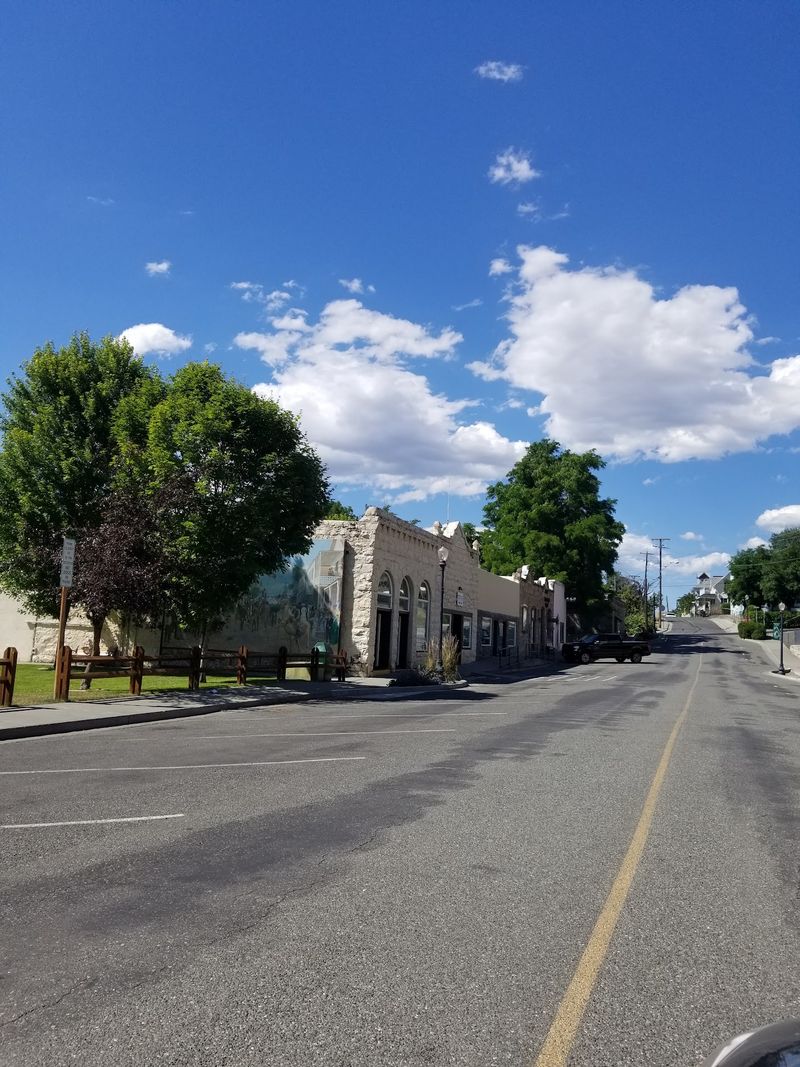
Grant County sits a long way from Oregon’s crowded interstate corridors, and that distance shows up in the math. Estimates put the overall cost of living in Canyon City near 29 percent below the state average.
Housing carries most of that gap. Utilities, transportation and routine errands tend to run softer too, mostly because there is less competition for space and far less pressure from outside buyers.
The town holds roughly seven hundred residents, and its county seat status keeps a handful of steady jobs anchored in place. Fewer chain stores also means fewer impulse purchases.
People here plan trips into town, stock the pantry, and stretch a tank of fuel across the week. That rhythm alone changes spending habits.
Visitors notice it quickly, since the pace never nudges anyone toward buying something just to fill an afternoon. Entertainment leans on rivers, ridgelines and county history rather than ticketed attractions.
For anyone curious about what a lower cost of living actually feels like day to day, Canyon City offers a quiet and workable answer.
Homes With Room To Breathe
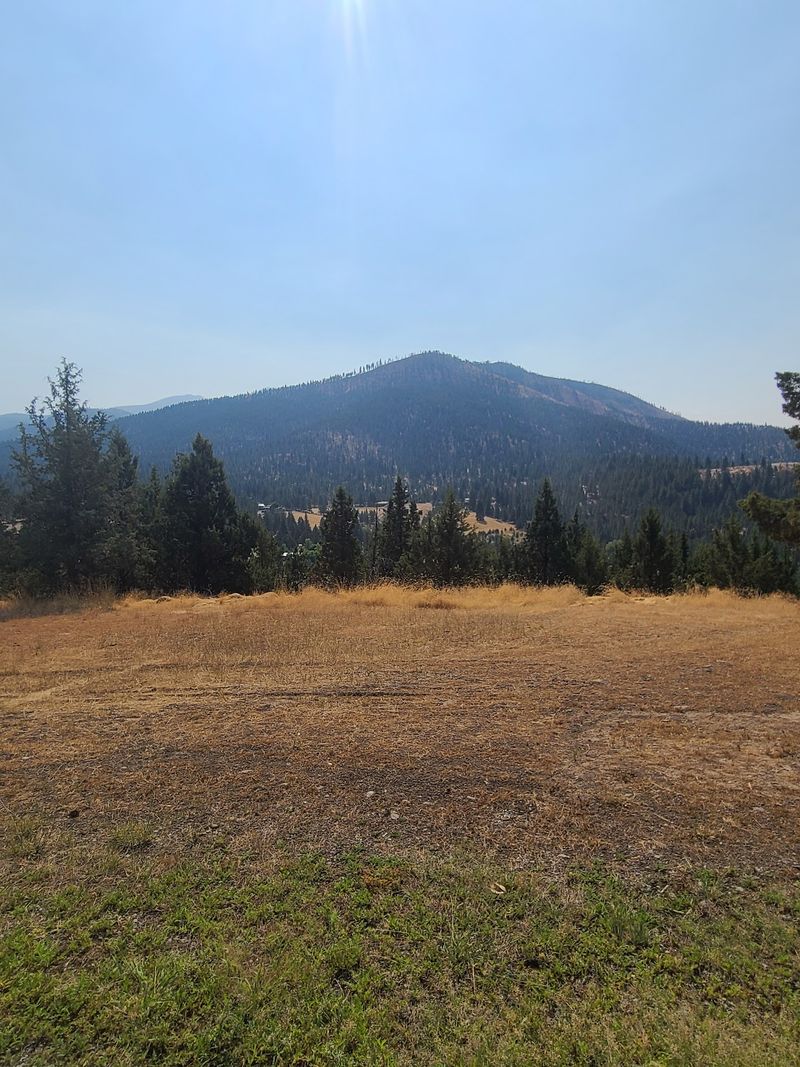
Drive the residential lanes that climb above the highway and the housing story explains itself. Modest wood framed homes sit on generous lots, many with woodsheds, garden rows and a pickup parked in the shade.
Housing costs sit far below the Oregon average, and that single factor drives most of the 29 percent difference. Inventory stays thin, which surprises newcomers.
Properties often change hands quietly, sometimes within families, sometimes through a single local agent who knows every parcel in the canyon. Older houses dominate, built during mining and timber years, so buyers should budget for roofs, wiring and insulation.
Winters get cold here, and heating matters more than curb appeal. Renters have fewer options, and many end up looking two miles north in John Day, where a few more units exist.
Anyone considering a move should visit in February rather than July. Snow on the canyon road tells the truth about daily life better than any listing photo.
The reward is space, silence and a mortgage that leaves room to breathe.
Gold Fever In The Canyon, 1862
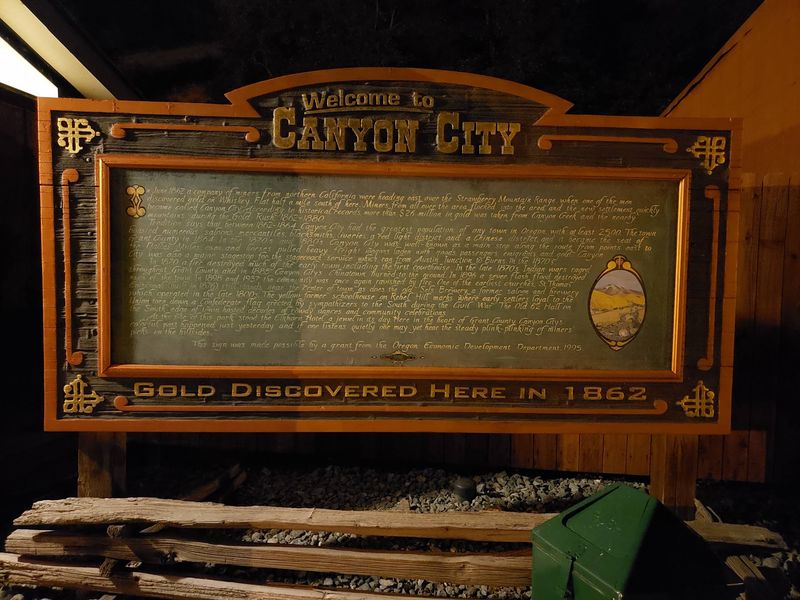
Gold changed everything here in June 1862, when prospectors struck color in the gulch. Word traveled, and thousands poured into a canyon that had held almost nobody the season before.
Tents, cabins and businesses filled the narrow ground beside the creek. Local accounts describe a camp so busy it briefly rivaled larger settlements on the west side of the state.
Miners pulled a remarkable amount of gold from these gravels over the following decades. Fires swept through more than once, taking whole blocks of wooden buildings with them.
What survived became the county seat, chosen in 1864 and still holding the title today. Walk the older streets and the layout still follows mining logic, hugging the slope, squeezed by terrain.
Stone foundations and tailings piles hide under brush if you know where to look. The boom faded, ranching and timber took over, and the population settled into the hundreds.
That history explains the odd mix of grand civic buildings and tiny residential lanes. Big plans, modest reality, plenty of stories in between.
The Museum That Holds The County’s Memory
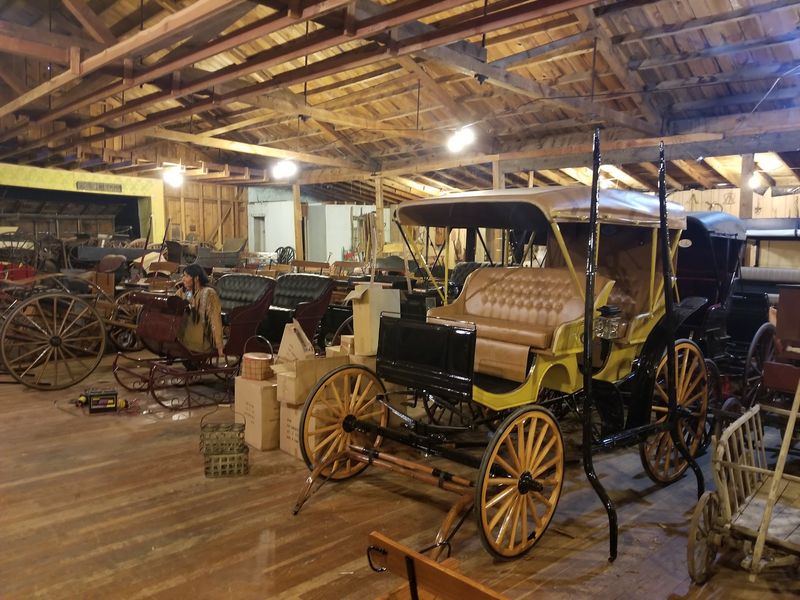
The Grant County Historical Museum packs far more into its rooms than the building’s size suggests. Cases hold mining tools, arrowheads, household objects and photographs of a town that once buzzed with prospectors.
Volunteers run the place, and their knowledge fills the gaps that labels leave behind. Opening hours follow the warm months, so plan a visit between late spring and early fall.
Outside, the grounds hold relocated buildings, including a small jail hauled in from the ghost town of Greenhorn. Iron bars, thick timber walls, and a doorway built for someone shorter than most modern visitors.
Kids tend to linger there longer than expected. The museum also serves as a research stop for families tracing ancestors who came for gold and stayed for ranching.
Photographs of freight wagons on unpaved streets make the modern quiet feel almost surreal. Small museums like this survive on local effort, and the care shows in every tidy display.
Give the visit an hour, maybe two if conversation starts.
Address: 101 South Canyon City Boulevard, Canyon City, Oregon
A Poet’s Cabin Still Standing
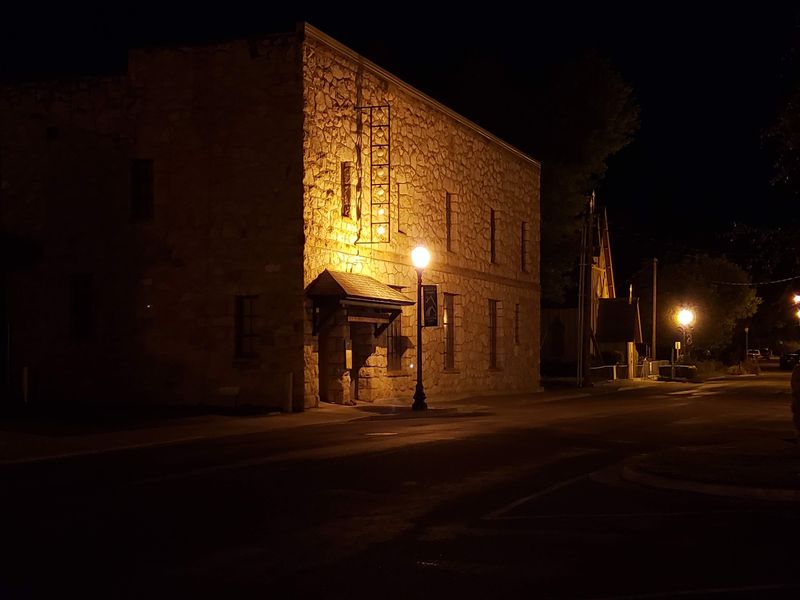
Poetry and gold rarely share a mailing address, but Canyon City managed both. Cincinnatus Heine Miller, later known as Joaquin Miller, lived here in the 1860s and served as a county judge before his writing found fame overseas.
His small cabin was moved to the museum grounds and still stands, low roofed and plain. Peeking inside, the scale surprises people.
One room, a stove, and barely enough space to pace while hunting for a rhyme. Miller went on to be called the Poet of the Sierras, writing verse that sold especially well in England.
The contrast between that fame and this weathered structure says a lot about frontier beginnings. Local history buffs point out that Miller also planted trees and pushed for a town water system.
Practical work, unglamorous, and still useful long after the poems faded from school readers. Photographers like the cabin in late afternoon, when light catches the log ends and shadows stretch across the grass.
Five minutes to see, and it sticks with you.
Canyon Creek And The Road Behind Town
Water runs right through the heart of town, and Canyon Creek gives the place both its name and its shape. The creek carved the narrow gulch where miners once worked gravel by hand.
Today it slips past backyards and under the highway, cold and clear during spring runoff. Follow Canyon Creek Road south and the canyon tightens fast.
Pines climb the slopes, ranch gates appear at intervals, and pavement eventually gives way to forest road. Scars from the 2015 Canyon Creek Complex Fire remain visible along the ridges.
Blackened trunks stand above young growth, a reminder of how close the flames came to homes below. Recovery here is measured in seasons rather than years.
Deer graze the lower meadows at dusk, and elk move through in colder months. Anglers try the creek for trout, though the water is small and much of the bank sits on private land where asking first matters.
Bring layers, because the canyon holds shade and the temperature drops the moment the sun clears the rim.
Strawberry Mountain Country
South and east of town, the Strawberry Mountain Wilderness rises high above the valley floor. Strawberry Mountain itself tops out around 9,038 feet, and its snowfields linger into summer.
The main trailhead sits above Prairie City, a comfortable drive from Canyon City. From there, a moderate hike reaches Strawberry Lake, tucked into a glacial basin with cliffs on three sides.
Push a little farther and the trail climbs to Strawberry Falls. Wildflowers peak in July.
Paintbrush, lupine and columbine crowd the meadows while mosquitoes remind everyone to pack repellent. The Malheur National Forest surrounds all of this, offering campgrounds, forest roads and enough quiet to hear your own footsteps.
Cell service disappears quickly, so download maps before leaving pavement. Fall brings tamaracks turning gold across the slopes, one of eastern Oregon’s underrated color shows.
Hunting seasons fill the woods in October, so wear bright colors and check regulations. Snow closes the higher roads from late fall into spring.
Access like this, minutes from a low cost town, is the trade that keeps people here.
Two Miles North To John Day
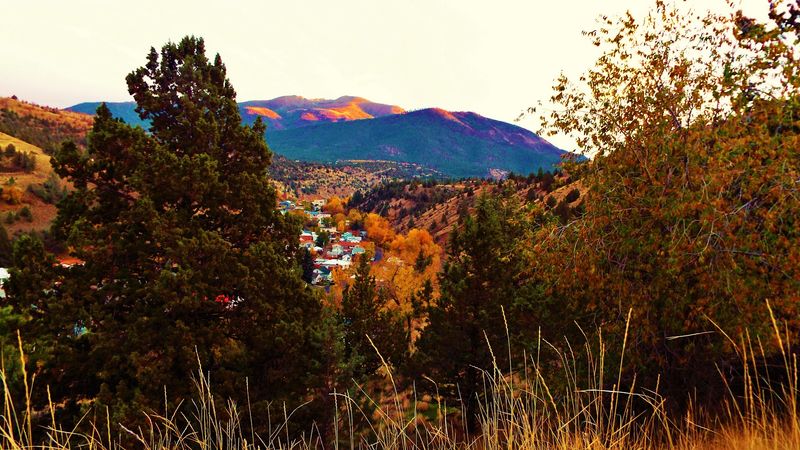
Two miles north, John Day handles the errands Canyon City does not. Groceries, fuel, a hospital, hardware and a few cafes sit along Main Street.
The short hop makes the arrangement work, since neighbors treat the two towns as one long valley community. The standout stop is the Kam Wah Chung State Heritage Site.
The building served as a store, clinic and gathering place for Chinese miners and laborers, run for decades by Ing Hay and Lung On. Rooms remain stocked with herbs, ledgers and everyday objects left almost exactly as they were.
Guided tours are limited in size, so arriving early helps. Few historic sites in the West feel this untouched.
The John Day River threads past town, and a paved path along the water suits an easy evening walk. Airport access is limited, and larger hubs sit hours away.
Residents plan bigger shopping runs to Bend or Boise a few times a year and treat them as full day trips.
Summer Parades And Small Town Rituals
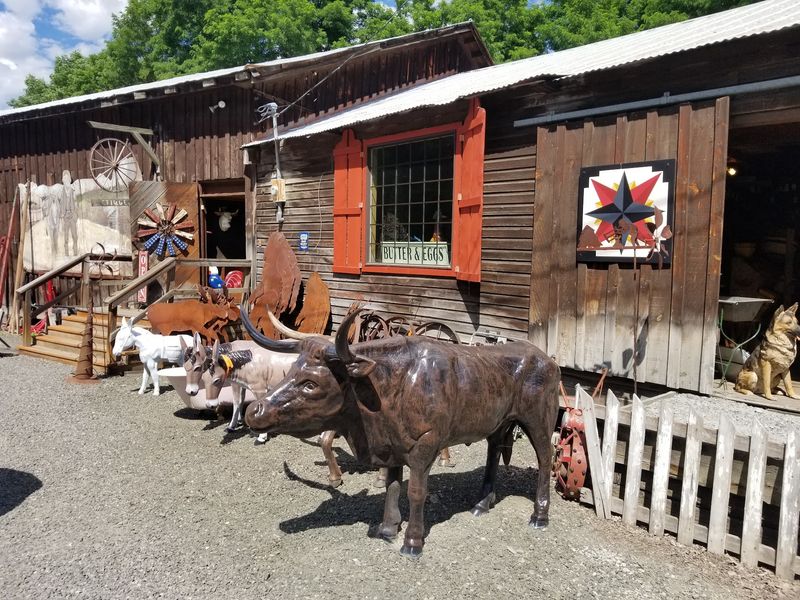
Every June the town leans into its founding story with the Grant County ’62 Days Celebration. Named for 1862, the year gold turned this gulch into a camp, the weekend brings a parade, a rodeo and a street lined with folding chairs.
Population briefly multiplies. Families who moved away drive back, and the park fills with reunions and picnic coolers.
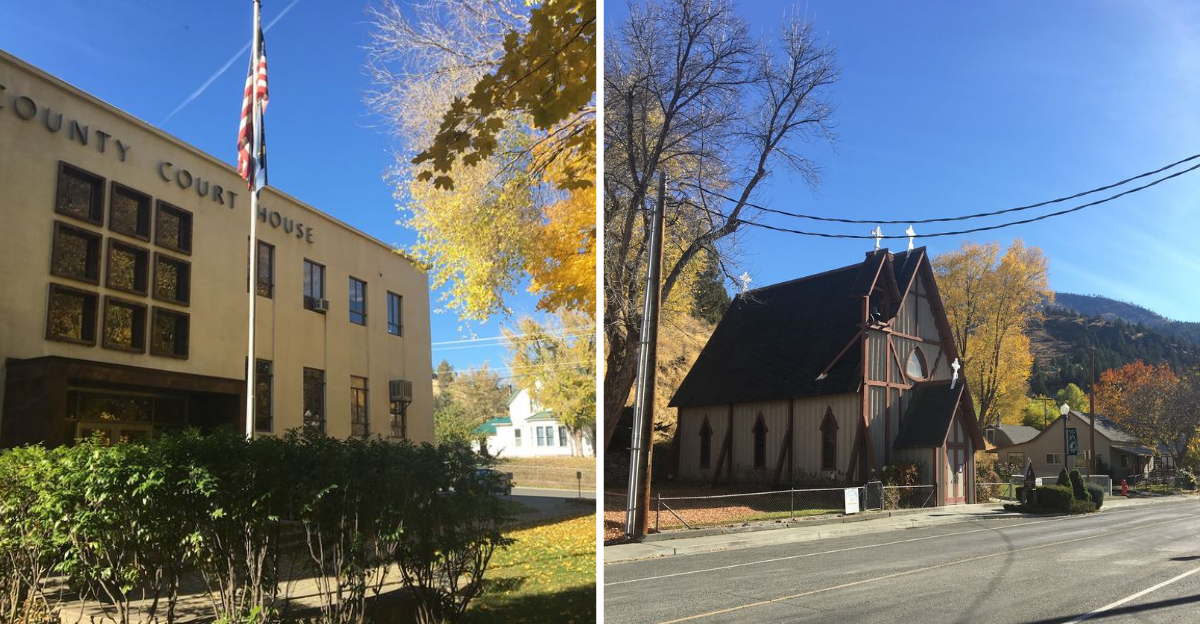
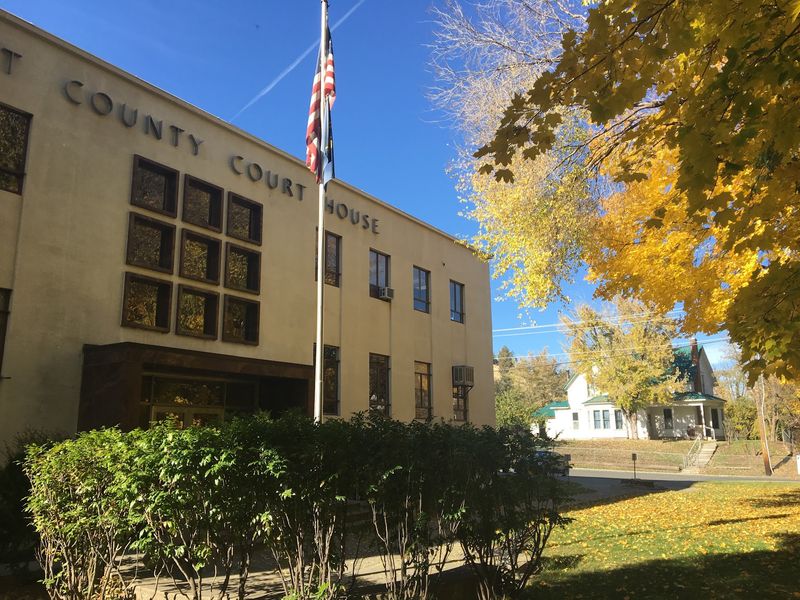
Outside of festival weekend, community life runs through smaller channels. City hall, the county courthouse and the volunteer fire department sit close together, and meetings double as social hours.
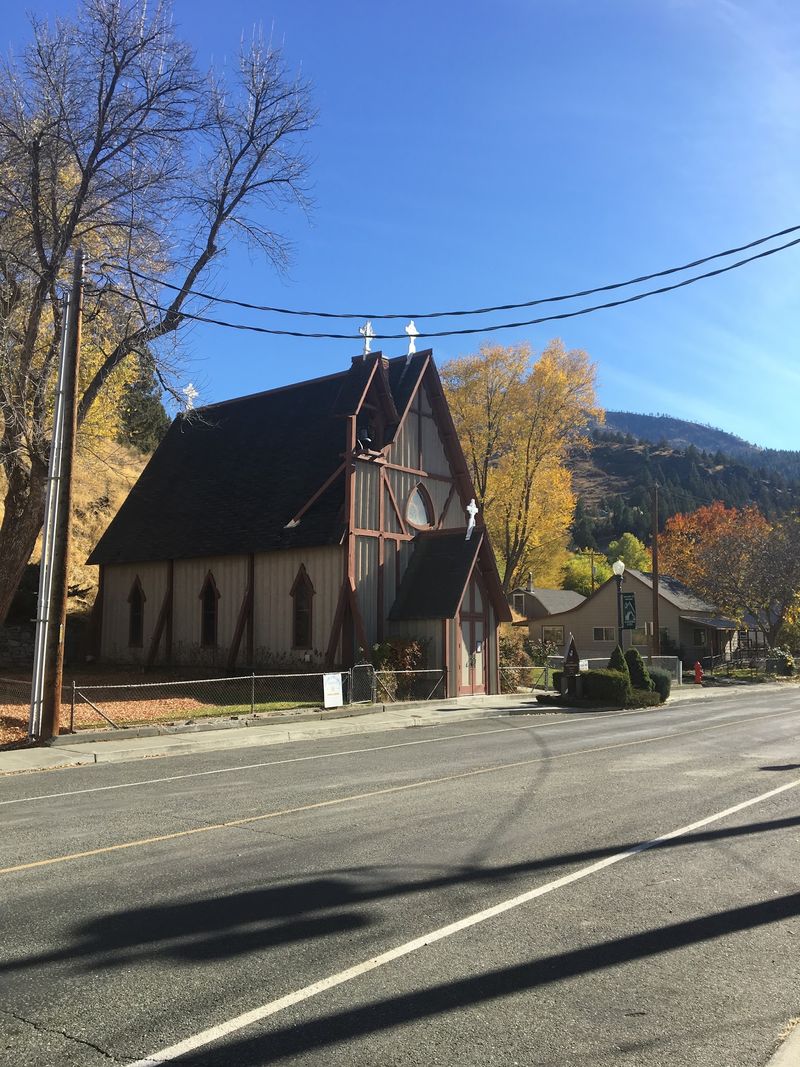
Church suppers, 4-H projects and high school sports carry the calendar. Newcomers who show up and pitch in get folded in quickly.
Those who stay behind their fences stay strangers longer. That dynamic matters far more in a small place than in any city neighborhood.
For visitors, the friendliest approach is plain curiosity, asking questions and actually listening. Conversations start easily at the post office or over a coffee counter, and directions usually arrive with a story attached.
Getting There And Knowing The Seasons
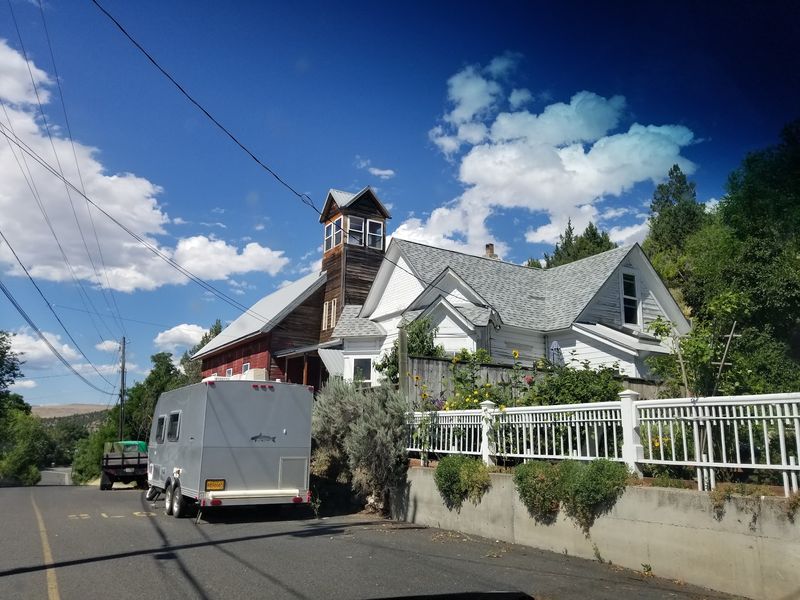
Reaching Canyon City takes commitment, and that is part of the appeal. U.S. Highway 395 runs straight through, linking the town north toward Pendleton and south toward Burns.
From Bend, expect roughly three hours across high desert and forested passes. Summer days run warm and dry, with cool nights thanks to an elevation above 3,000 feet.
Autumn is the sweet spot. Golden cottonwoods, empty trails and crisp mornings make September and October ideal for a slow visit.
Winter brings snow, chains and a canyon that feels wrapped in cotton. Services shrink in the cold months, so check hours before counting on anything.
Spring runoff swells the creek and greens the hillsides, though mud season is very real on forest roads. Anyone weighing a move should spend a full week here, run errands, and see how the distance feels.
The 29 percent savings is genuine, yet it arrives packaged with long drives and limited choices. For plenty of people, that trade reads like a bargain.
