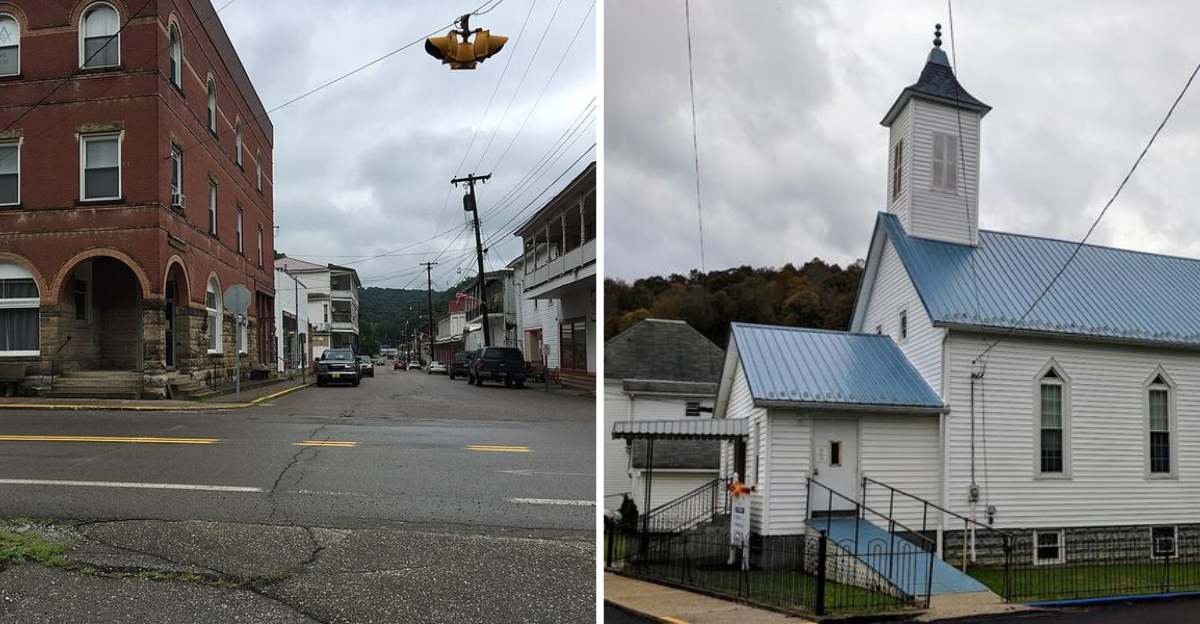
Somewhere between getting genuinely lost and accidentally finding something wonderful, a place showed up that nobody warned me about.
The GPS kept recalculating, the road kept winding, and the ridges on either side seemed to swallow every sound from the outside world.
Then suddenly, there it was: a cluster of old buildings, a trail cutting through the trees, and the faint smell of woodsmoke curling up from somewhere nearby.
My expectations were somewhere around “quiet” and what arrived was something much closer to “time capsule with really good bones.”
If you have ever wanted to feel like the rest of the world genuinely cannot find you, this town has that energy in abundance.
The Scent That Greets You First
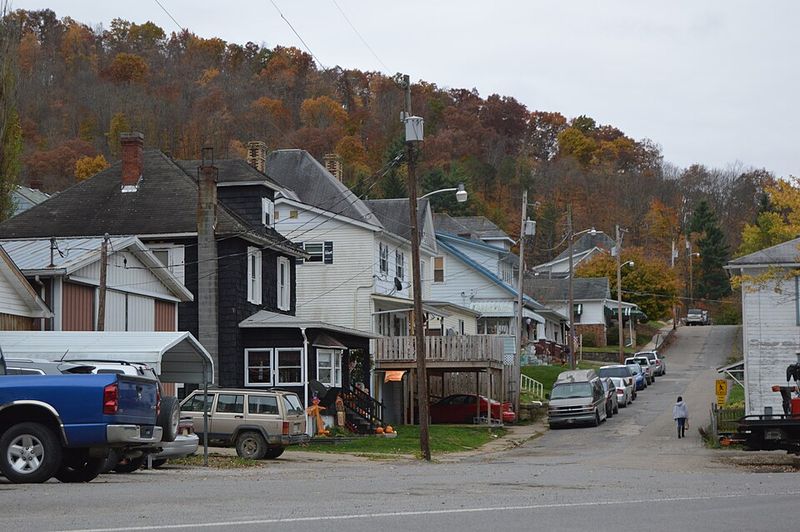
Before anything else registers, the smell hits you. Woodsmoke drifts through the hollow in that particular way it does in mountain towns, low and lazy, clinging to your jacket long after you have moved on.
Hundred sits tucked between ridges in Wetzel County, and those ridges do something remarkable: they hold everything in.
The surrounding hills muffle highway noise completely. Standing on the main street feels like being inside a snow globe, except the contents are old storefronts, steep hillsides, and a whole lot of quiet.
That quiet is not empty though.
It carries weight. It carries history.
The kind of stillness that comes from a place that has seen a lot and kept most of it. Arriving here on a cool morning with woodsmoke threading through the air is genuinely one of those travel moments that sticks, not because it is dramatic, but because it is so completely real and unhurried.
Weathered Porch Rails and Late 19th-Century Buildings
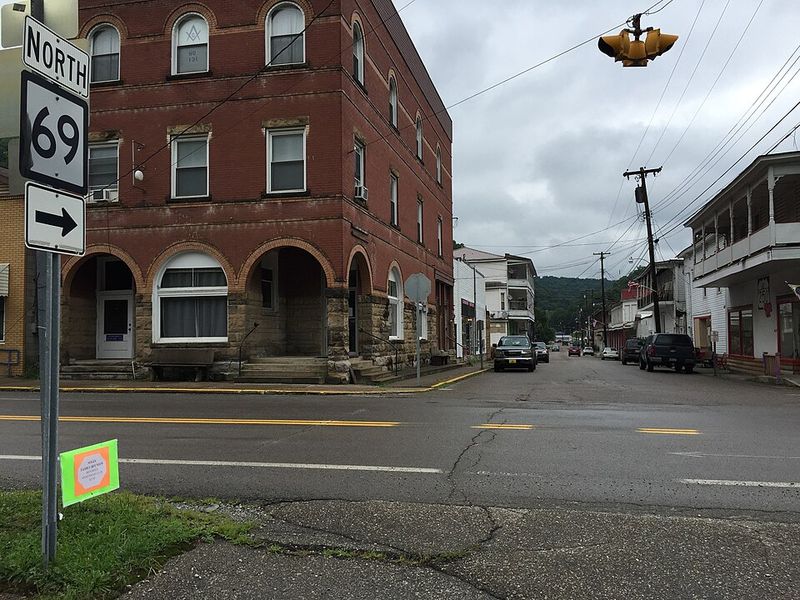
The buildings along Hundred’s commercial center are doing that wonderful thing old architecture does when nobody tears it down: they are just standing there, being themselves.
These late 1800s structures have aged with a kind of stubborn dignity that newer construction simply cannot fake.
Weathered porch railings, wide storefronts, and facades worn smooth by decades of mountain weather give the whole block a texture that feels tactile even from across the street. Running a hand along one of those old railings is oddly satisfying, like shaking hands with the past.
What makes it even better is that these buildings are not preserved behind velvet ropes. They still serve as the town’s commercial core, which means the history here is functional, not decorative.
That distinction matters enormously when you are traveling and looking for places that feel lived-in rather than staged. Hundred delivers that without trying, and somehow that makes it feel even more special to stumble across.
A Rail-Trail With Real Memory
Rail-trails are common enough across the country, but the East Wetzel Trail carries something extra. This 2.2-mile path through Hundred follows the old B&O Railroad corridor, and the weather shelter along the route does not just offer a place to rest out of the rain.
It shares the actual history of the railroad that once ran through here.
The B&O Railroad was not a minor player. It was a major artery for this region, moving coal, passengers, and commerce through terrain that made road travel genuinely difficult.
Walking the trail and stopping at that shelter feels like a small act of archaeology.
The trail itself is manageable for almost any fitness level. It is flat, tree-lined, and peaceful in the way that only former railroad beds can be, wide and purposeful even when quiet.
Bringing a snack and taking time at the shelter to read about the railroad history is the right way to experience it. Rushing through would miss the whole point of why this trail exists.
The Story of Henry Church
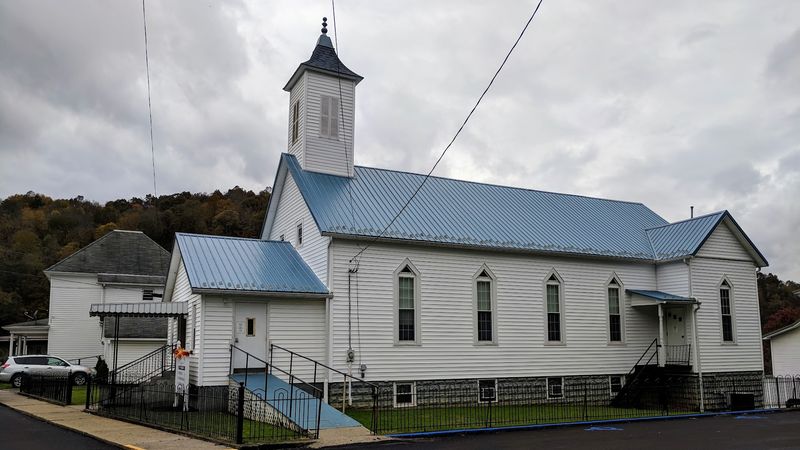
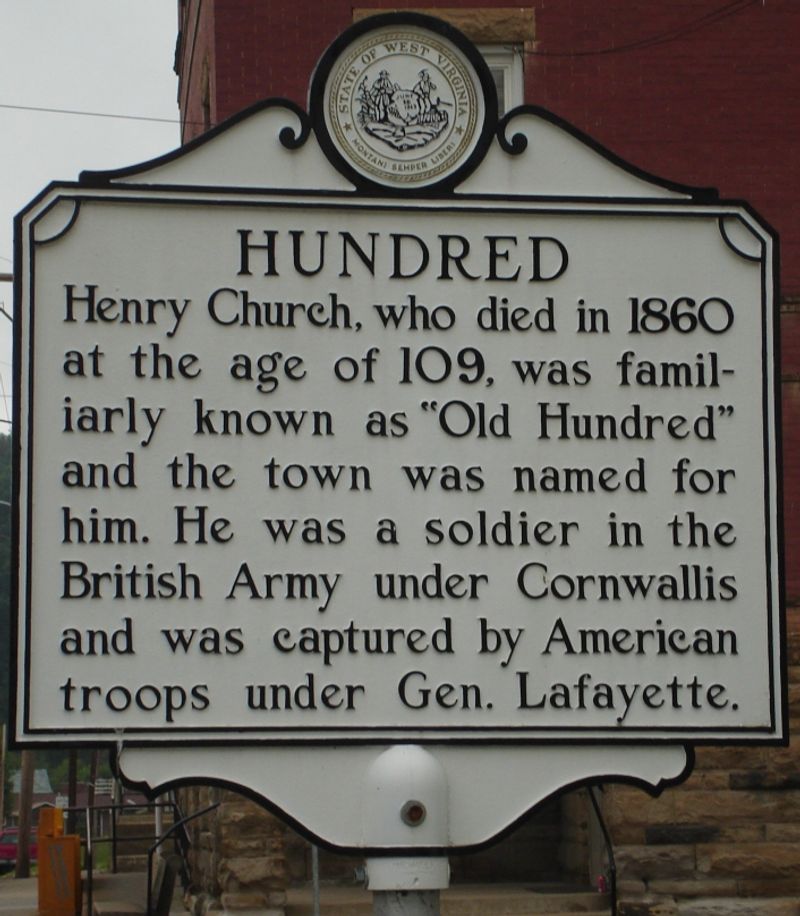
Here is a fact that stops most people mid-sentence: Hundred is the only place in the United States with that name. And the reason for the name is genuinely charming.
The town was named after Henry Church, a local resident who lived from 1751 to 1860, making him 108 years old at his death. His wife Hannah lived from 1754 to 1860, also a centenarian.
Henry Church was originally a British soldier captured during the American Revolutionary War. He eventually settled in the area and clearly decided he liked it enough to stay for a very long time.
The town incorporated in 1894 and carried his nickname, “Old Hundred,” forward as its official name.
There is something genuinely delightful about a town that honors a man simply for living an extraordinarily long life. It sets a tone.
Hundred feels like a place that values endurance, patience, and the slow accumulation of good years. That spirit shows up everywhere once you know the backstory behind the name on the map.
A Short Drive to Something Beautiful
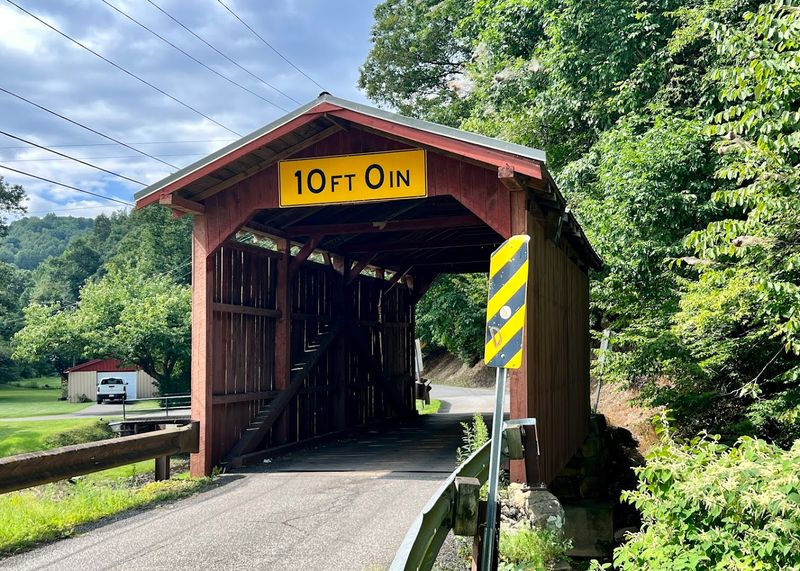
Just one mile south of Hundred along US-250 sits the Fish Creek Covered Bridge, and it is the kind of find that makes a detour feel like the whole point of the trip.
Covered bridges in West Virginia carry a particular romance, the combination of old timber craftsmanship, trickling water underneath, and the way light filters through the gaps in the siding.
This one does not disappoint. The setting is quiet and genuinely picturesque without being overdone or touristy.
Getting out of the car and walking through it at a slow pace is strongly recommended.
Covered bridges were built the way they were for practical reasons: the roof protected the wooden structure from weather, extending the bridge’s lifespan considerably. Knowing that small engineering detail makes standing inside one feel a little more meaningful.
It is not just pretty. It is clever.
Pairing a stop at the bridge with the East Wetzel Trail makes for a full and satisfying half-day that combines natural beauty with a tangible connection to regional history.
Winding Roads That Are Half the Experience
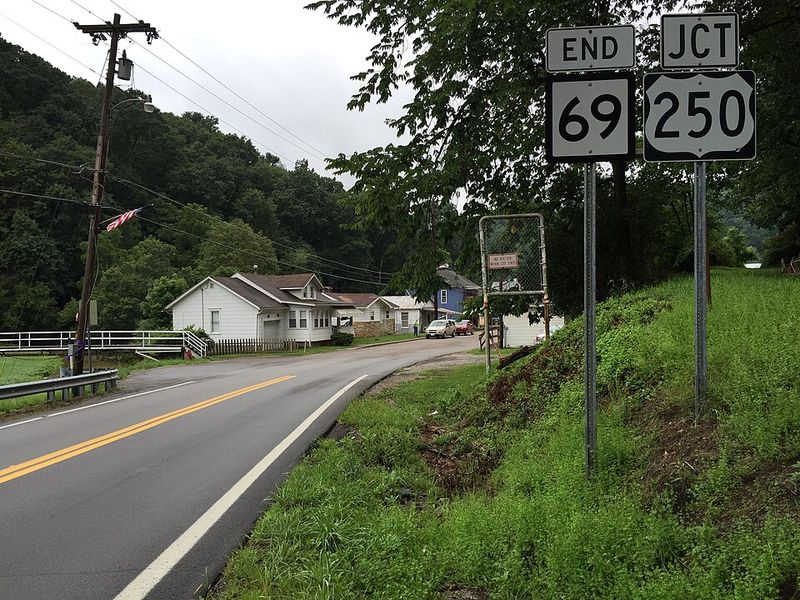
Reaching Hundred requires commitment, and that commitment is part of what makes arriving feel rewarding. The town sits in the far northern hills of West Virginia, close to the Pennsylvania state line, accessible via U.S.
Route 250 and West Virginia Routes 69 and 7. None of those roads are in a hurry.
Switchbacks, two-lane stretches, and long curves through forested ridges are standard. The surrounding terrain does its best impression of a natural barrier, which is exactly why the town feels so removed from everything else.
That geographic insulation is not accidental. It is the defining characteristic of the place.
Driving in with the windows down and no particular deadline is the correct approach. The roads reward patience and punish rushing.
Pulling over at a ridge viewpoint to take in the layers of green hills rolling toward the horizon is not a detour. It is part of arriving properly.
Some places deserve a slow approach, and Hundred is absolutely one of them. The journey sets the mood before the town even comes into view.
The Industrial Layers Beneath the Quiet
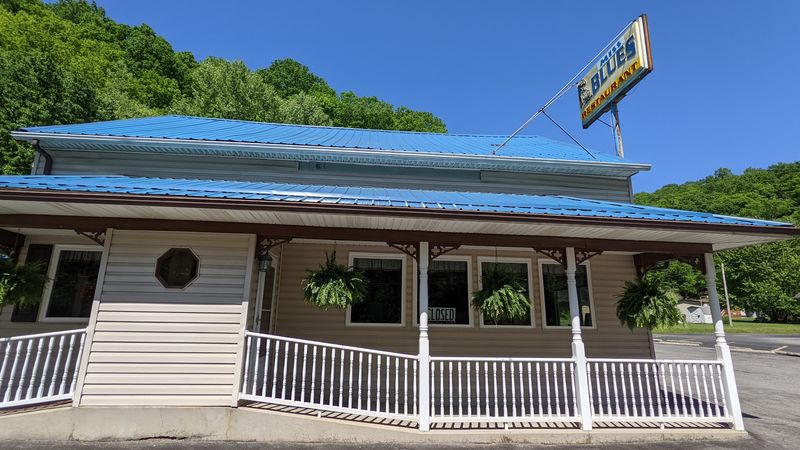
Coal gets most of the attention in Hundred’s history, but the town’s industrial story has more layers than that.
Hundred was historically a significant oil and gas field as well, hosting several gas stations and processing plants that made it an important junction in the regional energy economy.
Add the B&O Railroad running through, and you have a place that was genuinely busy at one point.
That junction identity shaped the town’s layout and its character. Places built around crossroads develop a particular kind of pragmatism.
Everything here was built to function first and look good second, which is why the architecture feels honest rather than decorative.
The industrial heritage is not something Hundred hides or apologizes for. It is woven into the identity of the place, visible in the infrastructure, the trail system, and the stories that circulate among people who grew up here.
For a visitor interested in Appalachian industrial history, this town offers a layered and authentic picture that goes well beyond the single-industry narrative most people associate with the region.
Why Hundred Stays With You Long After You Leave
Some places are memorable because of what they offer. Hundred is memorable because of what it keeps.
It keeps its quiet. It keeps its history close.
It keeps its scale human and its pace unhurried, even as the rest of the world speeds up around it. That kind of preservation is not passive.
It takes a community that values what it has.
Leaving Hundred means getting back on those winding roads and watching the ridges close in behind you in the rearview mirror. The woodsmoke smell fades eventually.
The memory of those weathered porch rails does not.
There is a specific kind of travel satisfaction that comes from finding a place that was not on anyone’s list, that did not have a billboard or a travel feature driving visitors toward it. Hundred is that kind of place.
It rewards the curious, the patient, and the traveler willing to follow a two-lane road past the point where the GPS gets nervous. Getting there is the easy part.
Leaving is the hard one.
Address: West Virginia, Hundred, WV 26575
