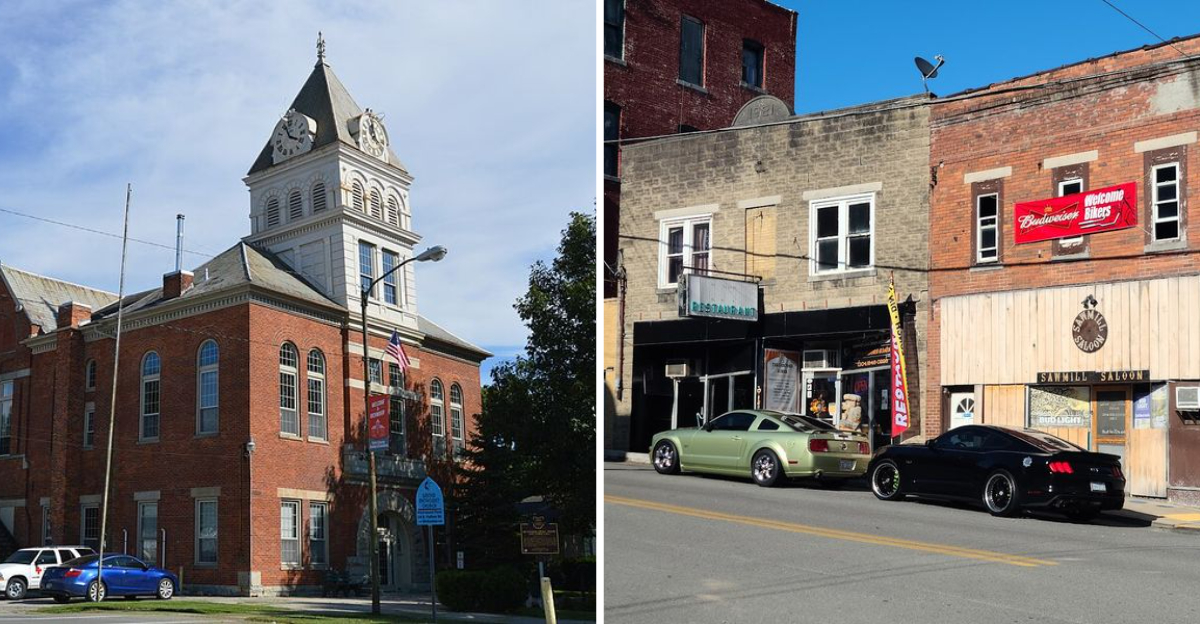
You pull into a town where the biggest decision of the day is whether to fish the river or just sit on the porch.
The brick lined main street moves at a pace that makes rush hour sound like a joke from another planet.
Here, a monthly budget of $1,200 covers a comfortable home and a slice of pie from the local bakery.
You could buy a charming historic house for what some people spend on a new car.
The national forest is your backyard, and the only thing stressed is the syllable when someone asks how you are.
This is not about pinching pennies. It is about having the time to notice the seasons change.
Housing Costs That Will Make Your Jaw Drop
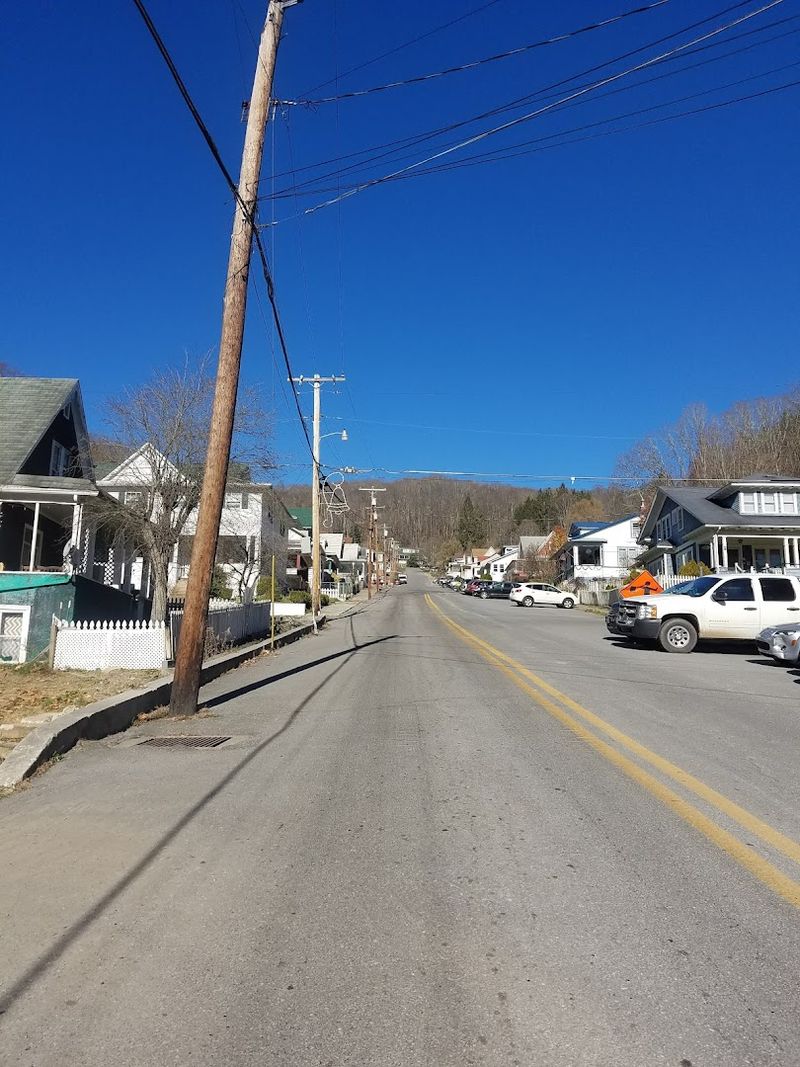
Finding a comfortable place to live for under $600 a month sounds like a myth, but in Richwood it is just Tuesday. Rent here is dramatically lower than anything most people are used to paying.
A single person can expect to spend roughly $400 to $600 per month for a decent, livable space.
The median rent sits well below the national average, making it one of the most housing-friendly towns in the entire state. Some homes are available for purchase at prices starting around $50,000.
That is not a typo.
Owning a home outright becomes a real possibility here, not just a daydream. Housing costs for a single person are roughly 40% lower than the national average, which immediately frees up a significant chunk of that $1,200 budget.
When your rent is handled and money is still left over, the rest of daily life starts to feel surprisingly manageable and even a little enjoyable.
Grocery Shopping Without the Guilt
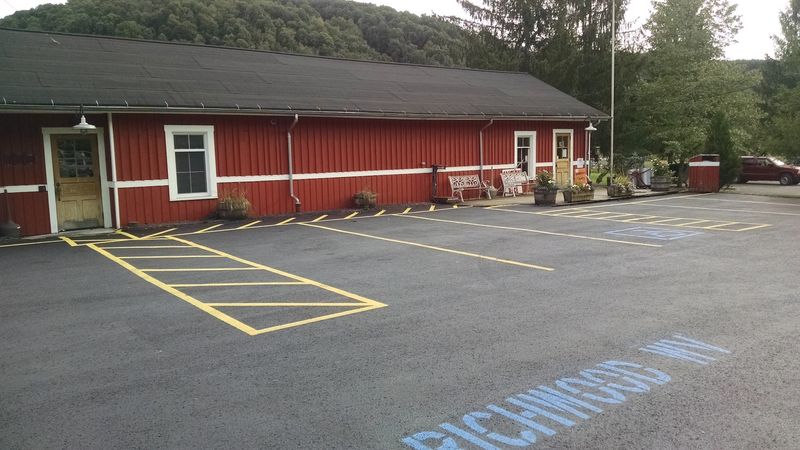
Food costs in Richwood run about 31% below the national average, which means filling a cart without that familiar checkout-line anxiety is actually possible. For one person, monthly food expenses land around $276.
That is real breathing room.
Local markets carry the basics, and the prices reflect a community where people actually live on modest incomes. Fresh vegetables, pantry staples, and everyday items cost noticeably less than what most city dwellers are used to paying.
The difference adds up fast over a month.
Cooking at home here becomes genuinely rewarding rather than a financial obligation. With the money saved on groceries, there is room left for the occasional meal out at one of the town’s local spots.
Food in Richwood is not fancy, but it is honest, affordable, and connected to a slower rhythm that makes every meal feel a little more intentional. Budget-conscious eating here is less about sacrifice and more about smart, satisfying choices.
Electricity Bills That Actually Make Sense
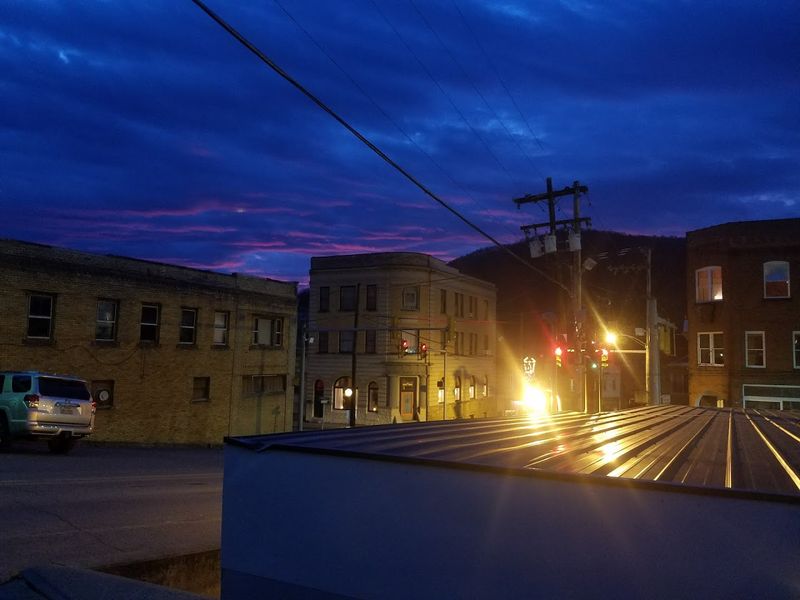
Utility costs can quietly destroy a tight budget, but Richwood holds its own better than most West Virginia towns. The average residential electricity price here is about 13.91 cents per kilowatt-hour.
That is nearly 10% lower than the state average, which already helps.
Nicholas County residents, where Richwood sits, pay an average electric bill of around $147 per month. That is a manageable number when housing costs are already low.
Combined energy, transportation, and healthcare expenses are estimated at roughly 20% below average for one person.
Keeping the lights on, the heat running through a mountain winter, and the basic appliances humming does not require financial gymnastics here. The utility situation is not perfect, and West Virginia water bills can run a bit steep statewide, but the overall picture in Richwood remains favorable.
When you are working with $1,200, every dollar saved on utilities is a dollar that stays in your pocket for something more enjoyable.
The Pace of Life Is the Real Perk
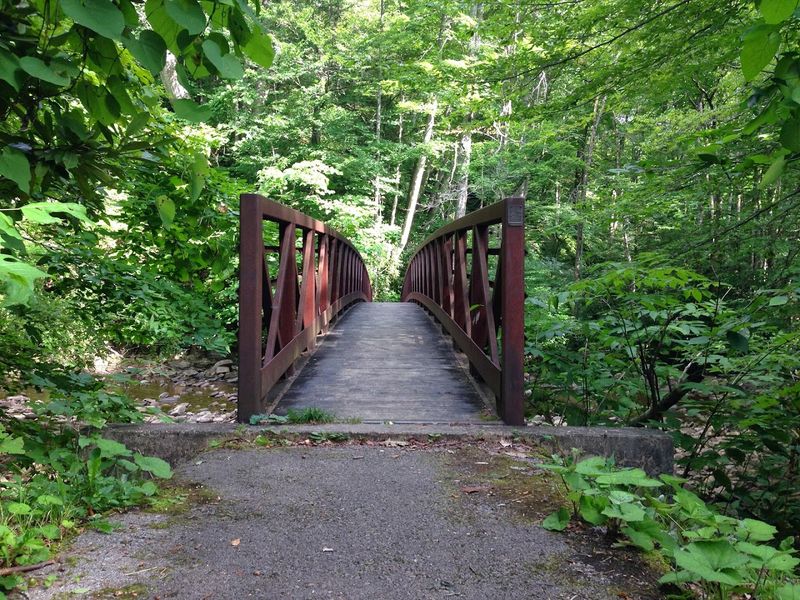
There is something genuinely disarming about a town that does not feel like it is in a hurry. Richwood moves at its own rhythm, and after about an hour of being there, you start to match it without even trying.
Stress feels optional here.
The town sits in Nicholas County, tucked into the Appalachian hills, with a population just over 1,600 people. Everyone seems to know the general layout of each other’s days.
That kind of familiarity creates a warmth that is hard to manufacture in larger cities.
Slow-paced living is not just a vibe here, it is a practical financial advantage. When entertainment does not require spending money at every turn, a $1,200 budget stretches further than expected.
Hiking trails, riverside spots, and quiet evenings replace expensive subscriptions and crowded venues. The pace of Richwood is essentially a built-in savings plan, wrapped inside some genuinely beautiful Appalachian scenery that costs absolutely nothing to enjoy.
Getting Around on a Tight Transportation Budget
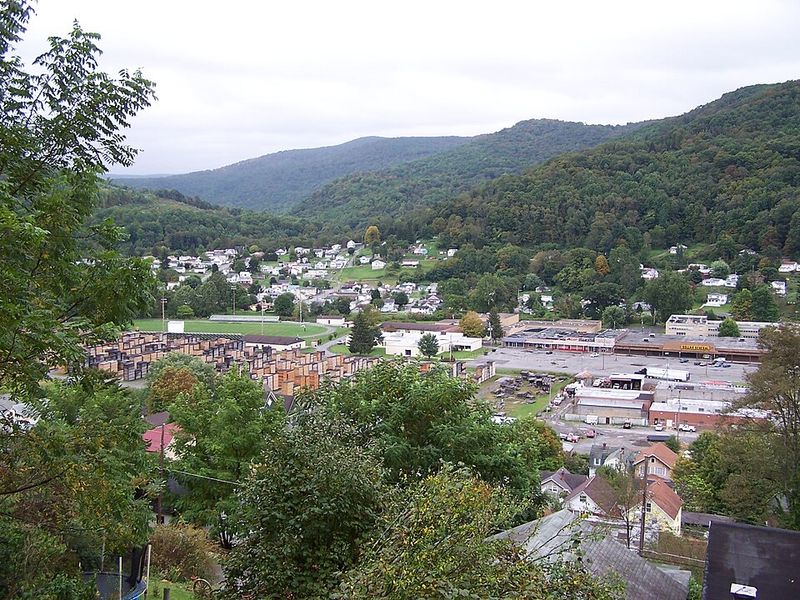
Transportation in Richwood is worth planning around. The town is connected to nearby areas through the Mountain Transit Authority, which provides public transit options to places like Summersville.
Having that option available matters when a personal vehicle is not always in the picture.
Driving is still the most practical way to move around the region. A trip to Charleston, the state capital, takes just over two hours.
Fuel costs for that kind of distance are reasonable and predictable, especially if errands are bundled efficiently.
Living in a small town naturally reduces the need for constant driving. Richwood is compact enough that daily essentials are within close reach.
The transportation budget here requires some thoughtfulness, but it does not have to blow up the monthly plan. Combining the transit authority for regional trips with smart local driving habits keeps costs under control.
For someone managing $1,200 a month, keeping transportation lean is one of the smartest moves available in this part of West Virginia.
Dining Local Without Draining Your Wallet
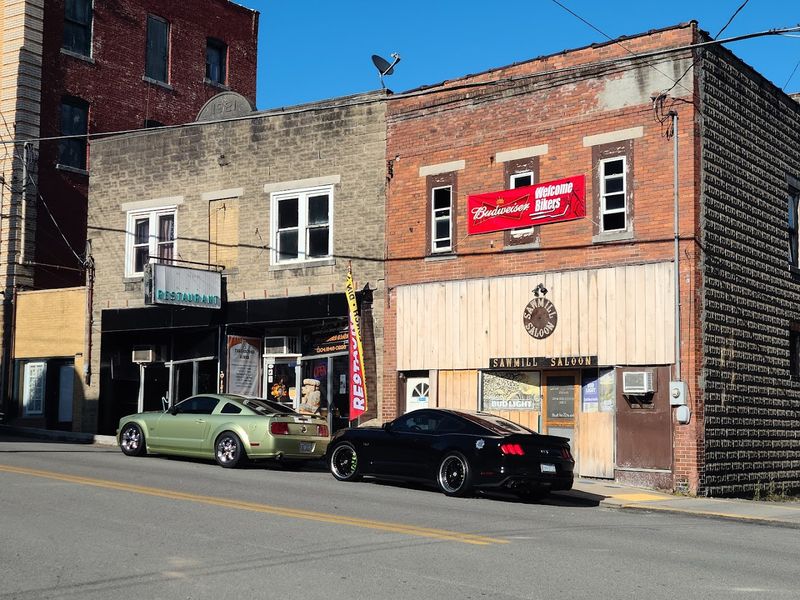
Eating out in a small Appalachian town carries a very different price tag than dining in a city. Richwood’s local spots serve the kind of food that fills you up without leaving your budget in shambles.
Portions tend to be generous, and the atmosphere is refreshingly unpretentious.
Homestyle cooking is the defining character of food around here. Think hearty, simple, satisfying plates that reflect the working-class roots of the region.
There is no performance involved, just good food at prices that make sense for the community it serves.
Eating out occasionally on a $1,200 monthly budget is entirely realistic in Richwood. When your grocery bill is already low and housing is covered cheaply, a meal at a local diner becomes a treat rather than a financial decision to agonize over.
The food culture here is rooted in practicality and community, and that makes every bite feel a little more connected to the place itself. Simple, honest, and genuinely affordable.
Outdoor Recreation That Costs Nothing
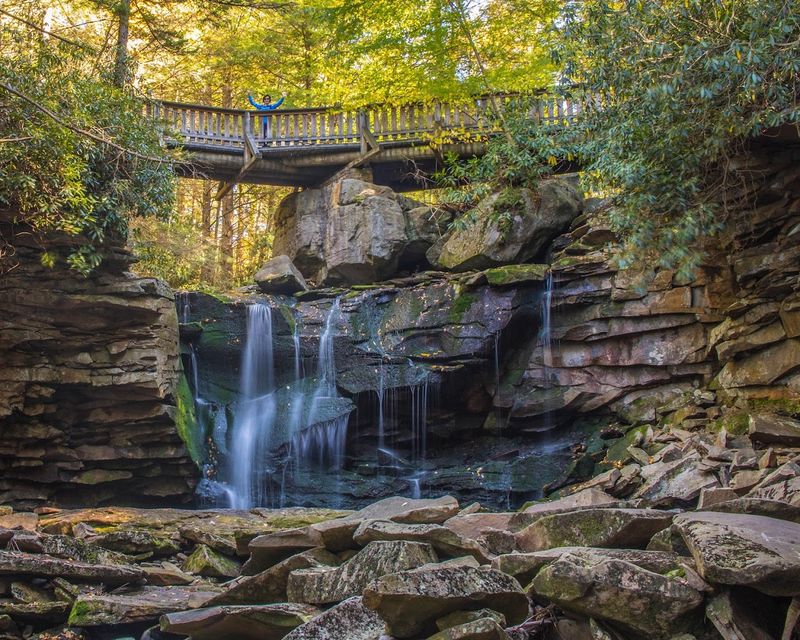
Richwood sits right on the edge of some of the most accessible outdoor scenery in West Virginia. The Gauley River and the surrounding Monongahela National Forest are practically in the backyard.
Getting outside here is not a weekend event, it is just Tuesday again.
Hiking, fishing, and exploring river trails are free activities that fill time without touching the budget. The natural landscape around Richwood is genuinely impressive, with dense forest, rushing water, and mountain views that shift with every season.
Fall in particular brings a visual payoff that is hard to overstate.
For someone living on $1,200 a month, free recreation is not a nice-to-have, it is essential. Richwood delivers that without asking anything in return.
The outdoors here serve as the town’s unofficial entertainment system. Fresh air, physical activity, and scenery that would cost a premium anywhere else are simply part of daily life in this corner of West Virginia.
That alone changes the math on what affordable living actually feels like.
Healthcare Access on a Budget
Healthcare is one of those budget categories that can spiral fast, especially in rural areas with limited options.
Richwood is not a medical hub, but combined healthcare costs for residents fall within a range that is roughly 20% below national averages when bundled with other essential expenses.
Nicholas County has access to regional healthcare facilities, and for routine needs, the options available are practical and functional.
Planning healthcare around a tight budget here requires some foresight, but the lower overall cost of living creates cushion that city dwellers simply do not have.
Preventive care, staying active outdoors, and eating affordably all contribute to a lifestyle that naturally supports better health. In Richwood, the environment itself encourages a slower, less stressful way of living, which carries its own health benefits.
For someone managing $1,200 per month, healthcare planning is still important, but the financial pressure surrounding it is noticeably reduced compared to most American towns of similar or larger size. That difference is meaningful.
A Rich History That Adds Character to Every Corner
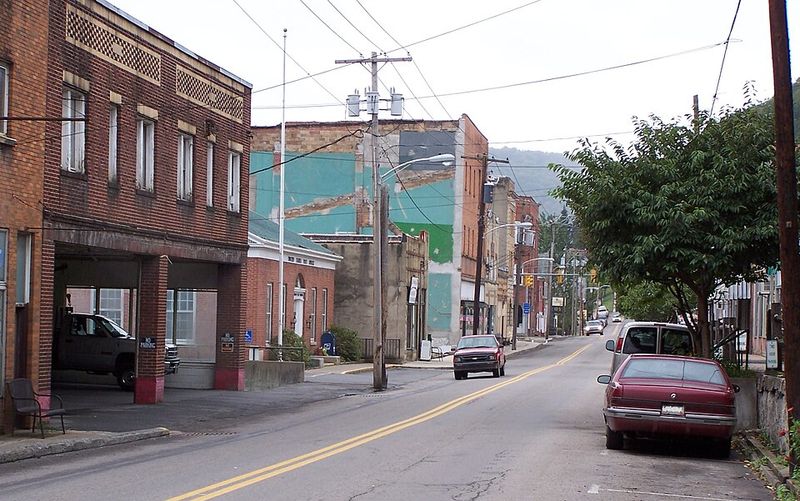
Richwood has bones. The kind of history that shows up in the architecture, the street layout, and the general feeling that this place has lived through a lot.
During the 19th and early 20th centuries, it was a booming coal and lumber town that drove serious economic activity in the region.
That legacy left behind sturdy buildings, a tight community identity, and a sense of pride that has not faded even as the population settled down to around 1,600 residents.
Walking through downtown feels like flipping through a history book that forgot to stop at the interesting parts.
For budget travelers or long-term residents, history is free entertainment. The story of Richwood adds depth to every corner of the town without requiring an admission ticket.
Understanding where a place came from makes it easier to appreciate where it is now. In Richwood, that backstory is woven into the everyday experience of being there, and it makes the slow pace feel earned rather than accidental.
Making $1,200 a Month Work in Real Life
Pulling off a comfortable life on $1,200 a month requires the right setting, and Richwood delivers one of the better ones in the state.
When rent lands between $400 and $600, groceries cost around $276, and utilities stay manageable, the math actually works without requiring extreme sacrifice.
What is left after essentials can cover transportation, the occasional meal out, and small leisure expenses. There is even room for modest savings, which is a sentence that does not apply to most American towns at this income level.
The combination of low housing, cheap food, and free outdoor recreation creates a lifestyle that feels full rather than stripped down.
Richwood is not for everyone. It is quiet, small, and far from the amenities of a city.
But for someone who values financial breathing room over urban convenience, it is genuinely one of the more underrated options in the entire region.
Living well on a modest budget is possible here, and that is a rare thing worth taking seriously.
Address: Richwood, West Virginia 26261
