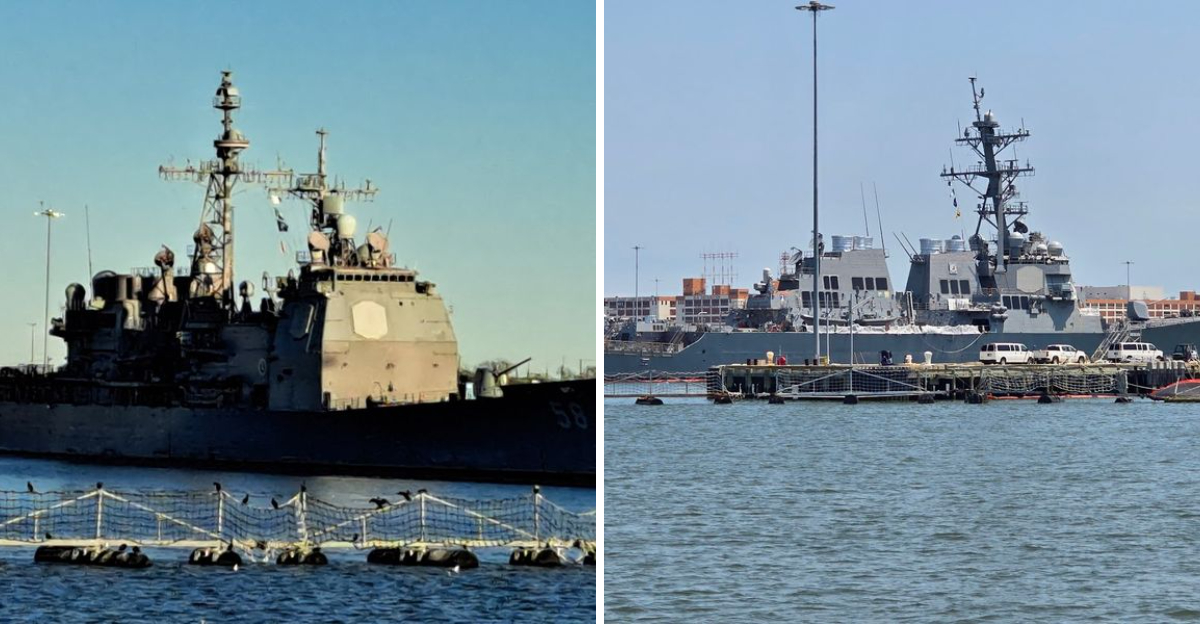
Virginia is home to one of the most jaw-dropping military installations on the planet, and most people have no idea just how massive it truly is. Sprawling across thousands of acres along a stunning stretch of waterfront, this legendary base is the beating heart of American naval power.
Dozens of colossal warships line its piers, aircraft roar overhead, and the sheer scale of the operation is enough to make your jaw drop. If you think you know big, this place is about to completely redefine that word for you.
The Sheer Scale of Naval Station Norfolk
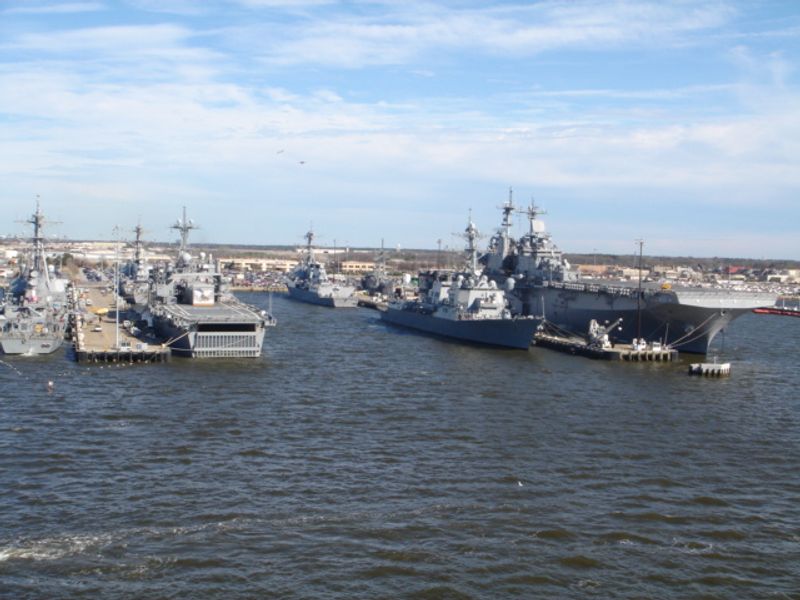
Nothing quite prepares you for the moment you realize just how enormous Naval Station Norfolk actually is. Stretching across more than four thousand acres along a dramatic stretch of Virginia waterfront, this place is not just big.
It is the largest naval station on Earth, full stop.
Miles of pier space line the shoreline, and at any given moment, dozens of warships sit docked in perfect military formation. The base supports an extraordinary fleet that includes aircraft carriers, destroyers, cruisers, and submarines, all operating under one roof, so to speak.
What makes the scale even more staggering is the air operations side of things. Hundreds of flights launch and land daily across eleven aircraft hangars, keeping the pace relentlessly active.
The coordination required to manage thousands of ship movements each year is a logistical marvel that rivals any major international airport.
Standing near the waterfront and watching a massive aircraft carrier slowly navigate the channel is a genuinely humbling experience. Naval Station Norfolk is not just a military installation.
It is a living, breathing city of sea power that never sleeps, never slows down, and never stops impressing.
A History That Dates Back Over a Century
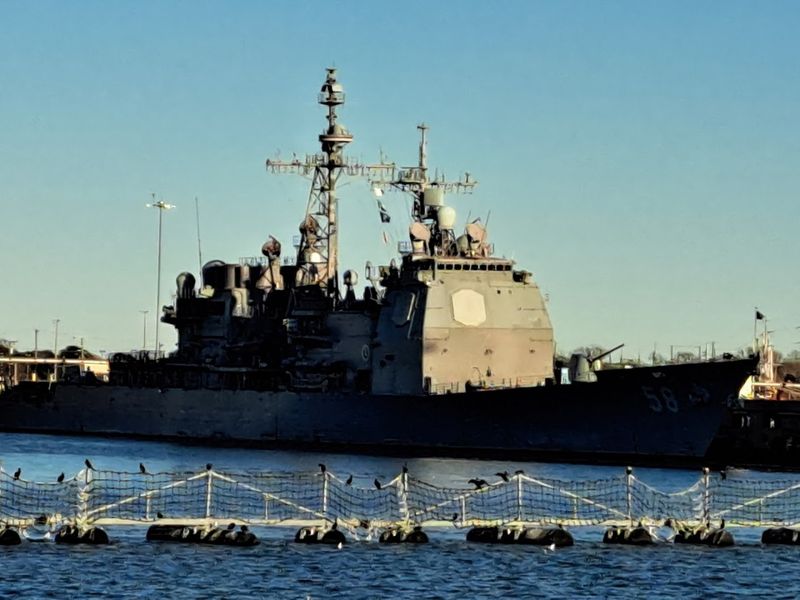
Long before the base became the colossal powerhouse it is today, Naval Station Norfolk had humble beginnings rooted in a moment of national urgency. Established during a pivotal period in American military history, the base was built to meet the demands of a country stepping onto the world stage in a serious way.
Over the decades, it grew steadily, absorbing more land, more ships, and more strategic importance with each passing year. Virginia’s geographic position along the Atlantic coast made Norfolk a natural choice for a major naval hub, offering deep waters and direct ocean access that few other locations could match.
The base has witnessed history unfold across multiple generations of American sailors. Ships that departed from these very piers have participated in operations spanning every major conflict and peacekeeping mission of the modern era.
The institutional memory embedded in this place is profound.
Walking through the base today, you get a sense of that layered history pressing up against the cutting-edge present. Old structures stand alongside modern facilities, creating a timeline you can almost feel underfoot.
Naval Station Norfolk is not just where history happened. It is where history keeps happening, right now.
Aircraft Carriers That Dwarf Everything Around Them
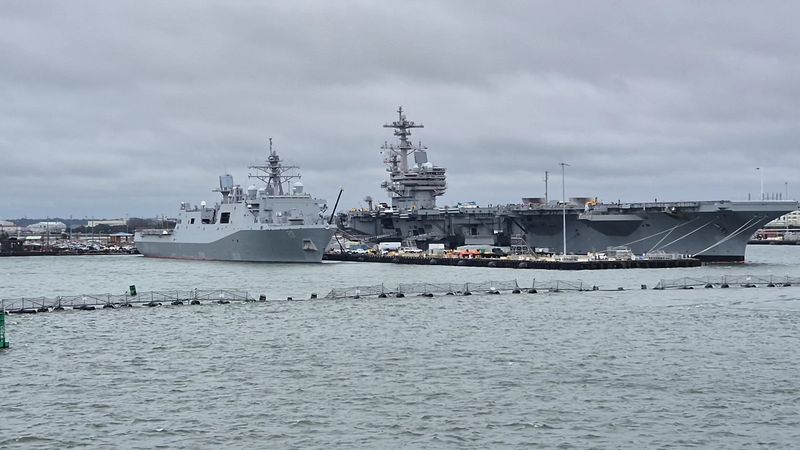
There is something almost unreal about standing next to an aircraft carrier for the first time. These floating cities of steel tower above the pier with a presence that is genuinely difficult to put into words.
At Naval Station Norfolk, seeing one up close is not a rare treat. It is practically a Tuesday.
The base regularly hosts some of the most powerful aircraft carriers in the United States Navy. These vessels are engineering masterpieces, capable of carrying dozens of aircraft, housing thousands of crew members, and projecting military force across vast stretches of ocean.
The sheer engineering ambition behind each one is staggering.
What makes the Norfolk experience unique is the density of it all. You might spot multiple carriers docked simultaneously, surrounded by destroyers and support vessels that would themselves be considered enormous anywhere else.
The visual impact is overwhelming in the best possible way.
Public harbor tours operate from the nearby waterfront area, giving curious onlookers a chance to view these giants from the water. Seeing a carrier from a small boat puts the scale into perspective in a way no photograph ever could.
Naval Station Norfolk makes the impossible feel completely, breathtakingly real.
Destroyers, Cruisers, and the Fleet That Keeps Watch
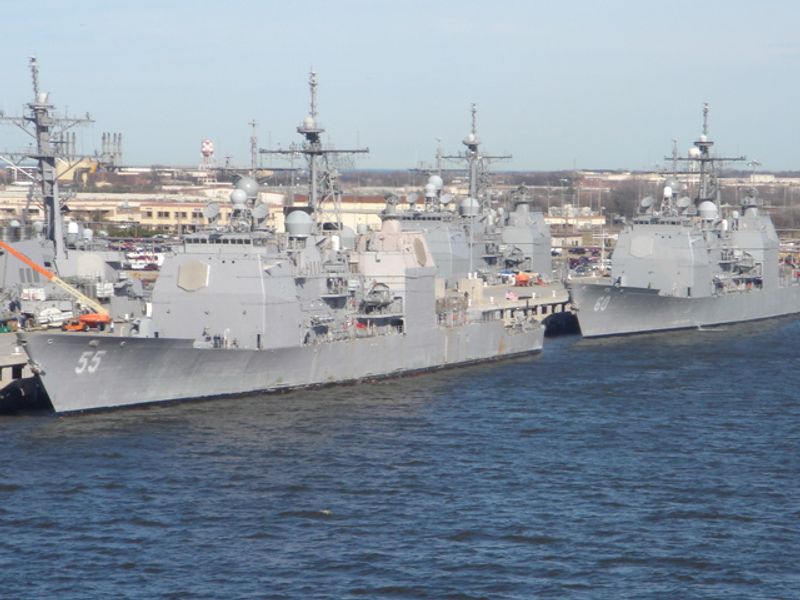
Beyond the headline-grabbing aircraft carriers, Naval Station Norfolk is packed with an impressive variety of warships that each carry their own weight in serious naval firepower. Guided-missile destroyers and cruisers dominate the piers, sleek and purposeful, built for speed and precision in equal measure.
Destroyers are the workhorses of the fleet, fast and agile with weapons systems designed to handle threats from the air, the surface, and below the waterline simultaneously. Watching one depart the pier at full preparation, crew at their stations, is a sight that sticks with you long after you leave Virginia.
Cruisers bring a different kind of authority to the waterfront. Larger and bristling with advanced missile systems, they serve as command platforms and area-defense powerhouses.
Their presence alongside destroyers creates a layered defensive capability that represents decades of naval engineering refinement.
The sheer variety of ship types at any given moment makes Naval Station Norfolk feel like a living naval museum, except everything here is fully operational and ready to deploy at a moment’s notice. There is nothing dusty or ceremonial about this fleet.
Every vessel on those piers has a job to do, and it does it exceptionally well.
Amphibious Assault Ships: The Ocean’s Swiss Army Knives
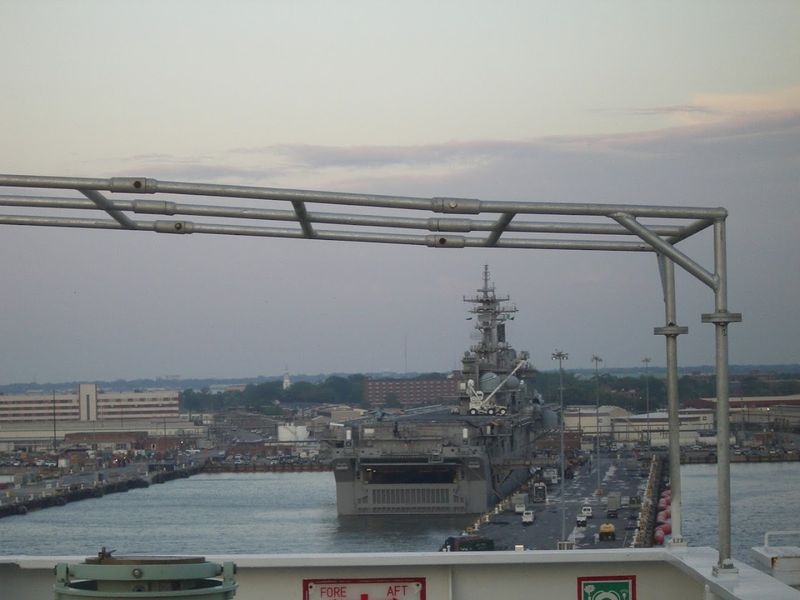
Amphibious assault ships occupy a fascinating middle ground in naval power, part aircraft carrier, part troop transport, and entirely impressive. Naval Station Norfolk hosts several of these versatile giants, and understanding what they do makes you appreciate them on a completely different level.
These ships are designed to deliver Marines and their equipment directly onto hostile shores, blending aviation capability with the ability to launch landing craft from a flooded well deck. The operational concept is bold and brilliantly effective, combining sea power with land assault in one mobile platform.
Helicopters and tilt-rotor aircraft operate from their flight decks while hovercraft and landing vehicles surge from the stern. The coordination required to execute an amphibious operation is extraordinary, and these ships serve as the command center for the entire effort.
Seeing one docked at Norfolk gives little hint of the chaos and precision it is capable of unleashing. From the pier, they look imposing but static.
Out at sea, they transform into dynamic, multi-dimensional military platforms that project American power in ways that combine brute force with tactical finesse. Virginia’s waterfront hosts these remarkable vessels regularly, and their presence adds yet another layer to the base’s already staggering operational complexity.
Submarines: The Silent Hunters of the Deep
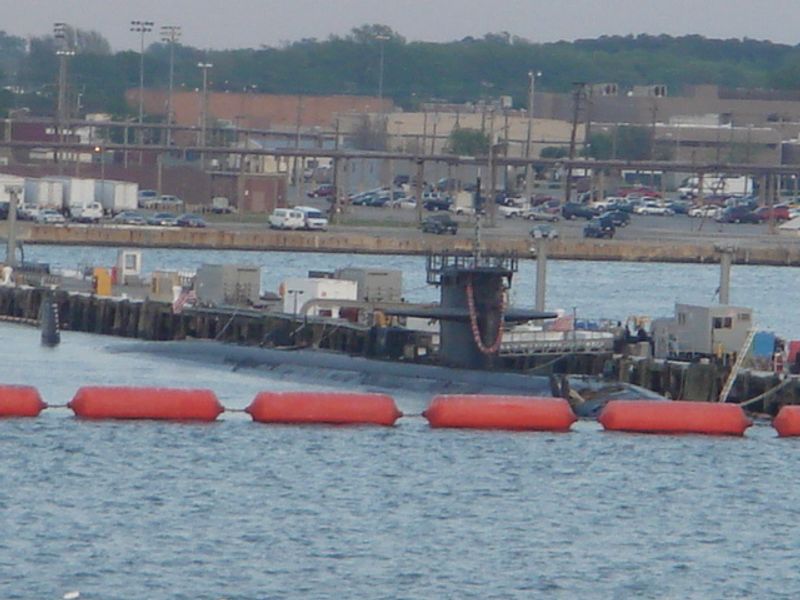
Submarines represent a completely different category of naval power, one defined by stealth, patience, and the ability to operate in total secrecy for extended periods. Naval Station Norfolk supports submarine operations as part of its broader fleet mission, and these vessels carry an air of quiet menace that sets them apart from every other ship on the waterfront.
Unlike the towering carriers and destroyers that announce themselves visually from a distance, submarines operate on the principle of invisibility. Their power comes not from what you can see, but from what you cannot.
That paradox makes them endlessly fascinating to anyone who thinks seriously about naval strategy.
The crews who serve aboard submarines undergo some of the most demanding training in the military. Living and working in confined spaces for weeks or months at a time demands a particular kind of mental and physical resilience that commands genuine respect.
When a submarine does appear at the pier, the contrast with its surface-going neighbors is striking. Low, dark, and purposeful, it sits in the water with a quiet confidence that needs no explanation.
Naval Station Norfolk’s role in supporting these silent hunters adds yet another dimension to its identity as the undisputed capital of American sea power in Virginia.
Air Operations: The Sky Above Norfolk Never Sleeps
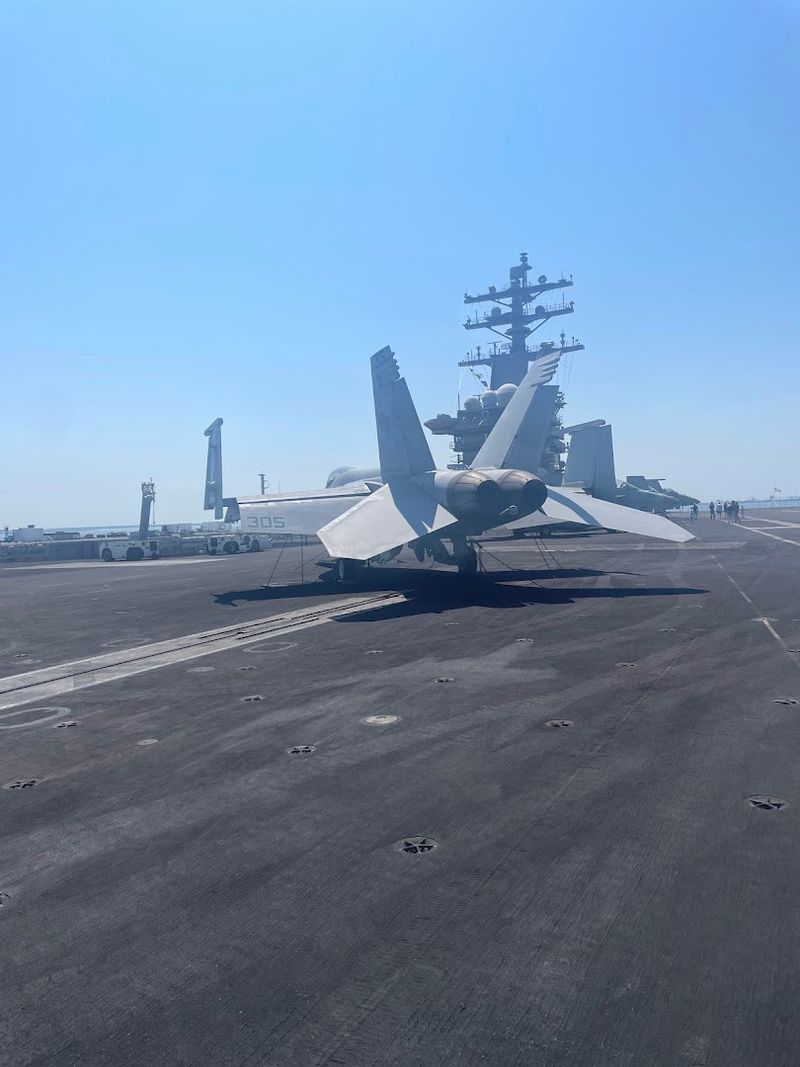
The waterfront gets most of the attention, but the sky above Naval Station Norfolk tells an equally dramatic story. Air operations at the base run at a pace that would make most commercial airports look leisurely by comparison.
Planes take off and land with remarkable frequency throughout the day and night.
Eleven aircraft hangars support a massive fleet of naval aircraft, including maritime patrol planes, helicopters, electronic warfare jets, and more. Each aircraft type serves a specific tactical purpose, and together they extend the base’s operational reach far beyond the Virginia coastline and into distant oceans.
The sound of jet engines is simply part of the ambient soundtrack of life near the base. For those living in the surrounding neighborhoods of Norfolk, it is background noise.
For first-time visitors, it is an exhilarating reminder that something genuinely significant is happening just beyond the fence line.
Watching a naval aircraft launch from the base and bank out over the water is one of those moments that feels cinematic in real life. The precision, the power, and the purposefulness of every flight operation reinforce why Naval Station Norfolk holds its status as the most important naval installation in the United States, and arguably the world.
The Role of Norfolk as the Atlantic Fleet’s Home Base
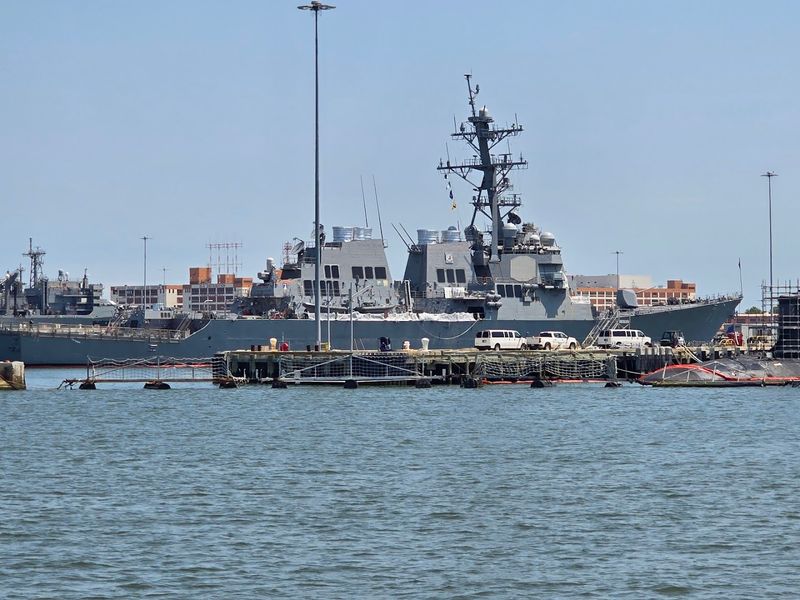
Naval Station Norfolk does not just host ships. It serves as the operational headquarters for the U.S.
Atlantic Fleet, coordinating naval power across an enormous stretch of ocean that spans from the cold North Atlantic down through the Mediterranean and across to the Indian Ocean. The strategic importance of this role is difficult to overstate.
Decisions made at Norfolk ripple outward across the globe, affecting deployments, training schedules, and operational readiness for dozens of vessels and thousands of personnel. The base functions as the nerve center for a vast network of naval activity that keeps international sea lanes secure and American interests protected.
Virginia’s position on the Eastern Seaboard is central to this mission. The state’s deep-water ports and proximity to open ocean make it uniquely suited for a base of this scale and ambition.
No other location on the East Coast combines geography, infrastructure, and institutional capability quite like Norfolk does.
The Atlantic Fleet’s home base is not a passive administrative hub. It is an active, dynamic command center where strategy meets execution on a daily basis.
Every ship that departs Naval Station Norfolk carries with it the weight of that strategic mission, heading out into waters where American presence matters enormously.
Fleet Fest and Public Access: When the Gates Open Wide
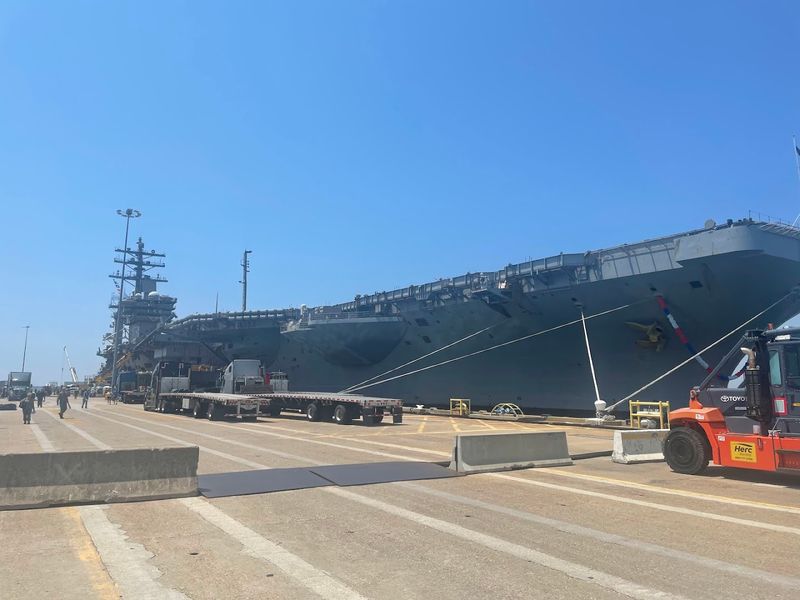
For most of the year, Naval Station Norfolk operates as a secure military installation, its piers and hangars off-limits to the general public. But on select occasions, the base throws open its gates and gives civilians a rare, thrilling glimpse into the world behind the fence.
Fleet Fest, held each October, is the crown jewel of these events.
The annual celebration draws crowds who come to walk the piers, see the ships up close, and experience the scale of the base in a way that no tour bus can replicate. Standing at the base of an aircraft carrier and craning your neck upward is an experience that stays with you.
Harbor tours departing from the nearby waterfront offer another angle on the base, literally. Viewing the fleet from the water provides a perspective that ground-level visits simply cannot match.
The tours are popular, and for good reason. Seeing a row of warships from a small vessel is genuinely awe-inspiring.
These public access moments are more than just fun outings. They connect the civilian community of Virginia with the military mission that shapes so much of the region’s identity.
Naval Station Norfolk is not an island unto itself. It is deeply woven into the fabric of the city and the state around it.
Visiting Norfolk: Getting Close to the Greatest Naval Base on Earth
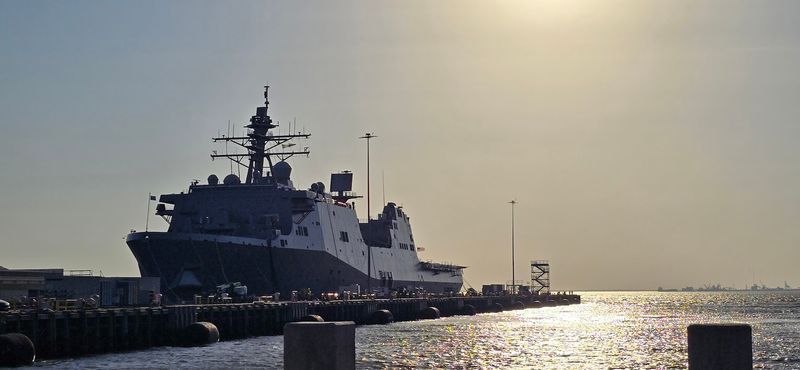
Planning a trip to see Naval Station Norfolk up close is absolutely worth the effort, and Norfolk itself makes an excellent base for exploration. The city wraps around the naval installation with a proud, maritime energy that permeates everything from the restaurants along the waterfront to the museums celebrating naval heritage.
The Nauticus maritime museum sits right on the downtown waterfront and offers an outstanding complement to any base-adjacent visit. The USS Wisconsin, a retired battleship, is permanently docked there and open for tours, giving a taste of naval history in spectacular physical form.
Harbor cruise operators run regular tours that pass alongside the naval station’s waterfront, providing views of the fleet that are genuinely hard to forget. Booking early is a smart move, especially during Fleet Fest season when demand spikes considerably across the Virginia region.
The base itself is located at Norfolk, VA 23505, and while general public access requires proper authorization or participation in organized events, the surrounding waterfront areas offer plenty of vantage points for admiring the fleet. Virginia has no shortage of naval pride, and nowhere does that pride find more vivid, steel-and-seawater expression than right here at Naval Station Norfolk.
Pack your binoculars and prepare to be genuinely amazed.
