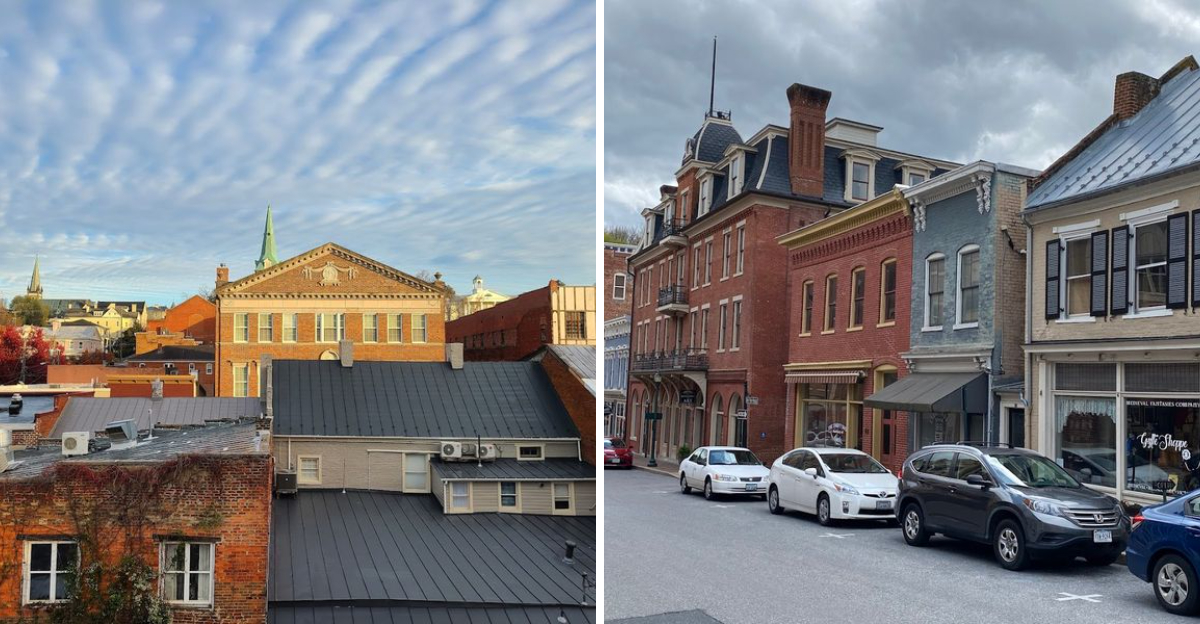
Step onto these streets and it feels like you’ve wandered onto a film set. In Virginia’s Shenandoah Valley, this place blends small-city charm with a cinematic edge that has quietly drawn Hollywood’s attention for years.
Rows of preserved Victorian buildings line a historic downtown that looks almost too perfect to be real, yet every detail holds up in person. Walking through it, the atmosphere feels authentic rather than staged, with character that cameras simply happened to capture.
This town may be compact, but its presence is anything but small. The ongoing debate is whether the film industry revealed its appeal or simply confirmed what was already impossible to overlook.
The Staunton Train Station: Hollywood’s Favorite Historic Backdrop
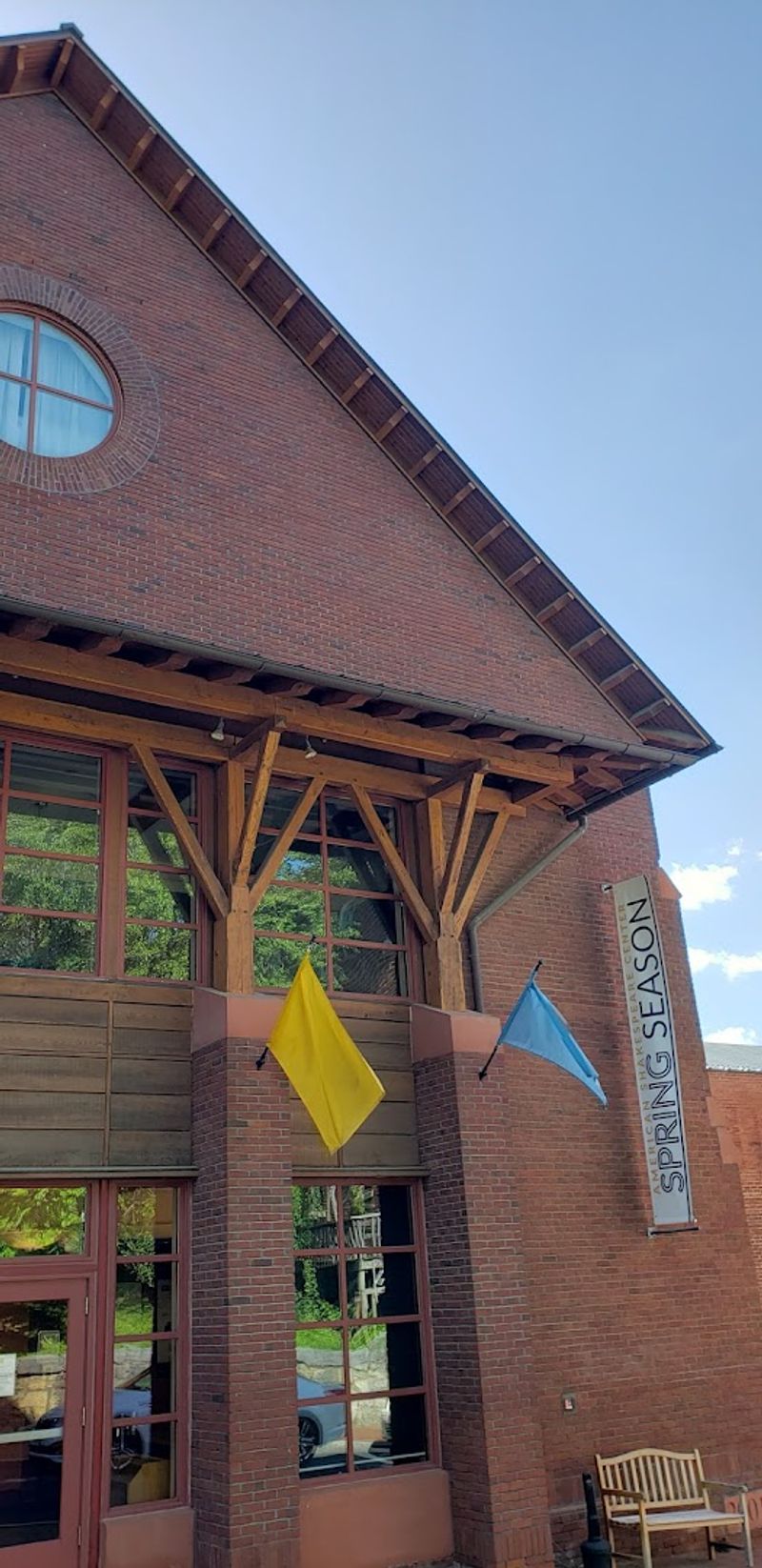
Few buildings in Virginia carry as much cinematic weight as the Staunton Train Station. Its aged brick walls, ornate iron details, and unmistakable old-world character made it the perfect canvas for filmmakers looking to recreate authentic 19th-century atmospheres without building expensive sets from scratch.
Both “Gods and Generals” and “Evan Almighty” used this station as a key filming location, and standing on its platform feels like stepping directly onto a movie set. The architecture does most of the storytelling on its own.
Thick brick arches frame the entryways with a quiet authority that modern buildings simply cannot fake.
I spent a solid hour just walking around the exterior, noticing the layered textures that cameras love so much. The station sits at 1 Middlebrook Ave, Staunton, VA, and it remains one of the most photographed landmarks in the entire Shenandoah Valley.
Visiting during golden hour, when the late sun hits those rust-colored bricks, is an experience that genuinely stops you mid-step. Staunton clearly understood that great architecture is a gift worth protecting, and this station proves that point beautifully every single day.
Gods and Generals: When Staunton Became the Civil War
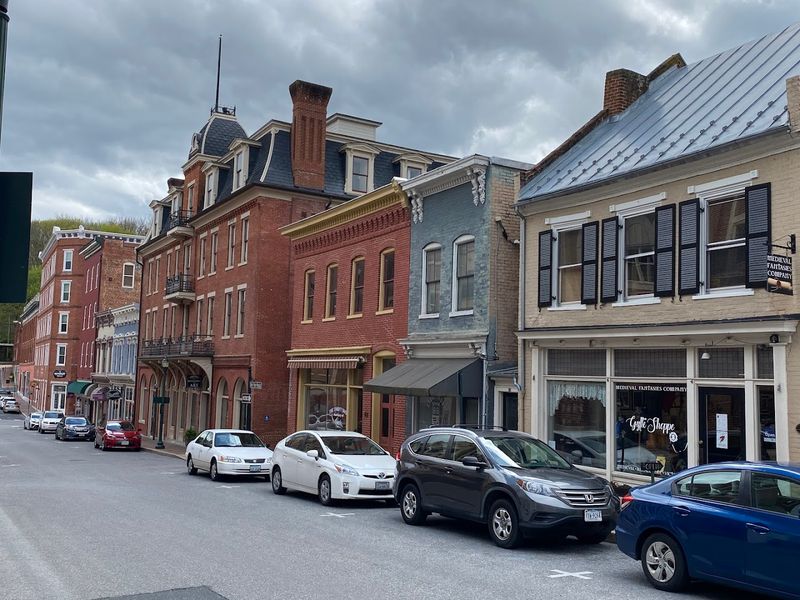
Watching “Gods and Generals” with fresh eyes after visiting Staunton is a completely different experience. You start recognizing corners, facades, and streetscapes that the production team used to recreate the Civil War South with remarkable accuracy.
The film needed authenticity, and Staunton delivered it in abundance.
Virginia has no shortage of Civil War history, but Staunton’s downtown offered something rare: an intact, walkable historic district that looked genuinely period-appropriate without heavy modification. The production team leaned hard into that natural advantage, and the result is a film that feels grounded in real place rather than manufactured nostalgia.
Sherwood Avenue and several blocks of downtown Staunton appear throughout the film, their 19th-century building profiles blending seamlessly into the narrative. Local historians point out specific storefronts and facades that eagle-eyed viewers can still spot today.
Staunton’s role in this production was not just cosmetic; it gave the film a lived-in texture that studio backlots rarely achieve. For history buffs and film fans alike, tracing those locations on foot through the city’s streets is an afternoon well spent and genuinely rewarding in ways that surprise even skeptical visitors.
Evan Almighty: Comedy Meets Small-Town Virginia Charm
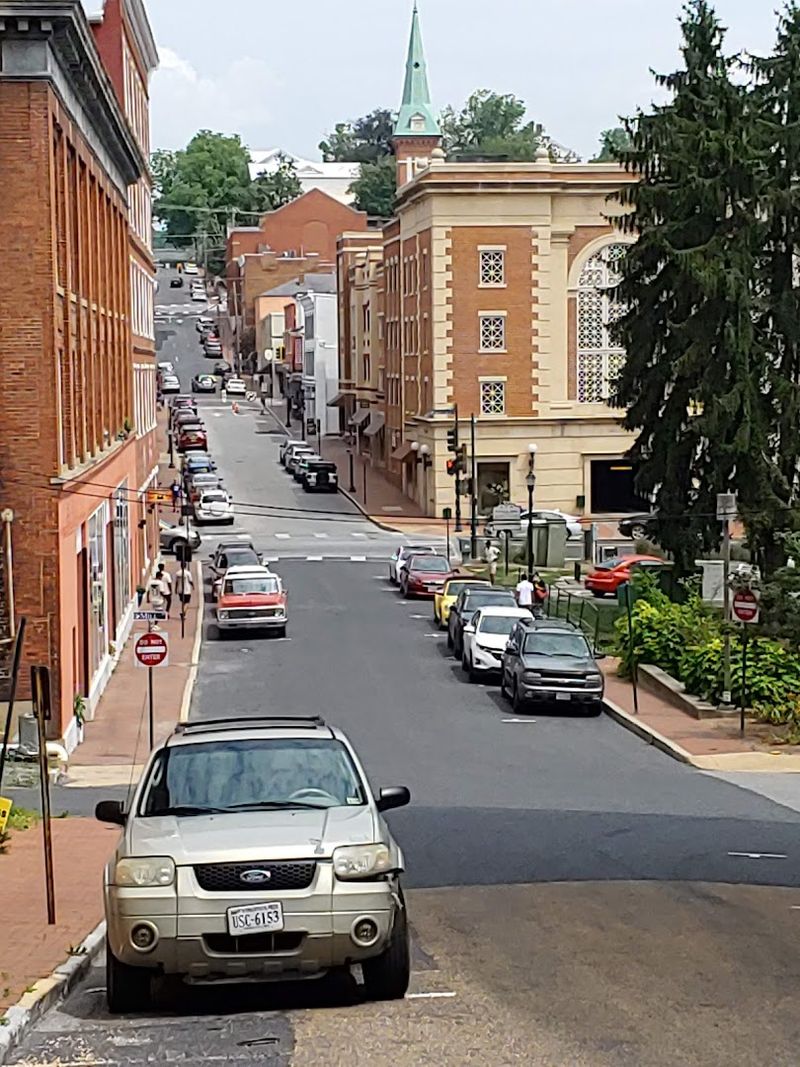
Not every film set in a small Virginia city involves cannons and cavalry. “Evan Almighty” brought an entirely different energy to Staunton, using the city’s charming downtown and Sherwood Avenue to portray a relatable, grounded American small town that contrasted brilliantly with the film’s wildly outrageous biblical premise.
Seeing Steve Carell’s character navigate suburban chaos against a backdrop that Staunton residents recognized immediately created a genuinely fun local buzz. The production team chose these streets precisely because they radiate an honest, unpretentious Americanness that feels familiar to audiences everywhere.
That quality is not manufactured; it is simply what Staunton looks like on any given Tuesday.
Sherwood Avenue, with its tree-lined sidewalks and well-kept residential character, provided the perfect visual anchor for scenes requiring suburban normalcy. The contrast between the film’s absurdist humor and the city’s dignified surroundings worked beautifully on screen.
Staunton proved with this production that its appeal transcends historical drama and translates equally well into contemporary comedy. Walking Sherwood Avenue today, you can almost picture the film crew setting up shots between those classic Virginia homes, and that mental image alone makes the stroll considerably more entertaining than a standard neighborhood walk.
Downtown Staunton: A Living, Breathing Film Set
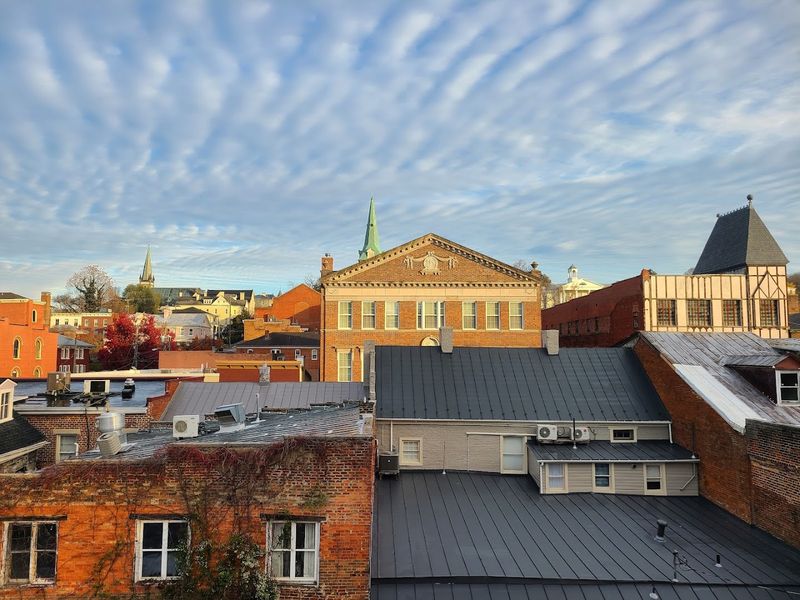
Most cities that served as film locations have since modernized beyond recognition. Staunton stubbornly, gloriously refused that path.
The downtown district retains its Victorian bones with a confidence that feels almost defiant, and that architectural integrity is precisely what keeps attracting filmmakers and curious travelers alike.
Beverly Street, the main artery of downtown Staunton, is lined with independent shops, galleries, and restaurants occupying buildings that look exactly as they did generations ago. The streetscape has a cohesive visual quality that urban planners spend fortunes trying to replicate elsewhere, yet here it simply evolved organically over decades of careful stewardship.
I wandered through on a weekday morning and found the energy surprisingly lively. Locals move through downtown with the easy familiarity of people who genuinely like where they live, and that comfort is contagious.
The city has maintained a careful balance between preservation and vibrancy, keeping historic facades intact while filling interiors with contemporary businesses. For anyone curious why Hollywood chose Staunton repeatedly, one afternoon on Beverly Street answers that question completely.
The place photographs beautifully from every angle, and no filter is required to make it look cinematic. It simply is, in the most effortless and authentic way possible.
The Blackfriars Playhouse: Shakespeare’s Stage in Virginia
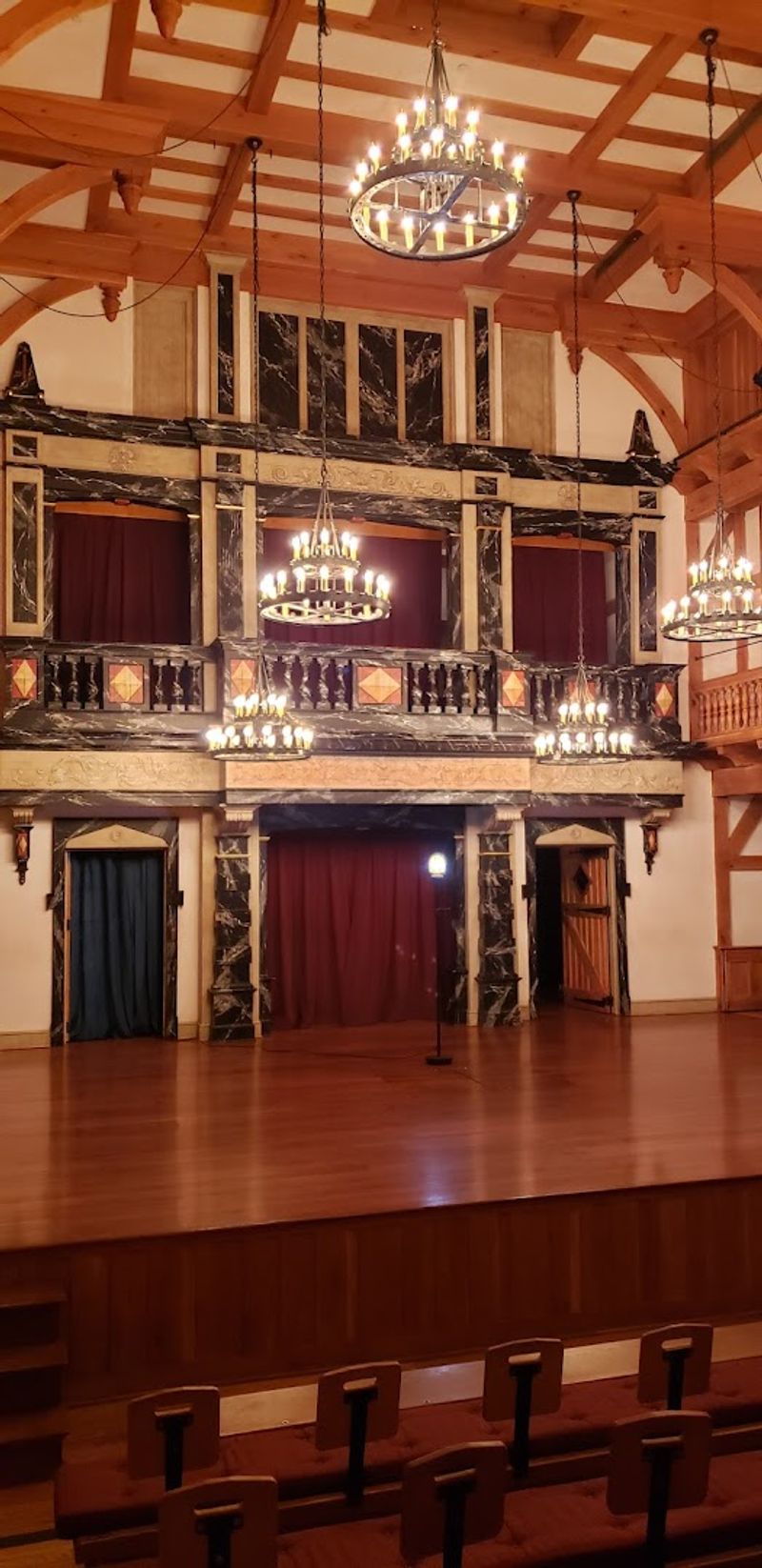
Staunton holds a cultural card that most small cities could only dream of playing. The American Shakespeare Center’s Blackfriars Playhouse is a full-scale re-creation of Shakespeare’s original indoor theatre, and it operates right here in the heart of the Shenandoah Valley.
That fact still catches first-time visitors completely off guard.
Performances happen with the house lights up, just as they did in Elizabethan England, creating an intimate and electric connection between actors and audience that modern theatrical staging often loses. The wooden galleries, candlelight-style fixtures, and open stage design make every production feel immediate and alive in ways that proscenium theatres simply cannot replicate.
I caught an evening performance during my visit and left genuinely moved by how much the space itself contributes to the experience. The acoustics are remarkable, the sightlines are excellent from every seat, and the proximity to the performers creates a shared energy that lingers long after the curtain falls.
Located at 10 S Market St, Staunton, VA, the Blackfriars Playhouse is one of Virginia’s most extraordinary cultural destinations, full stop. Booking tickets in advance is strongly recommended because performances sell out with impressive regularity throughout the season.
Gypsy Hill Park: Where Staunton Goes to Breathe
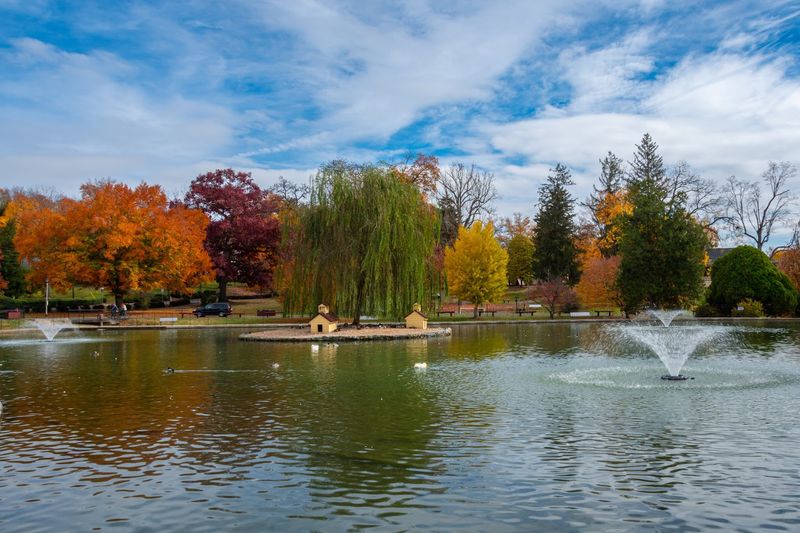
Every great small city has a park that functions as its communal living room, and Gypsy Hill Park fills that role for Staunton with considerable flair. Sprawling across a generous footprint near the city center, this park offers open lawns, a historic bandstand, a duck pond, tennis courts, and a small train ride that delights younger visitors without embarrassing adults who secretly enjoy it too.
The mature trees throughout the park create a canopy effect that makes summer afternoons genuinely comfortable, which is no small achievement in Virginia’s humid season. Early mornings bring joggers and dog walkers; afternoons draw families and picnickers; evenings see couples strolling the well-maintained paths as the light softens beautifully through the tree line.
Gypsy Hill Park also hosts outdoor concerts and community events throughout the warmer months, giving it a social energy that keeps the space feeling purposeful rather than merely decorative. The park sits at 1000 Gypsy Hill Park, Staunton, VA, and entrance is free, which makes it an easy addition to any itinerary.
Spending a relaxed hour here between exploring the city’s film locations and cultural attractions resets the pace perfectly and reminds you exactly why people choose to live in Staunton rather than just visit.
Woodrow Wilson Presidential Library: History Beyond the Silver Screen
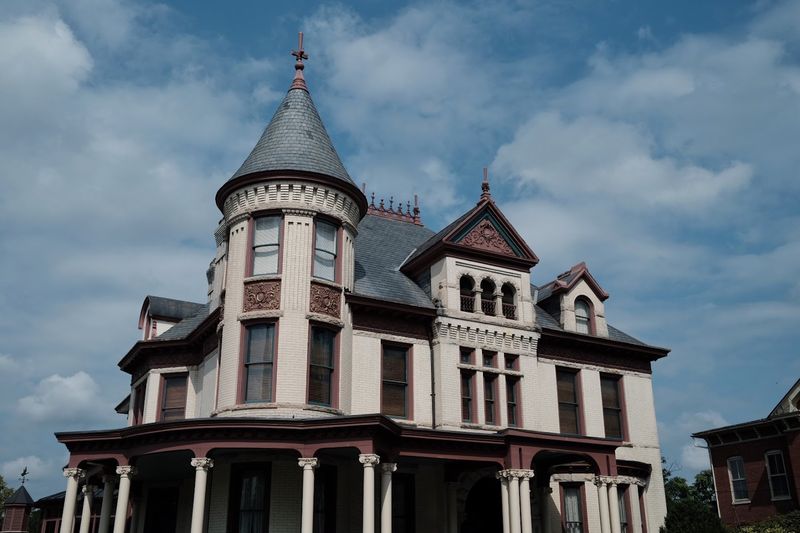
Staunton’s cinematic fame is impressive, but the city’s historical significance runs considerably deeper than any film production. This is the birthplace of Woodrow Wilson, the 28th President of the United States, and the Woodrow Wilson Presidential Library and Museum preserves that legacy with genuine scholarly care and public accessibility.
The museum occupies Wilson’s actual birthplace, a handsome Victorian manse that anchors a beautifully maintained historic site. Exhibits trace Wilson’s extraordinary life from his Staunton childhood through his presidency, including his pivotal role in shaping the post-World War One international order.
The storytelling is thorough without being overwhelming, which makes the experience accessible to visitors of varying historical backgrounds.
A highlight for many visitors is Wilson’s 1919 Pierce-Arrow limousine, which sits in the museum’s garage and commands attention with its imposing presence. The restored gardens surrounding the property are worth lingering in, particularly in spring when the plantings reach full color.
Located at 20 N Coalter St, Staunton, VA, the museum is one of Virginia’s most substantive presidential sites and pairs naturally with a walking tour of the surrounding Gospel Hill neighborhood, which contains some of the city’s finest historic architecture concentrated in a compact and very walkable area.
The Shenandoah Valley Backdrop: Staunton’s Natural Stage
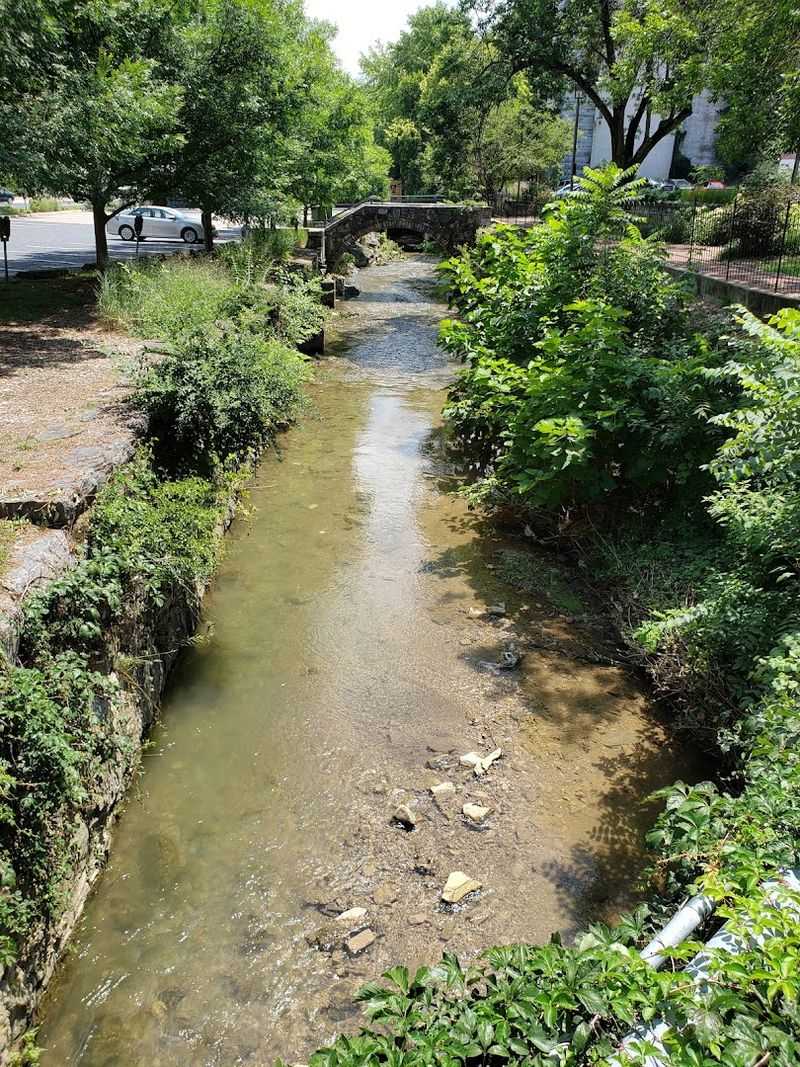
Filmmakers did not choose Staunton purely for its architecture. The surrounding Shenandoah Valley landscape provides a natural grandeur that frames the city with breathtaking effect, and that scenery contributes enormously to Staunton’s on-screen and in-person appeal.
Virginia’s mountains have a way of making everything feel slightly more dramatic and beautiful.
The Blue Ridge Mountains rise to the east and the Allegheny Mountains anchor the western horizon, creating a visual bowl of green hills, fertile farmland, and forested ridgelines that photographers and filmmakers find irresistible. Driving the roads around Staunton during autumn, when the foliage ignites across those slopes, produces scenery that genuinely competes with anything New England promotes so aggressively.
Skyline Drive and the Blue Ridge Parkway are both within reasonable reach, offering extended scenic drives that reward patience with extraordinary vistas at nearly every overlook. For visitors spending multiple days in the area, day trips into the surrounding valley and mountain terrain add a natural dimension to what is already a rich cultural and cinematic itinerary.
Staunton serves as an ideal base camp for exploring this broader Virginia landscape, with comfortable accommodations, excellent dining, and a downtown lively enough to make returning each evening genuinely pleasant rather than merely convenient.
The Staunton Augusta Art Center: Creativity in a Historic Shell
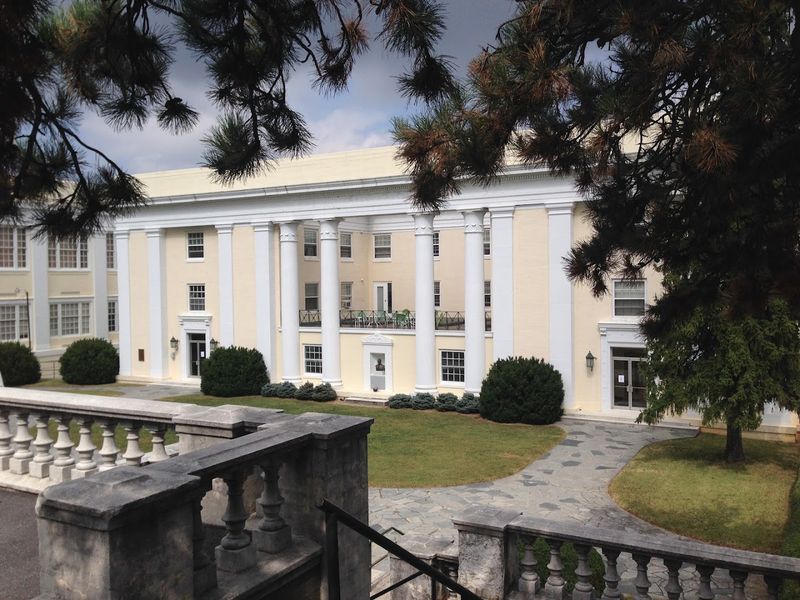
Art centers in small cities often feel like afterthoughts, squeezed into whatever space remained after more commercially driven tenants moved in. The Staunton-Augusta Art Center operates with an entirely different philosophy, occupying a prominent historic building and presenting exhibitions that would feel at home in considerably larger cities.
The commitment to quality here is unmistakable.
Rotating exhibitions feature regional and national artists working across a wide range of media, from painting and sculpture to photography and mixed media installations. The programming keeps the space feeling fresh and relevant, giving repeat visitors genuine reason to return rather than simply checking the center off a list during a single trip.
Art classes and community workshops run throughout the year, connecting the center to Staunton’s creative community in practical and meaningful ways. The building itself, with its high ceilings and period architectural details, provides a naturally flattering environment for displaying visual art.
Located at 20 S New St, Staunton, VA, the center is free to enter, which removes every possible barrier to stepping inside and spending an unhurried hour among genuinely interesting work. For a city of Staunton’s scale, maintaining an arts institution of this caliber reflects a community that takes cultural life seriously and invests in it accordingly.
Plan Your Staunton Visit: A City That Rewards the Curious
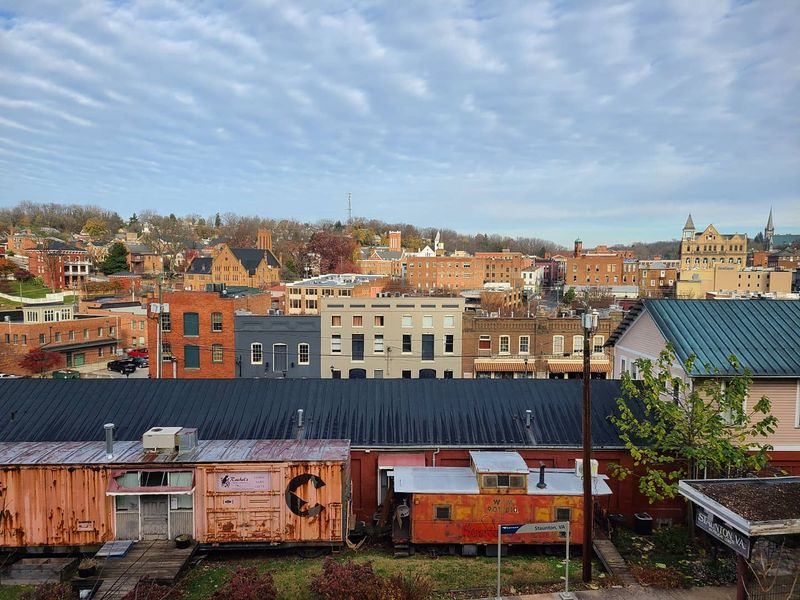
Staunton rewards visitors who arrive with genuine curiosity rather than a rigid checklist. The city’s pleasures reveal themselves gradually, through unexpected architectural details, spontaneous conversations with locals who clearly love where they live, and the satisfying realization that a place this interesting and beautiful exists without the crowds that usually accompany such qualities.
The city is compact enough to explore largely on foot, which is genuinely the best way to absorb its layered character. Morning walks through the Gospel Hill neighborhood, afternoons tracing film locations through downtown, and evenings at the Blackfriars Playhouse create a natural daily rhythm that feels both productive and relaxed.
Staunton does not rush you, and that quality is increasingly rare and precious.
Accommodation options range from boutique hotels in historic buildings to comfortable independent inns that match the city’s overall character well. Staunton sits conveniently along Interstate 81 in Virginia’s Shenandoah Valley, making it an easy stop on longer road trips through the region or a perfectly self-sufficient destination for a dedicated long weekend.
Pack comfortable walking shoes, bring a camera that can handle beautiful light, and arrive ready to be genuinely charmed by one of Virginia’s most quietly spectacular small cities. You will not leave disappointed, and you will almost certainly start planning a return trip before you even reach the highway on-ramp.
