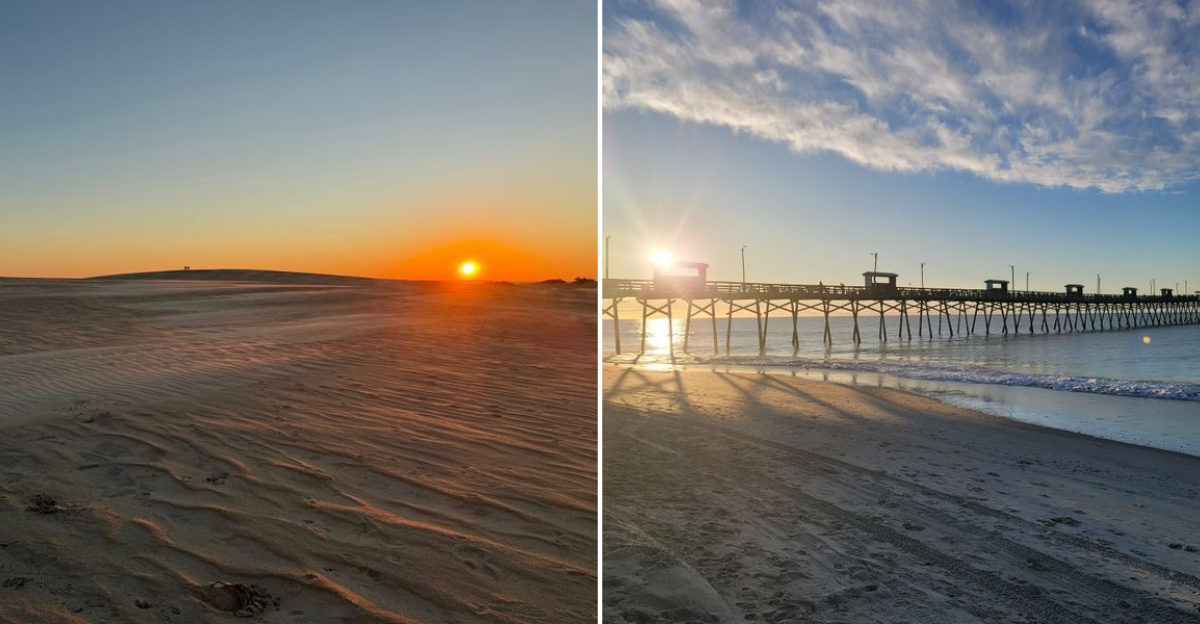
What happens when a quiet beach town gets too popular? In North Carolina, several coastal spots that once felt like hidden treasures have now been swamped by crowds.
The easygoing vibe with slow mornings, family-run seafood joints, and uncrowded boardwalks, has been replaced with traffic jams, long waits, and a more commercial feel.
The scenery is still stunning, but the charm that made these towns special is harder to find when you’re stuck in line for ice cream or circling for parking.
I’ve seen this shift firsthand, and it’s a little bittersweet. On one hand, it’s great that more people get to enjoy these places.
On the other, it feels like the locals and longtime visitors lost something that can’t really be brought back.
So let’s talk about 10 coastal towns in North Carolina that have been overwhelmed by crowds.
You might recognize a few. Ready to see which towns made the list?
1. Wrightsville Beach
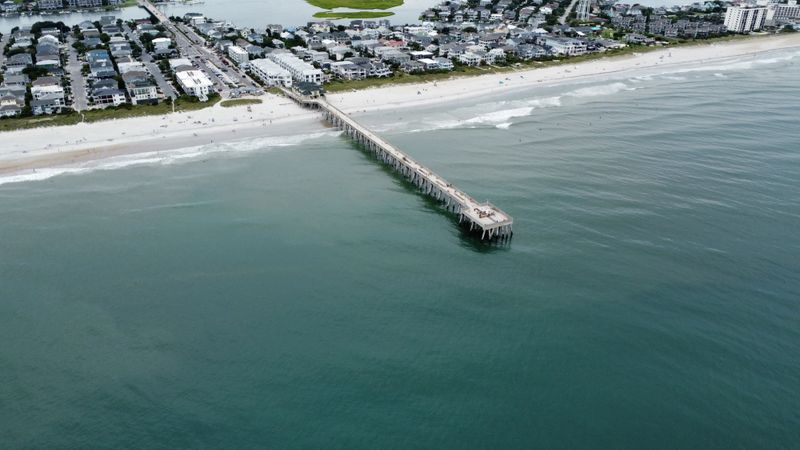
Wrightsville Beach used to feel like one of North Carolina’s cleanest, most effortless escapes.
Just a quick drive from Wilmington, you could park once and spend the whole day soaking in the calm.
Mornings were the sweet spot, walking the Loop around Causeway Drive and Lumina Avenue gave you that easy rhythm locals loved, and the surf scene had its own laid-back energy.
But these days, the secret’s out. The shoreline around Johnnie Mercer’s Pier is still wide and inviting, but finding a quiet slice isn’t as simple as it used to be.
The sand and water remain beautiful, yet the crowds have changed the vibe. Paddleboarders and walkers still show up, but now you’re weaving through more people than before.
What made Wrightsville special, its clean lines, easy access, and friendly pace, has been dulled by the sheer number of visitors.
You can still linger for sunset, but expect company. Wrightsville Beach hasn’t lost its beauty, just its breathing room.
2. Carolina Beach
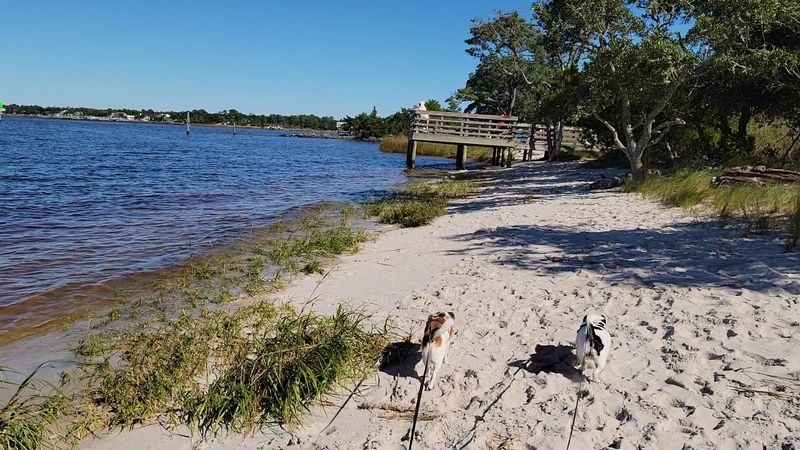
Carolina Beach was the spot where you could balance boardwalk energy with a laid-back beach day.
Families wandered, surfers headed to the edges of town, and walkers found quiet paths by the water without much effort.
The rhythm was simple, lively near the boardwalk, calm as soon as you stepped away.
Now, that balance feels harder to catch in my opinion.
The boardwalk around 7 Harper Ave is still the heart of it all, but instead of a quick stroll into open views, you’re weaving through packed sidewalks and waiting for space.
Trails at the nearby state park still offer shade and a break from the sand, but even those paths draw more crowds than they used to.
Carolina Beach works for groups, sure, but the easygoing vibe has been replaced by a busier, more commercial feeling.
Sunset on the boardwalk is still beautiful, but the lights glow over a crowd instead of a calm scene.
The waves are there, the charm is there, and that’s important to me.
3. Kure Beach
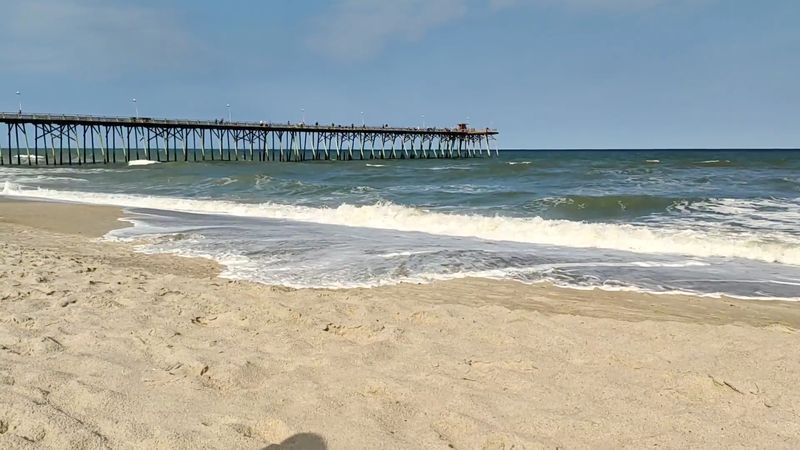
Kure Beach was the definition of a softer pace if you ask me.
Tucked away and mostly residential, it gave off that slower rhythm the moment you arrived.
The fishing pier at 111 K Ave anchored the shoreline, waves kept the day hushed, and morning walks often felt private, like the beach belonged just to you.
That calm is harder to find now. The pier still stands as the landmark, but instead of wide-open space, you’re sharing it with more visitors than ever.
What once felt generous and unforced now feels busier, with fewer quiet slices to claim.
Even the nearby historic fort and residential streets, once reliably peaceful, buzz with more foot traffic during the season.
Locals have tried to hold onto that unbothered pace, but the crowds have chipped away at it.
Kure Beach still has the light on the water and sand underfoot, but the simplicity that made it special doesn’t hit the same.
The beauty is there, you just have to look past the noise to feel it.
4. Outer Banks
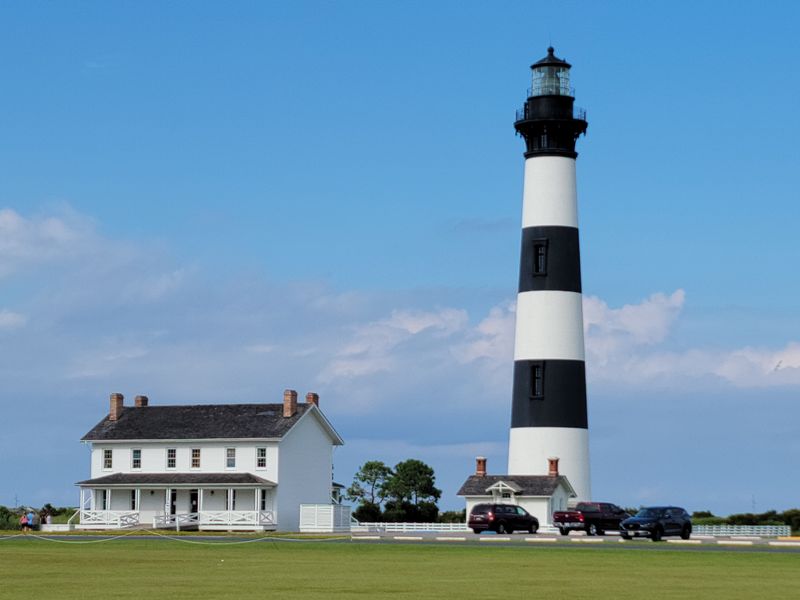
The Outer Banks felt endless with long stretches of dunes and sky that made you feel small in the best way.
Each town had its own style, but they all shared the same wide-open beaches and sense of space.
Lighthouses, historic sites, and nature preserves gave every day a different rhythm, and the undeveloped pockets felt wild and untouched.
That feeling is harder to hold onto now for me.
Bodie Island Lighthouse at 8210 Bodie Island Lighthouse Rd is still a perfect starting point, but instead of quiet trails and coves, you’re more likely to find crowds filling parking lots.
The roads that felt like gateways to discovery now carry steady streams of visitors, and the beaches don’t feel quite as generous when you’re sharing them with so many.
The Outer Banks still has the wind, the horizon, and that timeless coastal pull, but the breathing room has thinned.
What was once a place to wander on weather and whim now feels more scheduled, more crowded, and less like the secret escape it used to be.
5. Duck
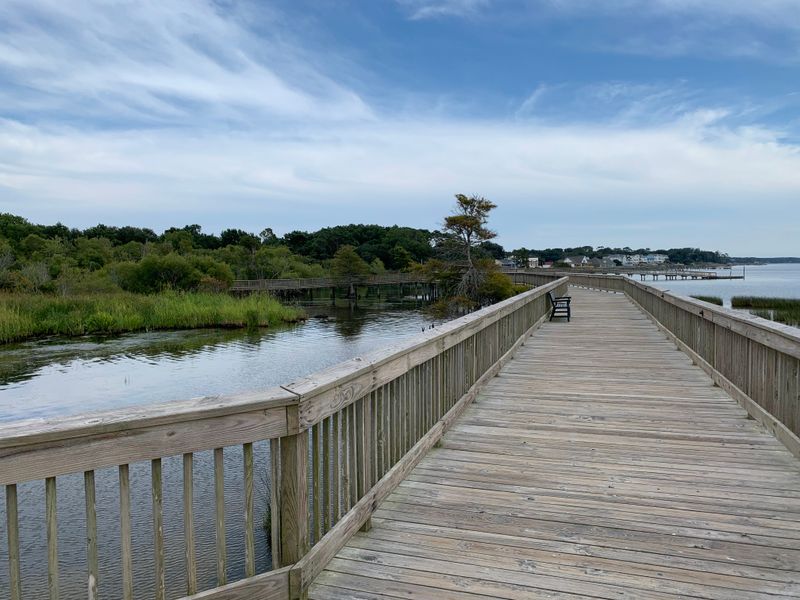
Duck moved with a quiet confidence.
The boardwalk along the sound was where the day slowed down, the light turned warm, and you could wander without a plan and still feel like you’d done it right.
Shops stayed small, the beaches felt steady, and walking through town was simple and calm. Sunsets over the sound were the kind of show you didn’t have to share with many people.
I feel like that mellow rhythm is a lot harder to catch now.
The Town of Duck Boardwalk at 1200 Duck Rd is the anchor, but instead of strolling at your own pace, you’re weaving through crowds.
The shops that once felt thoughtful now feel busier, and the beaches don’t carry the same calm when every stretch has more visitors than before.
Duck still balances people and place, but the scale has tipped. The charm is there, you can still watch the water and let conversation wander.
But the crowds have chipped away at the ease. This once mellow coastal stunner now feels more like a destination everyone’s chasing.
6. Corolla
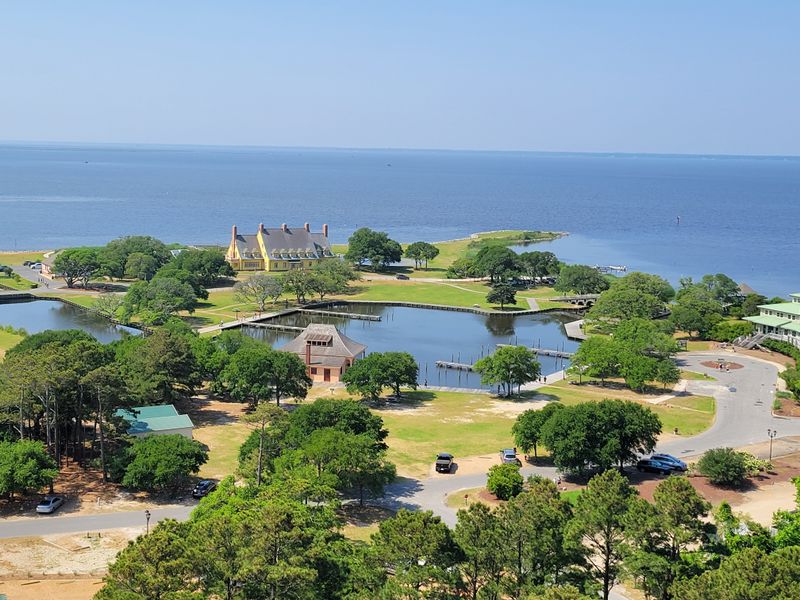
Corolla was the place you went when you wanted space in my opinion.
Heading north meant wider beaches, fewer people, and that untamed mood that made the Outer Banks feel different from anywhere else.
The wild horses roaming the sand gave it character, and the Currituck Beach Lighthouse at 1101 Corolla Village Rd stood tall as a reminder of its history without overwhelming the scene.
But the secret’s out. Those wide stretches aren’t nearly as empty anymore, and the hush that once defined Corolla is harder to catch.
The road north still thins, but now it carries a steady stream of SUVs and vacation rentals that crowd the landscape.
Even the lighthouse, once a quiet landmark, feels more like a backdrop for photo ops than a gateway to exploration.
This place hasn’t lost its beauty. The dunes, the wind, the light are all still there, but the breathing room is questionable.
The spot where you could explore at your own pace now feels busier, more scheduled, and less like the getaway it was.
7. Beaufort
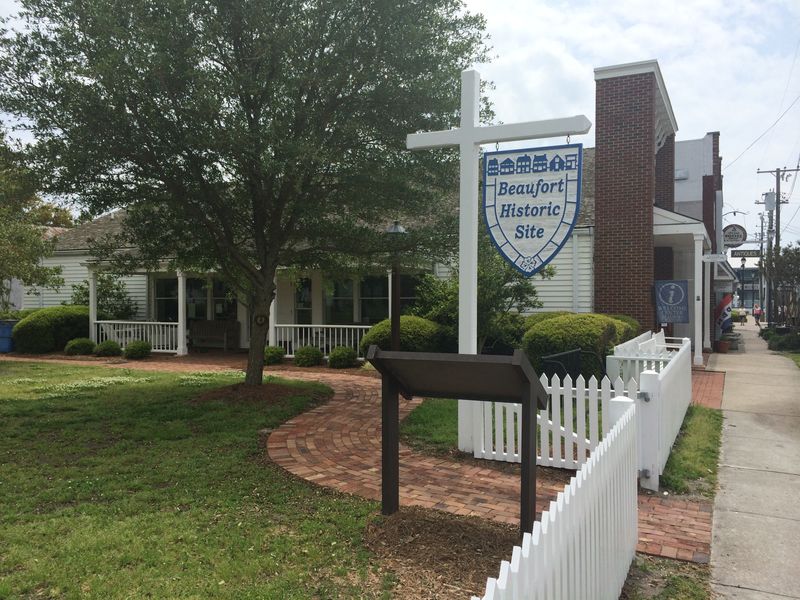
Beaufort once felt like a friendly hello the second you hit downtown.
Historic homes lean close to the water, and boats drift by like part of the soundtrack. You could walk slowly without even noticing, and that was the magic of this town.
Now the waterfront stays active in a way that feels less balanced.
Tours stack up, barrier island trips run back?to?back, and the maritime stories tucked into every block compete with the noise of visitor traffic.
The Beaufort Visitor Center at 701 Front St. still sets your bearings, but Front Street itself is crowded, benches fill quickly, and breezy views are harder to enjoy without interruption.
Window shopping, watching the marina, and hopping between small museums used to feel unrushed.
These days, lines stretch longer, and locals work harder to keep things welcoming year?round.
Afternoons still bring soft light across the docks and porches, but the quiet details are harder to catch when the crowds press in.
Beaufort remains grounded and warm at its core, yet the influx has changed its rhythm.
What was once proudly itself now feels like it’s fighting to hold onto that relaxed identity, even as visitors keep arriving in numbers the town struggles to absorb.
8. Emerald Isle
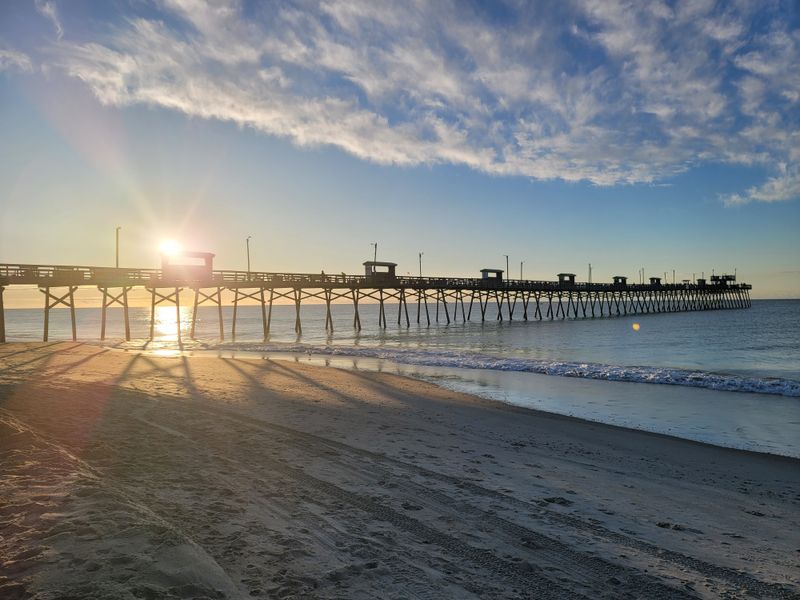
Emerald Isle felt like a deep breath on the Crystal Coast.
The beach ran long, the town kept things mellow, and families returned year after year because it just worked.
Biking paths stitched neighborhoods together, fishing happened all day without a spotlight, and calm water made the shoreline extra inviting.
Now that same simplicity draws even more visitors than the town can comfortably hold.
The Bogue Inlet Fishing Pier at 100 Bogue Inlet Dr. still offers wide views and easy access to the sand, but it’s rarely quiet.
Crowds gather early, and the easy meet?point vibe has shifted into a busy hub.
Community spirit shows up in small ways, like waves of hellos and kids with sandy feet, but the influx has stretched that spirit thin.
Afternoons lean less lazy when parking lots overflow and the shoreline feels crowded.
What was once a place where no one rushed now sees more traffic, more noise, and less of the calm that defined it.
Emerald Isle still carries the slower North Carolina rhythm people crave, but the very popularity of that rhythm has made it harder to find.
Visitors leave plotting their next lap, yet locals wonder how long the town can keep its easy pace intact under the weight of so many return trips.
9. Atlantic Beach
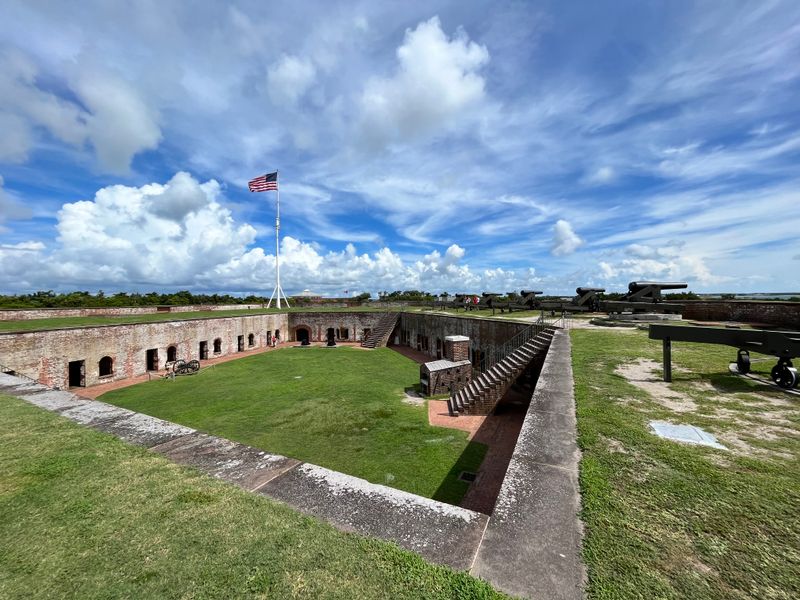
What felt like one of the Crystal Coast’s most balanced escapes now strains under its own popularity.
Atlantic Beach used to carry a classic coastal feel with just a few modern touches.
The sand stayed clean, the water opened wide, and boats cut across the horizon without distraction. It felt upbeat without tipping into chaos.
Today, sliding from beach to marina in minutes isn’t as effortless as it sounds.
Morehead City sits just across the bridge, keeping everything close, but that convenience also funnels more visitors into town.
What was once a simple, light day now often feels packed, with traffic and crowds reshaping the rhythm.
Fort Macon State Park at 2303 E Fort Macon Rd still anchors the area with history and broad beachfront, but long stretches of sand are harder to enjoy without weaving through groups.
Even on busy days there used to be room to breathe. Now the scene feels less unfussy, more pressed.
Late sun still pours across the dunes, glowing on the sand, but finding a quiet spot to linger has become rare.
Atlantic Beach holds onto its easy groove as best it can, but more visitors have dulled the relaxed balance that once defined it.
Leaving sun?dazed is still possible, but only after navigating the crowds that have changed the town’s pace.
10. Nags Head
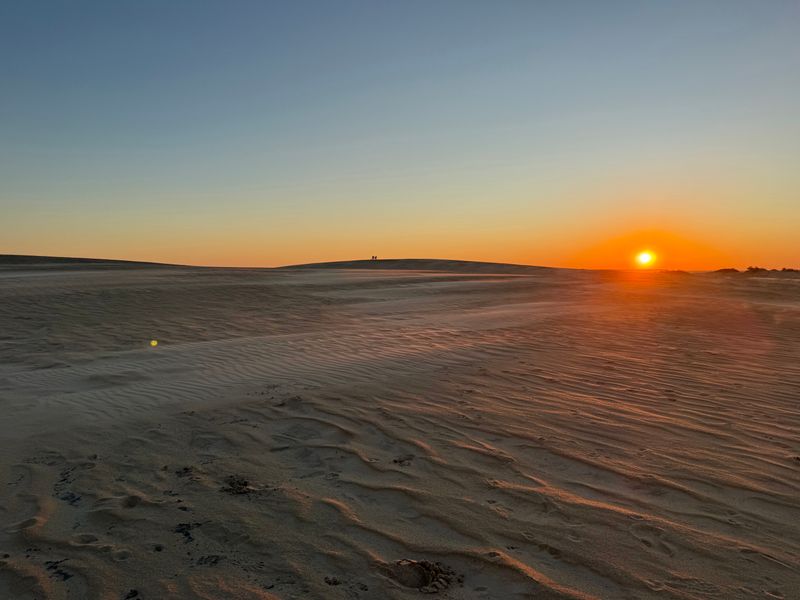
Few places announce the Outer Banks as clearly as Nags Head.
Big dunes, classic cottages, and open views set the mood, you know where you are without reading a sign.
Jockey’s Ridge once stole the show with its rolling sand hills, wide beach, and easy access points.
But the very landmarks that define Nags Head now draw more visitors than the town can comfortably handle.
Jockey’s Ridge State Park at 300 W Carolista Dr. sees constant crowds climbing the ridges, and the quiet shifts of light that used to feel personal now unfold in front of packed groups.
The wide beach still stretches, but finding space feels less effortless.
The town keeps its roots even as visitors come and go, though that steady pride is tested by the influx.
Long?time places work to preserve their grounded feel, but the rhythm has changed.
Evenings remain soft and windy, with shadows stretching across the dunes, yet the view is harder to savor when the crowds press in.
Nags Head still holds the classic North Carolina beach picture many people carry, but the repetition of that delivery has come at a cost.
What was iconic and unhurried now feels overrun, leaving both locals and travelers wondering how long the town can keep its timeless image intact.
