Time has a way of speeding up the older you get. Weeks blur into months, months into years, and suddenly you cannot remember what you did last Tuesday.
But Oklahoma has a collection of places where the clock seems to forget its job, where the pace slows down so naturally that you might not even notice it happening until you check your watch and realize an hour has passed like five minutes.
These ten spots share a common magic. They are not trying to be old-fashioned or retro or nostalgic. They simply exist at a different speed, untouched by the urgency that defines most modern life.
A general store where the owner still tallies purchases on paper. A diner where the coffee cups have not changed since the 1970s. A two lane highway that leads nowhere in particular but feels essential anyway.
The best part is how accessible these places remain. You do not need a plane ticket or a second mortgage to visit them. Just a full tank of gas and the willingness to slow down.
1. Historic Guthrie, Guthrie, Oklahoma
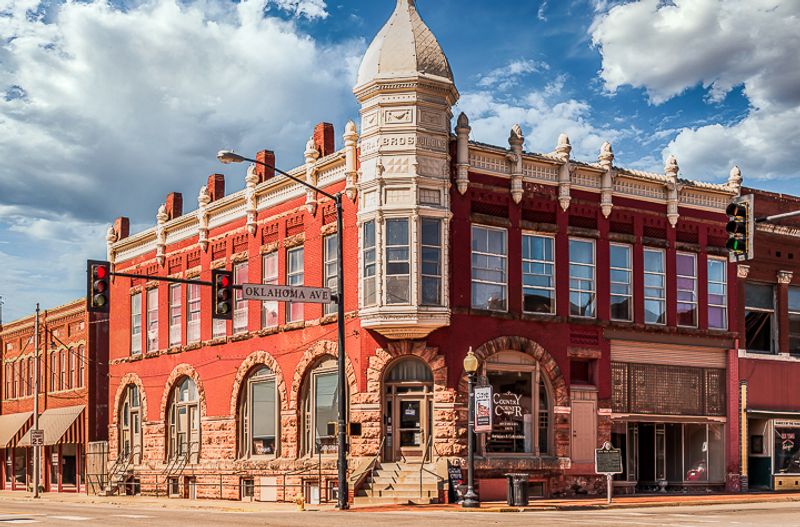
Walking into downtown Guthrie feels like crossing an invisible line between now and then. As Oklahoma’s original territorial capital, this city holds the largest contiguous Urban Historic District in the entire United States.
The streets are lined with monumental brick-and-stone Victorian buildings that were constructed during the late 19th and early 20th centuries. None of it feels like a museum piece propped up for tourists.
It feels lived-in, real, and quietly proud. The Scottish Rite Temple alone is worth the drive, standing as one of the most impressive Masonic structures in the country.
Guthrie sits about 30 miles north of Oklahoma City in Logan County. The downtown district stretches across several blocks and rewards slow walkers who look up at the cornices and carved stonework above the storefronts.
Vintage trolleys and historic markers appear around nearly every corner. The architecture speaks in a language that modern cities have mostly forgotten.
One thing I always notice is how the light hits the old brick in the late afternoon. Everything glows a deep amber, and for a moment, 1907 does not feel very far away at all.
If you are planning a visit, the best time to come is during the spring or fall when the weather is mild and the festivals are in full swing. Oklahoma Territorial Plaza and the Guthrie Historic District are both free to explore on foot.
The address for the main historic district is 2nd Street and Division Street, Guthrie, Oklahoma 73044. Give yourself at least half a day here.
2. Woolaroc Museum and Wildlife Preserve, Bartlesville, Oklahoma
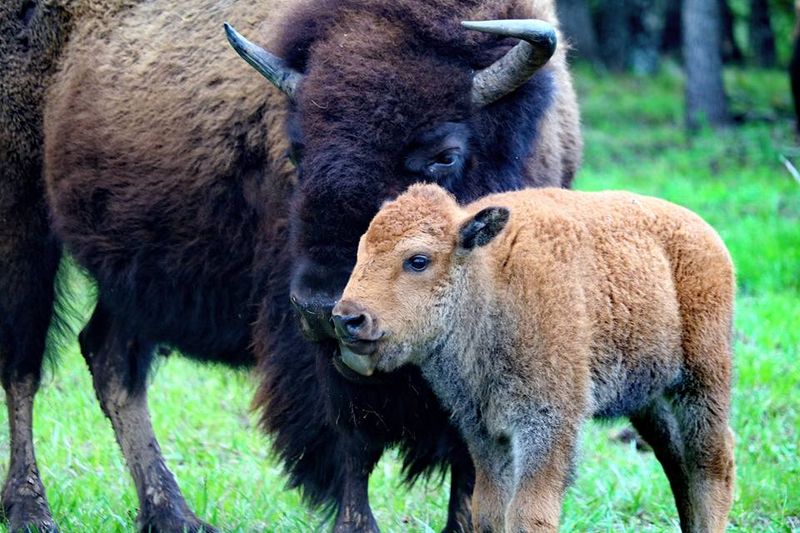
Somewhere in the rugged Osage Hills outside Bartlesville, time took a long pause and never quite got back up. Woolaroc Museum and Wildlife Preserve sits on land that oil tycoon Frank Phillips established in 1925 as a personal retreat and working ranch.
The name comes from the words woods, lakes, and rocks, and that combination describes the landscape perfectly. Driving through the preserve feels like entering a world that the 21st century simply forgot to update.
Native bison, elk, and longhorn cattle roam freely across the rolling terrain. You can drive slowly through the preserve and watch them graze just a few feet from your window.
The museum building itself houses one of the finest collections of Western American art and Native American artifacts in the region. It is the kind of place where every glass case tells a story that stretches back hundreds of years.
Woolaroc is located at 1925 Woolaroc Ranch Road, Bartlesville, Oklahoma 74003, about 14 miles southwest of town in Osage County. The Osage Hills surrounding the property add a dramatic, ancient quality to the whole experience.
I found the wildlife drive to be the most unexpectedly moving part of the visit. Seeing bison move across open land with no fences in sight is something that stays with you long after you drive home.
Spring and fall are ideal for visiting, when the animal activity is highest and the hills wear their most vivid colors. Pack a picnic and plan to stay a full afternoon.
3. The Holy City of the Wichitas, Lawton, Oklahoma
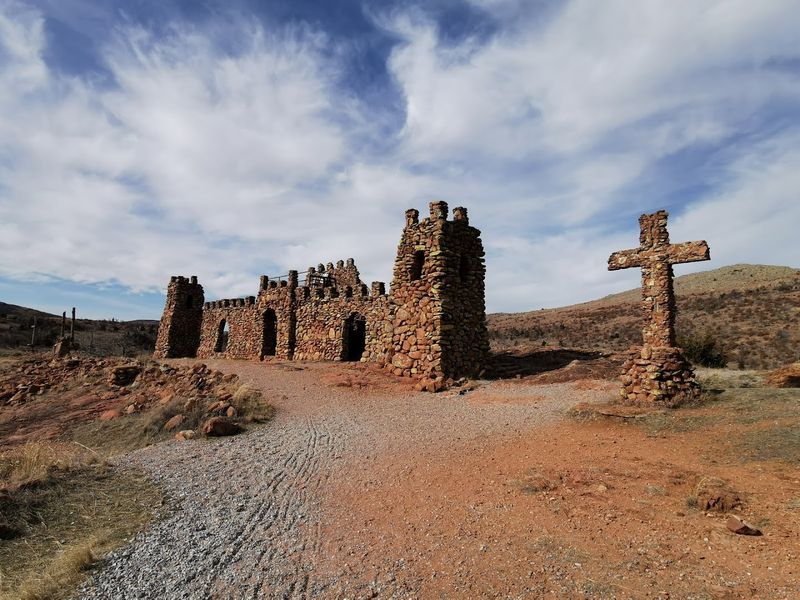
Hidden inside the ancient granite landscape of the Wichita Mountains near Lawton, Oklahoma, there is a stone village that most people have never heard of. The Holy City of the Wichitas was built in the 1930s using local granite and resembles a biblical settlement straight out of the ancient world.
It was constructed to serve as an outdoor passion play stage, and the stone structures have remained largely unchanged since they were first raised by hand. There are no ticket booths, no gift shops, and no tour guides waiting at the entrance.
You simply walk in, wander through the stone archways, and feel the weight of history pressing quietly around you. The isolation is part of what makes it so striking.
The site sits within the Wichita Mountains Wildlife Refuge, which is managed by the U.S. Fish and Wildlife Service.
The address is 262 Holy City Rd, Lawton, OK 73507.
Massive granite boulders frame the village on all sides, giving it a natural fortress quality that no architect could have planned better. The contrast between the rough stone walls and the wide Oklahoma sky is genuinely breathtaking.
I visited on a quiet weekday morning and had the entire place to myself for nearly an hour. That kind of solitude in a space this old does something interesting to your sense of time.
The best seasons to visit are spring and fall, when the temperatures are comfortable for walking. Wear sturdy shoes because the terrain is uneven and the paths wind through natural rock formations.
4. Historic Route 66 Ghost Towns and Outposts, Oklahoma
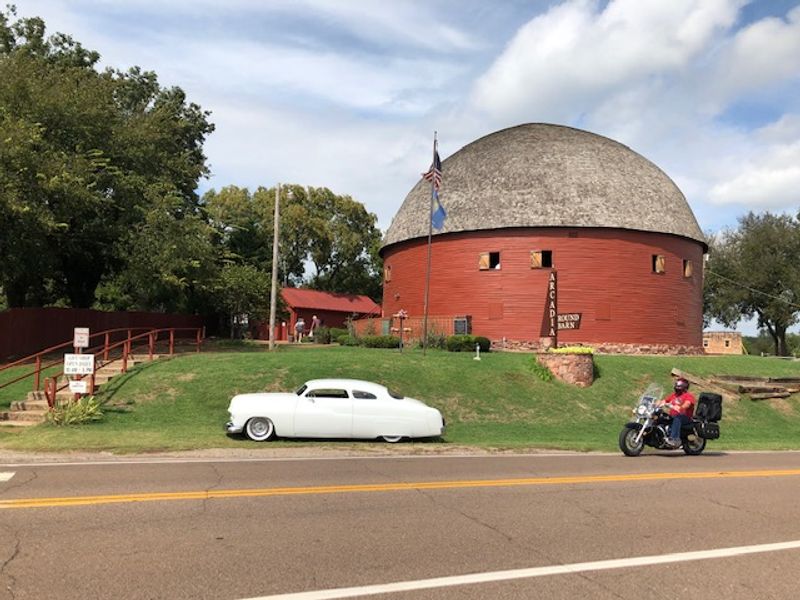
There is a version of America that existed somewhere between the 1930s and the 1960s, and long stretches of Oklahoma’s Route 66 still carry its ghost.
The Mother Road cuts across the state from the Kansas border to the Texas Panhandle, and some of its most fascinating stops look almost exactly as they did during the road-trip boom of mid-century America.
The Old Round Barn in Arcadia is one of the most photographed landmarks on the entire highway. Built in 1898, the circular wooden structure still stands proudly at 107 State Highway 66, Arcadia, Oklahoma 73007.
Seaba Station in Warwick is another frozen-in-time find, an old motorcycle museum and garage tucked into a building that once served early Route 66 travelers. Texola and Erick, near the Texas border, offer something even more raw and quiet.
These towns have barely a handful of residents left, but their brick storefronts and faded signs still hold their shape against the flat western horizon. Walking through Texola feels like reading a letter that was never finished.
I always make a point to stop at the old filling stations and diners that still dot the route between Tulsa and the Panhandle. Each one tells a slightly different chapter of the same long American story.
The best way to experience this stretch is by driving it slowly, without a tight schedule. Early morning light makes the old buildings look especially cinematic.
Oklahoma’s Route 66 runs through towns like Sapulpa, Chandler, Clinton, and Shamrock, each with its own preserved pocket of the past waiting to be found.
5. Har-Ber Village Museum, Grove, Oklahoma
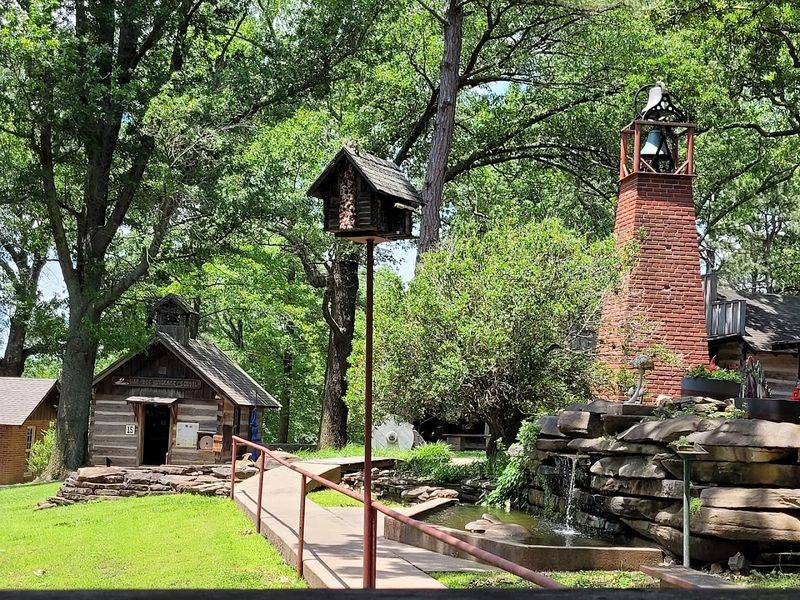
Not many open-air museums in the country can match the scale or the sincerity of Har-Ber Village in Grove, Oklahoma. Spread across a beautiful stretch of land along Grand Lake in Delaware County, this place is a full-scale recreation of 19th-century pioneer life built from authentic relocated structures.
There are more than 100 original log cabins, schoolhouses, chapels, and outbuildings gathered here from across the region. Each one has been carefully restored and filled with period-accurate furnishings and tools.
Walking the grounds feels less like visiting a museum and more like wandering into a living settlement that just happens to be very quiet. The blacksmith shop, the general store, and the one-room schoolhouse each hold their own kind of magic.
Har-Ber Village is located at 4404 West 20th Street, Grove, Oklahoma 74344. Grand Lake glitters in the background as you move from cabin to cabin, adding a scenic layer that makes the whole experience even more memorable.
What sets this place apart from other pioneer museums is the sheer number of authentic structures. Nothing here was built to look old.
Everything here actually is old.
I spent the better part of a morning here and still felt like I had missed corners worth exploring. The grounds are large, and every new turn reveals another building with another story inside.
Spring and early fall are the best times to visit, when the weather is pleasant and the lake views are at their most vivid. Admission is affordable, and the experience is the kind that lingers for days after you leave.
6. Medicine Park, Oklahoma
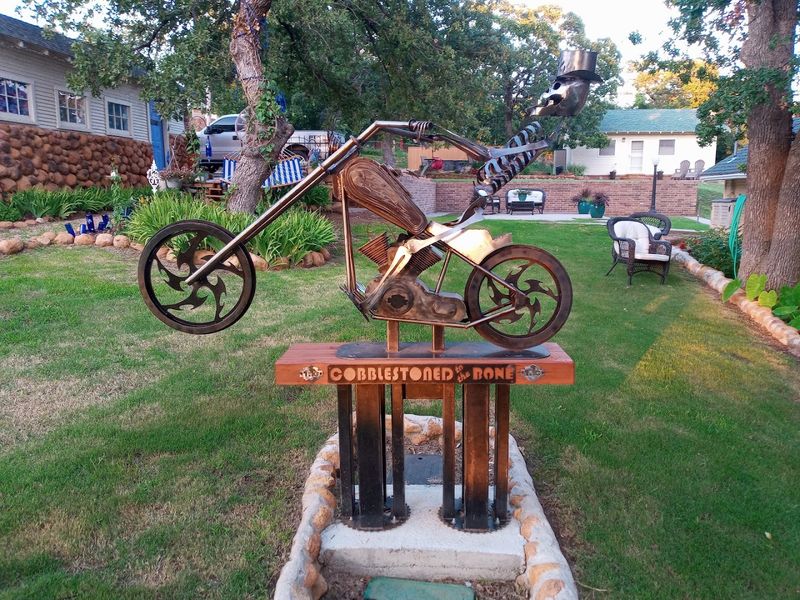
Founded in 1908, Medicine Park holds the distinction of being Oklahoma’s first official resort town. Tucked into the foothills of the Wichita Mountains in Comanche County, this tiny village is built almost entirely out of naturally rounded local granite cobblestones.
The walls, the storefronts, the retaining walls along the creek, and even some of the sidewalks are made from the same smooth, pale river rock. It gives the whole town a fairy-tale texture that feels both ancient and oddly cozy.
Medicine Creek runs right through the heart of the village, and strolling along its banks while looking at the old stone cabins is one of the most genuinely peaceful experiences I have had in Oklahoma. The town looks almost exactly as it did during its early 20th-century heyday.
Medicine Park is located at the intersection of Medicine Park Road and Bath Lake Road, Medicine Park, Oklahoma 73557. It is just a short drive from Lawton and very close to the Wichita Mountains Wildlife Refuge.
The town has a small collection of local shops, artists, and eateries that fit the old-world character of the place without disrupting it. Nothing here feels out of place or overly commercialized.
I remember standing on the cobblestone bridge over the creek on a still morning and feeling like the rest of the world had simply stepped away for a while. That kind of quiet is rare and worth seeking out.
Weekends in spring and fall tend to draw the most visitors, but the town is small enough that it never feels crowded. Arrive early to catch the morning light on the stone walls.
7. Kenton and the Black Mesa Region, Cimarron County, Oklahoma
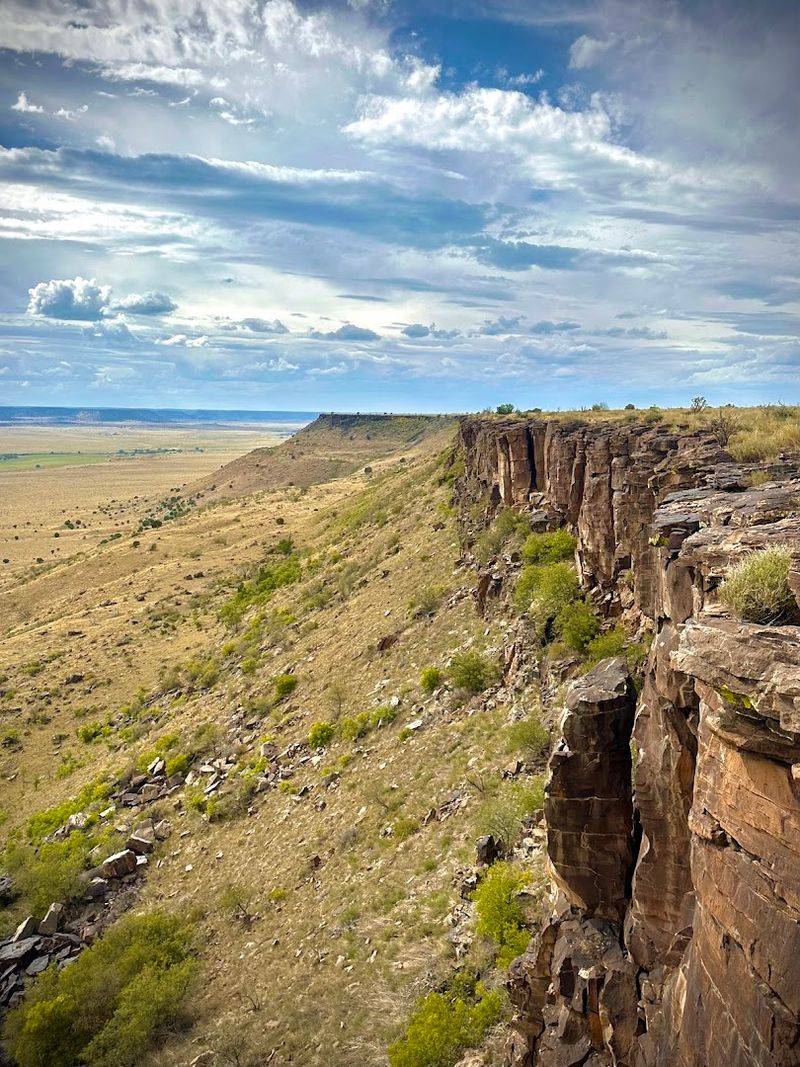
All the way out in the far western corner of the Oklahoma Panhandle, where the land turns dramatic and the sky gets impossibly wide, there is a tiny community called Kenton. It is the kind of place that takes real effort to reach, and that effort is exactly what makes it feel so removed from everything familiar.
Kenton sits in Cimarron County, surrounded by ancient lava-flow mesas and prehistoric terrain. It is the only town in Oklahoma that operates on Mountain Time, which means the phrase “time stands still” here is not just poetic, it is technically accurate.
The streets are unpaved, the general store is historic, and there is no cell service to pull your attention away from the landscape. Black Mesa, the highest point in Oklahoma at 4,973 feet, rises just outside of town and can be hiked on a well-marked trail.
Dinosaur trackways have been discovered in the surrounding rock, which adds a layer of prehistoric depth to an already ancient-feeling landscape. The address for the Black Mesa Nature Preserve trailhead is near Black Mesa Road, Kenton, Oklahoma 73946.
I drove out here on a clear October morning and felt the kind of solitude that city life simply cannot replicate. The silence is so complete that you can hear the wind moving across the mesa top.
The best time to visit is spring or fall, when temperatures are manageable and the light on the mesas turns golden in the late afternoon. Bring everything you need, because the nearest town with services is far away.
8. Historic Downtown Pawhuska, Pawhuska, Oklahoma
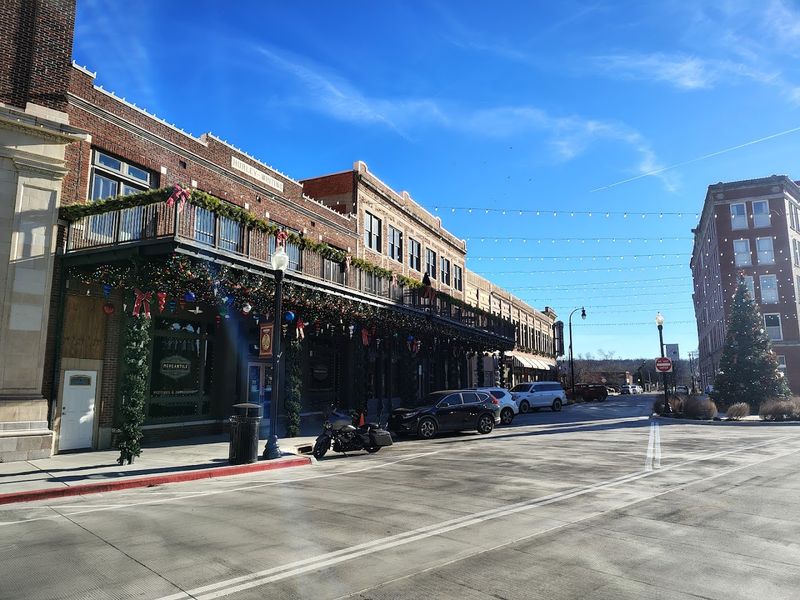
Pawhuska, the historic capital of the Osage Nation in Osage County, Oklahoma, carries a weight of history that you can feel the moment you step onto its original brick streets.
The downtown district was largely built during the 1920s oil boom, when the Osage Nation held some of the most valuable oil rights in the country.
The result is a collection of massive stone banks, ornate commercial buildings, and wide avenues that were clearly built by people who expected prosperity to last forever. That architectural confidence is still visible in every carved facade and arched window.
Walking through the district today reveals a streetscape that looks remarkably similar to how it appeared a century ago. The raw brick and stone have aged beautifully, and the scale of the buildings is genuinely impressive for a town of this size.
Pawhuska is located about 60 miles northwest of Tulsa. The historic downtown area is centered around Kihekah Avenue, Pawhuska, Oklahoma 74056.
The Osage Nation Museum, located nearby, adds important cultural context to what you see in the architecture. Understanding the history of the Osage people and their oil rights era makes the buildings feel even more significant.
I found the early morning hours to be the best time to walk the streets, before the shops open and when the light is still low and golden. The quiet gives you space to actually look at the details carved into the stonework above the doors.
Pawhuska is also close to the Tallgrass Prairie Preserve, making it easy to combine a cultural stop with a natural one in the same day trip.
9. Chickasaw National Recreation Area, Sulphur, Oklahoma
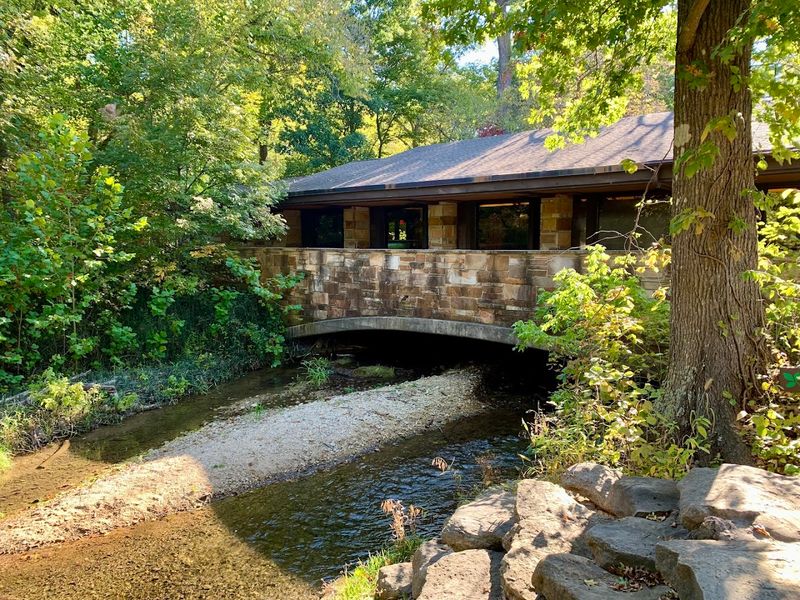
Long before national parks became a standard part of American life, travelers were already making their way to the mineral springs near present-day Sulphur, Oklahoma. The Chickasaw National Recreation Area preserves that tradition in a landscape that feels genuinely untouched by the modern world.
Formerly known as Platt National Park, the area was established in 1902 and is one of the oldest protected lands in the country. The Civilian Conservation Corps built much of its infrastructure during the 1930s, and their stone pavilions, bridges, and trail markers are still standing strong today.
The mineral springs bubble up quietly along shaded trails, and the sound of the water moving over old stone is one of the most calming things I have encountered in any park. There is nothing loud or rushed about this place.
Chickasaw National Recreation Area is located at 1008 West 2nd Street, Sulphur, Oklahoma 73086, in Murray County. The town of Sulphur sits right at the edge of the park, making it easy to grab a meal before or after exploring the trails.
The Travertine Creek area is a particular highlight, with clear spring-fed water flowing through a canyon lined with cedar and oak trees. Swimming is permitted in certain sections, and the water stays remarkably cool even in summer.
I visited in late spring and found the whole park draped in green, with wildflowers pushing up along every trail edge. The CCC stonework looked like it had grown there naturally.
Fall is equally beautiful, when the hardwood trees along the creek bottoms turn amber and rust. This park rewards slow, quiet visits more than any other kind.
10. Boley Historic District, Boley, Oklahoma
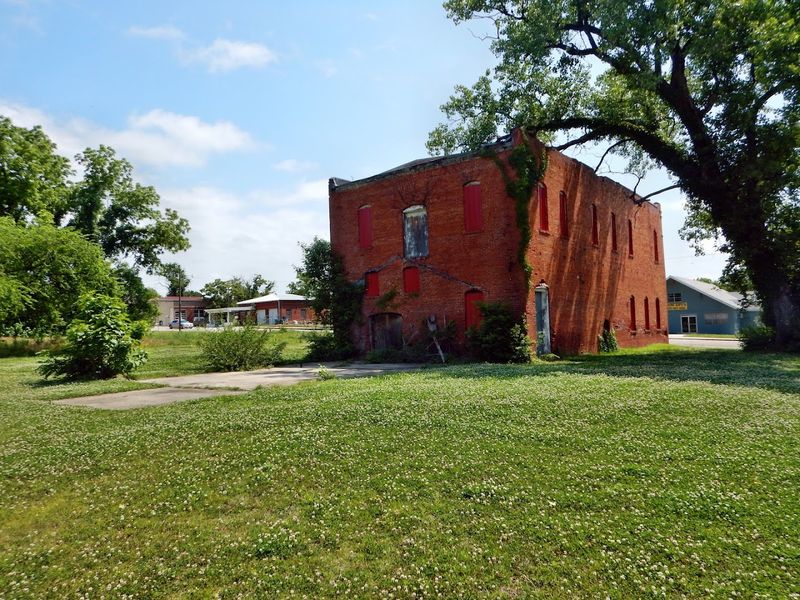
Established in 1903 in Okfuskee County, Boley stands as one of the most significant and beautifully preserved historically all-Black towns in the United States.
The story of how this community was built, governed, and sustained through some of the most difficult decades in American history is written directly into its brick and mortar.
The multi-story commercial buildings along the main street look almost exactly as they did a century ago. The historic Boley Bank, in particular, is a striking structure that speaks to the economic ambition and self-reliance of the town’s founders.
Walking through the Boley Historic District feels like reading a chapter of American history that too few textbooks include. The architecture is not just old, it is meaningful in a way that stops you mid-step.
Boley is located at the intersection of Severs Avenue and Cedar Street, Boley, Oklahoma 74829, about 70 miles east of Oklahoma City. The town is small and quiet, but its presence on the National Register of Historic Places reflects its enormous cultural importance.
I came here on a calm weekday afternoon and found the streets peaceful and unhurried. The brick facades and original storefronts were glowing in the late afternoon sun, and the whole place had a dignity about it that felt both solemn and uplifting.
The Boley Historic District is best experienced on foot, moving slowly from building to building and taking time to read the historical markers placed throughout the area. Nearby Boley Lake adds a natural complement to the cultural experience.
Spring and fall are ideal seasons for a visit, when the weather invites long, unhurried walks through this remarkable and resilient community.
