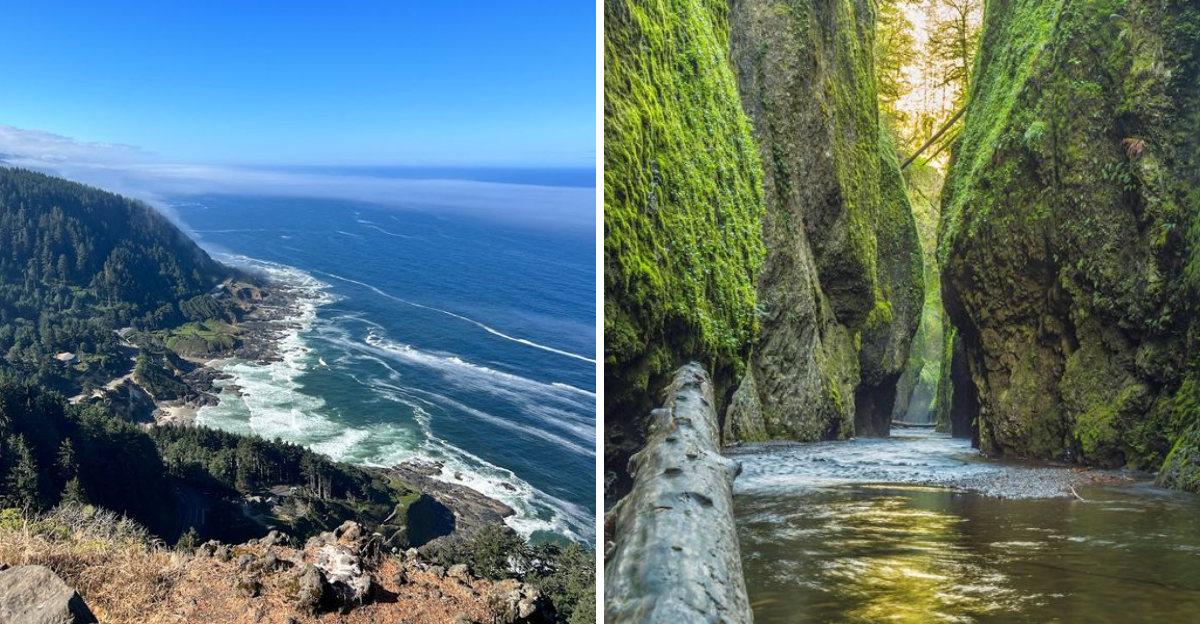
You do not need a fat wallet to have a big adventure. That is a lie the travel industry sells you.
The truth is much better. Some of the most stunning places cost absolutely nothing to enjoy.
A parking spot. A pair of decent shoes. A sandwich you brought from home. That is the whole budget.
You can see waterfalls that make you gasp, hike trails that empty into sweeping views, and wander forests so quiet you hear your own heartbeat. All of it within a short drive from your couch.
The expensive souvenir shops are optional. The overpriced lunch spots are skippable.
What remains is just you and a whole lot of natural beauty asking for nothing but your time. Ten trips.
Zero stress on your bank account. That is the kind of deal we can all get behind.
1. Multnomah Falls, Columbia River Gorge, Oregon
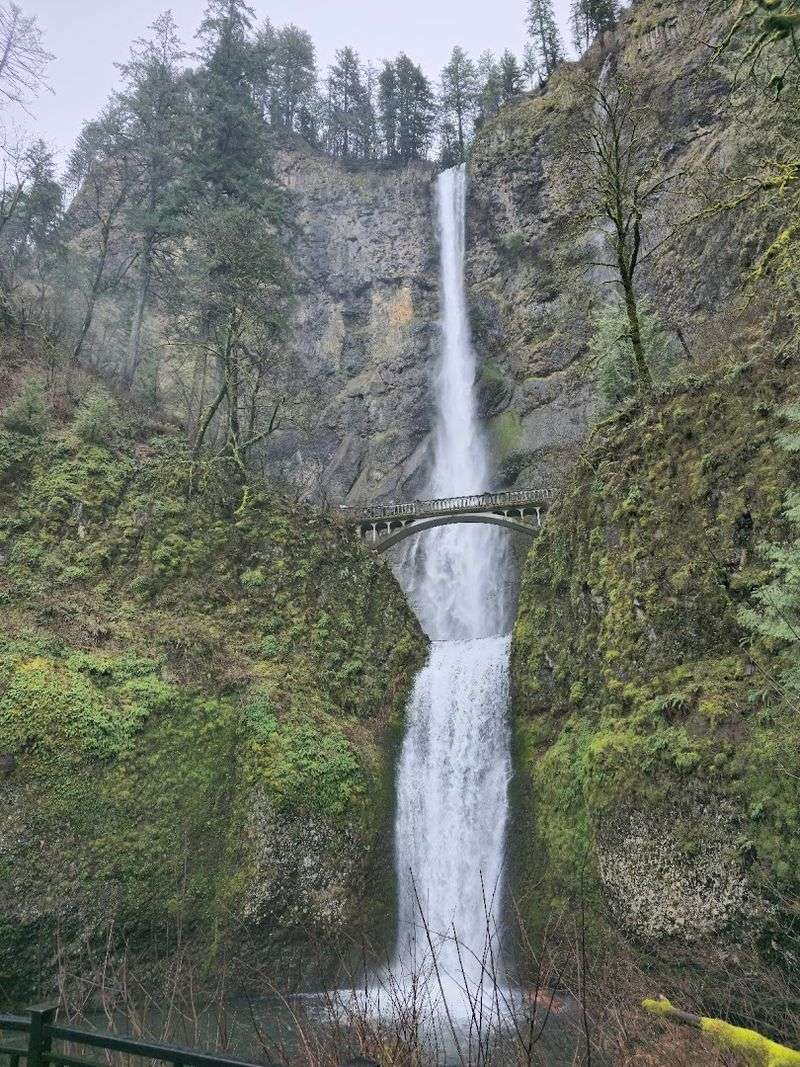
Few waterfalls in the country stop people in their tracks quite like Multnomah Falls.
Standing at 620 feet tall, this two-tiered giant sits in the Columbia River Gorge, about 30 miles east of Portland, Oregon.
It is one of the most visited natural sites in the entire Pacific Northwest, and for good reason.
You do not need a reservation to walk the paved trail to the iconic Benson Bridge. That short hike takes maybe ten minutes and rewards you with a face full of cool mist.
If you want more of a workout, the trail continues up to the top of the falls. That climb is steeper but still manageable for most hikers.
The surrounding forest stays green year-round, making this a solid trip in any season. Winter visits are especially magical when ice forms along the cliff edges.
Parking does require a timed permit from May through October, so book ahead on recreation.gov. The permit is free and easy to grab online.
There is a historic lodge at the base with a snack bar if you need a quick bite. Dogs are welcome on a leash on the lower trail.
Multnomah Falls proves that Oregon’s most iconic spots can still be completely free to enjoy.
2. Crater Lake National Park, Southern Oregon
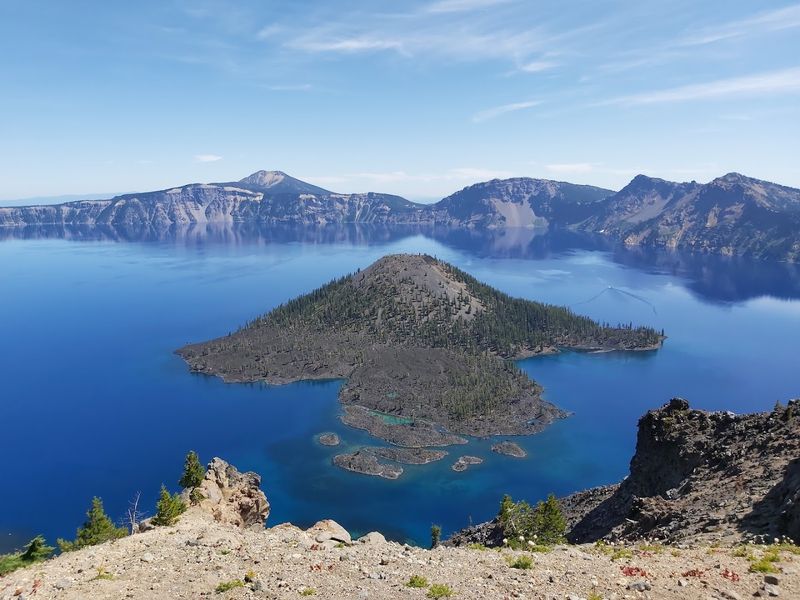
Nothing in Oregon quite prepares you for your first look at Crater Lake.
The water is so deeply blue it looks digitally enhanced, but that color is completely real. It comes from the lake’s extraordinary depth and clarity.
Crater Lake sits in southern Oregon, about 80 miles north of Klamath Falls. It formed inside the collapsed caldera of an ancient volcano called Mount Mazama.
At 1,943 feet deep, it is the deepest lake in the United States. That fact alone makes the drive worth it.
The Rim Drive circles the entire lake and stretches about 33 miles. You can stop at dozens of overlooks along the way, each one offering a slightly different angle on the same breathtaking view.
Entry into the park costs $35 per vehicle, but that fee covers seven days. If you visit multiple national parks, an America the Beautiful pass pays for itself quickly.
Hiking options range from easy rim walks to more challenging descents toward the water. The Cleetwood Cove Trail is the only legal way to reach the lake’s shore.
Snow can linger at the rim well into summer, so bring a jacket even on warm days.
Crater Lake is a place that reminds you nature does not need any help being dramatic.
3. Painted Hills, John Day Fossil Beds, Oregon
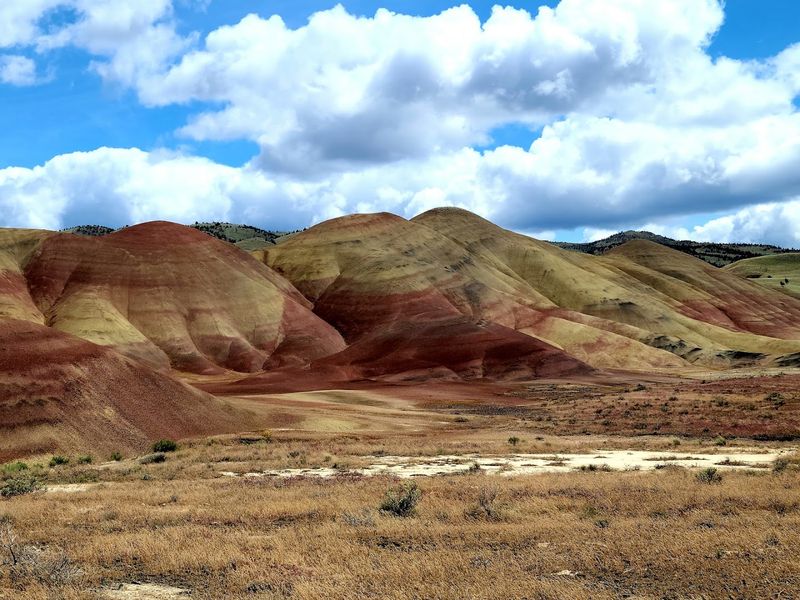
The Painted Hills look like someone draped a desert in a sunset that never ended.
Located in the John Day Fossil Beds National Monument, near the small town of Mitchell in central Oregon, these hills are a geological time capsule. The layers of red, gold, black, and tan represent millions of years of volcanic ash and ancient soil.
There is no entry fee to visit, which makes this one of Oregon’s most rewarding free experiences.
The site includes several short trails, each one showcasing a different aspect of the landscape. The Painted Hills Overlook Trail is only about half a mile and delivers the most iconic view.
Early morning and late afternoon light bring out the richest colors in the hills. Visiting around golden hour is worth adjusting your schedule for.
The area is remote, so bring water, snacks, and a full tank of gas before heading out. The nearest services are in Mitchell, which is a tiny but charming town.
Spring is particularly special because occasional wildflowers bloom at the base of the hills, adding purple and yellow accents to the colorful clay mounds.
Photography enthusiasts consistently rank this among their favorite spots in the entire Pacific Northwest.
The Painted Hills prove that Oregon’s interior is every bit as stunning as its famous coast.
4. Silver Falls State Park, Silverton, Oregon
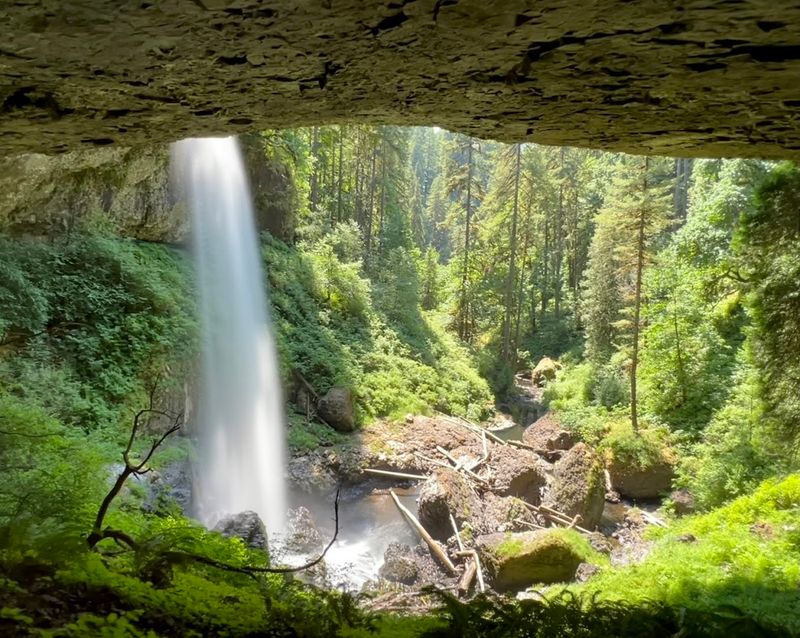
Oregon’s largest state park hides one of the most satisfying hikes in the entire state.
Silver Falls State Park sits near Silverton, about an hour south of Portland. Its crown jewel is the Trail of Ten Falls, a roughly 7.2-mile loop that passes ten separate waterfalls.
Several of those falls allow you to walk directly behind the curtain of water. That experience is genuinely hard to describe without sounding like you’re exaggerating.
The trail is well-marked and maintained, making it accessible for hikers of most experience levels. Some sections have elevation gain, but nothing extreme.
Day-use parking costs $5 per vehicle, which is a small price for what the park delivers. Arrive early on weekends because the lot fills up fast, especially in summer.
The forest surrounding the falls is thick with Douglas fir, bigleaf maple, and sword fern. In autumn, the maple leaves turn gold and orange, creating a stunning contrast with the silver water.
Dogs are allowed on a leash on the main trail. The park also has picnic areas perfect for a post-hike lunch spread.
Rainfall keeps the falls running strong through winter and spring. Those seasons offer fewer crowds and a moodier, more atmospheric experience.
Silver Falls is the kind of place that makes you want to cancel all your other plans and stay all day.
5. Cape Perpetua Scenic Area, Yachats, Oregon
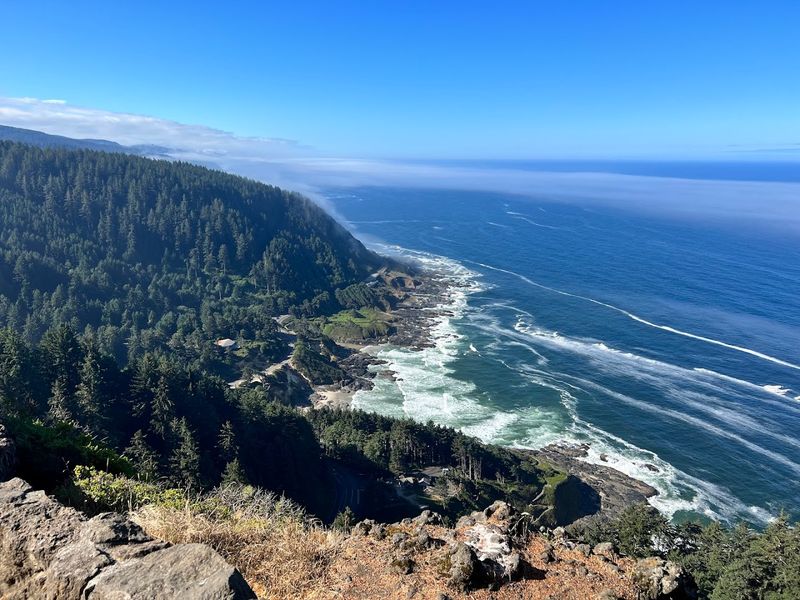
Cape Perpetua is the kind of coastal spot that makes you forget what time it is.
Located just south of Yachats on the central Oregon coast, this scenic area managed by the U.S. Forest Service packs an impressive variety of natural wonders into a small stretch of shoreline.
The most famous feature is Thor’s Well, a natural drain hole in the basalt rock that swallows and spits ocean water with dramatic flair. High tide and stormy conditions produce the most spectacular displays.
Just nearby, Spouting Horn shoots jets of seawater into the air when waves push through an underwater channel. Both features are within easy walking distance of the parking area.
A $10 day-use fee covers access to the entire area. That gets you the coastal features, the visitor center, and access to several forested hiking trails above the shore.
The Giant Spruce Trail is a flat, easy walk through old-growth forest to a Sitka spruce that is over 500 years old. It is a peaceful contrast to the wild energy of the shoreline.
The Cape Perpetua overlook offers a sweeping view of the coast from about 800 feet above sea level. On clear days, you can see for miles in both directions.
Timing a visit around high tide dramatically increases the drama at Thor’s Well.
6. Proxy Falls, Willamette National Forest, Oregon
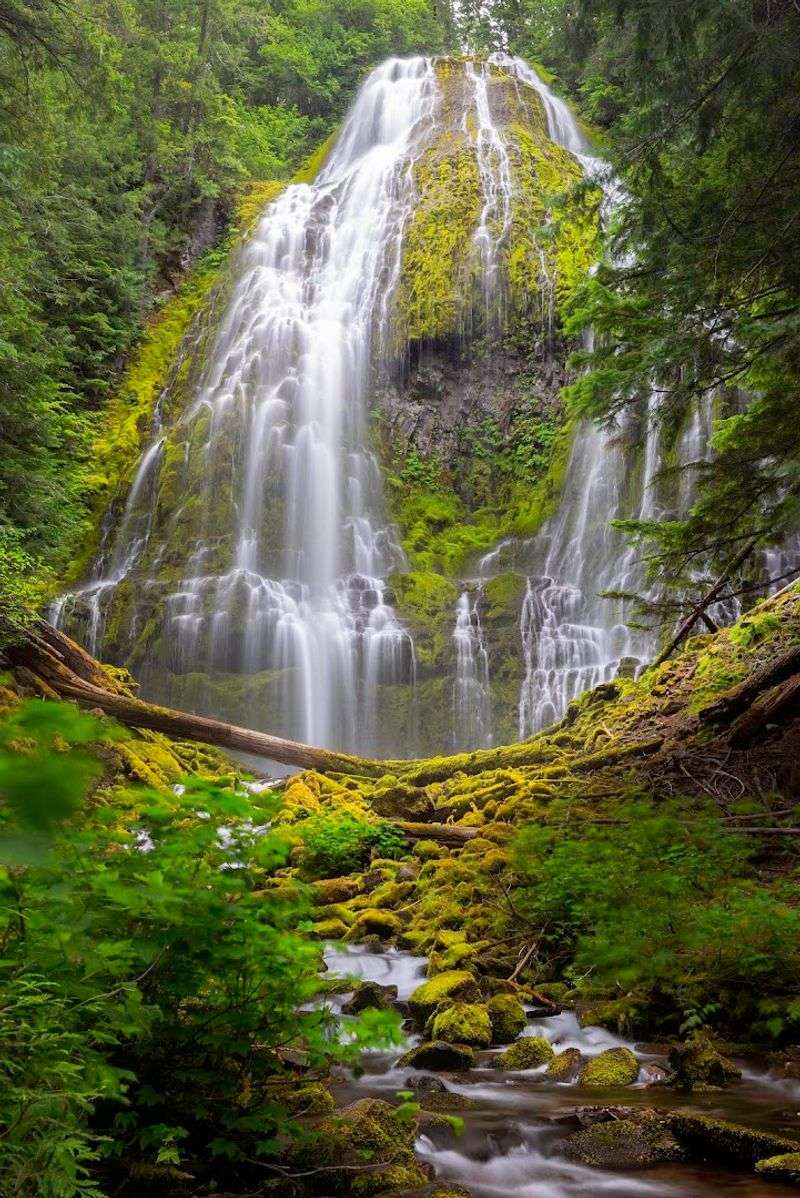
Some waterfalls are tall and narrow. Proxy Falls went a completely different direction.
This wide, fan-shaped waterfall spreads across a mossy lava rock face in the Willamette National Forest, near the McKenzie Pass area of central Oregon. The result is something that looks more like a living green wall than a typical waterfall.
Getting there involves a 1.6-mile loop trail that is relatively flat and easy. The round trip takes about an hour at a leisurely pace.
The trail passes through a young lava field before entering old-growth forest, giving you two very different landscapes in one short hike. That contrast alone makes the walk interesting.
There is no fee to park or hike here, which adds to its appeal. The trailhead sits along Highway 242, also known as McKenzie Pass Scenic Byway.
That byway itself is worth the drive. It winds through ancient lava flows with views of the Cascade volcanoes on clear days.
The falls flow strongest in spring and early summer when snowmelt feeds the streams above. By late summer, the flow slows considerably, so timing matters.
Photographers love this spot because of the unusual texture of the basalt and the way water spreads across it in thin, silky sheets.
Proxy Falls is a genuinely surprising place that rewards anyone willing to make the drive out to find it.
7. Cannon Beach and Ecola State Park, Northern Oregon Coast
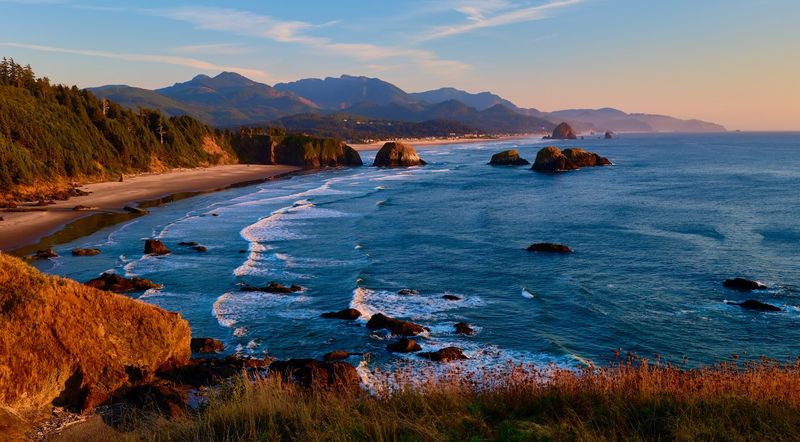
Haystack Rock is one of those landmarks that earns its reputation every single time.
Rising 235 feet from the sand at Cannon Beach, this massive sea stack is one of the most recognizable natural icons on the entire Oregon coast. The town of Cannon Beach sits about 80 miles northwest of Portland, making it a very doable day trip.
Walking the beach is completely free, and low tide reveals tide pools filled with sea stars, anemones, and hermit crabs. Bring patience and a curious eye.
Just north of town, Ecola State Park offers forested trails with dramatic ocean views. The park charges $5 per vehicle for day use.
The Indian Beach Trail winds through spruce and fir forest before opening onto a rugged cove popular with surfers. It is one of the more scenic short hikes on the northern coast.
Cannon Beach itself has a small downtown with bakeries, galleries, and coffee shops. You can easily spend a few hours wandering without spending much at all.
The town hosts the Sandcastle Contest every June, which draws surprisingly elaborate and creative entries. It is a fun community event worth planning around.
Whale watching season peaks in March and December, and binoculars from the beach can sometimes do the job.
Cannon Beach and Ecola together make for a full, satisfying day on the Oregon coast.
8. Steens Mountain, Harney County, Oregon
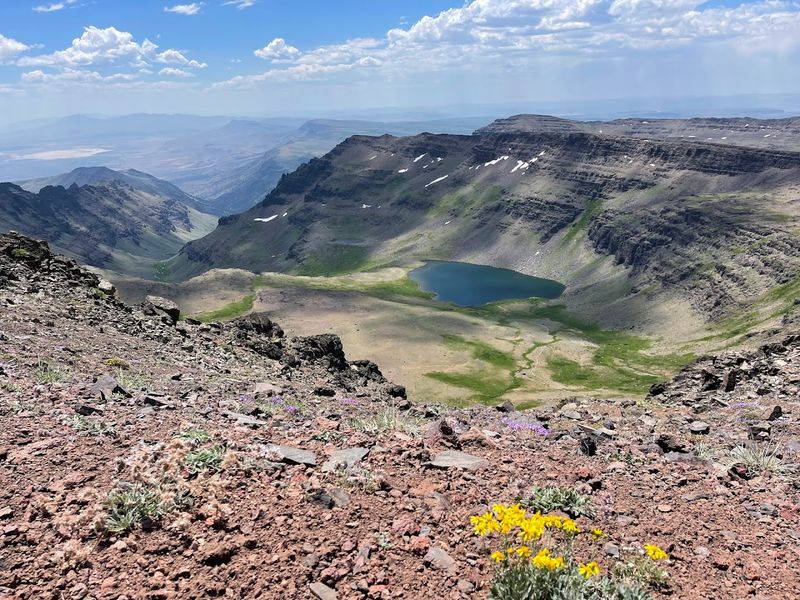
Eastern Oregon operates on a completely different scale than the rest of the state.
Steens Mountain rises dramatically from the high desert of Harney County, reaching over 9,700 feet at its summit. The mountain is a fault-block formation, meaning one side slopes gently upward while the other drops sharply in a cliff face.
The Steens Mountain Loop Road is a 66-mile gravel route that takes you through some of the most remote and striking scenery in the state. Plan for a full day if you want to explore it properly.
Along the way, you pass through four distinct ecological zones, from sagebrush desert to alpine meadows. The transition between them happens faster than you might expect.
Kiger Gorge and Little Blitzen Gorge are two glacially carved canyons visible from overlooks along the road. Looking down into them gives you a real sense of the geological forces at work here.
Wild horses roam the area, and spotting a herd in the distance is a genuine thrill. Binoculars are helpful but not required.
There is no entry fee for Steens Mountain, managed by the Bureau of Land Management. The road is typically open from July through October, depending on snow conditions.
The nearest town is Burns, about 60 miles away, so fuel up and pack everything you need before heading out.
9. Smith Rock State Park, Terrebonne, Oregon
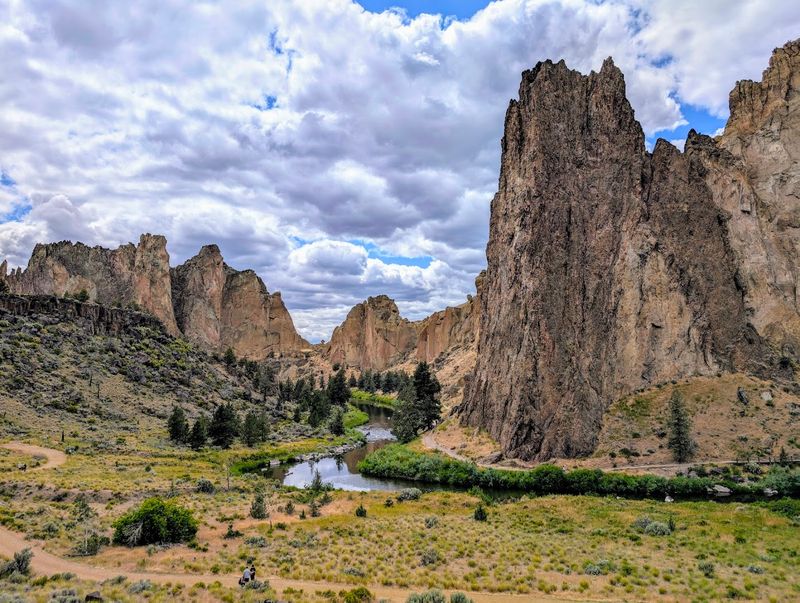
Rock climbers discovered Smith Rock decades ago, but you do not need a harness to enjoy it.
Located near Terrebonne in central Oregon, Smith Rock State Park features towering volcanic rock formations that rise sharply above the Crooked River. The views from the canyon floor are dramatic from the moment you step out of your car.
The Misery Ridge Trail is the park’s most popular route and earns its name. It climbs steeply to the top of a ridge with panoramic views of the formations, the river, and the Cascade volcanoes in the distance.
That climb is challenging but short, and the payoff at the top is genuinely worth the burning legs. Most hikers complete the loop in two to three hours.
Day-use parking costs $5 per vehicle. The park is open year-round, though summer days get very hot, so morning visits are smarter in July and August.
The canyon is also home to golden eagles, prairie falcons, and river otters. Keeping your eyes open while hiking often leads to wildlife sightings.
A footbridge near the trailhead crosses the Crooked River and provides an immediate view of the towering Monkey Face rock formation above. That first look sets the tone for the whole visit.
Smith Rock is one of those places that looks almost too cinematic to be real, yet there it is, right in the middle of Oregon’s high desert.
10. Oneonta Gorge, Columbia River Gorge, Oregon
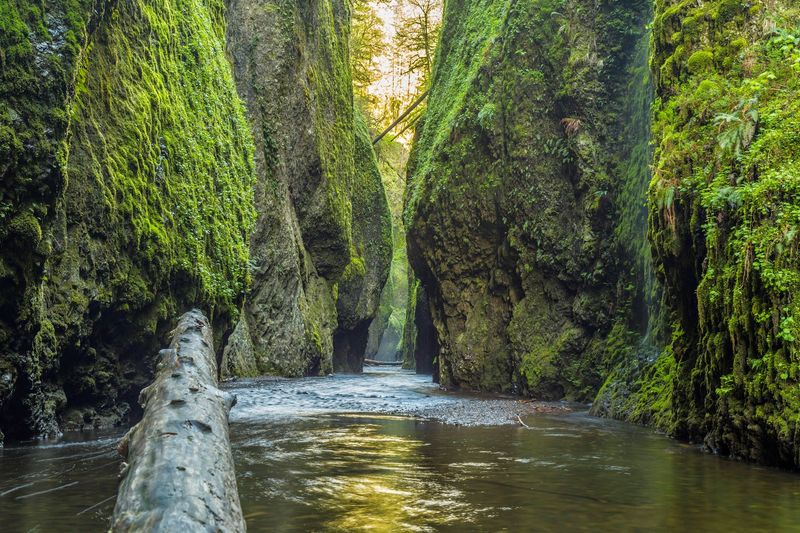
Oneonta Gorge is one of those places that makes you feel like you’ve stepped into a completely different world.
This narrow slot canyon cuts through basalt cliffs in the Columbia River Gorge, about 35 miles east of Portland, Oregon. The walls rise steeply on both sides, draped in moss and ferns that thrive in the constant cool moisture.
Reaching the waterfall at the end requires wading through a shallow, cold creek. That is not a warning, it is part of the appeal.
The water is chilly even in summer, usually knee-deep or less, and the wade is only about a quarter mile. Most people wear water shoes or sandals they do not mind getting wet.
There is also a logjam near the entrance that you have to climb over. It sounds tricky but is manageable for most people with a little balance.
The gorge itself is a federally designated botanical area, protecting rare plants that grow only in this specific microclimate. That makes it ecologically significant as well as beautiful.
No permit or fee is required to enter Oneonta Gorge. Parking at the roadside pullout is limited, so arriving early on weekends is strongly recommended.
The best time to visit is mid-summer when water levels are lower and the light filters into the canyon in the afternoon.
Oneonta Gorge rewards the adventurous and leaves a lasting impression on everyone who makes the wade.
