You cannot drive to this park. That is the first thing you need to know.
The only ways in are by foot, bike, or boat, which means the crowds never find it. The park sits tucked between the ocean and a quiet bay, a wild stretch of Virginia coastline that feels completely removed from the busy beaches just a few miles north.
I hiked in and spent the day with nothing but sand, dunes, and the sound of waves. No hotels, no gift shops, no boardwalk chaos.
Just raw, untouched coastal landscape that makes you feel like you have discovered something the rest of the world forgot about. Virginia still has wild places.
This is one of the best.
No Roads, No Rules, No Problem: Getting to the Park
Arriving at False Cape State Park is half the adventure, and that’s not a complaint. There is zero public vehicular access, which immediately separates this place from every other state park in Virginia.
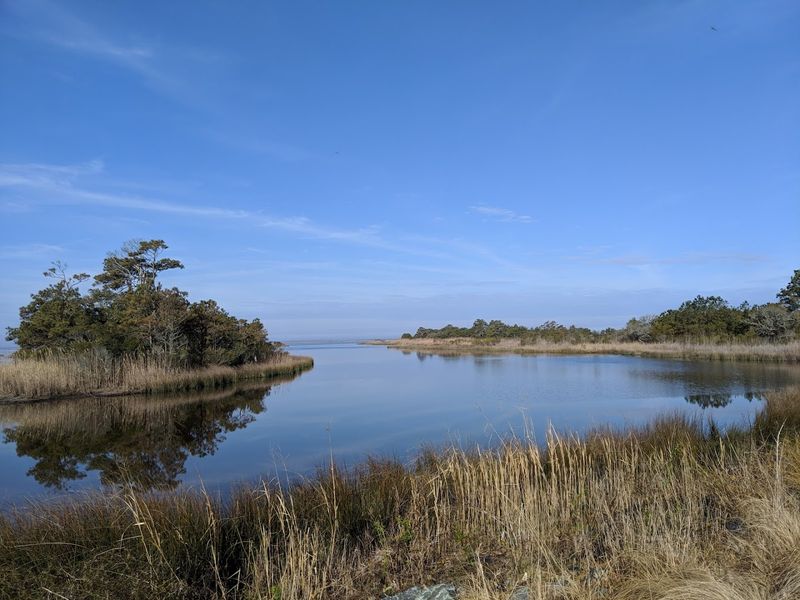
To reach it, you travel through the adjacent Back Bay National Wildlife Refuge on foot, by bicycle, by kayak, or aboard a seasonal tram.
Most people bike in, and for good reason. The gravel dike roads are flat and manageable, making pedaling the most efficient and enjoyable option.
Fat-tire bikes shine here, especially once you hit sandy stretches closer to the ocean. The round-trip distance ranges from roughly four to nine miles depending on your entry point and campsite destination.
Kayakers paddle in from the bay side, launching from Little Island Park and threading through the refuge’s waterways. Watching ospreys and eagles overhead while paddling toward a car-free coastline feels genuinely cinematic.
The seasonal tram offers a guided option for those who want narration alongside their journey. Each access method transforms the arrival into a ritual, ensuring that everyone who reaches False Cape State Park has genuinely earned the view waiting on the other side of those dunes.
Six Miles of Atlantic Shore With Absolutely Nobody On It
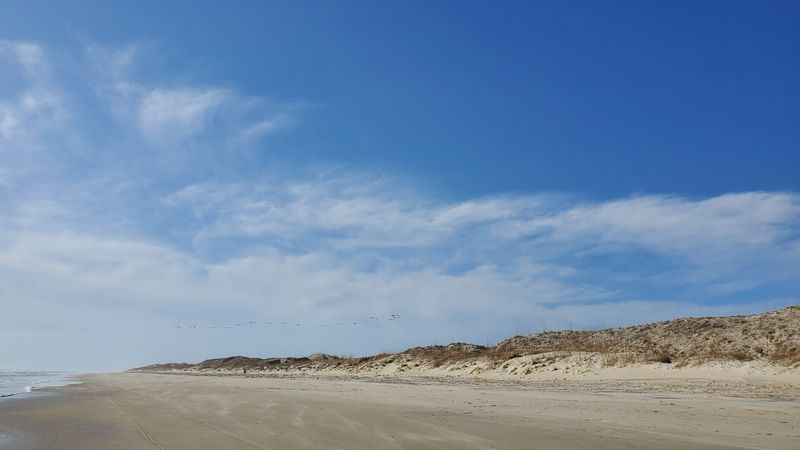
Six miles of Atlantic coastline without a single parking lot feeding crowds onto it. That’s the reality at False Cape State Park, and it hits differently when you’ve spent any time at Virginia Beach’s main strip.
The beach here is wide, shell-covered, and almost always quiet enough to hear the surf clearly over everything else.
Seashell collecting reaches a whole new level on this stretch. The undisturbed nature of the shore means shells accumulate undisturbed, and beachcombers regularly find gorgeous specimens that would be long gone on more accessible beaches.
Sunrise from the Atlantic side is genuinely breathtaking, especially when the sky turns deep pink over the water with no boardwalk or building interrupting the horizon.
Summer brings biting flies to the beach, so long sleeves and strong insect repellent are non-negotiable gear. Spring and fall offer the sweetest conditions, with mild temperatures and far fewer insects making the shoreline experience pure bliss.
Fishing along this stretch is excellent too, with the undisturbed ecosystem supporting healthy populations. Standing on this beach, it’s easy to understand why people call it one of the finest undeveloped coastlines on the entire East Coast.
Wildlife Encounters That Will Genuinely Surprise You
False Cape State Park hosts over 300 bird species, which makes it a serious destination for anyone who gets excited by binoculars. Bald eagles are a common sight here, not a lucky rarity.
During migration seasons, the skies and waterways fill with shorebirds, ducks, and geese in numbers that feel almost surreal for a place still technically within Virginia Beach city limits.
On the ground and in the water, the cast of characters keeps expanding. White-tailed deer graze near the trail edges without much concern for passing cyclists.
River otters pop up along the bay-side waterways with cheerful frequency. Red foxes and feral pigs roam the maritime woodland, and reptile lovers will spot turtles sunning on logs and snakes crossing the path on warm afternoons.
May brings loggerhead sea turtles to the shoreline to nest, turning the beach into an active nursery for one of the ocean’s most ancient creatures. Dolphins occasionally appear just offshore.
The ecological richness here reflects decades of protection and limited human disturbance. Every visit to False Cape State Park feels like flipping through a wildlife field guide, except the pages keep turning on their own and every species is real, close, and completely wild.
Primitive Camping That Earns Its Reputation
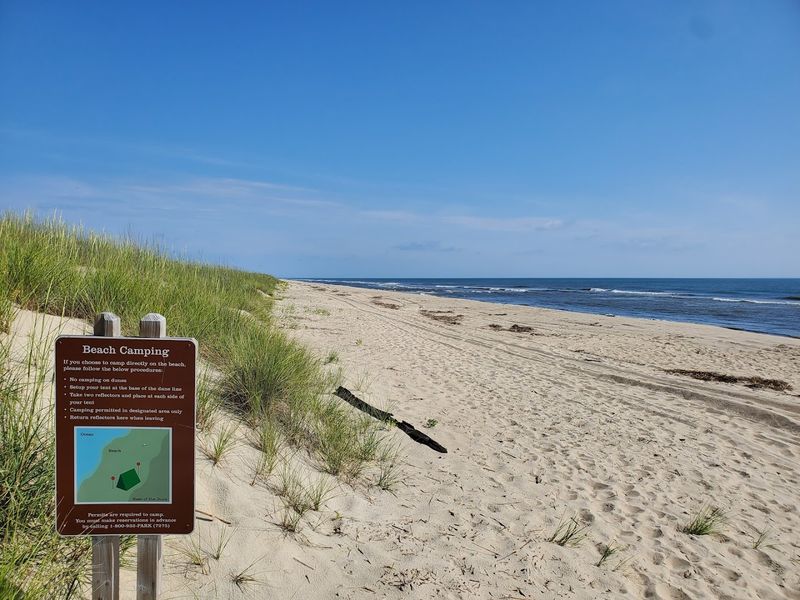
Camping at False Cape State Park is not glamping. It’s not even close.
Tent-only sites are spread across the park, some nestled in shaded maritime woodland, others positioned right on the beach for a sleep-under-the-stars experience that’s hard to replicate anywhere else in Virginia. Pit toilets serve the campground, and they’re reportedly well-maintained by park staff and dedicated volunteers.
Drinking water is available at specific locations, including near the Barbour Hill Oceanside campsite, which also offers a shower head for rinsing off. Open fires are strictly prohibited, so a camp stove is essential gear.
All trash must be packed out, reinforcing the leave-no-trace ethos that keeps this coastline so pristine.
Reservations are required and cannot be made same-day, so planning ahead is critical. The park recommends that experienced campers make the trip, as biting insects, weather exposure, and the remote location create genuinely challenging conditions.
Bug spray is not optional here. Bring more than you think you need.
The reward for managing those challenges is a night so quiet and so dark that the stars feel close enough to touch. Beach camping here, with surf sounds replacing every urban noise, is simply unforgettable.
The Haunting History of Wash Woods Community
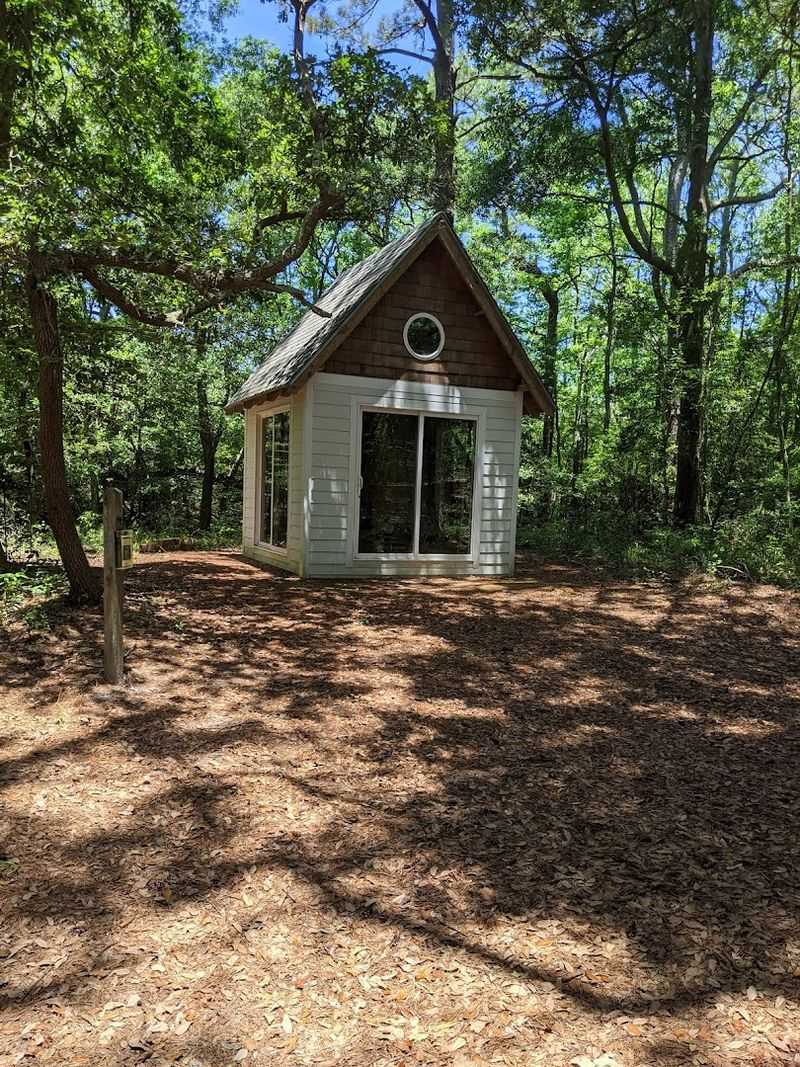
Long before False Cape State Park became a protected natural area, a small community called Wash Woods existed here. Shipwreck survivors established the settlement, using cypress timber that washed ashore from wrecked vessels to build their homes and their church.
The name itself tells the story: wood, washed ashore by the sea, became the foundation of a community.
The Wash Woods cemetery remains accessible within the park today, and it’s one of the most quietly moving historical sites in all of Virginia. Walking among the old gravestones surrounded by maritime forest, knowing this community lived entirely off what the ocean provided, creates a powerful sense of connection to a vanished way of life.
The church built from salvaged cypress wood is another haunting remnant of that era.
False Cape State Park is also a documented site on the Civil War Trails network. In 1863, Confederate prisoners of war escaped in an event known as the Maple Leaf Escape, and this remote stretch of coast played a role in that dramatic chapter of American history.
The park’s past layers seamlessly beneath its wild present, making every hike feel like a walk through both natural and human history simultaneously.
Why the Name False Cape Comes With a Shipwreck Story
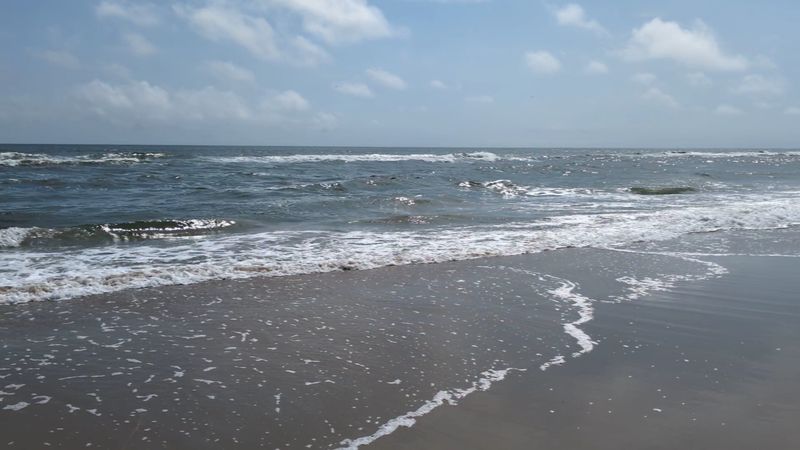
The name False Cape is not a marketing gimmick. It carries real maritime tragedy in its syllables.
For centuries, sailors navigating the Atlantic coastline mistook this narrow barrier spit for Cape Henry, the prominent landmark further north. The mistake was easy to make and often fatal, as the shallow waters around this area caused countless shipwrecks.
Those disasters shaped the land’s entire human history. Survivors who couldn’t easily return to civilization simply stayed, building Wash Woods from the wreckage of their own ships.
The sea gave, the sea took, and a community grew from the exchange. That origin story runs deeper than most coastal parks can claim.
Today, standing on the narrow strip of land between Back Bay and the Atlantic at False Cape State Park, it’s easy to imagine how disorienting this coastline must have appeared to exhausted sailors in fog or storm. The geography is genuinely tricky, a long, low barrier spit that looks deceptively similar to a cape from the water.
Virginia has plenty of historical landmarks, but few where the very name of the place encodes a warning that mariners once ignored at their peril. It’s a story the landscape still whispers clearly.
Kayaking Through Back Bay: The Scenic Route In
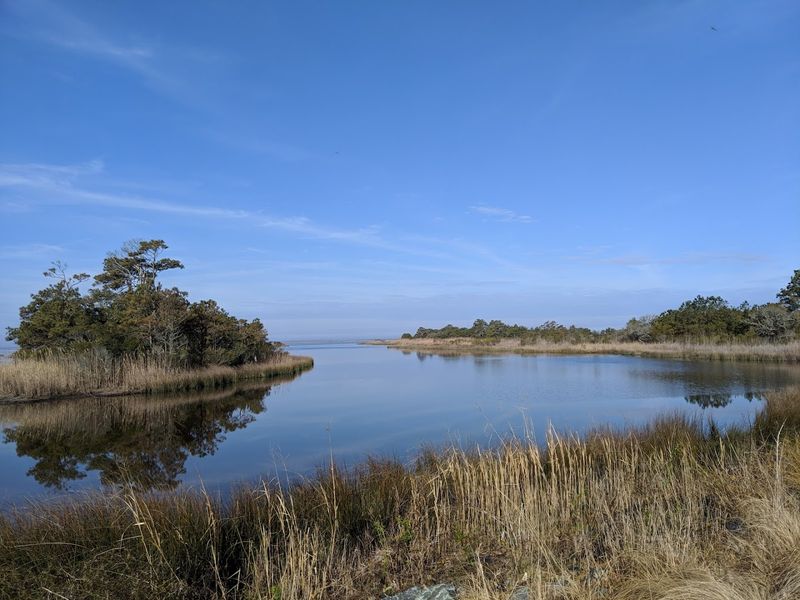
Paddling into False Cape State Park from the bay side is one of the most rewarding ways to arrive anywhere in Virginia. Launching from Little Island Park, kayakers enter Back Bay National Wildlife Refuge and immediately trade road noise for the sound of water, wind, and birds.
The route threads through marshes thick with wildlife, and the pace of paddling makes every sighting feel earned.
Eagles, ospreys, great blue herons, and otters are regular companions along the water route. The bay is generally calm, though wind can pick up and create challenging conditions, so checking weather before launching is genuinely important.
The crossing requires solid paddling ability, especially with camping gear loaded into the kayak.
Arriving at the park from the water side delivers a completely different perspective than biking in from the land. You approach through the marsh, pulling up to a shoreline that looks exactly as it might have centuries ago.
No docks, no crowds, just the quiet thud of a hull meeting sand. Camping gear gets unloaded under open sky, and the whole experience feels more like a wilderness expedition than a state park visit.
For kayakers, this is the only way to do it properly.
Maritime Forests, Salt Marshes, and Dunes That Go On Forever
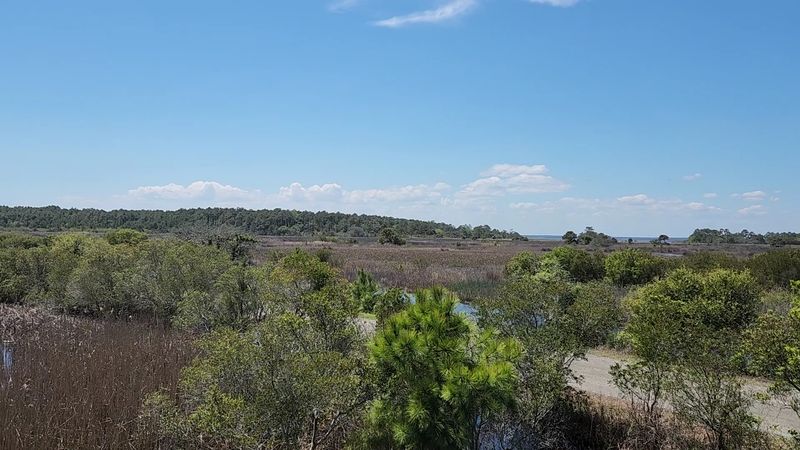
The ecological diversity packed into False Cape State Park’s narrow footprint is genuinely impressive. Sand dunes line the Atlantic side, sculpted by wind and anchored by sea oats.
Behind them, maritime woodland takes over, creating shaded corridors of live oaks, loblolly pines, and wax myrtles draped in Spanish moss. The transition between these habitats happens within steps.
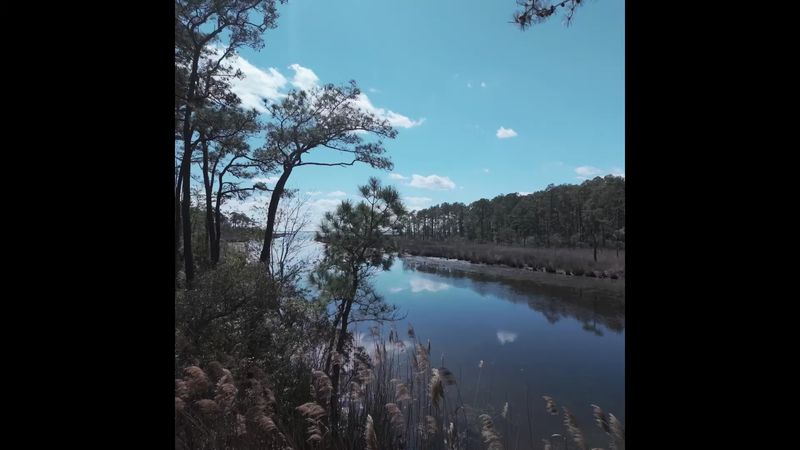
Salt marshes dominate the bay side, their grasses shifting from vivid green in summer to golden amber in autumn. Wooded swamps add another layer to the ecosystem, their still water reflecting cypress trees and supporting an entirely different community of wildlife.
The variety of habitats crammed into this one-mile-wide barrier spit explains why so many species find a home here.
Hiking or biking through these changing landscapes keeps the experience visually fresh throughout the entire journey. One moment you’re in open sun crossing a dike road with marsh stretching in every direction.
Minutes later, the trail dips into shaded woodland where the temperature drops noticeably and the bird sounds change completely. False Cape State Park rewards slow, attentive exploration.
The more carefully you look, the more the landscape reveals, from delicate wildflowers along the trail edge to the geometric precision of a heron standing motionless in the marsh.
The Visitor Center and What to Expect When You Arrive
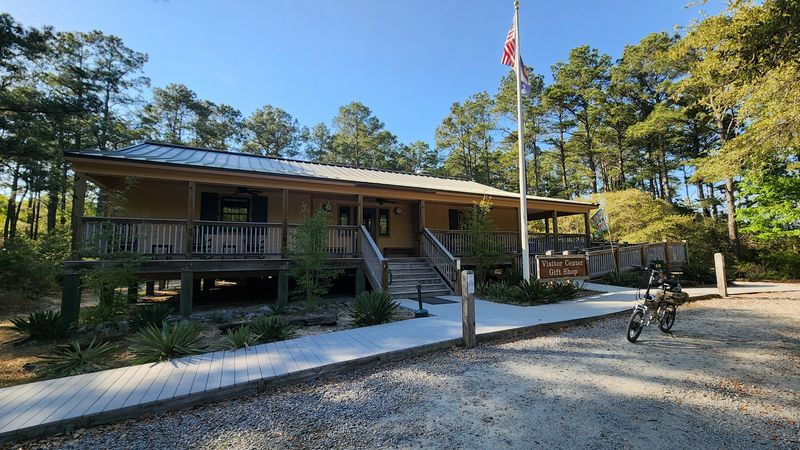
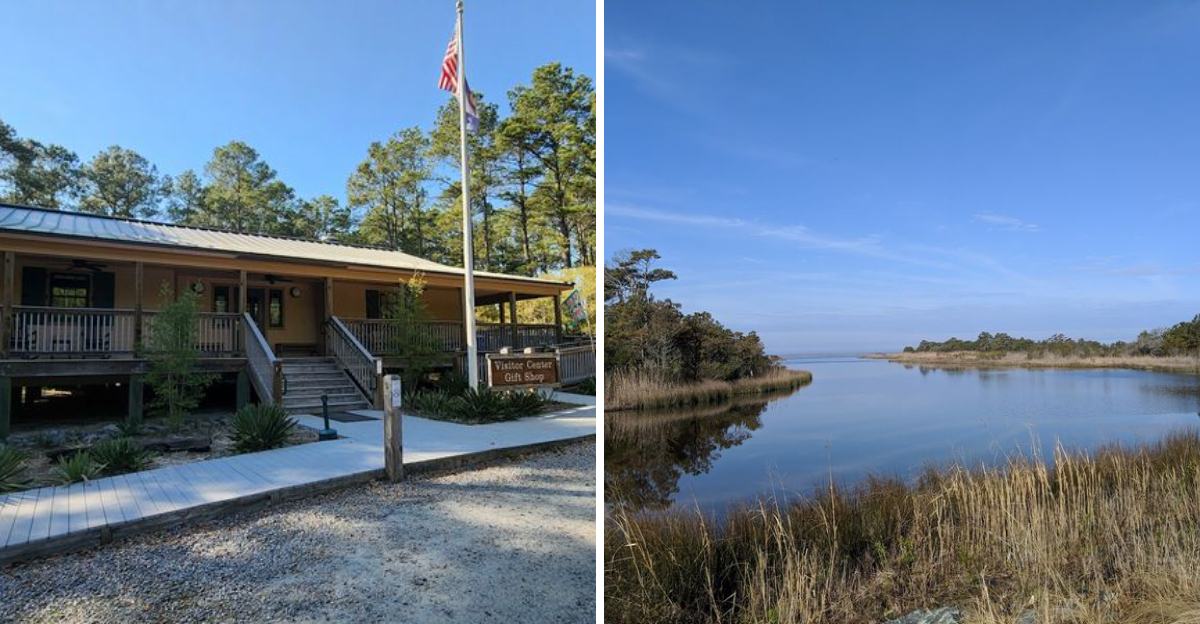
After miles of trail, the False Cape State Park visitor center appears like a genuinely welcome surprise. It sits within the park and offers real bathrooms with air conditioning, a water refill station, and a small selection of snacks and park-related items.
A row of rocking chairs lines the front porch, and collapsing into one of them after a long bike ride is a deeply satisfying experience.
Park rangers stationed here are consistently knowledgeable and approachable. They can answer questions about trail conditions, wildlife activity, and campsite specifics.
The visitor center also serves as an orientation point for first-time arrivals who want to get their bearings before heading further into the park.
The building itself fits the natural setting without overwhelming it. There’s nothing flashy or overdeveloped about the structure, which feels entirely appropriate for a park that prides itself on leaving things wild.
One electrical outlet on the porch lets visitors charge devices while they rest, a small modern concession in an otherwise deliberately rustic environment. Stopping here mid-journey resets both energy levels and perspective.
It’s a reminder that while False Cape State Park is intentionally remote and challenging, it’s also thoughtfully managed by people who genuinely care about the experience it provides.
Planning Your Visit: Practical Tips for First-Timers
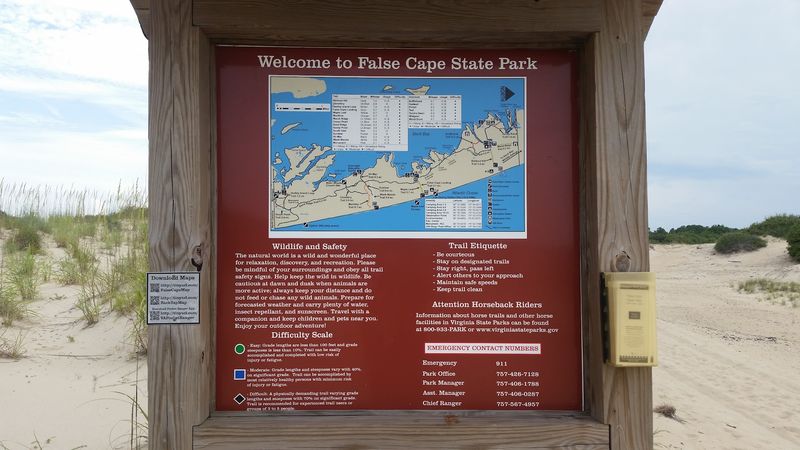
False Cape State Park rewards preparation and punishes improvisation. Camping reservations must be made in advance by phone, with no same-day bookings permitted.
Pet restrictions apply through the Back Bay National Wildlife Refuge, which you must cross to reach the park, so leave four-legged companions at home. Seasonal regulations also affect which trails through the refuge are open, so checking current conditions before visiting is essential.
Bug spray is the single most important item to pack, full stop. Biting flies and mosquitoes can be ferocious, particularly in summer.
Long sleeves and pants provide additional protection, and experienced visitors pack more repellent than they think they’ll need. Spring and fall visits offer the best balance of manageable insects and pleasant temperatures.
Bring more water than feels reasonable. Collapsible containers that can be refilled at park spigots are a smart addition to any pack.
Sunscreen matters enormously on the exposed dike roads and open beach. Fat-tire bikes handle the terrain far better than standard road bikes.
The park’s address is 4001 Sandpiper Rd, Virginia Beach, VA 23456, and you can reach the park by phone at 757-426-7128. Plan carefully, pack smart, and False Cape State Park will deliver one of the most memorable outdoor experiences Virginia has to offer.
