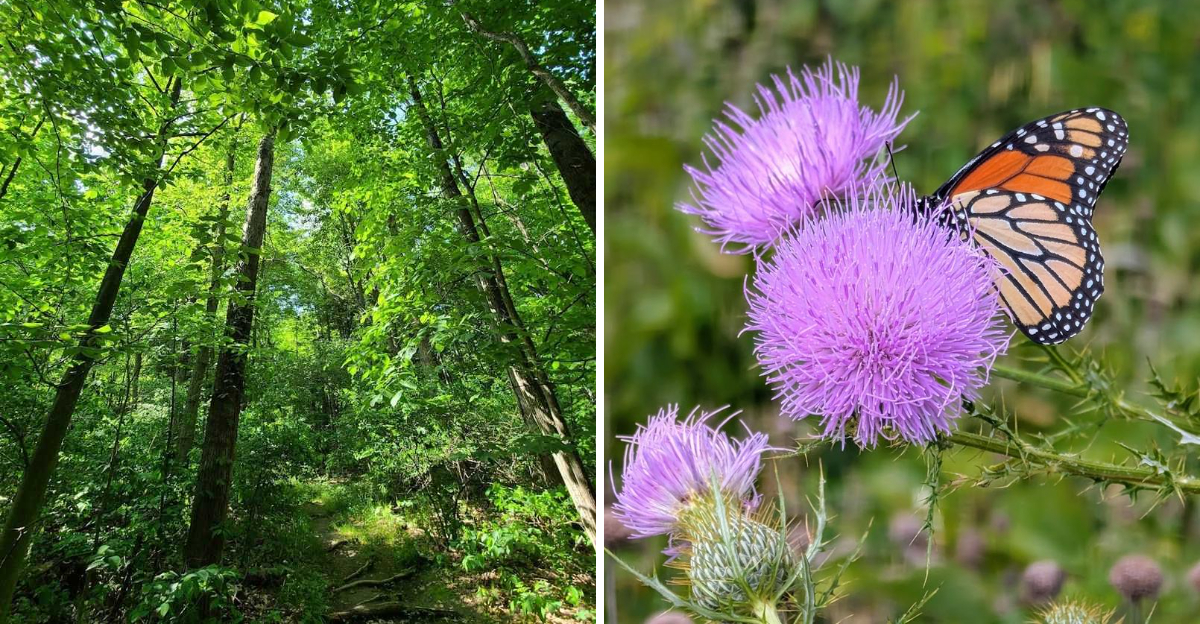
Most people think of Indiana as flat farmland stretching endlessly to the horizon. But in the northern part of the state, something remarkable breaks that expectation wide open.
A massive glacial landscape rises from the plains like a frozen wave, shaped by ice that stopped moving roughly 14,000 years ago. Rolling ridges, kettle lakes, and ancient forest trails create a surprising mix of scenery that feels completely different from the landscape many people expect.
This hidden natural wonder offers a glimpse into the powerful forces that shaped the Midwest thousands of years ago.
Whether you enjoy hiking, photography, geology, or simply discovering unexpected places, this destination reveals a side of the state that many travelers never realize exists.
It is a quiet reminder that incredible landscapes can be hiding in plain sight.
Try Hiking Moraine Nature Preserve Trails
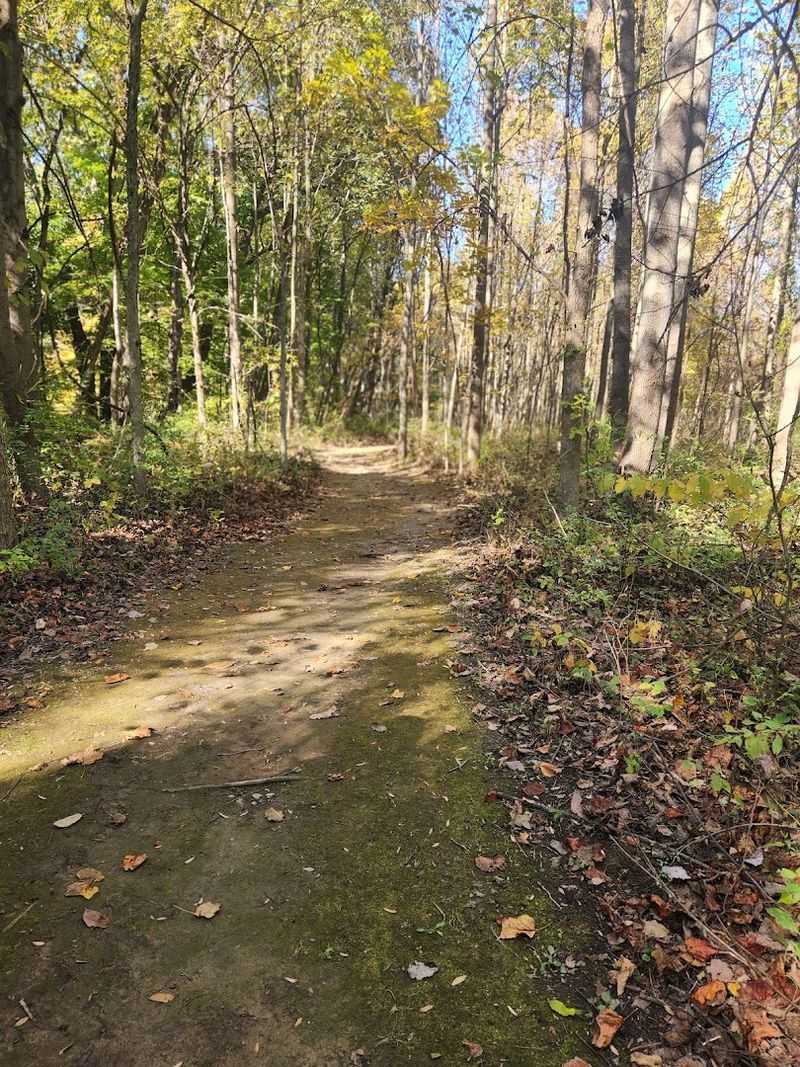
Moraine Nature Preserve is the kind of place that rewards curiosity. Located at East County Road 750 N, Valparaiso, IN 46383, this preserve gives you direct access to the moraine’s most dramatic terrain without needing any special gear or experience.
The preserve features a 2.5-mile figure-eight trail system that splits into two very different experiences. The north loop winds through wooded ravines with significant elevation changes, exposed roots, and the kind of terrain that keeps you paying attention.
The south loop is wider, more open, and cuts through restored prairie meadows with sweeping views.
Wildflowers and milkweed bloom abundantly in warmer months, drawing butterflies, bees, and birds in numbers that feel almost theatrical. Visitors have spotted wood ducks, great blue herons, and blue-winged teal near the preserve’s ponds.
The late afternoon soundtrack of crickets and birdsong alone makes the trip worthwhile.
One thing worth knowing before you go: the access road is a single-lane gravel path with a few deep divots. Drive slowly and be ready to pull over at one of the small turnouts if another vehicle is coming through.
Low-clearance cars may struggle, so plan accordingly.
Discover Unique Glacially Carved Kettle Lakes
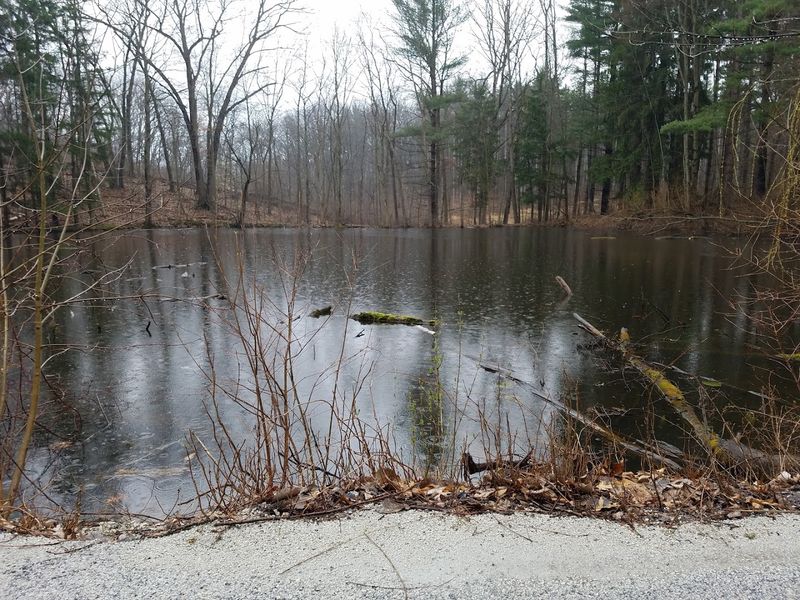
Here is something that stops most people in their tracks: some of the lakes around Valparaiso were not formed by rivers or rainfall. They were formed by ice.
When the glacier retreated, it left behind enormous buried chunks of ice. As those chunks melted over thousands of years, the ground above them collapsed inward, creating bowl-shaped depressions called kettle holes.
Many of those holes eventually filled with water, becoming the kettle lakes you can visit today. The Valparaiso Chain of Lakes includes Loomis Lake, Spectacle Lake, and several others that owe their very existence to the Wisconsin glaciation.
These are not just pretty bodies of water. They are geological time capsules sitting right in the middle of a modern city.
Spectacle Lake gets its name from its shape when viewed from above, two rounded lobes connected by a narrow channel, resembling a pair of eyeglasses. That kind of detail makes the geology feel personal and a little playful.
Paddling or simply sitting near one of these lakes gives you a completely different perspective on the moraine. The water is calm, the surrounding hills are visible, and the whole scene carries a quiet that feels earned.
These lakes are woven into the daily life of Valparaiso residents, which makes them easy to access and genuinely worth an afternoon of your time.
Stand on the St. Lawrence River Divide
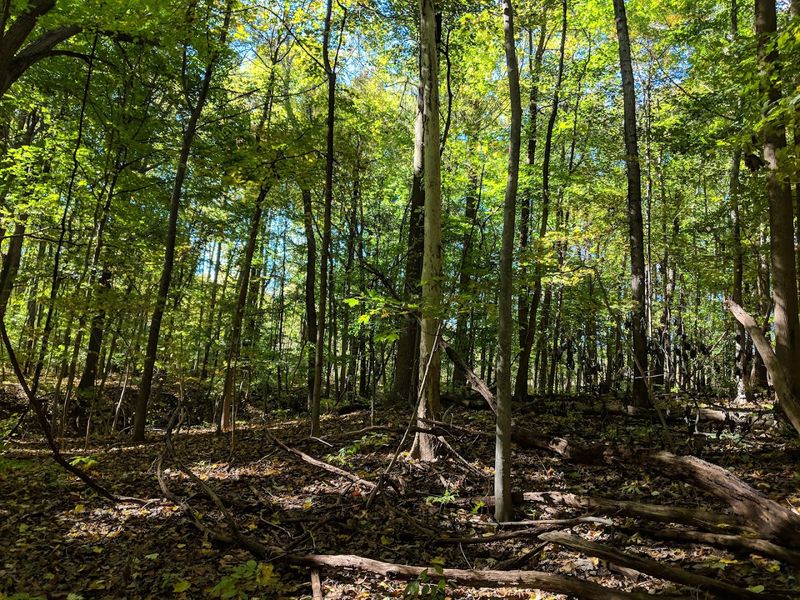
Not many places let you stand on a continental divide, but the Valparaiso Moraine offers exactly that. The moraine acts as a natural hydrological wall, separating two of North America’s major drainage systems.
The technical name for this boundary is the St. Lawrence River Divide, and it runs right through the heart of this glacial ridge.
Water that falls on the northern side of the moraine flows toward Lake Michigan and eventually travels through the Great Lakes into the St. Lawrence River, reaching the Atlantic Ocean.
Water that falls on the southern side takes a completely different path, draining into tributaries of the Mississippi River and heading all the way to the Gulf of Mexico.
That means a single rainstorm landing on this ridge could send droplets to two different oceans depending on which side of the hill they roll down. That is a genuinely wild thing to think about while standing on what looks like an ordinary hill in Indiana.
This hydrological feature is not just a curiosity. It has shaped where communities developed, where wetlands formed, and how water resources are managed across the region.
Understanding it adds a whole new layer of meaning to every stream and pond you pass while exploring the moraine. You do not need a geology degree to appreciate it.
You just need to stand there and let the idea sink in.
Observe Diverse Wildlife and Wildflowers
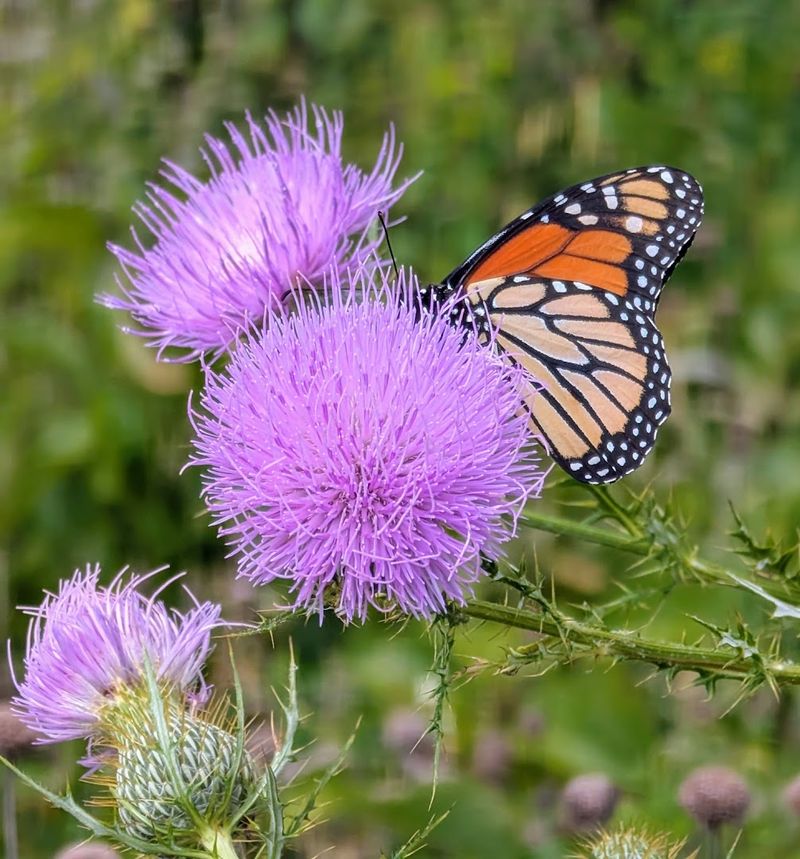
The Valparaiso Moraine is not just a geological story. It is a living ecosystem that supports an impressive variety of plants and animals across its varied terrain.
The mix of upland forests, ravine forests, restored prairies, and swamp forests creates habitat pockets that few other landscapes in Indiana can match.
Spring is especially generous here. Trilliums, wild ginger, and bloodroot push up through the leaf litter in the wooded ravines.
Open meadow areas burst with coneflowers, black-eyed Susans, and milkweed that draw monarch butterflies in numbers that feel almost nostalgic for a time when they were everywhere.
Near the ponds and wetland areas, patient visitors are often rewarded with sightings of great blue herons standing absolutely still in the shallows. Wood ducks, blue-winged teal, and various songbirds use the preserve throughout the year.
In quieter moments, you might hear a woodpecker working through a dead tree somewhere in the canopy above you.
The restoration efforts happening within these preserves are actively improving habitat quality. Native plant communities are being rebuilt, and the results are visible in the abundance of pollinators and birds that now call the area home.
Visiting during different seasons reveals completely different faces of the same landscape. Even a single trail walked twice in different months can feel like two entirely separate experiences.
Do See Ancient Glacial Formations Up Close
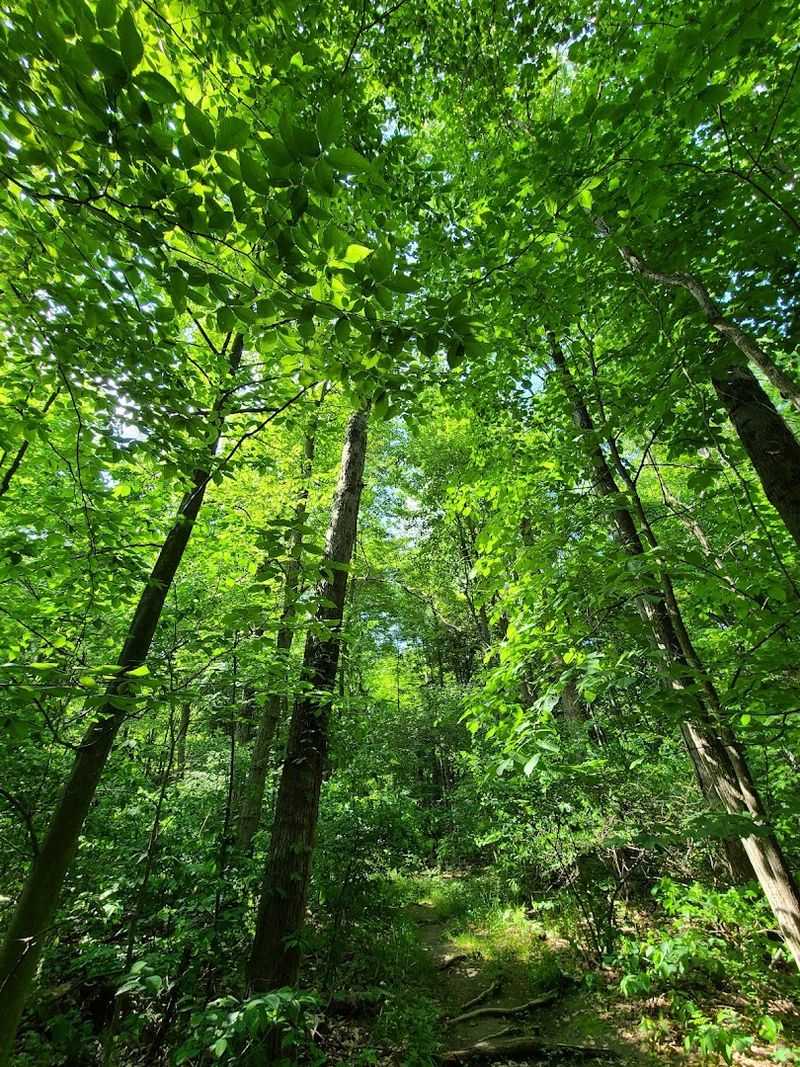
Fourteen thousand years ago, a massive glacier crept southward across North America and then simply stopped. What it left behind in northern Indiana is the Valparaiso Moraine, a colossal arc of hilly terrain composed of glacial till, sand, and gravel that defies everything you expect from this part of the country.
The moraine reaches elevations of up to 950 feet above sea level near Valparaiso, Indiana. That might not sound dramatic, but when the surrounding land is essentially flat, these ridges feel genuinely surprising.
You can stand on one of these hills and actually feel the difference beneath your feet.
The Wisconsin glaciation carved this entire landscape during its final retreat. As the ice pulled back, it dumped enormous loads of sediment in long, curved ridges.
Those ridges are what you walk across today when you explore the area.
Getting close to these formations changes how you think about ordinary ground. The earth here is not just soil.
It is a record of climate, pressure, and geological time stacked into every hillside. Visiting this landscape offers a rare chance to stand inside a chapter of Earth’s history that most people never get to read in person.
The formations are accessible, visible, and completely free to observe.
Explore Gabis Arboretum’s Varied Plant Collections
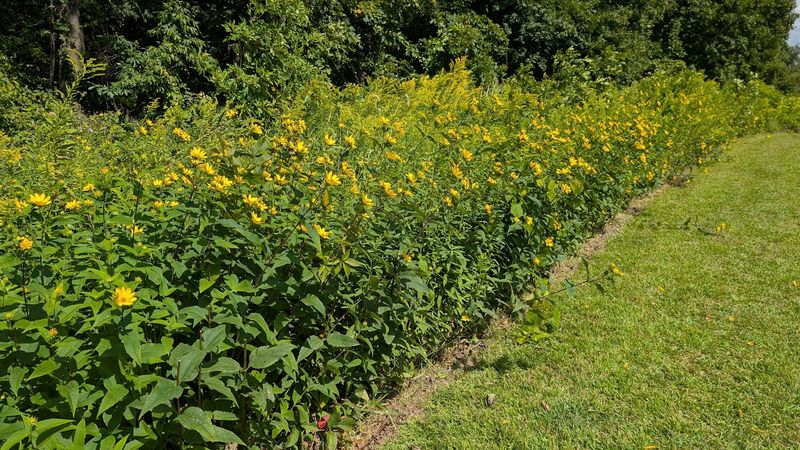
Sitting directly atop the Valparaiso Moraine, Gabis Arboretum at Purdue Northwest offers one of the most layered outdoor experiences in the region.
The arboretum spans over 300 acres and takes full advantage of the moraine’s varied topography to showcase an impressive range of plant collections and natural communities.
Woody plant collections, formal display gardens, restored prairies, wetlands, and woodland sections are all connected by well-maintained paths.
The rolling terrain created by the glacial ridge means that each section of the arboretum feels distinct, with changes in elevation revealing new views and different plant communities around nearly every bend.
The arboretum is affiliated with Purdue University Northwest and serves both as a public green space and an educational resource. That dual purpose means the plantings are thoughtfully labeled and the landscape is actively managed, giving visitors a chance to learn while they walk.
Children and adults alike tend to find something new on every visit.
Gabis Arboretum at Purdue Northwest is located at 450 W. 100 North, Valparaiso, IN 46385. Admission fees apply for some areas and events, so checking the website before your visit is a smart move.
The arboretum hosts seasonal events, guided tours, and educational programs that make it worth planning around. Even a quiet solo walk through the collections on an ordinary weekday carries its own kind of reward.
Come Walk Coffee Creek Watershed Preserve
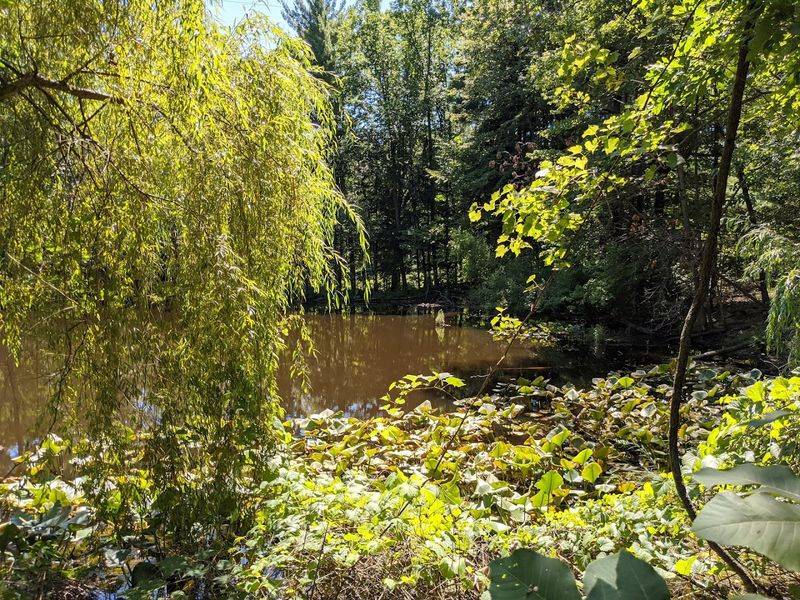
Coffee Creek Watershed Preserve offers a side of the Valparaiso Moraine that feels a little wilder and a little more surprising than the typical nature walk.
This 157-acre preserve in Chesterton, Indiana sits within the broader moraine system and showcases what thoughtful ecological restoration can accomplish over time.
The preserve features restored prairies, wetlands, and woodlands that together support a remarkable variety of native species. Coffee Creek itself flows through the property, and the stream corridor has been carefully rehabilitated.
The creek supports aquatic life including spawning salmon and steelhead trout, which is something most visitors do not expect to find in a small Indiana waterway.
Trails wind through the different habitat zones, offering a route that shifts from open sun-drenched meadow to shaded woodland canopy within a short distance.
That variety keeps the walk engaging and gives you a genuine sense of how the moraine’s terrain influences everything from soil moisture to plant communities.
Coffee Creek Watershed Preserve is located at 2401 Village Point Road, Chesterton, IN 46304. The preserve is free to visit and open to the public.
Parking is available on site. If you visit in late summer or early fall, the prairie section is at its most vibrant, with native grasses catching the wind and late-season wildflowers drawing the last of the season’s pollinators.
It is a satisfying way to close out any moraine exploration itinerary.
