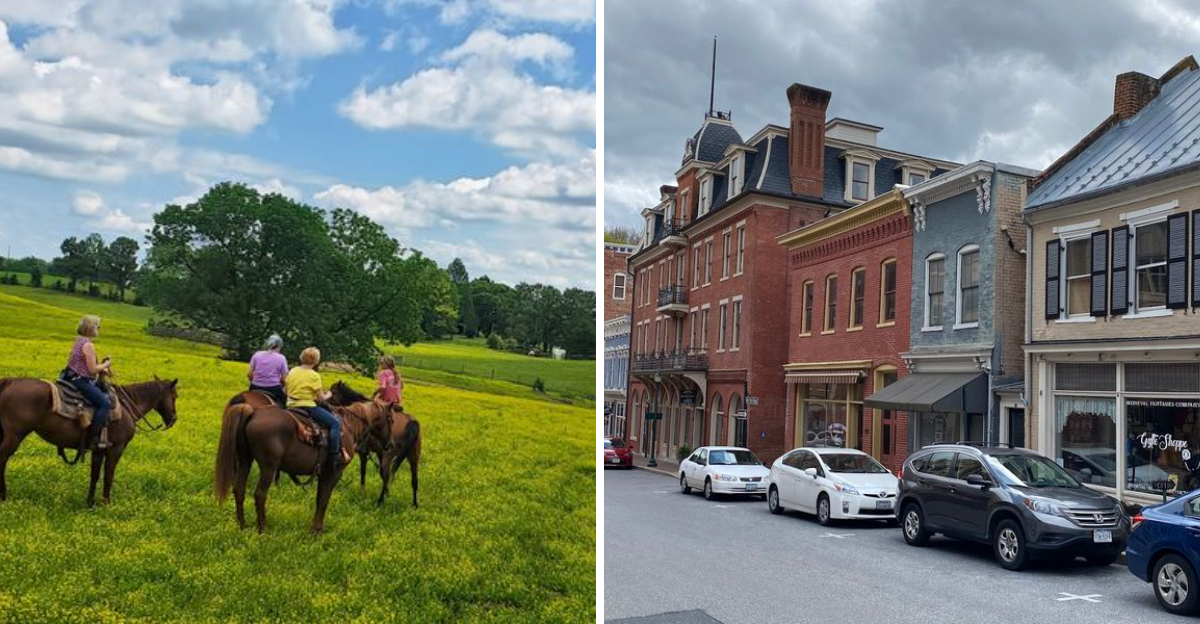
Tourism is supposed to be good for small towns. It brings money, jobs, and new faces.
But too much of it can crush the very thing that made a place special. These Virginia villages are struggling under the weight of overtourism.
The streets that used to be quiet are now clogged with cars. The shops that locals loved have been replaced by souvenir stands.
And the peace that drew visitors in the first place is disappearing. I have spoken with residents who feel like strangers in their own hometowns.
They want the tourism revenue, but they miss the quiet mornings and the familiar faces. Virginia has some of the most beautiful small towns in the country.
The question is whether they can survive their own popularity.
1. Chincoteague Island
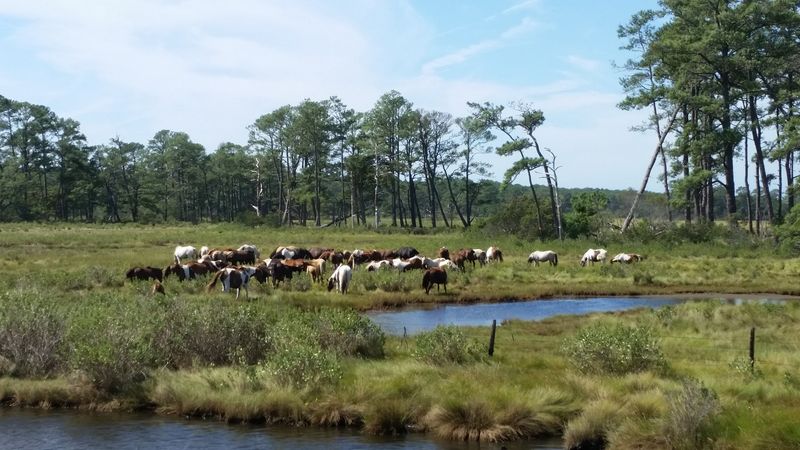
Picture a sleepy fishing village where wild ponies roam the shoreline and the biggest drama of the day used to be a slow crab haul. That was Chincoteague Island not so long ago.
Today, the scene is dramatically different, and the transformation is hard to ignore once you set foot on the causeway.
Every summer, the island swells with visitors eager to catch a glimpse of the famous Assateague ponies, especially during the annual Pony Swim event. The single road leading into town becomes a gridlocked mess, and local infrastructure simply was not built to handle that kind of volume.
Parking spills onto roadsides, restrooms overflow, and the charming waterfront feels more like a theme park queue than a coastal retreat.
Long-time families who once made their living from the sea have watched the local economy pivot almost entirely toward tourism. Rental cottages, souvenir shops, and seasonal eateries have replaced much of the seafood processing industry that once defined the island’s identity.
Property values have climbed sharply, making it increasingly difficult for working residents to afford homes in the community their grandparents built.
The island’s natural environment is also feeling the pressure. Assateague Island National Seashore, just across the bridge, sees trail erosion and litter increase with every peak season.
What makes Chincoteague magical is its wildness and its quietness, and both are being tested. The address to start your visit is 6155 Maddox Blvd, Chincoteague, VA 23336.
2. Sperryville
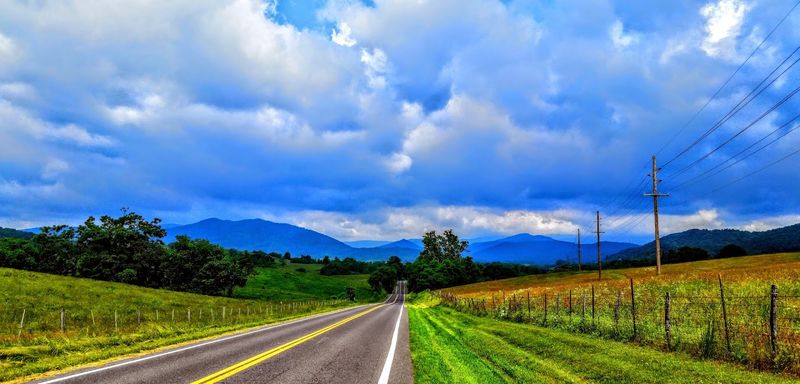
Sperryville sits right at the doorstep of Shenandoah National Park, and for hikers, that location is basically paradise. For the people who actually live there, however, the paradise comes with a pretty significant asterisk.
Weekends have turned this once-quiet crossroads village into a bottleneck that stretches well beyond its modest downtown.
The village’s main intersection near the park entrance sees a surge of traffic every Saturday and Sunday from spring through fall. Cars line up along Route 211, overflow onto side streets, and park in spots that were never designed for vehicles at all.
Local residents trying to run basic errands find themselves stuck behind a procession of SUVs loaded with hiking gear and trail mix.
There is no denying that tourism brings economic activity to Sperryville. The small cluster of shops, cideries, and eateries along Fodderstack Road and Main Street benefits from the foot traffic.
But rising property values and rents are creating a real affordability crunch for teachers, healthcare workers, and long-term residents who have called this community home for generations.
The charm of Sperryville lies in its unhurried pace and its artistic, independent spirit. Local artisans and small business owners chose this spot precisely because it was off the beaten path.
That identity is under real strain now, and locals are increasingly vocal about the need for smarter visitor management. If you plan to stop by, the village center is located at the intersection of Main Street and Fodderstack Road, Sperryville, VA 22740.
3. Damascus
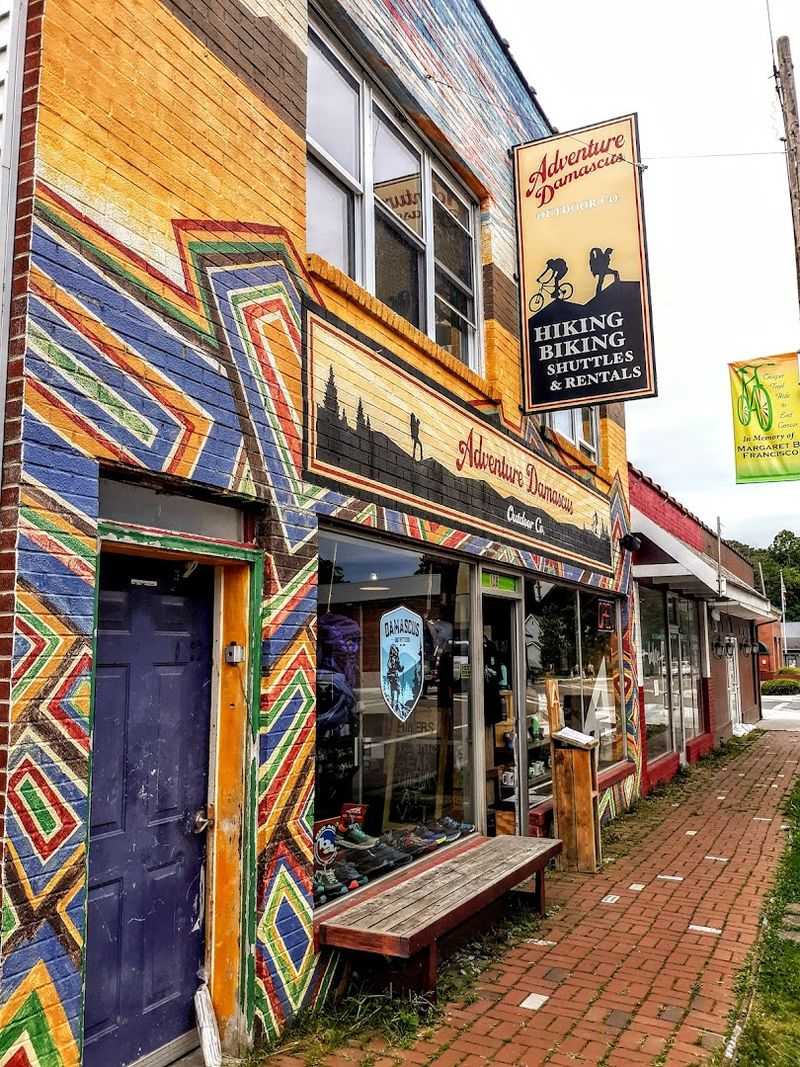
Damascus wears its nickname, Trail Town USA, with enormous pride. Sitting at the crossroads of the Appalachian Trail, the Virginia Creeper Trail, the TransAmerica Bicycle Trail, and several other major routes, this tiny town in Washington County has built its entire identity around outdoor adventure.
Most of the year, it manages that identity gracefully.
Then May rolls around, and Trail Days happens. The annual festival celebrating the Appalachian Trail community transforms Damascus into something that feels closer to a small city than a mountain village.
Thousands of thru-hikers, trail enthusiasts, and curious visitors descend on a town whose permanent population is just a fraction of that size. The streets become shoulder-to-shoulder, campsites overflow, and the peaceful mountain atmosphere evaporates for an entire week.
The rest of the year tells a gentler story, but even outside of festival season, the trail traffic has been steadily increasing. More people discovering long-distance hiking means more foot traffic through town, more demand for resupply services, and more pressure on local amenities that were sized for a much smaller crowd.
Damascus is genuinely one of the most welcoming trail communities in the entire country, and the locals here are warm and generous toward hikers.
But there is growing awareness that the infrastructure, including restrooms, waste management, and parking, needs serious investment to keep pace with demand.
The town’s main hub is centered around Laurel Avenue, Damascus, VA 24236, and it remains one of the most spirited little towns in all of Virginia.
4. Washington, Virginia
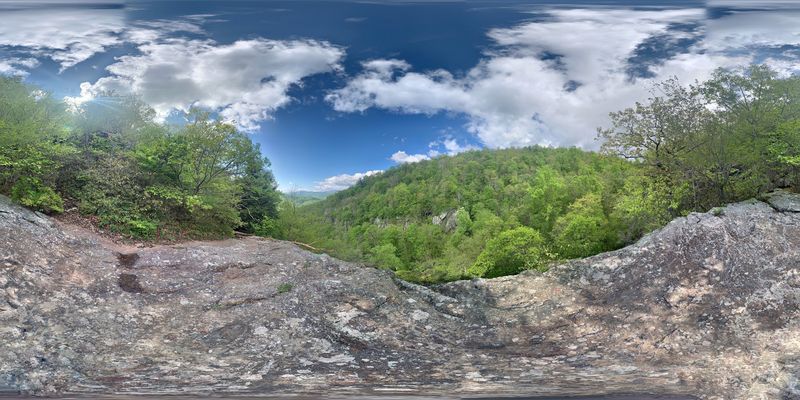
Officially the first of many towns in America to be named after George Washington himself, this tiny village in Rappahannock County carries an outsized reputation for a place with fewer residents than most apartment buildings.
Washington, Virginia, often called Little Washington, draws visitors from across the country, largely because of its world-renowned inn and restaurant anchoring the village center.
The problem with being world-renowned when your entire downtown fits on a single block is that even a modest uptick in visitors feels seismic.
Weekend afternoons see cars lined along Main Street, and the surrounding countryside roads, which were once peacefully empty, now carry a steady stream of out-of-state plates.
Locals who moved to Rappahannock County specifically for its rural solitude are feeling the squeeze.
The village’s appeal is undeniable. Rolling hills, stone walls, farm stands, and a preserved historic streetscape make it look like a painting come to life.
But the fragility of that charm is exactly what makes overtourism so threatening here. A few too many visitors and the magic starts to feel manufactured rather than genuine.
Rappahannock County has been deliberate about not building mass-tourism infrastructure, and that restraint has preserved a lot. But the organic growth of social media attention means that restraint alone may not be enough going forward.
The village is located along Main Street, Washington, VA 22747, tucked into the foothills of the Blue Ridge Mountains, and it deserves every bit of the reverence visitors bring, just perhaps in smaller doses.
5. Luray
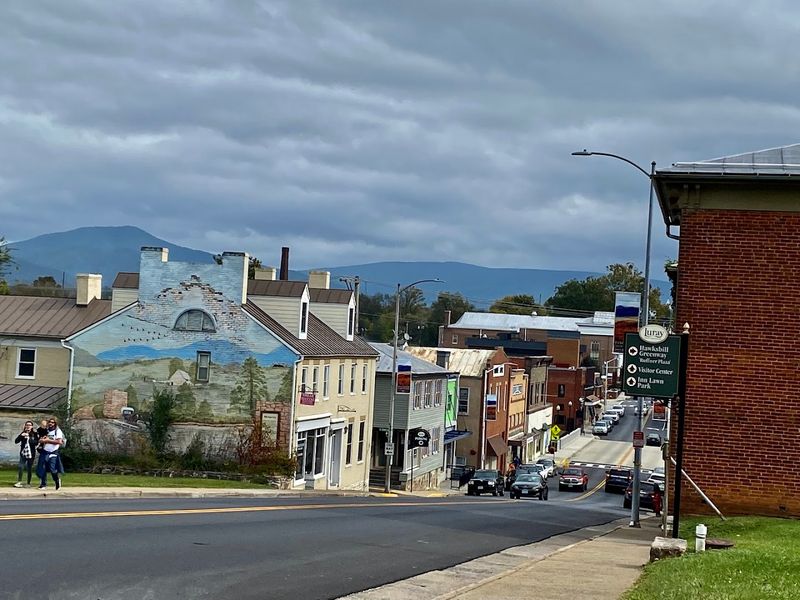
Luray is the kind of town that looks like it was designed specifically to be discovered on a road trip. Nestled in the Shenandoah Valley with the Blue Ridge Mountains framing the skyline, it has a postcard quality that is genuinely hard to resist.
Add one of the most visited natural attractions on the East Coast sitting just outside of town, and you have a recipe for serious visitor overload.
Luray Caverns draws massive crowds throughout the warmer months, and the ripple effect on the surrounding town is substantial. Main Street parking fills up by mid-morning on summer weekends, and restaurants see waits that stretch well past comfortable.
The roads leading in and out of town back up in ways that would surprise anyone who visited a decade ago.
The local business community has adapted to the seasonal tourism pulse, which is both a blessing and a challenge. Shops and eateries do strong business during peak months, but the infrastructure supporting all that activity, including roads, waste systems, and public spaces, was built for a much quieter era.
The strain is visible if you know where to look.
Long-term residents of Page County speak of Luray with deep affection but growing frustration. The town’s authentic character, its independent shops, its community events, its neighborly pace, is worth protecting.
Thoughtful visitor planning could go a long way here. The main commercial area is centered around East Main Street, Luray, VA 22835, and it is still absolutely worth a visit, just go on a Tuesday.
6. Lexington
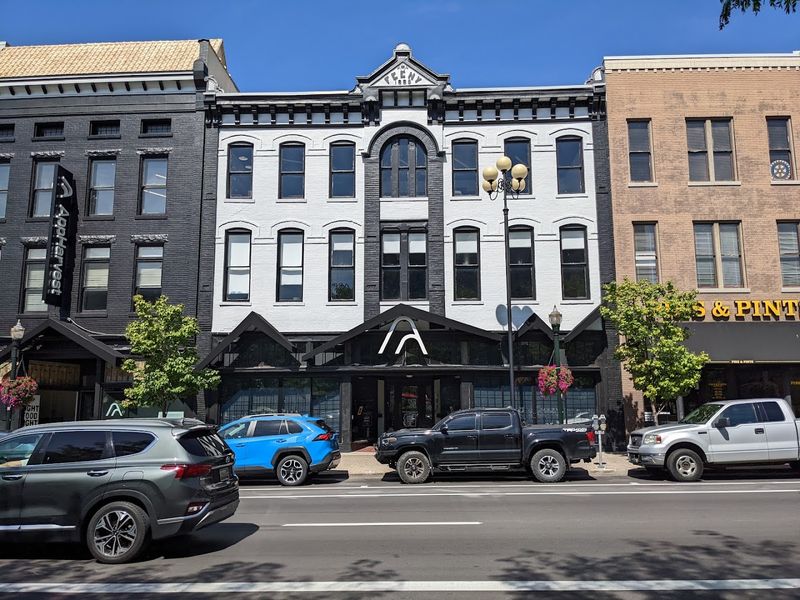
Lexington punches well above its weight class for a small Virginia town. Home to Washington and Lee University and the Virginia Military Institute, it already has a built-in audience of families, alumni, and history enthusiasts.
Layer on top of that its role as a Civil War heritage destination and a gateway to the Maury River corridor, and you have a town that rarely gets a quiet weekend.
The side streets that once carried just a gentle hum of local activity now see a steady stream of visitors throughout much of the year.
Parking fills up quickly along Main Street and the surrounding blocks. Popular spots like the Stonewall Jackson House and the VMI Museum see lines that test the patience of even the most enthusiastic history buff.
What makes Lexington especially interesting from an overtourism perspective is how gracefully it has managed the pressure, at least so far.
The town has maintained much of its authentic character, with locally owned shops and restaurants holding their ground against chain infiltration.
But locals are watching the balance carefully, aware that it can tip quickly.
The real concern is housing affordability and the slow conversion of residential properties into short-term rentals.
As more visitors discover Lexington’s genuinely charming downtown, demand for overnight accommodations grows. That demand is reshaping neighborhoods in ways that long-term residents find unsettling.
The heart of the action is Main Street, Lexington, VA 24450, a stretch that still feels real, warm, and worth protecting.
7. Staunton
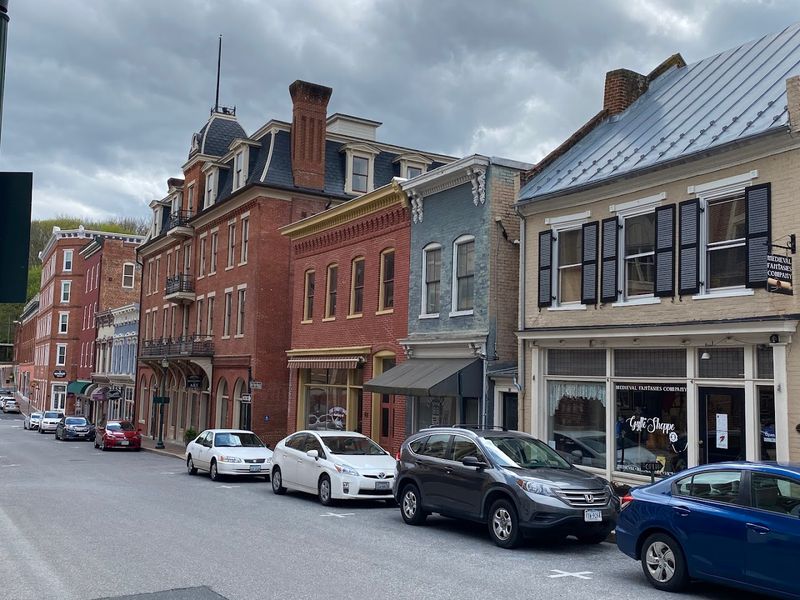
Staunton has had a remarkable glow-up over the past couple of decades. Once overlooked as a pass-through town on Interstate 81, it has reinvented itself as one of the most culturally vibrant small cities in the Mid-Atlantic.
The American Shakespeare Center, the Blackfriars Playhouse, a thriving arts scene, and an exceptionally well-preserved Victorian downtown have turned Staunton into a genuine destination.
That success, however well-deserved, comes with familiar growing pains. Beverley Street and the Wharf District now see significant foot traffic on weekends, and the parking situation downtown has become a genuine source of local frustration.
Residents who once zipped in and out of their neighborhood errands now plan around the tourist calendar.
The short-term rental market has expanded rapidly in Staunton’s historic neighborhoods, which has had a measurable effect on housing availability for working residents.
Neighborhoods like Gospel Hill and Newtown, prized for their architectural beauty, are seeing more and more properties shift from owner-occupied homes to vacation accommodations.
The community character of these streets is subtly but steadily changing.
Staunton is doing a lot of things right, including investing in walkability, supporting local arts, and maintaining architectural standards that keep the city looking exceptional.
But the conversation about managing growth without sacrificing what makes the place special is one that city leaders and residents are actively navigating.
The main visitor hub is centered around Beverley Street, Staunton, VA 24401, a street that absolutely earns its reputation as one of Virginia’s finest.
8. Middleburg
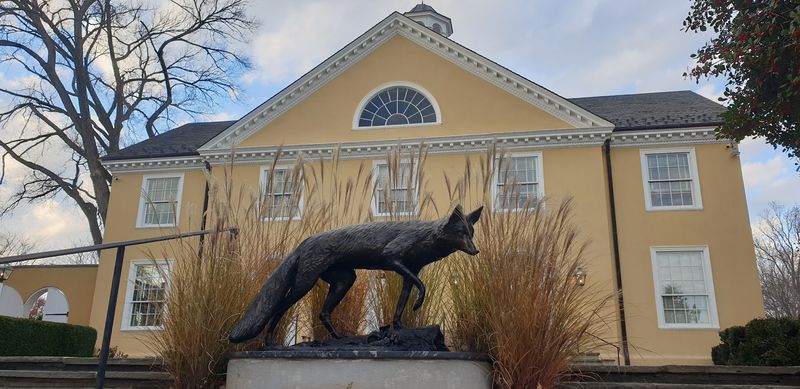
Middleburg occupies a very specific niche in Virginia’s tourism landscape. It is the kind of place where fox hunting heritage, boutique wine culture, and equestrian elegance collide in a way that attracts a very particular, very enthusiastic audience.
The town has leaned into that identity with skill, and the result is a Main Street that feels curated, polished, and perpetually busy.
The challenge for Middleburg is that its appeal is built on exclusivity and tranquility, two qualities that are hard to maintain when the crowds keep growing.
Weekend visitors now fill the handful of blocks that make up the town center, and the narrow roads through the surrounding hunt country carry far more traffic than they were ever designed to handle.
Local leaders have been more proactive than most Virginia villages in trying to manage visitor flow.
There is a genuine effort to welcome tourism without becoming overwhelmed by it, and that philosophy has helped preserve Middleburg’s distinct identity better than many comparable destinations.
Still, longtime residents and equestrian families in the area note that the pace of change has accelerated noticeably.
The vineyards and cideries dotting the surrounding Loudoun County countryside are a major draw, and the tasting room circuit has turned the roads between Middleburg and the Blue Ridge foothills into a busy weekend route.
The town center sits along East Washington Street, Middleburg, VA 20117, and it remains genuinely lovely, but the seams are starting to show just a little around the edges.
9. Colonial Beach
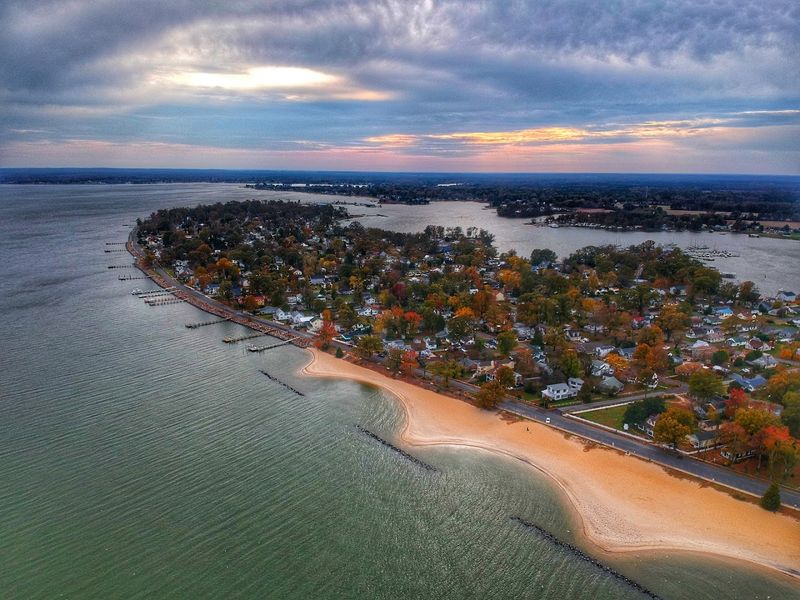
Colonial Beach has always had a slightly scrappy, unpretentious charm that sets it apart from the more polished Virginia beach towns.
Sitting on a peninsula where Mattox Creek meets the Potomac River in Westmoreland County, it has long attracted families looking for a low-key alternative to the crowded oceanfront resorts further east.
For years, that low-key reputation was its best protection.
That protection is wearing thin. Social media has done what word of mouth never quite managed, turning Colonial Beach into a trending destination for day-trippers from the Washington D.C. area and beyond.
Summer weekends now bring traffic volumes that clog the main roads into town and fill every available parking spot blocks from the waterfront before noon.
The town has deliberately avoided building the kind of large-scale tourism infrastructure that would invite mass crowds, and that restraint has preserved its laid-back character in meaningful ways. There are no massive resort hotels, no sprawling water parks, no chain-driven boardwalk strip.
What you get instead is an honest, slightly rough-around-the-edges beach town that feels genuinely lived-in.
The worry among longtime residents is that the organic popularity surge will eventually force the infrastructure question. Once the crowds reach a certain threshold, pressure mounts to build more, accommodate more, and commercialize more.
That cycle rarely ends with the town looking the way it started. For now, Colonial Beach remains a worth-it detour at the right time of week.
The waterfront is centered around Colonial Avenue, Colonial Beach, VA 22443.
10. Gordonsville
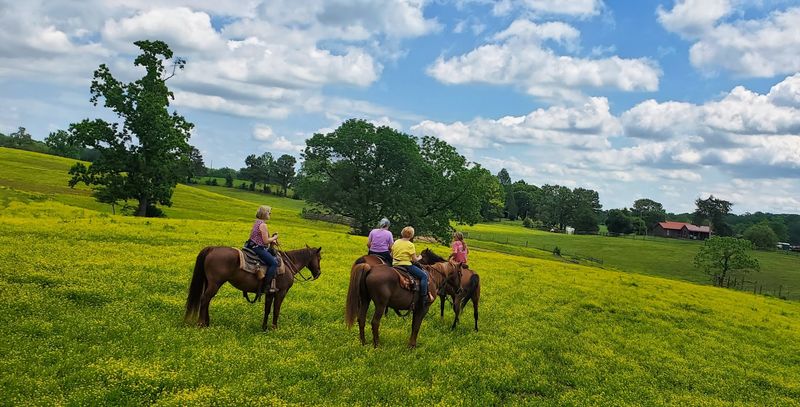
Gordonsville is one of those Virginia towns that history chose well and geography chose even better. Sitting at the crossroads of two major rail lines during the Civil War era, it became a significant supply and medical hub.
The restored Exchange Hotel at its center stands as a remarkable testament to that turbulent chapter.
Today, it sits at a quieter crossroads, navigating the line between welcoming visitors and protecting its unhurried community life.
Unlike some of its neighbors, Gordonsville has been intentional about how it engages with tourism. The town has made deliberate choices to highlight its heritage and support small local businesses without building the kind of visitor-facing infrastructure that tends to accelerate overtourism.
That philosophy has served it well, but the gravitational pull of nearby Charlottesville and the broader Piedmont wine country is making neutrality harder to maintain.
Weekend visitors passing through on their way to or from Charlottesville increasingly stop in Gordonsville, and the small downtown is starting to feel that attention.
The Exchange Hotel Civil War Museum draws history enthusiasts, and the surrounding Orange County countryside attracts cyclists and agritourism fans.
Each new stream of visitors adds a little more pressure to a town that thrives on its small-town ease.
The community’s awareness of what it wants to remain is its greatest asset right now. Residents here talk openly about the value of keeping Gordonsville authentic rather than optimized for tourism revenue.
The town center is anchored by the Exchange Hotel at 400 South Main Street, Gordonsville, VA 22942, and it is still a genuinely peaceful place to spend an afternoon.
