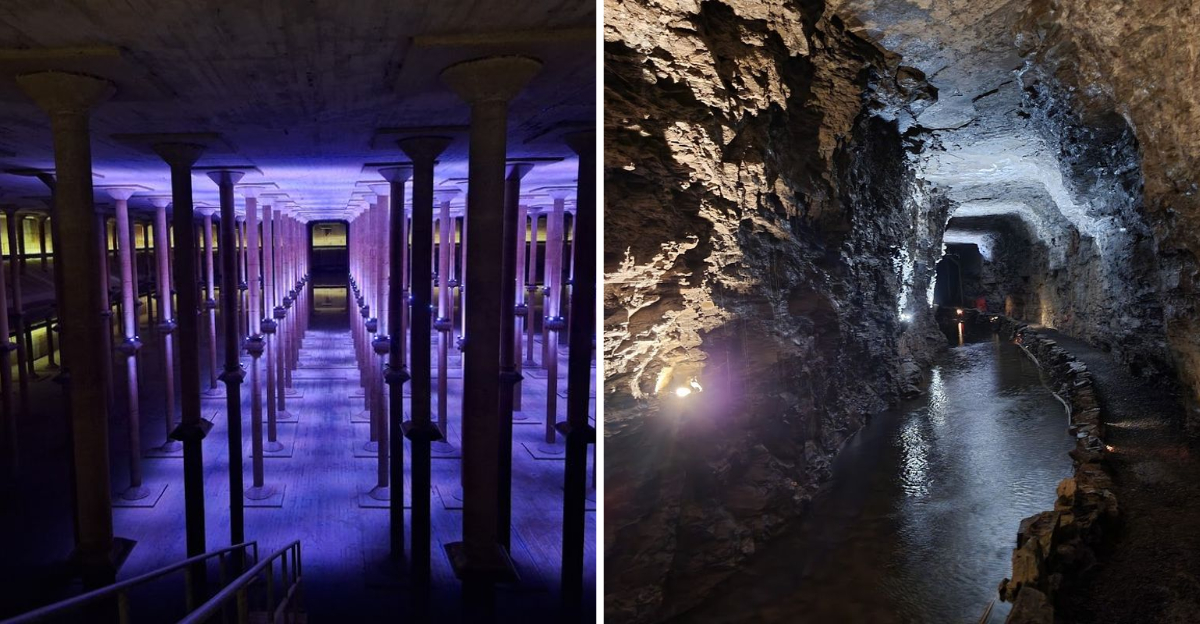
Buffalo has been keeping a secret. A big one.
Engineers doing routine work recently discovered a massive tunnel system running under the city. Nobody knows exactly how old they are or who built them.
Some sections are wide enough for vehicles. Others are narrow and winding.
Local historians are buzzing. Urban explorers are already dreaming. The tunnels connect to old buildings in ways that suggest they were planned, not just random diggings.
I stood near an entrance and tried to imagine what they were used for. Smuggling?
Transportation? Something else entirely?
New York has its share of underground mysteries, but this one might be the biggest in decades. The investigation is just getting started.
The Underground Railroad Tunnels and Michigan Street Baptist Church
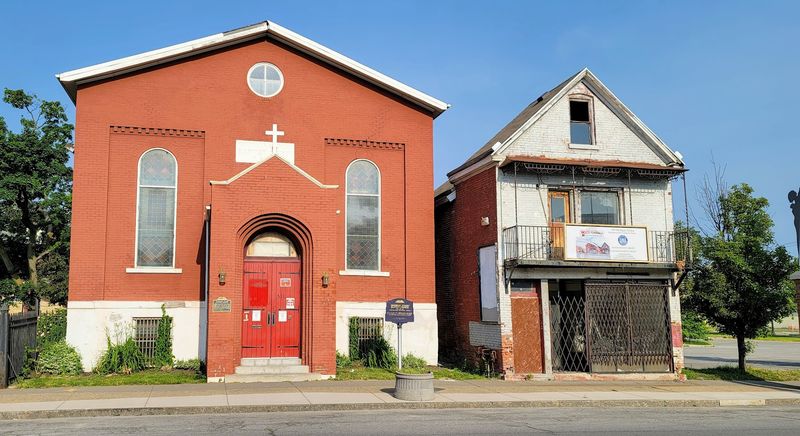
Right beneath one of Buffalo’s most significant landmarks, history is literally being dug up. The Michigan Street Baptist Church has been at the center of ongoing archaeological excavations since 2021, and what researchers have found is remarkable.
More than 2,000 artifacts have been unearthed from the site, each one telling a piece of the story of freedom seekers who passed through Buffalo on their way to Canada.
The church served as a key stop on the Underground Railroad, and the foundational structures being uncovered confirm just how active and organized this network truly was. These aren’t just old bricks and mortar.
They represent real people who risked everything for freedom, and the tunnels and passages connected to this site gave them a fighting chance.
What makes this excavation so powerful is that it’s ongoing. Researchers keep finding new layers of history with every dig.
For anyone visiting Buffalo, the Michigan Street Baptist Church area near downtown is an emotional and educational experience unlike anything else in the city. Address: 511 Michigan Ave, Buffalo, NY 14203.
The Scajaquada Creek Buried Beneath the City Streets
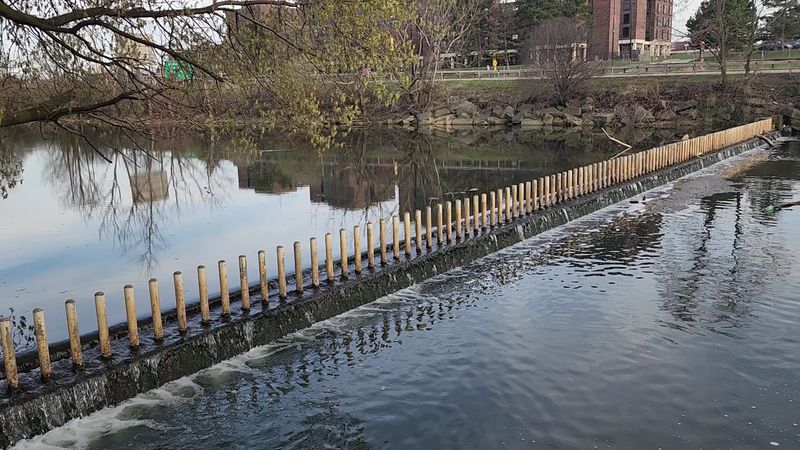
Most people walk above it every single day without having any idea it’s there. The Scajaquada Creek runs underground for roughly four miles beneath Buffalo, buried in the early 1920s when city planners decided the open waterway was both a pollution problem and an obstacle to urban growth.
The decision to bury it was purely practical at the time, but the result is one of the most unusual underground features in the entire region.
Think about that for a second. A four-mile-long creek, completely hidden beneath streets, sidewalks, and buildings, still flowing to this day.
It’s one of those facts that makes you stop mid-step and wonder what else might be moving underneath your feet.
The buried creek occasionally causes flooding issues in certain neighborhoods, which is a reminder that nature doesn’t just disappear because you pour concrete over it. Urban planners today are actually revisiting the idea of “daylighting” sections of the creek, meaning uncovering parts of it to restore natural water flow.
It’s a fascinating tension between old decisions and modern environmental thinking, and the Scajaquada story is far from over.
Buffalo State College’s Sprawling Utility Tunnel Network
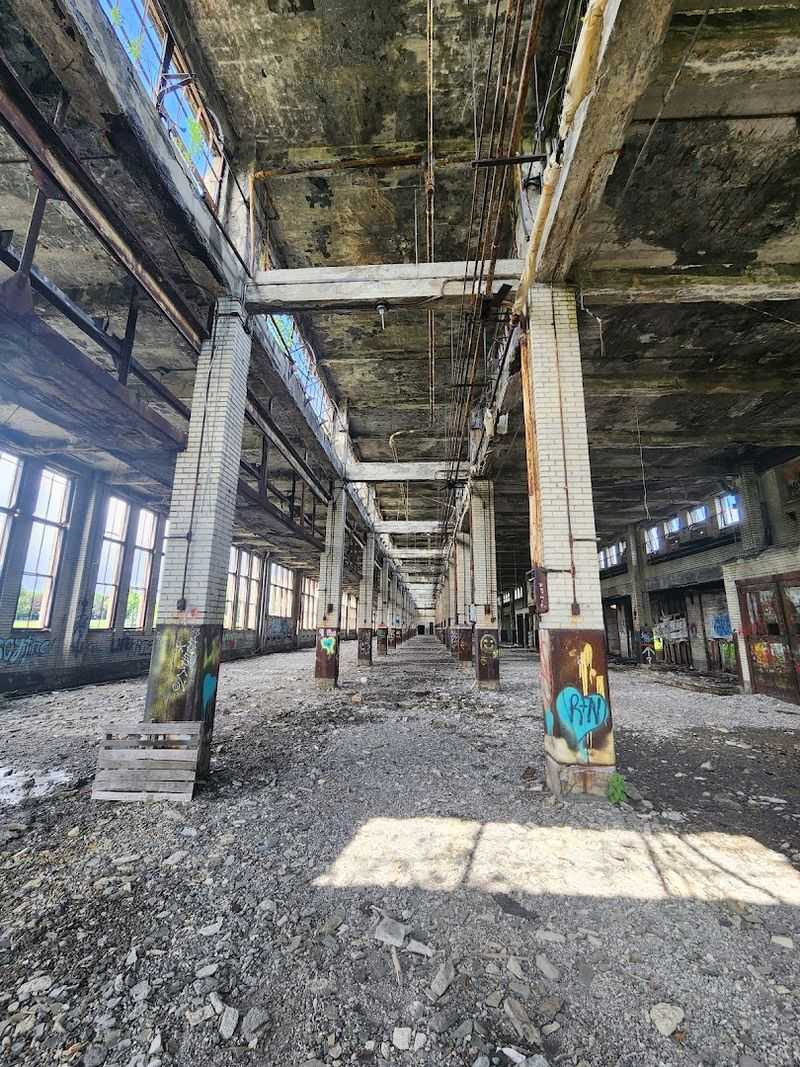
There’s something almost cinematic about the tunnel system running beneath Buffalo State College. Built primarily to carry utilities like heat and electricity across campus, these underground corridors once served a much broader purpose.
Students and staff used them for pedestrian travel during brutal Buffalo winters, which honestly makes a lot of sense when you’ve experienced a January in western New York.
The tunnels connect key campus buildings including the Campbell Student Union, residence halls, and Rockwell Hall. At one point, they even extended to the former Buffalo State Hospital, now known as Hotel Henry, delivering heat, laundry services, and food to the facility.
That’s a level of underground infrastructure that most people never imagine exists beneath a college campus.
During the Cold War, some of these tunnels reportedly served as emergency shelters, adding yet another historical layer to what might seem like a mundane utility system. Today, many sections are restricted due to safety concerns, but their existence speaks volumes about how thoughtfully this campus was engineered decades ago.
The Buffalo State campus sits at 1300 Elmwood Ave, Buffalo, NY 14222, and the history running beneath it is every bit as interesting as what’s above ground.
The Erie County Holding Center’s Tunnel of Tears
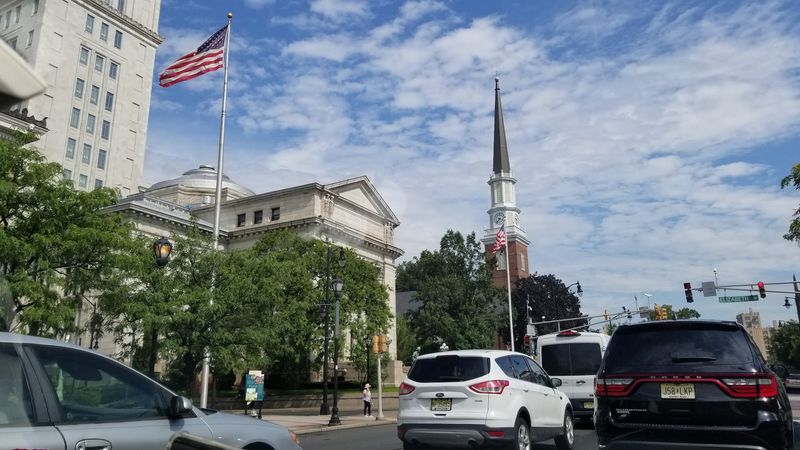
Not every tunnel tells a story of adventure or engineering marvel. Some carry a much heavier weight.
The passage connecting the Erie County Holding Center to the County Courthouse is known locally as the “tunnel of tears,” and the name says everything you need to know about its emotional significance.
This underground walkway is used to transport detainees between the jail and the courthouse without bringing them through public streets. It’s a practical solution to a logistical challenge, but for the people walking through it, the experience is anything but routine.
For many, that tunnel represents the moment between uncertainty and judgment, between hope and outcome.
It’s a stark reminder that underground infrastructure isn’t always about history or curiosity. Sometimes it’s woven into the most difficult moments of people’s lives.
The tunnel sits in the heart of downtown Buffalo, near the civic buildings that define the city’s legal landscape. You won’t find tours of this particular passage, and honestly, that feels appropriate.
Some places carry enough weight that they deserve a certain kind of quiet. It’s a piece of Buffalo’s underground story that demands respect rather than exploration.
Old Water Cisterns Hidden Under Buffalo’s City Streets
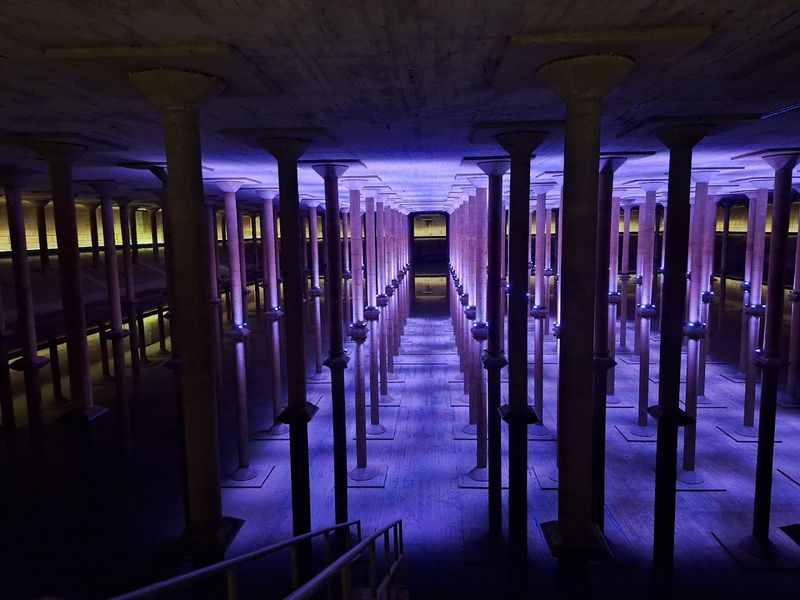
Before modern fire hydrants and pressurized water systems became standard, cities relied on underground cisterns to store water for firefighting. Buffalo is no exception, and beneath several of its older streets, these massive brick-lined tanks still exist, silent and forgotten beneath the daily rhythm of city life.
These cisterns were engineering achievements for their time. Built in the 1800s, they could hold thousands of gallons of water and were strategically placed throughout the city so that firefighters could access them quickly during emergencies.
The fact that many of them still exist underground is a testament to how well they were constructed.
Most residents have no idea these structures are beneath them. They don’t show up on typical city maps, and they’re rarely discussed outside of historical circles.
But for urban historians and infrastructure enthusiasts, they represent a critical chapter in how Buffalo managed public safety before the modern era. Some have reportedly been discovered during road construction and utility work, which is exactly the kind of surprise that stops a construction crew cold.
Buffalo’s underground keeps offering up pieces of itself, one accidental dig at a time. The Washington Street area, including 369 Washington Street, Buffalo, NY 14203, sits above some of this buried history.
Prohibition-Era Tunnels and the First Ward’s Hidden Passages
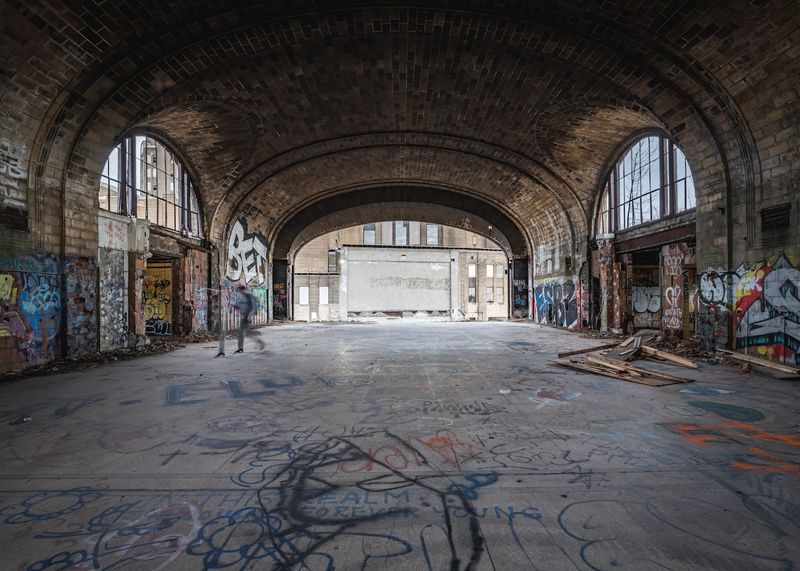
The Prohibition era gave American cities all kinds of creative underground solutions, and Buffalo was no different. In the old First Ward neighborhood, tunnels beneath private homes were reportedly used during the 1920s for purposes that the law at the time would not have approved of.
Buffalo’s proximity to the Canadian border made it a natural hub for all sorts of cross-border activity during that period.
These residential tunnels weren’t grand infrastructure projects. They were dug quietly, often by hand, connecting basements to neighboring properties or to the waterfront.
The people who built them weren’t engineers. They were ordinary residents making practical decisions in extraordinary times, and the passages they left behind are now part of Buffalo’s underground folklore.
Many of these tunnels are in poor condition today, with structural instability making them genuinely unsafe to explore. Some have collapsed entirely over the decades, while others remain intact but sealed off.
The stories attached to them, however, are very much alive in the neighborhood’s oral history. The First Ward sits near Buffalo’s waterfront, south of downtown, and its street-level character gives very little away about what might still be hiding beneath it.
It’s the kind of neighborhood secret that gets passed down at kitchen tables.
The Lockport Cave and Erie Canal Tunnel Near Buffalo
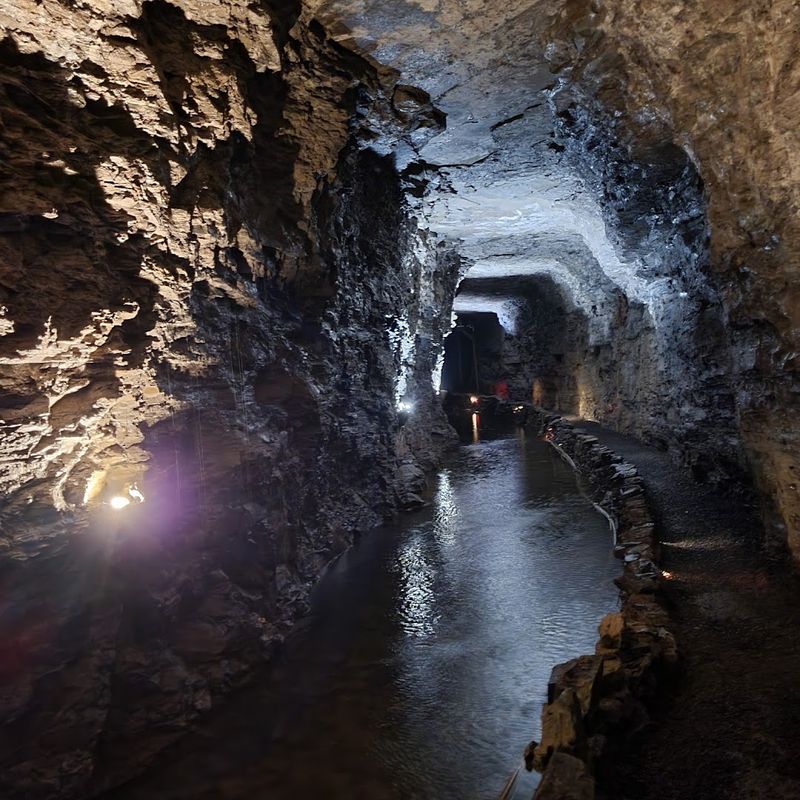
Just a short drive from Buffalo, the Lockport Cave offers the most accessible and well-documented underground tunnel experience in the entire region. Carved by hand in the 19th century, this man-made cavern system was originally dug to serve as a water spillway for the Erie Canal.
The scale of the effort is genuinely hard to wrap your head around when you’re standing inside it.
Workers chipped through solid rock using hand tools, creating a passage that stretches deep beneath the city of Lockport. The Erie Canal itself was one of the greatest engineering achievements of its era, and the Lockport Cave is a direct extension of that ambition.
Guided tours take visitors through the cavern on small boats, and the combination of history and geology makes it one of the most unique attractions in western New York.
For anyone curious about the underground world beneath this part of the state, Lockport Cave is the place to start. It’s hands-on, well-preserved, and genuinely fascinating for all ages.
The experience of floating through a hand-carved tunnel that’s over 150 years old puts everything else about this region’s underground history into sharp perspective. Address: 369 Washington Street, Buffalo, NY 14203 serves as a reference point for the broader Buffalo underground history trail.
