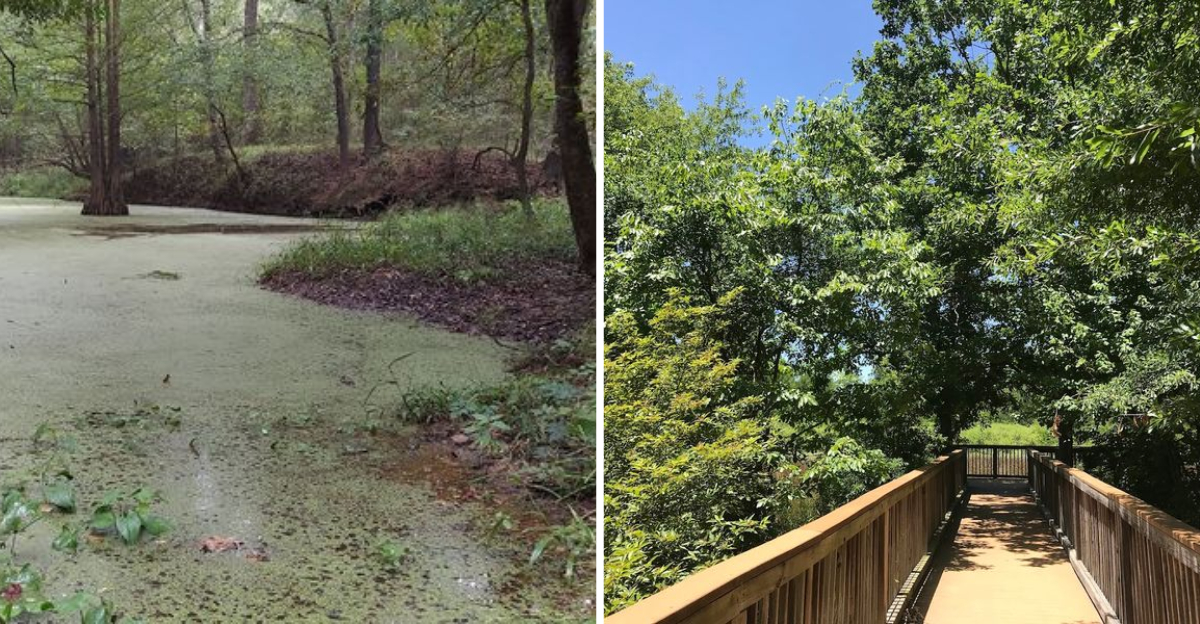
Massive bald cypress trees rise out of dark, still water in the far southeastern corner of Oklahoma, their knobby knees poking up from the surface like something out of a bayou dream. The air smells earthy and alive, frogs call from every direction, and for a moment, you forget you are nowhere near Louisiana.
This wildlife refuge spans thousands of acres of bottomland hardwood forest and wetlands, protecting a stunning ecosystem that most Oklahomans have never even heard of. It is one of those rare spots that feels almost too wild and beautiful to be real.
If you love nature and quiet adventures, this one belongs at the top of your list.
The Cypress Swamp That Looks Like It Belongs on a Postcard
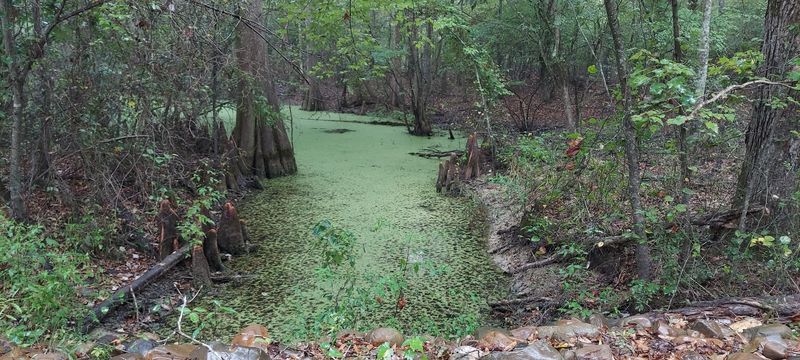
The first time you lay eyes on Duck Roost Slough, your brain does a quick double-take. Rows of ancient bald cypress trees stand in the water, their wide, flared trunks disappearing below the surface while their knees push up around them like little wooden sentinels.
The reflections in the still, dark water are almost mirror-perfect.
This is not what most people picture when they think of Oklahoma. The swamp atmosphere here is genuine, layered, and a little mysterious in the best possible way.
Sunlight filters through the canopy in thin golden beams, landing on the water in a way that makes you want to take about a hundred photos.
The bald cypress trees at Little River are not young saplings. Some of these trees have been growing here for centuries, and the refuge is home to a state record bald cypress discovered right in the Duck Roost Slough area.
The cypress knees alone can reach heights of four and a half feet. It is the kind of natural detail that makes you slow down and actually pay attention to what is right in front of you.
American Alligators Living at the Edge of Their Range
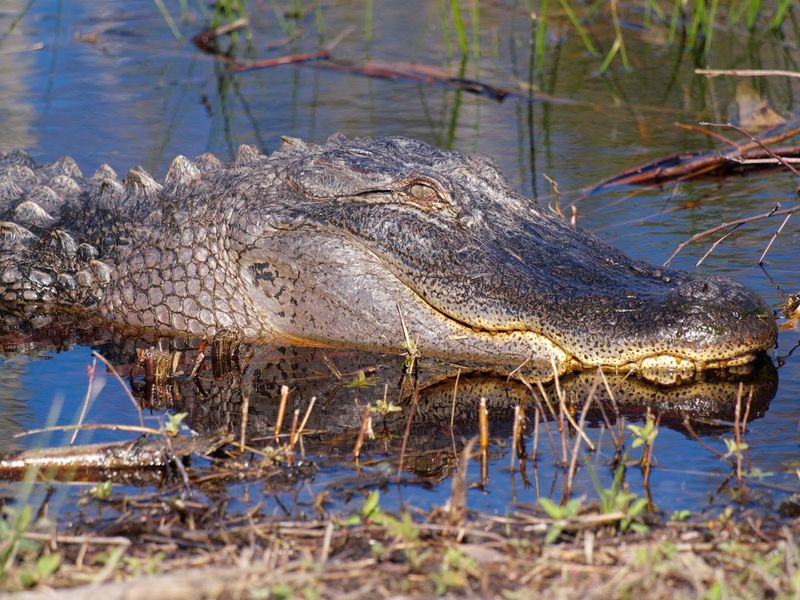
Oklahoma is not a state most people associate with alligators, but Little River National Wildlife Refuge sits right at the northwestern edge of the American alligator’s natural range. These prehistoric reptiles actually live here, quietly going about their business in the refuge’s wetland swamps.
That fact alone makes a visit feel a little more exciting.
Spotting one is not guaranteed, but knowing they are out there changes how you experience the place. You find yourself scanning the water’s surface a little more carefully, noticing every log and dark shape near the bank.
It adds a layer of wildness that you just do not get at most nature spots in the state.
Alligators are not aggressive by nature when left alone, and the refuge setting keeps human activity low-key enough that encounters stay rare and peaceful. They are a reminder that this ecosystem is genuinely functioning, not just preserved for looks.
The presence of apex predators in a habitat usually signals that the whole food web beneath them is healthy and intact. At Little River, that is clearly the case, and it makes the swamp feel all the more authentic and alive.
Over 191 Bird Species and a Soundtrack You Will Not Forget
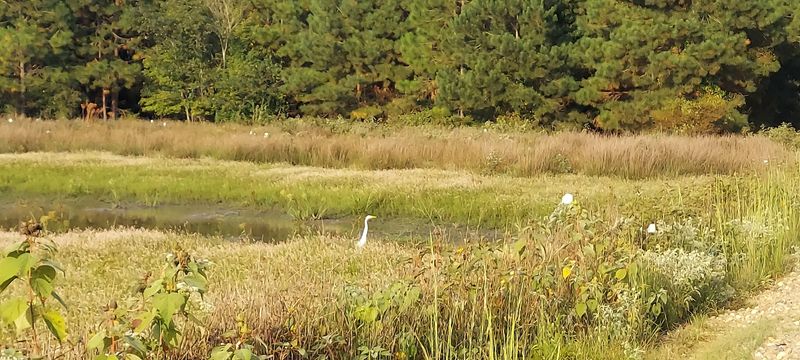
The soundscape at Little River hits you before the visuals do. Frogs chorus from the sloughs, woodpeckers drum somewhere overhead, and if you visit during migration season, the air is absolutely electric with bird activity.
The refuge supports over 191 bird species, making it a legitimate destination for birders and casual nature lovers alike.
Wood ducks are a particular highlight. These birds are genuinely stunning up close, with their iridescent green and chestnut plumage catching the light in ways that seem almost too vivid to be real.
Mallards, migratory songbirds, and various wading birds round out a cast of wildlife that keeps your binoculars busy from the moment you arrive.
The Duck Roost Slough observation deck is one of the best spots to settle in and just listen and watch. Early mornings are especially rewarding, when the mist is still sitting on the water and the birds are most active.
You do not need to be an expert birder to enjoy it. Sometimes just sitting quietly and letting the refuge come to life around you is the whole experience, and honestly, that is more than enough.
The State Champion Bald Cypress and 11 Record Trees
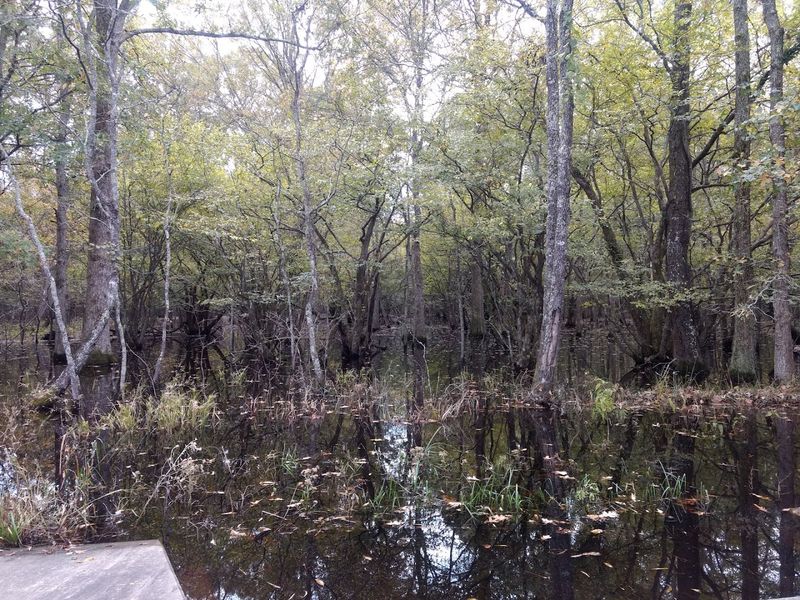
Not many wildlife refuges can claim a state champion tree, let alone eleven of them. Little River National Wildlife Refuge holds records for eleven state-champion trees, including the single largest bald cypress ever documented in Oklahoma.
That tree lives in the Duck Roost Slough area, and seeing it in person gives you a real sense of how long this ecosystem has been quietly thriving.
Champion trees are officially measured and ranked based on their height, trunk circumference, and crown spread. The bald cypress at Little River earned its title fair and square.
Its trunk base is dramatically flared, the kind of shape that makes you want to wrap your arms around it just to understand the scale, even though you never actually could.
Other notable species found here include willow oak, overcup oak, sweetgum, and American holly, all common bottomland hardwoods that create a layered, dense forest canopy. Each one plays a role in supporting the wildlife that depends on this habitat.
Knowing that some of these trees are record-holders adds a quiet sense of significance to every step you take through the refuge. You are not just walking through a forest.
You are walking through history.
Primitive Trails and an Observation Deck Built for Stillness
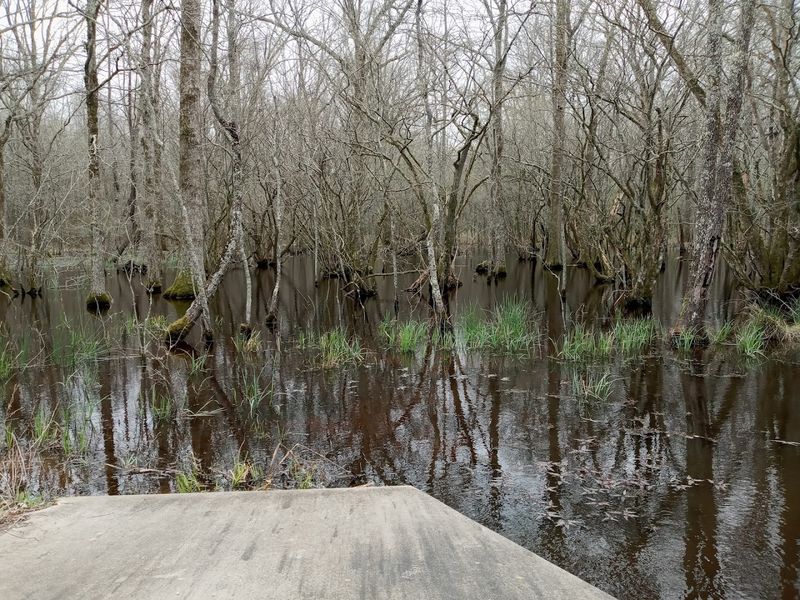
The refuge keeps things refreshingly simple when it comes to facilities. There are 1.74 miles of primitive walking trails that wind through the bottomland forest, giving you just enough structure to explore without turning the experience into something overly curated.
The trails are not paved or heavily marked, which is part of the charm.
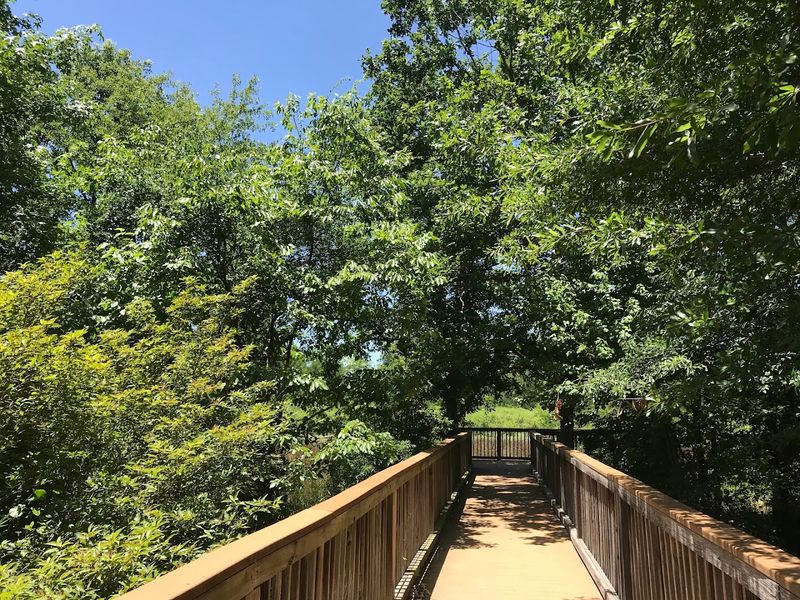
The Duck Roost Slough observation deck is the crown jewel of the visitor experience here. It extends out over the slough and puts you right at eye level with the swamp, close enough to feel the humidity rising off the water.
Herons, wood ducks, and turtles are common sights from this vantage point, especially in the early morning hours.
One practical note worth knowing: the access road is gravel and can be rough on low-clearance vehicles. Most visitors recommend bringing an SUV, truck, or at minimum a vehicle with decent ground clearance.
The road is part of what keeps the refuge feeling remote and undisturbed, but it is smart to come prepared. Once you are there, the quiet and the scenery make every bump in the road completely worth it.
Fishing, Hunting, and Getting Genuinely Off the Beaten Path
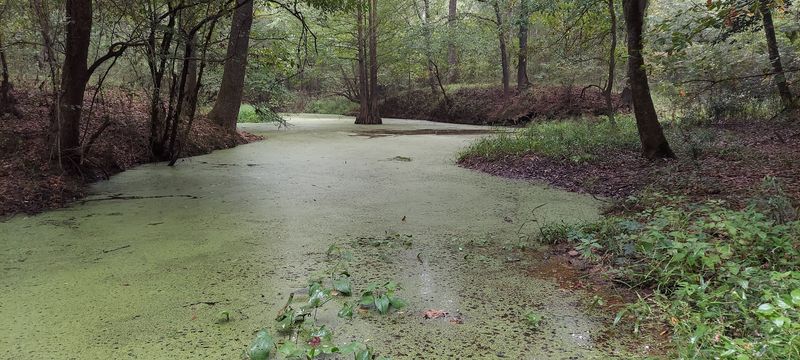
Little River National Wildlife Refuge is not just a place to look at nature through a camera lens. It is an active, working refuge where fishing and hunting are permitted in designated areas and seasons, drawing in visitors who want a more hands-on connection with the land.
The oxbow lakes and sloughs hold fish, and the surrounding forests provide habitat for a range of game species.
The low-key, no-frills setup here is actually a big part of the appeal. There are no crowds, no entrance fees, and no long lines at a gift shop.
What you get instead is space, quiet, and the feeling that you have found something genuinely off the radar. The refuge sees relatively little foot traffic compared to more famous destinations, which means the wildlife is less skittish and the experience feels more authentic.
Kayaking the Little River itself is another popular option for those who want to experience the cypress forest from the water. Paddling through the sloughs and beneath the canopy of ancient trees is a completely different way to take in the scale and beauty of this place.
It is the kind of outing that people tend to talk about for a long time afterward.
Why This Hidden Corner of Oklahoma Deserves Way More Attention
McCurtain County is already known for Beavers Bend State Park and the Ouachita Mountains, but Little River National Wildlife Refuge sits in the same region and gets a fraction of the recognition. That gap feels like a genuine oversight.
This refuge offers something that is genuinely rare, a functioning, wild, Louisiana-style swamp ecosystem sitting quietly inside Oklahoma’s borders.
The refuge spans roughly 14,000 to 15,000 acres of forests and wetlands, which means there is a lot of ground to cover across multiple visits. Each season brings something different.
Spring migration fills the trees with songbirds. Summer deepens the green of the canopy and brings frogs out in full voice.
Fall turns the cypress needles a warm, rusty orange before they drop, and winter strips the trees back to reveal the bare architecture of the swamp.
Places like this matter because they protect ecosystems that are genuinely rare in the region. They also remind us that wild, surprising, and beautiful places do not always come with a famous name attached.
Little River National Wildlife Refuge is the kind of discovery that makes you want to tell everyone you know, and then quietly hope it stays just a little bit secret.
Address: Broken Bow, OK 74728
