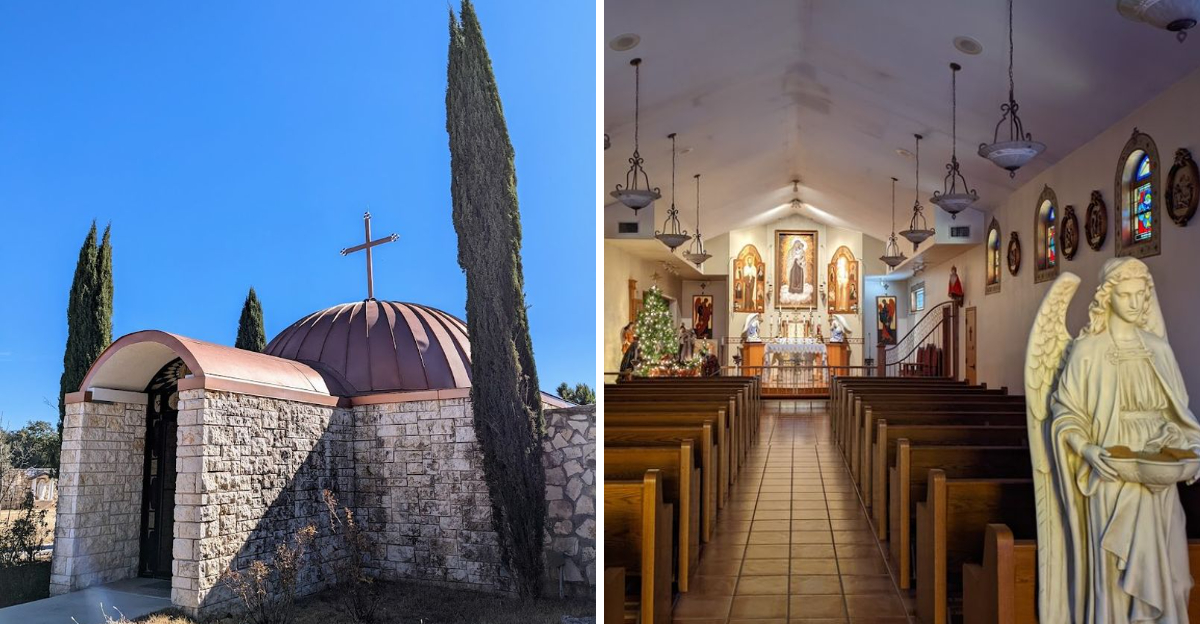
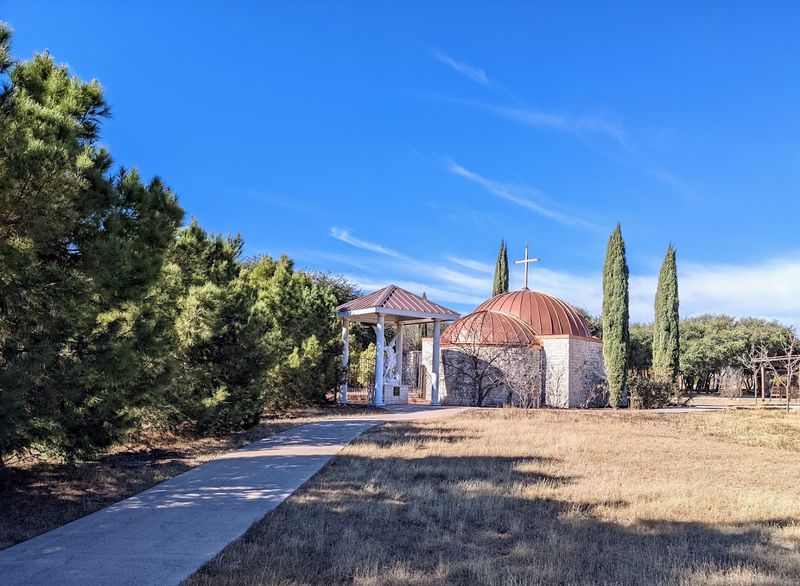
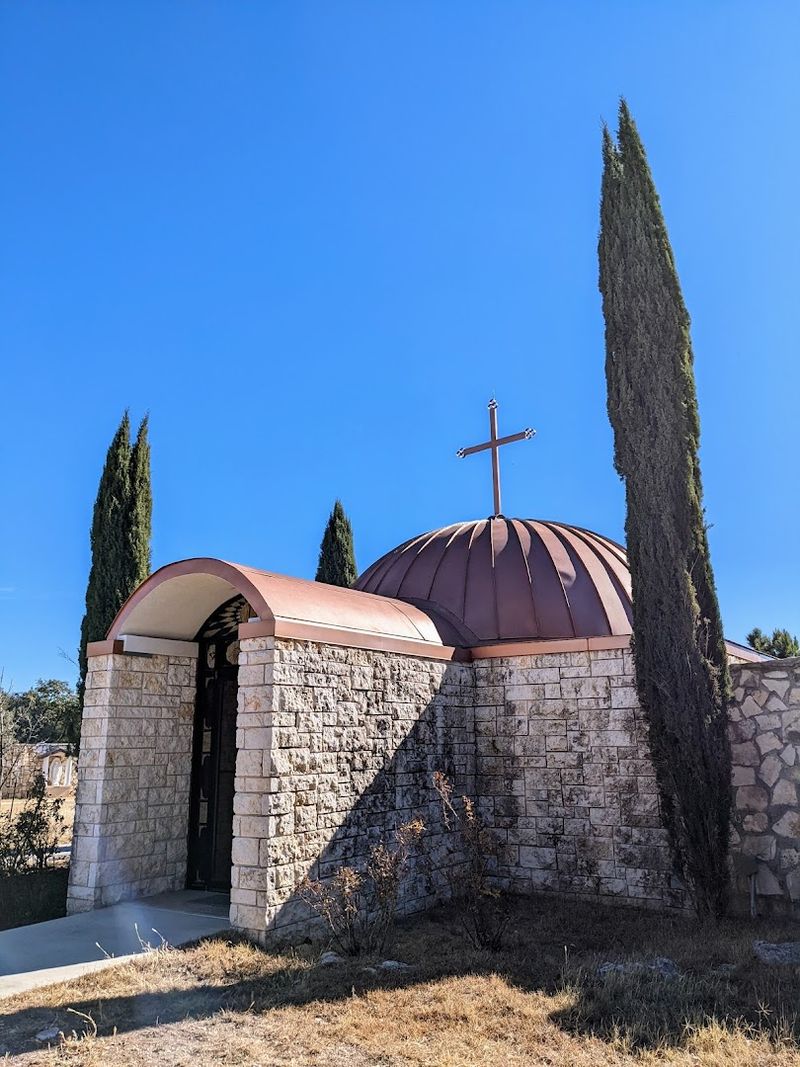
A stone monastery sitting alone on a West Texas hilltop. That is the kind of sight that makes a person pull over and just stare.
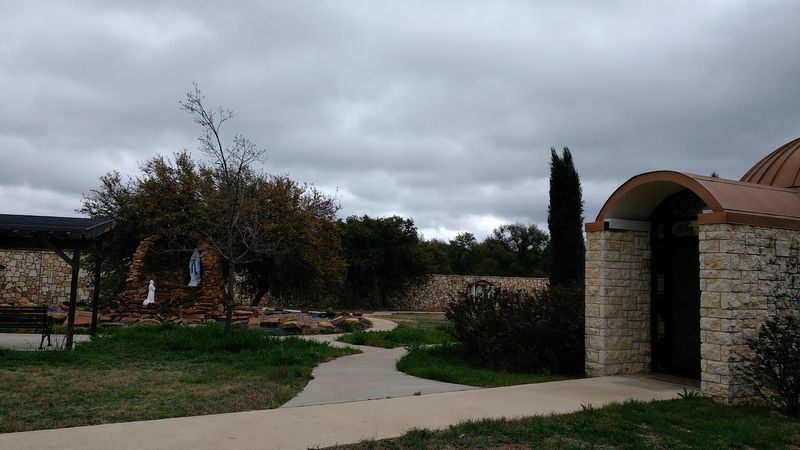
This tiny community has created something beautiful in the middle of open land, a quiet refuge where the only sounds are wind and birds. The hermitage is simple, stone walls, small windows, and a chapel that feels both humble and grand.
Visitors come for the peace, the architecture, and the chance to step away from the noise of everyday life. No tours, no gift shops, just a place to sit and be still.
Texas has plenty of churches and cathedrals, but a monastery like this feels different. It is not built to impress, it is built to last.
Bring a respectful silence and a willingness to slow down. The hilltop is waiting.
The Hermits Who Call This Place Home
The community living here is formally known as the Hermits of the Most Blessed Virgin Mary of Mount Carmel, founded in 1987 as part of the ancient Order of Carmel. These are men who have chosen a life shaped entirely by silence, solitude, prayer, and penance.
It is not a lifestyle most of us would choose, but there is something undeniably compelling about people who commit so fully to something beyond themselves.
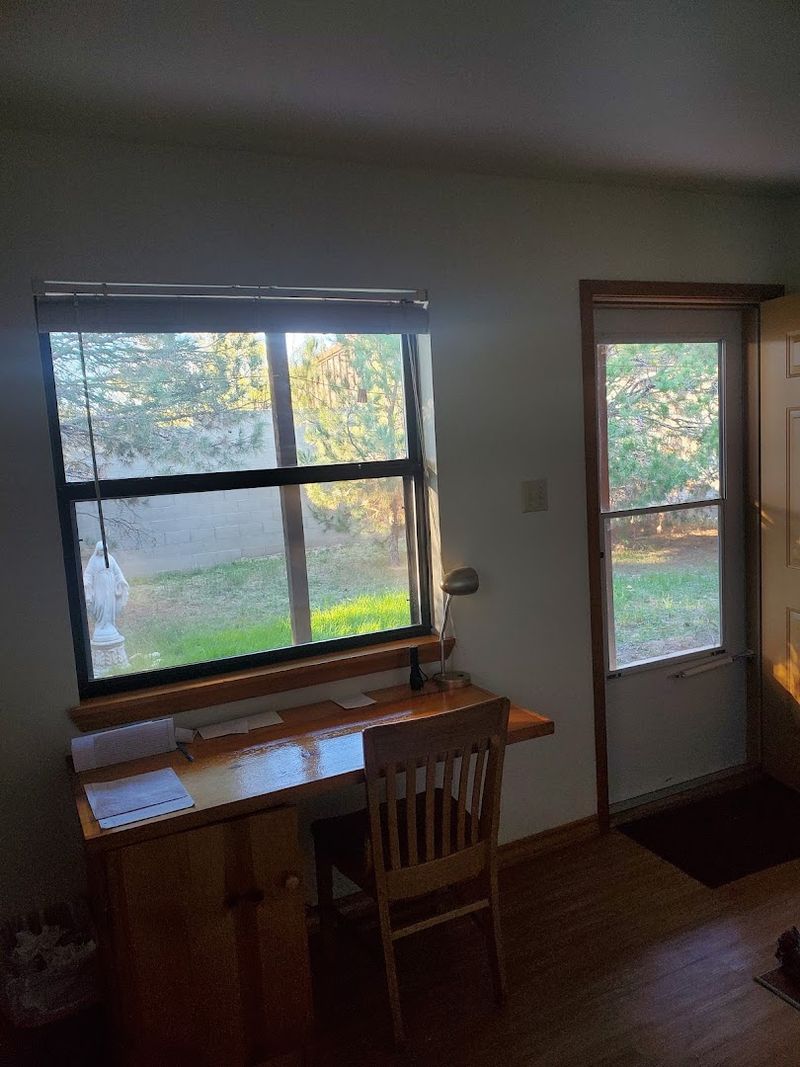
Each hermit lives in his own individual cell, which is more like a small private dwelling than a bare room. These cells include a study, a personal chapel, a bedroom, bathroom, and a porch, with each one separated by an enclosed garden.
That detail surprised me when I first learned about it. The setup balances solitude with structure in a way that feels thoughtfully human.
Their day begins at 3:30 in the morning with prayer, meditation, and Bible reading, and it wraps up with more prayer before rest at 7:30 in the evening. Throughout the day, they gather for communal liturgy and shared meals, and they enjoy one hour of recreation together.
The rest is spent in quiet, individual devotion.
Manual labor is also part of daily life here. The hermits engage in gardening, woodworking, painting, carving, and calligraphy, all of which help sustain the community.
Knowing that the things sold in the gift shop were made by these same hands adds a layer of meaning that is hard to put into words.
A Hidden Gem in the Heart of West Texas
Most people have never heard of Christoval, Texas, and that is honestly part of its charm. This small community sits about five miles southwest of the town center, and the drive out to the hermitage already starts setting the mood.
The road winds through rocky terrain and open sky, with the kind of quiet that makes your shoulders drop a little.
Mount Carmel Hermitage rests on the slopes of the South Concho River Valley, a landscape that visitors often compare to the desert regions of the Holy Land. That might sound like a stretch, but once you see the rugged limestone outcrops and dry, sun-warmed earth, the comparison starts to make a lot of sense.
It is a setting that feels ancient and deliberate, like the location was chosen not just for its beauty but for what it inspires.
The hermitage was first established in 1961 by Rev. Fabian Rosette, making it over six decades old.
For a state that tends to celebrate big and flashy, this quiet little community is a refreshing reminder that Texas also holds spaces of deep stillness. The surrounding wildlife is abundant, and the views from the property stretch across the valley in a way that feels almost cinematic.
Getting here requires a short drive off the beaten path, but that is exactly what makes the arrival feel earned. You do not stumble upon this place by accident.
You seek it out, and it rewards that effort generously.
The New Chapel That Is Turning Heads Across Texas
If there is one thing that has recently put Mount Carmel Hermitage on more people’s radar, it is the Chapel of Our Lady of Mount Carmel currently under construction on the property. Work began in late 2022, and completion is expected sometime in the summer of 2025.
Even in its unfinished state, the building has already drawn considerable attention.
The chapel was designed by Duncan Stroik, an award-winning architect whose work draws heavily from early Christian churches found in Rome and Ravenna. That influence is immediately visible in the design.
The exterior features an elegant Ravenna-esque patterned brick facade that feels both ancient and precise, like something you would expect to find in Italy rather than a small Texas town.
Inside, the space will feature marble columns, graceful arches, side aisles, a clearstory, and triple apses. A procession of Carmelite saints will lead visually toward the altar, creating a sense of sacred journey the moment you step through the doors.
The intention behind all of this beauty is clear: to inspire visitors, support the solemnity of the liturgy, and offer a space worthy of contemplation.
For architecture enthusiasts, this chapel alone is worth the trip. For everyone else, it adds a layer of visual richness to a place already full of quiet beauty.
Once completed, it will likely become one of the most photographed religious structures in the entire state of Texas. That is not hype, that is just what good design does to people.
Attending Mass at the Hermitage
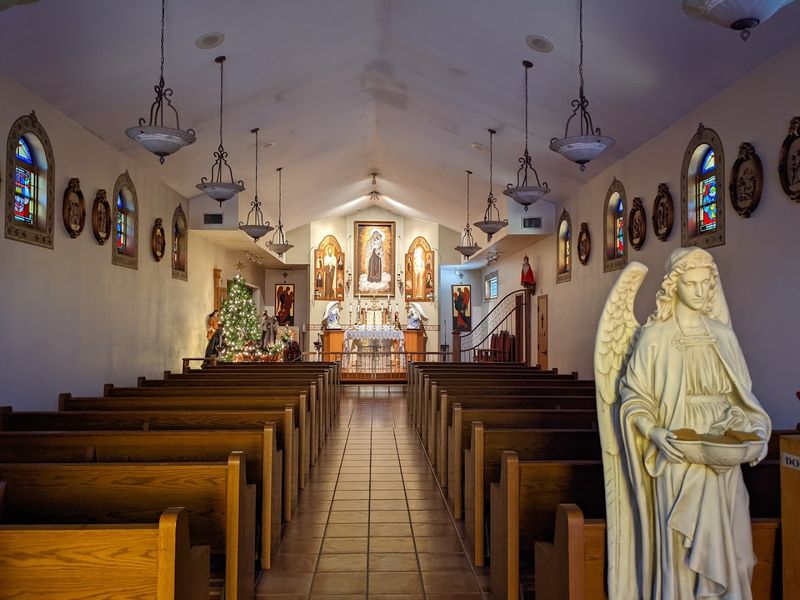
One of the most accessible ways to experience the hermitage is by attending Mass, and the schedule is more welcoming than you might expect. Daily Mass is held at 6:30 in the morning, which admittedly requires an early alarm.
Sunday and Solemnity Masses take place at 10:00 in the morning, which is a much more manageable time for visitors coming from out of town.
Attending Mass here is unlike going to a typical parish church. The setting alone changes the experience.
You are sitting in a space built for deep prayer, surrounded by men who have given their entire lives to that same practice. There is a stillness in the air that you can feel physically, and it tends to quiet whatever noise you brought in with you.
The Christmas Eve Midnight Mass is especially well-known and draws large crowds each year. The property is lit up with festive lights, and a life-size nativity scene is set up for the occasion.
It is one of those events that people return to year after year, not just for the religious observance but for the atmosphere that the hermitage creates around it.
Even if you are not Catholic, attending a service here can be a moving experience. The chant, the silence between the words, the smell of incense, and the way sound moves through the stone space all combine into something that feels genuinely rare.
It is worth planning your visit around one of these services if you can manage it.
The Gift Shop and Handmade Goods Worth Seeking Out
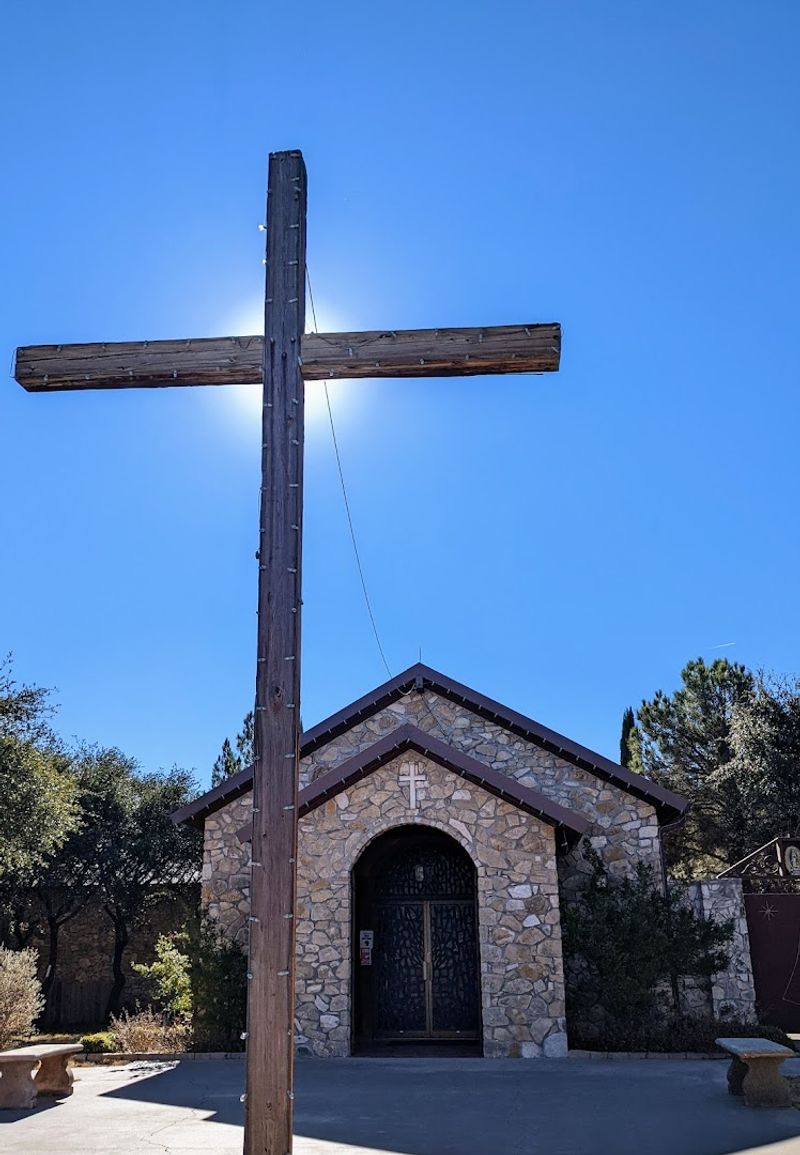
There is something genuinely special about a gift shop where every single item was made by the people living right behind the counter. The hermitage operates an on-site shop open Monday through Saturday, from 9:00 to 11:30 in the morning and again from 2:00 to 4:00 in the afternoon.
They also have an online store if you cannot make it in person.
The baked goods alone are worth the drive. The hermits produce an impressive variety of breads, including honey-whole wheat, apple-walnut, almond-poppyseed, pumpkin-pecan, and plum-pecan.
They also make fudge, biscotti, kolaches, honey, and jellies. These are not mass-produced items.
Each one reflects the care and rhythm of a community that takes its work seriously.
Beyond food, the shop carries scapulars, rosaries, and reproductions of iconographic art from the hermitage’s own sacred art studio. The artwork in particular is striking.
The style has a timeless quality that feels connected to centuries of Christian artistic tradition, and the pieces make for meaningful keepsakes or gifts.
Donations to the hermitage are also accepted and are tax-deductible, which is worth knowing if you feel moved to support the community in a more direct way. Picking up a loaf of bread or a jar of honey is a small act, but it contributes to keeping this remarkable place alive.
I left with more than I planned to buy, and I did not regret a single thing in the bag.
The Spiritual Rhythm of Life Here
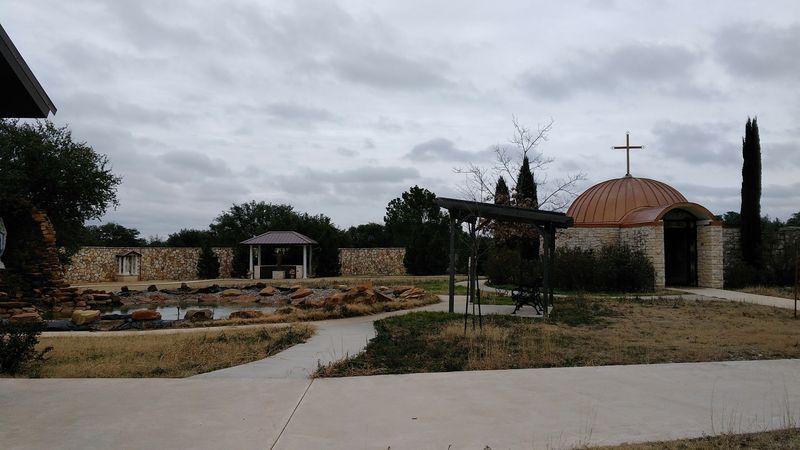
Life at the hermitage follows a rhythm that most of us have never experienced. The hermits practice what is described as a semi-eremitical, semi-communal life, meaning they balance deep personal solitude with moments of genuine community.
That balance is harder to achieve than it sounds, and observing it even briefly as a visitor gives you a new appreciation for intentional living.
The spiritual center of their daily life is the Word of God, the Eucharist, and Lectio Divina, which is a form of meditative scripture reading with roots going back to early Christian monasticism. Their entire schedule, from the 3:30 morning start to the evening rest, is built around these practices.
There is no room in their day for distraction, and that focus is palpable when you are on the property.
The physical space supports this rhythm beautifully. Each hermit’s cell is separated by an enclosed garden, giving every person their own quiet corner of the world.
The design is not just architectural, it is pastoral. The idea that a person could spend decades in that kind of intentional quiet is humbling and thought-provoking in equal measure.
Visitors do not get to wander into the living quarters, of course, and that boundary is important to respect. But simply being near a place where this kind of life unfolds every single day has its own effect on you.
The pace of the hermitage has a way of slowing you down without asking you to do anything at all.
The Natural Beauty Surrounding the Property
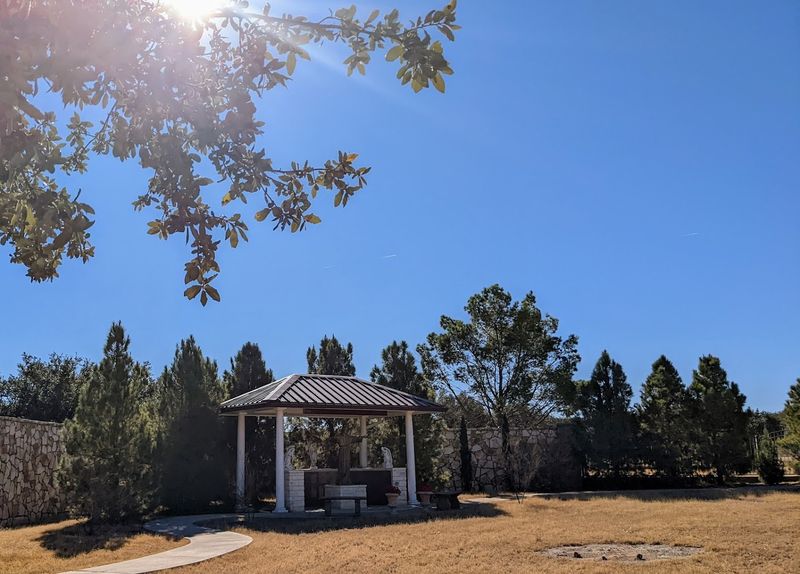
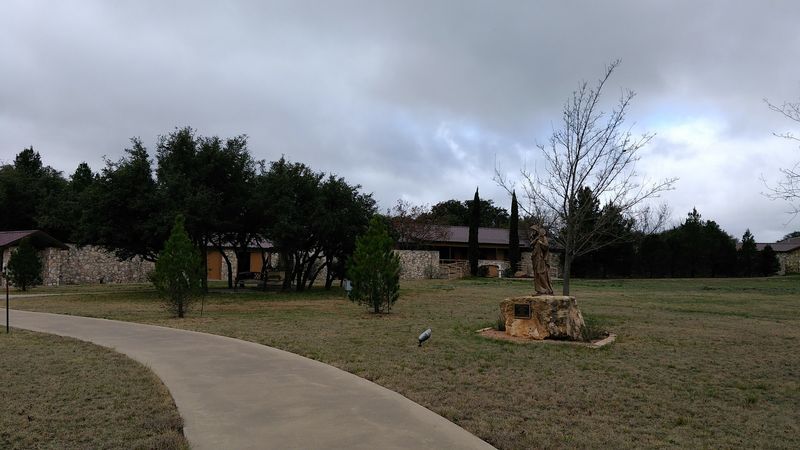
The setting of Mount Carmel Hermitage is not just a backdrop, it is part of the experience. The property sits on the rocky slopes of the South Concho River Valley, and the terrain has a raw, unpolished beauty that feels completely different from the manicured green spaces you might find elsewhere in Texas.
It is the kind of landscape that rewards quiet attention.
Wildlife is abundant in this part of West Texas. Deer, birds, and other native animals move through the property regularly, and the hermits have noted the richness of the natural world visible from their cells.
For visitors, that same wildlife adds a layer of life and movement to what might otherwise feel like a very still place.
The desert-like atmosphere has drawn comparisons to the Holy Land, and it is easy to see why. The dry air, the limestone, the sparse vegetation, and the wide open sky all combine to create a landscape that feels spiritually evocative in a way that is hard to explain but easy to feel.
There is something about arid land that strips things down to their essentials.
If you visit in the early morning or late afternoon, the light on the rocky hillsides is genuinely stunning. The shadows shift and deepen in ways that make even a short walk around the accessible areas of the property feel like a small adventure.
Bring a camera, but also take a few minutes to just look without one. Some things are better absorbed than photographed.
What It Takes to Join the Community
For anyone who has ever wondered what it would take to leave ordinary life behind for something like this, the hermitage has a clear set of requirements for those discerning a vocation. Men interested in joining must be practicing Catholics in good physical and mental health.
They must be single, free of debt, and living a chaste lifestyle, with a sincere and deep desire to consecrate their lives to God through prayer.
Beyond those basics, candidates need a genuine appetite for both solitude and community life. That combination is rarer than it sounds.
Most people lean strongly one way or the other, but the semi-eremitical life here demands comfort with both. A capacity for lifelong commitment and emotional maturity are also listed as requirements, which speaks to how seriously the community takes its mission.
The founding of the Hermits of the Most Blessed Virgin Mary of Mount Carmel in 1987 placed this community within the ancient Order of Carmel, one of the oldest contemplative orders in the Catholic Church. That lineage matters.
It connects the men living here to a tradition of prayer that stretches back centuries, across continents and cultures.
Reading through what is asked of candidates puts the whole hermitage experience in a different light. These are not people who drifted here.
Every person in that community made a deliberate, informed, and profound choice. That kind of intentionality is rare in any walk of life, and it gives the place a weight and authenticity that visitors tend to feel, even if they cannot quite name it.
Planning Your Visit to Christoval and the Hermitage
Getting to Christoval from San Angelo takes roughly twenty minutes, which makes it an easy half-day trip from the nearest city. The hermitage itself is about five miles southwest of the town, accessible via Allen Road.
The address is St. Joseph’s Way, Christoval, TX 76935, and plugging it into your navigation app should get you there without too much trouble.
The gift shop hours are the most practical thing to plan around if you want to pick up any of the handmade goods. Monday through Saturday, the shop is open from 9:00 to 11:30 in the morning and again from 2:00 to 4:00 in the afternoon.
Outside of those windows, the property still has a presence worth experiencing, especially if you are attending Mass.
Dress modestly for your visit. This is an active religious community, and showing up in beach clothes or gym gear would feel out of place.
The hermitage welcomes visitors warmly, but the atmosphere calls for a certain kind of respect that starts with how you present yourself when you arrive.
There is no flashy visitor center, no guided tour, and no admission fee. What you get instead is direct, unmediated access to one of the most quietly extraordinary places in the entire state of Texas.
If you are the kind of traveler who values authenticity over spectacle, this place will stay with you long after you have driven back down that winding road and returned to the noise of ordinary life.
