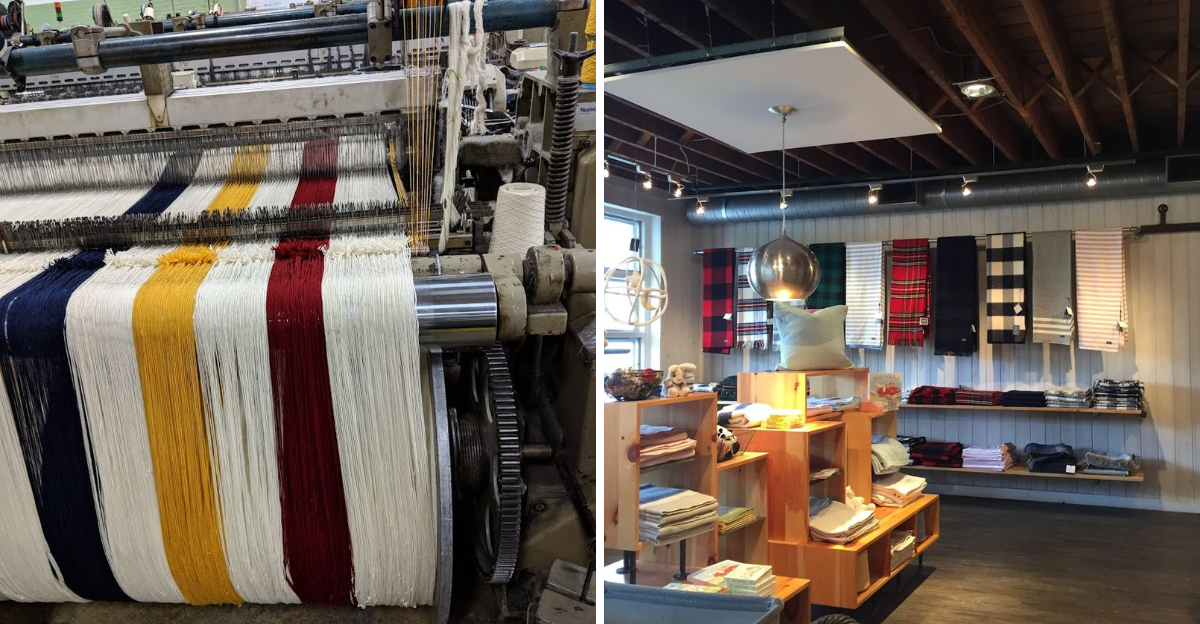
Raw wool comes in one end and a beautiful heirloom blanket comes out the other, all inside a factory that has been running for 150 years. This Minnesota mill lets you watch the entire process happen right in front of you, from the fluffy carded wool to the looms clacking back and forth.
The building smells like lanolin and history, with giant machines that have been operating for decades, maintained by workers who take obvious pride in their craft. You can stand behind the glass and watch the wool get dyed, spun, and woven into the iconic blankets that people have been buying for generations.
The visitor center explains the process in clear terms without dumbing it down, and the staff answers questions with genuine enthusiasm. The mill store sells seconds and discontinued patterns at a discount, perfect for anyone who wants a high quality blanket without paying full price.
Minnesota has a long history of textile manufacturing, but this is one of the few places where you can still see it happening live. The blankets themselves are thick, warm, and built to last for decades.
Come during the week when the looms are running.
A Mill That Has Been Running Since the Civil War Era
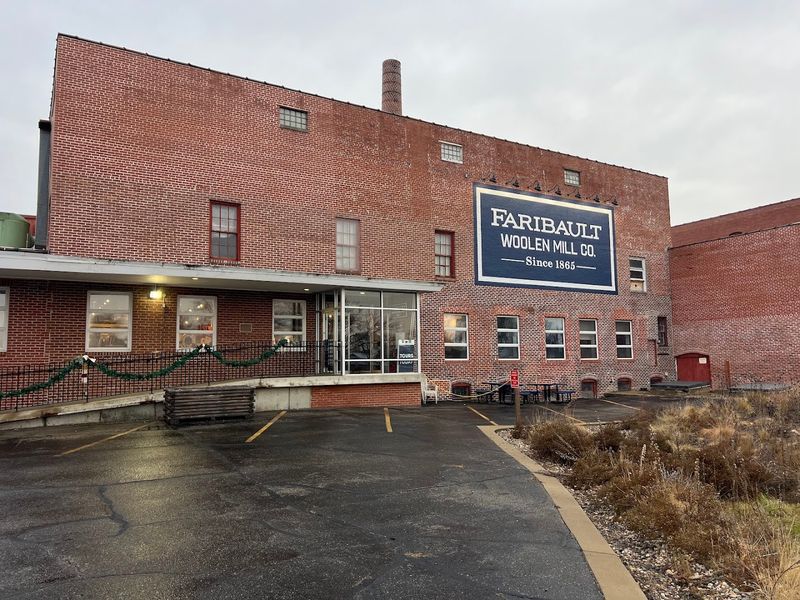
History has a way of hitting harder when it is standing right in front of you, still running. The Faribault Woolen Mill opened its doors in 1865, just as the Civil War was winding down.
That is not a typo. This building has been producing wool goods for over 150 years without stopping for very long.
The mill survived two world wars, the Great Depression, and a near-permanent closure after the 2008 financial crisis. The Moody family stepped in and brought it back to life, refusing to let a genuine American institution disappear.
That comeback story alone is worth the drive.
Some of the machinery inside dates back to 1904. Workers who have been there for decades still show up every morning.
There is something deeply grounding about watching a place operate with that kind of continuity. It does not feel like a museum.
It feels like a living, breathing piece of American manufacturing history that simply refused to quit.
The Factory Tour Experience You Will Not Forget
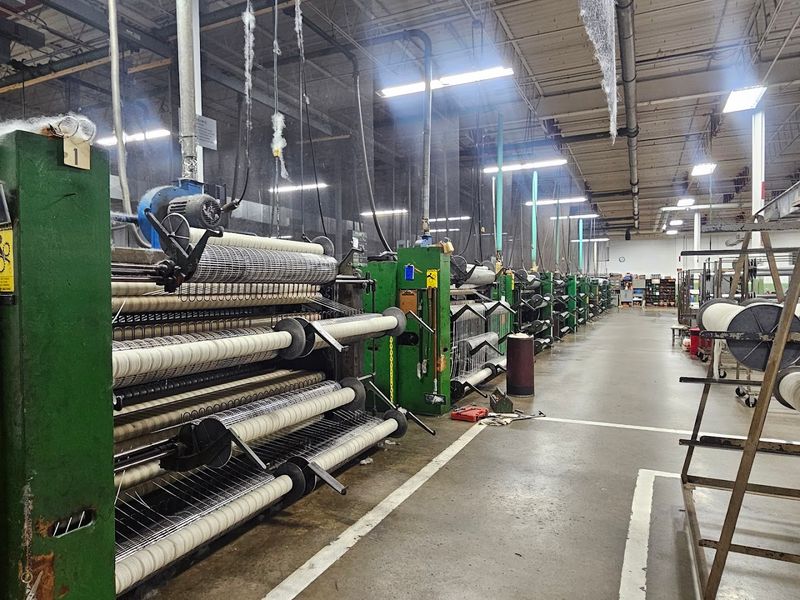
Few tours anywhere in the Midwest pack this much sensory punch. The factory floor is loud, warm, and completely alive.
Massive machines spin and clack in rhythms that feel almost musical once your ears adjust.
Tours run on Fridays and Saturdays and require a reservation. Guides walk you through every step of the blanket-making process, from raw wool all the way to the finished product.
The whole journey can take up to 12 days of production time per blanket. That detail alone stopped me in my tracks.
You get close enough to see gears turning and rollers moving at full speed. On quieter days, you can actually hear the guide explain each machine in detail without shouting.
The tour costs very little and delivers an enormous amount of value. Kids find it fascinating.
Adults find it humbling. It is the kind of experience that makes you rethink how much work goes into the everyday objects we take for granted.
Raw Wool to Finished Blanket: Over 20 Steps
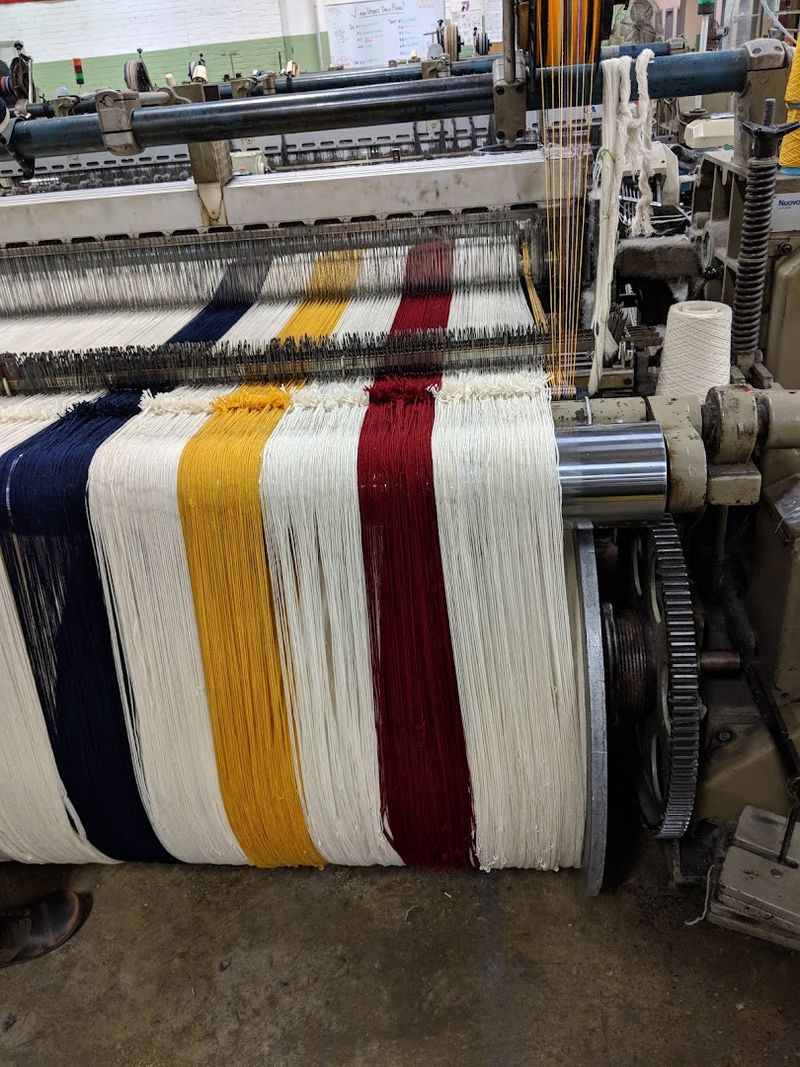
Most people have no idea how many steps it takes to turn a sheep’s fleece into a soft, finished blanket. At Faribault, that number is over 20.
Each step matters. Each one changes the fiber in a specific way.
Raw wool arrives looking nothing like the product you eventually buy. It gets cleaned, carded, spun, dyed, woven, and finished through a long and precise sequence.
The goal at every stage is to remove the natural scratchiness of wool without losing its warmth and durability. The mill has mastered this balance over generations.
Watching the carding machines pull apart tangled fibers into smooth, even layers is oddly satisfying. It looks almost gentle, despite the industrial scale of the equipment.
Each blanket that leaves this building carries the memory of every machine it passed through. That is not just manufacturing.
That is craft on a massive, beautiful scale that most modern factories gave up on decades ago.
Machines From the 1800s Still Doing Their Job
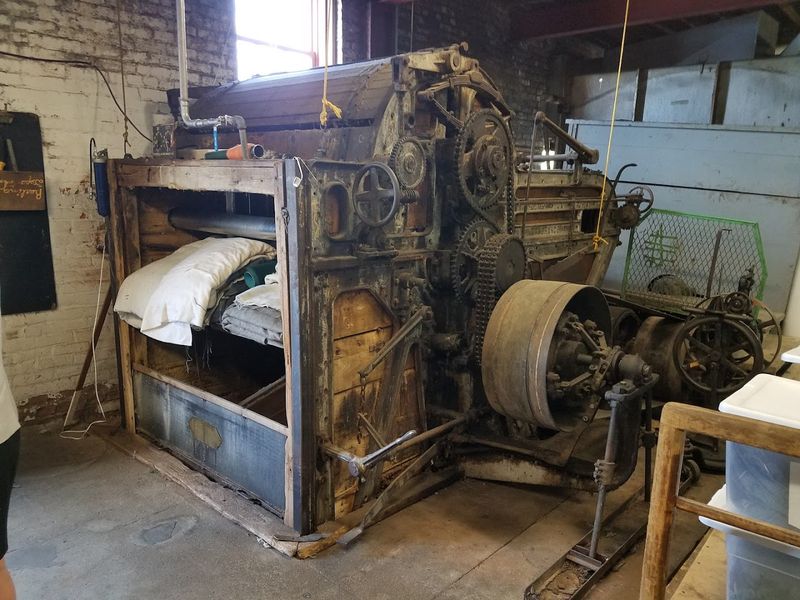
There is something almost unbelievable about watching a machine built in 1904 still doing exactly what it was designed to do. At Faribault, several pieces of equipment date back to the earliest years of the twentieth century.
They are not on display. They are working.
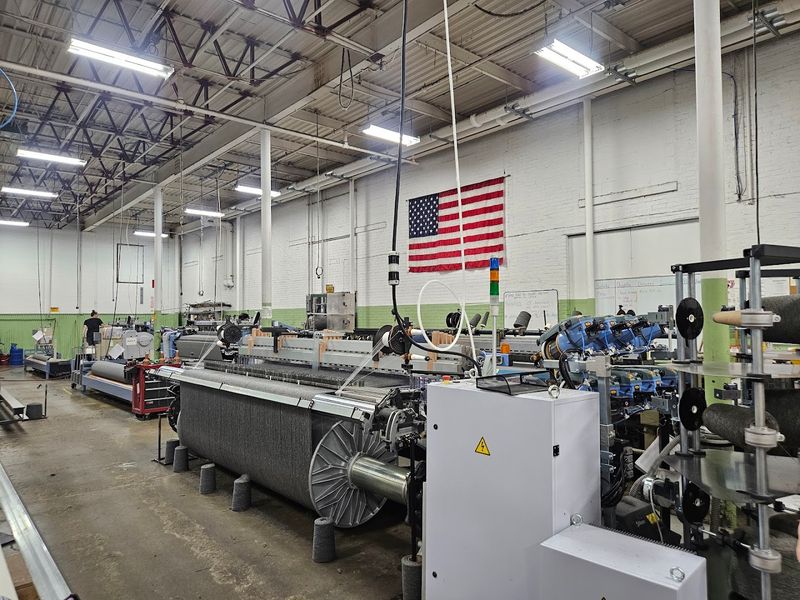
The mill has carefully maintained this vintage machinery alongside newer, more advanced weaving equipment. The old machines handle certain processes that modern ones simply cannot replicate as well.
That combination of old and new is part of what makes the finished products so distinctive.
Standing next to a loom that has been running for over a hundred years puts things in perspective quickly. These are not fragile antiques behind velvet ropes.
They are heavy, powerful, and precise. Workers know their sounds and rhythms the way a musician knows an instrument.
The care that goes into keeping this machinery alive mirrors the care that goes into every blanket that rolls off the line.
Military Blankets Made Right Here in Minnesota
Not many factories can say their products have been issued to the United States military. Faribault Woolen Mill can.
The mill has supplied wool blankets to the US Army and Navy for generations. That contract is a serious mark of quality.
Military specifications are not forgiving. Every blanket has to meet strict standards for weight, durability, and warmth.
The fact that Faribault has consistently met those standards speaks volumes about the consistency of their process. This is not a boutique operation making pretty things for Instagram.
Seeing that context in person changes how you look at the retail store. These are not just cozy home goods.
They are built to the same standard as gear trusted by soldiers in the field. Knowing that history makes picking up a blanket feel like holding something with real meaning behind it.
The military connection is one of the most quietly impressive facts about this mill, and it rarely gets the attention it deserves.
The Retail Store: Where Browsing Becomes a Very Long Decision
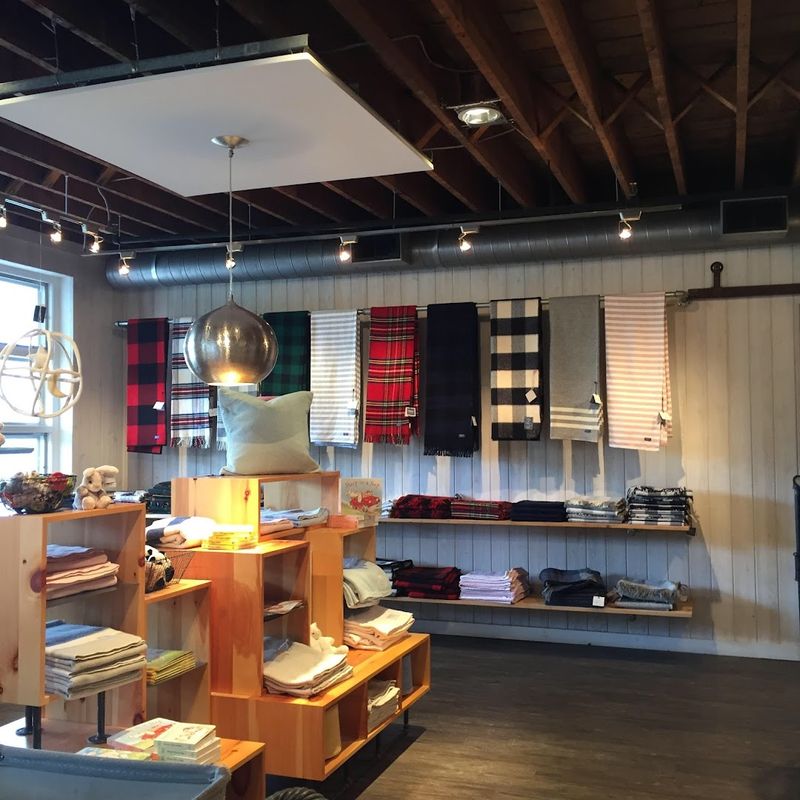
Leaving the factory floor and walking into the retail store feels like a reward. The shelves are stacked with blankets, throws, gloves, and bedding in every color and pattern imaginable.
It is warm, well-lit, and almost impossible to leave quickly.
The store carries the full range of Faribault products alongside factory seconds and closeout items at reduced prices. The seconds section is worth spending time in.
Minor imperfections that most buyers would never notice can save you a meaningful amount on a high-quality piece.
Staff are genuinely helpful and happy to explain the difference between product lines or help you find the right weight for your needs. I spent longer than I planned just touching different blankets and comparing patterns.
The loon design throw is particularly striking. Picking just one thing is the real challenge here.
Most visitors end up leaving with more than they intended, and somehow that feels completely reasonable given what goes into making each piece.
One of Only Two Companies Still Doing This in America
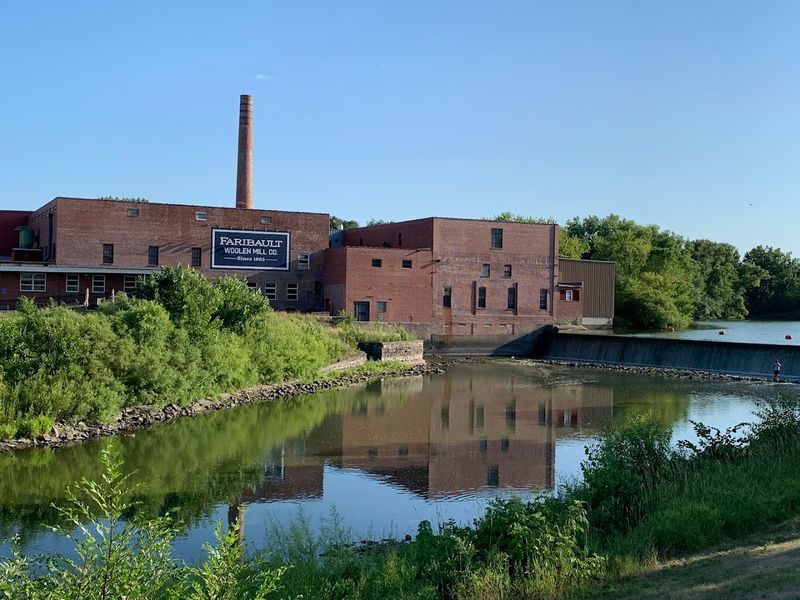
At one point, wool mills like Faribault were scattered across the country. Most of them are gone now.
Faribault is one of only two companies in the United States that still processes raw wool all the way through to a finished blanket under one roof. That is a remarkable distinction.
The loss of this kind of manufacturing is something you feel in your bones when you are standing on that factory floor. These skills, this machinery, this knowledge, all of it could disappear if places like Faribault stop operating.
The fact that they are still here feels genuinely important.
Visiting is not just a fun outing. It is a small act of connection to something rare.
You are seeing a process that most Americans will never witness in person. The people who work here know what they are preserving.
That awareness shows in the care they put into every product and every tour they give to curious visitors.
The Comeback Story Behind the Mill’s Revival
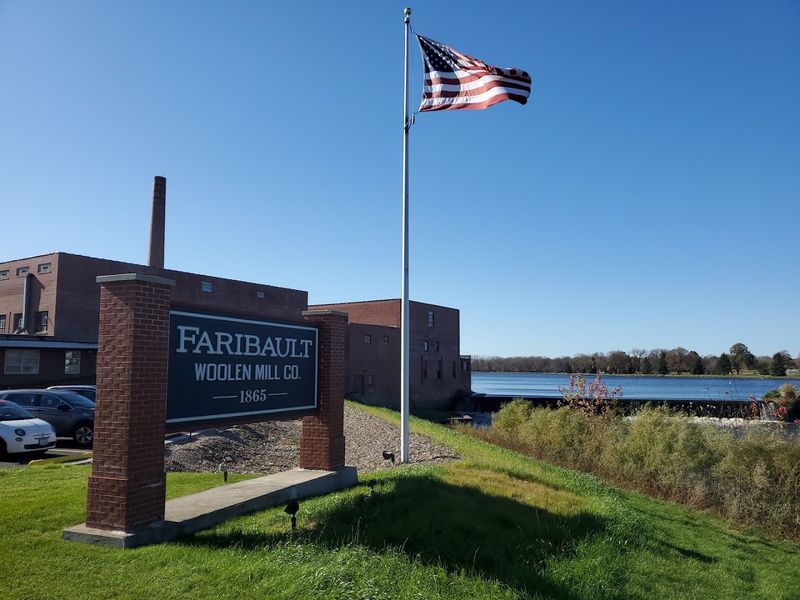
The Faribault Woolen Mill almost did not make it. A leveraged buyout gone wrong during the 2008 financial crisis pushed the company to the edge of permanent closure.
The machines went quiet. Workers went home.
It looked like the end.
Then the Moody family stepped in. They saw something worth saving and rebuilt the brand around the same values that made it strong in the first place: quality materials, honest craft, and American-made production.
The revival took hard work and genuine belief in what the mill could still be.
That comeback adds a layer of meaning to every visit. You are not just touring a factory.
You are walking through a place that fought its way back from the edge. The people who work here carry that story with them.
It shows in how they talk about the mill, how carefully they maintain the equipment, and how seriously they take the work. Resilience is woven into this place as tightly as the wool itself.
Planning Your Visit: What to Know Before You Go
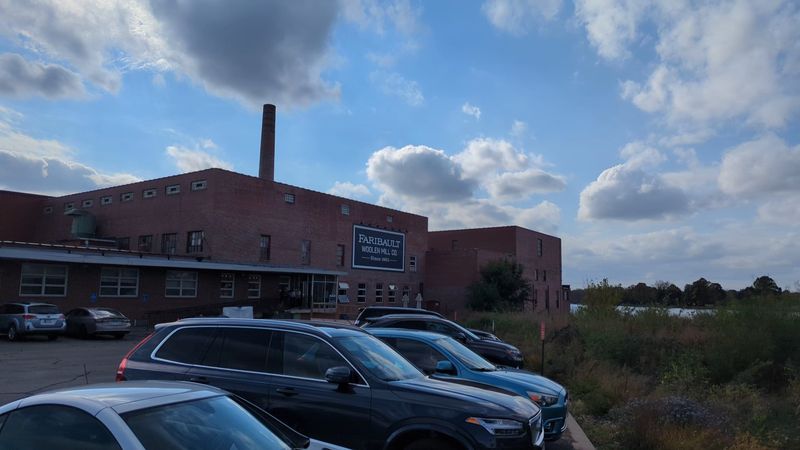
Getting the most out of a trip here takes just a little planning. The mill is open Monday through Saturday from 9 AM to 5 PM.
Tours run on Fridays and Saturdays, and you need a reservation in advance. Walk-in tours are not guaranteed, so booking ahead is the smart move.
The building has a large parking lot and a long ramp for easy access. It is a comfortable space to move through, even if you have mobility considerations.
Plan to spend at least an hour, more if you take the tour and browse the store afterward.
Faribault itself is a pleasant small city about an hour south of the Twin Cities. It makes for a great day trip or a worthwhile detour on a longer road trip through southern Minnesota.
Bring a little extra room in your bag. The blankets are heavy, beautiful, and very hard to leave behind.
The address is 1500 2nd Ave NW, Faribault, MN 55021.
Why a Blanket From Here Feels Different Than Any Other
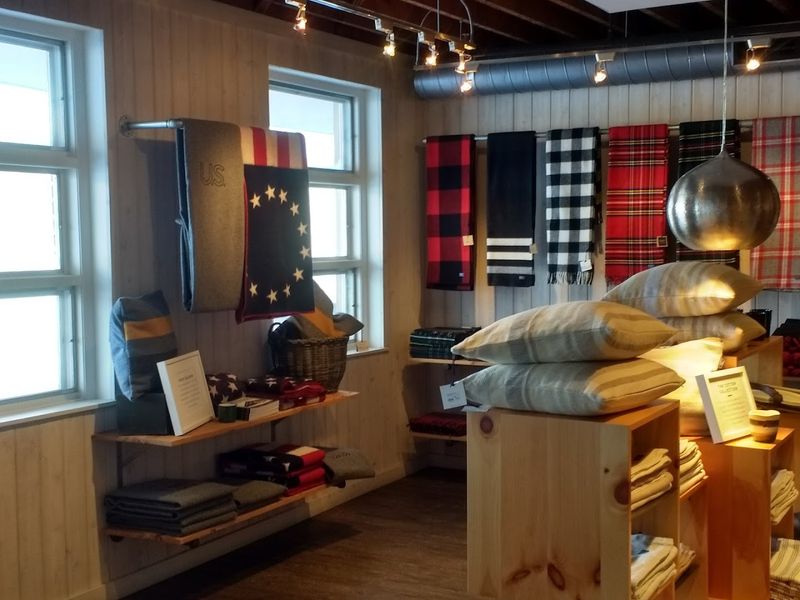
There is a specific feeling you get from a blanket that took 12 days to make and passed through over 20 steps of careful production. It is heavier than you expect.
The texture is dense but not rough. It holds warmth in a way that synthetic blankets simply do not replicate.
Faribault blankets are built to last decades. People pass them down.
They survive years of washing and heavy use without losing their shape or softness. That kind of longevity is increasingly rare in a world of fast manufacturing and disposable goods.
Owning one feels like a small investment in something real. The patterns range from classic stripes to nature-inspired designs celebrating Minnesota’s lakes and wildlife.
Each one carries the weight of the process behind it. You do not have to take the tour to appreciate the product.
But once you have seen those machines running and those hands working, every thread in that blanket means something more.
