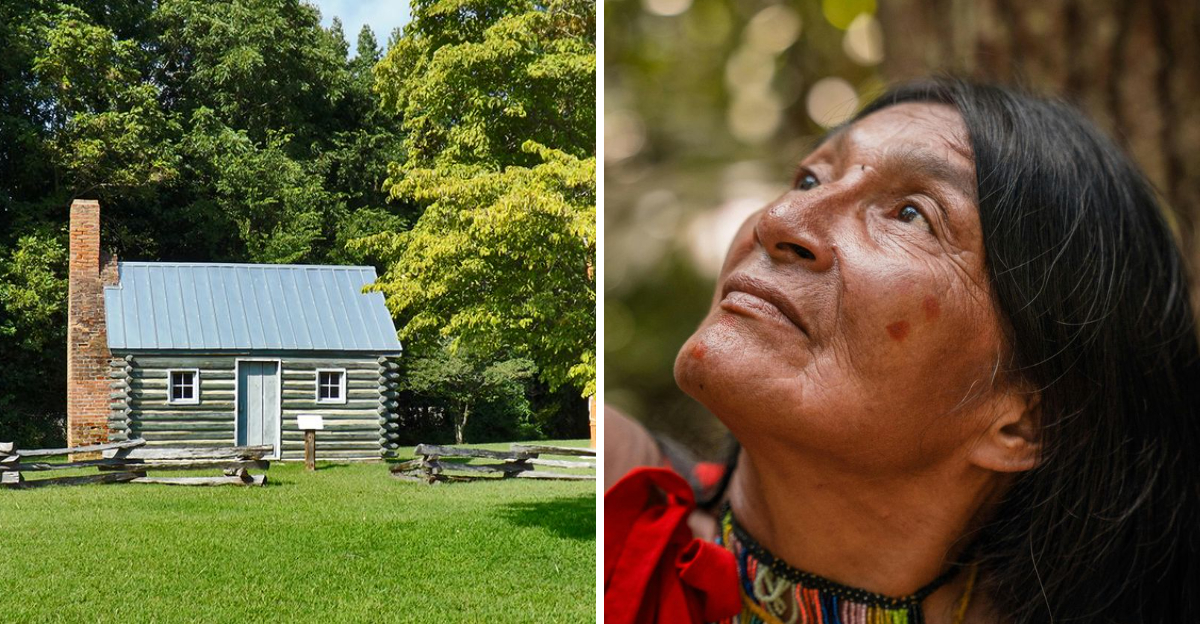
When people think of reservations in North America, their minds usually go west. But the oldest one is actually right here in Virginia, established in the 1600s, long before most of the country was even mapped.
This Indian Reservation has been continuously inhabited by the same tribe for centuries, a fact that feels almost impossible given everything that has happened since. I visited and felt the weight of that longevity.
The land is quiet, the river runs nearby, and the people have maintained their identity through war, displacement, and neglect. Virginia does not talk about this history enough.
But it is there, waiting for visitors who are ready to listen and learn.
A Peace Treaty That Changed Everything in 1646
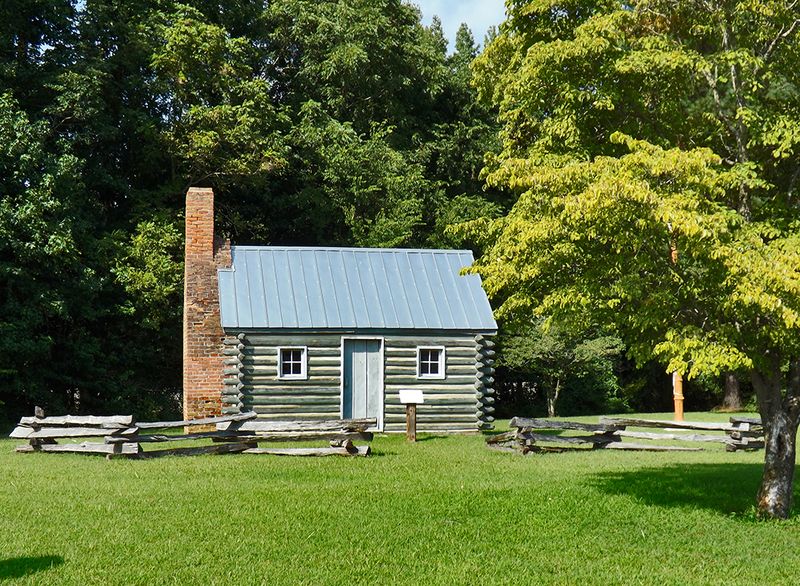
Picture a world where a single document reshapes the fate of an entire people. That is exactly what happened in 1646 when Necotowance, leader of the Pamunkey, signed a peace treaty with the Virginia General Assembly, officially concluding the Third Anglo-Powhatan War.
That treaty did something remarkable. It carved out a protected stretch of land north of the York River and declared it Native territory.
No colonial governor could simply waltz in and claim it. The agreement was legally binding, surprisingly durable, and has never been fully revoked.
This makes the Pamunkey Indian Reservation one of the few places in the entire continent where Indigenous land rights were formally recognized in writing and actually maintained across centuries. Virginia had acknowledged the tribe since the seventeenth century, long before federal recognition arrived in 2015.
The 1677 Treaty of Middle Plantation later reinforced these boundaries, cementing the tribe’s standing in colonial law. For anyone fascinated by the intersection of law, history, and Indigenous rights, this origin story is genuinely extraordinary.
It is not just old. It is foundational to understanding how Native sovereignty has persisted in America against overwhelming odds.
The Pamunkey River, Lifeblood of a Living Culture
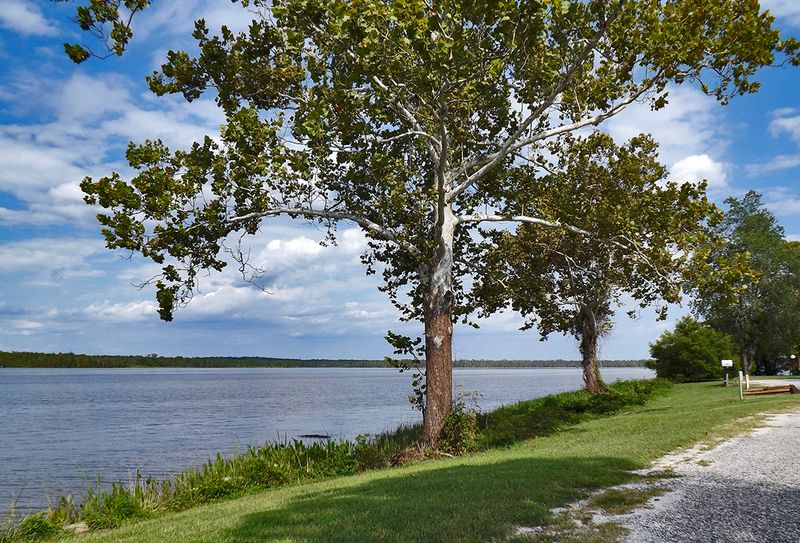
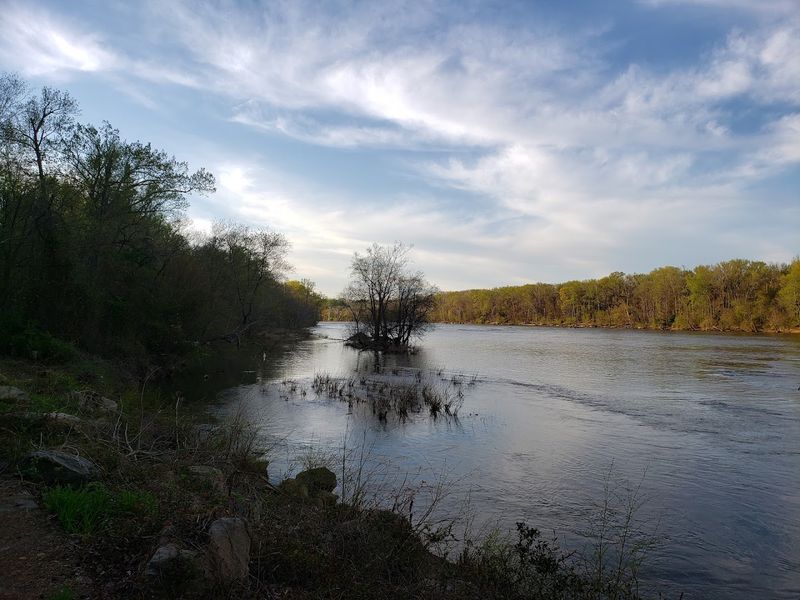
There is something almost meditative about the Pamunkey River. It moves slowly, deliberately, curling around the reservation like it has somewhere important to be but is in absolutely no rush to get there.
For the Pamunkey people, this river is not just scenery. It is sustenance, identity, and heritage all flowing together.
Fishing from the Pamunkey River remains an active tradition practiced by tribal members today, connecting modern generations directly to ancestors who cast nets from these same banks thousands of years ago.
The river also defines the geography of the reservation itself. Situated on a peninsula in King William County, Virginia, the land is essentially embraced on multiple sides by water.
That natural boundary has both protected and isolated the community throughout history.
Wetlands cover a significant portion of the reservation, creating rich ecosystems teeming with wildlife. Herons, turtles, and native fish species share this corridor with the Pamunkey community.
Standing on the riverbank here, you feel the weight of unbroken time in a way that no museum exhibit can replicate. The river keeps talking.
The Pamunkey keep listening. That conversation has never stopped.
Pottery That Tells 15,000 Years of Story
Not many artistic traditions can claim a lineage stretching back thousands of years, but Pamunkey pottery is one of them. Made using clay harvested directly from the Pamunkey River, this craft is not a museum relic.
It is alive, practiced, and deeply meaningful.
Tribal members continue shaping pots, bowls, and ceremonial vessels using techniques passed down through generations. The clay itself carries the mineral fingerprint of this specific land, meaning every piece of Pamunkey pottery is literally made from the reservation’s soil.
That connection between maker and material is rare and beautiful.
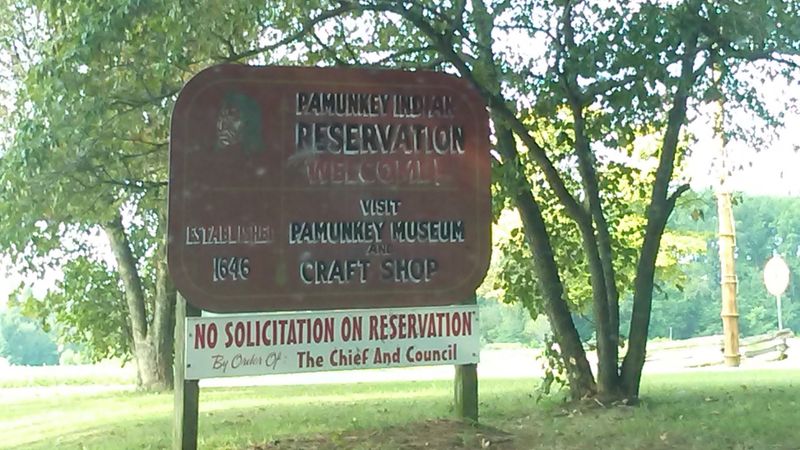
Visitors to the Pamunkey Indian Museum can see examples of this pottery up close. The museum, located on the reservation, showcases both historic and contemporary pieces that illustrate the evolution of the craft without losing its roots.
Each vessel tells a story about survival, adaptation, and pride.
For anyone traveling through Virginia with an appreciation for Indigenous artistry, the pottery tradition alone is worth the trip. These are not souvenirs.
They are cultural statements, shaped by hand, fired with intention, and carrying centuries of memory in every curve and groove. Genuinely, few things in American craft history are this compelling.
The Pamunkey Indian Museum, Where History Speaks Loudly
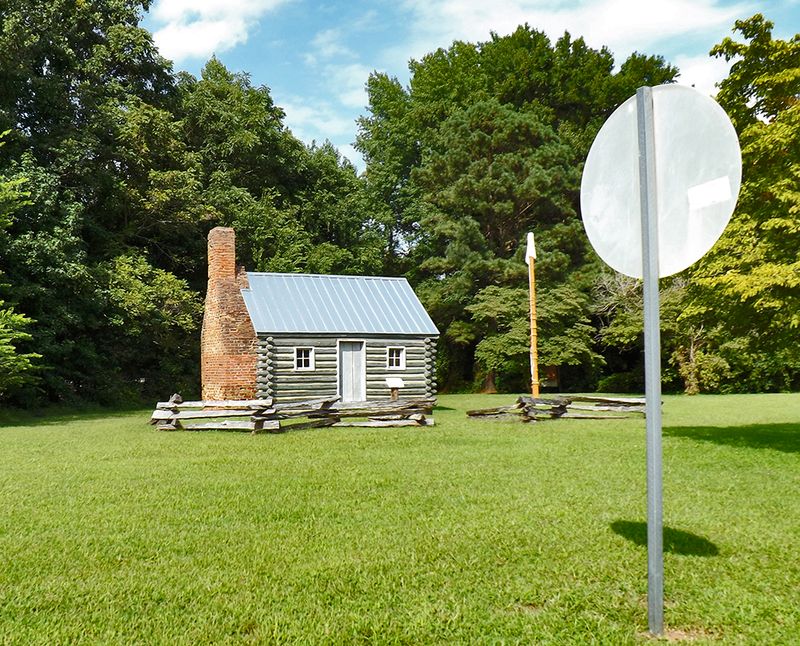
Tucked within the reservation’s quiet landscape, the Pamunkey Indian Museum punches well above its weight. Small in physical footprint but enormous in cultural depth, this museum is the community’s living archive, gathering place, and statement of endurance all rolled into one.
Artifacts, photographs, and exhibits trace the Pamunkey story from pre-colonial times through the present day. The pottery collection alone could anchor a major metropolitan museum, yet here it sits in King William County, Virginia, accessible to anyone willing to make the drive.
What makes this museum genuinely different from larger institutions is the intimacy. There are no roped-off barriers creating distance between visitor and history.
The objects feel close, real, and charged with meaning. Many items were made or used by actual tribal ancestors, not purchased from collectors.
The museum also serves an educational function for the tribe’s younger generations, ensuring that cultural knowledge is transmitted actively rather than passively. School groups occasionally visit, and the experience tends to leave a lasting impression.
Planning a trip to the Pamunkey Indian Reservation should absolutely include time at the museum. Allocate at least a couple of hours.
Seriously, you will want to linger here far longer than you originally planned.
Federal Recognition in 2015, A Victory Centuries in the Making
For most of its modern existence, the Pamunkey Indian Tribe operated in a legal gray zone at the federal level. Virginia had recognized them since the 1600s, but federal acknowledgment, the kind that unlocks certain protections and resources, took until July 2015 to arrive.
That recognition was not handed over easily. The tribe spent years navigating a complex federal process, submitting detailed documentation proving continuous political existence, community cohesion, and historical presence.
The Pamunkey delivered all of it. Decisively.
Receiving federal recognition meant the tribe could formally engage with government agencies on sovereign terms, access certain federal programs, and strengthen legal protections for their land. For a community that had already survived colonization, forced assimilation, and centuries of political marginalization, this was a meaningful milestone.
Interestingly, the Pamunkey were among the first Virginia tribes to achieve this status, setting a precedent for other Indigenous communities in the state. Their success demonstrated that continuous land occupancy and documented treaty history could anchor a compelling federal recognition case.
The 2015 moment did not create the tribe’s legitimacy. That existed long before any government said so.
But it added a new layer of legal armor to a people who have never needed outsiders to define their worth.
15,000 Years of Continuous Occupation, Yes, Really
Fifteen thousand years is a number that genuinely short-circuits the brain. To put it in perspective, that predates the pyramids of Egypt by about ten millennia.
The Pamunkey people have been living on their ancestral land along the Pamunkey River for that entire stretch of time.
This is not a claim based on mythology. Archaeological evidence supports the presence of Indigenous peoples in this region going back to the end of the last Ice Age.
The land has never been formally ceded, which makes the Pamunkey Indian Reservation unique not just in Virginia but across the entire continent.
Continuity of this magnitude is almost impossible to wrap your head around. Empires rose and fell.
Languages were born and died. Entire civilizations came and went.
And through all of it, the Pamunkey stayed rooted to this peninsula in what is now King William County.
That unbroken presence gives the reservation a kind of spiritual gravity that you feel the moment you arrive. The land itself seems aware of its own age.
Every tree, every bend in the river, every patch of clay carries the echo of thousands of generations who called this exact place home. That is extraordinary, full stop.
Climate Change Threatens This Ancient Homeland
Here is the uncomfortable truth that no travel article about the Pamunkey Indian Reservation should skip. This extraordinary place is under serious threat, and the culprit is climate change.
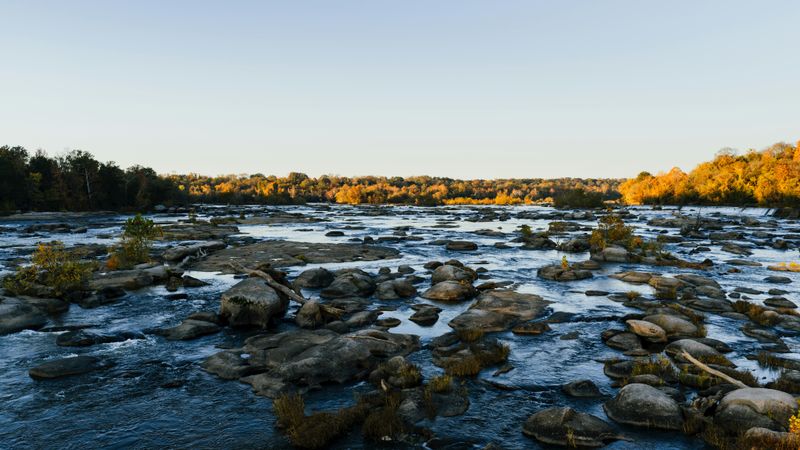
Rising sea levels, shoreline erosion, and land subsidence are actively eating away at the reservation’s edges.
Scientists project that a significant portion of the reservation’s roughly 1,600 acres could be submerged within the next 75 years. The National Trust for Historic Preservation took notice, listing the Pamunkey Indian Reservation among America’s 11 Most Endangered Historic Places for 2025.
That is not a symbolic gesture. It is an alarm bell.
The wetlands that make up a large portion of the reservation, while ecologically rich, are particularly vulnerable. As water levels rise, those low-lying areas absorb the impact first.
The clay banks that have supplied pottery makers for centuries are slowly eroding into the river.
For a community that has survived colonization, war, and legal erasure, the idea of losing land to rising water carries a particular kind of cruelty. Advocacy groups and the tribe itself are working on preservation strategies, but the clock is ticking.
Visiting now, while the reservation remains largely intact, carries genuine urgency.
The Powhatan Connection and a Complicated Colonial Legacy
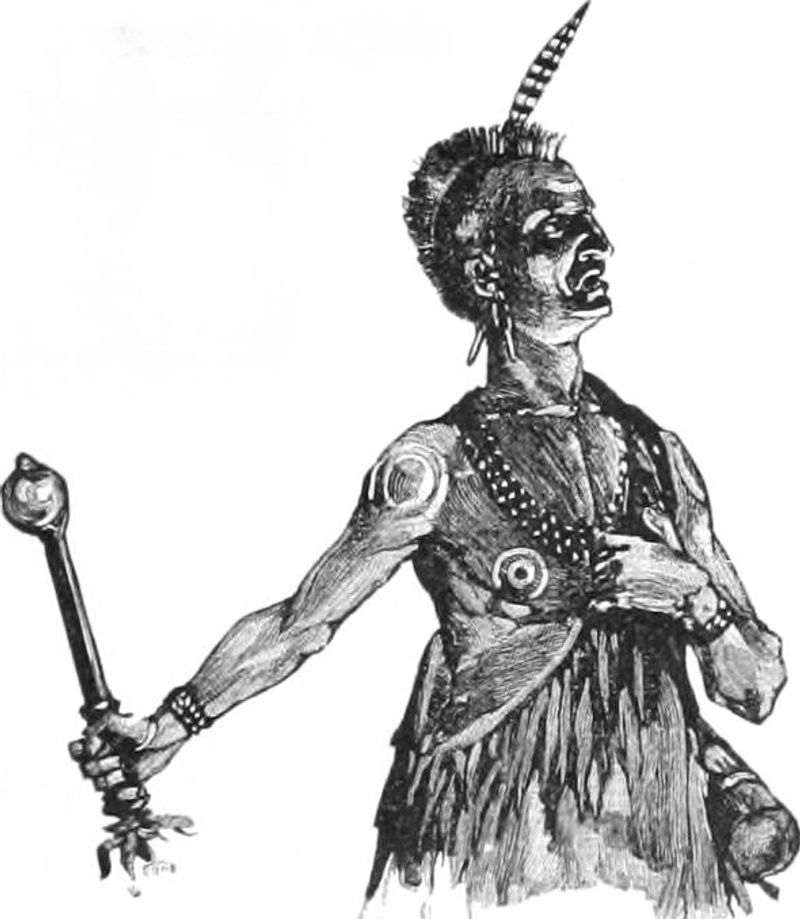
You cannot talk about the Pamunkey without talking about the Powhatan Confederacy, one of the most powerful Indigenous political alliances in Eastern North America at the time of European contact. The Pamunkey were a central tribe within this confederacy, and their leaders carried enormous influence.
Chief Powhatan, father of the famous Pocahontas, was himself closely associated with the Pamunkey. The tribe’s homeland along the river bearing their name was a seat of political and ceremonial power long before English ships appeared on the horizon.
When colonists arrived and tensions escalated into a series of brutal wars, the Pamunkey bore the brunt of conflict repeatedly. The Three Anglo-Powhatan Wars reshaped the landscape of Virginia forever, and the Pamunkey emerged from each one diminished in territory but unbroken in identity.
Understanding this history adds enormous depth to any visit. Walking the reservation land means walking ground where some of the most consequential encounters between Indigenous and European cultures played out.
The colonial legacy here is complicated, painful, and impossible to romanticize. But the Pamunkey’s continued presence on this land is, in itself, one of the most powerful counter-narratives in American history.
It deserves to be told loudly.
King William County, Virginia, Getting There and What to Expect
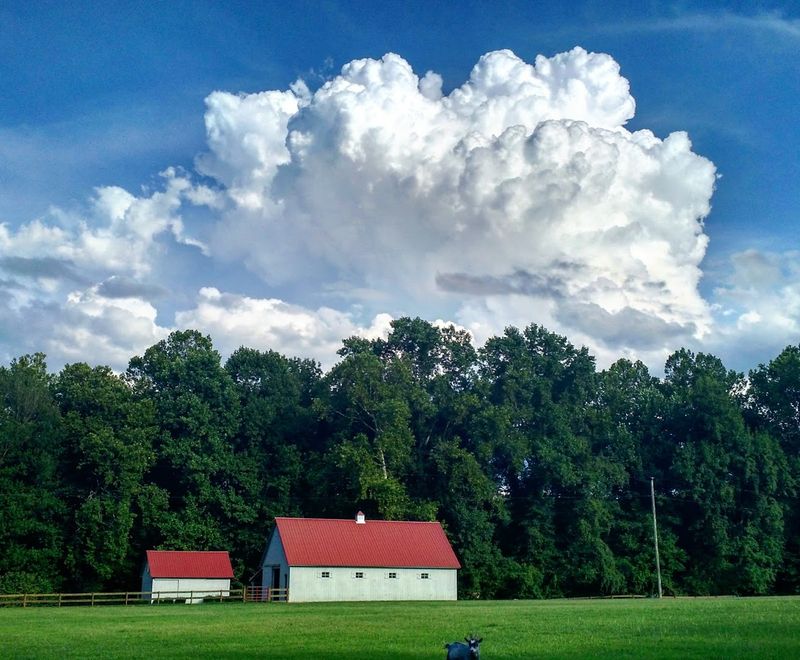
Getting to the Pamunkey Indian Reservation requires a bit of intentionality, and honestly, that is part of its charm. Situated on a peninsula in King William County, Virginia, the reservation sits off the beaten path in the most literal sense.
No interstate drops you at the front door.
The drive through King William County is its own reward. Rolling Virginia countryside, dense tree canopy, and the occasional glimpse of the Pamunkey River make the approach feel appropriately cinematic.
Give yourself extra time and resist the urge to rush. The scenery demands attention.
The reservation is a working community, not a theme park. Respectful, mindful visiting is essential.
The Pamunkey Indian Museum welcomes visitors, but it is wise to contact the tribe in advance to confirm current hours and any community guidelines before making the trip.
The address is Virginia 23086, placing it squarely in the rural heart of the Middle Peninsula. Cell service can be spotty in places, so downloading maps ahead of time is genuinely helpful.
Pack water, comfortable shoes, and a healthy dose of patience.
Virginia offers countless historic destinations, but few carry the weight and living significance of this one. The journey to the Pamunkey Indian Reservation is not just a drive.
It is a pilgrimage to the continent’s oldest continuously inhabited reservation.
Why the Pamunkey Indian Reservation Deserves a Spot on Every Virginia Itinerary
Virginia is loaded with historical destinations. Jamestown, Colonial Williamsburg, and Monticello pull enormous crowds every year, and rightfully so.
But the Pamunkey Indian Reservation offers something none of those places can match: an unbroken living connection to the land stretching back 15,000 years.
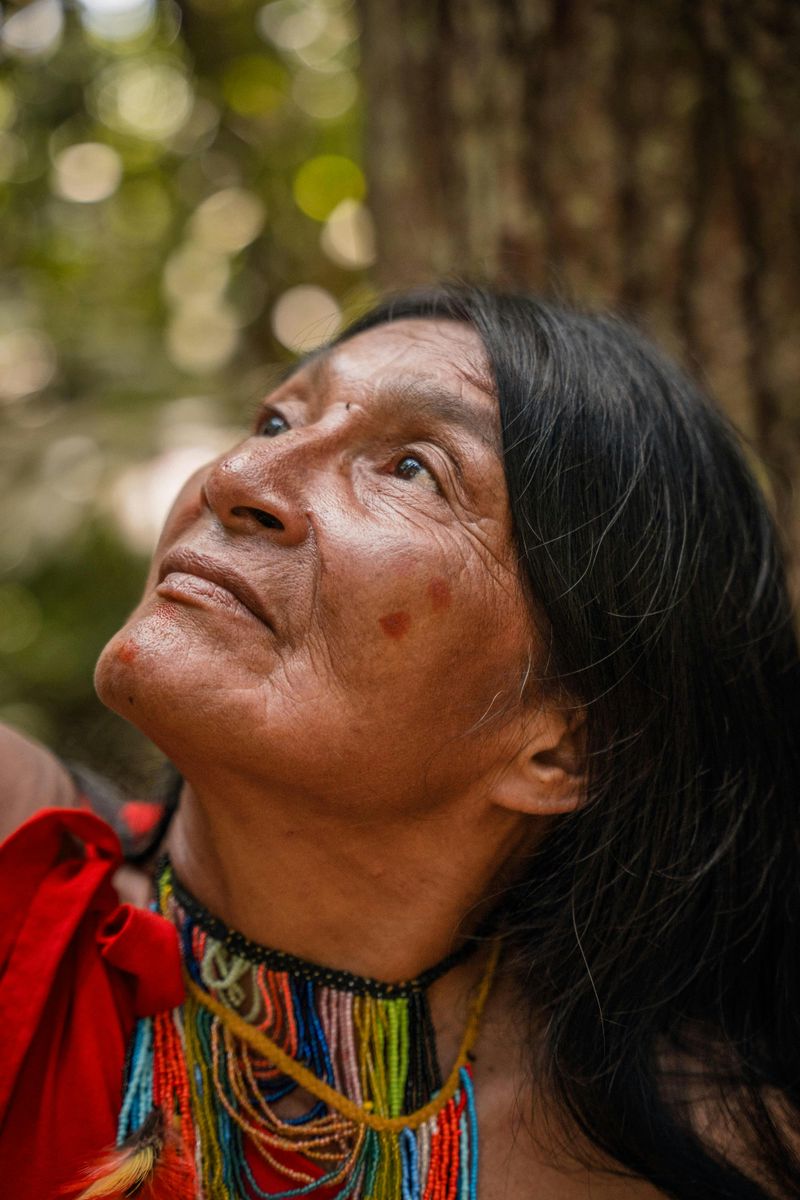
This is not a reconstructed village or a costumed interpretation. The Pamunkey community is real, present, and actively maintaining traditions that predate every European settlement on this continent.
Pottery is still made from river clay. Fish are still pulled from the same waters.
The culture breathes.
For travelers who want to understand Virginia’s full history, skipping this reservation means missing the oldest chapter entirely. The story of this land does not begin with English settlers.
It begins here, on this peninsula, with people who never left.
Adding the Pamunkey Indian Reservation to a Virginia road trip creates a richer, more honest, and more complete picture of the region. Combine it with a scenic drive through King William County, a stop at the museum, and time spent quietly along the river.
Let the place speak.
The reservation’s address is Virginia 23086. Go soon, go respectfully, and go with an open mind.
Few places in America will leave a deeper impression.
