Volcanoes are not the first thing that comes to mind when you think of Virginia. Mountains, yes.
Beaches, sure. But an actual volcano?
It sounds wrong. And yet, geologists will tell you that the East Coast’s last active volcano sits right here in Virginia, buried under what looks like a modest hill.
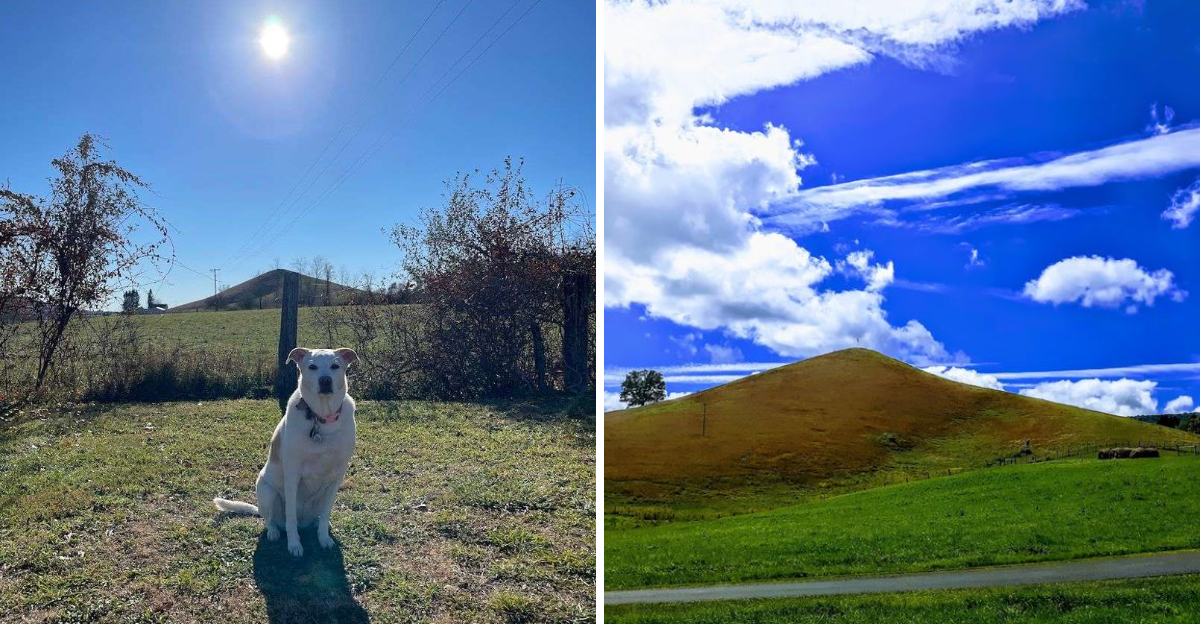
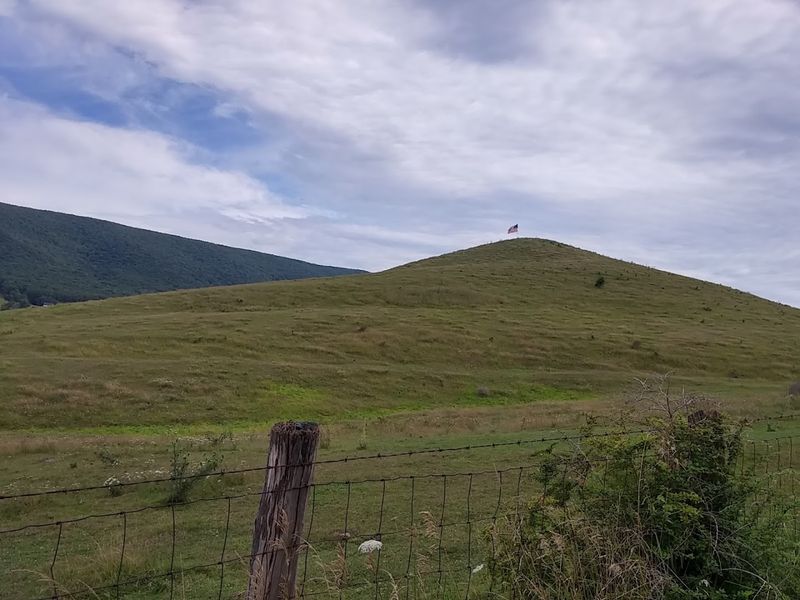
Trimble Knob does not look like much from the road. Just a bump on the landscape, easy to drive past without a second glance.
But underneath that unassuming surface is volcanic rock, evidence of a fiery past that most people have no idea about. Virginia keeps secrets in strange places.
This one has been hiding in plain sight for millions of years.
The Volcanic Origin Story That Will Blow Your Mind
Long before Virginia was wine country or Civil War territory, it was volcano country. Trimble Knob sits in Highland County as the solidified remnant of ancient volcanic activity that geologists classify as Eocene in age, meaning the fireworks happened tens of millions of years ago.
Radiometric dating of the basalt rock here points to formation roughly 35 million years ago, with some associated igneous rocks dating back even further. That makes this quiet Virginia hill one of the geologically youngest volcanic features anywhere along the East Coast of North America.
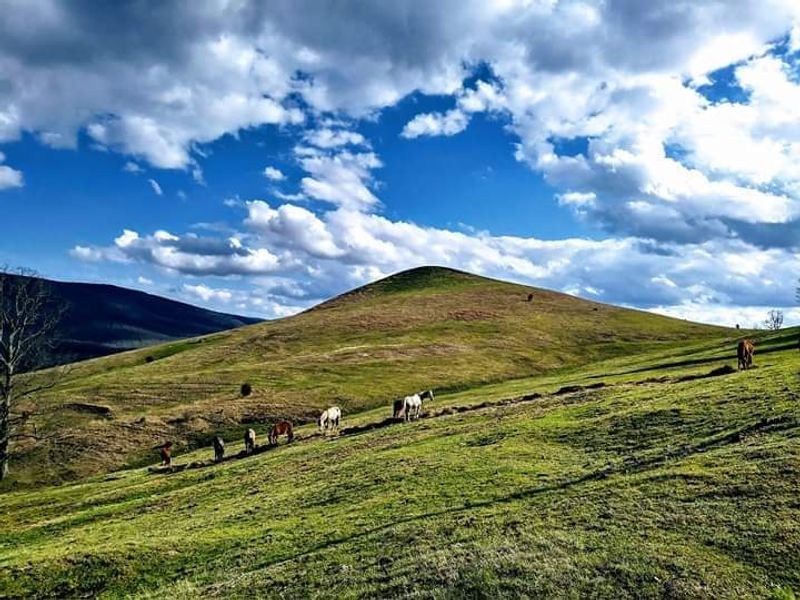
What you’re actually looking at when you see the knob is a volcanic plug or neck, which is essentially the hardened magma that once filled the throat of an ancient volcano. The softer sedimentary rock surrounding it eroded away over eons, leaving the harder volcanic core standing proud above the landscape.
My first reaction standing at its base was pure disbelief. Nothing about Highland County screams volcanic hotspot today, yet the evidence is right there, rising dramatically above the pastures and ridgelines of western Virginia.
A Hill That Tells Two Very Different Eruption Stories
Trimble Knob is not a one-trick pony when it comes to geological drama. Evidence collected from its rock formations suggests the volcano went through two completely distinct eruption phases, each with its own personality and intensity.
The first phase was explosive and violent, producing what geologists call a diatreme, a funnel-shaped volcanic structure blasted out by steam and gas-driven eruptions. This happened when rising magma collided with shallow groundwater, triggering hydrovolcanic activity that essentially turned the earth into a pressure cooker.
Then, almost as if the volcano wanted a second act, a calmer eruption followed. This quieter phase produced the beautiful columnar basalts that geologists find so fascinating at the site today.
Columnar basalt forms when lava cools slowly and contracts, cracking into geometric columns that look almost impossibly engineered.
Standing near those rock formations in Virginia and realizing you’re touching the frozen evidence of two separate ancient eruptions feels genuinely surreal. The knob is basically a geological autobiography written in stone, and every layer has a wildly different chapter to tell.
Why This Knob Stands Taller Than Everything Around It
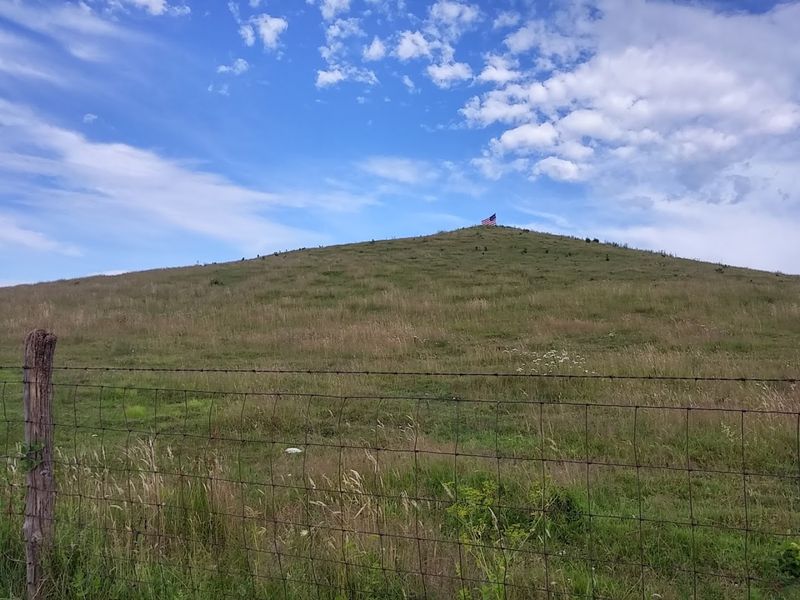
There is a satisfying logic to why Trimble Knob looks so dramatically different from the surrounding terrain. The answer comes down to a geological process called differential erosion, and it is one of nature’s most elegant tricks.
The surrounding hills and ridges in this part of Virginia are composed primarily of softer sedimentary rocks, things like limestone and shale that weather and erode relatively quickly over geological timescales. The volcanic basalt and volcaniclastic breccia that make up Trimble Knob, by contrast, are significantly harder and more resistant to weathering.
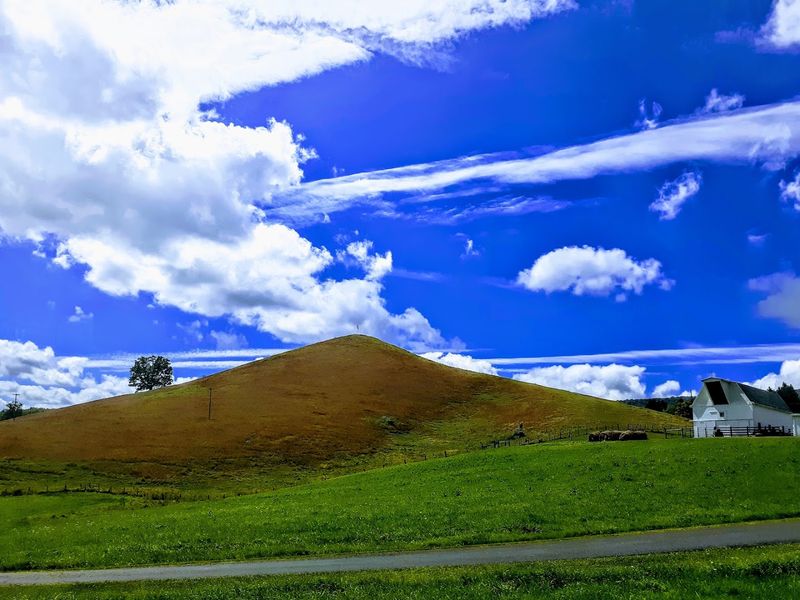
Over millions of years, rain, wind, and freeze-thaw cycles gradually wore away the softer rock around the ancient volcanic vent while the tougher volcanic core remained standing. The result is the striking conical hill you see today, rising to an elevation of 952 meters above sea level and dominating the local skyline.
I found myself marveling at how patient geology is. The landscape spent tens of millions of years sculpting this view, and the payoff is a perfectly shaped hill that looks almost too tidy to be natural.
Virginia has some gorgeous scenery, but this spot hits differently.
Getting There: Your Road Trip Through Highland County
Reaching Trimble Knob is half the adventure, and the drive itself is worth every mile. Highland County sits in the Allegheny Highlands of western Virginia, a region so sparsely populated that it often gets called Virginia’s Switzerland for its dramatic mountain scenery and pastoral valleys.
The knob sits along U.S. Route 220, southwest of Monterey, which serves as the county seat of Highland County.
Monterey itself is a charming small town that makes a perfect base for exploration, with the kind of unhurried pace that feels increasingly rare in modern life.
The drive along Route 220 through this part of Virginia is genuinely spectacular, especially during autumn when the hardwood forests ignite in shades of amber, crimson, and gold. Spring brings a fresh green softness to the hills that makes the volcanic cone look almost impossibly picturesque against the blooming landscape.
I took my time on the approach, pulling over more than once just to absorb the view. The knob becomes visible from the road well before you reach it, and that gradual reveal, watching it grow larger as you close the distance, builds a sense of anticipation that feels completely earned by the time you arrive.
Mole Hill and the East Coast Volcano Cousins
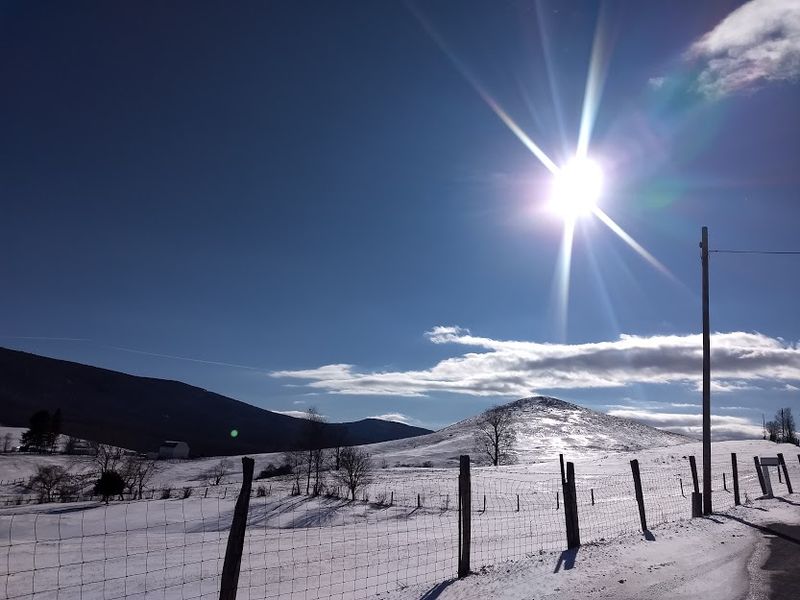
Trimble Knob is remarkable on its own terms, but it becomes even more fascinating when you realize it has a geological sibling not too far away. Mole Hill, located in Rockingham County, Virginia, is another extinct volcanic feature of similar age and formation type, and the two are often mentioned together in geological discussions about the East Coast.
Both Mole Hill and Trimble Knob are considered among the youngest known volcanic features along the entire Eastern Seaboard of North America. Geologists believe that numerous similar igneous intrusions exist throughout the broader region, suggesting that this part of the ancient North American continent experienced a period of volcanic activity that has largely been overshadowed by the more dramatic geological stories of the American West.
The existence of these features in Virginia challenges the common assumption that the East Coast is geologically boring or inactive. The reality is far more complex, with a deep and layered history of tectonic events, magmatic intrusions, and volcanic episodes stretching back hundreds of millions of years.
Learning about Mole Hill made my visit to Trimble Knob feel like the first stop on a broader volcanic road trip through the state. Virginia keeps surprising me every single time.
The Science of Hydrovolcanism at This Quiet Virginia Site
One of the most compelling scientific details about Trimble Knob is the role that water played in shaping its violent first eruption phase. Hydrovolcanism, the explosive interaction between rising magma and groundwater or surface water, is responsible for some of the most dramatic volcanic events in Earth’s history.
At this site in Virginia, geologists believe that magma rising through the crust encountered shallow groundwater, triggering a sudden and violent conversion of water to steam. That steam expansion drove an explosive eruption that blasted out the diatreme structure visible in the rock record today.
This type of eruption is sometimes called a phreatomagmatic eruption, and it produces a distinctive mix of fragmented volcanic material called volcaniclastic breccia. That breccia is part of what makes up the rock composition of Trimble Knob today, sitting alongside the columnar basalts produced during the calmer second eruption phase.
The idea that something as common as groundwater could turn a magma intrusion into an explosive volcanic event feels almost poetically chaotic. Nature has a way of finding drama in the most unexpected combinations, and this Virginia hillside is living proof of that geological creativity.
What It Feels Like to Stand on Ancient Magma
Visiting Trimble Knob is not a heavily developed tourist experience, and that is honestly a big part of its appeal. There are no crowds, no gift shops, no interpretive centers with flashy displays.
Just a remarkable conical hill rising above the Virginia countryside, quietly existing as one of the most geologically significant spots on the East Coast.
Getting close to the knob means getting close to actual volcanic rock formed tens of millions of years ago. The basalt and breccia that make up the hill are the literal remains of ancient magma, cooled and crystallized and then sculpted by eons of erosion into the shape you see today.
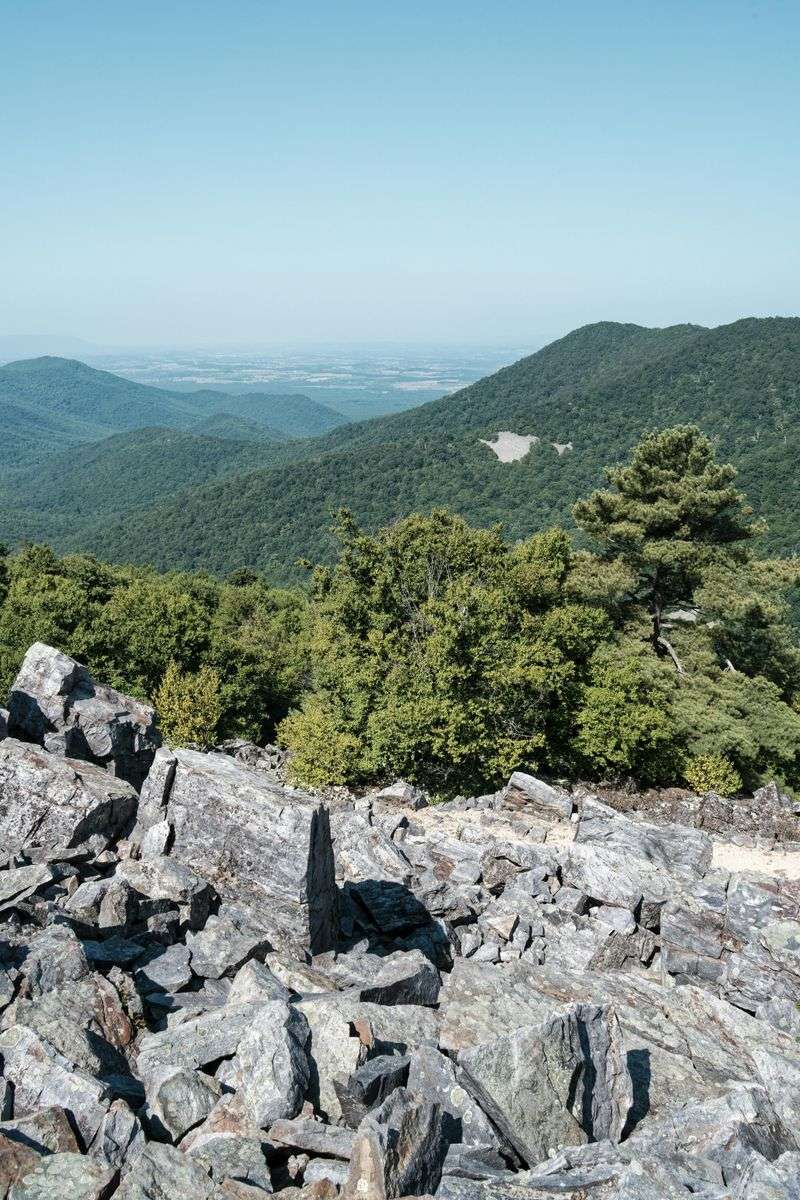
The wind picks up noticeably as you approach the higher elevations, which adds a raw and elemental quality to the experience. The views across Highland County from the upper slopes are expansive and genuinely moving, with ridge after ridge rolling toward the horizon in every direction.
I kept thinking about how many millions of years of planetary history were compressed into that one unassuming hill. Trimble Knob does not need a gift shop or a parking fee to be extraordinary.
The geology speaks loudly enough all on its own.
Highland County: Virginia’s Most Underrated Corner
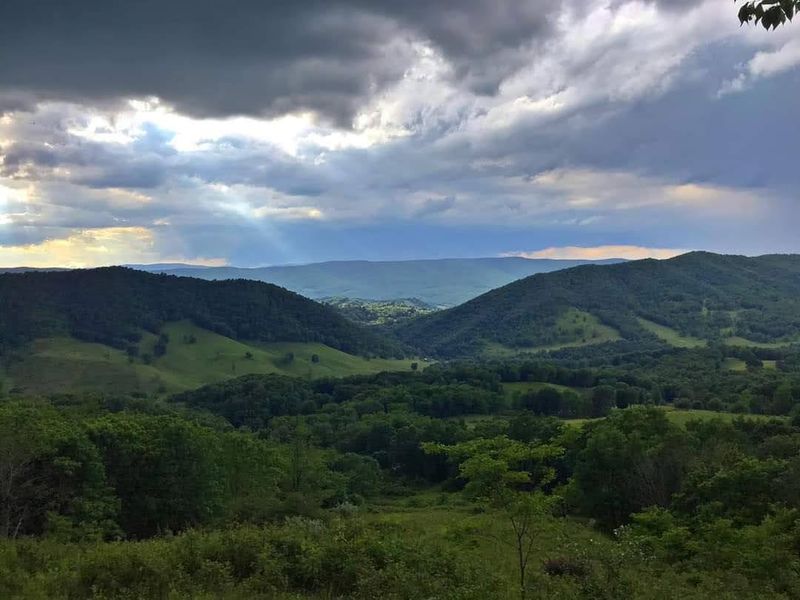
Highland County is the kind of place that makes you wonder why you ever bothered with crowded destinations. With one of the lowest population densities of any county east of the Mississippi River, this corner of Virginia offers a level of solitude and natural beauty that feels almost anachronistic in the modern world.
The county’s landscape is defined by the Allegheny Highlands, a series of ridges and valleys carved out over geological timescales by the same forces that left Trimble Knob standing proud above the surrounding terrain. Maple sugar season in late winter brings one of Virginia’s most beloved annual festivals to Monterey, drawing people from across the region to celebrate the county’s maple syrup heritage.
Beyond the volcanic geology, Highland County offers excellent opportunities for hiking, wildlife watching, and simply breathing air that feels genuinely clean and unhurried. The George Washington National Forest covers much of the surrounding landscape, adding vast swaths of protected wilderness to an already spectacular natural setting.
Every time I visit this part of Virginia, I leave wondering why more people have not discovered it yet. Highland County rewards the curious traveler with experiences that feel genuinely off the beaten path without requiring any sacrifice in scenic quality or natural wonder.
Geology Nerds and Curious Minds: This Spot Is for You
Trimble Knob occupies a genuinely special place in the geological literature of eastern North America. Academic papers and field guides devoted to Appalachian geology regularly reference this Highland County site as a key example of Eocene-age volcanism on the East Coast, and it has attracted the attention of researchers from universities across the region.
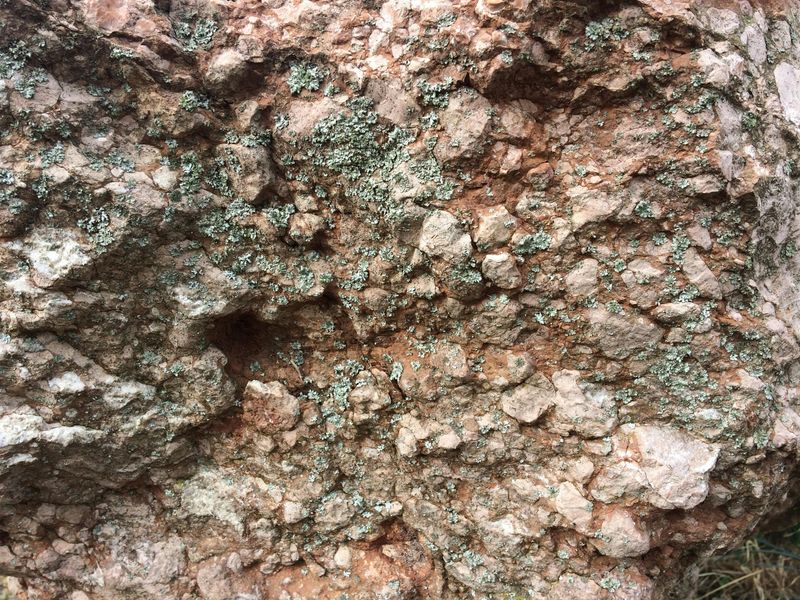
For amateur geology enthusiasts, the site offers a rare opportunity to observe actual volcanic rock in a region more commonly associated with sedimentary and metamorphic geology. The contrast between the dark, dense basalt of the knob and the lighter surrounding sedimentary layers is visible and striking, even to an untrained eye.
The broader context of the site, including its classification as a volcanic plug or neck, its diatreme structure, and its columnar basalt formations, gives geology-minded visitors a lot to think about and observe. Bringing a field guide to Appalachian geology along for the trip adds an extra layer of depth to the experience.
I am not a trained geologist, but spending time at Trimble Knob made me feel like one. There is something genuinely thrilling about reading the landscape directly, connecting visible rock formations to ancient planetary events that unfolded millions of years before humans existed anywhere on Earth.
Plan Your Visit: Trimble Knob Essentials
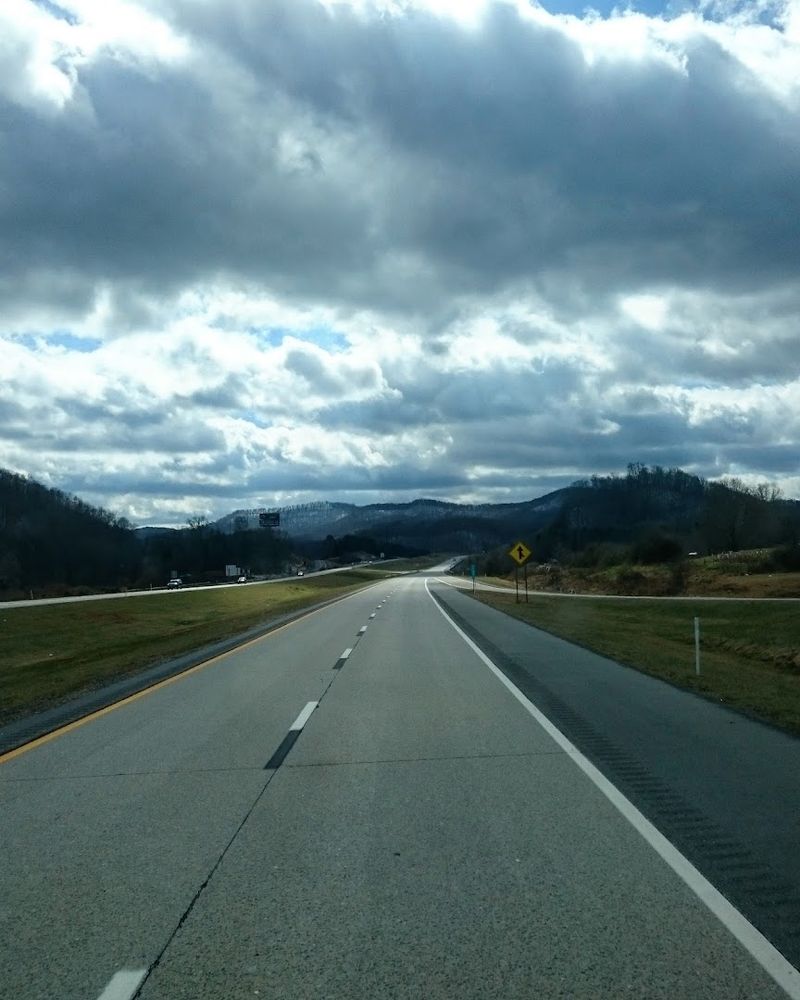
Planning a trip to Trimble Knob is refreshingly straightforward. The knob is located in Highland County, Virginia, accessible via U.S.
Route 220 southwest of Monterey. The address associated with the site is Virginia 24465, which covers the Monterey area and gives you a solid geographic anchor for navigation purposes.
The best seasons to visit are late spring through early autumn, when road conditions in this mountainous part of Virginia are most reliable and the surrounding landscape is at its most visually spectacular. Autumn is particularly stunning, with the hardwood forests putting on a color display that frames the volcanic cone beautifully.
There are no formal facilities at the knob itself, so come prepared with water, snacks, and appropriate footwear for uneven terrain. The wind can be brisk at elevation, so a light layer is worth packing even on warm days.
Monterey, the nearest town, offers basic amenities and a genuinely warm small-town atmosphere that makes the overall trip feel complete. After a morning at Trimble Knob, exploring Monterey’s local character is the perfect way to round out the day.
Pack your curiosity, leave your expectations at home, and let this extraordinary corner of Virginia absolutely astonish you.
