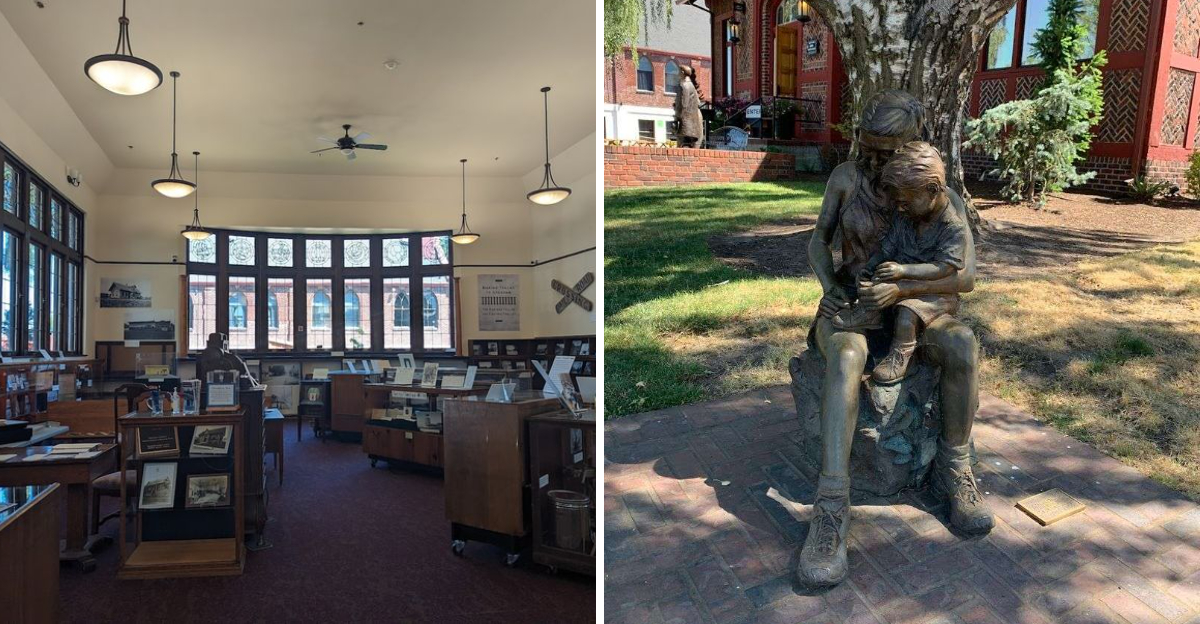
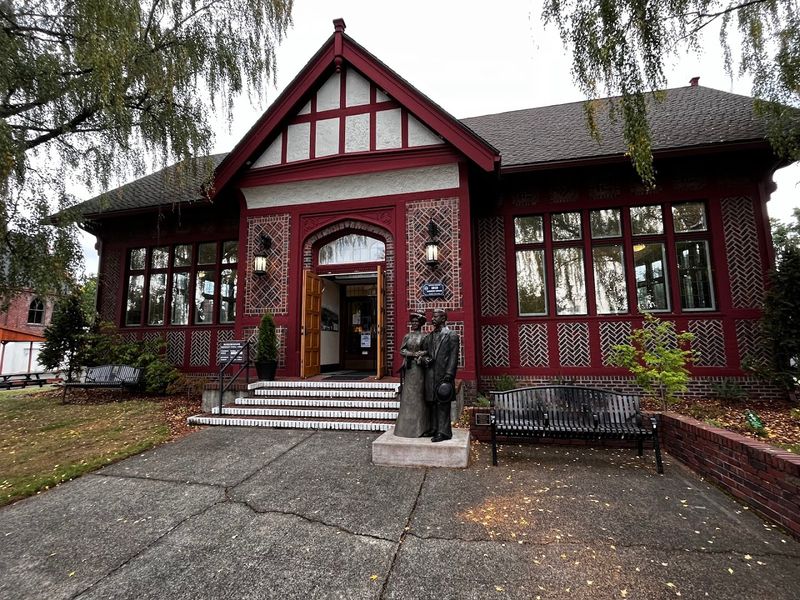
A library built in 1913 looks exactly like you hope it would, with dark wood, leaded glass windows, and a staircase that creaks in all the right places. This Oregon Tudor Revival building no longer loans out books, but it has found a second life as a museum of local history and pioneer culture instead.
You walk through the heavy front door and step into a time capsule filled with photographs, farming tools, and clothing from the people who settled this area long ago.
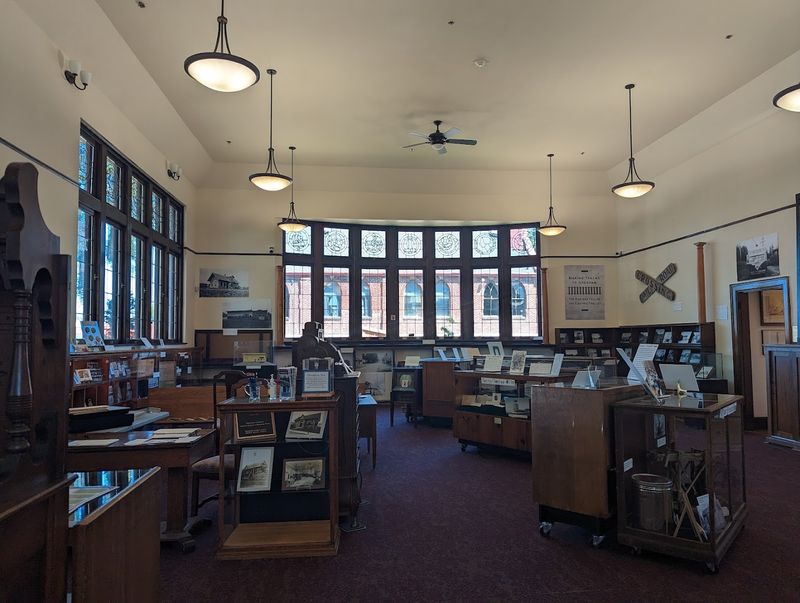
The old reading room now displays artifacts from the late 1800s, including a one room schoolhouse desk and a wedding dress worn by a pioneer bride.
Volunteers staff the front desk and love to tell stories about the families who donated these items over the years. You can spend an hour here and leave feeling like you actually understand how people lived a century ago.
Oregon has plenty of large history museums with polished exhibits, but this small library turned museum offers something more personal. The best part is the price, free with a suggested donation that you can decide for yourself.
Bring a curious mind and an appreciation for old buildings that refused to be torn down.
The 1913 Tudor Revival Building Itself
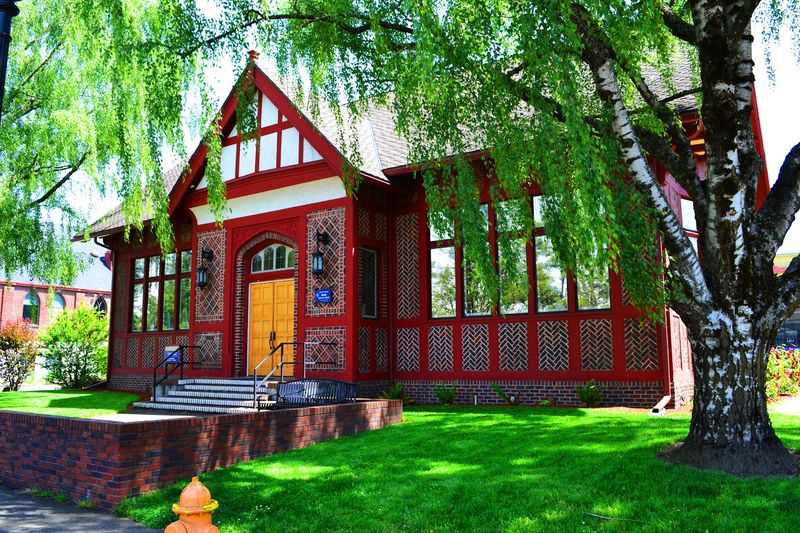
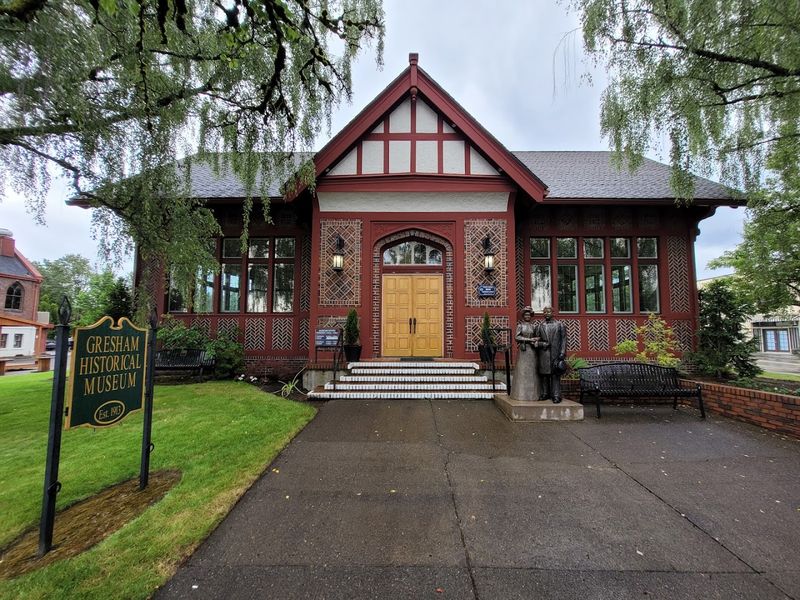
Standing outside the Gresham Historical Society, the first thing you notice is the building. It has that sturdy, handsome look of early twentieth-century craftsmanship.
The brick walls, arched windows, and Tudor Revival details make it feel like something out of a storybook.
Built in 1913 with funding from Andrew Carnegie, this library served Gresham residents for decades before becoming a museum. Carnegie libraries were a big deal.
He funded over 2,500 of them worldwide, and this one is among the most well-preserved in Oregon.
Today, the building sits on the National Register of Historic Places. That designation means it is protected for future generations to enjoy.
The structure alone is worth the trip, even before you step inside. I spent a good ten minutes just walking around the outside, admiring the details most people rush past.
Look up at the roofline and you will catch small architectural touches that show just how much care went into its original construction back in 1913.
Pioneer Culture and Early Settlement Exhibits
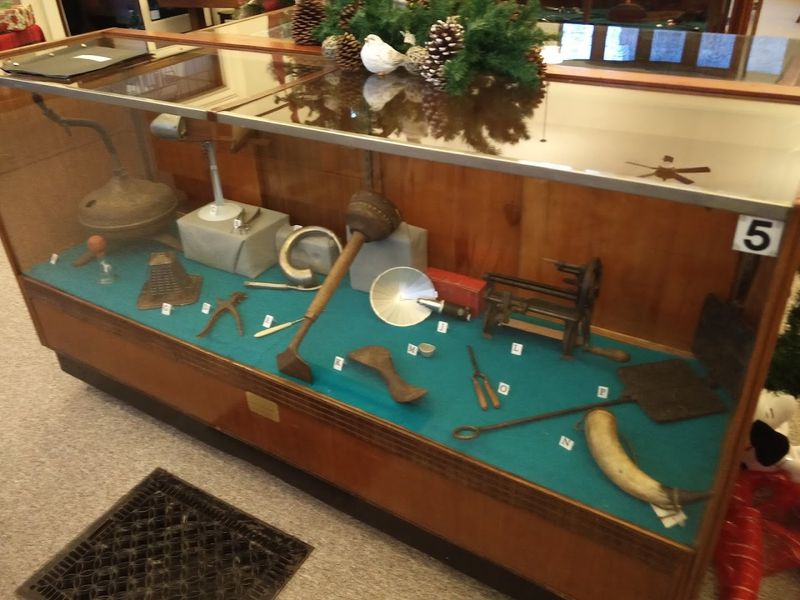
Walking into the pioneer exhibits feels like flipping through a very old family album. The displays cover the earliest days of Gresham’s settlement, showing how families carved out lives in the Pacific Northwest with very little to work with.
Old tools, household objects, and black-and-white photographs fill the cases. Each item has a story attached to it.
Some of the founding families are still remembered today through the street names they left behind, which is a quietly moving way to honor a legacy.
What makes these exhibits stand out is how personal they feel. This is not a grand national history museum with polished marble floors.
It is a community telling its own story, in its own words, through the objects people actually used. I found myself reading every single label, which almost never happens to me in a museum.
The pioneer section gives real weight to the idea that ordinary people built something extraordinary right here in the Willamette Valley.
Rotating Exhibits That Keep Things Fresh
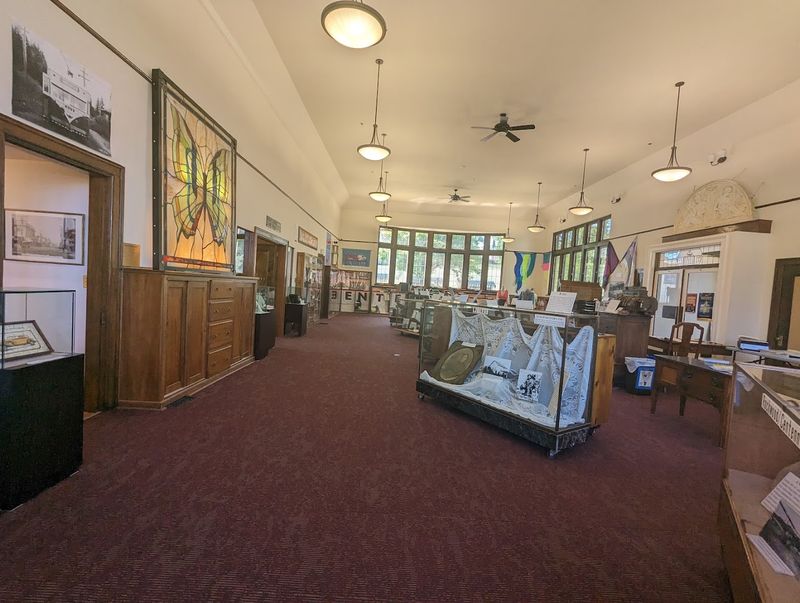
One of the smartest things the Gresham Historical Society does is rotate its exhibits regularly. You could visit three times in a year and see something completely different each time.
That keeps the experience feeling alive rather than static.
Past displays have covered topics ranging from the local railroad history to the high school’s nationally recognized marching band. The range is genuinely impressive for such a compact space.
It shows a real commitment to telling Gresham’s full story, not just the highlights.
Visitors who come back often mention that they always discover something new. The staff actively works to bring in fresh artifacts and photographs, sourced largely from the community itself.
That means the exhibits carry a kind of authenticity you rarely find in bigger institutions. I appreciated how nothing felt staged or overly polished.
Everything had a real, lived-in quality that made the history feel immediate and relevant, not locked away behind glass like something untouchable and distant.
The Small Research Library for Family History
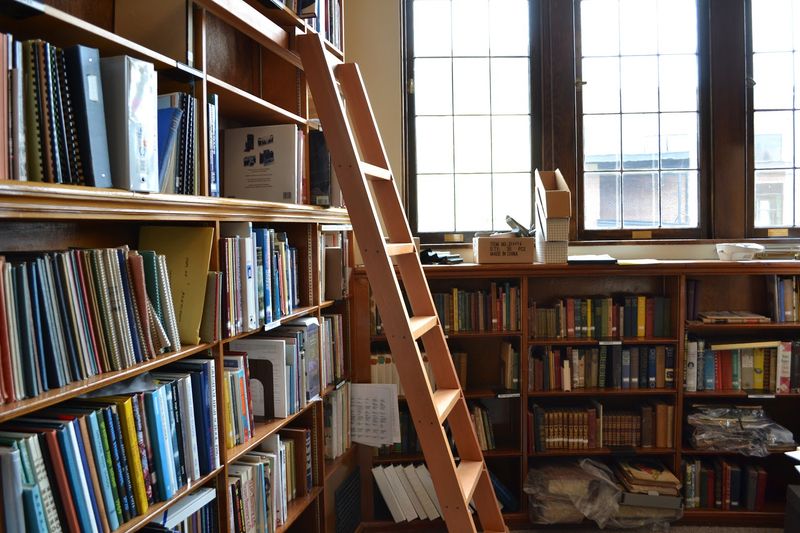
Tucked inside the museum is a small research library that does not get nearly enough attention. If you have roots in the Gresham area or just love digging into the past, this little room is a genuine treasure chest.
The collection includes local records, historical documents, maps, and reference materials that are hard to find anywhere else. It is a practical resource for genealogy research.
Some visitors come specifically to trace family lines connected to the early settlement of the region.
The staff is knowledgeable and genuinely enthusiastic about helping people find what they need. That kind of personal assistance makes a huge difference when you are working through old records.
I asked a simple question about early land ownership in the area, and the response was thorough, friendly, and led me down a fascinating rabbit hole I had not expected. Small research libraries like this one are becoming rarer every year, which makes this one feel all the more worth protecting and supporting.
Old Maps and the Stories Streets Tell
Old maps have a way of making history feel tangible. The Gresham Historical Society has some genuinely fascinating cartographic materials that show how the town grew and shifted over time.
Seeing the original street grid laid out in faded ink is oddly moving.
Many of Gresham’s streets carry the names of founding families, and the maps help you trace exactly who those people were and where they lived. It turns a simple drive through downtown into something much more layered and interesting.
One visitor noted how much they wanted even more biographical information on those founding families. That is a fair point, and honestly, it just shows how much curiosity a good exhibit can spark.
The maps on display are clearly labeled and easy to follow. You do not need to be a history buff to find them engaging.
Anyone who has ever wondered why a street has a certain name will find themselves genuinely absorbed by what these old documents reveal about a community’s origins.
Community Events and Public Programs
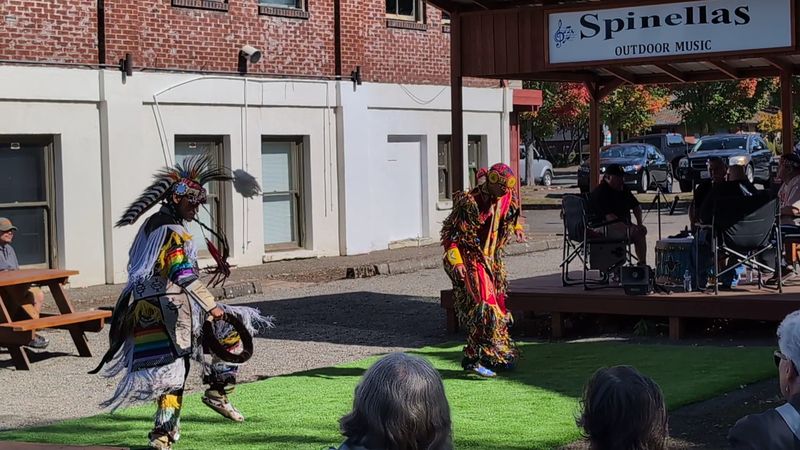
The Gresham Historical Society is not just a place to look at things behind glass. It is an active community hub that hosts talks, events, plant sales, and educational programs throughout the year.
That energy sets it apart from quieter, more passive museum experiences.
Public lectures are open to everyone and cover a wide range of local history topics. These events draw a mix of longtime residents, students, and curious newcomers.
There is something genuinely warm about sitting in a 1913 library building listening to someone talk about the neighborhood’s past.
The society also runs seasonal activities that bring families together in unexpected ways. A holiday exhibit, for example, has been a popular draw for families looking for a meaningful downtown outing.
Getting involved does not require any special interest in history. The events are designed to be accessible, low-key, and genuinely enjoyable for all ages.
Checking the calendar before your visit is a smart move so you do not miss something special happening that day.
The Scavenger Hunt Experience for All Ages
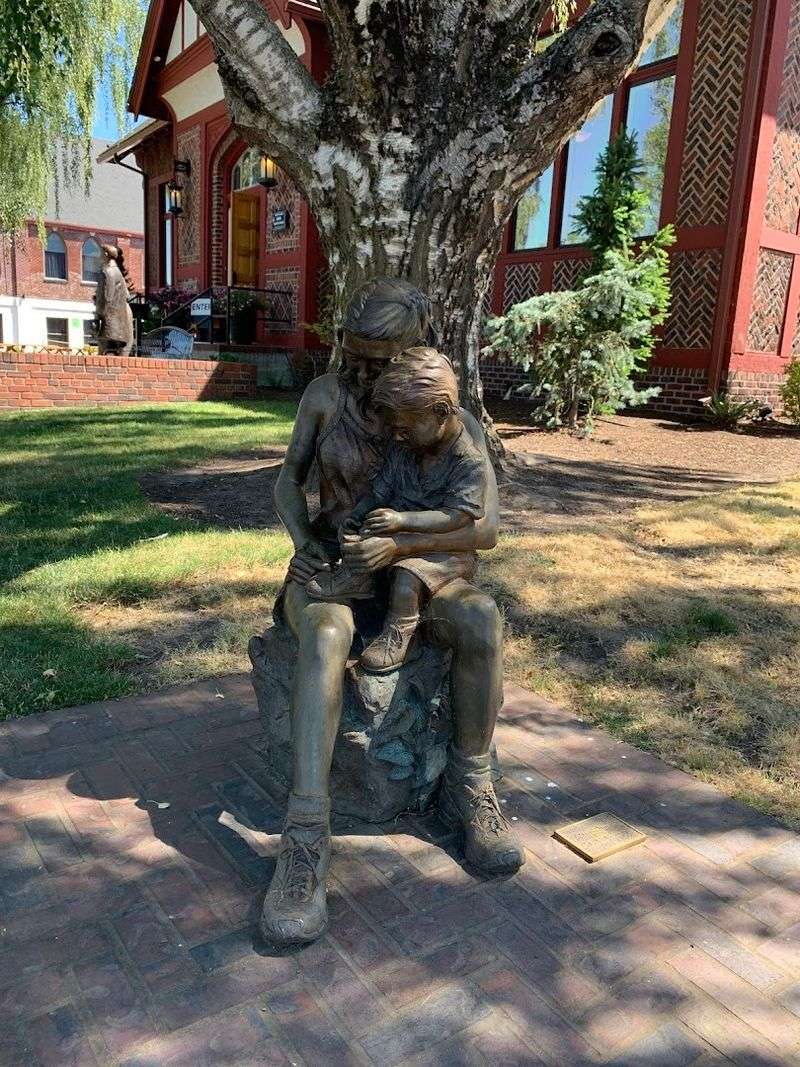
Not every museum visit has to be a quiet, reverent walk through the past. The Gresham Historical Society gets that, which is why they offer scavenger hunts in multiple difficulty levels.
There is one with pictures for younger kids, a medium level for older children, and a genuinely challenging version for adults.
Completing all three sheets in a single visit is absolutely doable and makes the whole experience feel like a game. You end up reading more carefully and noticing details you would have otherwise skimmed right past.
It is a clever way to deepen engagement without making it feel like homework.
Families with kids especially love this feature. It transforms a museum visit into something interactive and memorable rather than a passive walk-through.
I watched one family work through the hardest sheet together, debating answers and laughing when they got stumped. That kind of shared discovery is exactly what a community museum should be encouraging.
It sticks with you long after you leave the building.
Free Admission and the Donation Culture
Walking into a museum and paying nothing feels almost radical these days. The Gresham Historical Society operates on free admission, which removes every barrier to entry and makes history genuinely accessible to everyone in the community.
That said, the museum runs on limited funding. Donations are welcomed and clearly appreciated.
Many visitors leave something on their way out, not because they feel pressured, but because the experience genuinely earns it. That is a meaningful distinction.
Supporting a place like this matters more than most people realize. Small local museums depend on community generosity to keep their lights on, update their exhibits, and maintain aging historic buildings.
The society also accepts artifact donations from families who want to contribute to the collection. If you have old photographs, documents, or objects connected to Gresham’s history, this is exactly the kind of place that will treat them with real care.
A few dollars or a family heirloom can help keep this story alive for the next generation of curious visitors.
The Friendly and Knowledgeable Volunteer Staff
A museum is only as good as the people inside it. At the Gresham Historical Society, the volunteer staff is consistently described as warm, welcoming, and genuinely passionate about what they do.
That passion is contagious.
Ask any staff member a question and you are likely to get a real answer, not a rehearsed script. They know the collection deeply because many of them helped build it.
Some volunteers have personal connections to the families and events represented in the exhibits, which adds a layer of authenticity that no printed label can replicate.
Service dogs are welcomed with open arms here, which says a lot about the kind of environment the staff works to create. Accessibility and inclusion are clearly values the team takes seriously.
Visiting a place where people are genuinely glad you showed up makes the whole experience feel different. It shifts the mood from obligation to discovery.
That shift matters a lot, especially for first-time visitors who might not think of themselves as history people just yet.
Downtown Gresham and What Surrounds the Museum
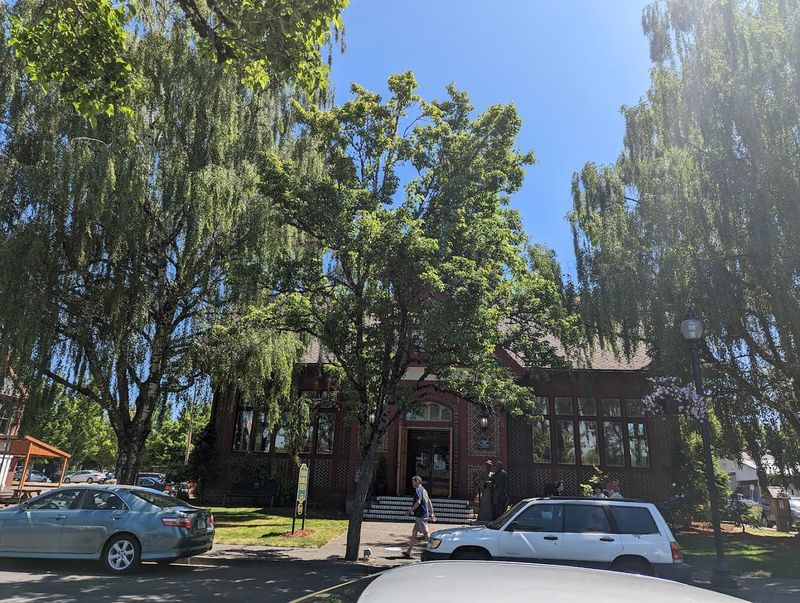
The museum does not exist in a vacuum. It sits right in the middle of downtown Gresham, which has its own quiet, walkable charm worth exploring before or after your visit.
Main Avenue has a good mix of small businesses, cafes, and local character.
Gresham City Park is nearby, and the area has a relaxed, unhurried pace that makes it easy to spend a full afternoon without a rigid plan. Parking is available behind the museum building, which makes logistics simple even if you are visiting for the first time.
The neighborhood itself feels like a living extension of what the museum is trying to preserve. Old storefronts, familiar street names, and the occasional vintage building remind you that history is not just something behind glass.
It is still happening all around you. Taking a slow walk through downtown after your museum visit helps everything you just learned click into place in a satisfying, grounded way.
The address is 410 N Main Ave, Gresham, OR 97030.
