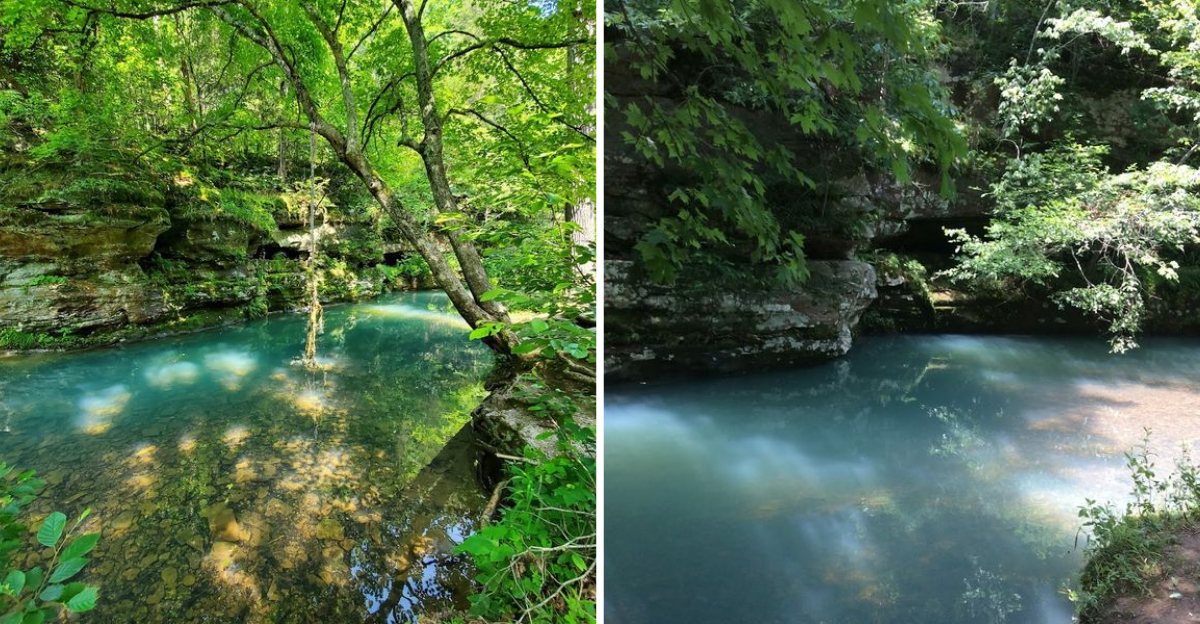
A secret the land has been keeping for centuries in the hills of southern Illinois. The water runs so clear over the rocky streambed that you can count the pebbles at the bottom from ten feet away.
I remember the first time I caught a glimpse of the creek through the tree line and genuinely stopped walking just to take it in. People have been coming here to cool off, wade, and swim since long before the Civil War, which tells you everything you need to know about how special this place really is.
Native Americans sheltered under the sandstone overhangs, early settlers built a mill nearby, and generations of families have splashed in these same spring fed pools. This national landmark is the kind of place that earns its reputation one visit at a time.
A History That Runs Deeper Than the Creek
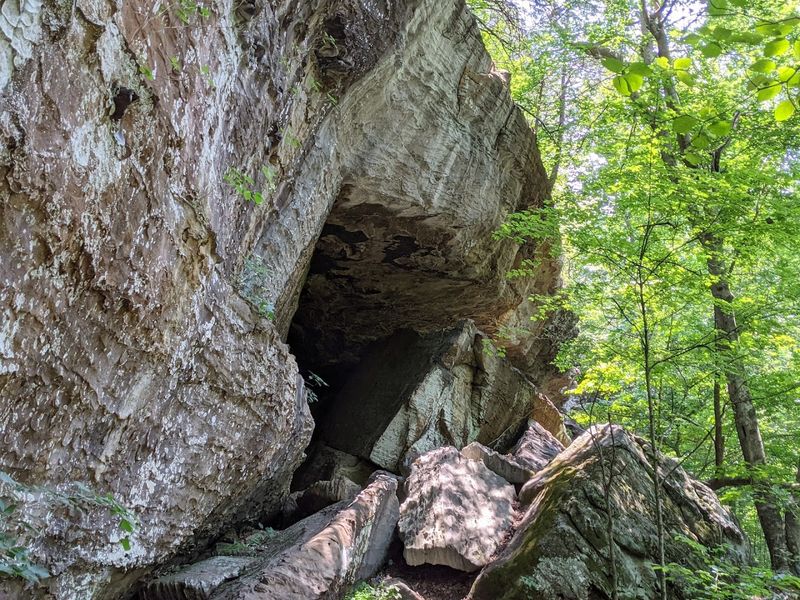
Long before anyone drew a map of southern Illinois, people were already finding their way to Bell Smith Springs. Native Americans used the cliff overhangs as natural shelters, drawn by the reliable springs that bubbled up from the sandstone.
Those same springs made this spot a magnet for early pioneer settlers, who eventually built a gristmill along what is now the Mill Branch Trail.
The gristmill is gone, but the trail still winds through the same shaded hollows where families once hauled grain and stopped to splash water on their faces in the summer heat. One of the most striking things about this place is how the land holds that history quietly.
There are no loud signs or dramatic monuments, just the same cool water flowing over the same mossy rocks it always has.
Historical accounts describe visitors wading the pools and soaking their feet in the shady canyon for generations, with some recalling their own mothers making the same trip before they were born. That kind of layered, living history is rare.
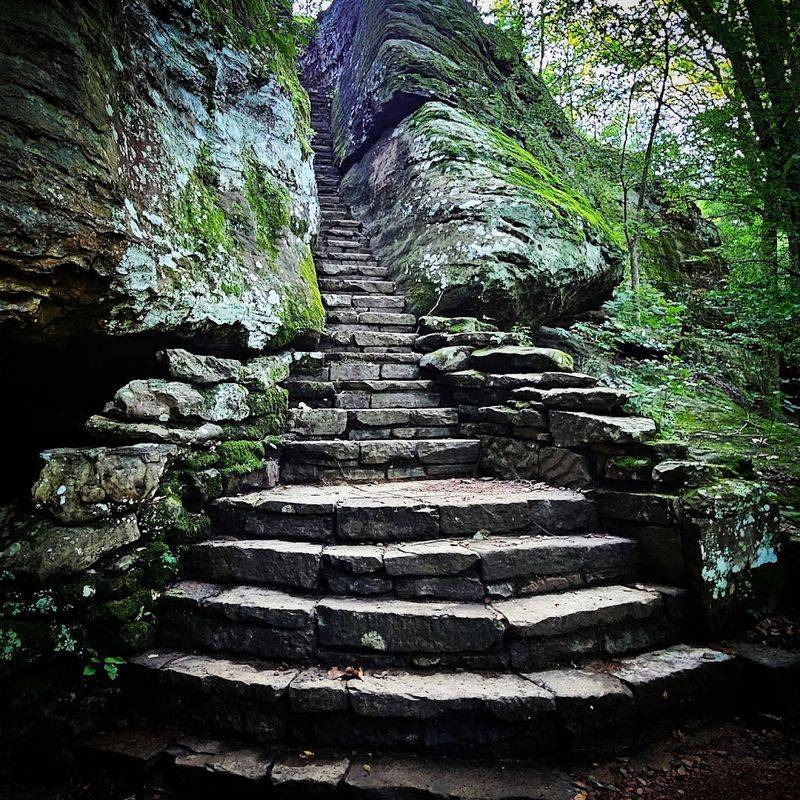
The Civilian Conservation Corps added stone steps into the canyon during the 1930s, making the area more accessible without taking away its wild character. Today, Bell Smith Springs sits within the Shawnee National Forest and carries the title of National Natural Landmark, a recognition that feels both well-deserved and long overdue.
The past here is not behind you. It is right under your feet.
Bay Creek and the Swimming Holes Everyone Talks About
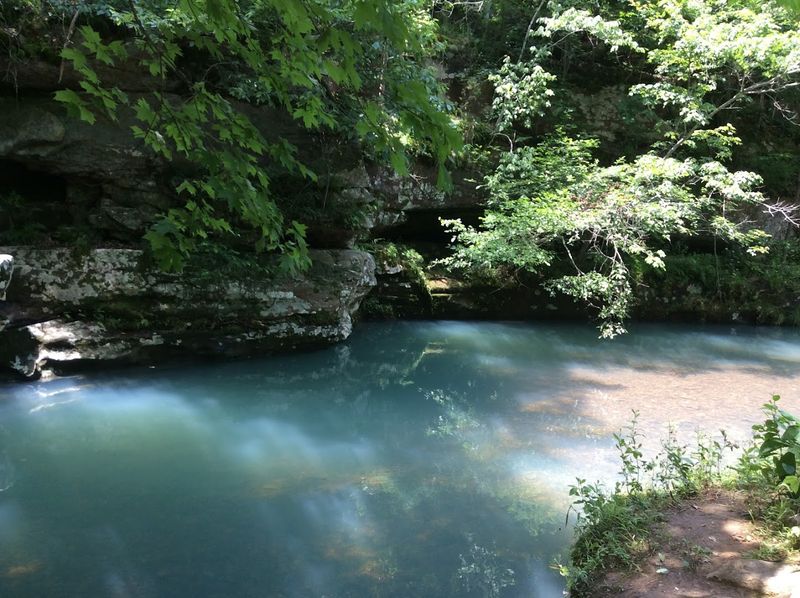
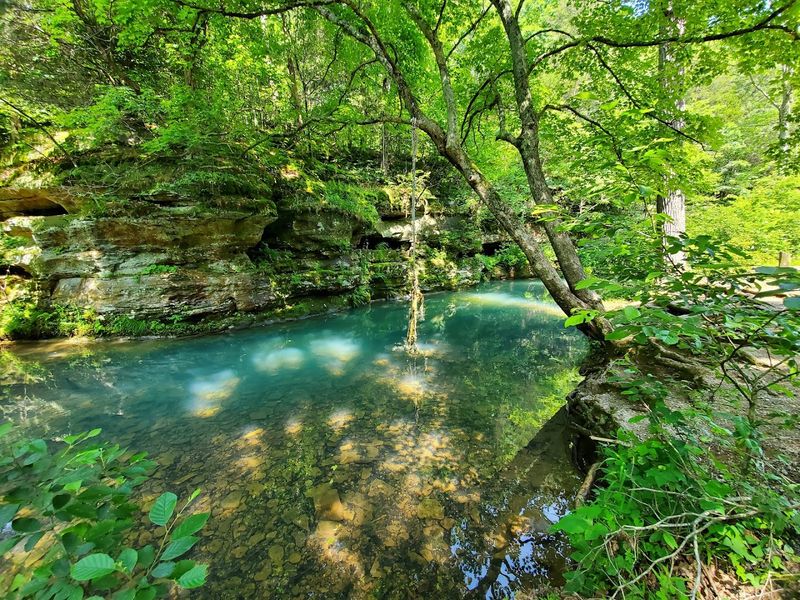
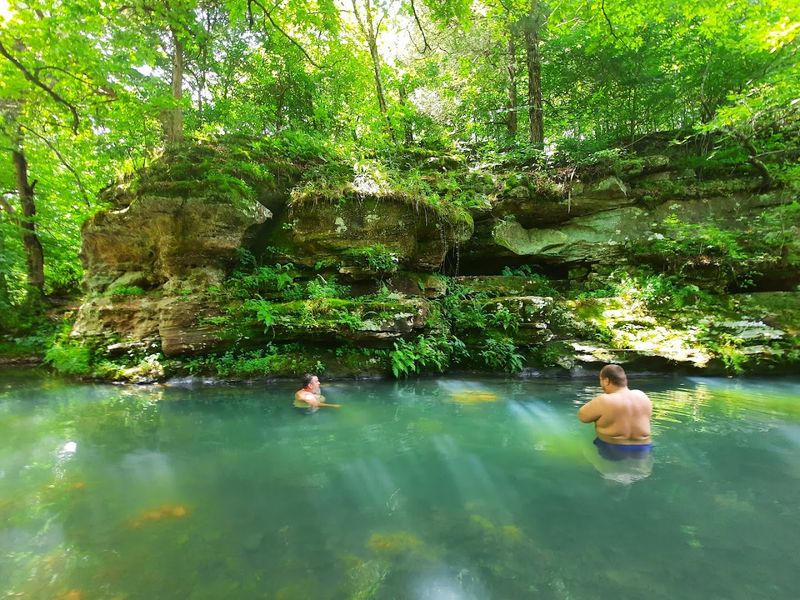
There is something almost unreal about the color of the water at Bay Creek. It shifts between a pale aquamarine and a deep blue-green depending on the light, and on a sunny afternoon it practically glows.
Kids were jumping off a flat rock ledge into the deeper pool when I visited, and the sound of their laughter bounced off the canyon walls in a way that felt timeless.
The main swimming area is about a ten-minute walk downhill from the parking lot, which means the uphill return trip is something to mentally prepare for. It is worth every step.
The creek bottom is visible in most spots, which makes it reassuring for parents watching younger children wade along the shallower edges. For the more adventurous, there is a rock ledge above the swimming hole that serves as a jumping spot, and yes, it looks higher once you are standing on it.
Bay Creek and its tributaries are fed by natural springs, so the water stays remarkably clean and cool even during the hottest summer months. The canyon walls on either side are high sandstone bluffs draped in ferns and mosses, which keeps the swimming area shaded for much of the day.
It is the kind of spot that earns repeat visits, and many families make it an annual tradition. After all, people have been refreshing themselves in this exact stretch of water since before the Civil War, and the appeal has not dimmed one bit.
Trails That Surprise You Around Every Bend
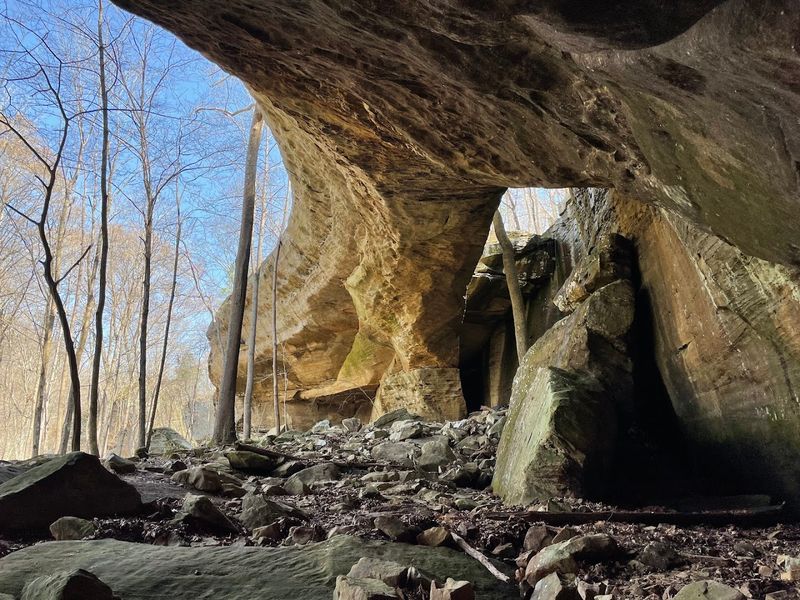
The trail system at Bell Smith Springs covers over eight miles of interconnected paths, and no two stretches feel quite the same. One moment you are picking your way across flat creek stones, the next you are climbing a narrow ledge with a sandstone wall on one side and a dramatic drop on the other.
The variety keeps things interesting in a way that a well-paved nature walk simply cannot.
Color-coded trails in blue, yellow, and green connect the main features of the area, though some visitors have noted that the signage can be inconsistent. Taking a photo of the trailhead map before heading out is genuinely good advice.
The trails range from manageable to genuinely challenging, with some steep sections that demand sure footing and a reasonable level of fitness.
What makes the hiking here feel different from other spots in the region is the density of things worth stopping for. Around one corner you might find a hidden spring trickling down a moss-covered wall.
Around the next, a massive boulder field opens up unexpectedly. The trail leading toward the natural rock bridge and Devil’s Backbone offers some of the most dramatic scenery in all of southern Illinois.
Boulder Falls is another highlight that rewards the extra effort it takes to reach it. Dogs are welcome on the trails and seem to love every muddy crossing.
Families with kids who are comfortable on uneven terrain will find the experience genuinely exciting rather than just scenic.
Geological Wonders Carved by Time
Geology does not usually feel personal, but at Bell Smith Springs it does. The sandstone cliffs, arches, and canyon walls here were shaped over millions of years by water slowly cutting through rock, and the results are genuinely jaw-dropping.
Devil’s Backbone is a narrow sandstone ridge that juts out above the creek like the spine of something enormous buried just below the surface.
The natural rock bridge is another standout feature that catches people off guard. Several visitors have walked past it twice before realizing what they were looking at, which says less about their attention span and more about how organically it blends into the surrounding landscape.
Boulder Falls, a cascade formed where the creek drops over a series of stacked sandstone ledges, is especially impressive after a good rain when the water volume picks up.
The CCC-built stone steps that descend into the canyon are themselves a kind of historical artifact, worn smooth by decades of boot traffic and still holding up remarkably well. The sandstone bluffs on either side of the creek rise high enough to create a genuine sense of enclosure, like the canyon is holding you inside it for a moment.
The rock formations extend well beyond what most visitors see on a single trip. Some hikers have reported finding additional trails leading to outlying sites that appear to have been used long ago.
This is a place where the ground itself tells a story, if you take the time to look closely enough.
What to Know Before You Head Out
Bell Smith Springs is free to visit, which makes it one of the best deals in the Midwest for a full day of outdoor adventure. The last stretch of road leading into the area has some noticeable potholes, so a vehicle with decent clearance is a practical advantage.
There is no large parking area suitable for RVs or trailers, and the lot fills up quickly on summer weekends, so arriving earlier in the day is a smart move.
Bathrooms and trash bins are available at the parking area, which is a welcome convenience. That said, litter has been an ongoing issue along some of the trails and near the swimming area, which is genuinely disappointing given how beautiful the place is.
Pack out everything you bring in, and if you spot trash near the trail, picking it up makes a real difference for the next visitor.
Water shoes or sandals with good grip are highly recommended for the creek crossings and swimming areas. The rocks can be slippery, and bare feet on wet sandstone is a recipe for an unexpected tumble.
Sunscreen, plenty of water, and a snack for the uphill return are also worth packing. The trails are not heavily maintained, so sturdy footwear matters even on the easier sections.
Cell service in this part of Johnson County is unreliable, so downloading an offline map before you leave home is a genuinely useful habit. Redbud Campground is located nearby for anyone who wants to extend the trip into an overnight stay.
Why This Place Keeps Calling People Back
There are places you visit once, appreciate, and move on from. Bell Smith Springs is not one of them.
People return here year after year, sometimes bringing the same kids who have now grown into teenagers, sometimes coming back alone just to sit quietly by the water for a while. The place has a way of resetting something in you that is hard to name but easy to feel.
Part of the draw is the sheer range of what the area offers. Swimmers get their crystal-clear pools.
Hikers get miles of varied terrain with genuine geological payoffs. Photographers get canyon light, sandstone textures, and a water color that looks almost too saturated to be real.
Families with curious kids get a living classroom where history, nature, and adventure overlap at every turn.
The fact that humans have been drawn to this exact spot for centuries, from Native Americans seeking shelter and fresh water to Civil War-era settlers cooling off after a hard day, adds a layer of meaning that most outdoor destinations simply cannot offer. You are not just visiting a pretty creek.
You are stepping into a continuum of human experience that stretches back further than recorded local history. That is a rare and genuinely moving thing to be part of.
Bell Smith Springs rewards everyone who makes the trip, and it tends to leave a mark that lasts well beyond the drive home.
Address: Bell Smith Springs Rd, Ozark, IL 62972
