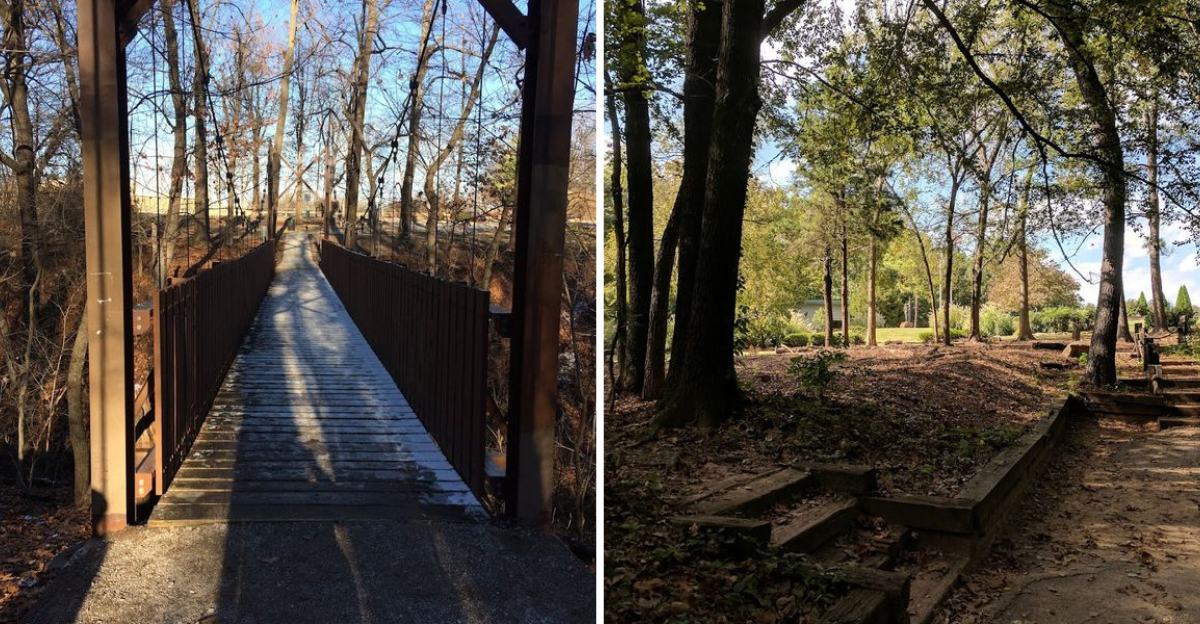
Behind a school and a quiet neighborhood in Oklahoma, a nature park feels like a secret the whole town has been keeping. The moment you step past the entrance, the suburban sprawl simply vanishes, replaced by tall trees, rustling leaves, and the faint sound of water somewhere deeper in the woods. I had no idea a woodland like this even existed inside city limits until a friend mentioned it almost offhandedly.
The springs here have been flowing since before Oklahoma was even a state, and a full suspension bridge is waiting somewhere among the trails. History is soaked into this ground. This is the kind of place that rewards curiosity.
A 40-Acre Woodland Hidden in Plain Sight
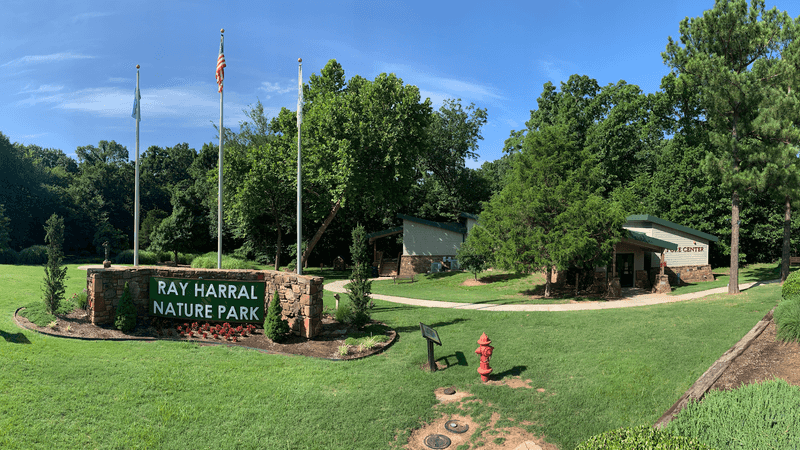
Most people drive past Ray Harral Nature Park without a second glance. It is tucked so neatly behind schools and residential streets that it barely registers as anything more than a green blur from the road.
But step inside, and the whole world shifts.
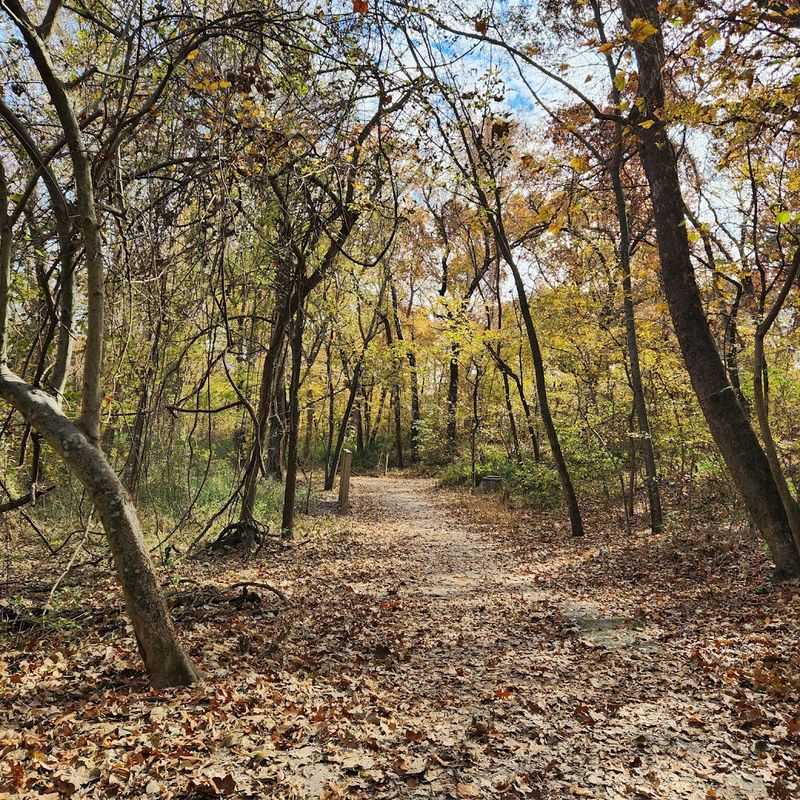
The park covers 40 acres of genuine Oklahoma woodland, and that is more impressive than it sounds when you realize you are in the middle of a city. Trees close in around the trails quickly.
The sounds of traffic fade almost immediately, replaced by birdsong and the occasional rustle of squirrels chasing each other through the brush.
Visitors often mention that the park feels remote even though it is completely surrounded by the suburbs. That contrast is part of what makes it special.
You are never more than a few minutes from your car, but it genuinely feels like you have gone somewhere far away.
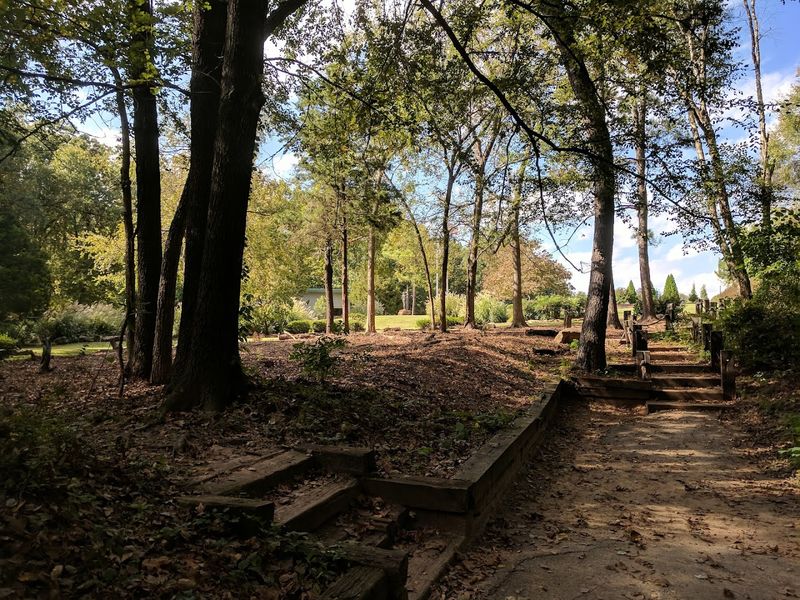
The trails are color-coded and well-marked, which makes navigating easy for first-timers. Some paths are paved and stroller-friendly, while others get steeper and more rugged deeper into the woods.
There is enough variety here to satisfy casual walkers and more serious hikers alike, all within the same 40-acre footprint.
The 115-Year-Old Spring System Beneath the Trees
Long before Broken Arrow had paved roads or a city water system, this land was already giving something essential to the people who lived here. The springs at Ray Harral have been in use since before Oklahoma achieved statehood in 1907, recognized by the Muscogee people as Vcenv Hvcce, which translates to Cedar Spring in their language.
In 1911, the town of Broken Arrow made it official, designating the spring system as its primary water source. Spring houses were built directly over the water that same year, and remnants of those original stone structures can still be found along the Black Trail today.
That is over a century of history sitting quietly in the woods, waiting for someone to notice.
There is something genuinely moving about standing near those old spring house ruins. The water still moves through the ground beneath your feet, just as it did when this place sustained an entire community.
It is not a museum exhibit behind glass. It is real, tactile, and completely open to the sky.
Finding the spring area feels like a small reward for exploring a little deeper into the trail system. Keep an eye out along the Black Trail, and take a moment to appreciate just how long this spot has been part of the local story.
The Suspension Bridge That Surprises Everyone
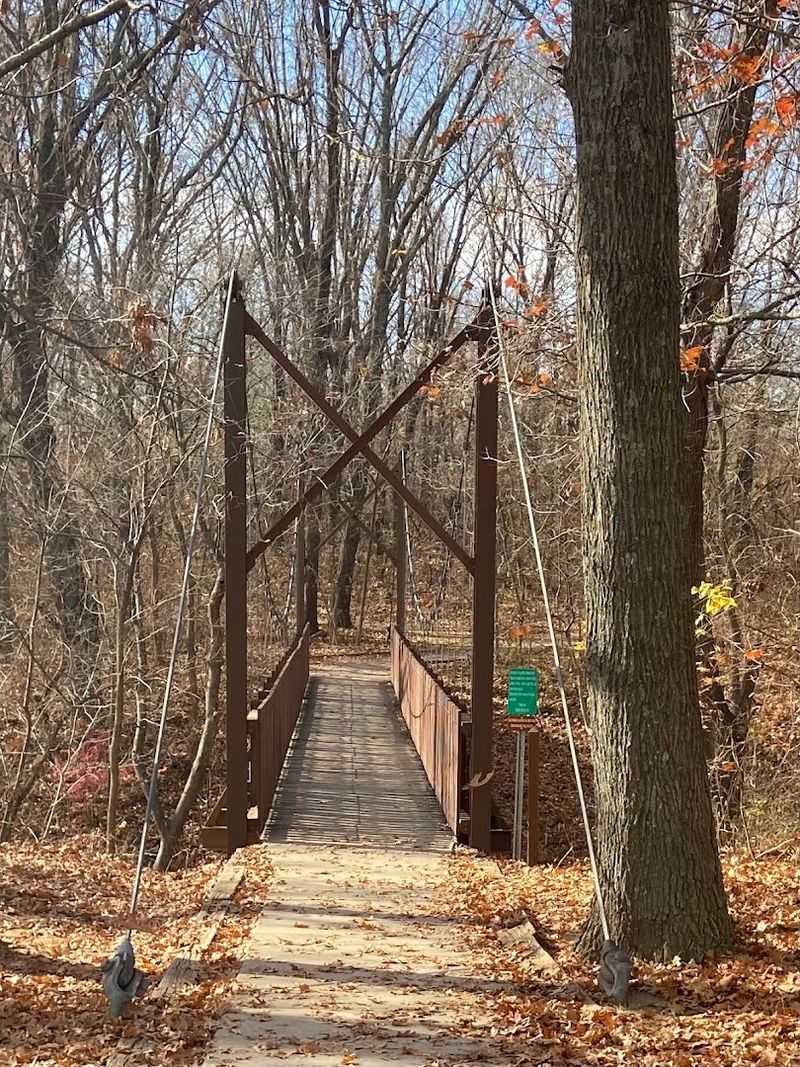
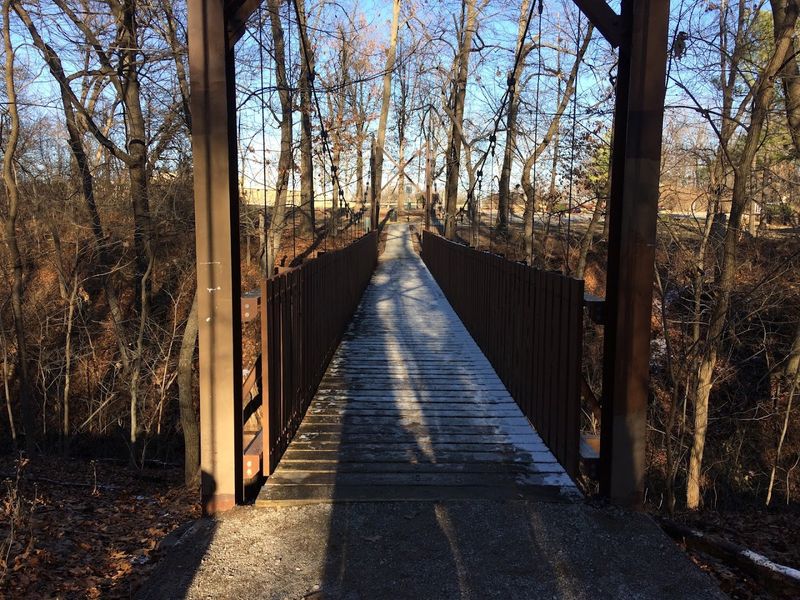
Nobody really expects to find a suspension bridge in a suburban nature park, and that is exactly what makes this one so fun. Stretching over 90 feet long and rising more than 30 feet above the ground below, the bridge at Ray Harral is a genuine highlight that catches visitors completely off guard.
The first time I crossed it, there was a noticeable sway underfoot, just enough to remind you that you are suspended above a wooded ravine rather than walking on solid ground. From the middle of the bridge, the view opens up in a way the ground-level trails simply cannot offer.
You get a rare bird’s-eye perspective of the tree canopy, and on a clear day, the light filtering through the leaves is worth every step of the hike to get there.
Kids absolutely love it, and honestly, so do adults who are willing to admit it. The bridge has become one of those must-do moments that visitors mention first when describing the park to friends.
It is the kind of feature that turns a pleasant walk into a genuine adventure.
The bridge is accessible from the main trail system, though the path leading to it involves some elevation gain. Wear comfortable shoes with good grip, and you will have no trouble reaching it.
Three Miles of Color-Coded Trails for Every Pace
Ray Harral packs three miles of trails into its 40 acres, which is more than it sounds once you realize how cleverly the paths wind and loop through the terrain. Each trail is color-coded, making it easy to plan a route based on how much time or energy you have that day.
The easier, flatter sections are paved and genuinely stroller-friendly, which is a detail that means a lot to parents with young kids. Other sections get progressively steeper, with some noticeable elevation changes that give your legs a real workout.
One reviewer described the hills as solid for mini hill runs, which feels accurate for anyone who has jogged the outer loops.
Wildlife sightings are a regular part of any trail visit here. Deer have been spotted moving quietly through the trees, and in warmer months, little frogs, toads, and lizards seem to appear around every other bend.
Squirrels are practically constant companions on any given walk.
The park is also dog-friendly, so expect to share the trails with plenty of leashed pets and their owners. Waste bags and disposal stations are provided throughout the park, which keeps things clean and considerate for everyone.
Parking is limited, so arriving earlier in the day on open hours tends to make the whole experience smoother.
The Nature Center Full of Creatures and Curiosity
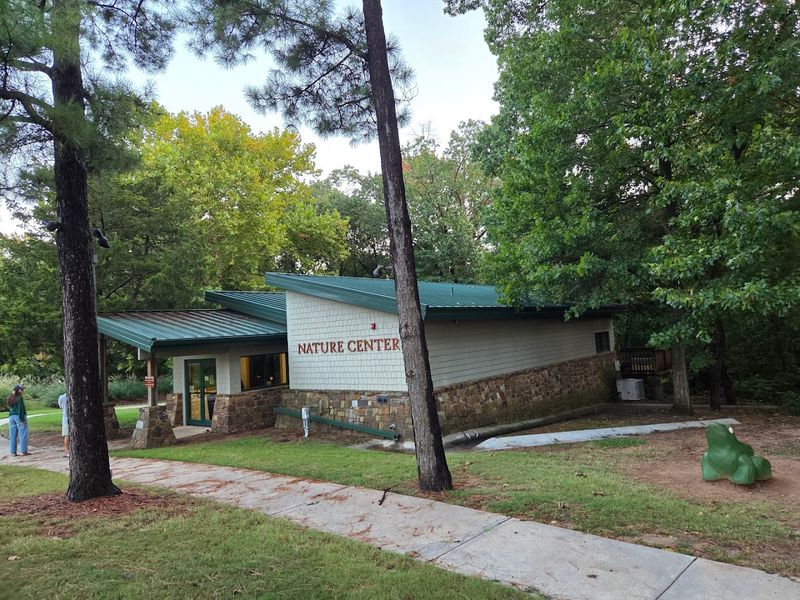
The nature center building at Ray Harral looks modest from the outside, but do not let the size fool you. Inside, there are displays covering local wildlife, animal skins, skeletons, sensory-friendly exhibits, and enough hands-on learning material to keep curious kids occupied for a solid stretch of time.
Staff members are genuinely friendly and knowledgeable. One visitor mentioned chatting with an employee about the on-site beehive, which turned into a surprisingly fascinating conversation about local pollinator habits.
That kind of casual, unhurried interaction is exactly what makes small nature centers worth visiting.
The center also hosts events throughout the year, including night hikes where groups listen for owls and other nocturnal creatures. Full Moon trail walks have been offered as well, which sounds like an unforgettable way to experience the park after dark.
These programs make the nature center feel alive rather than just informational.
Hours can be a bit unpredictable, so checking ahead before your visit is worth the extra step. The center is open Wednesday through Saturday from 10 AM to 7 PM, and Sundays through Tuesdays it stays closed.
Arriving when it is open adds a whole extra layer to the park experience that pure trail walking alone cannot quite replicate.
Muscogee Heritage and the Deeper History of Cedar Spring
Before this land became a public park, before the town of Broken Arrow even existed, the Muscogee people knew this spring by name. Vcenv Hvcce, Cedar Spring, was a recognized and utilized water source that held real significance long before 1909.
That history does not disappear just because the landscape has changed around it.
Learning this detail reframes the entire park visit in a meaningful way. You are not just walking through a pretty patch of woods.
You are moving through a landscape that has been valued, named, and cared for by people across multiple generations and cultures. The spring did not become important in 1911 when the town started using it.
It was already important.
The stone remnants of the 1911 spring houses still visible along the Black Trail serve as a physical connection between that deeper history and the more recent past. They are quiet, unassuming structures, easy to walk past if you are not paying attention.
But once you know what they are, they become one of the most interesting stops in the whole park.
Ray Harral does a thoughtful job of presenting this history without turning it into a performance. The information is there for those who seek it, woven into the landscape rather than plastered on flashy signage.
That restraint actually makes it feel more respectful and more real.
Picnics, Playgrounds, and Full Moon Walks at Ray Harral
Ray Harral is not just a hiking destination. It is the kind of place where families spend entire afternoons without feeling like they are running out of things to do.
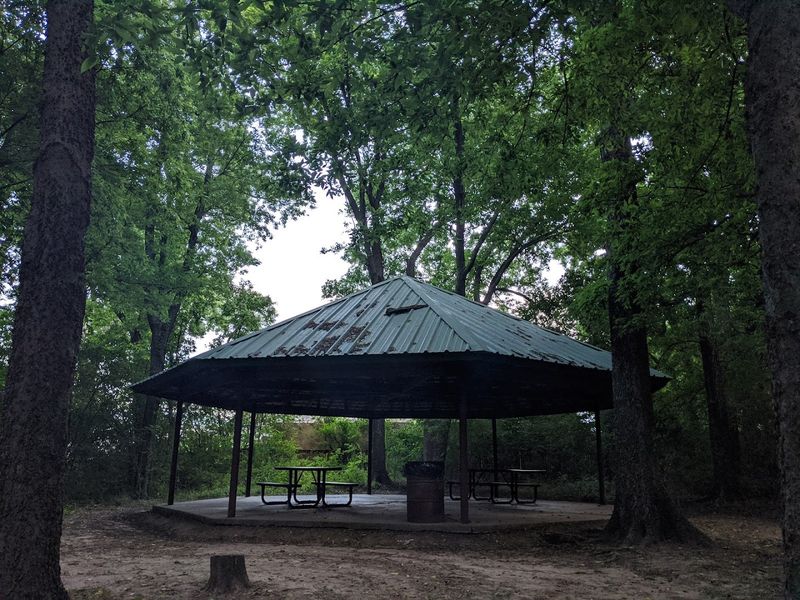
Picnic pavilions are spread through the park, and the back room in the nature center building can even be reserved for private gatherings at a very reasonable hourly rate.
There is a small playground on the grounds, which gives younger kids a dedicated space to burn energy while older family members tackle the trails. Horseshoe pits have been used for family tournaments, which adds a wonderfully old-fashioned, low-key charm to the whole atmosphere.
Then there are the Full Moon trail walks, which might be the most underrated thing this park offers. The idea of hiking through 40 acres of Oklahoma woodland under a full moon, listening to the sounds of the night, is the sort of experience that sticks with you.
It turns a familiar trail into something completely different.
Fishing is also available within the park, adding yet another reason to linger longer than planned. The combination of trails, wildlife, picnic space, educational programs, and seasonal events makes Ray Harral feel like a full destination rather than a quick stop.
Address: 7101 S 3rd St, Broken Arrow, OK 74011.
