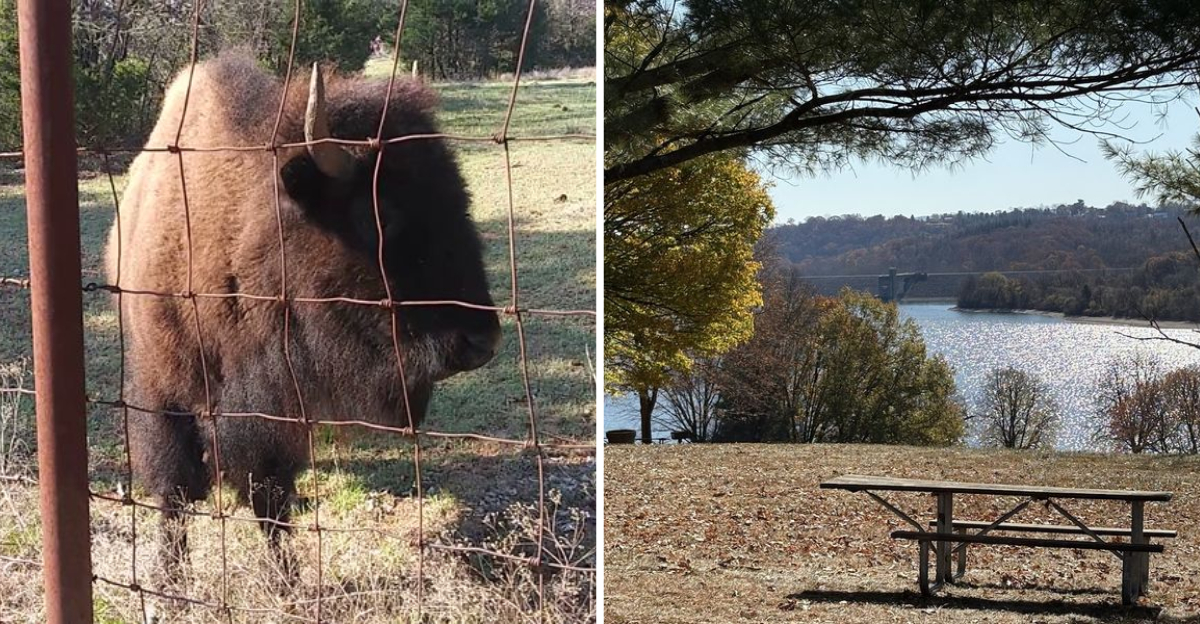
Pulling off a highway and suddenly finding yourself just a fence away from one of North America’s most powerful animals is quietly thrilling. This Oklahoma viewpoint offers one of the most accessible wild bison encounters you can find anywhere in the state. I had no idea a place like this existed until a road trip changed my whole afternoon.
The herd here has roots going back to the nineteen twenties, and their descendants still roam these rolling pastures today. Watching a thousand pound animal graze just beyond the fence line is the kind of moment that makes you put your phone down and just breathe it in. This loop is easy, free to explore, and genuinely unforgettable.
A Herd With Deep Oklahoma Roots
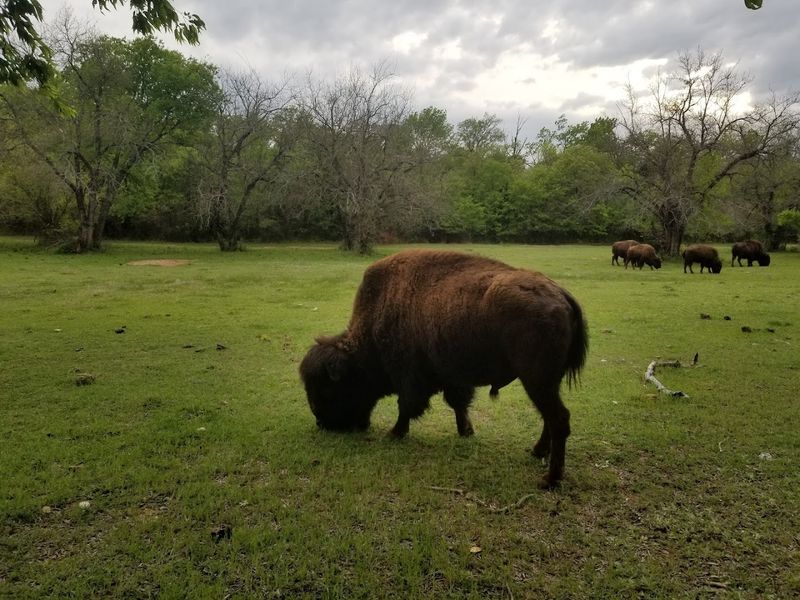
Most people do not realize that the bison roaming this pasture are not newcomers. Their story starts back in 1920, when six bison made the journey from the Wichita Mountains National Wildlife Refuge to what is now the Chickasaw National Recreation Area in Sulphur.
That is over a hundred years of bison history packed into one small stretch of Oklahoma prairie.
The herd today is small, usually around ten animals, but what they lack in numbers they make up for in presence. Seeing one up close behind the fence, you immediately understand why these animals were once the heartbeat of the Great Plains.
They are massive, reaching up to six feet tall and weighing close to a thousand pounds, and even at rest they carry a certain quiet authority.
Knowing their backstory makes the viewing feel more meaningful. This is not a zoo exhibit or a staged wildlife experience.
These bison have been part of this land for generations, grazing the same hills their ancestors did nearly a century ago. That kind of living history is rare, and it makes the Bison Pasture Viewpoint feel genuinely special rather than just another roadside stop.
Finding the Viewpoint Along Highway 177
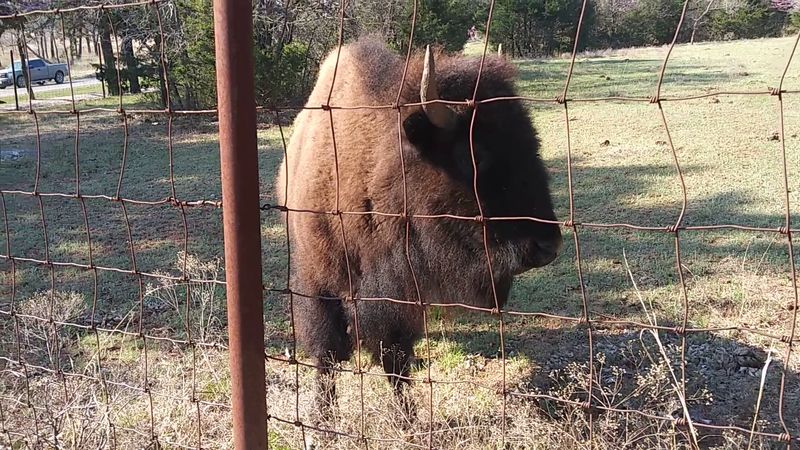
Getting to the Bison Pasture Viewpoint is refreshingly straightforward. The viewpoint sits along Highway 177 inside the Chickasaw National Recreation Area, and a gravel pull-off on the east side of the road gives you a place to park and get out for a closer look.
It is the kind of spot you might almost miss if you are not paying attention, but once you see the fence line stretching across the pasture, you know you are in the right place.
Afternoons tend to be the best time to spot the herd from the Highway 177 viewpoint. The bison are more active and more visible during those hours, though timing is never a guarantee with wild animals.
If the pasture looks empty, patience usually pays off.
Something worth knowing is that the bison have been moved to the east pasture as of recent park management decisions. This means the Veterans Trail, which runs along the east pasture fence line near Pavilion Springs, is now one of the best routes for getting close to the herd.
Parking is available near the Pavilion Springs trailhead, making it a convenient starting point for anyone who wants to combine a short walk with their bison sighting.
The Trail Loop That Takes You Right to the Fence
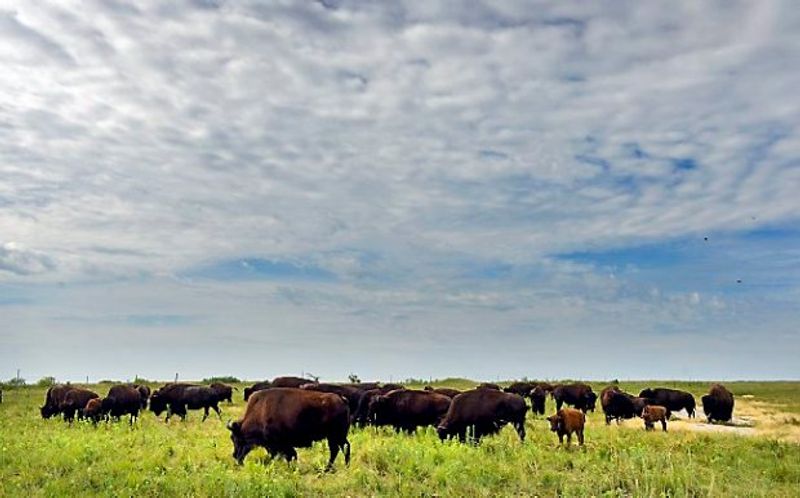
One of the best-kept secrets about this place is how good the trail system actually is. The West Bison Pasture Loop Trail clocks in at about 1.1 miles and is rated easy, making it a solid option for families, older visitors, and anyone who just wants a relaxed walk with a good payoff at the end.
The surface is gravel, there are some gentle elevation changes, and leashed dogs are welcome along the way.
For a longer outing, the Bromide Hill Overlook and Bison Pasture Trail loop stretches to about 3.1 miles and takes roughly an hour and twenty minutes to complete. It mixes scenic overlook views with stretches that run right along the pasture fence line, giving you multiple chances to spot the herd at different angles.
I found that walking the fence line slowly and quietly gave the best results.
A few sections of the trail offer little shade, so early morning visits are the smart call during summer months. The Veterans Trail near Pavilion Springs is especially exposed but rewards you with some of the closest fence-line views available.
Bring water, wear comfortable shoes, and give yourself more time than you think you need because the walk itself is genuinely enjoyable.
What It Actually Feels Like to Watch Bison Up Close
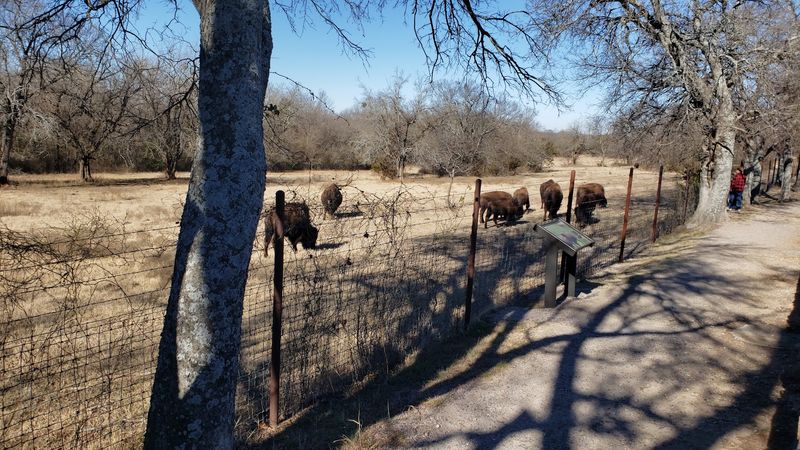
Nothing quite prepares you for the sheer size of a bison seen from just a few feet away. Behind the fence, you get a real sense of how massive these animals are, and it hits differently than any nature documentary ever could.
The sound of grass being torn and chewed, the slow swish of a tail, the way the ground seems to settle under their weight as they move, it all adds up to something surprisingly moving.
Calves appear during certain seasons, and watching them bounce around near their mothers is one of those simple joys that sticks with you. The herd is small, but the energy they bring to the pasture is outsized.
Even on a quiet afternoon when the bison are resting in the shade, there is something deeply satisfying about being in their presence.
The fence is there for a reason, and it is worth respecting. These animals are wild, and their strength is obvious even when they are being perfectly calm.
The viewpoint is designed to give you a genuinely close experience without putting anyone at risk. That balance between accessibility and safety is what makes this spot so well suited for first-time bison watchers and curious kids alike.
Safety Tips That Make the Experience Better for Everyone
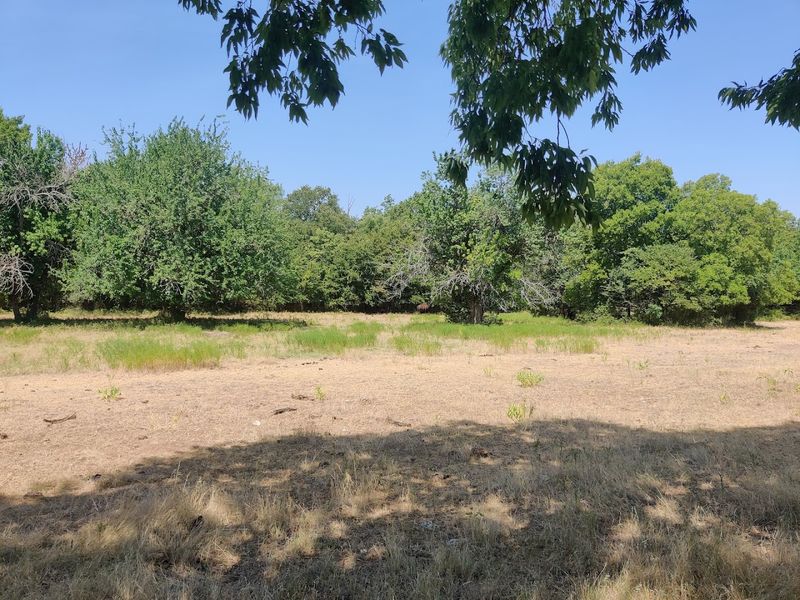
The Bison Pasture Viewpoint is specifically designed with safety in mind, and that thoughtful design shows. The fence keeps a clear boundary between visitors and the herd, and the designated pull-off area on Highway 177 means you are not parking on a busy road shoulder or wandering into unsafe spots.
Still, a few common-sense habits go a long way toward making the visit smooth.
One thing the park makes clear is that crossing the highway from the west pasture viewpoint is not recommended. Traffic moves at speed along that stretch, and the safer move is always to use the designated crossings and parking areas.
Staying on the marked trails near the east pasture is also a good habit, both for your safety and for the comfort of the herd.
Mornings are cooler and often quieter, which can make the bison more active and easier to spot. Hot afternoons in summer push the animals into shaded areas, so you might see less activity during those hours.
The viewpoint is open around the clock, which means early risers have a real advantage during warm months. A pair of binoculars helps on days when the herd has wandered to the far end of the pasture.
Natural Features and Historic Spots Along the Way
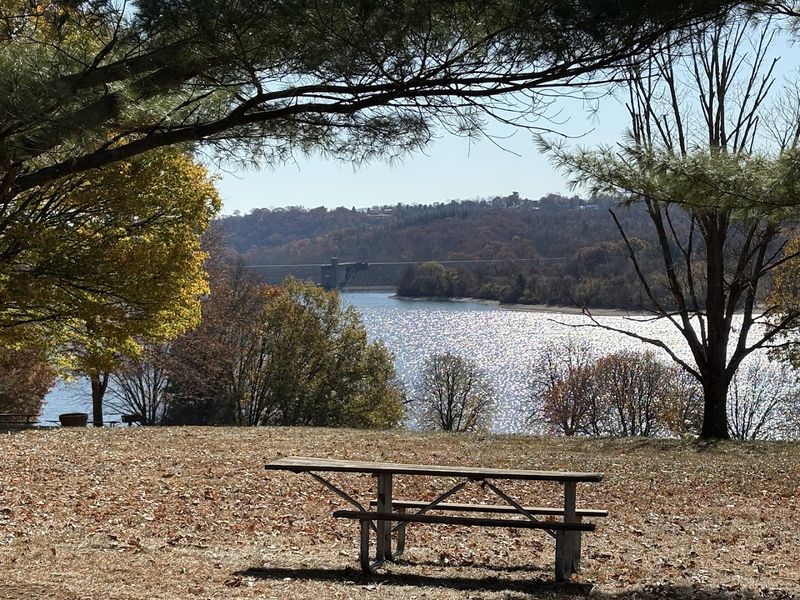
The bison are the headline act, but the trails around the pasture have a few supporting characters worth noticing. Hillside Spring sits along some of the nearby paths, and it has a distinctive sulfur smell that catches you off guard the first time.
It is not unpleasant so much as surprising, a reminder that this area sits on mineral-rich ground that drew visitors long before the park existed.
Pavilion Spring is another natural feature near the Pavilion Springs trailhead, and it adds a quiet, historic charm to the walk. The Leeper House, a historic structure that appears along certain trail routes, gives a glimpse into the human history layered into this landscape alongside the natural history.
These details make the trail feel like more than just a path to the fence line.
The Bromide Hill Overlook, reachable on the longer loop, delivers a wide view across the rolling terrain that puts the whole area in perspective. From up there, you can see just how much open space surrounds the pasture, and it makes the bison feel even more at home.
The mix of natural springs, historic structures, and open prairie views turns a simple bison-watching trip into a full afternoon of genuine discovery.
Planning Your Visit to the Bison Pasture Viewpoint
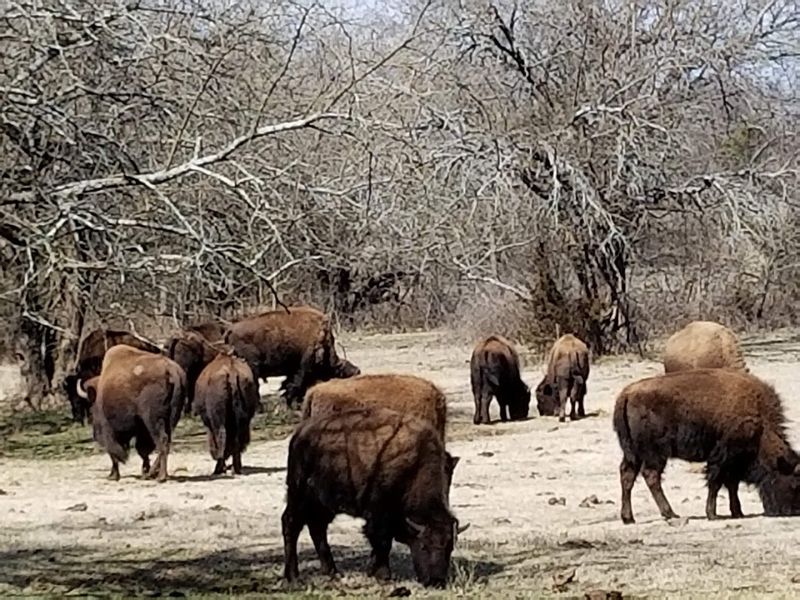
The Bison Pasture Viewpoint is open around the clock every day of the week, which gives you a lot of flexibility. That said, timing your visit thoughtfully makes a real difference.
Early mornings are ideal in summer because the temperature is manageable and the bison tend to be more active before the heat sets in. Afternoons work well in cooler seasons, especially for views from the Highway 177 pull-off.
Parking is available at the gravel pull-off along Highway 177 for the west pasture viewpoint, and near the Pavilion Springs trailhead for east pasture access. Neither lot is large, so arriving early on busy weekends is a practical move.
The trails are easy enough for most fitness levels, and the shortest loop is just over a mile, making it accessible even for younger kids.
Bringing binoculars, sunscreen, and a water bottle covers most of what you need. The bison do roam and are not always visible from every spot, so a little patience goes with the territory.
The Chickasaw National Recreation Area website through the National Park Service is a good resource for updated information on herd location and trail conditions before you head out.
Address: Sulphur, Oklahoma 73086
