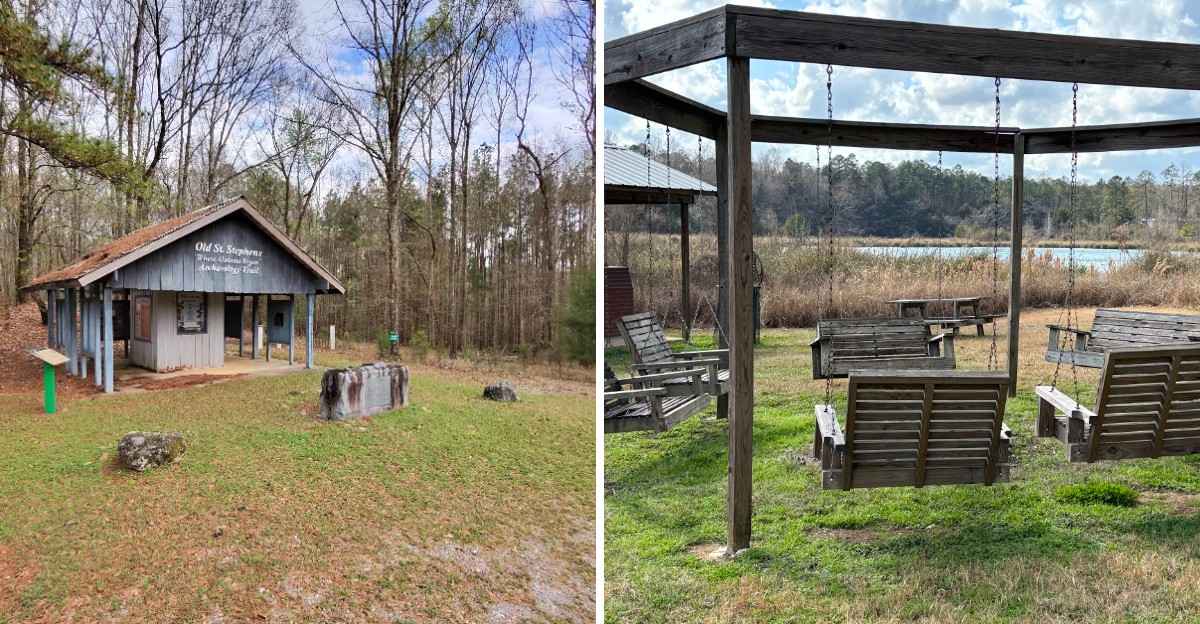
A forest can hide a lot. Apparently, an entire town is one of those things.
This Alabama site once buzzed with river traffic, businesses, lawyers, and government offices before the settlement faded away. Now the old street plan sits quietly beneath the trees, marked just enough for visitors to understand what used to be there.
That is only half the surprise. Keep walking and the scenery shifts to a glowing quarry lake.
Keep going and there are spring-fed rock basins. Then another trail.
The whole afternoon starts feeling like a scavenger hunt designed by history and geology together. And somehow, the turnoff is still easy to miss.
The Ghost Town Where Alabama Officially Began
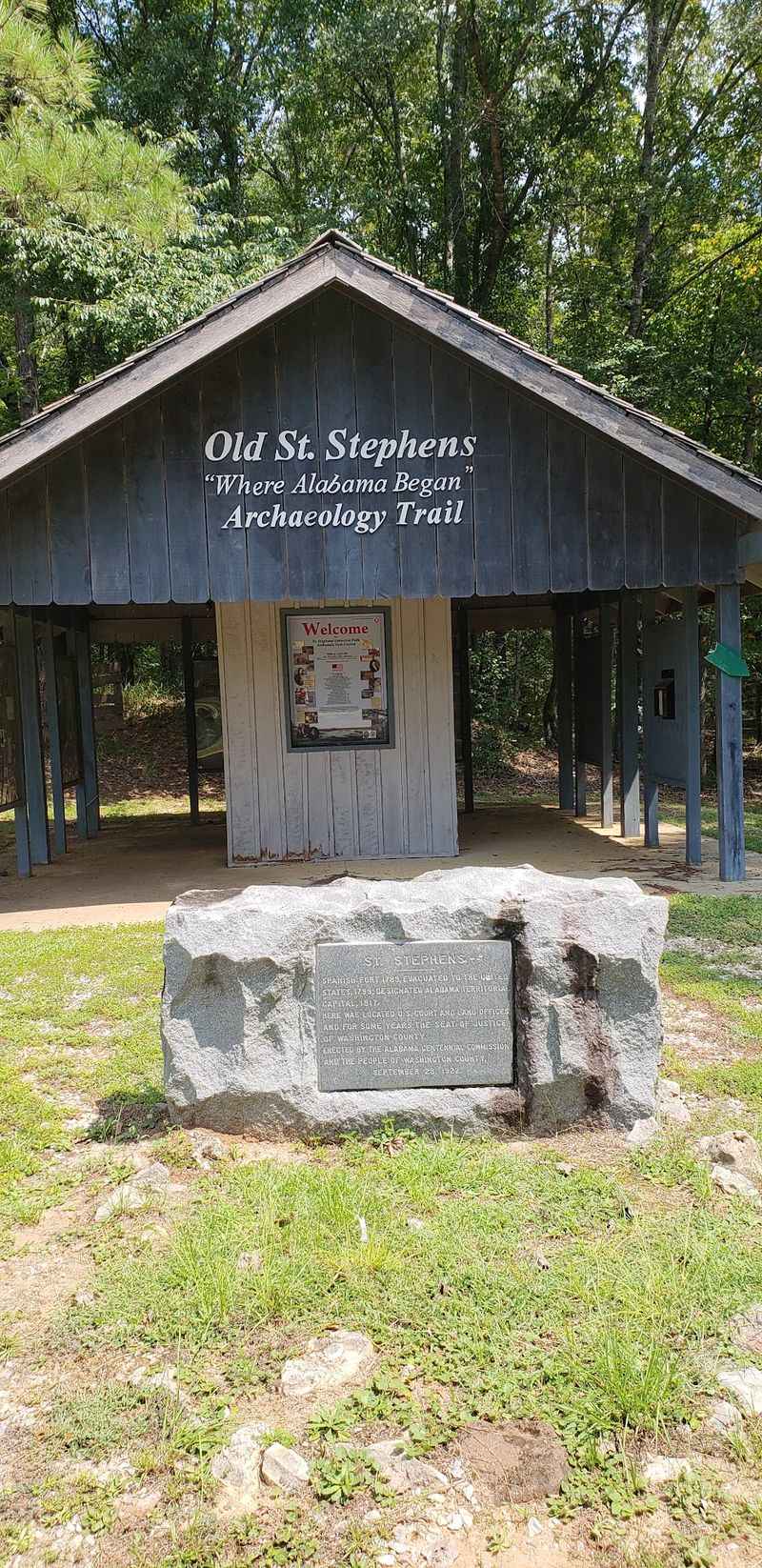
Few places in the state can claim a birth certificate quite like this one. St. Stephens was named the first territorial capital of Alabama in 1817 and held that title until 1819, which is why the site carries the nickname Where Alabama Began.
Before the Americans arrived, the Spanish built a fort here in 1789, holding the bluff until the land was ceded to the United States in 1799. Between 1799 and 1829, the town boomed as a commercial and government hub on the Tombigbee.
Then came the slow unraveling. The capital moved to Cahaba, yellow fever swept through, and river traffic patterns shifted, leaving the streets emptier every year until the town was essentially gone by the Civil War.
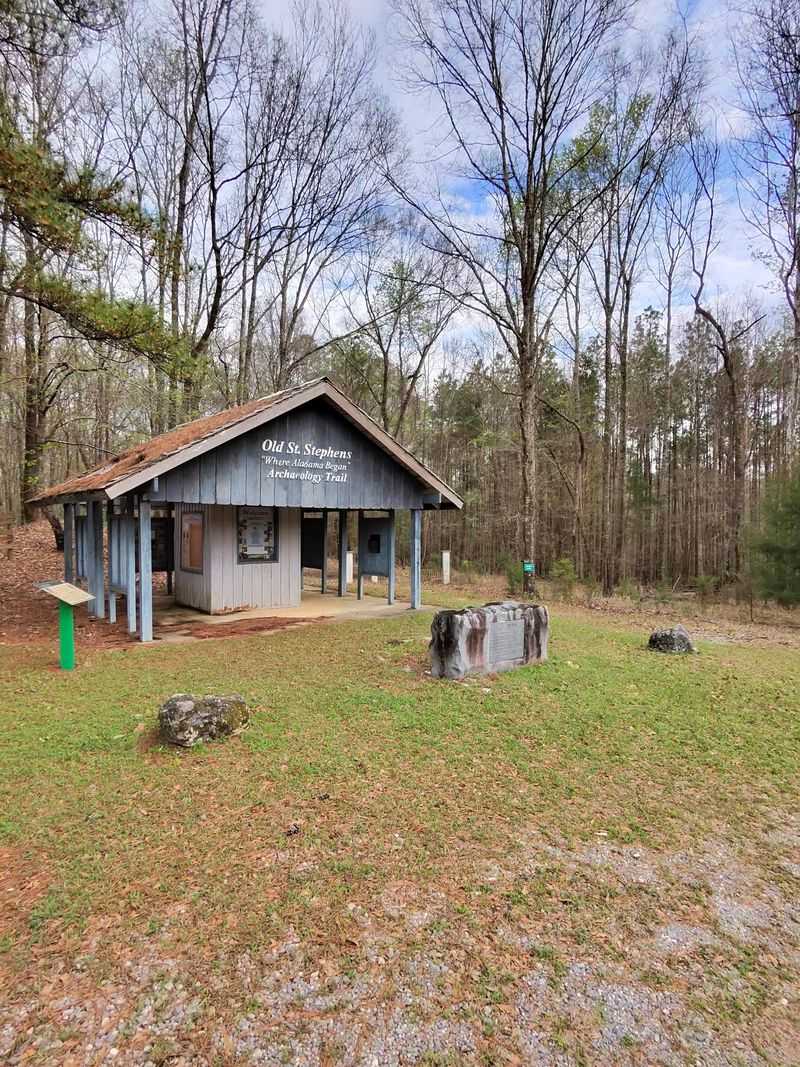
What remains is oddly powerful. No original buildings stand, but wooden street signs and reconstructed home-fronts mark where the courthouse, taverns, and houses once sat, so the layout of the old town reads clearly as visitors wander between the trees.
Walk the grid slowly and the scale starts to register. Lots, corners, and property lines appear where there is now only forest floor and birdsong.
The old town area sits within the park at 2056 Jim Long Road, St. Stephens, AL 36569, and a printed map from the office makes the route much easier to follow.
An Active Dig Site Where History Keeps Surfacing
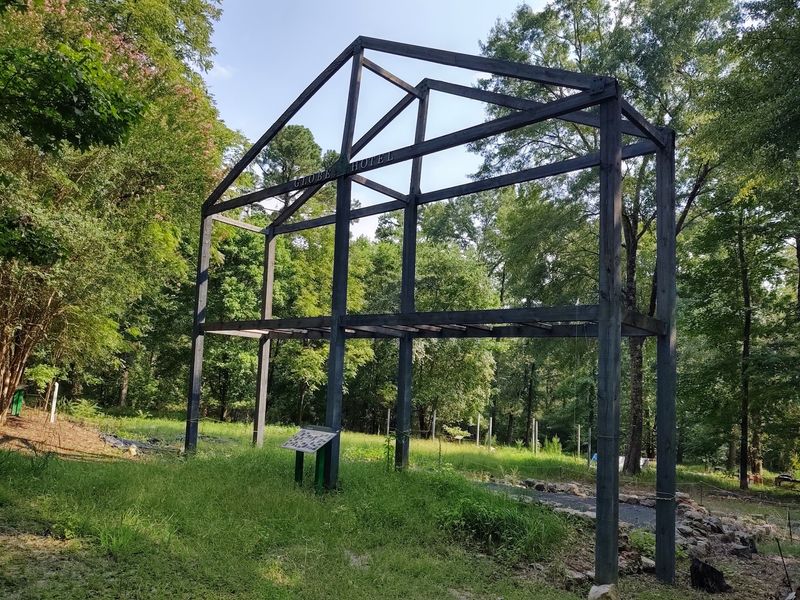
Most historic sites hand visitors a finished story. Here, the story is still being pulled out of the ground one trowel scrape at a time.
Old St. Stephens is considered one of Alabama’s most significant archaeological assets, largely because the town was abandoned rather than built over. That left more than a century of undisturbed soil holding pottery, nails, glass, brick, and the outlines of long-gone foundations.
Public digs are held regularly, and depending on the schedule, visitors can watch the work or join in. Buckets, screens, and string grids appear across a cleared patch of ground, and a single afternoon can turn up fragments that help researchers understand daily pioneer life.
Kids tend to love it. There is something about seeing dirt sifted through a screen that makes history feel less like homework.
Calling the park office ahead at the main number is smart, since dig weekends are scheduled rather than constant. Gloves, closed-toe shoes, a hat, and plenty of water make the experience far more comfortable in the Alabama heat.
Even outside of dig days, interpretive markers explain what has already been uncovered. The excitement comes from knowing the site is not finished giving up its secrets, and that the next discovery could happen while visitors are standing right there watching.
That Unreal Aquamarine Quarry Lake
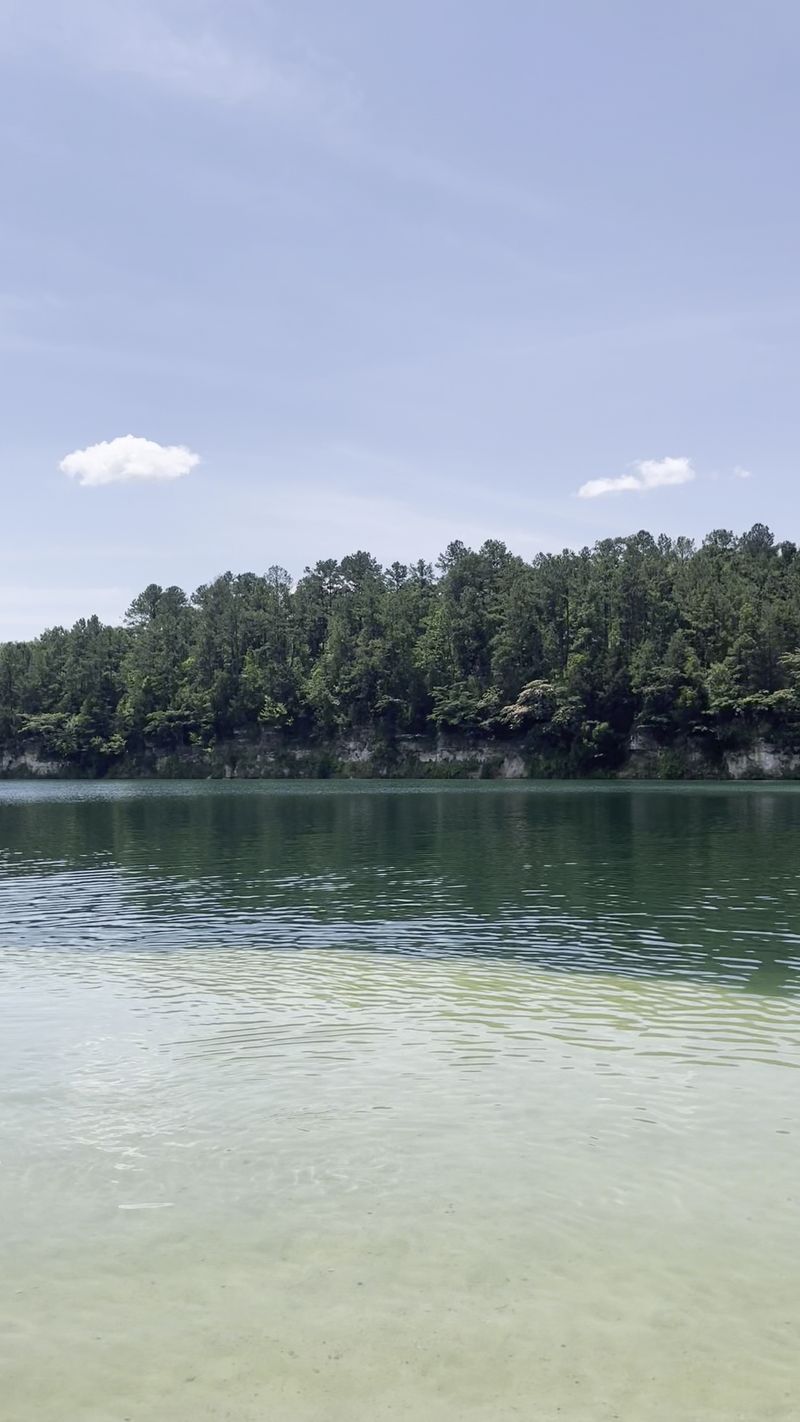
The color catches people off guard. Cut into old limestone workings, the park’s quarry lake glows a clear aquamarine that looks borrowed from somewhere far from south Alabama.
Roughly 70 acres of water sit at one of the highest points in the area, ringed by pale rock and pine. A sandy beach runs along one edge, and swimmers often mention the sudden drop-off just past the shallows, which makes that stretch a favorite with teenagers.
Fishing is popular too. Bass, bream, and channel catfish live in the lake, and kayakers paddle the quiet edges where the limestone walls reflect in the water.
Boat launches serve both the lake and the Tombigbee River, so the park works equally well for a lazy float or a serious day on the water.
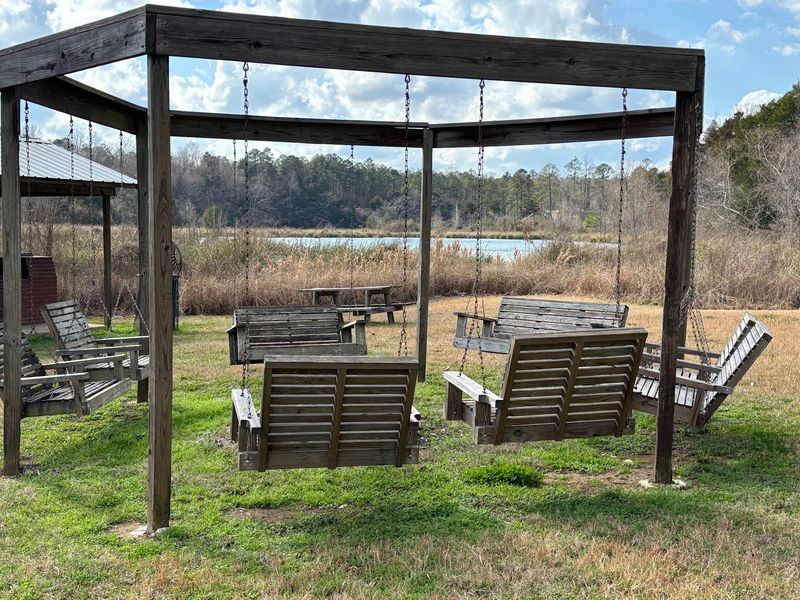
Near the beach there are restrooms, covered picnic areas, a playground, and a small gift shop, which keeps families from having to run into town for every little thing. Shade is limited on the sand, so bring an umbrella in summer.
Mornings tend to be the calmest, with mist sitting low over the water before the first swimmers arrive. Late afternoon light turns the whole basin a deeper blue-green, and that is when the cameras usually come out.
Cool Spring Water at the Indian Baths
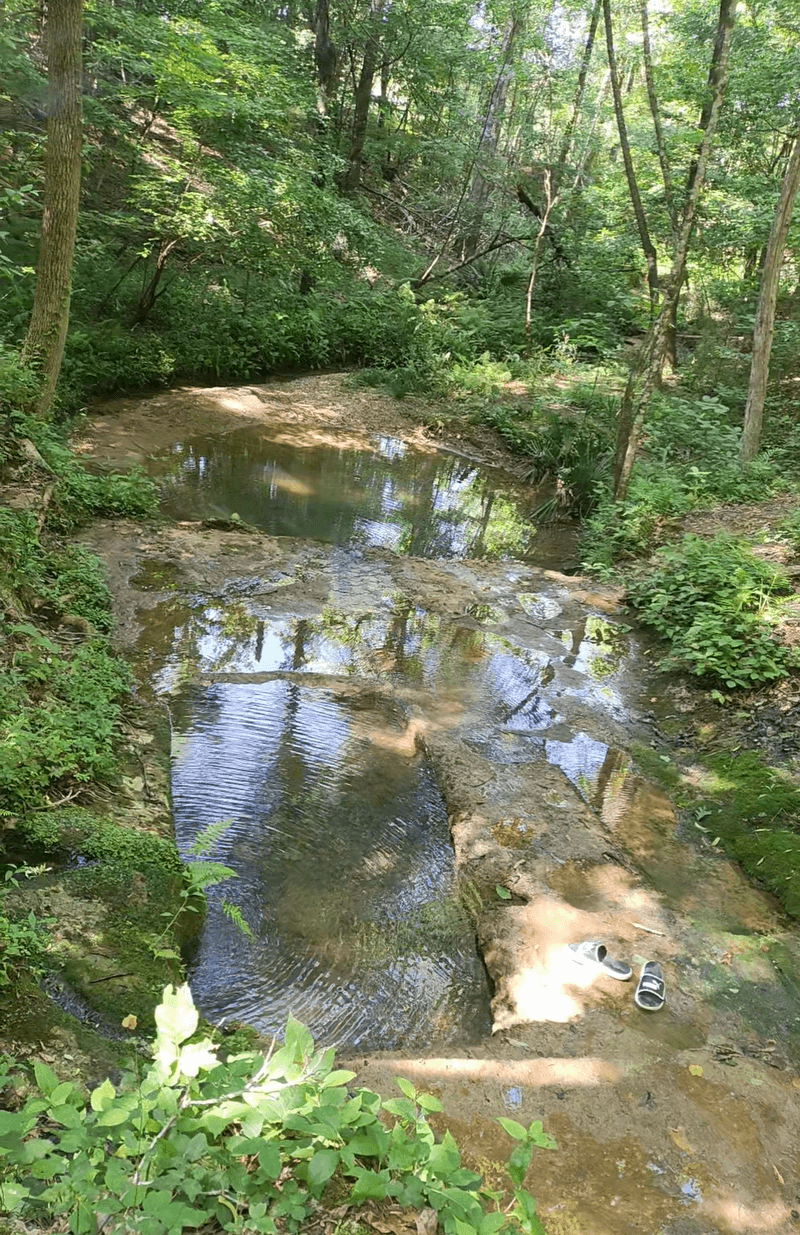
Tucked a short walk from the parking area, two rock basins sit filled with water pushed up from underground springs. Locals have long called them the Indian Bathtubs, and the name has stuck for generations.
The water runs genuinely cold, which is a small miracle in an Alabama August. Little trickles spill over the stone lip and pool below, creating miniature waterfalls that echo softly under the tree canopy.
Getting there does not require any real effort. The path is short and easy enough for young kids, which makes this one of the best quick stops in the park for families who do not want a long hike.
Bring water shoes. The rock surfaces can be slick where moss has settled, and ferns crowd in close along the edges.
Light filters down in patches, and the temperature drops noticeably as the trail dips toward the basins. Sit still for a minute and the sounds separate out into dripping water, wind in the pines, and birds working the branches overhead.
Photographers like the spot for its texture, with pale stone, dark water, and green growth stacked together in a tight frame. Afternoons work well since the harsh overhead light softens under the trees, and the crowd, if there is one, has usually thinned out by then.
More Than 15 Miles of Trails for Boots, Bikes, and Horses
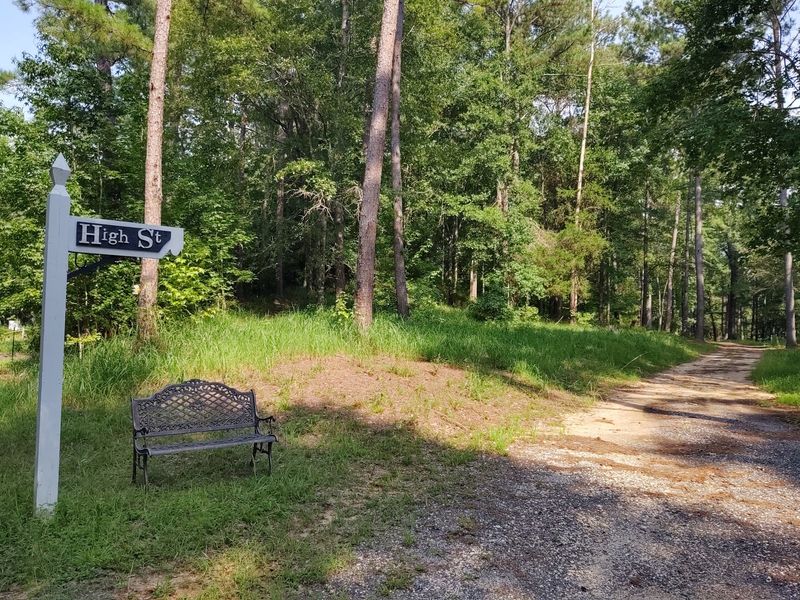
Trail options here stretch well past what most visitors expect from a small park. More than 15 miles wind through mixed pine and hardwood forest, along marsh edges, past cypress swamp, and up toward bluffs above the Tombigbee.
Hikers, cyclists, and horseback riders all share the network, and equestrians are especially fond of the place. Horse stables on site make multi-day riding trips practical.
Views are the payoff. Several routes lead to rocky overlooks where the river bends far below, and sitting on those ledges for a while is a common way to end a walk.
Conditions vary by season. Some stretches get overgrown or cluttered with fallen limbs after storms, and a few older directional signs have faded, so downloading a map or grabbing a paper one at the office prevents guesswork.
Sturdy shoes matter more than fancy gear. Long pants help in summer when grass grows tall along the less-traveled loops.
Dog owners often walk the wider paths, and the mix of terrain means an easy stroll or a sweaty workout is available depending on which color-coded route gets picked.
Trailheads are signed near the main park roads, and the gates operate from 8 am to 7 pm daily, which leaves plenty of daylight for a long loop.
Birders and Gopher Tortoises Share the 600 Acres
Binoculars earn their keep at this park. Listed as a featured site on the Alabama Birding Trails, the 600-acre property packs several habitats into a fairly small footprint.
Pine and hardwood forest gives way to marsh, and cypress swamp fills in the low, wet ground near the river. That variety pulls in shorebirds, raptors, and warblers, with the mix changing noticeably as seasons turn.
Spring migration is the headline event. Warblers move through in waves, and patient watchers along the quieter trails often rack up a solid list before lunch.
The Gopher Tortoise also lives here, digging burrows in sandy soil that dozens of other species end up using for shelter. Spotting one lumbering across a path is a genuine treat, and giving it plenty of space is the right call.
Early morning delivers the best activity, especially near water edges where insects rise and birds follow.
A field guide app, a light jacket in cooler months, and bug spray in warmer ones cover most needs. Sitting quietly at a bluff overlook or at the edge of the marsh usually works better than covering miles.
Wildlife sightings are never guaranteed, but the habitat diversity here gives visitors far better odds than a typical roadside stop.
Museum Artifacts, Disc Golf, and a Night Under the Pines
History indoors, frisbees outdoors, and a place to sleep in between. The St. Stephens Museum occupies the 1854 Washington County Courthouse and displays artifacts running from prehistoric times straight through the modern era, with the town’s own story at the center.
Hours are limited, so plan around them. The museum opens Thursdays from 10 am to 2 pm, and guided tours can be arranged with advance notice.
Out in the park, an 18-hole disc golf course threads through the trees, giving groups something competitive to do between swims. It is casual, shaded in spots, and a decent excuse to walk more of the property.
Overnight options cover a range of comfort levels. Nine cabins, more than 40 RV sites with full electric, water, and sewer hookups, and primitive tent areas are available, and campers frequently praise how quiet the nights get.
Cabin quality varies, so calling ahead with specific questions is wise before booking.
Day use does carry a small admission charge, with reduced pricing for children and no charge for the youngest visitors.
Staying overnight changes the whole feel of the place. Stars come out over the water, the trails empty completely, and the old town site sits silent in the dark just down the road.
