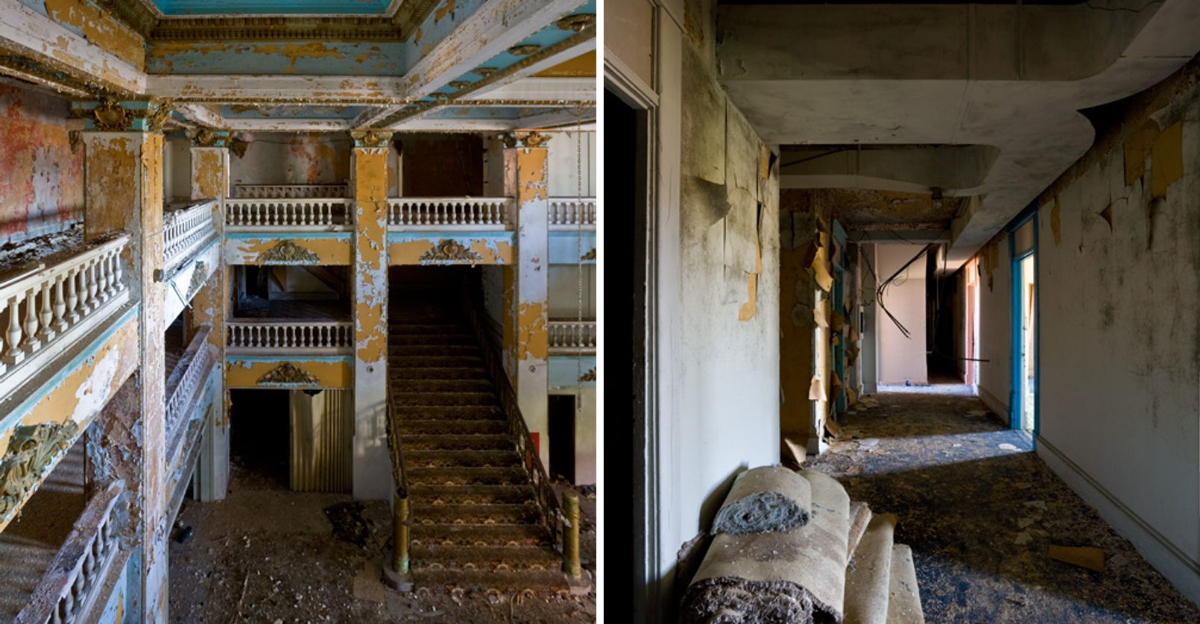
Some buildings have a story that refuses to end, even when the owners give up.
This one sits on a hill in West Virginia, crumbling slowly, too dangerous to enter and too expensive to erase.
It once welcomed guests with marble floors and chandeliers. Now the windows are empty and the walls are peeling.
But here is the strange thing. Nobody can agree on what to do with it.
The cost to tear it down is staggering. The risk to leave it standing grows every year.
So it waits.
Have you ever passed a building that felt like a held breath?
That is this place. You cannot go inside.
You probably should not get too close. But you also cannot stop looking.
Some ghosts do not need hauntings. They just need time.
The Waldo Hotel’s Early Days
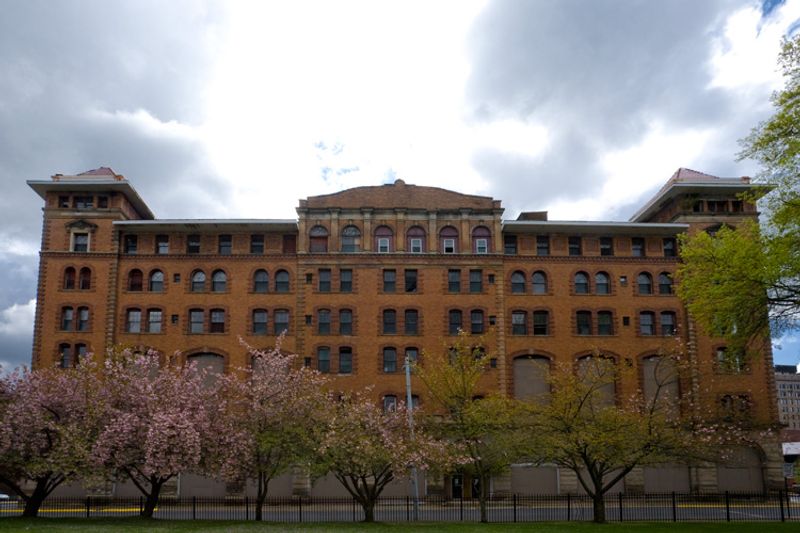
Built between 1901 and 1904, the Waldo Hotel was once the kind of place that made Clarksburg feel like a real city on the rise. The craftsmanship packed into those brick walls reflected a community that had serious ambitions.
Guests arrived expecting elegance, and the hotel delivered.
For the first half of the twentieth century, the Waldo stood as a symbol of West Virginia hospitality. It hosted travelers, businesspeople, and locals celebrating life’s big moments.
That kind of energy leaves a mark on a building, even long after the last guest checks out.
Understanding how special this place once was makes its current condition feel even more striking. The contrast between its proud origins and its current state of decay is what draws curious visitors and historians alike.
Every old photograph of the Waldo in its prime tells a story of ambition, community pride, and a West Virginia that believed anything was possible.
When the Waldo Stopped Welcoming Guests
By 1962, the Waldo Hotel had served its last paying guest and officially closed its doors as a hotel. That moment marked the beginning of a slow, complicated goodbye that is still technically happening today.
Closing a hotel is one thing. Figuring out what comes next is an entirely different challenge.
For a while, the building found new life as a college dormitory, then later as offices and apartments. Each new use tried to breathe purpose back into those old walls.
The building kept adapting, kept trying to stay relevant in a changing city.
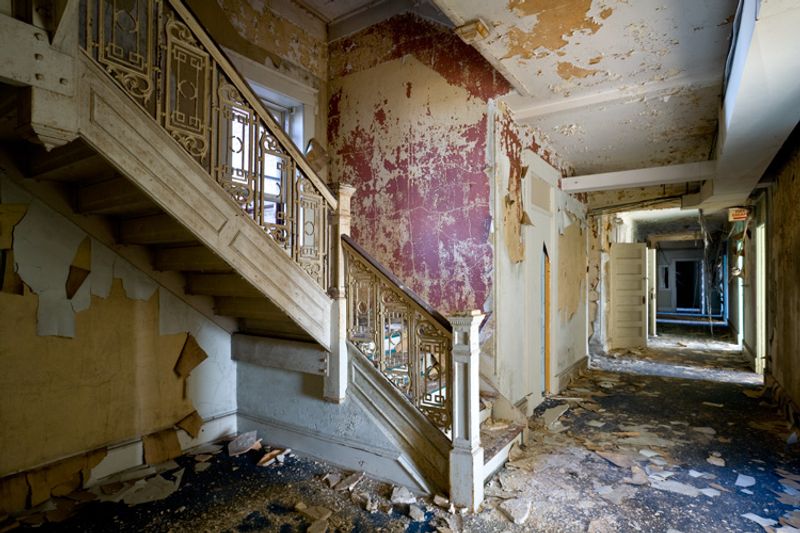
By the late 1990s, even those secondary uses had faded away. The Waldo became fully vacant, and nature started doing what nature always does when humans step back.
Ceilings began caving in, floors filled with rubble, and the building that once welcomed thousands quietly started its long conversation with decay. It is a story familiar to many old American cities but no less heartbreaking when you see it up close.
What Happens When a Building Is Left Alone
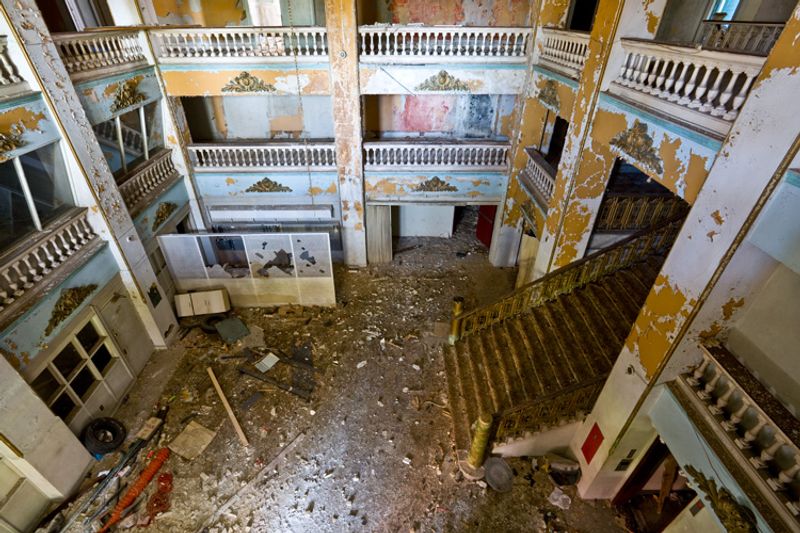
When people leave a building, the natural world does not waste any time. Plants push through cracks, moisture seeps into every surface, and gravity starts doing its slow, patient work on anything structural.
The Waldo Hotel became a case study in what happens when a grand old building is left without care for decades.
Caved-in ceilings became a defining feature of the interior. Rubble accumulated across floors that once hosted polished shoes and rolling luggage carts.
The building essentially became a different kind of landscape, one shaped entirely by neglect and time rather than human intention.
As of 2024, experts described the Waldo as potentially too far gone for a full reconstruction. That assessment carries real weight.
It means that even with serious money and serious effort, there are no guarantees that the building can be brought back to anything resembling its original self. Watching nature reclaim a human-made structure is humbling in a way that no documentary can fully capture.
Why Clarksburg Issued a Demolition Order
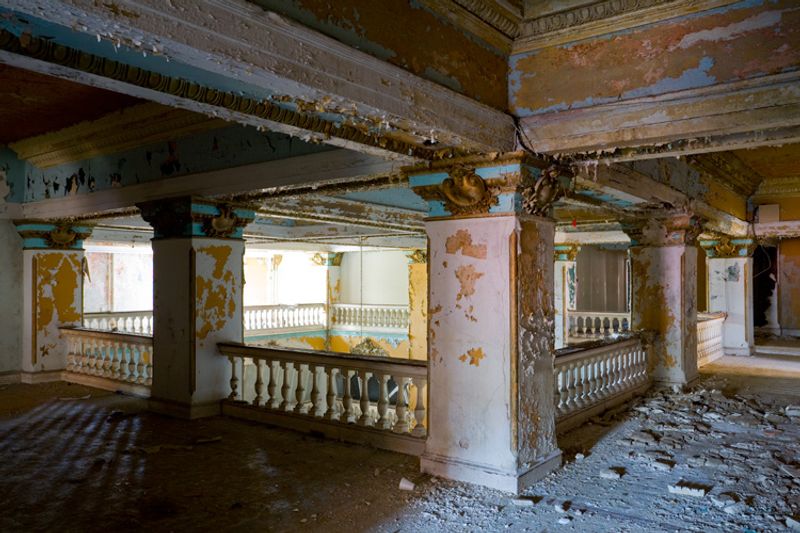
In 2009, the City of Clarksburg made an official move that reflected years of growing concern. A demolition order was issued against the Waldo Hotel, citing it as a genuine public safety hazard.
Crumbling masonry, structural instability, and the very real risk of falling debris made the building dangerous to anyone passing nearby.
Cities do not issue demolition orders lightly. There is paperwork, there are inspections, and there is the uncomfortable reality of declaring a historic structure unsafe.
For Clarksburg, the ongoing liability and the cost of monitoring a deteriorating building added financial pressure on top of the safety concerns.
The demolition order put the Waldo’s fate into sharp focus. Either something had to be done to save it or the wrecking crew would eventually have to come.
What followed was years of debate, failed plans, and a building that somehow kept standing through all of it. The tension between preservation and public safety is something that communities across America wrestle with constantly, and Clarksburg was no exception.
The Price of Saving History
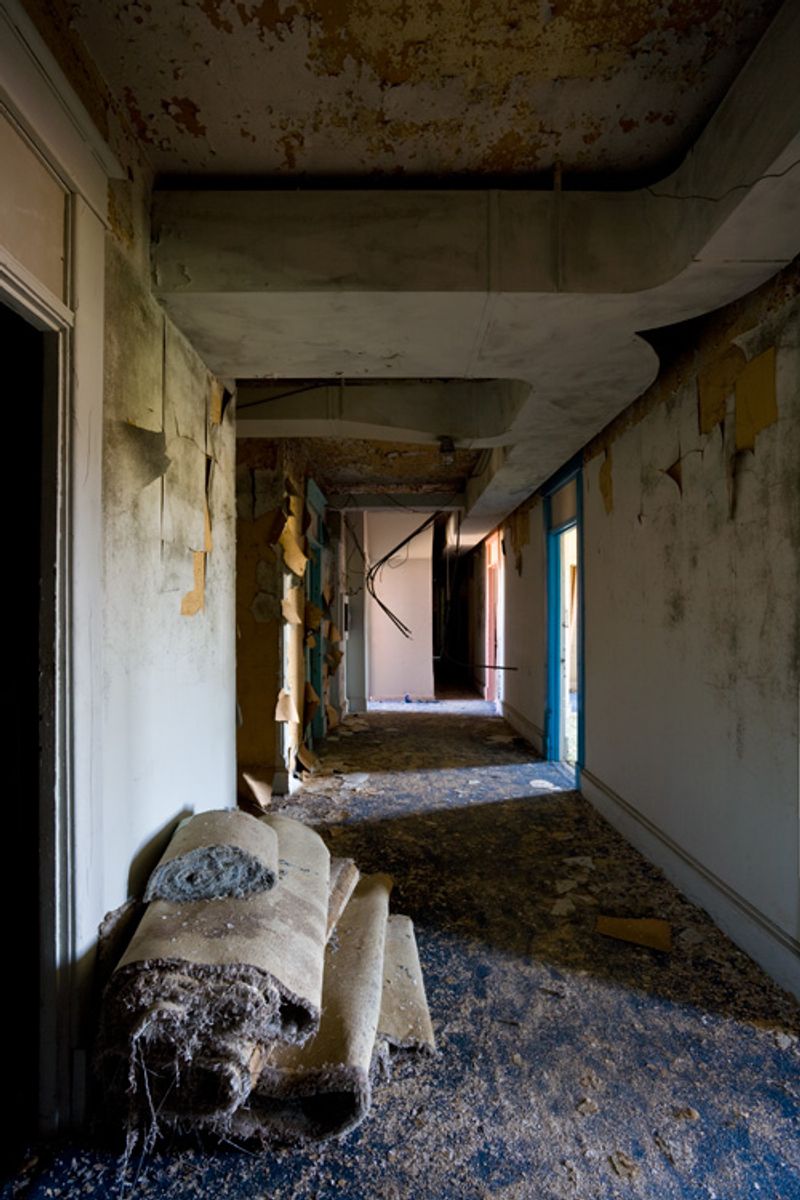
Saving the Waldo Hotel was never going to be cheap. Estimates for a full restoration landed somewhere between fourteen million and twenty-two million dollars, a number that stopped more than one potential developer cold.
Historic preservation is expensive under the best circumstances, and the Waldo’s condition pushed those costs even higher.
Several restoration bids came and went over the years, each one ultimately falling apart over financing issues. Finding the money is hard enough.
Finding a development team both willing and capable of tackling a building in this condition adds another layer of difficulty entirely.
The cost estimates are not just numbers on a spreadsheet. They represent the gap between what a community wants and what the market is realistically willing to fund.
Historic tax credits can help close that gap, and preservation groups have worked hard to make those resources available for the Waldo.
But even with financial tools in place, getting a project of this scale across the finish line requires a rare combination of funding, vision, and pure determination.
Too Expensive to Demolish
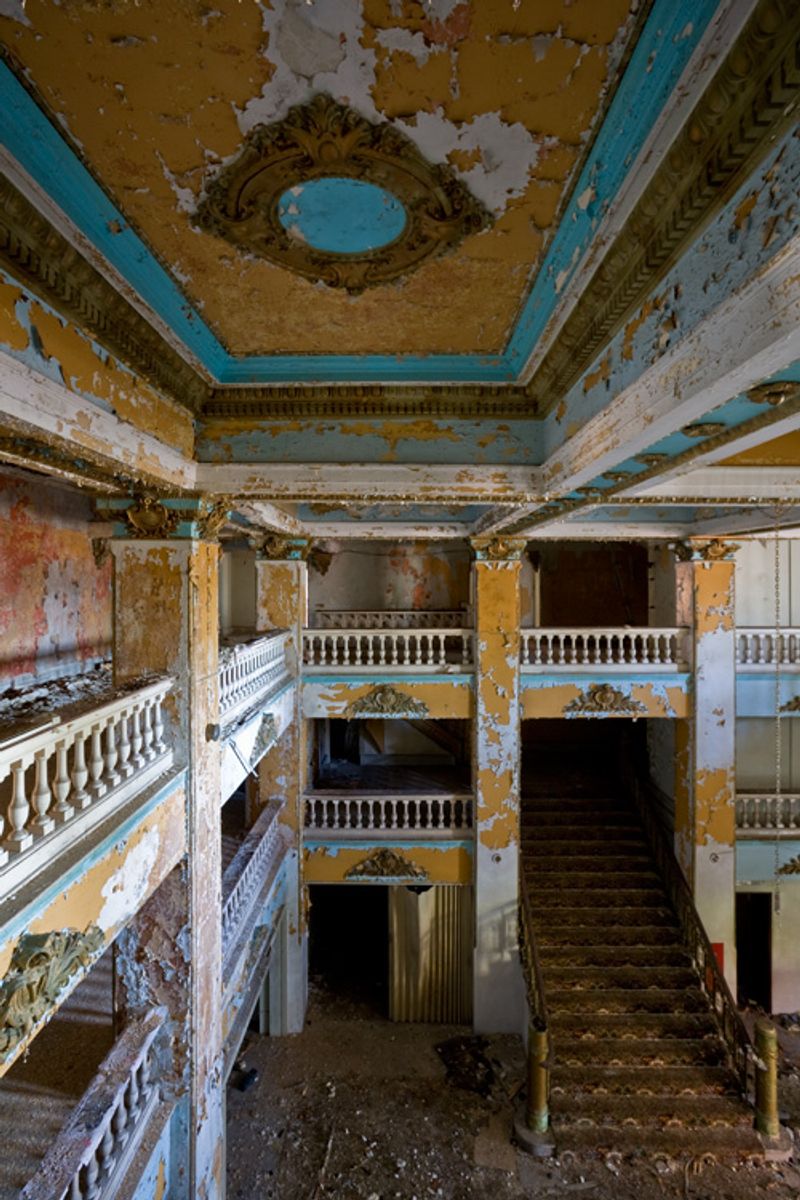
Here is the part of the story that surprises most people. Tearing the Waldo down is not cheap either.
Demolishing a large, multi-story historic brick building in an urban setting carries significant costs, and those costs have been a real factor in why the building has remained standing for so long.
Asbestos abatement, structural complexity, debris removal, and the logistics of working in a dense downtown area all add up fast.
What looks like a simple solution from the outside turns into a complicated and expensive operation once the details come into focus.
The building becomes a financial trap from both directions.
This is the cruel irony at the heart of the Waldo’s situation. Saving it costs tens of millions.
Tearing it down costs more than the city can easily justify. So the building sits, caught between two expensive options, slowly deteriorating while decision-makers weigh the math.
It is not unique to Clarksburg, but the Waldo has become one of the most visible examples of this particular kind of urban standoff in all of West Virginia.
The Vandalia Heritage Foundation Steps Up
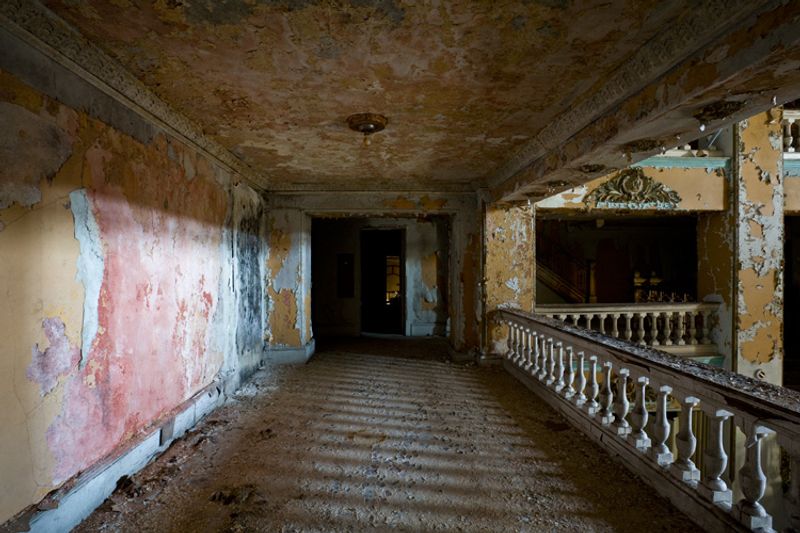
Not everyone walked away from the Waldo Hotel when things got complicated. The Vandalia Heritage Foundation, a non-profit organization dedicated to West Virginia’s architectural heritage, acquired the property in 2001 with a clear goal in mind.
They wanted to restore it, and they were willing to fight for that outcome even when the odds looked rough.
Applying for historic tax credits was part of their strategy, a smart move that could bring federal and state dollars into a project that private developers alone could not fund. Getting a building listed as historically significant opens financial doors that would otherwise stay shut.
The Vandalia Heritage Foundation understood that game and played it carefully.
Their involvement kept the Waldo from being simply forgotten or quietly demolished without any real effort. That matters more than it might seem.
Preservation groups often serve as the last line of defense for buildings that have lost their commercial appeal but still carry enormous cultural value.
The Waldo’s story might look very different today without their persistence and willingness to advocate loudly for a building that could no longer speak for itself.
Stabilization Efforts by 2016
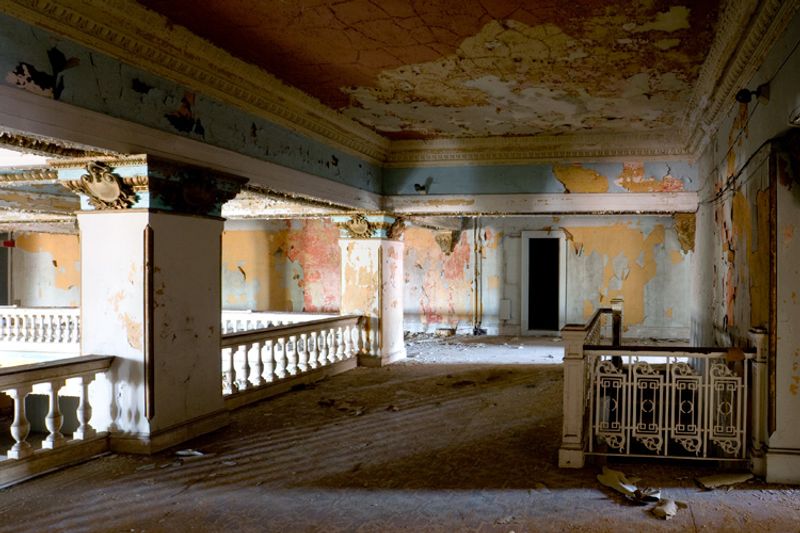
By 2016, the Waldo Hotel had reached a milestone of sorts. Rather than collapsing entirely or being demolished, it achieved what preservationists call a mothballed state.
Some repairs were made specifically to stabilize the structure and prevent further rapid deterioration, buying more time for a real solution to emerge.
Mothballing a building is not glamorous work. It means boarding up openings, reinforcing weak structural points, and doing just enough to keep the building from becoming an immediate catastrophe.
It is a holding pattern, a way of saying we are not ready to give up yet.
For the Waldo, reaching that point of stabilization was genuinely meaningful. It meant the building had survived long enough for new ideas and new ownership possibilities to enter the picture.
Every year a historic structure survives is another year someone might come along with the right vision and the right resources. The 2016 stabilization was not a happy ending, but it was a hopeful pause in a story that had seen very few of those moments.
What the Waldo Means to Clarksburg Today
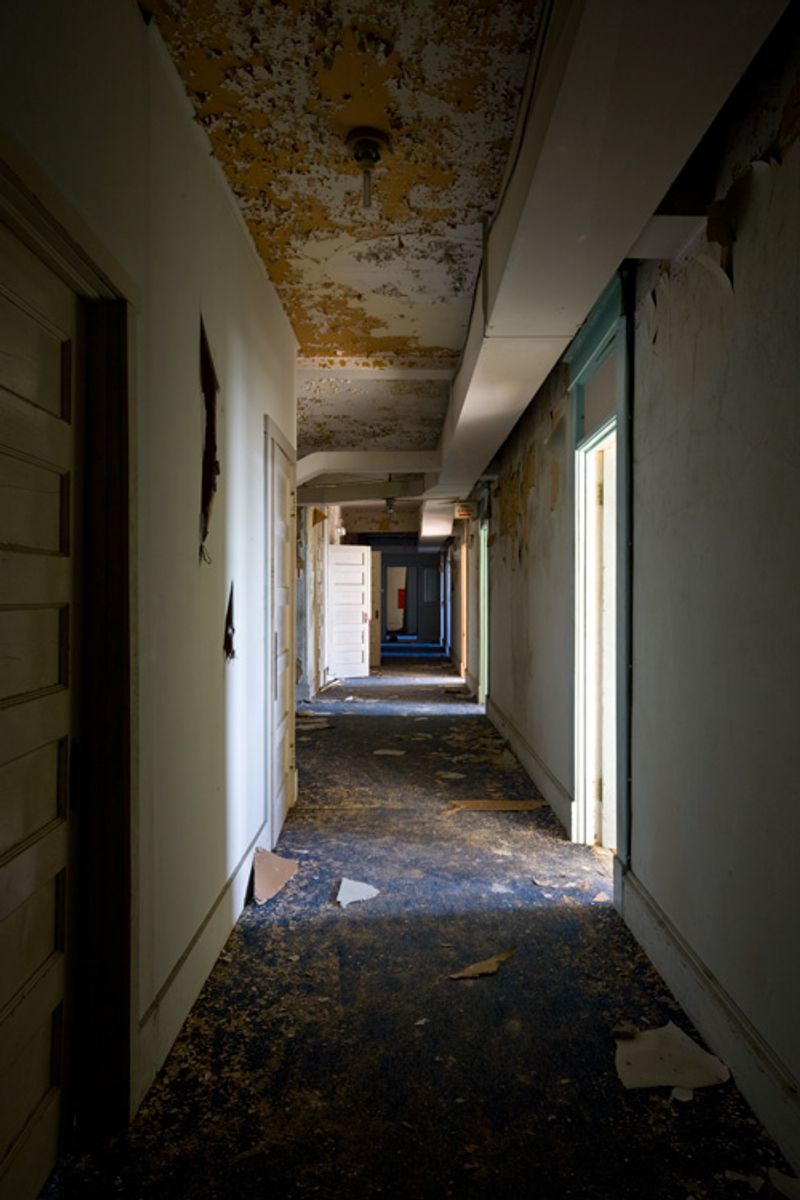
Standing on West Pike Street and looking up at the Waldo Hotel today is a complicated experience. The building carries more than a century of local history in its walls, and that weight is visible even through the decay.
Clarksburg residents have grown up alongside this structure, watching it change from a neighborhood landmark to a cautionary tale and back to something that feels like a symbol of resilience.
The Waldo represents every community’s struggle to honor its past while building a practical future. Historic buildings are not just old structures.
They are physical proof that a place has a story worth telling. Losing that proof permanently changes how a city understands itself.
The ongoing saga of the Waldo Hotel is not just about one building on one street. It is about what communities owe to their history and how far they are willing to go to preserve it.
Clarksburg has not given up on the Waldo, and that stubbornness, that refusal to simply let it go, might just be what saves it in the end.
Address: 320 W Pike St, Clarksburg, West Virginia.
