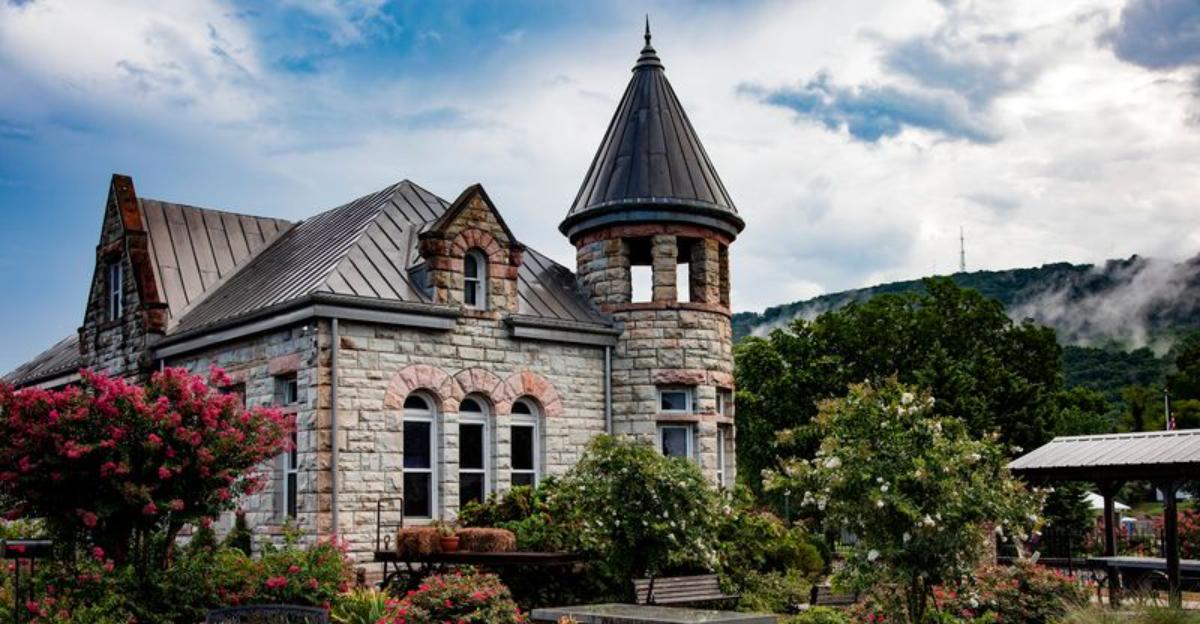
Fort Payne, Alabama sits quietly in the northeastern corner of the state, cradled by Lookout Mountain and surrounded by some of the most dramatic scenery in the South. It is the kind of place where canyon views stretch for miles and waterfalls tumble through ancient rock.
I find it genuinely surprising how few people outside the region know about it. With a cost of living that can make a modest budget feel like a luxury, and outdoor adventures practically at your doorstep, Fort Payne offers something rare.
It is beautiful, affordable, and deeply rooted in culture and history. Whether you are considering a visit or thinking about putting down roots, this small Alabama city has a lot more going for it than most people realize.
Little River Canyon National Preserve
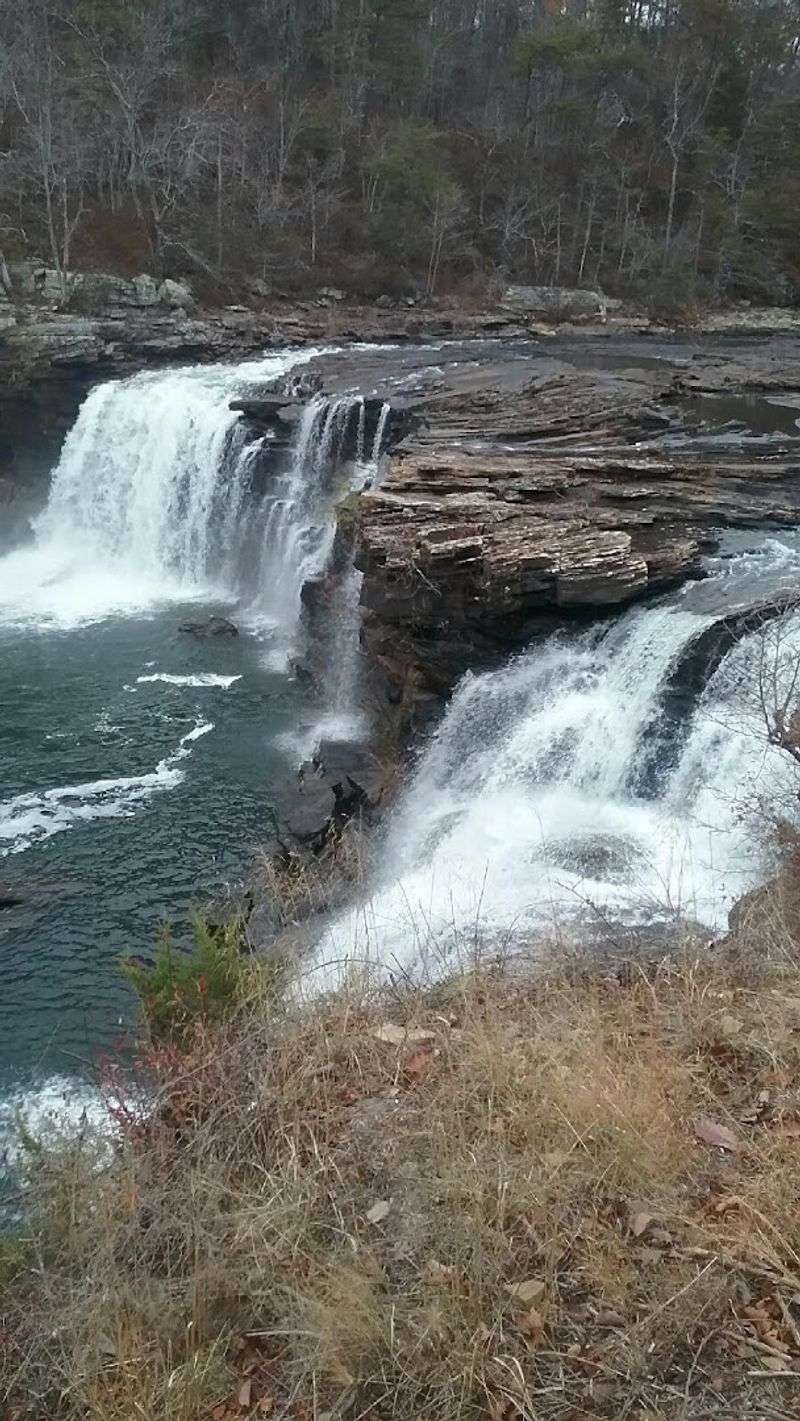
Few natural places in the South hit as hard as Little River Canyon National Preserve. Known widely as the Grand Canyon of the South, this stunning preserve sits just outside Fort Payne and draws visitors from across the country.
The Little River is considered one of the longest mountaintop rivers in the entire nation, which makes the whole experience feel almost unreal.
The canyon walls drop sharply, and the views from the rim are the kind that stay with you. Hiking trails range from easy walks to more rugged routes that take you deep into the gorge.
Swimmers, kayakers, and whitewater paddlers all find their place here depending on the season.
Little River Falls, which drops about 45 feet, is one of the most photographed spots in the preserve. The sound alone is worth the visit.
Fishing is also popular along the river, and the backcountry area includes dirt roads open to horseback riding.
The preserve is managed by the National Park Service, and admission is free. You can reach it via Little River Canyon Rim Parkway, also known as Alabama Highway 176, which runs along the canyon edge with multiple overlooks.
The address for the main visitor contact is 4322 Little River Trail NE, Fort Payne, AL 35967. Families, solo hikers, and photographers all leave with something worth talking about.
DeSoto State Park and Its Legendary Waterfalls
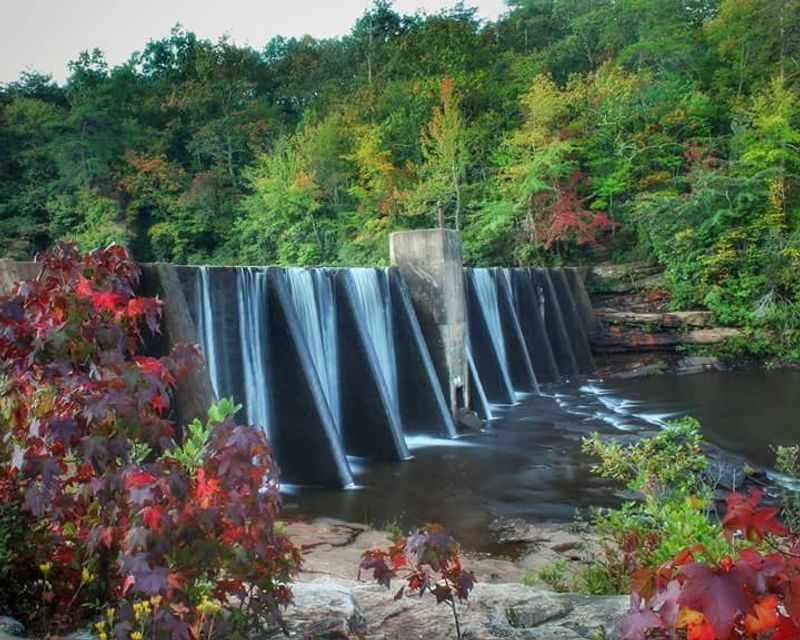
Sitting atop Lookout Mountain just a short drive from Fort Payne, DeSoto State Park is one of Alabama’s most beloved outdoor destinations. The park covers thousands of acres and offers something for nearly every type of visitor.
It has a personality all its own, shaped by decades of family trips, trail runs, and quiet mornings by the water.
DeSoto Falls is the undisputed highlight. At 104 feet, it ranks as Alabama’s second highest waterfall and delivers a genuinely breathtaking view.
The hike to reach it is accessible enough for most fitness levels, and the payoff is absolutely worth the effort.
Beyond the falls, the park offers over 25 miles of hiking trails and more than 11 miles of mountain biking routes. Camping options include tent sites, cabins, and chalets.
A seasonal swimming pool, zip-line, playground, and picnic areas make this a solid choice for families with kids of any age.
The park also has a nature center with interpretive programs that help visitors understand the local ecosystem. Lodge Falls and Laurel Falls are two other waterfall spots within the park worth seeking out.
DeSoto State Park is located at 13883 County Road 89, Fort Payne, AL 35967. Whether you spend a day or a long weekend, the park gives you more than enough to explore without ever feeling rushed.
The Alabama Fan Club and Museum
Fort Payne has a unique claim to fame that most small cities could only dream of. It is the hometown of Alabama, one of the best-selling country music bands in history.
The group formed here in the early 1970s and went on to sell over 75 million records worldwide. That kind of legacy leaves a mark on a community, and the Alabama Fan Club and Museum is where that mark lives.
The museum is packed with memorabilia from the band’s long career. Gold and platinum records line the walls.
Stage costumes, instruments, tour photos, and personal items from band members are displayed throughout. For country music fans, it feels like walking through a living archive of American music history.
Even if you are not a diehard fan, the museum offers an interesting look at how a group of young musicians from a small Alabama town built one of the most successful careers in country music. The story is genuinely inspiring and deeply tied to the identity of Fort Payne itself.
The museum draws visitors from across the country and adds a cultural dimension to the Fort Payne experience that goes beyond outdoor recreation. It sits comfortably alongside the city’s natural attractions as a reason to make the trip.
For families, music lovers, and anyone curious about American roots culture, it is a stop that adds real meaning to the visit and connects you to something bigger than the landscape alone.
Fort Payne Depot Museum and Local History
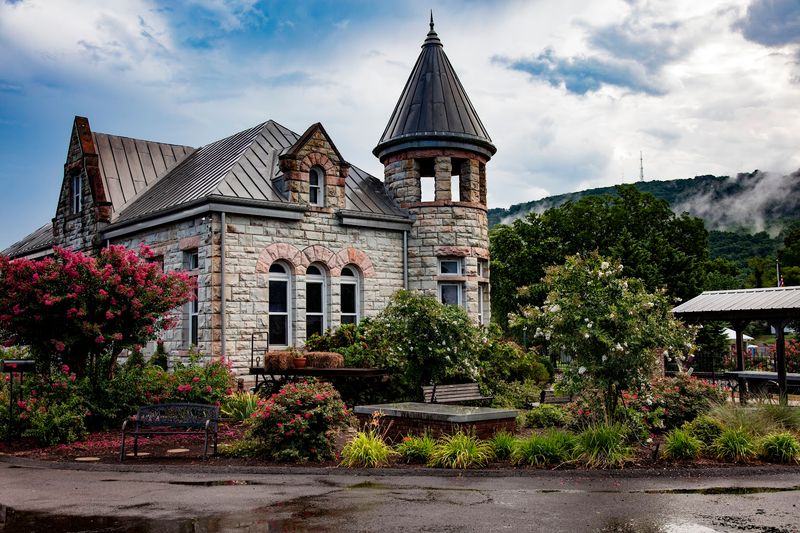
History has a way of sneaking up on you in Fort Payne. The Fort Payne Depot Museum is one of those places that feels genuinely alive with the past.
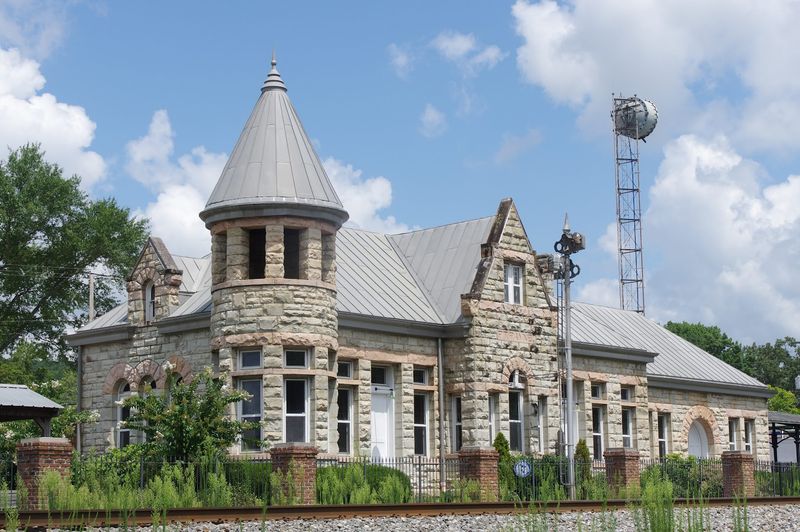
Built in 1891, the Victorian Romanesque depot is one of the most architecturally striking buildings in DeKalb County, and it now serves as a window into the region’s rich story.
Inside, you will find railroad memorabilia, Native American artifacts, and exhibits covering the industrial and cultural history of the area. Fort Payne was once known as the Sock Capital of the World, and the museum helps tell that story in a way that is both informative and a little unexpected.
It is the kind of local detail that makes you appreciate a place on a deeper level.
The museum also connects visitors to the broader history of northeastern Alabama, including the Cherokee heritage of the region and the growth of Fort Payne as a commercial hub in the late 1800s. It is a relatively compact museum, but the quality of the exhibits is solid.
Admission is affordable, and the staff is knowledgeable about local history. The museum is a great starting point before exploring the rest of downtown.
For anyone curious about where this mountain community came from and how it grew, the depot offers a thoughtful and well-preserved look at the past that goes well beyond surface-level storytelling.
Downtown Fort Payne and Local Dining
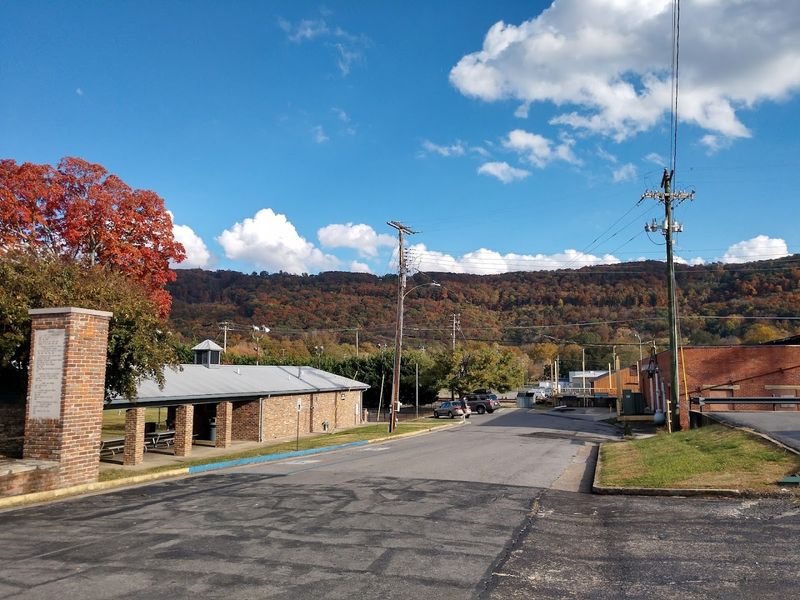
Downtown Fort Payne has a walkable, unhurried energy that feels refreshing compared to bigger cities. The streets are lined with historic brick buildings that now house boutiques, art galleries, and local eateries.
It is the kind of downtown where you can spend a few hours without once checking the time.
Local food options reflect the character of the community. Vintage 1889 Restaurant is a popular choice among residents and visitors alike, offering a menu with Southern-inspired dishes in a setting that nods to the building’s historic roots.
The atmosphere is warm and unpretentious, which fits perfectly with the overall vibe of Fort Payne.
Seasonal events bring the downtown area to life throughout the year. Canyon Fest and Mentone Colorfest, held in the surrounding area, draw visitors who often spend time in town before or after the festivities.
Local art and craft vendors add to the color of these events.
Shopping in downtown Fort Payne leans toward independent and locally owned businesses. You will find handmade goods, antiques, and unique items that you simply cannot find in a chain store.
The pace is slow in the best possible way. For anyone considering Fort Payne as a place to live, the downtown area gives you a clear sense of the community’s personality.
It is friendly, creative, and genuinely proud of its roots, making every visit feel a little more personal than expected.
Outdoor Adventure Beyond the Trails
Fort Payne is not just a hiking destination. The range of outdoor activities available here goes well beyond walking a trail, and that variety is a big part of what makes the area so appealing to active visitors.
You can fill a long weekend without repeating a single activity.
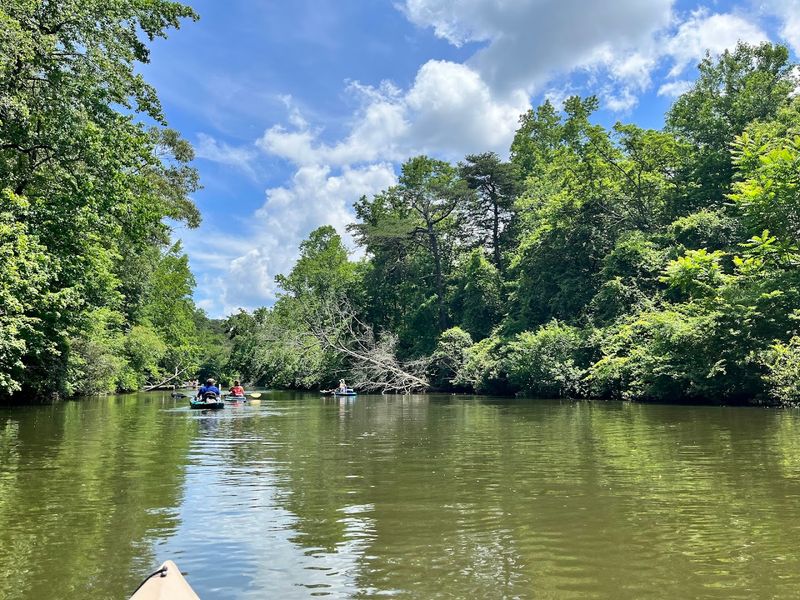
Kayaking and canoeing on the Little River are popular from spring through early fall. The river offers both calm stretches for beginners and more technical whitewater sections for experienced paddlers.
Fishing is excellent throughout the area, with locals targeting bass, trout, and other species in the canyon waterways.
Rock climbing enthusiasts find solid bouldering opportunities in the canyon and surrounding terrain. Rappelling is another option for those who want a more vertical experience.
DeSoto State Park even offers a zip-line, which is a hit with younger visitors and anyone looking for a quick rush of adrenaline without a full-day commitment.
Swimming holes tucked along canyon trails are a summer favorite for locals. The backcountry area of Little River Canyon National Preserve also includes dirt roads that are open to horseback riding, giving equestrian visitors a truly unique way to experience the landscape.
Fort Payne sits in a region where the terrain naturally invites adventure. The combination of water, rock, and elevation creates an outdoor playground that punches well above its weight for a city of its size and keeps people coming back season after season.
Affordable Cost of Living in Fort Payne
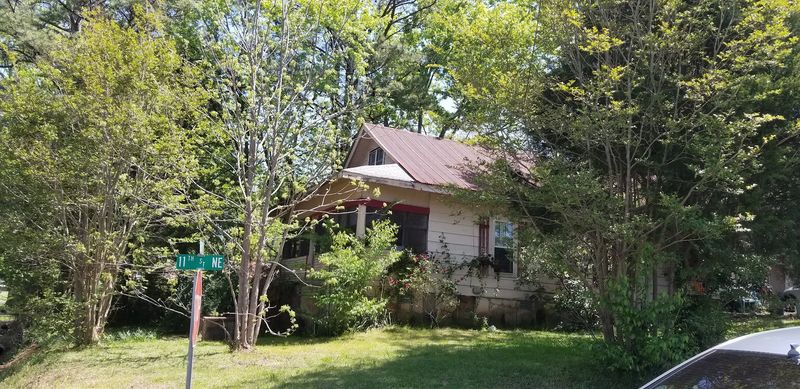
One of the most practical reasons to consider Fort Payne is how far a modest income can actually go here. The cost of living in Fort Payne runs roughly 10 to 15 percent below the national average.
For anyone tired of watching their paycheck disappear in a higher-cost city, that difference adds up fast.
Housing is the biggest factor. Rent in Fort Payne is dramatically lower than what most Americans pay.
One-bedroom apartments can be found for under $700 per month at complexes like Mountain View, and other listings show options starting below $600. For a single person, monthly housing costs are estimated around $994 when factoring in typical expenses.
Groceries run about 10 to 16 percent less than the national average, and healthcare costs come in around 21 to 23 percent lower. Utilities do run a bit higher than the national average, so it is worth factoring that into any budget planning.
Transportation costs are also slightly above average, which is common in areas without public transit.
For a single adult living simply and spending wisely, monthly expenses can realistically stay in the range of $1,900 to $2,100 depending on lifestyle choices. That kind of budget headroom is increasingly hard to find anywhere in the country.
Fort Payne offers not just scenic mountain living but genuine financial breathing room, which makes it a compelling option for retirees, remote workers, and anyone ready to trade cost for quality of life.
