I never thought a thrift store could surprise me until I started hearing whispers about a massive secondhand shop in Attalla, Alabama.
Friends kept mentioning its size and the unpredictable finds tucked into every corner, and I couldn’t help wondering what made it different from every other resale store I’d visited.
The truth is, thrift shopping can feel like a gamble, but in a place this large with constantly changing inventory, the odds start to shift in your favor. It has built a reputation as more than just somewhere to pick up used clothes or household items.
For many, it has become a destination for bargain hunters, collectors, and anyone who enjoys the thrill of discovering something unexpected at a price that makes you pause.
Whether you’re furnishing a new place on a budget or searching for a unique vintage piece, this kind of mega thrift space offers the sort of variety that keeps people coming back again and again, always curious about what might be there next.
Massive Selection That Keeps Growing
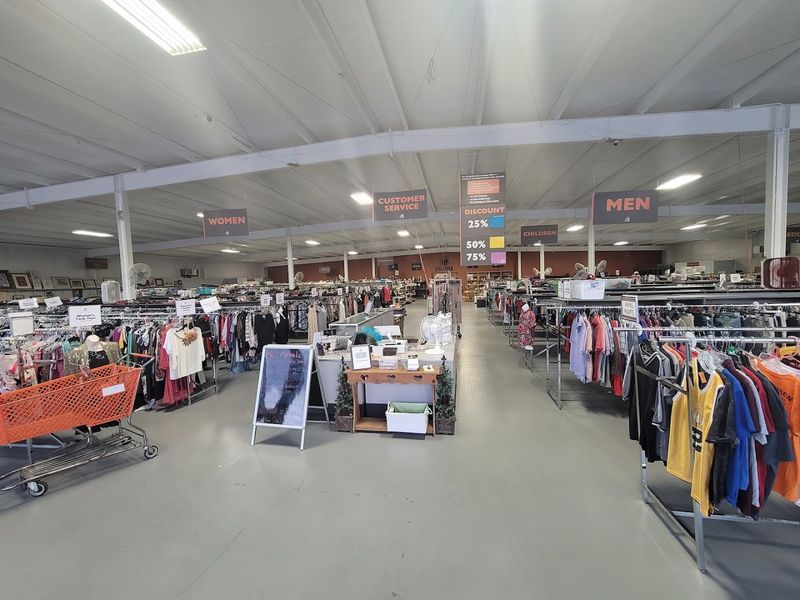
Walking into Rock Thrift N More feels less like entering a typical thrift shop and more like stepping into a treasure warehouse that stretches far beyond what you’d expect. The sheer volume of merchandise creates an experience that’s both overwhelming and exciting at the same time.
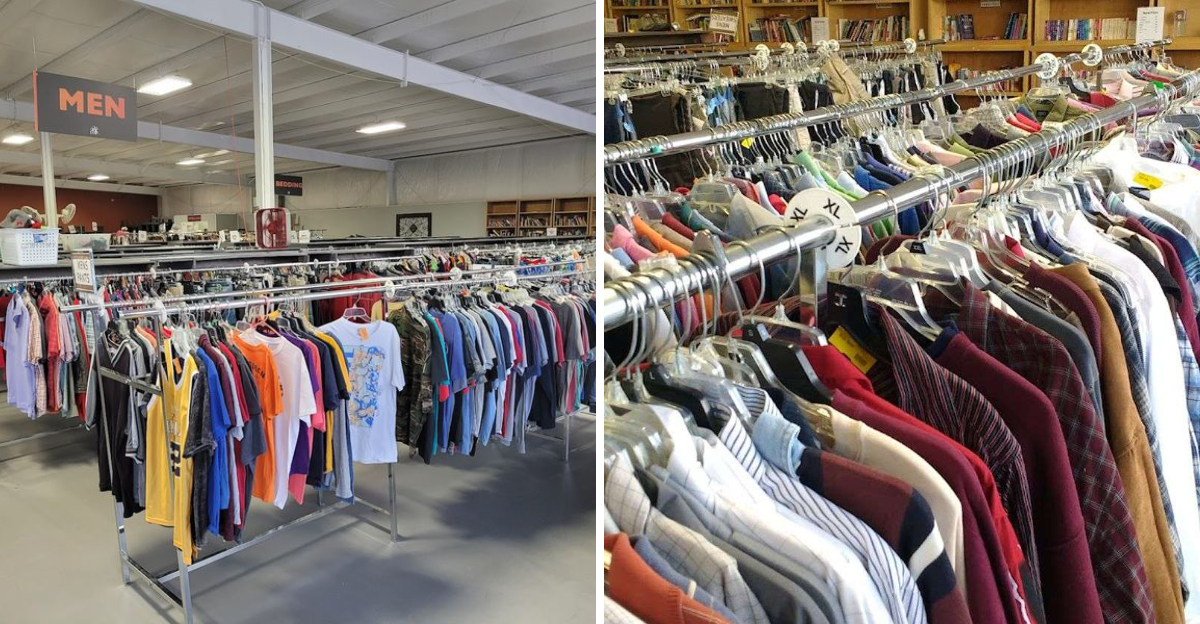
Rows of clothing racks line the walls, organized by type and size, while furniture pieces fill open floor spaces waiting for someone to recognize their potential. Housewares, electronics, books, toys, and decorative items compete for attention across multiple sections.
Every visit reveals different inventory because donations arrive constantly and items move quickly when priced to sell.
The variety means you might find designer jeans hanging next to everyday basics, or a vintage lamp sitting beside modern kitchen appliances. Collectors appreciate the unpredictability because rare finds appear without warning among everyday goods.
Families shopping for growing kids discover clothing options that won’t break the budget, while DIY enthusiasts spot furniture begging for a makeover.
The store’s size allows them to accept and display more donations than smaller thrift operations, creating an ever-changing landscape that rewards frequent visitors. You could browse for an hour and still miss entire sections.
That’s part of the appeal, though, because return trips always offer something new to discover, making each shopping experience feel like the first time all over again.
Bargain Prices That Actually Make Sense
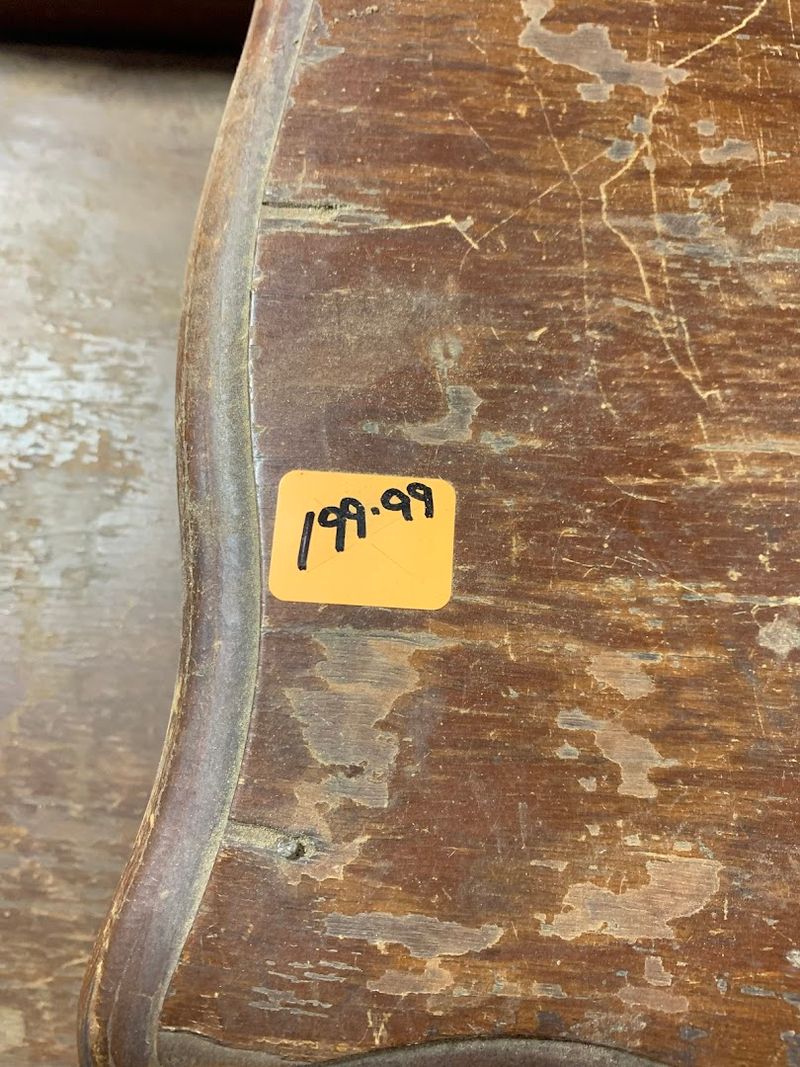
Pricing at thrift stores can be a sensitive topic, and Rock Thrift N More has certainly heard feedback about balancing fair prices with operational costs. When you’re sorting through the racks, you’ll find items at various price points that reflect both the condition and original value of the merchandise.
Some shoppers have noted that certain items carry prices closer to retail than expected for secondhand goods, especially on brand-name clothing or collectible pieces. The store faces the challenge of pricing donated items appropriately while covering expenses like rent, utilities, and staff wages in a large facility.
What seems expensive to one shopper might feel reasonable to another depending on the item’s condition and market value.
The key is knowing what you’re looking for and understanding what similar items cost elsewhere. Clothing generally offers better value than electronics or collectibles, where prices sometimes reflect online marketplace rates.
Furniture pricing varies widely based on condition, with some pieces priced for quick turnover and others reflecting their potential worth.
Savvy shoppers recommend visiting regularly because pricing isn’t always consistent, and you might find incredible deals one week that weren’t available before. Comparing prices before you shop helps you recognize genuine bargains when they appear.
The best strategy involves patience, willingness to hunt through inventory, and realistic expectations about what donated merchandise should cost in today’s market.
Location Convenient for Regional Shoppers
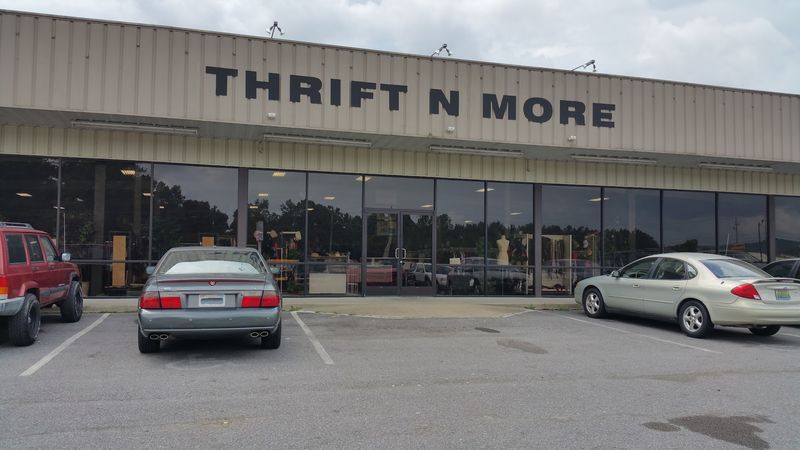
Rock Thrift N More sits at 607 Gilbert Ferry Rd SE in Attalla, positioned to draw shoppers from surrounding communities throughout Etowah County and beyond. The location offers accessibility for anyone traveling through the area or specifically making the trip for thrift shopping.
Attalla itself provides a small-town atmosphere where businesses maintain a local feel rather than corporate polish. The store’s placement on Gilbert Ferry Road means reasonable parking access and visibility for drivers passing through.
Nearby, you’ll find Noccalula Falls Park at 1500 Noccalula Rd in Gadsden, offering waterfalls and hiking trails just a short drive away. The Gadsden Museum of Art at 2829 W Meighan Blvd provides cultural enrichment for anyone combining errands with leisure time.
For meals before or after shopping, locals head to spots like Big D’s Bar-B-Q at 1415 Rainbow Dr in Gadsden for southern comfort food, or The Grille at Wills Creek at 260 River Rd in Attalla for casual dining.
These nearby options make it easy to turn a thrift shopping trip into a fuller day of exploring the area.
The store operates Monday through Saturday from 9 AM to 6 PM, staying closed on Sundays. This schedule accommodates working folks who need weekend shopping time while giving staff a consistent day off.
Planning your visit around these hours ensures you won’t make a wasted trip to a closed store.
Constantly Changing Inventory Creates Excitement
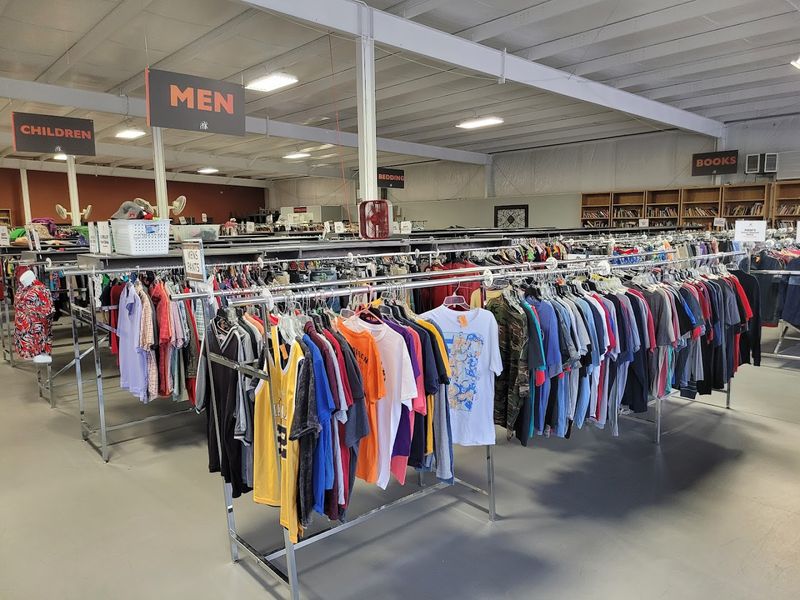
The unpredictable nature of thrift store inventory turns shopping into an adventure rather than a routine errand. At Rock Thrift N More, donations arrive continuously, meaning the merchandise landscape shifts between visits sometimes dramatically.
What you see on Monday might be completely gone by Thursday, replaced by an entirely different selection. This creates urgency among regular shoppers who know that hesitating on a good find means someone else will claim it.
The constant turnover also means that disappointing trips don’t predict future experiences because next week could bring exactly what you’re seeking.
Seasonal changes influence inventory patterns, with clothing donations reflecting weather transitions and holiday decorations appearing as appropriate times approach.
Estate sales and moving donations occasionally flood the store with entire households worth of goods, creating particularly fruitful shopping periods.
Collectors hunting specific items learn to check frequently because rare pieces appear randomly among everyday merchandise.
The downside of rotating inventory is inconsistency. You can’t count on finding specific items or brands when you need them.
Furniture shoppers might wait weeks for the right piece to appear. Clothing sizes in popular ranges sell quickly, leaving gaps until new donations arrive.
This unpredictability defines the thrift shopping experience, though, separating it from retail stores where inventory remains stable. The possibility of discovering something amazing keeps people returning despite knowing they might leave empty-handed sometimes.
That’s the gamble that makes thrift shopping exciting.
Supporting a Mission Beyond Retail
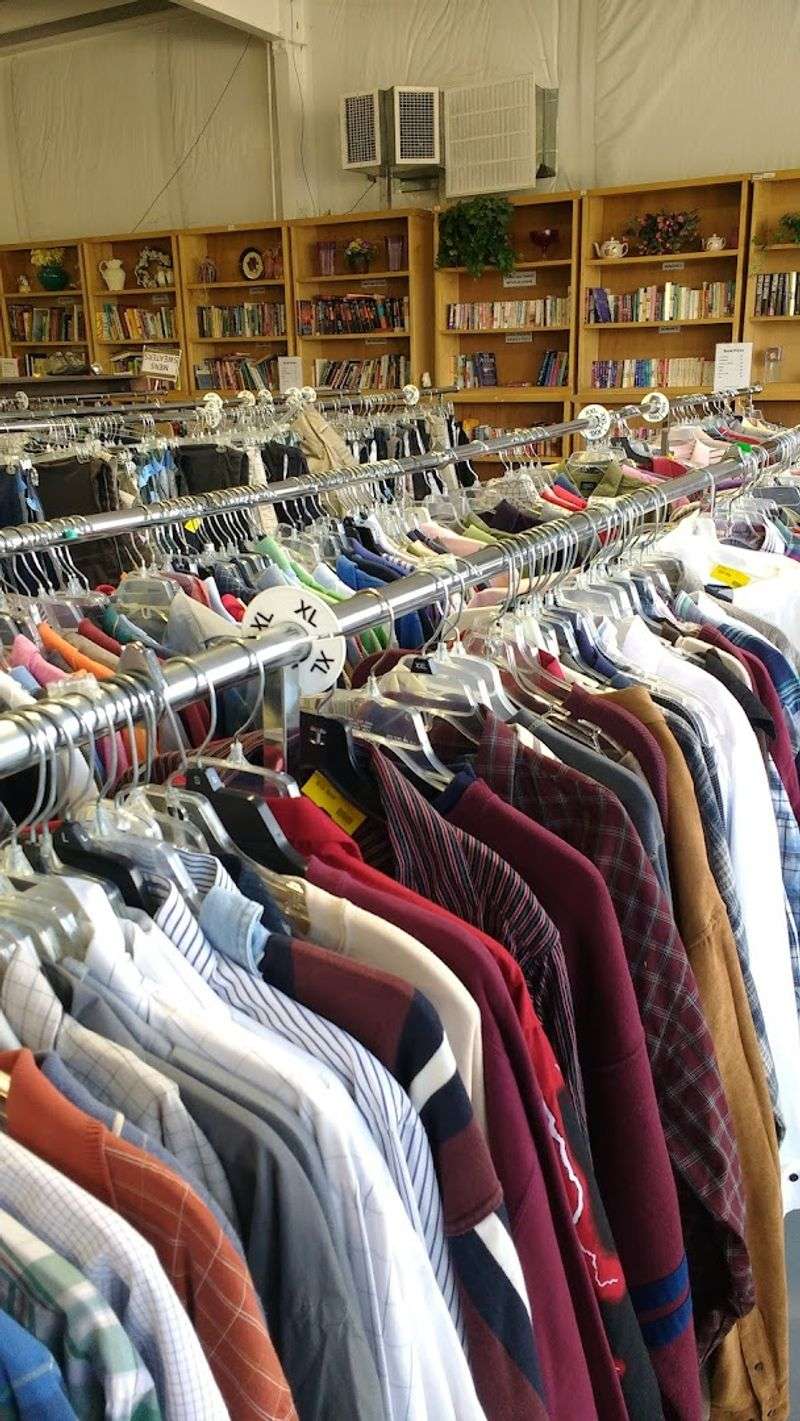
Rock Thrift N More operates as more than just a retail business, functioning as part of a broader mission to serve the community through affordable goods and charitable work. Understanding this context helps shoppers appreciate the store’s purpose beyond simple commerce.
Thrift stores connected to charitable missions rely on donated merchandise to fund programs and services that benefit local communities. The revenue generated from sales supports operational costs first, with remaining funds directed toward the organization’s charitable objectives.
This model explains why pricing sometimes feels higher than expected because the store must balance affordability with financial sustainability.
Shoppers who donate items to the store contribute to this cycle by providing merchandise that generates revenue for community programs. The quality and quantity of donations directly impact what appears on shelves and how the store prices items.
When donations include valuable or desirable goods, the store can offer better deals while still meeting financial goals.
Some reviewers have expressed concerns about whether staff receive fair treatment and appropriate working conditions. These observations matter because charitable missions should extend to employees, not just the communities served.
Ethical thrift shopping involves considering how organizations treat workers alongside their broader community impact.
Before shopping or donating, researching the organization’s mission and practices helps you align your spending with your values. Thrift stores serve important community functions by making goods accessible to people with limited resources while reducing waste through reuse.
Organized Chaos Requires Patient Hunting
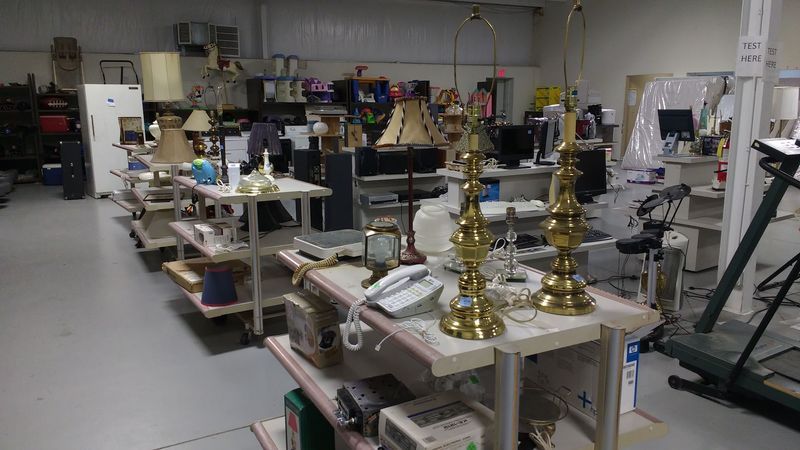
Organization in large thrift stores presents ongoing challenges that affect the shopping experience in significant ways. Rock Thrift N More manages enormous inventory volumes that make perfect organization nearly impossible to maintain consistently.
Items are generally grouped by category, with clothing separated by type and gender, housewares clustered together, and furniture arranged in open spaces.
Within these broad categories, though, organization breaks down as shoppers move items around and staff struggle to keep pace with incoming donations.
Sizes might be mixed on clothing racks, and prices occasionally go missing from merchandise.
Some reviewers have noted that the store can feel cluttered or difficult to navigate, with items lacking price tags creating frustration at checkout. These organizational issues stem from the fundamental challenge of processing constant donation flows while serving customers simultaneously.
Smaller staff teams managing large spaces inevitably create gaps in presentation quality.
Patient shoppers who enjoy the hunt don’t mind digging through less organized sections because hidden treasures often hide in overlooked spots. Rushing through the store or expecting boutique-level organization leads to disappointment.
Successful thrift shopping requires time, willingness to search thoroughly, and tolerance for imperfect presentation.
The store’s cleanliness and organization standards have received mixed reviews, suggesting that experiences vary depending on when you visit and which sections you browse.
Going during slower periods might offer better organization than busy weekend afternoons when merchandise gets disturbed by heavy traffic.
Staff Experiences Vary Across Visits
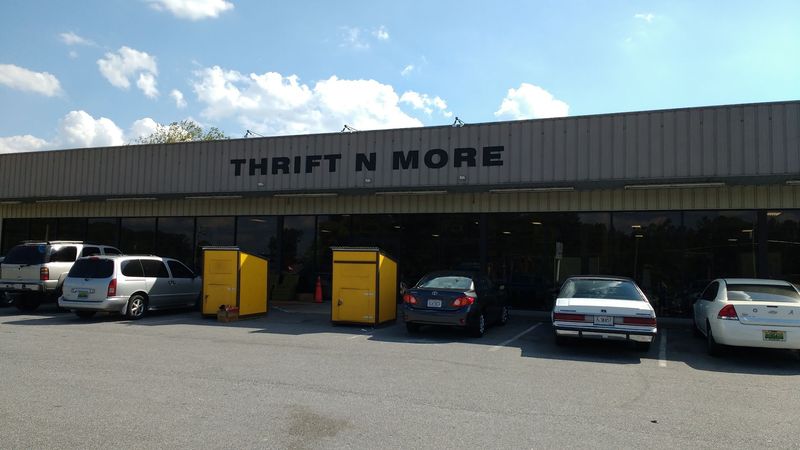
Customer service experiences at Rock Thrift N More range widely according to reviews, with some shoppers praising friendly helpful staff while others report less positive interactions. This inconsistency suggests that individual employees and timing significantly impact how welcomed customers feel.
Many reviewers mention encountering kind employees who assist with finding items or answer questions pleasantly. These positive interactions create comfortable shopping environments where customers feel valued.
Other reviews describe rude responses to simple questions or feeling ignored when seeking help. Such contrasting experiences indicate that staff training or management approaches may vary.
The store’s return policy, offering store credit rather than cash refunds, has frustrated some shoppers, particularly those who purchased non-working electronics. Clear communication about policies before purchase would help customers make informed decisions.
When staff enforce policies without flexibility or explanation, negative experiences result even when rules are standard for the industry.
Working conditions mentioned in some reviews raise questions about how the organization treats employees. Charitable missions should extend to staff welfare, ensuring fair treatment and appropriate job duties.
Shoppers increasingly consider employee treatment when choosing where to spend money.
Your experience will likely depend on which staff members you encounter and how busy the store is during your visit.
Approaching interactions with patience and clear communication helps, though ultimately the store’s management shapes the overall culture that determines whether customer service feels warm or indifferent across visits.
