Retirement should mean relaxation, not worrying about every penny. These Maryland small towns get that.
Quiet streets, friendly neighbors, and a pace that lets you actually enjoy your mornings. You can find a cozy house without a shocking price tag, walk to a local coffee shop, and spend afternoons on a porch with a good book.
Some towns sit by the water. Others hide in the hills.
All of them offer a quality of life that does not require a lottery win. Locals wave when you pass by.
The diner knows your order. And somehow, the cost of living stays reasonable.
That is the dream for so many people. Maryland proves that living well on a budget is not just possible, it is happening every day in these ten little towns.
1. Frostburg
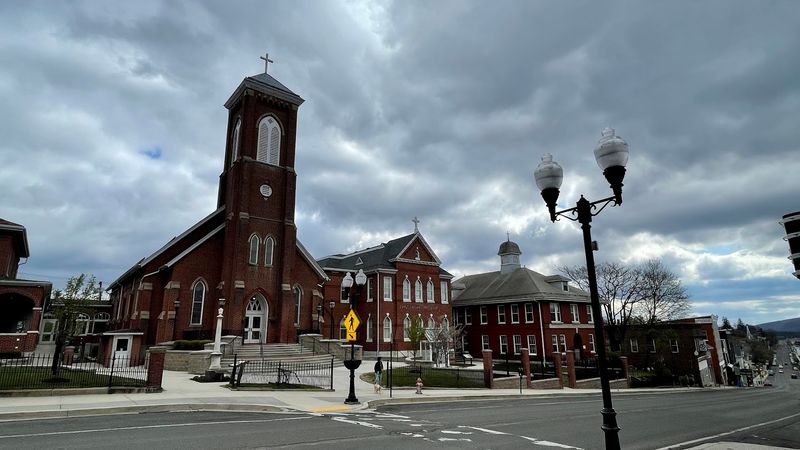
There is something refreshingly unhurried about Frostburg that you notice the moment you arrive, like the whole town agreed to slow things down on purpose. Perched in the Allegheny Mountains of western Maryland, this small college town sits at an elevation that gives it crisp air and stunning seasonal color.
Frostburg State University brings a lively cultural energy to the area without making it feel overcrowded or chaotic.
Retirees here enjoy a genuine sense of community. Neighbors actually know each other, local shops stay busy with familiar faces, and the downtown strip has a lived-in charm that chain-heavy suburbs simply cannot replicate.
The historic Frostburg train depot, once a stop on the famous Western Maryland Scenic Railroad, still draws visitors and gives longtime residents a reason to feel proud of their town’s past.
Outdoor life is a big draw here too. The surrounding mountains offer trails, state parks, and quiet roads perfect for cycling or morning walks.
Big Savage Mountain and Dans Mountain State Park are both within easy reach, offering peaceful retreats without requiring a long drive.
Housing costs in Frostburg run well below Maryland’s state average, which matters a lot when you are living on a fixed income. The town also benefits from proximity to medical services in Cumberland, just a short drive away.
For retirees who want mountain scenery, a tight-knit community, and affordable living all wrapped into one place, Frostburg delivers with a kind of effortless authenticity that is genuinely hard to find.
2. Cumberland
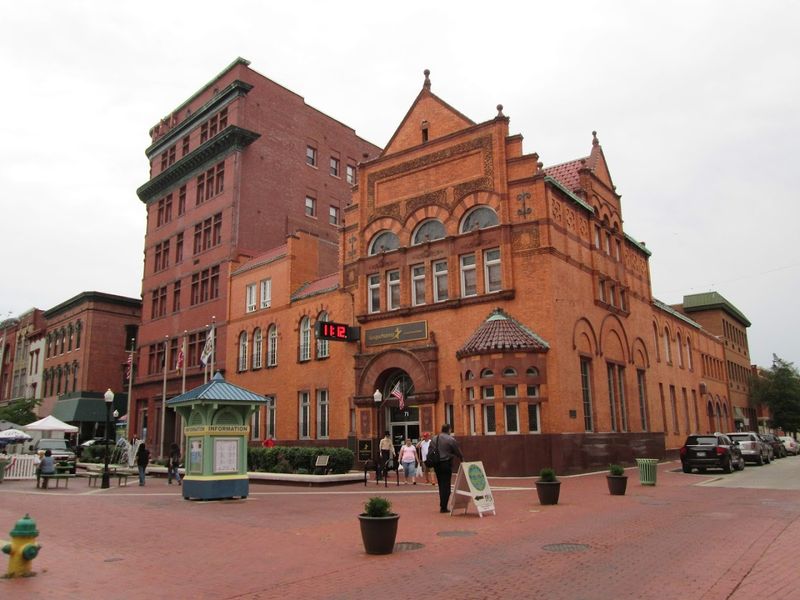
Cumberland surprises people. You come expecting a quiet former industrial city and leave thinking about when you can come back.
Hidden into a narrow valley where Wills Creek meets the North Branch Potomac River, this western Maryland city punches well above its weight when it comes to arts, culture, and community spirit.
The Embassy Theatre is a crown jewel of downtown, hosting performances that rival what you might find in much larger cities. The Ferleman Gallery and Gallery Stage add even more creative energy to a downtown that feels genuinely alive.
Retirees who have always wanted to get involved in the arts, whether as audience members or participants, find Cumberland to be an unexpectedly welcoming place for that kind of engagement.
Housing here is among the most affordable in the entire state. Median home prices hover well below the Maryland average, giving retirees real purchasing power and room to breathe financially.
The Cumberland Senior Center provides meals, activities, and social programming that keeps residents connected and engaged throughout the year.
Medical care is covered through the University of Pittsburgh Medical Center, which operates a facility nearby and brings a high standard of healthcare to the region. The Great Allegheny Passage trail runs right through Cumberland, offering miles of scenic path for walking and cycling.
History lovers will appreciate the Canal Place Heritage Area, where the old Chesapeake and Ohio Canal tells stories of a remarkable industrial past. Cumberland is the kind of place that rewards those willing to look a little deeper.
3. Crisfield
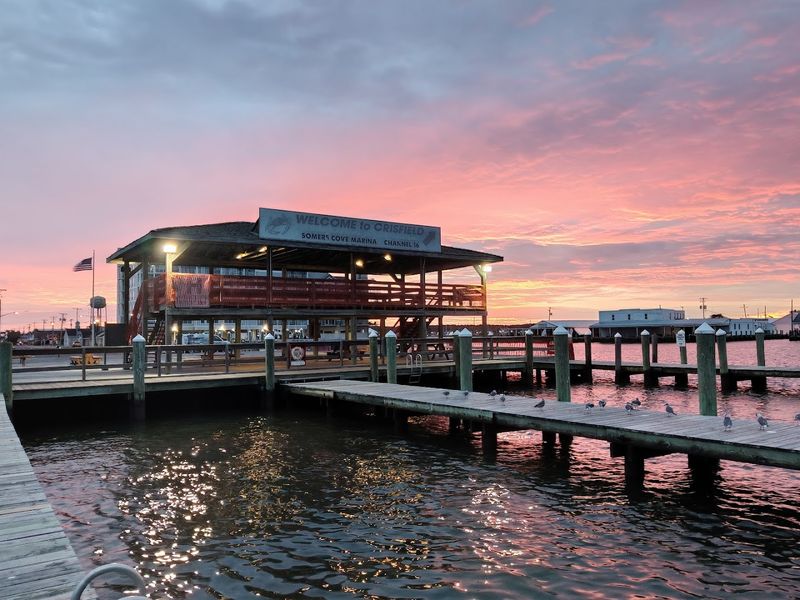
Out on the southern tip of the Delmarva Peninsula, Crisfield sits quietly at the edge of the Tangier Sound like it has always belonged there. The salt air hits you first, then the sound of gulls, and then the sight of working boats lined up along the docks.
This is a real waterman’s town, and that authenticity is exactly what draws retirees who are tired of places that feel manufactured.
Known widely as the crab capital of the world, Crisfield has built its identity around the water and everything that comes with it. The J.
Millard Tawes Historical Museum tells the story of the region’s maritime heritage in a way that feels personal rather than textbook. Somers Cove Marina is a lively gathering point where locals swap stories and watch the boats come and go through the seasons.
Home prices here are genuinely low, with median values sitting around $166,000, making Crisfield one of the most affordable retirement destinations in the entire state. That kind of value is rare anywhere on the East Coast, let alone in a waterfront community with real character and natural beauty.
The Crisfield Senior Activities Center offers programming and services that help retirees stay active and socially connected.
Nature surrounds the town on every side. The nearby Janes Island State Park offers kayaking, hiking, and some of the most unspoiled coastal scenery in Maryland.
For retirees who want water views, fresh seafood, and a strong community without a hefty price tag, Crisfield is a genuinely compelling answer.
4. Oakland
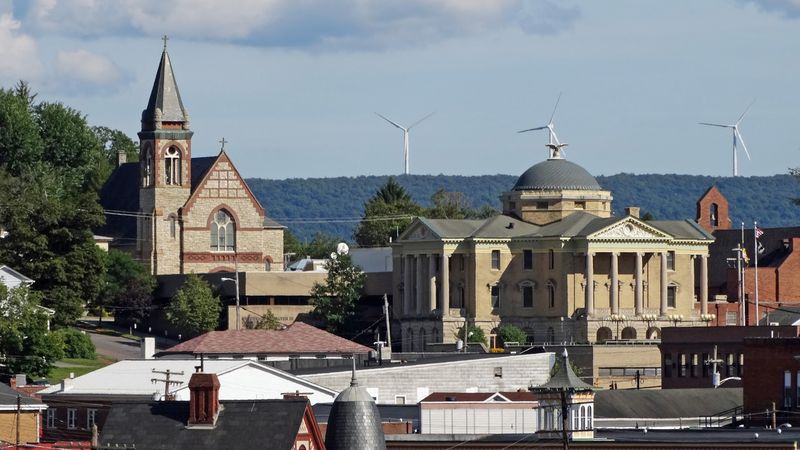
Oakland is the kind of mountain town that feels like a well-kept secret, and the people who live there seem perfectly happy keeping it that way.
Sitting in Garrett County at the western edge of Maryland, this is the state’s highest incorporated town, and the views that come with that elevation are absolutely worth the drive to get there.
Deep Creek Lake is just a few miles away, offering boating, fishing, and swimming during warmer months. In winter, Wisp Resort brings skiing and snowshoeing to the area, giving retirees four genuine seasons to enjoy rather than just tolerating the cold months.
The surrounding Garrett State Forest adds thousands of acres of hiking and wildlife watching right at the doorstep of everyday life.
Downtown Oakland has a warm, unpretentious feel. The historic B&O Railroad Station Museum anchors the town’s heritage with stories of the rail lines that once connected this remote corner of Maryland to the wider world.
Local shops and small restaurants fill out the commercial district without feeling forced or touristy, which matters when you plan to actually live somewhere rather than just visit.
Housing costs in Oakland are reasonable by Maryland standards, and the overall cost of living reflects the rural character of Garrett County. Community events through the year bring residents together in ways that remind you why small-town life has such a lasting appeal.
For retirees craving mountain air, lake access, and genuine four-season living, Oakland delivers something rare and deeply satisfying.
5. Hampstead
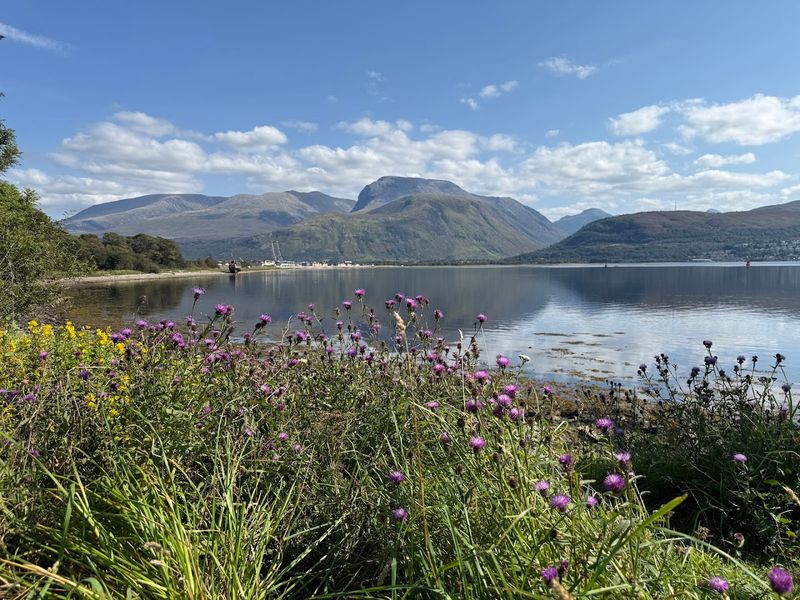
Carroll County has always had a certain quiet pride about it, and Hampstead captures that spirit better than almost anywhere else in the county.
This small town sits comfortably between Baltimore and the Pennsylvania border, close enough to the city for convenience but far enough away to feel like a genuine escape from urban noise and pace.
Main Street in Hampstead has the kind of charm that does not need to announce itself. Local businesses, community events, and a relaxed pedestrian atmosphere give the downtown area a personality that feels earned rather than staged.
The town hosts seasonal festivals and community gatherings that bring residents together and give newcomers an easy way to plug into local life.
For retirees who value proximity to nature, Hampstead is well positioned. Piney Run Park in nearby Sykesville and the trails throughout Carroll County offer green space and outdoor recreation without requiring a long commute.
The area is also close to several well-regarded medical facilities, which is a practical concern that weighs heavily for many retirees making a long-term location decision.
Home prices in Hampstead are more accessible than in many Baltimore-area communities, offering solid value for retirees looking to stretch their retirement savings.
The town has a genuine sense of neighborliness that you notice in small interactions, a wave from a porch, a chat at the hardware store, a familiar face at the farmers market.
That kind of everyday warmth is harder to quantify than square footage but ultimately matters far more when choosing where to spend your retirement years.
6. Grantsville

Few places in Maryland feel as genuinely removed from modern rush as Grantsville. This tiny Garrett County village sits in a green valley in the Appalachian highlands, where the pace of life still bends toward the rhythms of seasons and community rather than deadlines and notifications.
It is the kind of place where you exhale a little deeper than usual.
The historic Casselman River Bridge is one of the oldest single-span stone arch bridges in the United States, and it stands just outside town as a quiet testament to the craftsmanship of a much earlier era.
Spruce Forest Artisan Village nearby celebrates traditional Appalachian arts and crafts, drawing visitors while also giving local artists a meaningful place to practice and share their work.
These are not tourist gimmicks but genuine expressions of regional culture that have survived because people here actually care about them.
The surrounding landscape is extraordinary. Savage River State Forest and the broader Garrett County wilderness offer hiking, fishing, and wildlife observation across tens of thousands of acres.
Retirees who spend mornings on the trails and afternoons at community events find a satisfying rhythm that city life rarely allows.
Grantsville is one of the most affordable places to live in Maryland, with housing costs that reflect its rural character and modest size. The Amish community presence in the surrounding area adds a distinctive cultural texture to everyday life, from roadside farm stands to handcrafted furniture.
For retirees seeking true quiet, natural beauty, and deep-rooted community, Grantsville is a rare and rewarding find.
7. Princess Anne
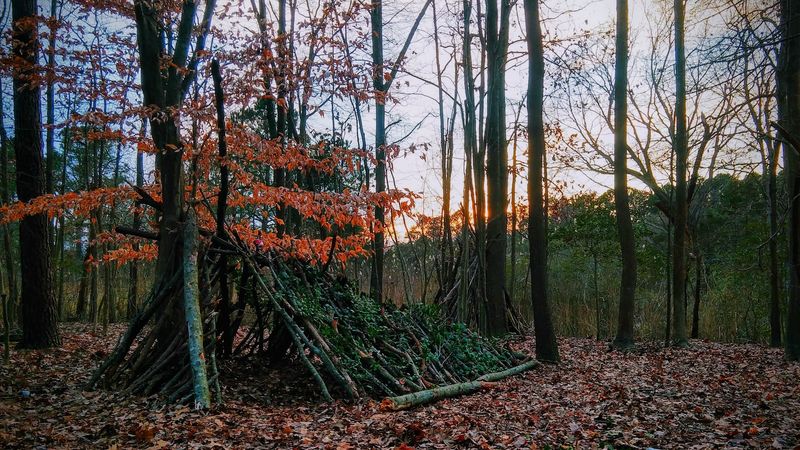
Princess Anne carries its history lightly, which is part of what makes it so appealing. The Somerset County seat sits on the lower Eastern Shore with a collection of colonial-era architecture that would make any preservation society proud, yet the town itself never feels like a museum.
People actually live here, and that lived-in quality is exactly what gives Princess Anne its distinctive character.
The University of Maryland Eastern Shore anchors the community with educational programming, cultural events, and a campus energy that keeps the town from feeling sleepy.
Retirees who want to stay intellectually engaged often find that proximity to a university campus opens doors to lectures, performances, and lifelong learning opportunities that enrich daily life in unexpected ways.
The Manokin River runs through town, adding a gentle waterfront element to the landscape and providing spots for fishing and quiet reflection. The broader Somerset County landscape is flat, open, and rich with wildlife, making it ideal for birdwatching, cycling, and unhurried outdoor exploration.
The Eastern Shore’s agricultural character gives the area a grounded, unpretentious quality that retirees from busier regions often find immediately refreshing.
Housing in Princess Anne is among the most affordable on the Eastern Shore, and the overall cost of living reflects the rural character of Somerset County.
Community life here revolves around local events, church gatherings, and the kind of neighborly interaction that reminds you what small-town living is supposed to feel like.
For retirees who want history, community, and affordability in equal measure, Princess Anne is a genuinely underrated choice.
8. Havre de Grace
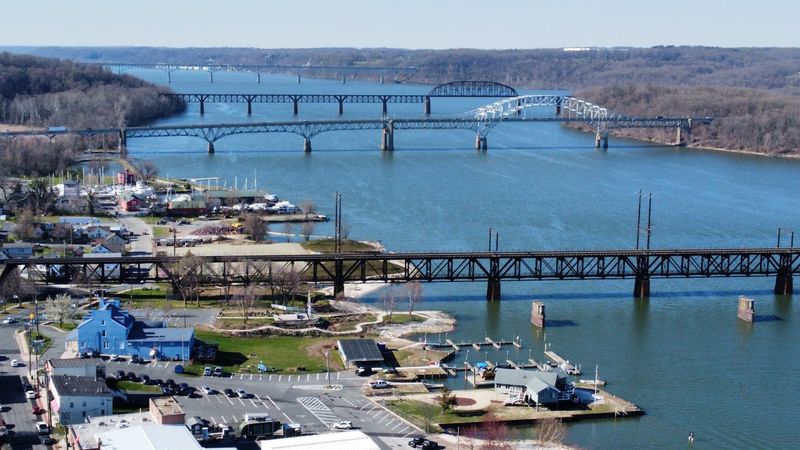
Havre de Grace has a way of stopping you mid-stride. The waterfront promenade along the Susquehanna River stretches out with views so wide and calm that you find yourself standing still just to take it in.
This small Harford County city sits where the river meets the Chesapeake Bay, and that geography shapes everything about how the place looks, feels, and lives.
The historic downtown is genuinely walkable and full of personality. Independent galleries, boutique shops, and locally owned restaurants line the streets of a district that has been thoughtfully preserved without becoming a theme park version of itself.
The Havre de Grace Maritime Museum and the Concord Point Lighthouse tell the story of a town that has always had a close and meaningful relationship with the water.
The Cultural Center at the Opera House brings live performances and community events to a beautifully restored venue that serves as a social hub for residents throughout the year.
Retirees who want an active cultural life without the chaos of a major city find that Havre de Grace strikes a genuinely satisfying balance.
The Susquehanna Museum of Havre de Grace at the Lock House adds another layer of historical depth to an already rich community story.
Home values here sit below the Maryland state average while still offering the kind of waterfront lifestyle that typically costs far more elsewhere. The town’s proximity to both Baltimore and Philadelphia makes it practical for those with family in either direction.
For retirees who want beauty, culture, and community without compromise, Havre de Grace is one of Maryland’s most quietly brilliant choices.
9. Easton
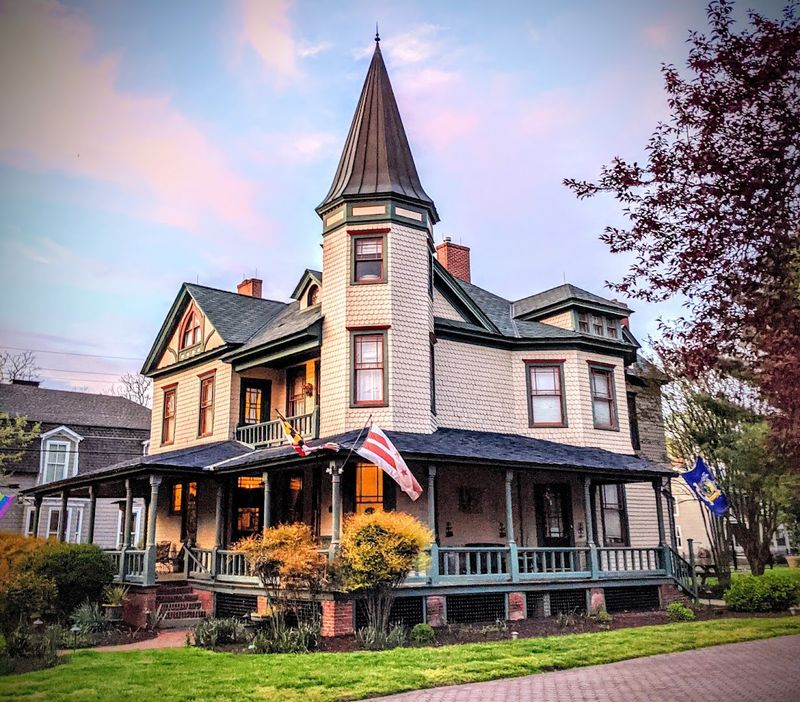
Easton has a certain confidence about it that you notice right away. The Eastern Shore’s unofficial cultural capital carries its reputation without being smug about it, offering a blend of historic architecture, vibrant arts, and genuine community warmth that makes it easy to understand why retirees keep choosing it.
The downtown is one of the most attractive in the state, full of independent shops and galleries that reward slow, exploratory walking.
The Avalon Theatre is a landmark worth visiting on its own terms, a beautifully restored 1921 venue that hosts everything from film screenings to live concerts and touring performances.
Art galleries cluster around the historic district, and the Waterfowl Festival each November draws visitors from across the region while giving locals a reason to celebrate the town’s deep connection to the Chesapeake Bay landscape.
Medical care is a genuine strength here. The University of Maryland Shore Medical Center at Easton is a well-regarded facility that gives retirees confidence about long-term health needs without requiring trips to a distant urban hospital.
That kind of local healthcare quality is often the deciding factor for retirees weighing their options.
Mild winters compared to much of Maryland make outdoor life enjoyable for more of the year. Nearby access to the Chesapeake Bay offers kayaking, sailing, and waterfront dining in a setting that still feels natural and unhurried.
Housing in Easton reflects its desirability but remains more accessible than comparable towns closer to major metro areas. For retirees who want culture, comfort, and Chesapeake beauty, Easton is a compelling and deeply livable destination.
10. Solomons
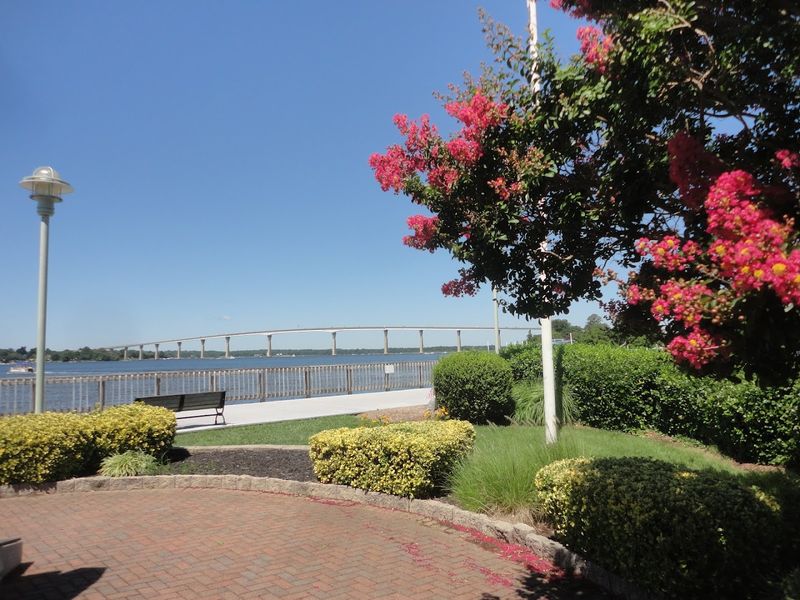
Solomons sits at the very tip of a narrow peninsula where the Patuxent River flows into the Chesapeake Bay, and that geography gives the whole place a feeling of being surrounded by water on nearly every side.
It is one of those towns where you can watch the sun rise over one body of water and set over another, and that simple fact says a lot about what daily life here actually looks and feels like.
The Calvert Marine Museum is one of the best small natural history and maritime museums on the East Coast, offering exhibits on the paleontology, ecology, and maritime heritage of the Patuxent River region. It draws visitors and engages locals in ways that keep the community intellectually alive year-round.
The museum’s resident otters and the historic Drum Point Lighthouse are particular favorites among regular visitors.
Solomons is a sailor’s town at heart. The marinas are busy through the warmer months, and the waterfront boardwalk gives non-sailors a front-row seat to all that activity without requiring any nautical expertise.
Restaurants and shops along the waterfront have a relaxed, unpretentious character that fits the town’s overall personality perfectly.
Retirees here tend to embrace an outdoor-oriented lifestyle, whether that means kayaking the river, fishing from the docks, or simply cycling the back roads of Calvert County. The pace is genuinely slow in the best possible way.
Housing costs are reasonable for a waterfront community, and the sense of place in Solomons is strong enough that most people who move here find it very difficult to imagine living anywhere else.
