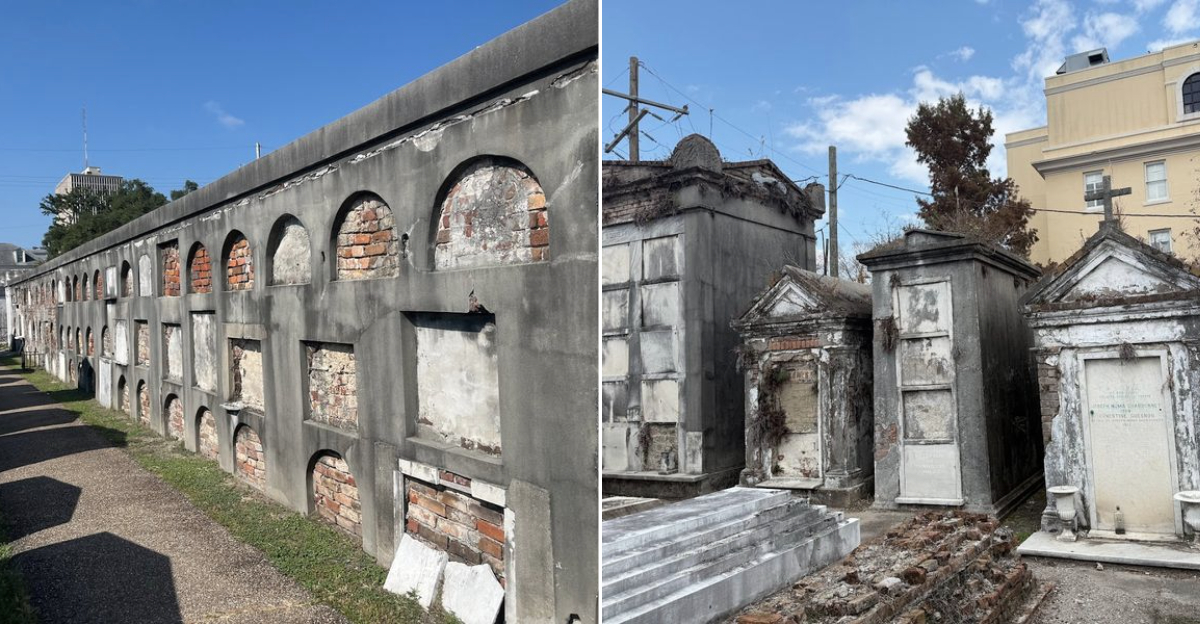
he sun dips below the Mississippi, and the iron gates swing shut with a heavy clank. That is your cue to leave this ancient haunted cemetery in Louisiana, a place that welcomes visitors by daylight but seals itself tight after dark.
The tombs rise above ground like small stone houses, their weathered facades holding stories that stretch back centuries. By morning, you can walk the narrow paths, read the faded names, and stand where one of the most famous voodoo queens was laid to rest.
But when the shadows lengthen, something shifts. The air feels heavier, the silence deeper.
Locals know the rule, and they follow it without question. You do not need to believe in ghosts to respect the feeling that settles over the grounds once the sun is gone.
Visit before noon, take your photos, and be back through the gate well before the last light fades. Some places are best explored with the sun at your back and the exit still in sight.
Why The Gates Matter So Much
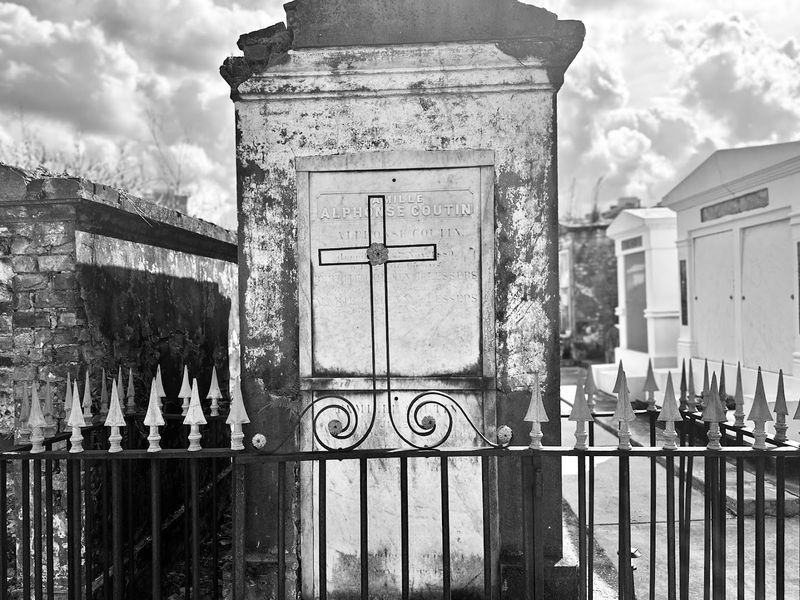
The first thing that gets you is not even a tomb, because it is that feeling of being gently told this place has its own boundaries. St. Louis Cemetery No. 1 does not play around after dark, and honestly, that makes the whole place feel even more charged when you stand outside the gates.
You can feel the city moving nearby, but inside, everything seems to pull inward.
That after-dark closure is partly about safety and preservation, but it also deepens the cemetery’s reputation in a way no ghost story could manage alone. In Louisiana, places with this much memory seem to ask for a little distance, and that distance can make your imagination run wild.
You start noticing how quiet the stone feels, how the air changes, and how your voice naturally drops.
What I like is that the restriction does not feel gimmicky or theatrical, even though the cemetery is one of the most talked-about haunted spots in New Orleans. It feels practical, respectful, and oddly mysterious at the same time.
That combination is exactly why people stay curious.
By the time evening settles in, the closed gate almost becomes part of the story itself. You are not just visiting a landmark.
You are standing at the edge of somewhere sacred, storied, and just unsettled enough to keep your mind busy long after you leave.
Getting There Feels Like Entering Another World
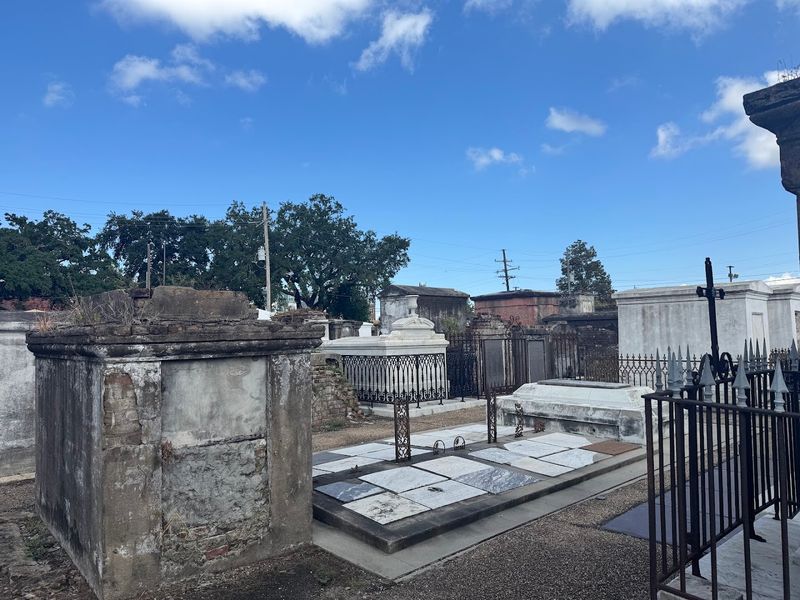
You are right on the edge of the French Quarter here, but the mood shifts fast once the cemetery comes into view. St. Louis Cemetery No. 1, 425 Basin St, New Orleans, LA 70112, sits in a part of town where traffic, history, and folklore all seem to collide at once.
One minute you are in the rhythm of the city, and the next minute everything feels more hushed.
That location matters because this is not some isolated graveyard tucked far outside the action. It is woven straight into New Orleans, which makes the contrast even stronger when you realize public access is tightly controlled.
You do not wander in casually, and that little bit of structure changes how you approach the whole visit.
I actually think that helps. Instead of treating it like a backdrop, you show up ready to pay attention to what is around you, from the old plastered tombs to the narrow walkways and the serious sense of age.
Louisiana has plenty of places with stories, but this one meets you immediately.
Even before you step inside with a guide, the setting starts doing its work. You are in the city, yet slightly outside it, as if the normal noise has been turned down just enough for the past to start talking back.
Those Above-Ground Tombs Stay With You
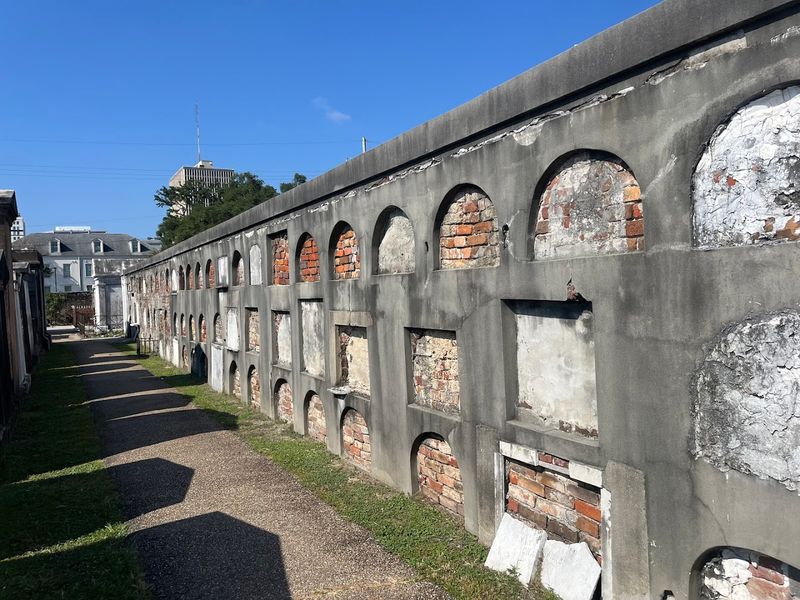
Once you are inside, the above-ground tombs are what really lock your attention in place. They rise close together in these pale, worn rows that look almost like a tiny stone neighborhood, and the effect is striking in a way photos never fully capture.
Everything feels dense, sun-washed, and deeply lived with.
There is a practical reason for that burial style, of course, because New Orleans has long dealt with a high water table and flooding concerns. Still, knowing the reason does not make the sight any less surreal when you are walking among those stacked vaults.
It looks unlike most cemeteries in the United States, and that difference hits you right away.
What surprised me was how intimate it feels despite all the heavy masonry. The tombs are solid and silent, yet they seem to hold generations in plain view, with names, symbols, and fading details that pull you closer without ever feeling showy.
You keep slowing down because there is so much texture everywhere.
That visual style is a huge part of why this cemetery lingers in your head. It is not only haunted in reputation.
It is architecturally strange, culturally specific, and unmistakably Louisiana in a way that makes the whole place feel rooted in both necessity and ritual.
Marie Laveau Still Hovers Over Everything
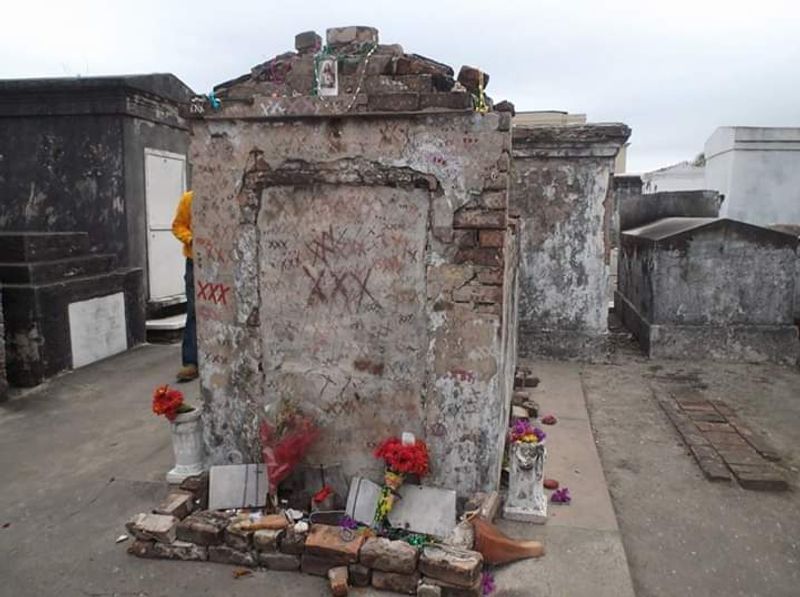
You cannot talk about this cemetery without getting into Marie Laveau, because her presence hangs over the place whether you believe in ghosts or not. She is the name people whisper first, and once you are there, you understand why that fascination has lasted so long.
The stories cling to the tombs almost as much as the heat does.
Locals and visitors have long shared tales about seeing her spirit, feeling sudden cold spots, or watching cameras act strangely for no clear reason. Maybe you buy into that, maybe you do not, but it definitely changes the air around her reputed resting place.
People do not just glance and move on.
What makes it interesting to me is that the legend never feels separate from New Orleans itself. Marie Laveau sits at the crossroads of religion, folklore, power, and performance in a way that reflects the city better than any easy ghost tour summary ever could.
She is part myth, part memory, and fully woven into the local imagination.
So yes, the haunted reputation is real, at least in the sense that everyone brings it with them through the gate. By the time you hear her name again inside St. Louis Cemetery No. 1, you are already looking around a little more carefully than you were before.
You Do Not Just Wander In Here
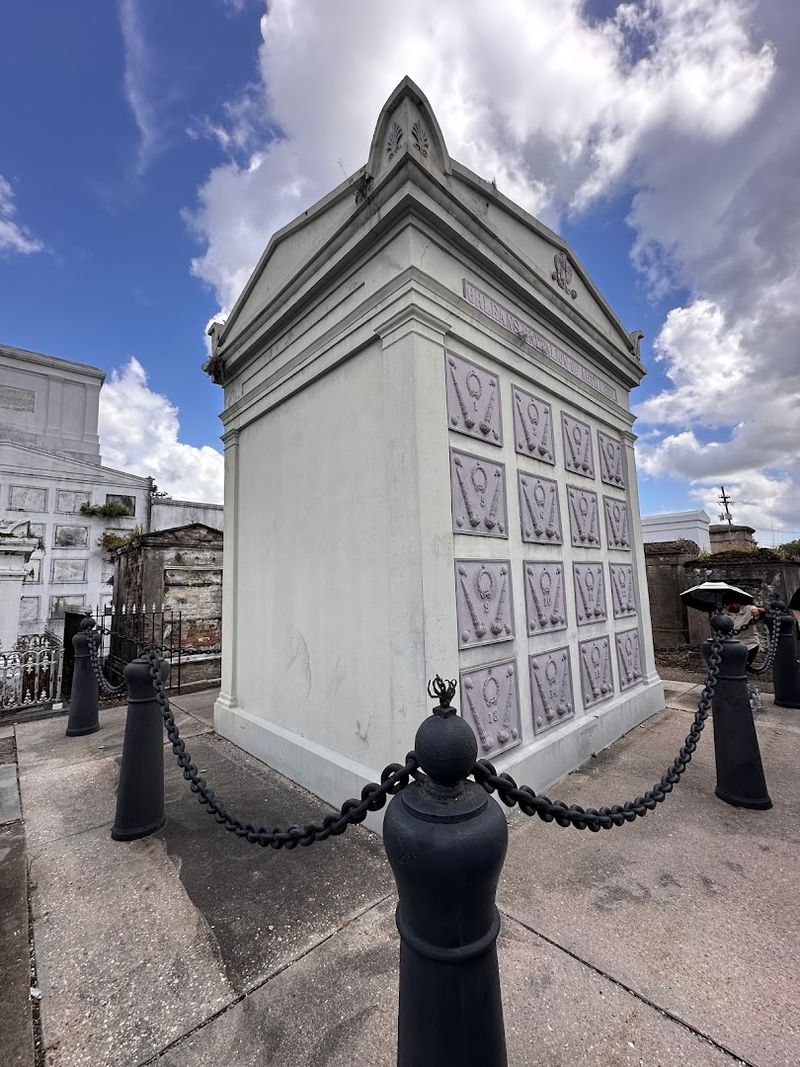
Here is something people sometimes miss until they start planning the visit, and it matters more than you might think. You cannot just show up and roam around on your own, because entry is limited to guided access.
That rule changed the feel of the place for me in the best possible way.
Instead of random foot traffic spilling through a fragile historic site, the cemetery now feels a little more protected and a lot more intentional. The licensed guide requirement helps preserve the tombs, reduces crowding, and keeps the whole visit grounded in context rather than spectacle.
Honestly, that makes the stories land harder.
When someone knowledgeable walks you through the paths, you start seeing details you would absolutely miss on your own. You notice family names, burial customs, religious symbols, and the cultural mix that shaped this corner of Louisiana over generations.
The place stops being a spooky headline and starts becoming human.
I also think the rule quietly reminds you that this is sacred ground before it is anything else. Yes, the haunted angle pulls people in, and I get it, but the guided structure asks you to slow down and act accordingly.
That is not restrictive in a bad way. It actually gives the cemetery some breathing room.
History Feels Personal In This Place
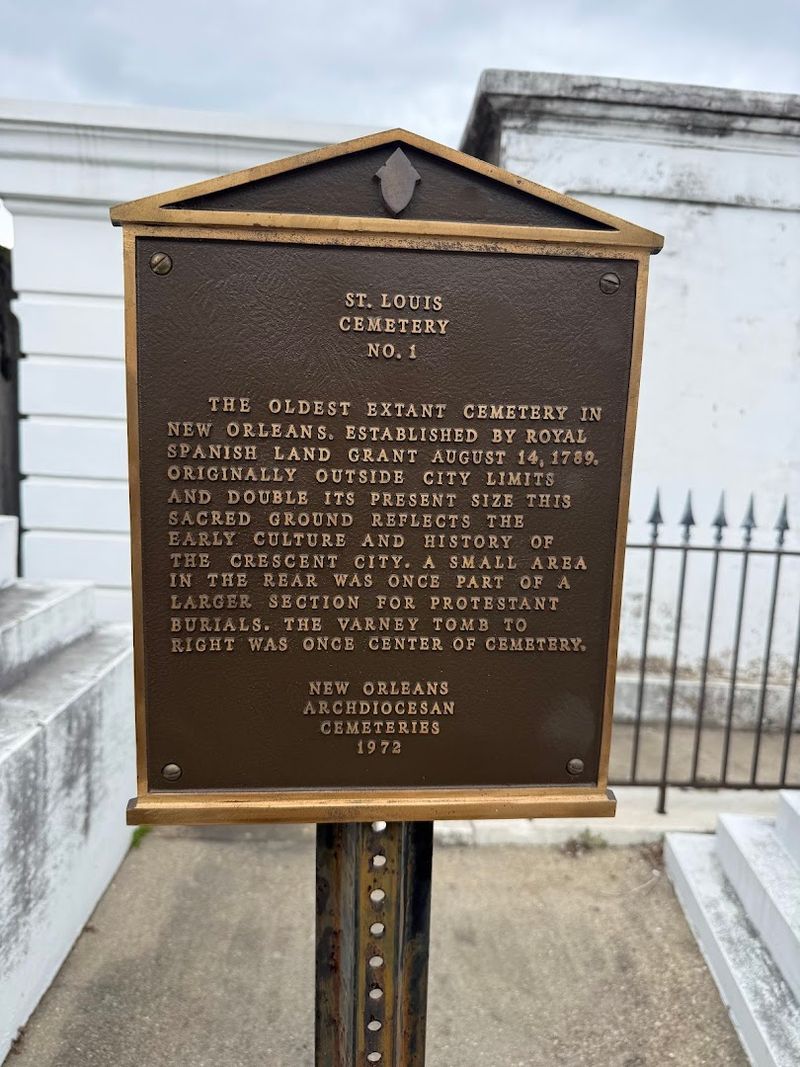
What really got under my skin here was not just the haunting talk, but the sheer amount of history pressed into such a compact space. This cemetery reflects French and Spanish colonial influence, Catholic traditions, Creole life, and African spiritual threads, all layered together without feeling neat or simplified.
You can sense that complexity before anyone even points it out.
It also holds the memory of people whose names carry real weight far beyond New Orleans. Homer Plessy is buried here, and just knowing that connects the cemetery to a larger American story about race, law, and dignity that still matters deeply.
Suddenly the space feels even less distant.
I think that is why this place lands so differently from a standard sightseeing stop. You are not looking at one tidy narrative.
You are walking through a dense collection of lives, beliefs, and struggles that helped shape Louisiana and the country around it. Every turn seems to open another layer.
There is something moving about how all those histories sit side by side among the old tombs. The cemetery asks you to hold mystery and fact together at once, which feels very true to New Orleans.
It is solemn without being stiff, and haunted without losing the people at the center of the story.
After Sunset The Mystery Deepens Fast
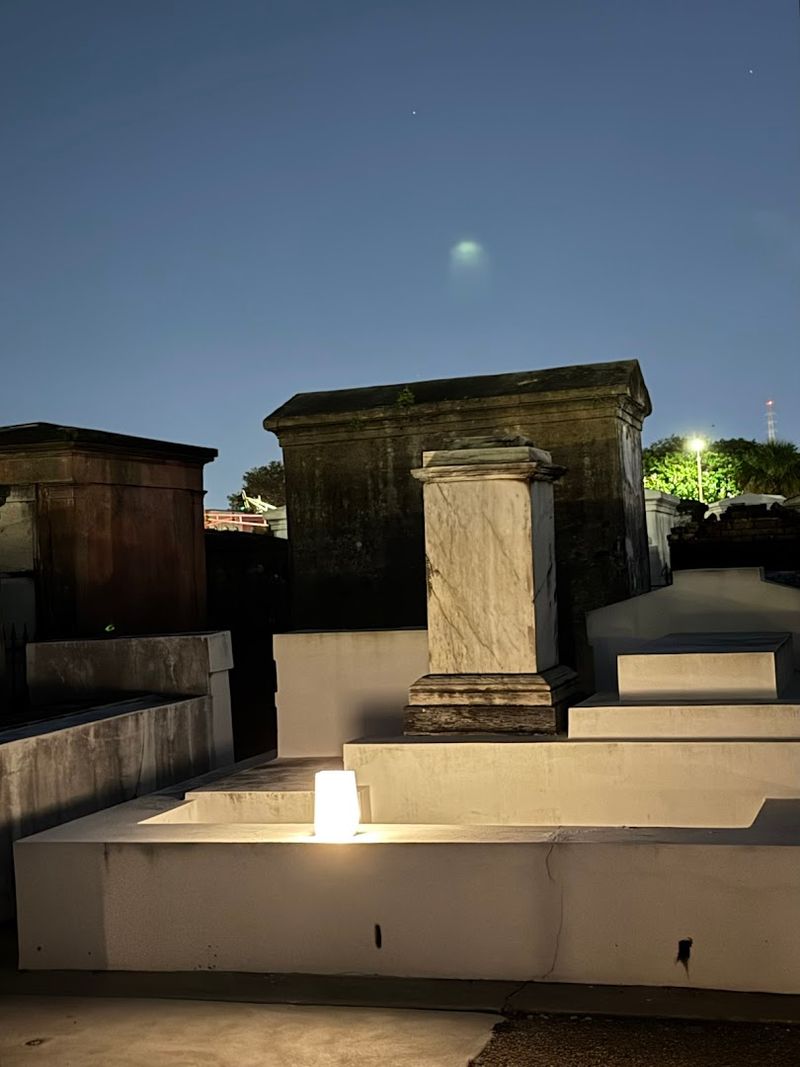
This is where the whole place shifts from historic to genuinely unsettling, and you do not even need to be inside to feel it. After sunset, the cemetery closes to the general public, and that hard boundary gives the stories extra weight.
You suddenly understand why people talk about it in such a hushed way.
The interesting part is that the darkness is not treated like a gimmick for thrill seekers. The restriction exists for preservation and safety, which makes perfect sense when you are dealing with fragile structures and sacred ground.
Still, knowing the gates are shut tight after dark definitely sparks your imagination.
There are select guided night visits, and those are handled in a controlled, respectful way rather than as some chaotic free-for-all. From what I have seen, the appeal is less about trying to provoke something spooky and more about experiencing the cemetery in a quieter, more reflective mood.
That sounds much more fitting to me.
Even so, the thought of this place at night is hard to shake. New Orleans already knows how to blur the line between the living city and its past, and this cemetery takes that feeling further than most places ever could.
Once evening settles in, the mystery does not fade. It gathers itself.
Respect Is Not Optional Here
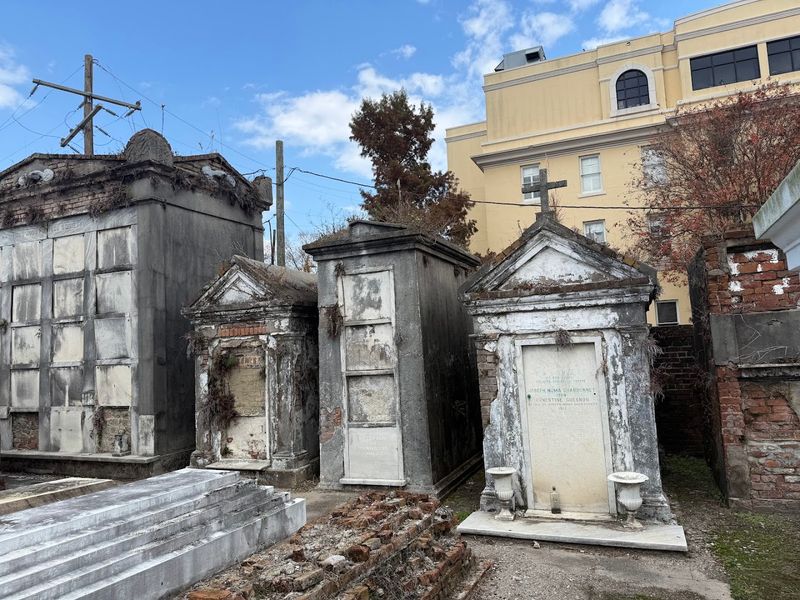
One thing I appreciated right away is that the rules here are clear, and they should be. You are asked not to touch, sit on, or lean against the tombs, and that feels like the bare minimum once you are standing among them.
These structures are fragile, meaningful, and still deeply connected to families and faith.
The same goes for not marking tombs or leaving random items behind. This is not the kind of place where you perform your fascination for a photo and move on.
In Louisiana, where burial traditions carry so much cultural and spiritual weight, that respect matters even more. The cemetery is not a stage set.
I actually think those boundaries improve the visit. When you are not distracted by careless behavior around you, it is easier to notice the craftsmanship, the age, and the emotional charge of the space itself.
You become more observant, and the cemetery feels calmer because of it.
That mood is part of what makes St. Louis Cemetery No. 1 so memorable. It is eerie, yes, but it is also solemn in a very grounded way that keeps pulling you back to the human side of the place.
The rules are not there to spoil anything. They help protect what gives the cemetery its power.
Why This Place Lingers Long After You Leave
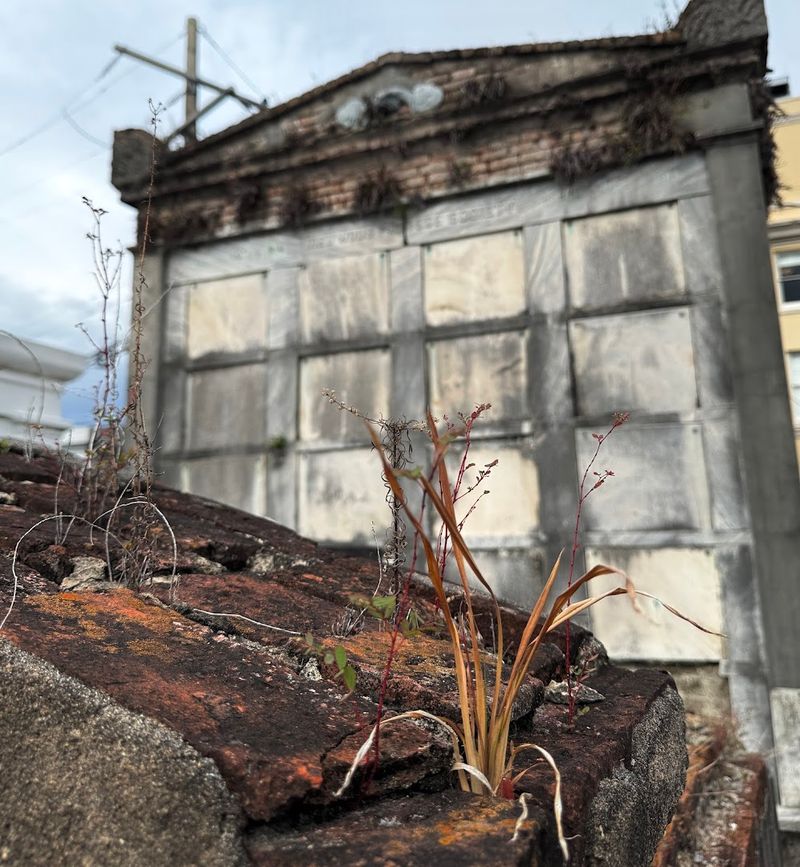
By the end of the visit, what stays with you is not one single spooky moment or famous name. It is the whole layered feeling of the place, where sacred ritual, local history, and haunted folklore all sit together without canceling each other out.
That mix is hard to find anywhere else.
St. Louis Cemetery No. 1 feels unmistakably tied to New Orleans, but it also says something broader about how people remember the dead. The city may swirl loudly around it, yet inside the cemetery, memory feels slower and heavier, like it has been settling there for generations.
You walk out carrying more than you expected.
I think that is especially true because the gates close after dark. That simple fact gives the cemetery a final edge of mystery, almost like the place gets to keep part of itself hidden no matter how many stories are told outside.
In a weird way, the limit makes the experience feel fuller.
If you go, do not rush it and do not treat it like a dare. Let yourself notice the architecture, the silence, the history, and the way Louisiana seems to gather itself inside those narrow paths.
Some places impress you for an afternoon. This one sticks around and keeps talking long after you are home.
